How to plan a flexible family vacation itinerary?
Table of Contents
To plan a flexible family vacation itinerary, you must establish a logistical framework of refundable flights and accommodations, identify only 1-2 “anchor” activities per day, and actively schedule downtime. This approach prioritizes adaptability over a rigid schedule, allowing parents to effortlessly adjust to children’s moods and unexpected opportunities rather than rushing to the next reservation.
For a comprehensive look at how this fits into your broader preparation, start by understanding How to Plan a Family Vacation Step by Step.
1. What is a flexible family vacation itinerary and why does it matter?
A flexible family vacation itinerary is a travel plan that balances pre-booked “anchor” reservations with significant open time for spontaneous activities, which matters because it reduces stress and accommodates the unpredictable needs of children.
A flexible family vacation itinerary prioritizes adaptability over a rigid schedule. This approach is critical for family travel as it allows parents to adjust to children’s moods, energy levels, and unexpected opportunities, ensuring a more enjoyable experience for everyone.
Unlike a rigid schedule that can cause family friction when a child needs a nap or a spontaneous playground appears, a flexible itinerary uses “tentpole planning”—securing only the most critical elements (like lodging and key transport) and leaving the daily activities open to discovery. This transforms potential meltdowns into positive memories.
“Anchor Bookings” are the few non-negotiable, pre-planned elements of a trip, such as your flights and the first night’s accommodation, that provide a structural foundation without over-scheduling.
How does flexibility enhance family vacation experiences?
Flexibility improves family vacations by preventing the fatigue and frustration that come from an over-scheduled trip. It allows families to seize unexpected opportunities, like lingering at a beloved park or trying a local recommendation, making the trip more memorable.
According to family travel experts, a great way to build in flexibility and bonding is to schedule “anchor events” (like a group dinner) to bring everyone together daily to share about their own separate adventures.
The primary psychological enhancement is the shift from a “checklist mindset” to an “experience mindset.” This change empowers children to have a voice in the day’s activities, increasing their engagement and reducing the likelihood of travel burnout.
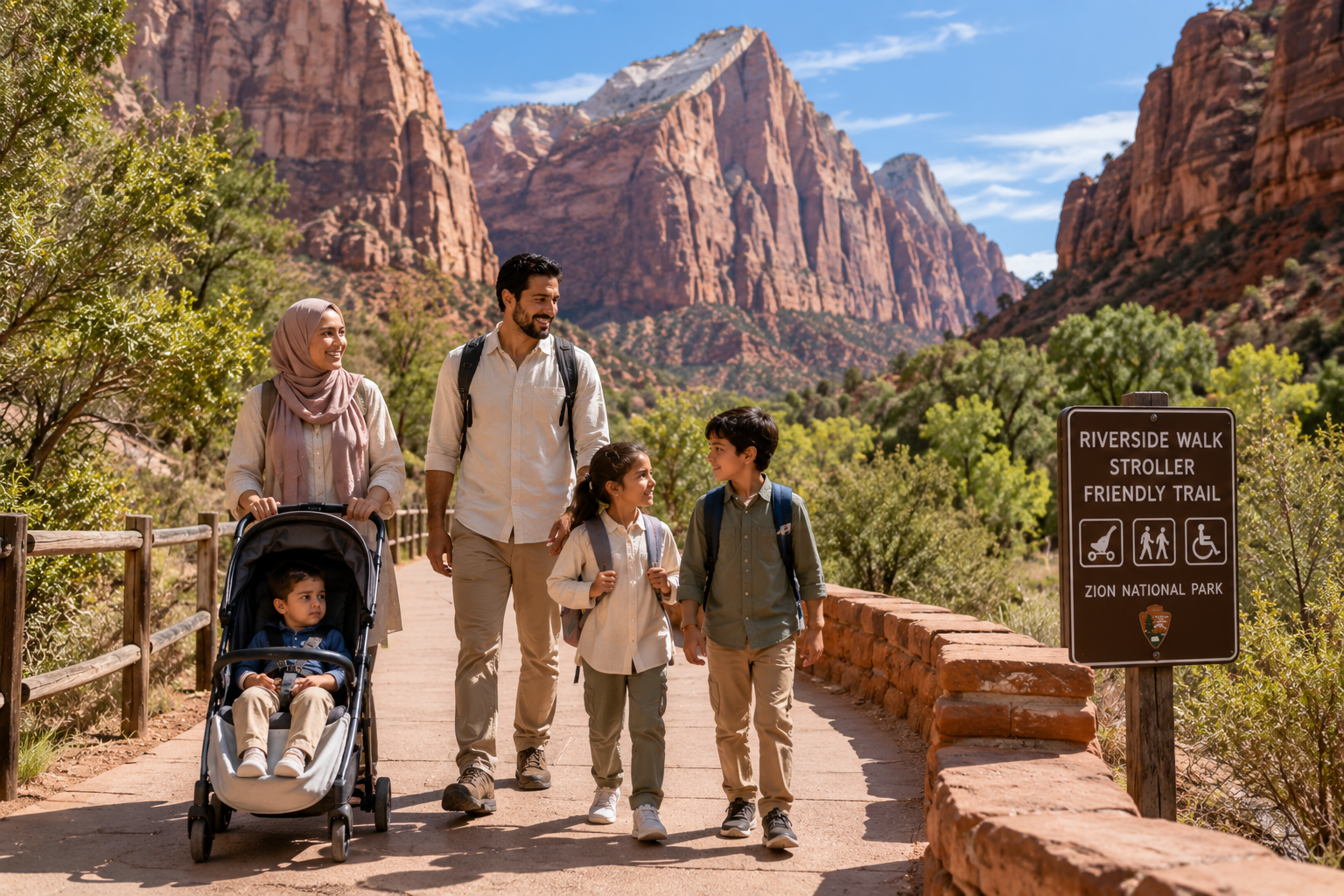
- **Reduced Stress:** Instead of rushing from a museum to a restaurant, you have time for an impromptu stop at a playground.
- **Increased Spontaneity:** Allows families to seize unexpected opportunities, like lingering at a beloved park or trying a local recommendation.
- **Personalized Pacing:** Enables “planning downtime on vacation” ensuring the trip caters to everyone’s energy levels, preventing fatigue and frustration.
What are the core principles of flexible itinerary planning?
The three core principles are to (1) Identify 1-2 “anchor” activities per day or destination, not more; (2) Schedule intentional “downtime” for rest or spontaneous fun; and (3) Choose transportation and lodging with generous cancellation policies.
A proven travel planning model is the rock/pebble/sand analogy, as described by Stephen Covey: schedule your biggest priorities (large rocks) first, then fill in with secondary activities (pebbles), and leave the remaining time open for spontaneous items (sand).
A key, often-overlooked principle is “thematic-day planning” instead of timed-entry planning. For example, designate a “Beach Day” or a “Museum Quarter Day” rather than a rigid 10 AM museum ticket, allowing the family to explore the area at their own pace.
“Cancellation Policy” is defined as the terms and conditions under which a booking (e.g., flight, hotel, tour) can be modified or canceled, typically with varying levels of refund, ranging from non-refundable to fully refundable up to a specific deadline.
- Identify 1-2 “anchor” activities per day or destination, not more.
- Schedule intentional “downtime” for rest or spontaneous fun.
- Choose transportation and lodging with generous “Cancellation Policy” to support a “kid-friendly travel itinerary.”
These principles are not about having *no* plan, but about having a *smarter, more resilient* plan.
2. How do you choose the right balance between structure and spontaneity for your family’s vacation?
You choose the right balance between structure and spontaneity for your family’s vacation by evaluating three key variables: the age of your children, your chosen destination type, and your family’s inherent travel style.
To find your ideal balance, assess your family’s needs. Families with toddlers require more structure for naps and meals, while families with teens can embrace more spontaneity; likewise, a theme park trip demands more structure than a beach vacation.
The optimal balance is not static; it’s dynamic. A common expert strategy is the “Structured Morning, Spontaneous Afternoon” approach. Plan one key activity before lunch when energy is highest, leaving the rest of the day completely open for whatever the family feels like doing.
“Travel Style” is defined as a family’s collective preference for trip pacing and activity level, ranging from “Relaxers” who prefer minimal plans to “Adventurers” who thrive on a full schedule.
Which factors influence a family’s ideal itinerary flexibility?
Key influencing factors include your kids’ ages, as toddlers need routine while teens crave independence. The destination also matters: a dense city like Rome may require more planning than a relaxing beach resort in the Caribbean.
The age of children significantly impacts planning; a trip with a three-year-old will require more structured rest time than a trip with teenagers, according to family travel specialists.
An often-underestimated factor is “parental bandwidth.” If parents are themselves prone to travel anxiety, having a slightly more structured plan with pre-vetted options can paradoxically make the trip feel *more* flexible by reducing the mental load of in-the-moment decision-making.

- **Child Ages:** Toddlers require more structured nap and meal times; school-aged kids can handle more activity but still need downtime; teenagers appreciate independence and choices.
- **Trip Duration:** Longer trips allow for slower pacing and more spontaneous moments.
- **Destination Type (City vs. Nature):** Dense cities like Rome might necessitate more planning for attractions, while a National Park offers more inherent flexibility.
- **Family Personality:** The “Multi-generational Travel” factor often requires balancing the needs of seniors and young children, influencing overall flexibility.
How can different travel styles impact your family vacation plan?
A family of “Relaxers” might plan only one activity every other day, focusing on beach time. In contrast, a “Learner” family might structure their trip around museum districts and historical sites, but leave the specific order and timing flexible.
When traveling with a multi-generational group, it is common to split up for activities; for instance, grandparents can take younger kids to a playground while teenagers and adults go zip-lining.
The key is to match the *type* of flexibility to the style. “Adventurers” benefit from “option-based flexibility” (e.g., pre-researching three potential hikes but choosing one on the day). “Relaxers” benefit from “time-based flexibility” (e.g., having no set plans at all after 2 PM).
- **The Adventurers:** This style prioritizes exploration and activity. A flexible day might involve a pre-vetted list of three hikes in a National Park, with the final choice made based on weather and energy levels.
- **The Relaxers:** This style focuses on rest and rejuvenation. A flexible day could mean waking up without an alarm and deciding between a leisurely breakfast or an hour by the pool.
- **The Learners:** This style builds around cultural and educational experiences. A flexible day might involve a morning museum visit, with an open afternoon to explore a local market or historical site at their own pace.
- **The Foodies:** This style centers on culinary discoveries. A flexible day prioritizes spontaneous restaurant choices based on local recommendations or food markets, rather than fixed reservations.
3. What types of destinations and activities best support a flexible family vacation itinerary?
The types of destinations that best support a flexible family vacation itinerary are those with a high density of accessible, low-cost activities, such as national parks, beach towns, and cities with excellent public transportation.
Destinations ideal for flexibility include national parks, which allow for spontaneous hikes, and all-inclusive resorts, where food and activities are always available. Activities like visiting public beaches or exploring neighborhoods on foot are inherently more flexible than appointments with fixed-entry times.
The most flexible destinations are often those that support “hub-and-spoke” travel. By basing your family in a central vacation rental or hotel for a week, you can take spontaneous day trips to nearby towns, beaches, or attractions without the logistical hassle of packing up and moving every two days.
“Hub-and-Spoke Model” is defined as a travel strategy where you establish a single “home base” (the hub) for your entire trip and take shorter day trips (the spokes) to surrounding points of interest.
How to identify flexible accommodation options for families?
Look for vacation rentals (like Vrbo or Airbnb) with “Free Cancellation” filters or hotels offering family suites with kitchenettes. These options provide the space for downtime and the ability to prepare simple meals, avoiding the need for constant restaurant reservations.
For large family groups (6+ people), a vacation rental with up to 5 bedrooms can be ideal, allowing space for different generations to have both privacy and shared living areas.
A pro-tip for finding flexibility is to book “aparthotels” (apartment hotels). They combine the space and self-catering facilities of a vacation rental with the service and amenities of a hotel, like a 24-hour front desk, offering the best of both worlds for families who need both independence and support.
“Aparthotel” is defined as a serviced apartment complex that provides hotel-like amenities (e.g., reception, cleaning) alongside the privacy and self-catering facilities of a private apartment, ideal for longer stays or families.
Pre-Booking Accommodation Checklist for Flexibility
- **Free Cancellation Policy:** Always look for this filter on sites like Booking.com or Vrbo.
- **Kitchenette or Full Kitchen:** Essential for flexible meal times and managing “managing different food preferences.”
- **Separate Living Space:** Provides room for families to spread out and for children to play.
- **On-site Laundry:** A huge plus for longer trips and unexpected spills.
- **Connecting Rooms:** Useful for larger families or those wanting proximity with some privacy.
Always book the refundable rate, even if a non-refundable rate is cheaper.
Which transportation methods offer the most flexibility for family travel?
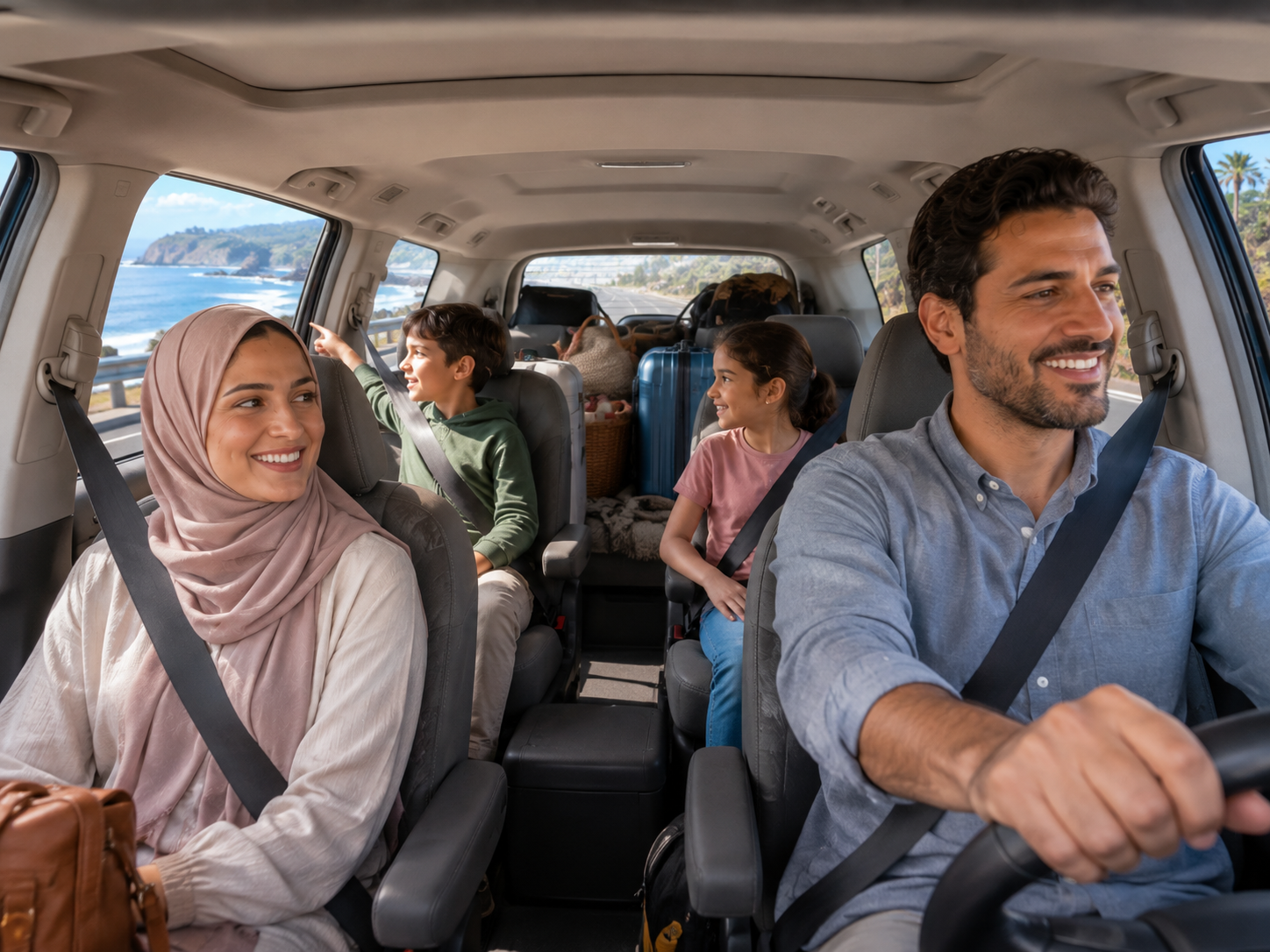
A rental car is the most flexible option, allowing for impromptu detours and accommodating large amounts of luggage. For travel between cities, train travel often offers more flexibility than flights, with less restrictive luggage rules and the ability to move around mid-journey.
To accommodate a family of four or more, transportation choices can include renting a minivan or two SUVs for road trips, ensuring adequate space for passengers and luggage.
While cars are king for flexibility, an often-overlooked strategy for city travel is a multi-day public transport pass. It grants unlimited rides on buses, subways, and trams, empowering a family to hop on and off at will to explore different neighborhoods without the stress and expense of city driving and parking.
“Public Transport Pass” is defined as a ticket or card offering unlimited travel on various modes of public transportation (e.g., bus, subway, tram) within a specified area and duration, often providing cost savings and flexibility for urban exploration.
| Method | Flexibility Rating | Explanation |
|---|---|---|
| Rental Car | High | Provides complete control over your schedule, route, and the ability to make spontaneous stops for a “spontaneous family road trip.” |
| Train Travel | Medium | Offers more flexibility than flights for inter-city travel, with less restrictive luggage rules and the ability to move around mid-journey. Operators like Amtrak often have refundable fares. |
| Air Travel | Low | Generally the least flexible due to fixed schedules and strict rules, though “booking refundable flights” can mitigate some rigidity. |
To choose the most fitting option for your travel plans, carefully consider how to choose the best transportation type for a family vacation.
4. How to establish foundational elements for a flexible family vacation itinerary?
To establish the foundational elements for a flexible family vacation itinerary, you must first collaboratively define your family’s core vacation goals, create an adaptable budget, and select a travel window that allows for schedule elasticity.
The foundation of a flexible itinerary rests on three pillars: defining a shared “vacation vision” so everyone is aligned, building a budget with a contingency fund for spontaneous fun, and choosing travel dates during the “shoulder season” for fewer crowds and more availability.
The most critical foundational element is the “Family Vision Meeting.” This is a dedicated, fun pre-trip meeting where every family member, including young children, gets to name one thing they hope to do or see. This simple act builds buy-in and ensures the resulting flexible plan contains something for everyone, preventing “my-turn” arguments during the trip.
“Shoulder Season” is defined as the travel period between the peak and off-peak seasons (e.g., April-May and September-October in Europe), which typically offers a favorable balance of good weather, lower prices, and fewer crowds.
These three foundational steps (vision, budget, dates) must be completed *before* moving on to logistical bookings. This pre-planning phase makes all subsequent flexible planning possible.
How to define your family’s vacation vision and goals?
Conduct a “family brainstorming” session. Ask everyone, “What does the perfect vacation day look like to you?” This helps identify if the collective goal is relaxing on a beach, hiking in mountains, or exploring a city’s museums.
A simple but effective method for aligning goals is to ask each family member, “What’s the #1 thing you’d like to do on this trip?”
Instead of asking “Where do you want to go?”, ask “How do you want to *feel* on this vacation?”. This emotion-based question (e.g., “relaxed,” “adventurous,” “inspired”) uncovers deeper motivations and helps select a destination that better fits the family’s collective mood, leading to a more successful trip.
Running a Family Vision Meeting
- **Ask Open-Ended Questions:** Start with “What does your perfect vacation day look like?” or “What’s one thing you absolutely want to do?”
- **Allow Everyone a Voice:** Even young children can draw pictures or use simple words to express desires.
- **Group Themes:** Categorize responses into “Relaxation,” “Adventure,” “Discovery,” etc.
- **Incorporate Multi-generational Trip Ideas:** Ensure grandparents and children alike have their preferences noted.
- **Write Down Goals:** Document the 2-3 agreed-upon goals to serve as a north star during planning.
How to build a flexible budget for family travel expenses?
A flexible budget involves listing your fixed costs (flights, lodging) and estimating your variable costs (food, activities). Crucially, you must add a contingency line item, or “Spontaneity Fund,” specifically for unplanned excursions, special meals, or surprise opportunities.
A personal budgeting rule from a travel blogger is to keep flights under $400 per person to prevent transportation from consuming the entire vacation budget.
Go beyond a simple contingency fund by creating “activity envelopes.” At the start of the trip, create separate small cash envelopes for each child labeled “Your Adventure Fund.” This empowers them to “fund” a spontaneous choice, like a souvenir or a specific treat, teaching budgeting and giving them ownership over a piece of the flexible itinerary.
“Spontaneity Fund” is defined as a dedicated portion of a travel budget, typically 15-20%, specifically allocated for unplanned activities, impromptu purchases, or unexpected opportunities that arise during a flexible trip.
| Expense Category | Fixed/Variable | Estimated Cost | Actual Cost |
|---|---|---|---|
| Flights | Fixed | $1200 | |
| Accommodation | Fixed | $1500 | |
| Food | Variable | $800 | |
| Activities & Sightseeing | Variable | $600 | |
| Car Rental / Local Transport | Variable | $300 | |
| Spontaneity Fund (15% of budget) | Contingency | $660 |
This “Spontaneity Fund” (15-20% of the total budget) is essential for a low-stress flexible trip, and you can find a comprehensive “family vacation budget template” on our site.
For those just starting their financial planning for a trip, a great first step is to learn how to create a baseline budget for a family vacation.
How to determine the ideal travel dates and duration for your flexible family trip?
The ideal dates are often in the shoulder seasons (spring and fall) when destinations are less crowded and prices are lower. The ideal duration is one that allows for at least one “do-nothing day” for every 3-4 days of activity, preventing family burnout.
For families whose schedules allow, booking in the off-season, such as a beach trip in October, is a key strategy for avoiding crowds and enjoying more moderate temperatures.
The concept of “travel friction” should guide your duration choice. For every travel day (e.g., a flight or a long drive), add a full “recovery day” to your itinerary. A trip with two flight days should be at least two days longer than the time you want to spend actively exploring to account for this travel-related exhaustion.
Shoulder Season Months for Popular Destinations
- Europe: April-May, September-October
- Caribbean: Late April-May, November (avoiding hurricane season)
- US National Parks: April-May, September-October
A longer trip duration allows for a more relaxed pace. Apply the “3-to-1 Rule”: for every three planned activity days, build in one full unscheduled day.
5. How to build out the core logistical framework of your flexible family vacation?
To build out the core logistical framework of your flexible family vacation, you must strategically book only the essential anchor points—transportation and accommodation—using tools and policies that permit last-minute changes or cancellations.
The logistical framework involves booking your main transport (like flights) and accommodation first, but prioritizing refundable options. For daily logistics, you will research, but not pre-book, dining and activities, creating a list of possibilities rather than a fixed schedule.
A powerful framework strategy is to book your lodging first and let it dictate your pace. If you book a vacation rental with a great pool and kitchen for a week, you’ve automatically built a framework that encourages relaxed days and home-cooked meals, naturally creating a more flexible and less expensive itinerary.
“Logistical Framework” is defined as the structural backbone of your trip, consisting of the primary travel and lodging arrangements that everything else is built around.
Steps to Building the Logistical Framework
- **Secure Flexible Lodging:** Book accommodation with generous cancellation policies.
- **Book Major Transport:** Book flights, trains, or rental cars, prioritizing refundable options.
- **Research (Don’t Book) Activities & Dining:** Create lists of possibilities rather than a fixed schedule.
Emphasize the rule: “Book the big things, list the small things.”
How to research and book flexible transportation for families?
Use Google Flights and select the “Any change fees” filter to find adaptable airfare. For rental cars, book directly on the company’s website (not a third party) as they often have the most lenient cancellation policies, frequently up to the time of pickup.
One family of six was able to find flights to Costa Rica for a total of $1623 for a summer trip by prioritizing budget and flexibility in their search.
When booking flights, prioritize airlines that have a “24-hour rule,” which is a DOT regulation allowing you to cancel any flight booking to/from the U.S. within 24 hours of purchase for a full refund. This gives you a brief but powerful window to adjust plans immediately after booking without penalty.
Pro Tip: Booking Rental Cars
Consider booking rental cars with a credit card that includes primary rental insurance. This can offer an additional layer of flexibility and financial protection. Utilize services that offer “booking refundable flights” to maintain financial fluidity.
How to secure adaptable accommodation that suits family needs?
On sites like Booking.com or Vrbo, immediately apply the “free cancellation” filter. Then, filter for family-friendly features like “family rooms” or “kitchenette” to find options that provide both policy flexibility and practical living space.
For families with four or more children, finding accommodations that sleep more than the standard four people is a critical planning step, often requiring search filters for specific occupancy.
Always read the fine print on “free cancellation.” Some policies are free until 24 hours before check-in, while others have a 14-day or 30-day cutoff. For maximum flexibility, prioritize accommodations with the shortest cancellation window, even if it costs slightly more. This small premium is an insurance policy on your trip’s adaptability.
How to plan flexible dining options for varied family preferences?
The most flexible dining plan involves having breakfast and some lunches at your vacation rental, which saves money and time. For dinners, research a list of 5-10 casual, well-rated local eateries and food halls, giving you plenty of options to choose from based on the family’s mood each evening.
For families with young children, a flexible dining strategy includes researching kid-friendly restaurants with high chairs, kids’ menus, and quick service, and planning to eat early to avoid long waits.
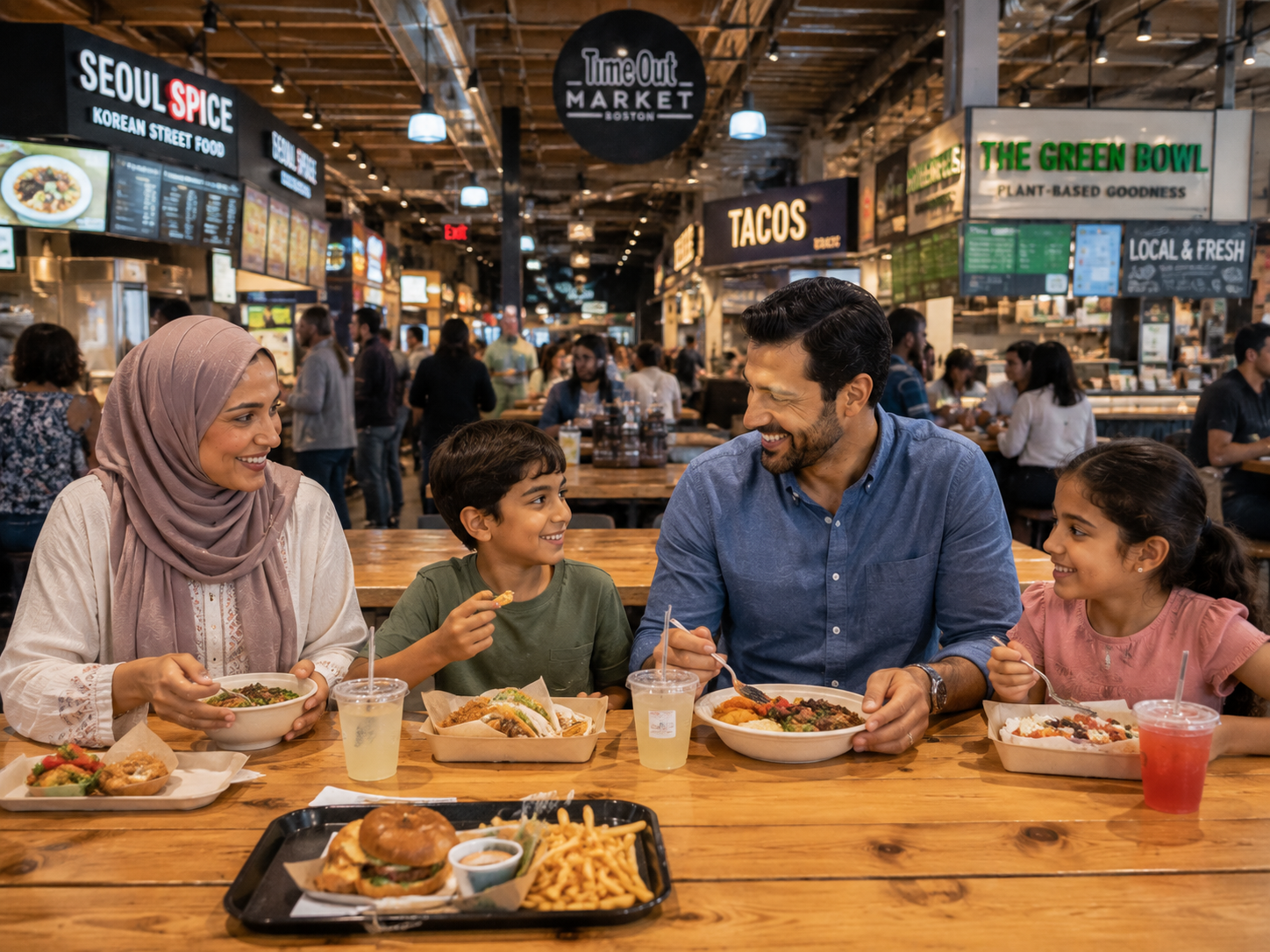
A game-changing flexible dining strategy is the “Food Hall First” approach. On the first day in a new city, visit a local food hall. This allows everyone in the family to choose their own meal from different vendors, satisfying picky eaters and adventurous foodies simultaneously while providing a low-stakes preview of the local cuisine.
“Food Hall” is defined as a large indoor area featuring multiple independent food vendors or restaurants, offering a diverse array of cuisines and dining options, often with communal seating.
- **Self-Catering:** Prioritize accommodation with a kitchenette or full kitchen for breakfasts and some lunches.
- **Researching Casual Eateries:** Curate a list of 5-10 well-rated local restaurants that don’t require reservations.
- **Using Food Markets:** Explore local food markets or food halls for diverse options that cater to “managing different food preferences.”
6. How to design daily activities and pacing within a flexible family vacation itinerary?
To design daily activities and pacing within a flexible family vacation itinerary, you must adopt a “one big thing” per day rule and schedule significant, mandatory downtime to prevent family burnout.
A well-paced flexible day involves planning only one anchor activity, typically in the morning. The rest of the day is left open for rest, pool time, or spontaneous choices, ensuring the family remains energized and engaged throughout the trip.
Implement a “color-coded” intensity guide when brainstorming activities. Label potential activities as Green (low-energy, e.g., reading by the pool), Yellow (medium-energy, e.g., a museum visit), or Red (high-energy, e.g., a full day at a theme park). The rule is to never plan two “Red” days in a row, which builds a sustainable pace directly into your plan.
“Pacing” in a travel context is defined as the speed and intensity of your itinerary, which is the single most important factor in preventing travel fatigue, especially with children.
The “one big thing” rule is the cornerstone of daily planning and a critical component for trip success. It helps with “planning downtime on vacation.”
How to incorporate free time and downtime into your family’s itinerary?
To ensure downtime happens, schedule it like any other activity. Designate all afternoons as “Free Choice Time” or declare a full “Do-Nothing Day” in the middle of a longer trip to allow everyone to recharge.
For active vacations, a highly effective planning hack is the two-to-one ratio: schedule two full days of sightseeing followed by one full day of downtime.
The most effective way to protect downtime is to book lodging that makes it appealing. A hotel with a fantastic pool, a vacation rental with a game room, or a cabin with a great porch makes “staying in” feel like a fun activity in itself, not a missed opportunity.
Author’s Experience
“As a parent, I’ve learned that forced fun is no fun. Scheduling dedicated downtime, even if it’s just ‘pool time and reading,’ saved many a vacation from meltdowns. It’s about respecting everyone’s need to recharge and embracing the quiet moments together.”
“Downtime” in travel is defined as scheduled periods of rest and unstructured activity designed to allow family members to relax, recharge, and pursue individual interests, crucial for preventing travel fatigue.
Block out a minimum of 3 hours of “Downtime” each day.
Productive Downtime Activities
- Journaling or drawing
- Playing card or board games
- Having kids call a grandparent
- Reading a book
- Swimming at the hotel pool
To fully appreciate the benefits of these scheduled breaks, consider why family vacation downtime is important for children.
How to research and pre-book flexible family activities?
Pre-book only the absolute, high-demand “must-do” activities (e.g., tickets to a major theme park). For everything else, use platforms like GetYourGuide or Viator and filter for products with a “Free Cancellation up to 24 hours” policy.
For unique local activities, Airbnb Experiences can provide options hosted by locals; new users can sometimes receive $10 off their first experience.
For city travel, the most flexible pre-booked item is often a “City Pass.” It provides access to dozens of attractions for a flat fee over several days, allowing the family to decide which museums or sights to visit on the fly based on their mood and the weather, rather than being locked into individual tickets.
“City Pass” is defined as a bundled ticket or card offering access to multiple attractions, museums, or public transport services in a specific city, typically for a set number of days or visits.
| Book in Advance | Book on Site/Flexibly |
|---|---|
| Major Theme Parks (e.g., Disneyland) | Standard museums |
| Special performances or shows | Local walking tours |
| Timed-entry attractions with limited capacity | Public parks and playgrounds |
Avoid booking non-refundable dinner shows or tours that lock you into a specific evening. The “City Pass” offers great value for flexible family travel.
How to balance everyone’s activity preferences when planning a family vacation?
To ensure fairness, give every family member one “special request” activity that becomes a priority in the itinerary. On a given day, you can also “divide and conquer,” with one parent taking a child to a museum while the other takes another to the park.
To ensure everyone feels they have a say, it is wise to poll the group on what they want to do; one family noted that a round or two of golf was the key request for the dad, while an intense adventure activity was the top pick for the older kids.
The “Divide and Conquer” strategy is most effective when followed by a planned “reunification” activity. For example, Dad takes the teen to a sporting goods store while Mom takes the toddler to a playground, and everyone meets up for ice cream afterward to share stories. This validates individual interests while reinforcing family togetherness.
Strategies to Balance Preferences
- **One Pick Per Person:** Allow each family member to choose one “must-do” activity.
- **Divide and Conquer:** Parents split up with children to accommodate different interests.
- **Multi-generational Considerations:** When “multi-generational travel,” balance a grandparent’s desire for a slow pace with a child’s need for activity through careful scheduling and “divide and conquer.”
7. How to prepare effectively for a flexible family vacation?
To prepare effectively for a flexible family vacation, you must organize all travel documents digitally, pack layered clothing suitable for varied conditions, and assemble a comprehensive health and safety kit.
Effective preparation involves creating a digital backup of all passports and IDs, packing versatile clothing layers instead of bulky single-purpose outfits, and carrying a first-aid kit stocked for common family travel ailments.
The most important preparation is mental: before the trip, the parents must explicitly agree to embrace a “go with the flow” mindset. Acknowledge and accept that not everything will go as planned, and reframe potential disruptions (like a rainy day) as an opportunity for a different kind of fun (like a movie marathon in the hotel).
“Digital Backup” is defined as electronic copies of essential documents (e.g., passports, visas, insurance cards) stored securely online or on a device, providing a critical safety net in case physical documents are lost or stolen.
Good prep gives you the freedom to be spontaneous. This stage involves proactive actions like organizing, assembling, and adopting certain strategies.
How to organize essential documents and identification for family travel?
Use a travel document organizer for all physical passports, tickets, and visas. Additionally, scan or photograph every document and save it to a secure cloud service like Google Drive or Dropbox, accessible from your phone.
Travel experts recommend creating a shared Google Doc for collaborative packing lists and travel details so all adults in the group can see updates in real time.
If traveling with a minor without both parents, the most critical document is a signed and notarized parental consent letter. For maximum flexibility and to avoid any border agent issues, have this letter translated into the language of the destination country, even if it’s not officially required.
Family Travel Document Checklist
- ☐ Passports (all family members)
- ☐ Visas (if required)
- ☐ Birth certificates (for children, especially if names differ from parents)
- ☐ Parental consent letters (if one parent is traveling alone with a child, this is a **CRITICAL** document)
- ☐ Health insurance cards
- ☐ Travel insurance policy details
- ☐ Driver’s license (for rental cars)
- ☐ Copies of all major credit cards
- ☐ Flight, hotel, and car rental confirmations
- ☐ Emergency contact list
Ensure all “Travel Documents” are securely stored both physically and digitally.
How to prepare for family health and safety during your flexible trip?
Assemble a first-aid kit with child-specific medications, bandages, and antiseptic wipes. Before you leave, purchase a family travel insurance policy that covers medical emergencies and trip cancellations, and save the local emergency number (e.g., 112 in Europe) in your phone.
A key tip for health and safety is to always pack a first-aid kit, snacks, and water to be prepared for unexpected situations and prevent “hangry” meltdowns.
Your health kit should contain more than just medical supplies. Include “comfort items” that can manage the emotional side of a child being unwell, such as a favorite type of electrolyte drink mix, a familiar digital thermometer, and a special “feel-better” sticker pack. These items can calm a distressed child and make dealing with sickness less stressful.
Family First-Aid Kit Contents
- Child-specific pain reliever/fever reducer
- Antihistamine (for allergies/bug bites)
- Bandages and antiseptic wipes
- Hydrocortisone cream
- Hand sanitizer
- Digital thermometer
- Motion sickness medication
- Electrolyte drink mixes
- Small comfort toy or sticker pack
Prioritize “family travel health and safety” by investing in comprehensive “Travel Insurance” and preparing your “First-Aid Kit.”
For a detailed list of essentials, refer to our guide on what to include in a family vacation first-aid kit to be ready for any minor incidents.
How to pack smart for adaptability and changing conditions?
Pack versatile clothing in layers (e.g., t-shirts, long-sleeve shirts, and a fleece) rather than bulky single-weather items. Use packing cubes to separate clothes by type or by day, and always include a lightweight, packable rain jacket for unexpected showers.
A useful packing hack is to use color-coded packing cubes for each family member to keep suitcases organized and make finding items easier.
The “Rule of Three” is a powerful minimalist packing strategy for flexibility: for a week-long trip, pack no more than three pairs of shoes (e.g., sneakers, sandals, one nicer pair), three bottoms, and three tops that all coordinate. This drastically reduces luggage but maximizes outfit combinations, making you prepared for almost any casual situation.
Smart Packing Tips for Adaptability
- **Layering System:** Explain the concept of a layering system with specific examples of clothing items like t-shirts, long-sleeve shirts, fleeces, and lightweight jackets.
- **Packing Cubes:** Describe their function in keeping a family organized on the go, separating clothes by person or type.
- **Rain Gear:** Include a lightweight, packable rain jacket for every family member as part of your “packing list for unpredictable weather.”
8. How to adapt your flexible family vacation itinerary when plans change unexpectedly?
To adapt your flexible family vacation itinerary when plans change unexpectedly, you must maintain a positive mindset, utilize your pre-researched backup options, and clearly communicate the new plan to the entire family.
When plans change, first take a deep breath and embrace the change as part of the adventure. Then, consult your pre-made list of alternative activities or use a tool like Google Maps “Explore” to find nearby options. Finally, involve the kids in choosing the new plan to regain their buy-in.
The most effective adaptation technique is the “Pivot, Don’t Panic” framework. 1. Acknowledge the disruption (e.g., “The museum is unexpectedly closed”). 2. Re-state the original goal (“We wanted to do something fun and educational”). 3. Pivot to a backup that meets the same goal (“Let’s use our transit pass to visit that science center we saw on the map instead!”). This transforms a problem into a simple choice.
“Contingency Plan” in travel is defined as your “Plan B”—a short, pre-researched list of alternative activities, restaurants, or even transportation methods that you can deploy instantly when your first choice is disrupted.
What strategies help families manage last-minute itinerary changes?
When a plan changes, immediately pull up your “Plan B” list. If you don’t have one, use Google Maps to search for “playground near me” or “family-friendly cafe.” Keeping kids happy with a snack while you regroup is a critical tactical move.
A crucial tip for managing unexpected changes is to have a “rainy day plan” that includes indoor options like an aquarium, crafts, or watching movies.
The “Yes, and…” technique from improv comedy is a powerful communication strategy for last-minute changes. When a child is disappointed, first validate their feeling (“Yes, it’s a bummer the boat tour was canceled…”) and then immediately propose the new adventure (“…and that means we have time to go find the best gelato in the city!”).
Strategies for Last-Minute Changes
- **”Rainy Day” List:** Have a pre-made list of indoor activities or “things to do with kids on a rainy day.”
- **Smartphone Apps:** Use apps like Google Maps to quickly find nearby points of interest.
- **Snacks & Water:** Keep everyone’s mood stable with readily available refreshments.
- **”Yes, and…” Technique:** Acknowledge disappointment, then propose a positive alternative.
How to handle unforeseen challenges during a flexible family vacation?
For challenges like a sick child or lost luggage, refer to your prep work: contact your travel insurance provider immediately and access your digital document copies. It is effective for one parent to manage the problem while the other focuses on keeping the children calm and comfortable.
In one real-world example, a family’s trip to Orlando was disrupted when most of the family got the flu, reinforcing the need for flexible plans and accommodations that can handle unexpected downtime.
The “Triage, Task, and Treat” method is a simple crisis response. First, Triage the problem: Is it urgent (medical issue) or just inconvenient (lost camera)? Second, Task: assign one parent to be the “fixer” and the other to be the “kid manager.” Third, Treat: after the crisis is managed, plan a small, fun treat (like ice cream) to reset the family’s mood and end the event on a positive note.
Crisis Management Steps
- **Triage:** Assess the urgency and impact of the problem.
- **Task:** Implement the “divide and conquer” approach – one parent handles the issue (e.g., calling Travel Insurance for a medical issue), the other supports the children.
- **Treat:** After resolution, plan a small, positive activity to reset family mood.
How to communicate itinerary adjustments to keep everyone happy?
When communicating a change, be positive and frame it as a choice. Instead of saying, “We can’t go to the beach,” say, “We have a new adventure choice: should we explore the cool indoor market or have a movie afternoon with popcorn?”
To get kids excited about plan changes, it helps to involve them in the original planning by letting them vote on simple decisions, which makes them more invested in the trip overall.
For visual kids, use a small, portable whiteboard or a notebook. When plans change, quickly draw a fun picture of the new plan. This visual cue can redirect a child’s focus and build excitement much faster than a verbal explanation, turning a moment of disappointment into a moment of creative fun.

Communication Tactics for Adjustments
- **Positive Framing:** Use phrases like “Good news! We get to have a surprise adventure!”
- **Offer Choices:** Empower children by giving them options for the new activity.
- **Visual Aids:** Utilize drawings or whiteboards for visual learners.
9. Logistics: Flexible Family Vacation Planning Checklist
| Checklist Item / Tactic | Status |
|---|---|
| Define Family Vision: Hold a family meeting to align on vacation goals and desires. | ⬜ |
| Build Flexible Budget: Categorize costs and include a 15-20% spontaneity fund. | ⬜ |
| Choose Shoulder Season Dates: Select travel dates to avoid crowds and reduce costs. | ⬜ |
| Book Refundable Essentials: Secure transportation and accommodation with flexible cancellation policies. | ⬜ |
| Plan for Downtime: Schedule regular periods of rest and unstructured activity. | ⬜ |
| Pack Smart: Use layering and packing cubes for adaptability. | ⬜ |
| Prepare Documents & Health: Organize digital backups, first-aid kit, and travel insurance. | ⬜ |
| Embrace Adaptability: Adopt a “go with the flow” mindset for unexpected changes. | ⬜ |
Sources
- https://www.ourfamilypassport.com/10-tips-for-family-trip-planning/
- https://www.emilymkrause.com/blog/how-to-plan-your-best-possible-vacation-itinerary
- https://heatherslookingglass.com/planning-a-multigenerational-vacation/
- https://www.ahealthysliceoflife.com/how-we-plan-family-travel/
- https://elpasomom.com/travel/how-i-plan-family-trips-that-actually-feel-like-vacation/
Resolution
Planning a truly flexible family vacation is ultimately about shifting your mindset from creating a rigid schedule to building a resilient framework that prioritizes shared experiences and reduces stress. The key to a successful flexible family trip is preparation and attitude. By choosing flexible bookings, packing for adaptability, and embracing a go-with-the-flow mindset, you create the conditions for a vacation that is memorable for its happy discoveries, not its stressful logistics. The ultimate measure of a successful flexible family vacation is not how much you saw, but how you felt. The goal is to return home feeling connected and refreshed, with shared stories of spontaneous fun—proof that the best moments are often the ones you didn’t plan.