How to Choose the Best Transportation Type for a Family Vacation
Table of Contents
Choosing the right transportation type for a family vacation is critically important because this decision directly dictates the trip’s budget, comfort level, and overall pace.
The right transportation for a family vacation is crucial as it profoundly impacts the entire experience, influencing 20-40% of total costs and determining the trip’s comfort and stress levels. It directly shapes the journey’s quality, affecting family dynamics, budget adherence, and overall enjoyment, making careful selection paramount for success.
1. Why is choosing the right transportation type for a family vacation so important?
Choosing the right transportation type for a family vacation is critically important because this decision directly dictates the trip’s budget, comfort level, and overall pace.
The right transportation for a family vacation is crucial as it profoundly impacts the entire experience, influencing 20-40% of total costs and determining the trip’s comfort and stress levels. It directly shapes the journey’s quality, affecting family dynamics, budget adherence, and overall enjoyment, making careful selection paramount for success. A deeper dive into the overall strategies for how to plan transportation for a family vacation can provide foundational insights.
Beyond cost and time, the transportation choice functions as the “operating system” for the vacation. A car offers granular control and spontaneity for exploring a region like Tuscany, while a cruise pre-packages destinations, forcing a set pace but eliminating logistical decisions, which is better for a Caribbean island-hopping trip.
“Travel Friction” is defined as the accumulated stress, time, and energy cost associated with movement during a vacation, which effective transportation planning aims to minimize.
Prioritize this evaluation process if your family vacation involves young children, multiple destinations, or a tight budget, as the wrong choice magnifies stress in these scenarios.
How does transportation impact family vacation comfort and overall enjoyment?
Transportation’s impact on family vacation comfort is immense; for example, a train’s spacious family cabin allows children to move and play, drastically reducing the travel fatigue and irritability common in a cramped airline seat. This enhanced comfort during the journey translates directly to higher overall vacation enjoyment and fewer meltdowns.
For families with small kids, car travel provides more flexibility for frequent stops, while trains allow more room for children to roam, significantly impacting in-transit comfort and enjoyment.
The key is not just physical comfort but “psychological comfort.” For parents, the reduced cognitive load of not having to navigate, drive, or handle every connection (as on a train or cruise) is a significant factor in their own enjoyment, which in turn creates a more relaxed atmosphere for the entire family.
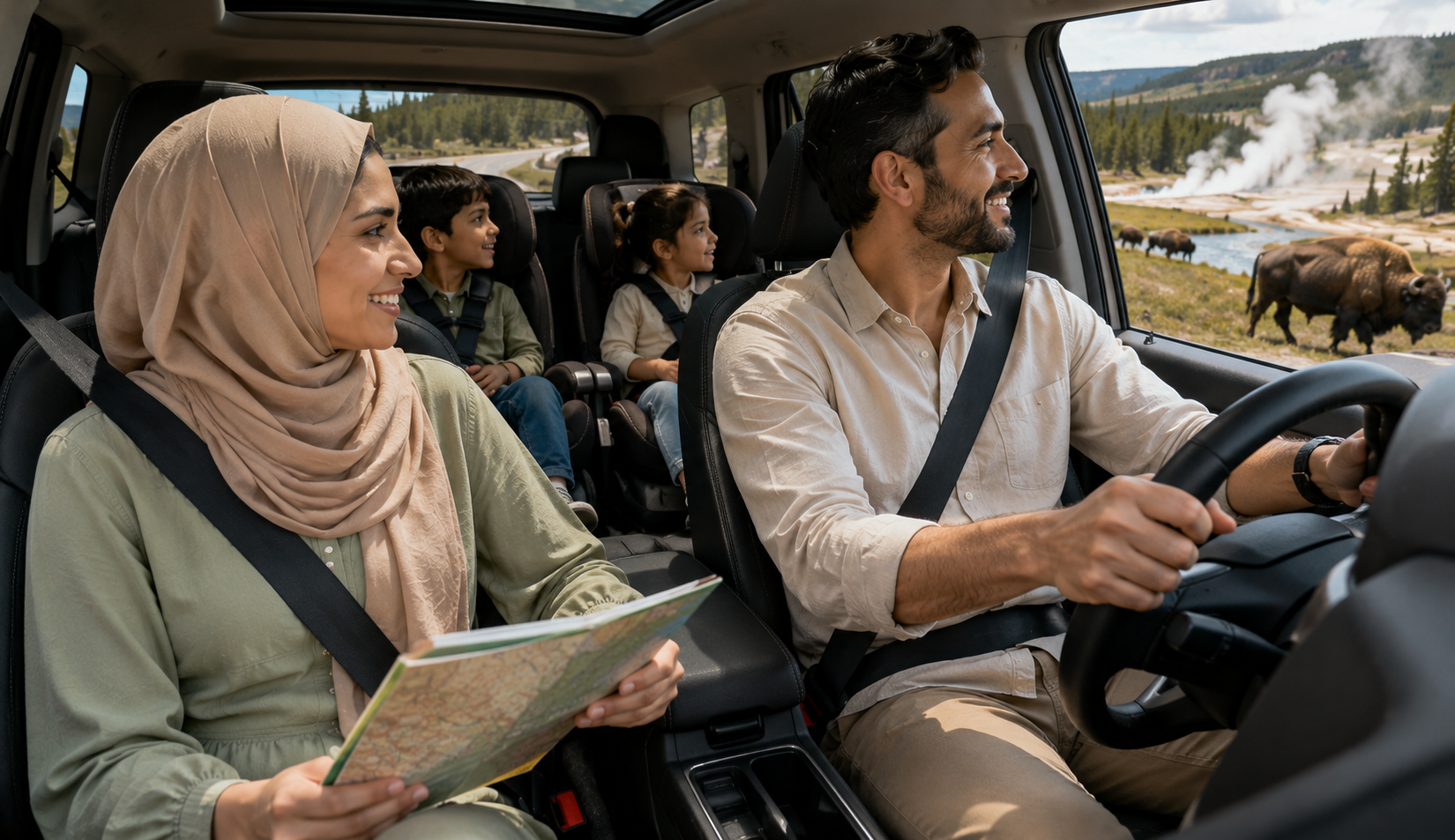
Figure 1: Choosing transportation impacts comfort and enjoyment.
What are the hidden costs of poor transportation choices for family travel?
Choosing the wrong transportation for family travel introduces significant hidden costs. For example, opting for a cheaper flight with a tight layover might save $200 but risks a missed connection costing a full vacation day and an expensive last-minute hotel stay a cost far exceeding the initial savings. To thoroughly mitigate unexpected expenses, an awareness of how to identify hidden family vacation costs is essential beyond just transportation.
A significant hidden cost of choosing a rental car for a theme park vacation is the parking fee, which has increased by 83% on average at North American theme parks since 2015, with some parks charging $35 per day.
A primary hidden cost is “opportunity cost.” Spending two full days driving to a destination like Orlando from the Northeast to save on airfare means two fewer days at the theme parks or relaxing, effectively devaluing the expensive park tickets and accommodation you’ve already paid for.

Figure 2: Hidden costs of poor transportation choices.
Author’s Experience
“Having planned countless family trips, I’ve seen firsthand how the right transportation choice impacts a vacation. Balancing comfort, budget, and logistics—especially with kids—is critical. A well-chosen journey sets the stage for a memorable adventure, turning transit into a positive part of the experience.”
2. What factors should families consider when selecting their vacation transportation?
The primary factors families must consider when selecting their vacation transportation are family size and children’s ages, total budget, destination characteristics, and the desired travel duration and pace.
When selecting vacation transportation, families should build a decision framework around four key pillars. These critical factors are the specific needs dictated by your family’s composition, the hard limits of your budget, the logistical realities of your destination, and the style of vacation you envision. As part of your comprehensive planning, understanding how to plan the budget for a family vacation is a crucial step in evaluating transportation costs.
A factor often overlooked is “terminal-to-door” travel time. A 2-hour flight from NYC to Boston is actually a 5-6 hour journey when factoring in travel to the airport, security, boarding, deplaning, and travel to the final hotel, making a 4-hour train ride a more efficient and less stressful option.
“Multimodal Journey” is defined as a trip that combines two or more modes of transport (e.g., flying to a destination and then using a rental car), which requires planning for each segment’s unique logistical needs.
Use these factors as a scorecard to grade each potential transportation option against your family’s specific vacation goals.
How do family size and children’s ages influence transportation needs for a vacation?
The composition of your family is a primary driver of transportation choice. A family of five with three teenagers might manage a flight, while a family with two toddlers will find a minivan or RV superior due to the need for car seats, diaper bags, and frequent, unscheduled stops. Considering the diverse needs of different age groups, it is also important to consider how to create a family vacation packing list that addresses all these requirements.
For large families of six or more, a rental passenger van often proves to be the most cost-effective transportation choice, ensuring the group can travel together.
The “age-mix” is as important as the ages themselves. A family with a toddler and a teenager has conflicting needs; the toddler needs frequent stops and a predictable schedule, while the teen desires Wi-Fi and stimulation. An RV or a train with a family cabin can better accommodate these disparate needs than a cramped car or plane.

Figure 3: Family size and ages influence transportation needs.
What role do budget and destination play in choosing family vacation transportation?
Your budget and destination are intrinsically linked when choosing transportation. A road trip to a series of National Parks makes a personal car the most budget-friendly and logical choice, whereas a vacation in Hawaii makes flying a non-negotiable necessity, with the budget then focused on finding the best airfare.
When budgeting for a road trip, families must conduct a regional cost audit, as gasoline prices can vary significantly, with national averages around $2.84 per gallon while some regions reach as high as $3.46 per gallon.
Consider the “last mile” transportation at your destination. Flying to a city with excellent public transit like New York or London eliminates the need for a costly rental car and parking. Conversely, flying to a sprawling destination like Los Angeles or Orlando necessitates budgeting for a rental car for the entire trip.
How important are travel duration and desired pace for family transportation decisions?
The importance of travel duration and pace cannot be overstated in family transportation decisions. If you have only one week for a beach vacation, a direct flight is essential to maximize relaxation time however, if you have three weeks, an RV trip allows for a slower, more exploratory pace where the journey is the main event.
For families who need to maximize time at their destination, air travel is the most efficient choice, transforming what would be a multi-day road trip into a journey of just a few hours.
The “pace” decision has a direct effect on child satisfaction. A fast-paced, “get there now” trip using a plane is often better for older children and teens who are destination-focused. A slow-paced RV or car trip with many small, engaging stops is often far more successful for toddlers and young children who have short attention spans.

Figure 4: Travel duration and pace importance.
3. Which transportation types are best for different family vacation scenarios?
To determine the best transportation for your family’s vacation scenario, you must directly compare the primary modes against your key priorities. Road travel offers the most flexibility for regional trips, while flying is unmatched for speed over long distances, and trains provide a unique balance of comfort and scenic experience.
Determining the best family vacation transportation requires comparing modes against specific priorities like cost, comfort, time, and flexibility. Road travel offers local flexibility, flying excels in speed for long distances, and trains provide comfort with scenic experiences. No single option is universally superior; the “best” emerges from a personalized trade-off analysis.
The “best” choice often changes based on the number of travelers. For one or two people, flying is almost always cheaper and faster for long distances. For a family of four or five, the multiplied cost of airfare can make driving a more cost-effective option, even when factoring in an overnight hotel stop.
“Decision Matrix” is defined as a simple table used in planning that scores different options (e.g., Plane, Car, Train) against a set of weighted criteria (e.g., Cost, Time, Comfort) to reveal the logically best choice for a specific situation.
Use the Decision Matrix provided in the outline to plot your own family’s needs and see which transportation type scores highest for your specific trip.
When should a family car or rental car be the primary transportation for a vacation?
A family should choose a car as their primary vacation transportation for regional road trips, such as visiting National Parks or exploring a coastline. This mode provides maximum itinerary flexibility and is the most cost-effective option for families of four or more traveling distances up to about 500 miles. For destinations like Yellowstone National Park, a car is not just an option; it is a necessity.
A car is the ideal choice for countryside-focused trips, such as exploring Scottish lochs or Italian hill towns, as it provides access to less-touristed areas.
The “break-even point” for driving vs. flying for a family of four is often around 8-10 hours of driving time. Below this threshold, driving is almost always cheaper and less stressful. Above it, the cost of fuel, potential overnight lodging, and lost vacation time begins to make flying a more attractive alternative.
Is flying the best transportation choice for long-distance family travel?
For any family vacation that crosses the country, oceans, or international borders, flying is the superior transportation choice. The significant time savings directly translates into more vacation enjoyment and is the only practical way to reach distant destinations like Europe or Hawaii from North America within a typical vacation timeframe. For those considering air travel, specific guidance on how to plan air travel with children during a family vacation can ensure a smoother journey.
While recent data showed a 5.4% deflationary trend for airfare, families must budget for rising secondary costs, as global ancillary revenue is projected to reach $157 billion, creating a hidden “family tax” on flights.
The value of flying increases with the “remoteness” of the destination and the “fixed” length of the vacation. For a 2-week trip to Italy, spending 4-5 days driving to/from the airport is not feasible. The flight is an enabling factor that makes the entire vacation possible.
How do train and RV travel compare for unique family vacation adventures?
When comparing train and RV travel for a family adventure, the core difference is control versus convenience. An RV gives your family complete control over the itinerary, pace, and lodging, making it a self-contained adventure vehicle. A train offers the convenience of relinquishing driving and logistics, allowing the family to focus on scenery and onboard comfort along a predetermined path.
Train and RV travel offer distinct family vacation experiences. Train travel provides relaxed, hands-off journeys along fixed routes, focusing on scenic comfort and passive enjoyment. RV travel, conversely, delivers ultimate freedom, combining transportation and accommodation for a hands-on, self-directed mobile-home adventure with unparalleled itinerary control, catering to different family engagement levels.
The primary differentiator is the nature of the “downtime.” On a train, downtime is passive relaxation, reading, and watching scenery. In an RV, downtime is active—setting up camp, cooking meals, and managing the vehicle’s systems. This distinction is critical for parents to consider based on their desired level of engagement.
“Slow Travel” is defined as a travel style that emphasizes connection to local people, culture, food, and music. It relies on the idea that a trip is meant to be a rich experience, not a race to a destination, a philosophy embodied by both train and RV travel.
Choose train travel if you want the journey to be relaxing and stress-free. Choose RV travel if you want the journey to be a flexible, hands-on adventure where you control every detail.
What are the benefits of choosing train travel for family vacations?
The core benefits of train travel for families are comfort and shared experience. Unlike cars or planes, trains offer ample legroom, the ability to walk to a dining or observation car, and private family cabins, which dramatically reduces travel stress and allows for quality family time while enjoying the scenic journey.
For long-distance European travel, families can use night trains to cover large distances, such as traveling from Munich to Venice overnight, which saves on hotel costs and adds a full day to the vacation.
For overnight journeys, a sleeper car on a train like Amtrak is a destination in itself. It transforms transit time into a memorable adventure for kids (like a moving hotel), avoids the cost of a separate hotel room, and arrives at the destination in the morning, saving a full day of travel.
Why consider an RV for a flexible and immersive family road trip vacation?
The reason to consider an RV for a family vacation is for ultimate freedom and a home-on-wheels experience. An RV allows for spontaneous itinerary changes, provides an onboard kitchen to save money on dining out, and offers consistent, familiar sleeping arrangements for children, which is especially valuable on a long trip visiting multiple state or National Parks. An RV solves the problem of constantly packing and unpacking at different hotels.
An RV provides significant flexibility and cost savings on food, as the onboard kitchen allows for preparing homemade meals instead of dining out for every meal.
The biggest advantage of an RV for families with young children is the private, clean, and immediately accessible bathroom. This single feature eliminates the stress of “potty emergencies” on the road and avoids the questionable cleanliness of public restrooms, a major quality-of-life improvement for parents.
4. Can cruises or ferries serve as viable family vacation transportation options?
Cruises and ferries are viable and often ideal transportation choices for specific family vacations. A cruise acts as a floating all-inclusive resort, transporting your family to multiple destinations like Caribbean islands with zero logistical effort, while a ferry is an efficient and scenic mode of transport for island-hopping in places like Greece or Washington’s San Juan Islands.
Yes, cruises and ferries can serve as highly viable family vacation transportation options, particularly for all-inclusive resort-style travel or for accessing island and coastal destinations. Cruises and ferries are viable and often ideal transportation choices for specific family vacations. A cruise acts as a floating all-inclusive resort, transporting your family to multiple destinations like Caribbean islands with zero logistical effort, while a ferry is an efficient and scenic mode of transport for island-hopping in places like Greece or Washington’s San Juan Islands.
The key distinction is that a cruise *is* the vacation, with transportation being an integrated feature. A ferry, in contrast, is a utilitarian mode of transport used to bridge a specific gap in a larger itinerary, often with the added benefit of being more scenic and relaxing than a short-haul flight.
“Port of Call” is defined as a specific destination or stop on a cruise ship’s itinerary. Planning a cruise involves evaluating the ports of call to ensure they align with your family’s interests.
Choose a cruise if your primary goal is relaxation, entertainment, and visiting multiple spots with minimal planning. Choose a ferry if you need to transport your family and/or car across a body of water as part of a larger, self-directed trip.
When do family cruises make sense as a combined transportation and accommodation choice?
Family cruises are the ideal choice for families, especially multigenerational groups, who want to unpack once but visit several locations. They make sense when your priority is a relaxed pace, with onboard kids’ clubs, dining, and entertainment solving the constant “what’s next?” planning challenge. If you are traveling with multiple generations, choose a cruise line with diverse onboard amenities for a vacation that satisfies everyone. For families who enjoy this all-encompassing travel style, further insights on how to plan accommodation for a family vacation might also be beneficial for other trip types.
Cruises offer predictable costs for multi-generational families by providing all-inclusive packages that bundle accommodation, transportation, dining, and activities into a single price.
Cruises excel for groups with diverse interests and ages (e.g., grandparents, parents, and young kids). The ship provides a safe, centralized “home base” with activities for everyone (e.g., kids’ club, spa, casino), allowing family members to separate for activities during the day and regroup for dinner, satisfying everyone’s needs.
How can ferries enhance island-hopping or coastal family vacations?
Ferries enhance coastal and island vacations by acting as a practical and enjoyable bridge between points. For a family exploring the Greek Islands, or the coast of Maine, a car ferry is often more economical and less stressful than a series of short flights, and it offers the freedom of having your own transportation upon arrival. Instead of the hassle of an airport, a ferry often feels like a mini-cruise, offering fresh air and beautiful views.
For families traveling to island or waterfront destinations, ferries are often a cheaper and more convenient transportation option than flying.
The “roll-on, roll-off” capability of car ferries is a massive logistical advantage for families. It means you can have your car fully packed with beach gear, snacks, and kid supplies, and simply drive it onto the boat, avoiding the need to unpack, check bags, or rent another car with car seats at the destination.
5. How can families optimize their chosen transportation for a smoother vacation?
To optimize your family’s vacation transportation, shift your focus to proactive preparation. This involves booking well in advance, researching and complying with all carrier-specific rules (especially for luggage and car seats), and packing a dedicated, easily accessible “in-transit bag” with entertainment and snacks to preempt boredom and hunger.
Families can optimize their chosen transportation for a smoother vacation by focusing on meticulous advanced planning, strategic packing, and building generous buffer time into their travel itinerary. This involves booking well in advance, researching and complying with all carrier-specific rules (especially for luggage and car seats), and packing a dedicated, easily accessible “in-transit bag” with entertainment and snacks to preempt boredom and hunger.
Optimize by “front-loading” the work. The 30 minutes spent online researching an airline’s stroller policy or a rental car company’s car seat availability before you book saves hours of stress and potential conflicts at the airport or rental counter. Smooth travel is the direct result of pre-travel diligence.
“Travel Buffer Time” is defined as a block of unscheduled time intentionally added into an itinerary before, during, or after a travel segment. Its purpose is to absorb unexpected delays (traffic, long security lines) without causing stress or missed connections.
Implement the Family Travel Optimization Checklist below to systematically de-risk your travel day and ensure a smoother journey.
What practical tips help prepare for car travel with kids on a family vacation?
To prepare for car travel with kids, treat the journey as a series of short sprints, not a marathon. Plan stops every 2-3 hours at playgrounds or parks, and preempt boredom by packing a “surprise bag” with new small toys, audiobooks, and like travel bingo. Your kit should include wipes, snacks, a change of clothes, and a new toy. Plan your stops in advance. Do not leave them to chance.
For families with infants, a critical preparation tip for car travel is to plan the drive around sleep schedules, as the ability to stop frequently is essential for their comfort.
An expert tip is to align your longest driving stretches with your child’s nap time. Start your day’s drive an hour before their usual nap, allowing you to cover significant ground while they sleep peacefully, which is a far more effective strategy than relying on screens for hours.

Figure 5: Practical tips help prepare for car travel with kids.
How can families ensure a comfortable and efficient flight experience?
To ensure a comfortable flight with family, prioritize minimizing airport and in-air friction. This means choosing direct, non-stop flights to avoid the chaos of connections, packing carry-on bags with essentials and entertainment, and taking advantage of the family pre-boarding call to get settled without pressure. If you are flying with an infant, request a bassinet seat from the airline for long-haul flights to provide a safe and comfortable sleeping space. Ensure babies have a bottle or pacifier, and older kids have gum or a lollipop to chew on.
To ensure an efficient flight experience, families must budget for ancillary fees, which average $24.97 per passenger on major carriers and can constitute up to 62% of total revenue on low-cost airlines.
For toddlers, bring a small roll of painter’s tape. It’s cheap, light, and can be used to create endless entertainment on the tray table—making shapes, sticking and re-sticking—without leaving any residue. It’s an experienced-traveler hack that works wonders.
What steps should families take to maximize enjoyment during train or RV trips?
To maximize enjoyment on a train or RV trip, actively build the journey into your vacation plans. For train travel, this means spending time in the or having a special meal in the dining car. For an RV trip, it means being open to spontaneous detours to a roadside attraction or scenic overlook. The goal is not to get there as fast as possible, but to enjoy the process of getting there.
To maximize enjoyment on a train, families should take advantage of the unique amenities, such as walking freely between cars, relaxing in comparatively wide seats, or enjoying a picnic with a view.
For RV trips, create “domains” within the vehicle. The front is the “cockpit” for the drivers, the middle table is the “activity zone” for games and crafts, and the back is a “quiet zone” for reading or napping. This spatial organization helps manage different energy levels and reduces conflicts in a small space.
6. What common mistakes should families avoid when choosing vacation transportation?
When choosing vacation transportation, families must avoid three critical errors. The first is creating an overly optimistic schedule that doesn’t account for kid-related delays. The second is failing to verify carrier-specific policies for car seats and luggage. The third, and most damaging, is choosing a painfully uncomfortable option to save a trivial amount of money.
The most common mistakes families should avoid when choosing vacation transportation are underestimating travel time with children, overlooking critical luggage and equipment policies, and prioritizing small cost savings over significant comfort gains.
A sophisticated mistake is “last mile blindness.” This is booking cheap airfare to a secondary, distant airport (e.g., Beauvais instead of Charles de Gaulle for Paris) without realizing the high cost and time of the 90-minute bus ride to the city, which negates the savings and adds immense stress, especially with tired kids and luggage.
“Cost-Per-Mile-Fallacy” is defined as the mistake of judging transportation options solely on their total ticket price without calculating the true cost-per-mile or cost-per-hour when factoring in all associated fees, travel time, and hidden costs.
Review the “Common Mistakes & Fixes” table to audit your current travel plan and proactively correct these frequent but avoidable errors.
How can families avoid overspending on transportation for their vacation?
To avoid overspending on vacation transportation, a family’s best strategies are booking early and being flexible. Booking flights, trains, or rental cars 2-3 months in advance yields significantly lower prices than last-minute purchases, and shifting travel days from a weekend to a Tuesday or Wednesday can result in substantial savings. Mistake: Booking at the last minute. Fix: Set fare alerts and book 6-8 weeks out for domestic travel.
To avoid overspending on flights, families must look beyond the ticket price and budget for unbundled fees, as global ancillary revenue is projected to reach $157 billion, creating a hidden “family tax.
Avoid “dynamic pricing” traps by clearing your browser cookies or using an incognito window when searching for flights multiple times. Airlines and booking sites often raise prices for repeat visitors to create a false sense of urgency, a tactic you can bypass with this simple step.
What are the risks of overlooking child-specific needs in transportation planning?
Overlooking child-specific needs in transportation planning directly leads to a miserable journey for everyone. A plan that doesn’t account for a toddler’s need to move, a child’s need for snacks, or a baby’s nap schedule is a plan that guarantees irritability, crying, and parental frustration, poisoning the start of a vacation. Failure to plan for naps results in an overtired child. Mistake: Forgetting in-transit entertainment. Fix: Pack a dedicated ‘kid kit’ with age-appropriate activities and favorite treats.
One risk of overlooking needs is assuming car seats are universally available; ride-share services with car seats like UberCarSeat are only in select cities, add a $10 fee, and typically require children to be at least one year old.
The risk extends beyond the travel day itself. A child who is over-tired and over-stimulated from a poorly planned travel day is more likely to be difficult and less resilient for the first 1-2 days of the actual vacation, a “travel hangover” that eats into valuable family time.
How to prevent travel stress caused by inflexible transportation plans?
To prevent stress from an inflexible plan, you must proactively schedule flexibility. This means adding at least a 25% time buffer to any travel estimate from Google Maps and, for air travel, choosing layovers that are no less than 90 minutes to absorb potential delays without risking a missed connection. Mistake: A jam-packed itinerary on a travel day. Fix: Build in a buffer day or an unstructured afternoon upon arrival to allow for rest and spontaneity. Assume a delay will happen and be pleasantly surprised when it doesn’t, rather than assuming a perfect journey and being stressed when it isn’t.
To prevent travel stress, ensure all members’ documents are compliant with current regulations, such as the federal REAL ID deadline of May 7, 2025, to avoid being denied boarding on domestic flights.
The “one big thing” rule is a powerful stress-prevention tool for family travel days. Plan only one major activity on a travel day (e.g., “get to the hotel”). Trying to squeeze in a tour or a fancy dinner on the same day you arrive creates a time crunch that is a primary source of family travel arguments.
Integrating travel insurance as a financial tool to mitigate the stress of major, unavoidable disruptions like cancellations.
Resolution
In conclusion, the optimal transportation for your family vacation is the one that emerges from a thoughtful analysis of your family’s needs, your destination’s logistics, and your vacation’s goals. By using a decision framework that balances cost, time, and comfort, you transform transportation from a potential source of stress into a positive component of your family’s adventure. The most successful family travelers share one trait: they treat transportation planning with the same seriousness as they do booking hotels or activities. They know that a well-planned journey is the foundation upon which a memorable vacation is built. A journey planned with care is the first step toward a vacation filled with joy.