What Are the Top Wilderness Destinations for a Family Vacation?
Table of Contents
The top wilderness destinations for a family vacation are Yellowstone National Park (USA), Serengeti National Park (Tanzania), and Torres del Paine National Park (Chile).
These destinations are chosen for their unparalleled wildlife viewing, established family-friendly infrastructure, and diverse activity options.
A successful trip hinges on aligning the destination’s ruggedness with the family’s age composition and experience level.
Benefits of such a trip include fostering resilience, environmental awareness, and family bonding.
Selection requires balancing accessibility, activity types, and budget.
Execution demands meticulous planning for safety, logistics, and ethical impact.
To begin planning your family’s next adventure, it’s helpful to consider what are the 6 types of family vacation destinations? to understand the full spectrum of possibilities.
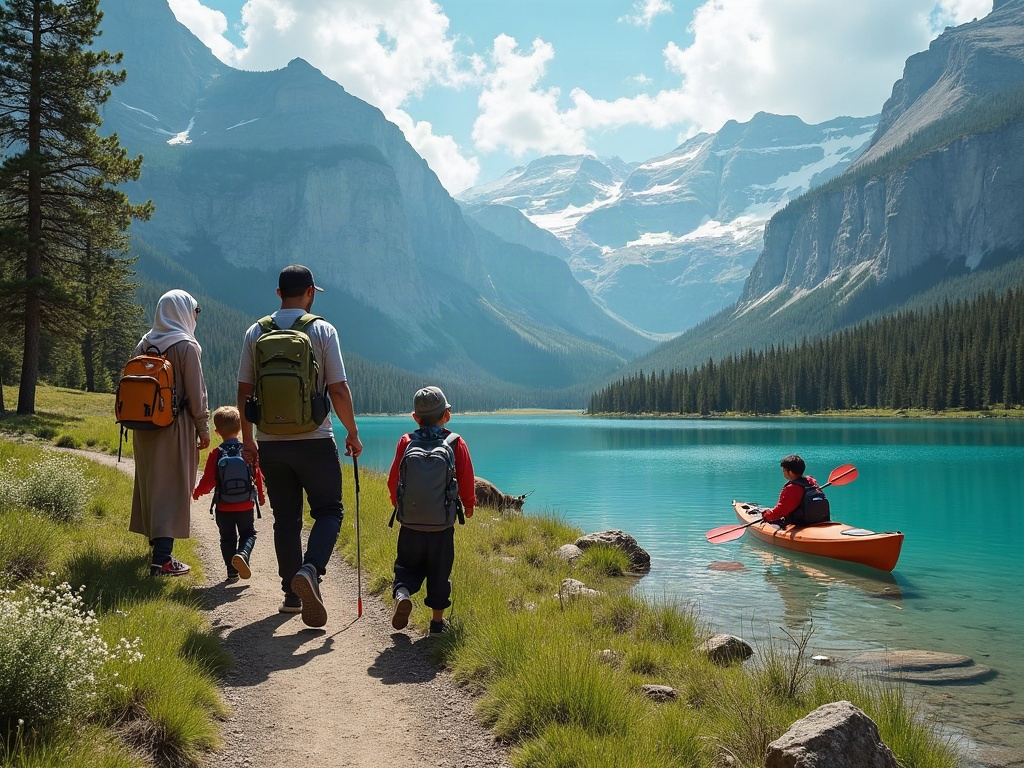
An inspiring image of a family enjoying the outdoors, symbolizing the core concept of a wilderness vacation.
© WovenVoyages.com
1. What are the core benefits of a wilderness destination for a family vacation?
A wilderness destination for a family vacation primarily offers profound psychological, educational, and relational benefits.
These trips foster resilience, deepen family bonds, cultivate environmental awareness, and provide unique opportunities for shared learning and growth outside conventional settings.
Psychological benefits arise from disconnecting from urban stressors and engaging directly with natural environments.
The biophilia hypothesis suggests an innate human tendency to seek connections with nature, making these environments deeply restorative and stimulating for all family members.
Educational advantages are vast, offering hands-on learning about ecology, wildlife, and natural processes that cannot be replicated in a classroom.
Relational benefits are observed as families collaborate to overcome challenges, navigate new terrains, and share unique experiences, strengthening their bonds significantly.
These collective experiences contribute to what is known as “family capital,” building a foundation of shared memories and problem-solving skills.
While wilderness offers unique advantages, some families might also wonder what are the top coastal destinations for a family vacation for a different kind of outdoor experience.

This infographic highlights the multifaceted advantages of engaging in wilderness adventures as a family.
© WovenVoyages.com
What types of wilderness experiences truly engage a family vacation?
The wilderness experiences that most effectively engage a family vacation are categorized by active physical challenges (hiking, kayaking), observational encounters (wildlife viewing, stargazing), and skill-building activities (orienteering, camp setup).
Active physical challenges such as hiking through Banff National Park or kayaking on the Green River promote shared accomplishment and physical fitness.
Observational encounters like wildlife viewing in Serengeti National Park or stargazing in the Grand Canyon foster wonder and environmental appreciation.
Skill-building activities such as orienteering in Monteverde Cloud Forest or setting up camp teach practical skills and teamwork.
The Green River offers a 52-mile multi-day float trip through Stillwater Canyon in Utah’s Canyonlands National Park, an accessible trip for beginners and families[1].
This experience, for example, directly aligns with physical challenges and skill-building, as families learn to navigate and live communally in a natural setting.
Unique Insight: The biophilia hypothesis, an innate human tendency to seek connections with nature, explains why immersive wilderness environments are so compelling for families. These experiences tap into fundamental human needs for connection and exploration.
How do wilderness environments support growth during a family vacation?
Wilderness environments support growth during a family vacation by presenting real-world, low-stakes challenges that directly foster resilience, improve problem-solving skills, and reinforce collaborative family dynamics.
A key outcome is enhanced resilience-building, which is the psychological process of adapting well in the face of adversity, a skill actively practiced when dealing with unpredictable weather or navigating a trail.
Environmental literacy is deepened as children and adults learn about ecosystems firsthand, understanding concepts like biodiversity and conservation.
Teamwork is consistently reinforced, whether it’s setting up a tent, preparing a meal outdoors, or collectively deciding on the next trail.
A challenging but rewarding family hike is the Mount St. Helens standard route, which is 10 miles round-trip and involves a 4,500 vertical foot climb[2].
Overcoming a minor wilderness obstacle, such as a sudden rain shower on a hike, teaches adaptable problem-solving that translates into transferable life skills.
This challenge-to-skill-to-outcome framework provides a structured approach to understanding the developmental benefits of outdoor experiences.
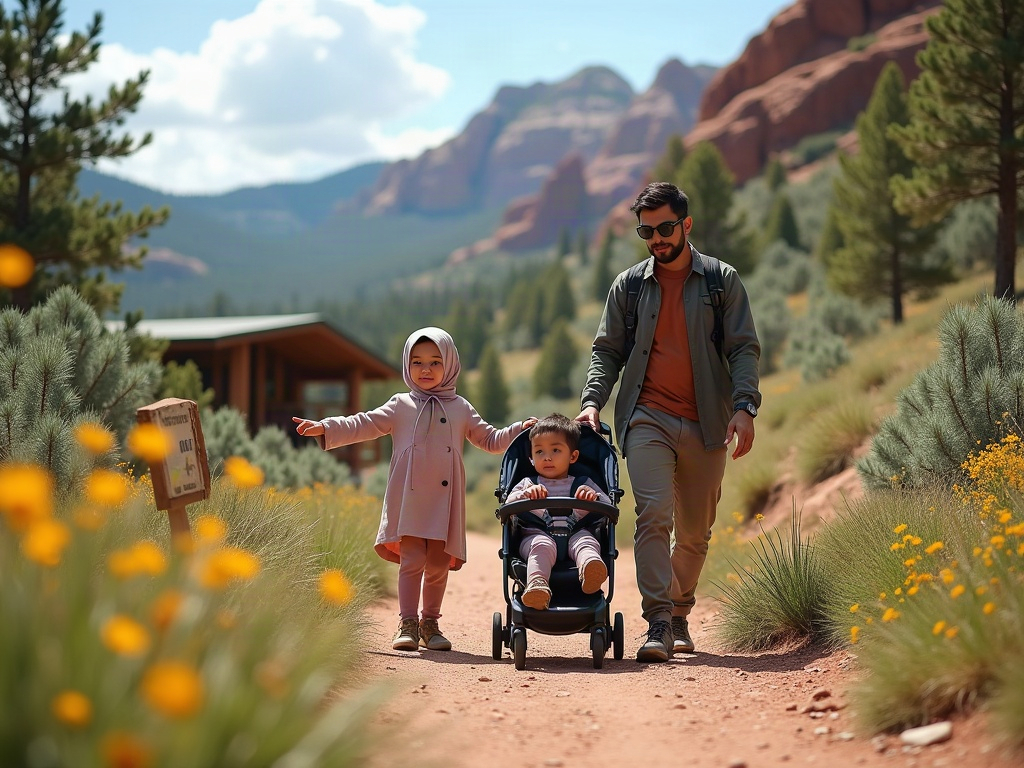
This image captures the essence of shared challenge and triumph in a natural setting.
© WovenVoyages.com
2. What essential preparations ensure a successful wilderness family vacation?
Ensuring a successful wilderness family vacation requires systematic, multi-phase pre-departure checks covering research, gear, and health.
Meticulous planning minimizes risks associated with remote environments, encompassing bookings, physical conditioning, and emergency protocols.
The level of preparation is directly proportional to the remoteness of the chosen destination and the ruggedness of the activities planned.
Framing this as a risk-mitigation protocol ensures that potential hazards are addressed before they become significant issues.
Early research and booking, often 6-12 months out, are crucial for securing permits, lodging, and guided tours, especially for popular destinations like Yellowstone National Park or Torres del Paine National Park.
Physical and gear preparation, typically 1-3 months out, includes testing equipment, ensuring proper fit, and gradually increasing physical activity levels for all family members.
Final checks in the week leading up to departure involve reviewing itineraries, confirming all reservations, and packing essential safety gear.
Beyond the wild, families often look for diverse experiences, prompting the question of what are the best urban destinations for a family vacation, offering cultural immersion and city amenities.
Which pre-departure checks are critical for a wilderness family vacation?
The most critical pre-departure checks for a wilderness family vacation involve medical clearances and vaccinations, gear functionality and fit, and itinerary validation with a designated emergency contact.
Medical clearances should include consultations with a family doctor to ensure all family members are fit for the physical demands and have necessary vaccinations, especially for international wilderness areas.
Gear functionality and fit requires checking all equipment, from hiking boots to sleeping bags, to ensure they are in good repair and properly sized for each individual.
Itinerary validation is the process of confirming all bookings (lodges, guides), cross-referencing operating hours for parks/trails, and sharing the detailed day-by-day plan with a reliable contact who is not on the trip.
For popular destinations, lodging inside a national park must be planned up to a year in advance to secure a spot[3].
This proactive step is crucial to avoid disappointment and secure preferred accommodations within prime wildlife viewing areas like Yellowstone National Park.
Non-negotiable rule: If a critical piece of safety gear fails its pre-departure check, it is repaired or replaced, not packed.

This checklist helps families systematically prepare for their wilderness adventure.
© WovenVoyages.com
3. How do families effectively choose among wilderness destinations for a family vacation?
Families effectively choose wilderness destinations by balancing accessibility, desired activities, and age-suitability.
The optimal destination aligns with the family’s experience level, budget, and children’s ages, best determined through an objective decision matrix rather than generic ‘top picks’ lists.
The best destination is not the most famous one, but rather the one most suitable for the family’s specific constraints and preferences.
An objective decision matrix can serve as a powerful tool to evaluate various options systematically.
Core criteria for this matrix should include the age of children, the family’s collective experience level in outdoor settings, the allocated budget, and a desired “ruggedness” score (on a scale of 1-5).
This framework helps to move beyond subjective recommendations and guides families toward a data-driven choice for their wilderness family vacation.
For those seeking a quieter escape that still connects with nature without the intense ruggedness, understanding what are the best rural destinations for a relaxing family vacation can be highly beneficial.
Which are the top wilderness destinations globally for an unforgettable family vacation?
The top wilderness destinations globally for a family vacation, balancing iconic status with robust infrastructure, are Yellowstone National Park (USA), Serengeti National Park (Tanzania), Torres del Paine National Park (Chile), the Daintree Rainforest (Australia), and Finnish Lapland.
Each offers unique experiences tailored to various family interests and adventure levels.
- Yellowstone National Park (USA):
Best For: Geothermal wonders, diverse megafauna viewing (bison, bears, wolves). Core Activity: Geyser basin tours, wildlife drives. Age Appropriateness: All ages, with accessible boardwalks and ranger programs.
Yellowstone is the world’s first national park and offers a range of wildlife that nearly mirrors what North America looked like before Columbus[1].
- Serengeti National Park (Tanzania):
Best For: The Great Migration, iconic African safari experiences. Core Activity: Guided safari drives, hot air balloon safaris. Age Appropriateness: Best for 8+ due to long vehicle transfers and wildlife encounters.
- Torres del Paine National Park (Chile):
Best For: Majestic mountains, glaciers, hiking, and trekking. Core Activity: Day hikes to Mirador Base Torres, boat trips. Age Appropriateness: Best for 10+ for hiking; younger children can enjoy scenic drives.
- Daintree Rainforest (Australia):
Best For: Ancient rainforest ecology, unique flora and fauna. Core Activity: Canopy walks, river cruises for crocodile spotting. Age Appropriateness: All ages, with accessible infrastructure and educational tours.
- Finnish Lapland (Finland):
Best For: Arctic landscapes, aurora borealis, winter activities. Core Activity: Husky sledding, reindeer sleigh rides, Northern Lights viewing. Age Appropriateness: All ages, with specific activities for young children.
Unique Insight: Megafauna refers to the large animals of a particular region. Destinations like Yellowstone and the Serengeti are premier choices for families focused on viewing iconic species like bison, bears, or lions, offering unforgettable educational opportunities.
When considering an African safari, an important next step is to explore which safari destinations are malaria-free and safe for a family vacation, ensuring peace of mind for parents.
What specific features make a wilderness destination suitable for a family vacation with young children?
Specific features that make a wilderness destination suitable for a family vacation with young children (under 10) include the availability of short, paved or well-maintained interpretive trails, accessible visitor centers with educational exhibits, and ranger-led programs designed for kids.
These elements ensure that the natural environment is approachable and engaging for young explorers.
The Garden of the Gods in Colorado Springs has easily accessible walking trails suitable for strollers, as well as more difficult climbing trails.
This exemplifies a destination that caters to diverse family needs, from easy walks to more challenging adventures.
A checklist of suitability features includes:
- ☐ The destination offers on-site lodging with private bathrooms and dining options, reducing logistical complexity for families with young children.
- ☐ Availability of short, stroller-friendly or well-maintained trails suitable for little legs, such as those found in Acadia National Park.
- ☐ Accessible visitor centers with interactive, hands-on educational exhibits to engage young minds and provide indoor learning opportunities.
- ☐ Ranger-led programs designed specifically for children, such as junior ranger activities or nature scavenger hunts, enhancing educational value.
- ☐ Designated safe play areas or nature playgrounds that encourage imaginative play within the natural setting.
- ☐ Proximity to basic amenities like medical services and grocery stores, crucial for unforeseen needs with young children.
- ☐ Clear and consistent safety signage and enforced rules regarding wildlife interaction, ensuring a secure environment.
- ☐ Destinations like the Lake District National Park or Manuel Antonio National Park offer a balance of accessibility and natural wonder.
Unique Insight: Interpretive trails are short, often looped trails that feature educational signposts explaining the local flora, fauna, geology, or history, designed to engage visitors beyond simple hiking. These are ideal for stimulating curiosity in young children.
What unique wilderness types offer specialized experiences for a family vacation?
Beyond traditional forests and mountains, unique wilderness types offering specialized family vacation experiences include coastal archipelagos for marine biology, desert parks for geology and stargazing, and arctic regions for phenomena like the aurora borealis.
These distinct ecosystems provide unparalleled opportunities for focused learning and adventure.
- Coastal/Marine Archipelagos: The Galápagos Islands are a prime example, offering direct encounters with unique wildlife and lessons in evolution. Haida Gwaii in British Columbia, Canada, known as the “Galapagos of the north,” offers moving First Nations immersions[4]. The specialized experience here is observing endemic species in their natural habitats.
- Desert Parks: Destinations like Uluru-Kata Tjuta National Park in Australia or the Atacama Desert in Chile provide exceptional geology lessons and unparalleled opportunities for stargazing due to minimal light pollution. The specialized experience includes learning about arid adaptations and celestial observation.
- Arctic/Subarctic Regions: Glacier National Park (USA) or Finnish Lapland offer experiences like glacier viewing, witnessing the spectacular aurora borealis, and engaging in unique winter sports. The specialized experience revolves around cold-weather survival and natural light phenomena.
Unique Insight: An endemic species is a species that is exclusively found in one specific geographic location and nowhere else on Earth. The marine iguana of the Galápagos Islands serves as a prime example, highlighting the biodiversity value of such destinations.
4. How can families maximize engagement and safety during their wilderness family vacation?
Maximizing engagement and safety during a wilderness family vacation involves balancing structured activities with flexible downtime, all underpinned by rigorous safety protocols.
This includes leveraging ranger programs, designated viewing areas, and creative family challenges, while adhering to daily safety reviews and wildlife guidelines.
A successful on-site experience carefully balances planned activities with opportunities for spontaneous exploration and rest.
Introducing an activity matrix can help structure daily itineraries, ensuring that options for all age groups and energy levels are considered.
It is paramount that all activities are subordinate to a “safety-first” protocol, which should be reviewed by the family each morning.
This proactive approach to safety includes specific instructions for wildlife encounters, proper hydration, and sun protection.
For instance, maintaining a 100-yard distance from bears and wolves in Yellowstone National Park is a specific and actionable safety instruction.
What daily activities enrich a wilderness family vacation across all age groups?
Daily activities that enrich a wilderness family vacation across all age groups include ranger-led interpretive walks, designated wildlife viewing at dawn and dusk, family-friendly geocaching, and nightly stargazing or campfire storytelling.
These diverse activities cater to various interests and energy levels, ensuring continuous engagement.
- All Ages:
Ranger-led interpretive walks offer educational insights into local ecology; no special gear, primary benefit is learning and accessibility. In Yellowstone, many highlight features can be seen on short walks, and cross-country skiing the almost flat, 2.5 miles of trail through the Upper Geyser Basin passes one-fourth of the active geysers in the world[1].
Designated wildlife viewing at dawn and dusk, requiring binoculars, benefits patience and appreciation for nature.
- Ages 5-12:
Family-friendly geocaching, utilizing a GPS or smartphone, promotes teamwork and navigation skills.
Nature scavenger hunts make hiking more engaging by providing a goal beyond simply reaching a destination.
- Teens & Adults:
Nightly stargazing with a star chart enhances astronomical knowledge and peaceful reflection.
Campfire storytelling fosters family bonding and cultural sharing.
Unique Insight: Geocaching is a real-world, outdoor treasure-hunting game using GPS-enabled devices where participants navigate to specific coordinates to find a hidden container, or “geocache.” It’s an excellent way to combine technology with nature exploration.
How should families navigate logistical challenges during a wilderness family vacation?
Families navigate logistical challenges during a wilderness family vacation by pre-booking all transportation and accommodation at least 6-9 months in advance, planning meals with a mix of self-catering and lodge dining, and building buffer time into all travel segments.
Early booking is critical, especially for popular national parks or unique accommodations within wildlife reserves.
Many families choose to camp or RV in national parks, but food can be limited and pricey, so packing a cooler for long days is recommended[5].
- Transportation: Assess the need for specific vehicle types, such as high-clearance 4WD vehicles, depending on the terrain and road conditions of the wilderness destination. Confirm availability of fuel and charging stations in remote areas.
- Accommodation: Secure lodging well in advance. Options range from primitive campsites (often requiring a backcountry permit) to fully serviced lodges. The choice should align with the family’s comfort level and budget.
- Food: Plan meals combining self-catering to control costs and dietary needs, with occasional lodge dining for convenience and local culinary experiences. A pro of self-catering is cost-efficiency and catering to specific tastes; a con is the logistical effort. Relying on lodges offers convenience but can be expensive and less flexible.
Building buffer time into travel segments is essential to account for unexpected delays, wildlife sightings, or the slower pace often necessary with children in remote environments.
Unique Insight: A backcountry permit is an official, often limited, authorization required to camp overnight in designated wilderness areas outside of developed campgrounds. These must be secured long in advance, sometimes through a lottery system, highlighting the importance of early planning for a wilderness family vacation.
Which ethical considerations are paramount for a sustainable wilderness family vacation?
The paramount ethical considerations for a sustainable wilderness family vacation are strict adherence to the seven Leave No Trace principles, prioritizing the economic support of local communities, and actively minimizing wildlife disturbance.
Responsible travel ensures the preservation of natural environments and respects local cultures.
The Frank Church-River of No Return Wilderness is the second-largest federal wilderness in the continental United States, covering nearly 2.4-million-acres. Visiting such vast, protected areas underscores the importance of ethical preservation.
This highlights the scale of commitment required to protect these unique areas.
The seven Leave No Trace principles are:
- Plan Ahead and Prepare: Know the regulations and special concerns for the areas you visit.
- Travel and Camp on Durable Surfaces: Stay on trails and camp in established areas.
- Dispose of Waste Properly: Pack it in, pack it out, including all trash and human waste.
- Leave What You Find: Preserve the past and leave rocks, plants, and other natural objects as you find them.
- Minimize Campfire Impacts: Use established fire rings and keep fires small.
- Respect Wildlife: Observe animals from a distance and never feed them.
- Be Considerate of Other Visitors: Respect others and protect the quality of their experience.
Feeding wildlife, even indirectly, can lead to habituation and the animal’s eventual destruction by park authorities.
To support local economies, families should advise hiring local guides and purchasing locally made goods over imported souvenirs.
Unique Insight: Biocentric ethics is an ethical framework that extends inherent value to all living things, contrasting it with an anthropocentric (human-centered) view. It should be the guiding philosophy for responsible wilderness travel, emphasizing the intrinsic worth of nature.
5. What are the potential risks to avoid on a wilderness family vacation?
Potential risks on a wilderness family vacation include environmental hazards (e.g., weather, terrain), biological threats (e.g., wildlife, insects), and human-factor issues (e.g., navigation errors, gear failure).
Proactive awareness and planning through systematic risk assessment prevent most incidents, fostering confident travel.
The vast majority of incidents in the wilderness are preventable and result from a lack of preparedness or awareness.
- Environmental Hazards: These include sudden and extreme weather changes, difficult terrain (cliffs, slippery surfaces, river crossings), and natural phenomena like rockfalls or flash floods.
- Biological Hazards: This category encompasses encounters with dangerous wildlife (bears, snakes, insects carrying diseases) and exposure to venomous plants.
- Human-Factor Risks: These risks arise from navigational errors leading to becoming lost, inadequate gear, gear failure, insufficient hydration or nutrition, and physical overexertion.
Understanding these categories allows families to develop targeted mitigation strategies.
How can families mitigate common safety hazards during a wilderness family vacation?
Families mitigate common safety hazards during a wilderness family vacation by implementing specific, pre-planned protocols for wildlife encounters, sudden weather changes, and potential navigation errors.
For safety, it’s critical to be prepared for scarce cell coverage inside parks; download maps in advance and let friends and family know your itinerary[5].
This highlights the importance of reliable communication and navigation tools beyond mobile phones.
- Issue: Wildlife Encounters
Mitigation: Carry bear spray in bear country, know how to use it, and store all food in bear canisters or bear lockers to prevent attracting animals.
Example: In Yellowstone National Park, visitors are mandated to keep food in hard-sided containers or approved bear-resistant containers.
- Issue: Sudden Weather Changes
Mitigation: Pack layered clothing, waterproof outer shells, and know the signs of hypothermia or heatstroke. Check weather forecasts frequently.
Example: A sudden mountain storm in Torres del Paine National Park requires immediate shelter and extra layers to prevent rapid body temperature drop.
- Issue: Navigation Errors
Mitigation: Carry both a physical map and compass, and a GPS device with pre-loaded maps. One is not a substitute for the other.
Example: When exploring the vast Grand Canyon backcountry, having redundant navigation ensures safety even if electronics fail.
Unique Insight: Hypothermia is a medical emergency that occurs when the body loses heat faster than it can produce it, causing a dangerously low body temperature. It can happen even in cool, non-freezing temperatures if a person is wet and exposed to wind, underscoring the need for proper gear.
What environmental impacts should families be aware of during their wilderness family vacation?
The primary environmental impacts families must be aware of during their wilderness vacation are physical trail erosion, the introduction of non-native species, and the chemical pollution of water sources from soap or sunscreen.
A four-day, 29-mile backpacking trip in the Grand Canyon combines spectacular trails, highlighting the need to minimize impact on these high-traffic, fragile environments[6].
Understanding these impacts is crucial for practicing responsible ecotourism.
Causes and effects of environmental impact include:
- Trail Erosion: Walking off designated trails widens paths, compacts soil, and destroys vegetation. Effect: Damages ecosystems and creates visible scars on the landscape.
- Non-Native Species Introduction: Seeds or spores carried on clothing and shoes can introduce invasive plants to new areas. Effect: Outcompetes native species, disrupts local ecosystems.
- Water Pollution: Soaps, sunscreens, and improper waste disposal can contaminate streams and lakes. Effect: Harms aquatic life and renders water unsafe for humans and animals.
Unseen impacts also include noise pollution from excessive shouting or loud music, which can disturb wildlife.
Light pollution from headlamps and campfires can disrupt nocturnal animal behaviors.
Soil compaction from heavy foot traffic in off-trail areas can hinder plant growth and water infiltration.
To prevent water pollution, use biodegradable soap 200 feet away from any lake or stream and dispose of wash water in a cathole.
Unique Insight: Cryptobiotic soil is a fragile, living soil crust found in arid and semi-arid ecosystems, critical for preventing erosion. It can be destroyed by a single footstep and take decades to recover, highlighting the extreme sensitivity of some wilderness environments.
Author’s Experience: Abdullahi Azaam
“My family has explored diverse wilderness areas, from the backcountry trails of Yellowstone National Park to the remote forests of British Columbia. I’ve personally navigated multi-day canoe trips on the Boundary Waters and led guided hikes in various national parks, ensuring safety with wilderness first aid certification. These experiences have taught me the critical balance between adventure and meticulous preparation, especially when traveling with children.”
6. Logistics: Wilderness Family Vacation Preparation Checklist
Use this interactive checklist to ensure you’ve covered all the critical logistical bases for your trip. Click the squares to check them off as you plan.
| Checklist Item / Tactic | Status |
|---|---|
| Phase 1: Research & Booking (6-12 Months Out) | |
| Research potential wilderness destinations based on family age, experience, and budget. | ⬜ |
| Secure all necessary permits (e.g., backcountry permit) and entry reservations for national parks. | ⬜ |
| Book all flights, accommodations, and guided tours, especially for popular areas like Serengeti National Park. | ⬜ |
| Phase 2: Physical & Gear Prep (1-3 Months Out) | |
| Consult family doctor for medical clearances, necessary vaccinations, and any travel-specific health advice. | ⬜ |
| Acquire and test all essential gear (e.g., tents, backpacks, cooking equipment, appropriate clothing layers). | ⬜ |
| Initiate a family physical conditioning regimen, including regular walks or hikes, to build stamina. | ⬜ |
| Phase 3: Final Checks (1 Week Out) | |
| Perform a final itinerary validation, confirming all bookings and operating hours. | ⬜ |
| Share a detailed itinerary with a designated emergency contact not traveling with the family. | ⬜ |
| Pack a comprehensive first-aid kit and review its contents with adult family members. | ⬜ |
7. Frequently Asked Questions (People Also Ask)
What specific gear is needed to achieve the benefits of a wilderness family vacation safely?
What are age-appropriate alternatives for very young children in these experience types?
How can parents encourage growth without making a wilderness vacation feel like school?
What immediate steps should be taken if a family member is injured in the wilderness?
What Are the Final Thoughts on Maximizing a Wilderness Destination for a Family Vacation?
Maximizing a wilderness family vacation ultimately hinges on matching the destination’s unique characteristics with the family’s profile, including age, experience, and desired ruggedness.
A successful trip is a thoughtful investment in family resilience and connection, grounded in preparation and ethical engagement.
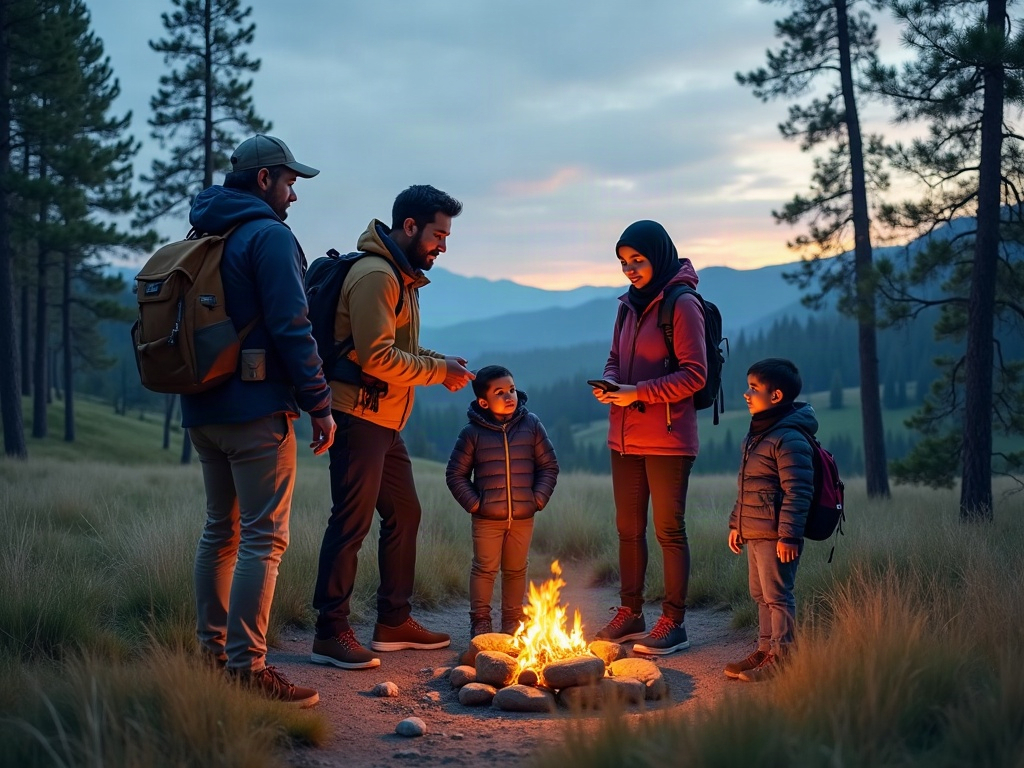
An inspiring visual of a family creating lasting memories in nature, emphasizing the ultimate reward of a well-planned wilderness vacation.
© WovenVoyages.com
While wilderness provides unparalleled opportunities for growth and bonding, for families seeking a different kind of adventure or catering to a wider age range, it’s worth exploring which theme park destinations are best for a multigenerational family vacation, offering structured entertainment and diverse activities.