What Are the Best Rural Destinations for a Relaxing Family Vacation?
Table of Contents
The best rural destinations for a relaxing family vacation are those offering high-immersion natural environments with low-density lodging, specifically Italy’s Dolomites, the UK’s Cotswolds, and Canada’s Banff National Park.
These locations excel by providing secluded environments, offering a genuine escape from urban noise and crowds.
They also facilitate nature-based enrichment, with activities that reduce stress and improve well-being.
Controlled pacing in these rural destinations allows families to set their own schedule without external pressures.
Understanding the broader landscape of what are the 6 types of family vacation destinations can help frame why rural options are uniquely appealing for relaxation.
For families seeking a different kind of excitement, consider delving into which theme park destinations are best for a multigenerational family vacation, offering structured entertainment rather than natural serenity.
1. Why Are Rural Destinations Ideal for a Relaxing Family Vacation?
Rural destinations are ideal for family relaxation by fostering a natural environment that reduces stress, enhances family cohesion through shared experiences, and provides opportunities for cognitive restoration away from urban overstimulation.
This visualization illustrates the core distinctions in benefits offered by rural destinations compared to urban settings for family well-being.
© WovenVoyages.com
What Defines a Truly Relaxing Rural Destination for a Family Vacation?
A truly relaxing rural destination for a family vacation is defined by a quantifiable set of criteria including low population density (under 500 people per square mile), minimal light and noise pollution, and a high ratio of natural landscape to commercial infrastructure.
These specific characteristics ensure a peaceful retreat, allowing families to genuinely unwind without the commercial distractions or urban stressors often found in more populated areas.
The concept of ‘Biophilia’, defined as the innate human tendency to connect with nature, articulated by biologist Edward O. Wilson, explains the restorative effects observed in such rural destinations.
Rural destinations offer an escape from the noise and stress of everyday life, allowing families to explore nature by day and stargaze from a country porch by night.[1]
The appeal of this type of family trip is that all of your activities, meals, and lodging are in one location and often come together as an all-inclusive option for the whole family.[2]
Unique Insight: When evaluating potential rural destinations, families should actively seek verifiable data points on population density and light pollution indices (e.g., Bortle Scale ratings) rather than relying solely on subjective reviews of “peacefulness.”
2. What Types of Rural Destinations Cater Best to a Relaxing Family Vacation?
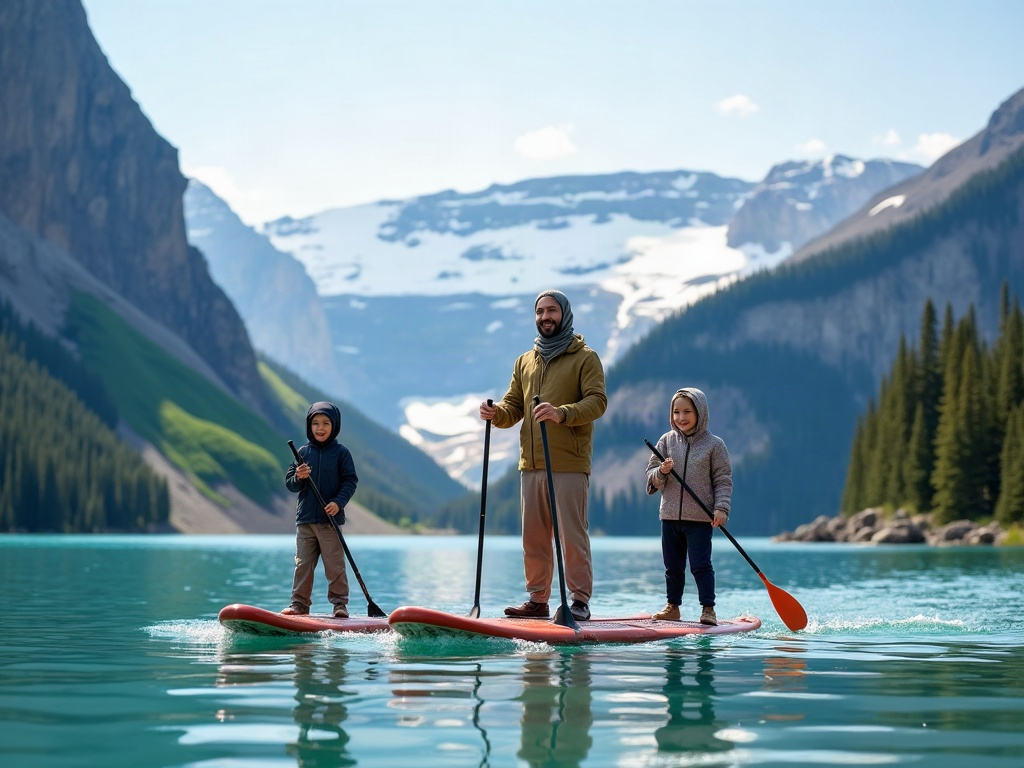
Relaxing rural destinations best cater to families by offering distinct geographical types such as mountain retreats for active solitude, lakeside escapes for tranquil water-based activities, countryside farms for immersive experiences, and coastal villages for serene seaside relaxation.
These varied environments provide unique modes of unwinding, allowing families to select an option that perfectly aligns with their specific preferences for relaxation.
A visual representation of the diverse geographical types of rural destinations that contribute to varying family relaxation modes.
© WovenVoyages.com
While this guide focuses on rural settings, another popular choice for natural immersion is understanding what are the top wilderness destinations for a family vacation.
Which Specific Rural Environments Offer the Most Relaxation for a Family Vacation?
The specific rural environments that offer the most relaxation for a family vacation include the alpine meadows of the Dolomites in Italy, the pastoral landscapes of the UK’s Lake District, the forested mountains of Vermont, USA, the lavender fields of Provence, France, and the volcanic landscapes of Hokkaido, Japan.
These locations, renowned for their natural beauty and tranquility, provide diverse forms of peaceful engagement for families.
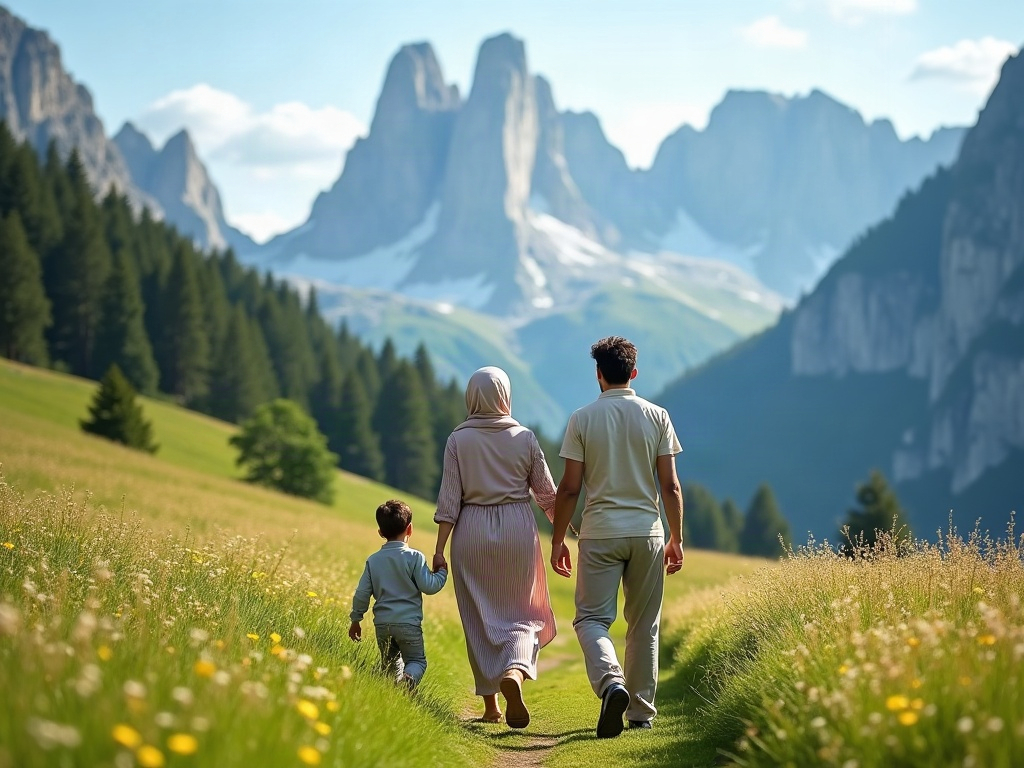
For instance, the Dolomites offer breathtaking alpine scenery perfect for gentle hikes and scenic drives, fostering a sense of awe and calm.
The Cotswolds, UK, with its charming villages and rolling hills, encourages unstructured exploration and connection with historical landscapes.
An Agriturismo stay in Tuscany, Italy, defined as a farm-stay vacation combining accommodation with agricultural life, offers an authentic immersion into rural economy and peaceful routines.
Wildseed Farms is the largest working wildflower farm in the United States, where you’ll see a rainbow of wildflower fields across its 1200 acres.[1]
A trip to Acadia National Park (and the surrounding coastal cities) is perfect for an outdoorsy family, filled with hikes, sightseeing, and wildlife spotting.[3]
Unique Insight: The most effective rural destinations for relaxation often leverage a UNESCO World Heritage Site designation or status as a National Park Service area, ensuring preservation of natural beauty and controlled development.
For those interested in fully immersive agricultural experiences, exploring which rural destinations offer the best farm stays for a family vacation can guide your choice.
3. How Do Rural Destinations Contribute to a Family Vacation’s Enrichment and Well-being?
Rural destinations enrich family well-being by facilitating digital detox, promoting unstructured outdoor play that fosters cognitive development, and strengthening family bonds through shared nature experiences.
These benefits directly contribute to psychological and physiological health improvements far beyond typical entertainment, establishing rural destinations as vital for holistic family development.
This infographic highlights the scientifically supported psychological benefits of immersing families in natural rural destinations.
© WovenVoyages.com
What Unique Well-being Advantages Do Rural Settings Offer for a Family Vacation?
The unique well-being advantages rural settings offer for a family vacation are rooted in Attention Restoration Theory, demonstrating that exposure to natural environments measurably reduces mental fatigue and improves concentration.
Rural settings provide unique well-being advantages like improved concentration and reduced mental fatigue, stemming from Attention Restoration Theory.
They also facilitate digital detox and foster stronger family bonds through shared, screen-free experiences in nature.
A Digital Detox is defined as a deliberate period of disconnecting from digital devices to reduce stress and mental overstimulation, a primary outcome of immersion in rural settings.
An unplugged family vacation is one where cell service drops to zero and the front desk staff has no WiFi code to give.[2]
The best family vacations are the ones that perfectly fit your family’s wants and needs, where families spend less time on screens and more time getting to know each other.[3]
Unique Insight: Connection to nature triggers physiological relaxation responses, lowering heart rate and blood pressure, making rural destinations scientifically beneficial for stress reduction.
Author’s Experience: Abdullahi Azaam
“During my time planning family adventures, I’ve observed firsthand how a week in a rural destination like the Dolomites can transform family dynamics, fostering deeper connections and reducing screen time more effectively than any urban escape.”
4. How Can Families Choose the Best Rural Destination for a Relaxing Family Vacation?
Families can choose the best rural destination by employing a logical, step-by-step framework that defines family needs, filters by environment type, evaluates logistical aspects like accessibility and amenities, and assesses forecasted crowd levels to ensure an optimal match for relaxation.
| Destination | Travel Time from Major Airport (hrs) | Average Accommodation Cost (per night) | Primary Activities | Crowd Density Score (Low/Med/High) |
|---|---|---|---|---|
| Cotswolds, UK | 1.5 (from Heathrow) | $150-$300 | Walking, village exploration, nature walks | Medium |
| Dolomites, Italy | 2-3 (from Venice/Innsbruck) | $180-$400 | Hiking, scenic drives, alpine sports | Medium |
| Asheville, North Carolina, USA | 0.5 (from AVL) | $120-$280 | Hiking, Blue Ridge Parkway, local crafts | Medium |
| Banff National Park, Canada | 1.5 (from Calgary) | $200-$500 | Hiking, wildlife viewing, lake activities, skiing | High (peak season) |
Which Are the Top Rural Options for a Family Vacation?
The top rural options for a family vacation, balancing accessibility, activities, and relaxation potential, are the Cotswolds, UK; the Dolomites, Italy; Banff National Park, Canada; Queenstown, New Zealand; and Asheville, North Carolina, USA.
These rural destinations offer a compelling blend of natural beauty, engaging activities, and the tranquility necessary for a restorative family escape.
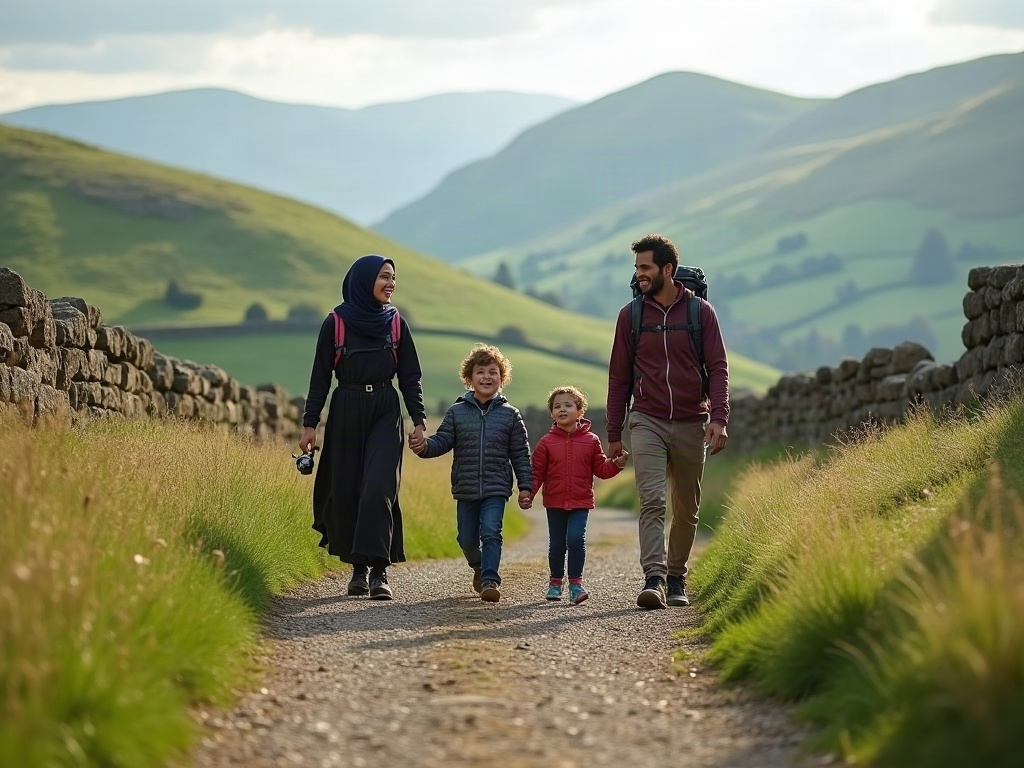
The Cotswolds in the UK provides picturesque villages and gentle walking trails, perfect for families seeking a quintessential English countryside experience.
Italy’s Dolomites, a UNESCO World Heritage Site, offers dramatic alpine scenery and opportunities for hiking and exploring charming mountain towns.
For families who love the great outdoors, Banff National Park in Alberta, Canada, offers a wealth of opportunities for adventure, with its epic scenery, wildlife encounters, and year-round outdoor activities.[3]
The Mickelson Trail in South Dakota is the top-rated paved bike path in the U.S., passing by Crazy Horse, the Badlands, and the Black Hills.[3]
Which Rural Destinations Excel in Specific Relaxing Activities for a Family Vacation?
Specific rural destinations excel in distinct relaxing activities for a family vacation: the Finger Lakes, NY, for lakeside recreation; the Peak District, UK, for accessible hiking; the Barossa Valley, Australia, for culinary tourism; and Aveyron, France, for historical village exploration.
These regions offer tailored experiences that cater to diverse family interests, ensuring a more focused and relaxing trip.
For instance, the Finger Lakes region in New York State provides abundant opportunities for boating, swimming, and exploring charming small towns nestled along scenic shorelines.
The Peak District in the UK is celebrated for its accessible walking paths and stunning natural beauty, making it ideal for families who enjoy light to moderate hiking.
Geocaching, a real-world treasure-hunting game using GPS-enabled devices, can transform a simple walk into an engaging adventure for families in such rural destinations.
Caddo Lake in Texas is a 25,400-acre cypress swamp famous among fisherman for its 71 species of fish.[3]
America’s Wetland Birding Trail in Louisiana includes 115 sites, offering unique wildlife observation opportunities.[3]
Unique Insight: Beyond traditional activities, seek out rural destinations that host local harvest festivals or artisan markets, offering cultural immersion and unique experiences for families.
Beyond simple farm visits, families might enjoy discovering which countryside destinations offer the best seasonal harvest activities for a family vacation to deepen their rural experience.
5. What Factors Determine a Rural Destination’s Suitability for a Relaxing Family Vacation?
A rural destination’s suitability for a relaxing family vacation is determined by key factors categorized as Accessibility (travel time, local transport), Amenities (essential services), Activity Alignment (matching family interests), and Age-Appropriateness (suitability for all family members), forming a practical evaluation framework.
This comprehensive framework ensures families can proactively assess and select a rural destination that genuinely supports their goal of relaxation and enjoyment.
| Checklist Item / Tactic | Status |
|---|---|
| Accessibility & Logistics | |
| The destination is within a 4-hour drive from our home or arrival airport. | ⬜ |
| Local transport options (or car rental) are readily available if needed. | ⬜ |
| Amenities & Services | |
| Essential services (grocery, basic medical) are accessible within a 30-minute drive. | ⬜ |
| Accommodation offers necessary family-friendly facilities (e.g., kitchen, laundry). | ⬜ |
| Activities & Age-Appropriateness | |
| Available activities align with key family interests (e.g., hiking, quiet observation). | ⬜ |
| Activities are suitable for the youngest and oldest family members. | ⬜ |
| The rural destination provides opportunities for both active engagement and peaceful downtime. | ⬜ |

This flowchart visually guides families through the logical steps to select the optimal rural destination for their needs, ensuring a relaxing outcome.
© WovenVoyages.com
How Should Families Evaluate Rural Destinations for Optimal Relaxation During a Family Vacation?
Families should evaluate rural destinations for optimal relaxation during a family vacation by using a scoring system based on three critical factors: accessibility, the availability of essential local amenities, and forecasted crowd levels during the travel period.
To optimize relaxation, families should assess accessibility, verifying travel time and local transport options.
They should also verify essential local amenities such as stores and services.
Researching forecasted crowd levels is crucial to select locations that promise genuine tranquility and convenience.
‘Light Pollution’, defined as the presence of artificial light in the night environment, can be evaluated using resources like the ‘Bortle Scale’ to find prime stargazing locations.
A family vacation to Tybee Island, Georgia had guests ranging in age from one to 67-years-old, and the area had no trouble providing fun for everyone.[3]
To experience Yosemite in the summer without the crowds, you can start at Tuolumne Meadows and end on the valley floor; until your last day, you’ll be able to count the number of people you pass on one hand.[4]
Unique Insight: Beyond checking online reviews, utilize satellite imagery and local government websites to gain objective insights into commercial development and infrastructure surrounding potential rural destinations.
6. How Can Families Maximize Relaxation in Rural Destinations During a Family Vacation?
Families can maximize rural vacation relaxation through strategic pre-trip planning and on-site activity balancing, ensuring a mix of high-effort excursions with scheduled downtime to prevent burnout, proactive engagement with nature, and a flexible mindset adaptable to the unique pace of rural life.
| Activity Type | Best Time of Day | Example |
|---|---|---|
| High-Energy | Morning | Long hikes, cycling, exploring Banff National Park trails |
| Low-Energy | Afternoon | Reading, picnicking, quiet observation of nature, visiting a local farm |
| Educational | Anytime | Stargazing (identifying constellations), wildlife spotting, learning about local agriculture or history |
What Practical Activities and Experiences Enhance a Relaxing Rural Family Vacation?
Practical activities and experiences that enhance a relaxing rural family vacation are those with low logistical overhead and high sensory engagement, such as unstructured nature walks, stargazing, and visiting local farm stands.
These activities foster connection, discovery, and tranquility through direct nature immersion.
Unstructured nature walks encourage free exploration and a connection with the natural environment, vital in rural destinations.
Stargazing, particularly in areas with minimal light pollution, offers a profound sense of wonder and calm for all ages.
Visiting local farm stands allows for authentic interaction with the community and the enjoyment of fresh, local produce, enhancing the rural experience.
At an organic farm, guests enjoy picnicking at the pond and stargazing from the porch.[1]
Many parks like Death Valley National Park and Joshua Tree National Park are dark sky areas, perfect for nighttime stargazers.[2]
Unique Insight: For stargazing, download the SkyView Lite app to identify constellations, adding an educational and interactive layer to a peaceful evening.
Beyond simple farm visits, families might enjoy discovering which countryside destinations offer the best seasonal harvest activities for a family vacation to deepen their rural experience.
7. Which Accommodation Types Best Support a Relaxing Rural Family Vacation?
Accommodation types best supporting a relaxing rural family vacation are those offering privacy and autonomy, such as standalone cabins, farm stays (Agriturismos), or professionally managed glamping sites, as they provide maximum control over schedules and direct, immediate access to nature.
These options distinguish themselves from traditional hotels by providing a more personalized and flexible experience in rural settings.
A visual collection showcasing the diversity and appeal of self-contained accommodations in rural destinations.
© WovenVoyages.com
What Are the Most Relaxing Accommodation Options in Rural Settings for a Family Vacation?
The most relaxing accommodation options in rural settings for a family vacation are self-catering cabins, farm stays (Agriturismos), and professionally managed glamping sites, as they provide autonomy and direct access to nature.
These choices offer enhanced privacy, direct nature access, and flexibility for family schedules, distinguishing them from traditional hotels for optimal relaxation.
- Self-catering Cabins: Provide ultimate privacy and control over meal times and daily routines, often nestled in secluded natural environments like Banff National Park.
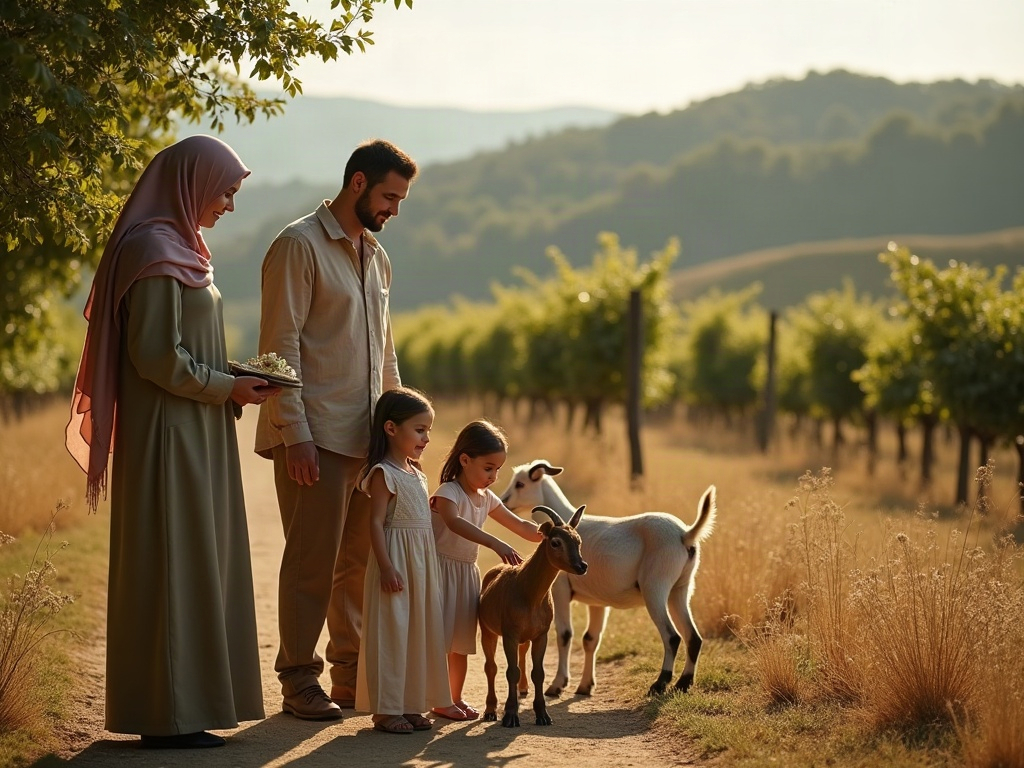
- Farm Stays (Agriturismo): Offer an immersive cultural experience, especially in regions like Tuscany, Italy, allowing families to participate in farm life and enjoy fresh, local food.
- Glamping Sites: Glamping, defined as glamorous camping, provides a comfortable bridge between rustic immersion and modern conveniences, perfect for families seeking nature without roughing it.
Glamping is an increasingly popular way to get out into nature without giving up luxury.[2]
Leaping Lamb Farm in Oregon offers families a cozy cabin stay complete with farm chores in the mornings, and the run of the farm the rest of the day.[3]
Unique Insight: When booking, check for amenities like private outdoor spaces, fully equipped kitchens, and child-friendly features to enhance relaxation and minimize logistical stress.
To combine natural immersion with added comforts, it’s worth exploring which nature destinations are best for a multigenerational glamping family vacation.
8. What Common Pitfalls Should Families Avoid for a Relaxing Rural Family Vacation?
Families should proactively avoid common pitfalls in rural vacations such as over-scheduling activities, underestimating limited connectivity, neglecting essential amenity planning, and failing to prepare for weather disruptions, by implementing a contingency plan to ensure a stress-free and relaxing experience.
Addressing these potential challenges preemptively is key to maximizing relaxation and enjoyment in rural destinations.
| Checklist Item / Tactic | Status |
|---|---|
| Pre-Trip Planning | |
| I have downloaded offline maps of the area via Google Maps or a dedicated hiking app. | ⬜ |
| Essential groceries and medications have been purchased before arriving in a remote area. | ⬜ |
| On-Site Management | |
| One “do-nothing” afternoon or morning has been scheduled to avoid over-scheduling. | ⬜ |
| Backup entertainment (books, board games) for children is packed for unexpected weather. | ⬜ |
| A designated “digital-free” time or zone has been established for family connection. | ⬜ |
How Can Families Mitigate Unexpected Challenges in Rural Destinations During a Family Vacation?
Families can mitigate unexpected challenges in rural destinations during a family vacation by creating a pre-trip “contingency plan” that addresses three key risk areas: connectivity failure, limited access to amenities, and weather disruptions.
Families mitigate rural vacation challenges by implementing a contingency plan covering connectivity failure (offline maps, satellite device), limited amenities (packing essentials), and weather disruptions (flexible itinerary, appropriate gear), ensuring preparedness for common issues and preserving vacation tranquility.
For connectivity, download offline Google Maps for the entire region and consider a satellite communication device for truly remote areas.
Regarding amenities, pack all essential items, especially specialized foods or medications, as local shops in rural destinations might have limited stock.
At Dunton, Colorado, a restored ghost town, you’ll lose cell service before you even get there, transporting you back a century.[2]
Be prepared that cell coverage is scarce inside national parks; download your maps and let your friends and family know where you are.[2]
Unique Insight: Always pack a physical map as a backup to digital navigation, especially in areas with potential signal loss, a common occurrence in many rural destinations.
9. What Essential Safety Considerations Are Unique to a Rural Family Vacation?
Essential safety considerations unique to rural family vacations include proactively researching local wildlife protocols, preparing for limited immediate medical access, understanding environmental hazards like varying terrain and weather, and mastering navigational strategies to prevent getting lost, ensuring overall well-being.
How Can Families Ensure Safety and Well-being in Remote Rural Destinations for a Family Vacation?
Families can ensure safety and well-being in remote rural destinations for a family vacation by researching local wildlife protocols, carrying a dedicated first-aid kit, and sharing their itinerary with a trusted contact.
To ensure safety in remote rural destinations, families must research local wildlife protocols (e.g., bear safety, specific to areas like Banff National Park).
Carrying a comprehensive first-aid kit specifically designed for wilderness use is also critical.
Communicating their detailed itinerary with a trusted emergency contact ensures preparedness for unique environmental risks.
‘Leave No Trace’ is an ethical framework of seven principles designed to minimize environmental impact, which also serves as a safety protocol by encouraging preparedness and awareness in rural settings.
Alligator Alley in Alabama has high boardwalks overlooking the wetlands below, where viewers can safely get a look at the gators in their natural habitat.[3]
At Belle Meade Farm in rural Virginia, families can help care for animals and easily access the less trafficked entrance to Shenandoah National Park.[3]
Unique Insight: Maintain a safe distance of at least 25 yards from most wildlife and 100 yards from predators like bears, per National Park Service guidelines.
10. Frequently Asked Questions (People Also Ask)
Why are rural destinations ideal for a relaxing family vacation?
Rural destinations foster a natural environment that reduces stress, enhances family cohesion through shared experiences, and provides opportunities for cognitive restoration away from urban overstimulation.
What defines a truly relaxing rural destination?
A truly relaxing rural destination is characterized by low population density (under 500 people per square mile), minimal light and noise pollution, and a high ratio of natural landscape to commercial infrastructure.
How can families choose the best rural destination for their needs?
Families can choose the best rural destination by defining their specific needs, filtering by preferred environment type, evaluating logistical aspects like accessibility and amenities, and assessing forecasted crowd levels.
What common pitfalls should families avoid on a rural vacation?
Families should avoid over-scheduling activities, underestimating limited connectivity, neglecting essential amenity planning, and failing to prepare for weather disruptions.
What Is the Definitive Verdict on Booking Rural Destinations for a Family Vacation?
The definitive verdict is that rural destinations are the superior choice for families prioritizing genuine relaxation, deep connection, and enriching experiences over fast-paced entertainment.
They offer unique benefits in stress reduction, autonomy, and well-being when selected and planned strategically, making them ideal for a truly restorative family vacation.