How to Plan Transportation for a Family Vacation
Table of Contents
Plan family vacation transportation by matching the destination itinerary, family needs, budget, travel time, and available transportation modes, then book each required segment and verify the arrangements before departure.
Before you determine how to get there, it’s crucial to first decide how to plan a family vacation destination that perfectly fits your family’s dreams. The relationship between your chosen destination and your daily itinerary fundamentally dictates your transportation reality.
Strategic transportation planning is vital for family vacations to prevent logistical chaos, significant overspending, and unnecessary stress. It ensures the journey enhances the overall positive experience rather than detracting from it, directly impacting family enjoyment and well-being. To grasp the full scope of preparing for your trip, delve into the comprehensive guide on how to plan a family vacation step by step, which covers every facet of your adventure.
1. How Do You Define Your Family Transportation Requirements?

Figure 1: Chaotic vs Smooth Travel Day Infographic
Defining your requirements must come before discussing flights, rental cars, or public transit. You cannot evaluate a mode of transport until you have established the physical and logistical constraints it must satisfy. This creates the input variables for the transportation decision.
How Do Travelers and Ages Dictate Logistics?
The exact headcount and developmental stages of your children establish the baseline payload. Family → has → 2 adults + 2 toddlers instantly removes standard sedans from contention. Infants dictate feeding schedule stops, toddlers require physical movement space, and teenagers demand device-charging capabilities to maintain transit harmony.
How Do Luggage and Equipment Constrain Modes?
Gear volume frequently acts as the primary disqualifier for certain transport modes. Group → carries → 4 large suitcases + 1 portable crib. This physical mass makes complex multi-train transfers in Europe highly frictional and inflates low-cost airline tickets due to heavy baggage penalties. Review how to plan what to pack for a family vacation to refine these constraints early.
How Do Child Restraints Impact Transportation Choices?
Transporting young children introduces severe legal and safety constraints. You must decide whether to travel with your own car seats (safest, guaranteed availability) or rent them at the destination (convenient but unpredictable). If utilizing ride-shares, be aware that many jurisdictions allow lap-riding in taxis, forcing parents to weigh ultimate safety against immediate convenience.
How Do Strollers and Child Equipment Affect Travel?
The journey of the stroller must be mapped point-to-point. A double, side-by-side stroller may fit in a minivan but fail to navigate the aisles of an Amtrak train or fit through the doors of a London double-decker bus. Compact, travel-specific equipment expands your modal options.
How Do You Account for Accessibility Requirements?
If your group includes members requiring mobility aids or a child with sensory processing disorders, standard logistics change. “Sensory accessibility” may render loud, chaotic airport terminals less viable than the predictable, quieter environment of an overnight train cabin or a private vehicle.
How Do Itinerary and Destinations Shape Transport Requirements?
Itinerary → contains → 3 dispersed locations. A multi-stop journey points heavily toward road trips or rail passes. Conversely, a point-to-point “hub” vacation (e.g., flying into an all-inclusive resort) eliminates the need for daily vehicular movement. Identify your required number of stops and strict arrival/departure time constraints.
2. Which Transportation Mode Best Fits Your Family Vacation?
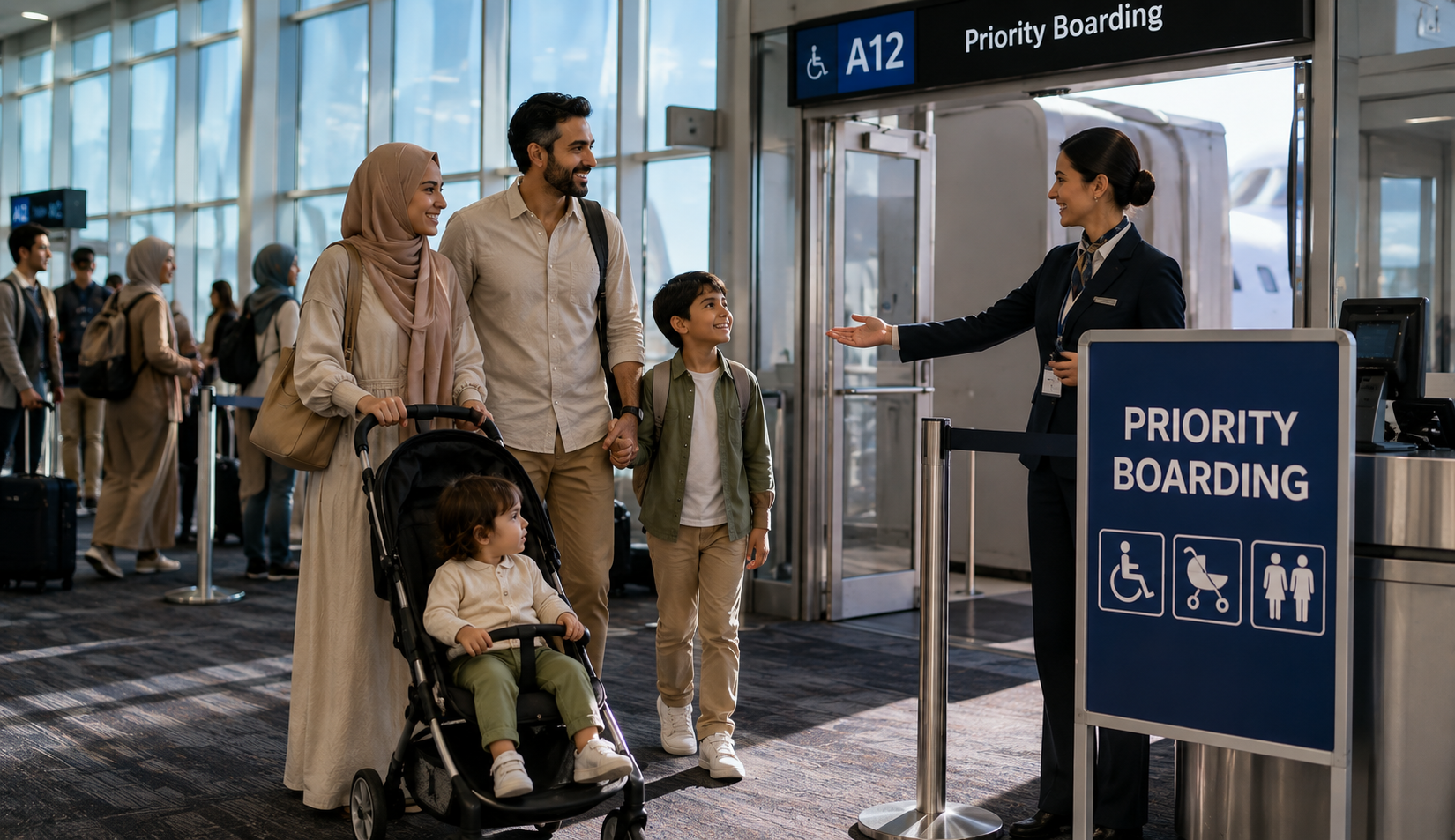
Figure 2: Transportation Options Comparison
Once requirements are mapped, evaluate the alternatives. These are not independent topics; they are alternatives within a decision, evaluated against your constraints.
When is Flying the Best Mode?
Air travel maximizes destination time over transit time, making it superior for long-haul distances and limited PTO windows. For deep insights on managing the terminal and the flight itself, read how to plan air travel with children during a family vacation.
When is Driving the Optimal Choice?
Driving offers unparalleled flexibility and maximum payload capacity. It is the optimal choice for regional travel, large families (where multiplied airfares become prohibitive), and trips requiring bulky sports or camping gear. Driving allows parents to control the micro-schedule around a child’s needs.
When is a Rental Car Necessary?
A rental car is necessary when flying into a destination where attractions are geographically dispersed without reliable mass transit (e.g., Southern California or rural national parks). It is an unnecessary liability if your itinerary is entirely contained within a resort campus.
When is Train Travel a Viable Family Option?
Train travel is highly viable for city-center to city-center journeys. It eliminates airport security friction, avoids traffic delays, and provides toddlers with the critical ability to walk around safely during transit, significantly reducing travel-induced meltdowns.
When is Public Transportation Superior?
Relying on subways and buses is significantly better when visiting hyper-dense metropolitan areas (like Tokyo, London, or New York City) where parking a vehicle is exorbitantly expensive and navigating gridlock induces severe stress.
When Should You Use Private Transfers or Taxis?
Private transfers excel for “last-mile” logistics—specifically bridging the gap between an airport and the hotel. They bypass taxi queues, guarantee a vehicle large enough for your specific luggage footprint, and can often be pre-configured with requested car seats.
When Does an RV Make Sense for a Family Vacation?
An RV is ideal when the journey *is* the vacation. It effectively collapses the transportation and accommodation entities into a single unit, making it perfect for multi-park tours where packing and unpacking a large family daily would otherwise exhaust the group.
3. How Do You Evaluate the Total Transportation Cost?

Figure 3: Family Travel Decision Matrix
It is an amateur mistake to compare transportation modes using only base fares. To avoid severe financial shocks, families must learn to calculate the “Total Trip Transportation Cost” algorithm. This turns the vague concept of “budget” into an executable decision. For a broader financial overview, review how to plan the budget for a family vacation.
How Do You Compare Ticket and Fare Prices?
Base tickets are merely the entry fee. Compare the raw multiplier: (Ticket Price × Number of Travelers). For a family of five, a $300 flight is an immediate $1,500 hurdle, whereas renting a $600 SUV covers the entire group’s transit logic.
How Do Baggage and Seating Fees Alter Base Prices?
Ancillary leakage destroys budget planning. According to IdeaWorksCompany, airline ancillary revenue from add-on fees averages roughly $25 per passenger. For a family, paying $35 per checked bag each way, plus $20 per person to ensure the family sits together, adds hundreds of dollars to the “cheap” base fare.
How Do You Estimate Fuel, Tolls, and Parking Costs?
Road travel calculations must include expected fuel consumption based on total mileage and regional gas prices (referenced via trackers like AAA). Crucially, audit your hotel and destination parking. City hotels regularly charge $40-$60 per night for parking, which can outpace the daily cost of the rental car itself.
What Are the Hidden Rental Costs?
When evaluating rental cars, factor in daily car seat rental fees (which can exceed the cost of buying a new seat outright for longer trips), mandatory localized taxes, airport concession recovery fees, and additional driver fees.
How Do You Budget for Airport and Local Transfers?
Do not forget the cost of getting to the primary transport. Calculate home-airport parking fees or ride-share costs, plus the destination airport-to-hotel private transfer or taxi fare.
How Do You Calculate the Total Trip Transportation Cost?
Map every single financial touchpoint required to move from your front door to the hotel lobby, and back again, to establish the true cost basis.
4. How Do Travel Time, Convenience, Comfort, and Safety Affect the Choice?
Transportation is not merely about finances; it is an equation of Cost + Time + Convenience + Comfort. Rather than using “physiological tolerance” as a primary planning variable, realize that a budget-friendly ticket that exhausts the family is a poor investment of vacation capital.
How Do You Value Travel Time vs. Cost?
Calculate the “cost per hour of vacation.” A two-day drive saves money but burns 32 waking hours of PTO. If your vacation window is small, paying a premium for a 4-hour flight effectively “buys back” two functional days at the destination.
How Do Layovers and Transfers Introduce Friction?
Every transition multiplies logistical risk. A layover requires deplaning, managing gear, keeping kids close in crowds, and boarding again. For families, minimizing the sheer number of physical transitions is a primary strategy for preserving energy. Direct routes are structurally superior for young children.
How Do Departure and Arrival Timings Impact Children?
The “nap schedule” dictates success. Booking a 6:00 AM flight forces a 3:30 AM wake-up, guaranteeing arrival-day meltdowns. Aligning travel windows with a child’s natural sleep cycle (e.g., driving at night or booking mid-morning flights) manipulates physiological tolerance in your favor.
How Do You Prioritize Family Comfort in Transit?
Comfort mitigates friction. Does the mode allow for a private bathroom break (RVs), physical stretching (trains), or guarantee climate-controlled, uninterrupted entertainment (a well-prepared car trip)? Predictable comfort reduces parental stress.
How Do You Evaluate Transportation Safety Metrics?
Safety is non-negotiable. This involves verifying official safety ratings from bodies like the NHTSA for rental vehicles and understanding FAA mandates. Using an FAA-approved CARES harness on a flight represents a higher safety standard than holding a lap-infant, altering the cost-benefit analysis of buying an extra seat.
How Crucial is Flexibility in Your Chosen Mode?
Flexibility is the antidote to the unpredictable nature of traveling with children. Road trips allow you to simply pull over if a child gets sick. Air travel operates on rigid, unforgiving schedules where being five minutes late results in systemic failure.
5. How and When Should Families Book Transportation?

Figure 5: Digital Travel Itinerary Mockup
Only after the appropriate mode has been selected and evaluated should the process move into execution and booking. Strategic booking secures inventory capable of housing your group and protects the budget from demand-driven spikes.
How Do You Effectively Compare Providers?
Utilize aggregator platforms in private/incognito browsing windows to scout the market without triggering algorithmic price increases. Compare legacy carriers against low-cost carriers using the Total Modal Cost formula derived in Section 3, rather than the deceptive base fare.
Why Must You Check Airline and Rental Policies Before Paying?
Do not assume universal standards. Read the specific fine print regarding “Family Seating Policies.” Some airlines guarantee minors will sit with an adult for free, while others charge for every specific seat assignment. For rentals, verify if the “on-airport” car actually requires a 20-minute shuttle ride to an off-site lot.
How Do You Confirm Seats and Baggage Allowances?
Purchase bundled fares or pay for seat assignments at the moment of booking. Waiting until 24-hour check-in often results in a family of four being scattered across middle seats in the back row.
What Are the Final Steps to Complete a Booking?
After researching on an aggregator, always book directly through the actual airline, train line, or rental agency. If a massive delay occurs, third-party online travel agencies severely complicate the rebooking process.
6. How Should Families Plan Family-Specific Transportation Requirements?

Figure 4: Safe Car Seat Installation Checklist
Children introduce a layer of specific attributes to the central transportation entity that adult-only trips lack. Managing gear and safety equipment is a major logistical undertaking.
How Should Families Plan Car-Seat Transportation?
For road travel, safety is paramount. If renting, you must decide whether to fly with your own car seats (safest, familiar) or rent them (convenient but unpredictable quality). The expert move is to call the specific rental location 24 hours ahead to physically confirm your reserved seat is present. For flights, understand FAA rules; using a CARES harness or an FAA-approved car seat on board is vastly safer than checking it.
How Should Families Account for Strollers and Child Equipment?
You must map the journey of the stroller. Most airlines allow you to gate-check a stroller for free, meaning you keep it until the aircraft door. Alternatively, consider the “rent, don’t pack” strategy. Services at many destinations will deliver sanitized cribs and strollers directly to your hotel, eliminating the need to transport them entirely.
How Should Families Handle Accessibility Requirements?
If traveling with a child who has special needs or mobility aids, prioritize transport with robust, legally mandated accessibility policies (like Amtrak or major airlines) and contact their accessibility desks directly two weeks prior to travel to register your needs.
7. How Should Families Plan Transportation at the Destination?
The “last mile” often creates the most intense stress points. Getting to the geographic location is insufficient; you must engineer the localized movement. This heavily influences how to plan accommodation for a family vacation, as proximity reduces transit friction.
How Do You Navigate Airport to Accommodation Transfers?
Pre-book this specific leg. Arriving with exhausted children, retrieving luggage, and standing on a curb attempting to negotiate with taxis or figure out a train map is a failure of planning. Hire a private transfer with pre-installed car seats to guarantee a seamless handoff.
How Do You Connect Accommodation to Daily Activities?
Audit the daily itinerary. If staying in a dense urban core, mapping subway routes or utilizing a hop-on hop-off bus is highly efficient. If visiting theme parks like Disney World, leverage their internal, complimentary transportation networks (monorails, skyliners) rather than paying $30+ daily to park a rental car.
What is the Best Mode for Daily Transportation Needs?
This depends entirely on the destination’s infrastructure. In London, the Tube is best. In Maui, a rental vehicle is mandatory. The decision rule is: choose the mode that offers the lowest barrier to movement for your specific family size.
How Do You Handle Logistics from Activities Back to Accommodation?
Account for the “fatigue variable.” A one-mile walk to the subway might be easy at 9:00 AM, but impossible with a crying toddler at 8:00 PM. Budget for strategic ride-shares or taxis for the return trips when physiological tolerance is depleted.
How Do You Secure the Final Accommodation to Airport Transfer?
Do not leave departure-day transit to chance. Confirm your shuttle, private car, or train schedule 48 hours in advance, building in a buffer to absorb morning rush hour traffic.
8. How Do You Protect the Transportation Plan From Disruptions?
Friction is inevitable in travel systems. Expert planners do not assume perfection; they build buffers and contingency protocols to transform major crises into manageable inconveniences.
How Do You Handle Sudden Travel Delays?
Always travel with a dedicated “go-bag” packed with 24 hours’ worth of snacks, essential medications, formula, and distraction items (tablets, coloring books). Use flight tracking apps to anticipate delays before terminal announcements, allowing you to secure lounge access or restaurant seating early.
What is the Protocol for Missed Connections?
If a delay threatens a connection, execute a multi-channel response: line up for the gate agent while simultaneously calling the carrier’s customer service number. Know the carrier’s interline agreements to request endorsement to a competitor’s flight if necessary.
How Do You Manage Lost Luggage Scenarios?
Never check critical items. Pack a cross-loaded carry-on containing one change of clothes for every family member, plus swimsuits and sleepwear. If checked bags fail to arrive, file a property irregularity report immediately before leaving the baggage claim area to secure a reference number.
What Are the Strategies for Rapid Rebooking?
Do the research for the agent. When demanding a rebook, have alternative flight numbers (even on partner airlines) ready to feed to the customer service representative, drastically speeding up the resolution process.
Why is Transportation-Related Insurance Non-Negotiable?
A family trip represents a massive sunk cost. Comprehensive trip interruption/cancellation insurance protects this capital against severe weather groundings or sudden family illnesses. Relying solely on credit card secondary coverage often leaves gaps regarding medical evacuation or high-dollar limit reimbursements.
9. How Do You Complete the Final Transportation Audit?
This validation matrix ensures your architectural logic is mathematically sound and executed flawlessly at every critical phase.
| Planning Phase | Verification Action | Status |
|---|---|---|
| Before Booking | Audit passenger headcounts, specific age-related limits, and total luggage/equipment volume against the capacity of the chosen mode. | ⬜ |
| Before Booking | Run the Total Trip Transportation Cost algorithm (Base + Bags + Seats + Transfers + Taxes) to ensure budget compliance. | ⬜ |
| After Booking | Verify family seating assignments physically locate minors next to adults. Do not rely on verbal assurances. | ⬜ |
| After Booking | Pre-book and confirm all “Last Mile” transfers (airport-to-hotel, car rental counter reservations). | ⬜ |
| Before Departure | Consolidate physical IDs, passports, notarized consent letters (if traveling solo with minors), and cross-load the digital backups. | ⬜ |
| Before Departure | Prepare the tactical “go-bag” (snacks, chargers, change of clothes) and physically verify car seat compliance labels. | ⬜ |
Conclusion: Final Thoughts on Planning Transportation for a Family Vacation
Ultimately, mastering family transportation logistics requires adhering to a strict, sequential architecture: Requirements → Options → Evaluation → Booking → Execution → Verification. By refusing to skip steps, you eliminate the cascading failures that plague reactive travelers.
The ultimate goal of great transportation planning is to render the logistics invisible during the actual trip. When the physical constraints match the chosen mode, when the Total Modal Cost is paid upfront, and when the last-mile transfers are pre-engineered, your mental bandwidth is freed up to actually experience the vacation with your family.