How to Plan Accommodation for a Family Vacation
Table of Contents
Crucial accommodation planning for a family vacation directly prevents budget overruns, logistical stress, and a negative travel experience by aligning lodging with family-specific needs.
Understanding how to plan accommodations is a key part of the larger process of planning a family vacation step by step.
2. Why is Planning Accommodation for a Family Vacation Crucial?
Crucial accommodation planning for a family vacation directly prevents budget overruns, logistical stress, and a negative travel experience by aligning lodging with family-specific needs.
This planning is critical because the right accommodation acts as a functional and comfortable “home base,” while the wrong choice introduces friction and unexpected costs. Failing to plan results in a vacation dictated by lodging limitations rather than family enjoyment.
What are the Benefits of Early Accommodation Planning for Families?
Early accommodation planning for families primarily benefits by ensuring better pricing, securing a wider selection of suitable family lodging options like multi-room suites and rentals, and significantly reducing the stress associated with last-minute booking limitations.
For many major vacations, beginning the planning process about 6 to 12 months ahead is a useful starting point, as it provides more options for resorts, hotels, and room categories.
Early booking for family travel isn’t just about cost savings; it’s about “inventory arbitrage.” You are securing the scarcest and most valuable asset—large, well-located family units—before the rest of the market begins competing for them.
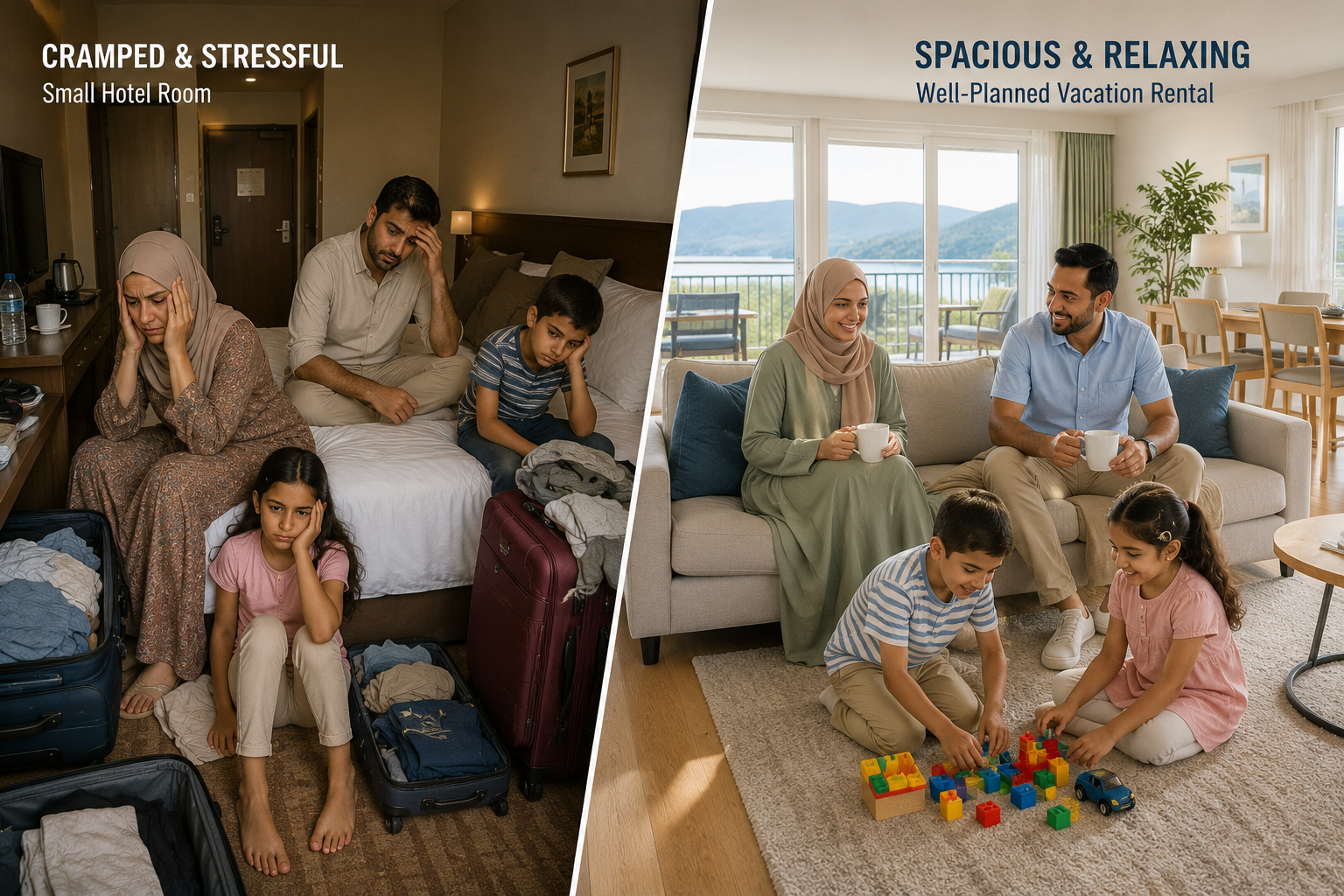
Figure 1: The Domino Effect of Good Accommodation Planning
How Does Thoughtful Accommodation Planning Impact Family Vacation Experience?
Thoughtful family accommodation planning profoundly impacts the vacation experience by providing appropriate space, reducing logistical friction, minimizing transit time to attractions, and preventing issues like cramped conditions or unexpected costs that can lead to family disharmony and stress.
A family of four can easily spend over $100 per day on food alone when dining out for every meal, a cost that is significantly reduced by choosing accommodation with a fully equipped kitchen.
The “Return on Hassle” is a key metric. A slightly more expensive, well-planned accommodation often provides a disproportionately high return by minimizing daily logistical hassles (e.g., cooking, laundry, travel), which is a primary driver of parental vacation stress.
Author’s Experience
“My family once booked a last-minute budget hotel, thinking we’d save money. The cramped space and lack of kitchen turned simple meals into expensive outings and nap times into logistical nightmares. It quickly taught me that investing in the right accommodation is an investment in everyone’s sanity and the joy of the trip.”

Figure 2: Accommodation Choice vs. Price Timeline
3. What Key Factors Should Families Consider When Choosing Low-Cost Vacation Accommodation?
When choosing vacation accommodation, families must consider the key factors of family size/age composition, total budget, desired location, and required amenities.
These factors form the core framework for your search, ensuring you filter options based on foundational needs before getting distracted by superficial features. The interplay between budget, space, and location will dictate the most viable accommodation types for your specific trip.
How Do Family Size and Age Influence Accommodation Type Decisions?
Family size and age significantly influence accommodation type decisions by determining the need for separate sleeping areas, adequate square footage for comfort, and specific age-appropriate amenities. For instance, teenagers often require private bedrooms, while young children necessitate quiet sleeping spaces for naps.
Once a family grows beyond the 2 adults, 2 kids family size, it gets a lot tougher to “just book a room” at a hotel, making vacation rentals a more practical choice.
The “Nap-time Constraint” is a critical factor for families with young children. A multi-room vacation rental or suite allows adults to relax in a common area while a child naps in a separate, quiet bedroom, a logistical impossibility in a single hotel room.
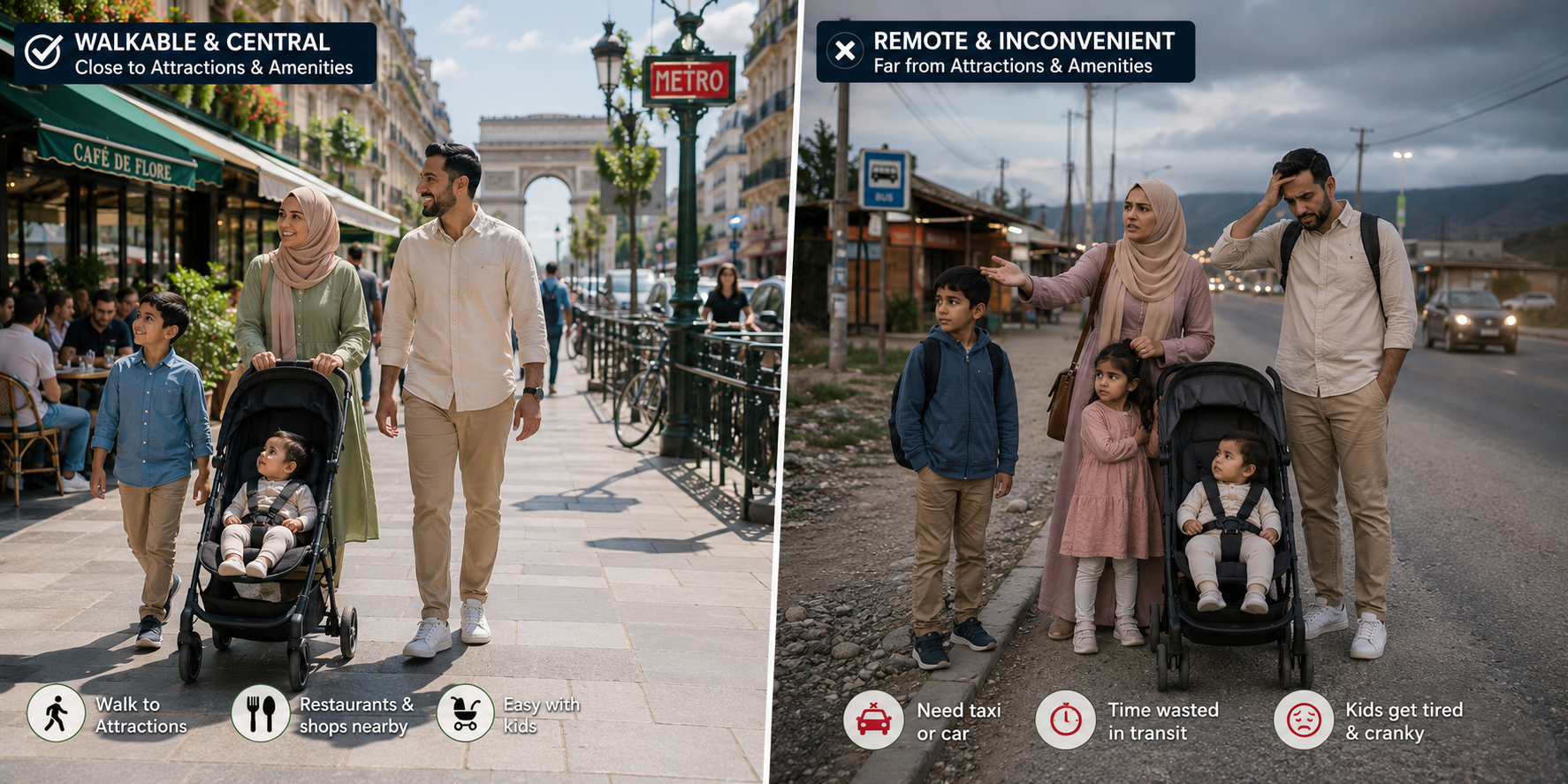
Figure 3: Family Compositions and Ideal Accommodation Types
What Budget Considerations are Essential for Family Accommodation Planning?
Essential budget considerations for family accommodation planning extend beyond the nightly rate to include the “Total Cost of Stay,” encompassing hidden fees, resort charges, and potential meal or transportation costs. Comparing the all-in value, such as a full kitchen versus dining out, is crucial.
Some financial experts suggest that families should budget between 5% to 10% of their total annual income for vacations.
The most common mistake is prioritizing nightly rate over the “Total Cost of Stay.” A savvy family planner analyzes how location (requiring a rental car) or lack of a kitchen (forcing restaurant meals) impacts the true final cost of an accommodation choice.

Figure 4: Accommodation Decision Matrix
For a more comprehensive approach to managing all travel expenses, learn how to plan the budget for a family vacation.
4. Which Types of Accommodation for Family Vacations Best Meet Diverse Low-Cost Needs?
The types of accommodation that best meet diverse family vacation needs are all-inclusive resorts for convenience, vacation rentals for space and autonomy, and hotels/suites for short stays and location benefits.
Each accommodation type offers a distinct trade-off between cost, space, amenities, and convenience. The best choice depends entirely on the family’s priorities for a specific trip, such as a desire for kids’ clubs at a resort versus the need for a full kitchen in a rental.
How Do Family-Friendly Resorts Compare to Vacation Rentals for Space and Amenities?
Family-friendly resorts centralize amenities like kids’ clubs and pools, but often have smaller living spaces. Vacation rentals provide greater private space and essential amenities like full kitchens, allowing families to spread out and enjoy a more home-like experience, contrasting public versus private amenity access.
Vacation rentals offer more space, privacy, and full kitchens, making them ideal for larger families or longer stays, often proving more cost-effective than booking multiple hotel rooms.
The key difference is “public vs. private” amenities. A resort’s large pool is a public, shared amenity. A vacation rental’s smaller private pool is an exclusive amenity. Families must decide which model better suits their need for social interaction versus privacy and control.

Figure 5: Location & Safety Evaluation Checklist
When Are Budget Hotels or Guesthouses a Practical Option for Families?
Budget hotels or guesthouses are practical for families on short city breaks (1-2 nights), during trips focused heavily on external activities, or in remote locations with limited options. They offer lower costs but involve trade-offs in space, comfort, and amenities, making a “two-room strategy” a viable alternative.
When budgeting, families may face a choice between scrimping and opting for a $95/night Airbnb versus shelling out for a $450/night resort hotel.
The “Two-Room Strategy” can make budget hotels viable. Booking two separate but adjacent rooms in a budget hotel can sometimes be cheaper than a single, larger room in a mid-range hotel, providing crucial separation for families with older children.
5. How Can Families Effectively Evaluate Location and Safety for Vacation Accommodation?
Families can effectively evaluate location and safety for vacation accommodation by using online mapping tools for proximity analysis, checking official crime statistics, and scrutinizing user reviews for specific safety-related keywords.
This evaluation is a three-step process: macro (neighborhood safety and accessibility), micro (street-level walkability and lighting), and property-specific (security features and childproofing). A comprehensive assessment requires consulting multiple sources, not just the property listing.
What Resources Help Assess the Safety of a Family Vacation Accommodation’s Location?
To assess the safety of a family vacation accommodation’s location, utilize resources such as Google Maps with Street View for visual context, local police websites for official crime statistics, and travel forums like Reddit or TripAdvisor for recent, subjective traveler experiences, ensuring a comprehensive data triangulation.
To research an area’s safety, travelers should read reviews on TripAdvisor or ask around in family-focused Facebook groups about which areas felt safest.
For international travel, consult your home country’s State Department or Foreign Office travel advisories. They often provide detailed, neighborhood-specific security information for major cities that is not available on standard tourist sites.
How Do Location Proximity to Attractions and Amenities Affect Family Experience?
Location proximity to attractions and amenities significantly impacts the family vacation experience by minimizing transit time, reducing child fatigue, and enhancing opportunities for spontaneous enjoyment. A highly walkable location, for instance, provides unparalleled freedom compared to remote options that incur higher transportation costs and lost time.
One family planner realized a vacation rental less than 2 miles from a city center was unworkable because public transportation didn’t extend there, creating a logistical nightmare of needing two taxis or Ubers for a family with four children in car seats.
The concept of “Walkability” is the single most valuable location attribute for a family vacation. A highly walkable location with access to parks, cafes, and a grocery store provides a level of freedom and spontaneity that is impossible in a location requiring a car for every outing.
After considering location, you can then focus on how to plan family vacation activities that suit your family’s needs.
6. When is the Optimal Time to Book Family Vacation Accommodation for Best Value?
The optimal time to book family vacation accommodation for the best value is 6-12 months in advance for peak season travel and 3-5 months in advance for shoulder season travel.
This booking window strategy is based on supply and demand for family-sized units, which are limited and highly sought after. Booking early locks in inventory before scarcity drives prices up, while booking during the shoulder season offers more flexibility.
What are the Advantages of Booking Family Accommodation Far in Advance?
Booking family accommodation far in advance offers significant advantages, including cost savings through early-bird rates, access to a superior choice of properties, and the ability to plan other vacation components with certainty. It also provides opportunities for more flexible cancellation policies, which is invaluable for families.
For peak seasons like summer or winter holidays, securing a vacation rental requires booking 60-90 days or even 4-6 months in advance to ensure the best rates and availability.
An often-overlooked advantage is access to more flexible cancellation policies. When booking far in advance directly with a property, you may have more leverage to negotiate or find favorable cancellation terms compared to last-minute, non-refundable bookings.
Can Last-Minute Booking for Family Stays Ever Offer Benefits?
Last-minute booking for family stays occasionally offers discounted rates on unsold hotel rooms, primarily during off-peak seasons. However, this is a high-risk strategy for families, typically resulting in a severe lack of suitable options, especially for larger groups or specific amenity needs, making significant compromises almost inevitable.
While last-minute deals might exist, they are highly unreliable for families, who often require specific amenities like connecting rooms or kitchens, options that sell out first.
The “last-minute deal” myth is particularly dangerous for family vacation rentals. Individual rental owners are less likely to dramatically slash prices and more likely to simply leave the property vacant, meaning inventory for families completely evaporates close to the travel date.
7. What Common Mistakes Should Families Avoid When Planning Vacation Accommodation?
The most common mistakes families should avoid when planning vacation accommodation are not reading recent reviews, ignoring the property’s location on a map, and underestimating the importance of space.
These mistakes stem from prioritizing price above all else and trusting marketing photos over verified user experience. Avoiding these pitfalls requires a more critical, investigative approach to the booking process, treating it as a major investment.
How Can Families Prevent Overlooking Hidden Fees in Accommodation Bookings?
Families can prevent overlooking hidden fees by always proceeding to the final checkout screen to view the total, itemized price before payment, as this step reveals mandatory charges like service, cleaning, and resort fees. Directly calling hotels to inquire about undisclosed resort fees is also a crucial tactic for full transparency.
Many hotels in popular destinations charge a nightly fee for parking, and platforms like Airbnb tack on significant cleaning fees that are not included in the per-night rate.
For hotels, especially in tourist hubs like Las Vegas or Orlando, call the front desk directly and ask, “What is your mandatory resort fee, what does it include, and is it taxable?” This fee is often poorly disclosed online and can add $30-$60 per night to your bill.
What Payment and Cancellation Policies are Important to Confirm?
Before booking family accommodation, confirm the exact full-refund deadline, tiered refund percentages, and the total payment schedule. Prioritize flexible cancellation policies, even if slightly costlier, and always purchase separate travel insurance, as these measures provide crucial financial protection against unforeseen family trip disruptions.
For vacation rentals, cancellation policies are often much stricter than hotels, sometimes requiring 60 days notice for a refund.
Understand the difference between a “strict” and “flexible” policy on platforms like Airbnb/Vrbo and always choose “flexible” when possible, even if it costs slightly more. Additionally, always purchase separate travel insurance, as it provides a crucial layer of protection beyond the property’s individual policy, especially for non-refundable bookings.
What are the Risks of Ignoring Cancellation Policies for Family Trips?
Ignoring cancellation policies for family trips carries the primary risk of losing the entire accommodation cost, as family emergencies like a child’s illness frequently disrupt travel plans. Non-refundable bookings remove financial recourse in such common scenarios and eliminate flexibility to re-book, turning minor issues into major financial losses.
Waiting to book doesn’t guarantee a better price and means you may need to accept compromises on travel dates, hotels, room categories, and flight schedules.
The risk isn’t just about losing money; it’s about losing flexibility. A flexible cancellation policy allows you to re-book a better or cheaper option if one becomes available closer to your date, a strategy that is impossible with a locked-in, non-refundable rate.
To further protect your investment against unforeseen circumstances, explore how to plan travel insurance for a family vacation.
8. Logistics: Securing Best Deals Checklist
| Checklist Item / Tactic | Status |
|---|---|
| Step 1: Systematic price comparison across platforms | ⬜ |
| Step 2: Checking direct property websites for exclusive perks | ⬜ |
| Step 3: Leveraging loyalty programs | ⬜ |
9. Frequently Asked Questions about Family Accommodation Planning
What are the immediate negative consequences of poor family accommodation planning?
Strategic accommodation planning for a family vacation is crucial because it directly impacts budget, reduces logistical stress, and ensures the lodging enhances the overall experience by serving as a functional and comfortable “home base” that aligns with family-specific needs.
How much money can families save by booking accommodation 9 months in advance for peak season?
Early accommodation planning for families primarily benefits by ensuring better pricing, securing a wider selection of suitable family lodging options like multi-room suites and rentals, and significantly reducing the stress associated with last-minute booking limitations.
What are the biggest compromises families make when staying in a budget hotel or guesthouse?
Budget hotels or guesthouses are practical for families on short city breaks (1-2 nights), during trips focused heavily on external activities, or in remote locations with limited options. They offer lower costs but involve trade-offs in space, comfort, and amenities, making a “two-room strategy” a viable alternative.
Does using incognito mode truly prevent dynamic pricing when searching for family hotels?
Families secure the best deals on vacation accommodation through a multi-pronged strategy: systematic price comparison across platforms, checking direct property websites for exclusive perks, leveraging loyalty programs, and maintaining flexibility with travel dates. Utilizing incognito mode for final price checks can also reveal true base rates.
Resolution
Ultimately, successful planning for family vacation accommodation is an act of strategic investment in your family’s comfort, safety, and overall happiness. By shifting your mindset from “finding a cheap room” to “selecting a strategic home base,” you transform the entire vacation. The diligent research, careful budgeting, and critical questioning outlined here are the direct path to a seamless, stress-free, and memorable family adventure.