How Do You Plan Air Travel with Children During a Family Vacation
Table of Contents
Planning air travel with children for a family vacation fundamentally differs from adult travel by introducing complex layers of logistical, safety, and budget management that demand significantly more foresight and preparation.
The primary difference is the shift from managing one’s own needs to proactively managing a dependent’s entire experience while keeping the trip cost-effective. This requires a strategic, budget-conscious approach to every stage of the journey, ensuring the entire family vacation plan remains financially sound and stress-free.
1. How does planning air travel with children for a family vacation differ from adult travel?
Planning air travel with children for a family vacation involves navigating a dense web of child-specific logistical, emotional, and financial challenges that adult-only trips completely bypass.
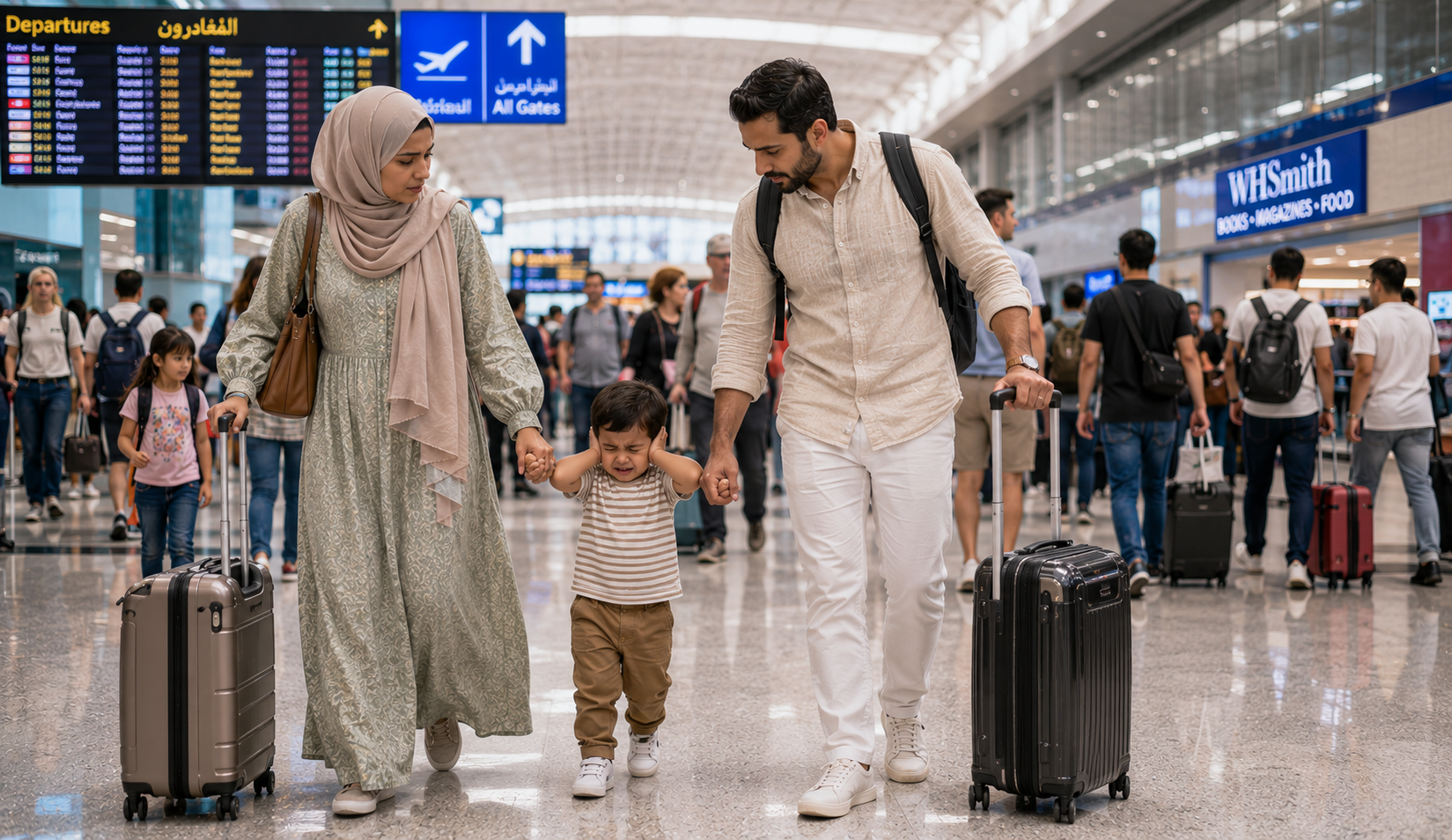
Figure 1: Infographic comparing Adult Travel Planning vs. Family Travel Planning
What unique challenges arise when flying with young children during a family vacation?
Flying with young children presents unique challenges centered on managing their limited patience, the cost of extra luggage or seats, and their heightened sensory sensitivity within the stressful airport environment.
According to FAA safety resources, unrestrained lap children are prone to in-flight injuries during unexpected turbulence, forcing parents to weigh the low-cost benefit of a lap infant against securing a paid seat for a car seat.
The most underestimated challenge is the “sensory overload” of the airport environment. The loud announcements, bright lights, and large crowds can overstimulate a young child, leading to behavioral issues before they even board. This can be mitigated by finding quiet, low-cost areas of the terminal away from the main concourse.
Author’s Experience
“As a parent who has navigated numerous flights with my little ones while adhering to strict budgets, I’ve learned that preparation isn’t just key—it’s financial survival. From circumventing baggage fees to mastering the art of the low-cost mid-air snack, every trip proves that a smooth journey truly starts long before takeoff.”
2. What foundational considerations influence budget-friendly family air travel planning?
The two foundational considerations for budget-friendly family air travel are establishing a comprehensive trip budget that accounts for hidden child-specific airline fees and tailoring the entire plan to the developmental stage of your children.
How do you set a realistic, low-cost budget for air travel with children?
To set a realistic, low-cost budget for family air travel, itemize all child-specific expenses beyond basic airfare, strictly anticipating hidden costs like seat selection fees to keep the family together, excess baggage fees, and onboard snacks. For further insights, review how to comprehensively plan the budget for a family vacation.
For international routes, a lap infant is rarely entirely free; airlines often charge 10% of the adult fare plus applicable taxes and fees, which can amount to hundreds of dollars depending on the destination.
The sneakiest budget-breaker is “convenience spending” at the airport. Budget an explicit “airport comfort fund” for unplanned meals or delayed-flight necessities, but aggressively pack low-cost snacks and empty water bottles to bypass inflated terminal prices.
3. How do you choose the best budget-friendly airline and flights for family air travel?
You choose the best budget-friendly airline by comparing the total “true cost” of the flight—base fare plus essential add-ons like checked bags and adjacent seating—rather than just looking at the initial ticket price.
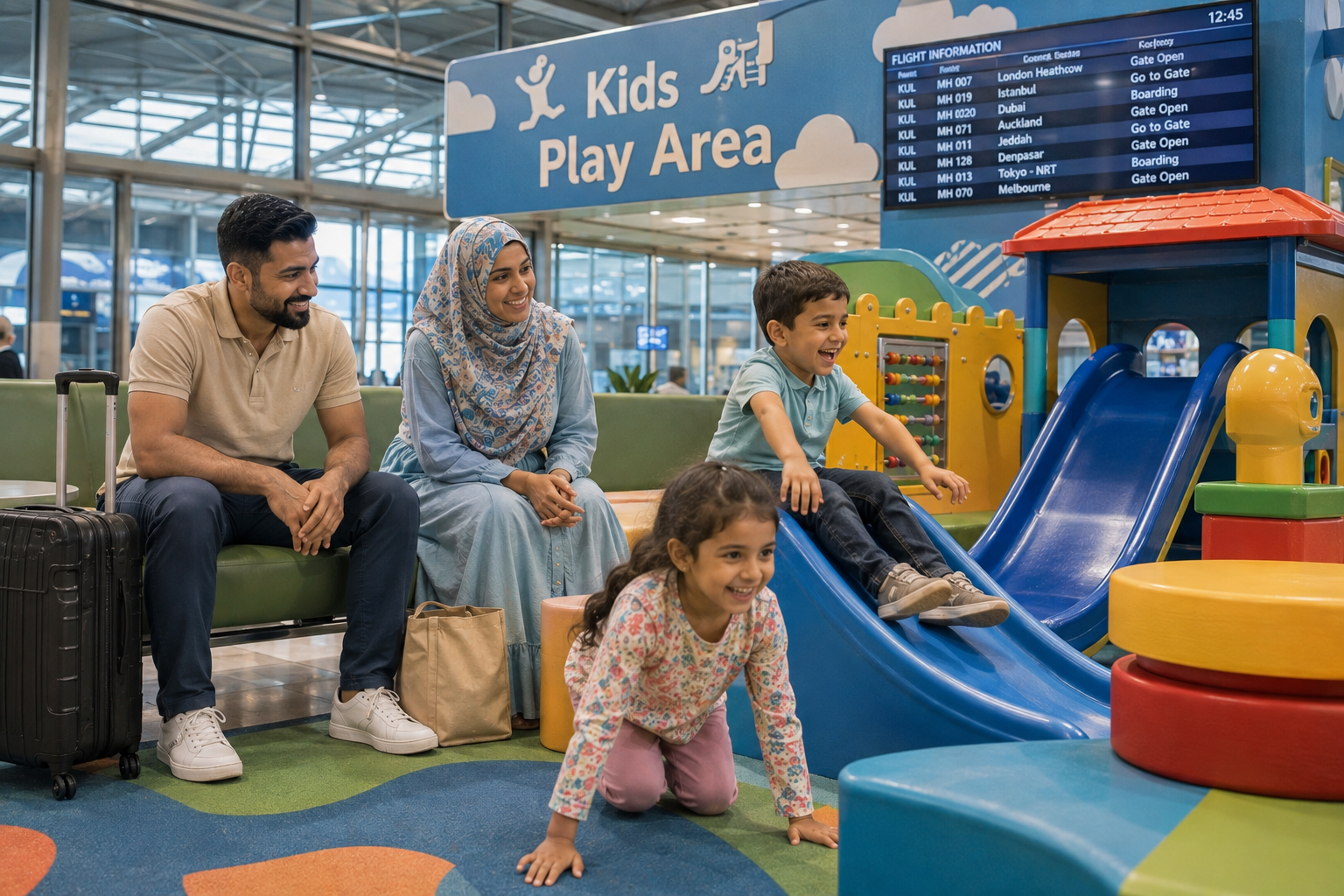
Figure 2: Bar chart showing Fare Trends by Booking Window for Family Travel
Why is early booking crucial for securing low-cost family air travel?
Early booking is crucial for family air travel because it secures lower introductory fares, avoids demand-driven price hikes, and ensures free or low-cost access to grouped seating before availability dwindles.
Travel data routinely demonstrates that booking domestic flights 1-3 months in advance and international flights 2-8 months ahead yields the highest probability of securing optimal, budget-friendly routes for multiple passengers.
Beyond just getting seats together, booking early gives you access to the most desirable free seats—those away from high-traffic galleys or lavatories. This micro-optimization prevents you from having to pay premium seat fees later just to keep your toddler next to you.
How do direct flights versus layovers impact family vacation costs and stress?
Direct flights minimize total travel time and eliminate connection stress, while layovers often present a lower upfront ticket cost but introduce the risk of missed connections and increased airport spending.
When utilizing layovers to save money, family travel experts advise ensuring at least a 90-minute to 2-hour window. This absorbs minor delays and provides enough time for bathroom breaks without resorting to expensive, panic-bought terminal food.
4. Which seating strategies optimize comfort and savings during air travel with children?
Seating strategies that optimize comfort and savings involve exploiting free airline family-seating policies, understanding lap infant regulations, and strategically placing adults to act as physical barriers.
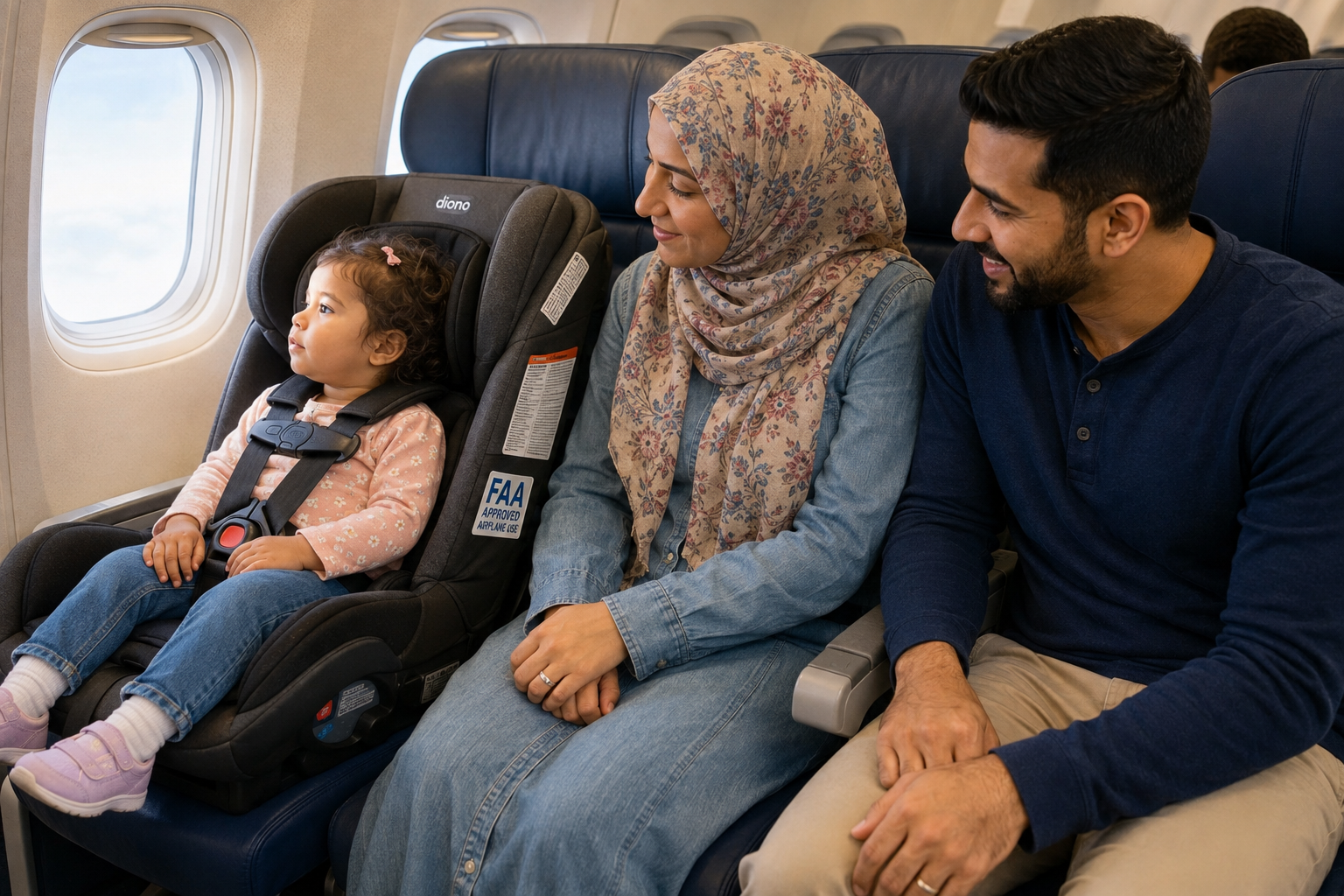
Figure 3: Infographic detailing Seating Options for Infants & Toddlers on a Plane
How can families secure adjacent seats for children without paying extra fees?
Families secure adjacent seats without extra fees by leveraging recent Department of Transportation pushes that encourage airlines to seat children under 13 next to an accompanying adult at no additional cost.
Major U.S. airlines like American Airlines have automated systems that scan for families with young children to seat them together. Always ensure all family members are booked on the exact same reservation locator to trigger these algorithms.
If you are flying an airline with open seating like Southwest, saving money means skipping the “EarlyBird” fee. Instead, ensure you arrive at the gate early to utilize their free “Family Boarding” process, which occurs right after the “A” group, practically guaranteeing you can claim adjacent rows.
5. How can you select cost-effective, child-friendly destinations when planning family air travel?
You can select cost-effective, child-friendly destinations by targeting locations served by budget airlines or utilizing shoulder-season travel windows where both flights and accommodation rates plummet.
What destination attributes support budget-friendly, low-stress family air travel?
Destination attributes supporting budget-friendly family air travel include short airport-to-hotel transfer distances (reducing expensive taxi fares), robust public transit systems, and an abundance of free outdoor activities. To master this evaluation, review the steps on How to plan a family vacation destination.
Look for destinations with major supermarkets near your resort or rental. This allows parents to pack significantly less (avoiding checked bag fees) and purchase bulky supplies like diapers or snacks upon arrival at standard, non-tourist grocery prices.
6. How do you prepare your children for a stress-free family air travel experience?
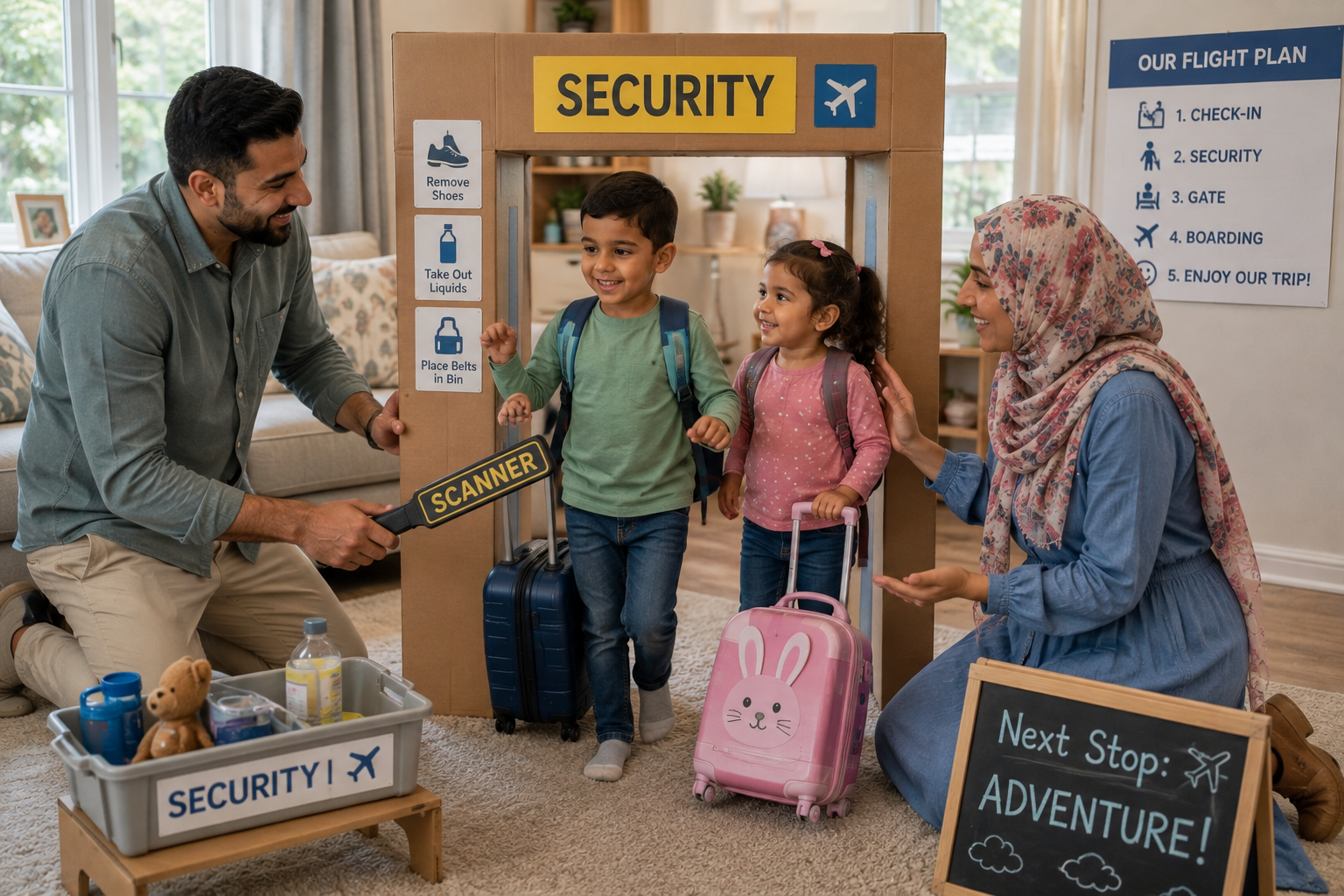
You prepare your children for a stress-free experience by demystifying the airport process through role-play and clear expectations, which drastically reduces anxiety and the likelihood of public meltdowns.
What low-cost steps help children understand the air travel process?
Help children understand air travel by breaking it into a simple, sequential story, utilizing free resources like YouTube videos of airplanes taking off, or reading library books about visiting the airport.
As suggested in popular family travel vlogs, role-playing the TSA security line at home with a cardboard box “scanner” prepares children to comfortably separate from their favorite toy for a few minutes.
7. What essential documents and budget-friendly items should you pack for air travel with children?
The essential items focus on a well-curated mix of low-cost entertainment, DIY snacks, and vital documents like passports or birth certificates to prevent being denied boarding.
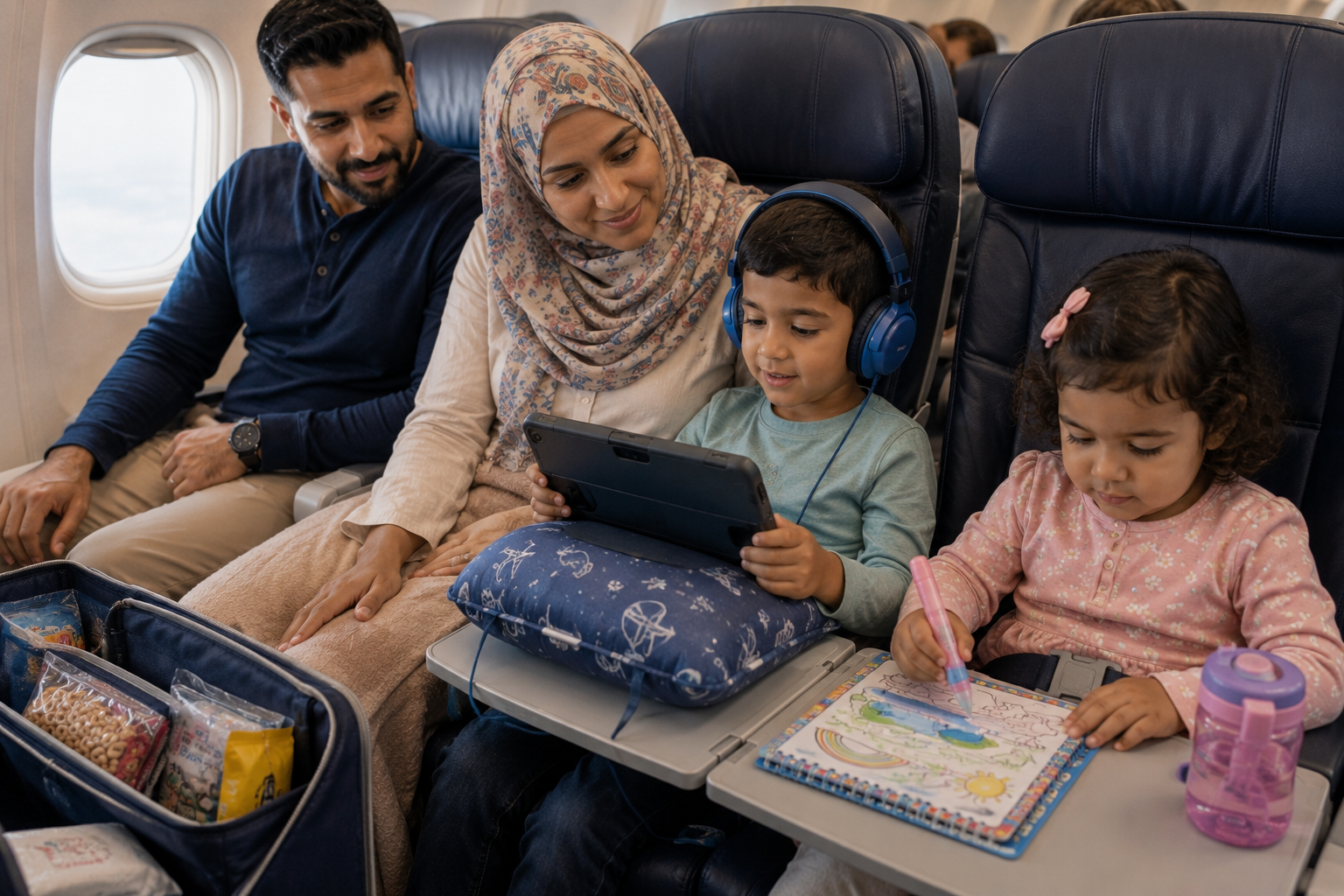
Figure 4: Image of a Packed Travel Bag with Kids’ Inflight Essentials
Which travel documents are mandatory for flying with children?
Necessary travel documents for flying with children always include government-issued identification; specifically, a child’s own valid passport is mandatory for all international flights. Even for domestic flights, having a birth certificate proves the age of a “free” lap infant.
If traveling internationally as a single parent, border agents frequently require a notarized letter of consent from the absent parent. (Source: Lawdepot)
9. How can parents ensure a smooth and enjoyable flight for children without overspending?
Parents can ensure a smooth flight without overspending by pre-downloading free offline content on tablets, avoiding expensive in-flight Wi-Fi, and packing high-protein, low-mess snacks from home.
What low-cost entertainment items simplify inflight experiences with children?
The best low-cost entertainment items are lightweight, analog activities. Pack items that can be manipulated without making a mess, like dollar-store window clings for the airplane window, a small water-reveal coloring book, or a roll of painter’s tape to make shapes on the tray table.
11. How do you handle unexpected disruptions and avoid financial loss when flying with children?
You avoid financial loss during disruptions by purchasing comprehensive travel insurance early, maintaining a calm demeanor, and knowing exactly what compensation the airline owes you for delays.
What steps should you take if your flight is delayed or canceled with children?
Immediately contact the airline through multiple channels (app, phone, and service desk). While waiting, do not assume you have to pay out of pocket for food; explicitly ask the gate agent for meal and/or hotel vouchers if the delay is due to a controllable mechanical issue.
Always pack one full day of extra diapers, formula, and a change of clothes in your carry-on. If your checked bags are sent to the final destination but you are stranded overnight in a connecting city, this prevents you from having to purchase overpriced emergency supplies at a hotel gift shop.
12. Logistics: The Family Air Travel Execution Checklist
| Checklist Item / Tactic | Status |
|---|---|
| Pre-Booking: Research flights using incognito mode 3-6 months in advance to avoid algorithm price hikes. | ⬜ |
| Pre-Booking: Verify the target airline’s fee structure for lap infants (domestic vs international taxes). | ⬜ |
| After Booking: Secure adjacent seats immediately; if forced to pay, call the airline to request a free family accommodation. | ⬜ |
| After Booking: Purchase third-party comprehensive travel insurance to protect the flight investment. | ⬜ |
| Before Departure: Pack a carry-on “Go-Bag” with empty water bottles and low-cost DIY snacks. | ⬜ |
| Before Departure: Download airline apps and offline movies/shows to avoid expensive inflight Wi-Fi. | ⬜ |
Resolution
Mastering family air travel is achieved by combining meticulous logistical planning with a strict adherence to a cost-effective budget strategy. By recognizing that flying with children requires avoiding hidden airline fees, packing strategically to bypass airport markups, and proactively managing your child’s comfort through free or low-cost methods, parents can successfully neutralize the financial and emotional stress of the journey. Ultimately, a well-executed plan ensures that the flight serves as a smooth, affordable bridge to a memorable family vacation.