How Do You Plan What to Pack for a Family Vacation?
Table of Contents
You plan what to pack for a family vacation by creating checklists based on your destination’s weather, the length of your stay, and your planned activities, while also organizing items by each family member’s age and specific needs.
A great packing plan stops vacation stress by eliminating last-minute chaos. It ensures you have all the essential items you need, which stops you from having to make expensive emergency purchases at your destination. This simple preparation makes the start of your family vacation much smoother and more relaxed.
. Why is strategic packing planning essential for successful family vacations?
Strategic packing planning is essential for successful family vacations because it prevents you from forgetting important items, reduces the stress of last-minute packing, and saves you money from having to buy replacements.
Beyond just saving money, a smart packing plan helps parents clear their minds. By writing everything down on a physical or digital checklist, you don’t have to worry about remembering hundreds of tiny details. This frees up your energy so you can actually enjoy the vacation, reducing decision fatigue before you even leave.
How does organized packing prevent vacation stress and unforeseen costs for families?
Organized packing prevents vacation stress and unforeseen costs for families by creating a predictable system that eradicates the chaos of last-minute searching and eliminates the need to purchase forgotten essentials at inflated destination prices.
By using checklists, you ensure important items like specific medications, favorite comfort toys, or the right-sized clothing are safely in the bag. This stops the emotional stress of a crying child and the financial strain of re-buying items on vacation.

According to family vacation experts, families often spend extra money buying items they meant to bring but forgot at home. Good planning helps avoid this unnecessary expense.
The “domino effect of disorganization” is a key stressor. Forgetting one item, like a child’s phone charger, can lead to a cascade of problems: a bored child, a long walk to find a store, and an expensive purchase. An organized system prevents this.
What foundational benefits does a comprehensive packing strategy deliver for family vacations?
A comprehensive packing strategy provides foundational benefits for family vacations by maximizing luggage space, streamlining security, enabling faster unpacking, and ensuring all planned activities are supported with necessary items, ultimately saving time and reducing parental anxiety.
Having a complete plan means nothing is missed, from warm jackets to bandages. This makes the physical job of packing easier and gives parents confidence that they are ready for anything.
- Ensures all necessary travel documents are consolidated and accessible.
- Maximizes luggage space by preventing overpacking.
- Allows for faster unpacking at your hotel or rental.
- Makes sure you have the right gear for every planned activity.
A key benefit is “unpacking efficiency.” A well-organized suitcase, where items are grouped by category or day, allows your family to settle into the hotel room in just minutes. This lets you reclaim valuable vacation time instead of searching through messy bags.
Author’s Experience
“I once forgot my toddler’s favorite blanket, leading to a miserable first night. Now, I always double-check comfort items and even pack a spare in the carry-on, knowing a little extra planning goes a long way for family happiness.”
. What initial considerations should guide your family’s packing plan?
Initial considerations guiding your family’s packing plan include the destination’s environment, the vacation’s duration, and planned activities, as these factors collectively determine the essential clothing, gear, and supplies needed for a safe and comfortable vacation.
Before you write down a single item, you need to think about these core things. The length of your vacation directly controls the quantity of clothing required. The destination dictates the type of clothing, and your activities decide the special gear.
How do you assess destination, duration, and activities to inform your family’s packing needs?
To assess packing needs, research your destination’s environment and culture, apply the “+2 rule” for vacation duration (two extra outfits for kids), and create a dedicated gear list for each planned activity, cross-referencing these against clothing, gear, and medical requirements.
For destination, think about whether you are walking on city streets or sandy beaches. For duration, the “+2 rule” is a lifesaver for young children. For activities, write down every event (like a nice dinner or a long hike) and pack one specific outfit for it.
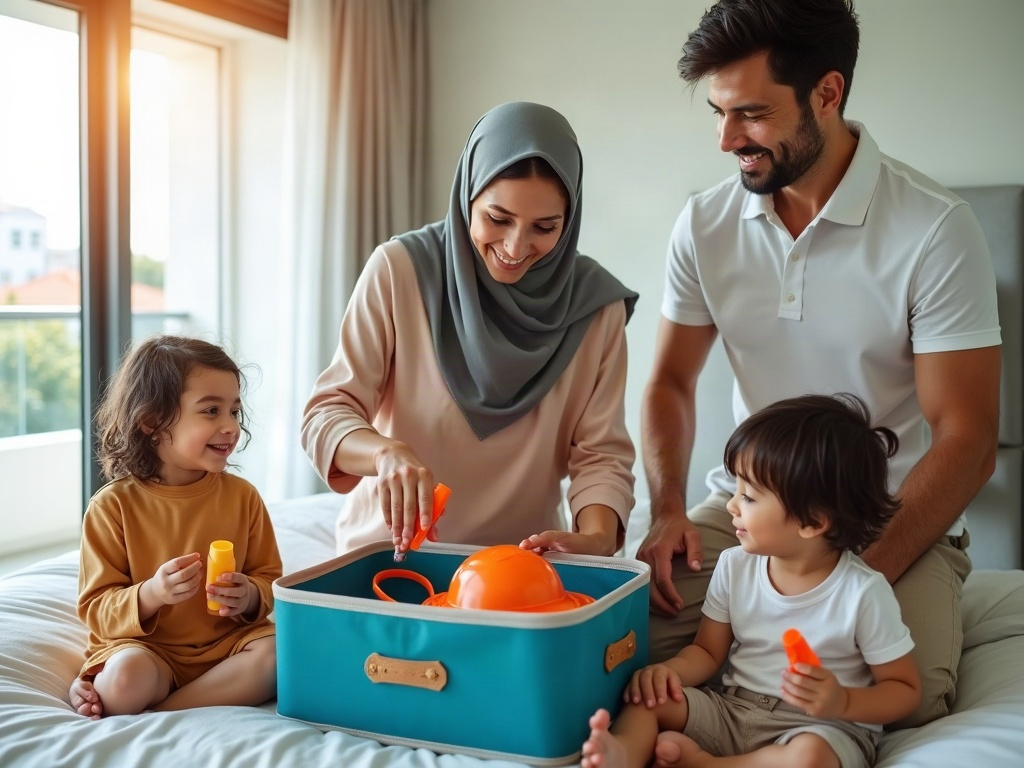
Health guides often suggest packing one or two extra pairs of socks and underwear per person, just in case an accident or spill happens while you are away.
Think closely about where you are going. A windy beach means you need light jackets, while a calm beach just needs swimsuits. If a city has great subways, you will not need as many heavy-duty walking shoes as a city where you walk everywhere.
What role does weather forecasting play in optimizing your family’s packing list?
Weather forecasting is critical for optimizing a family’s packing list by enabling the selection of specific, weather-appropriate layered clothing instead of generic items, reducing luggage bulk, and ensuring comfort, especially when checking the 10-day forecast three days prior to departure.
Check the forecast when you start planning, and check it again right before you pack. This helps you pack smart layers (a base shirt, a warm mid-layer, and a waterproof outer layer) instead of heavy coats. Don’t forget insect repellent if the weather shows it will be humid and warm!
Checking the weather forecast right before you pack stops you from filling a suitcase with shorts for a week that turns out to be very cold.
Always check the “Feels Like” temperature, which includes wind and humidity. Also, look at the hourly forecast to see if you only need a light jacket for a quick shower or a full raincoat for a stormy day.
. How do you tailor packing lists for different family members’ ages and specific needs?
To tailor family packing lists, create distinct sub-lists for each age group—infant/toddler, child/teen, and adult/senior—ensuring personalized essentials like portable sound machines or electronic chargers are included, moving beyond a generic family list to address individual needs.
The best way is to move from a general family list to a personal list for each person. This guarantees that important items are not left behind.
What unique packing requirements do infants and toddlers have for family vacations?
Infants and toddlers have unique packing requirements across four core categories: feeding, diapering, sleep, and health/safety. This necessitates packing specialized items like formula, a portable high chair, sleep sacks, and an infant-specific first-aid kit to avoid disrupting the family vacation.
You must pack for their whole daily routine. Pack enough diapers and wipes for the flight plus 48 hours at your destination so you have a buffer.
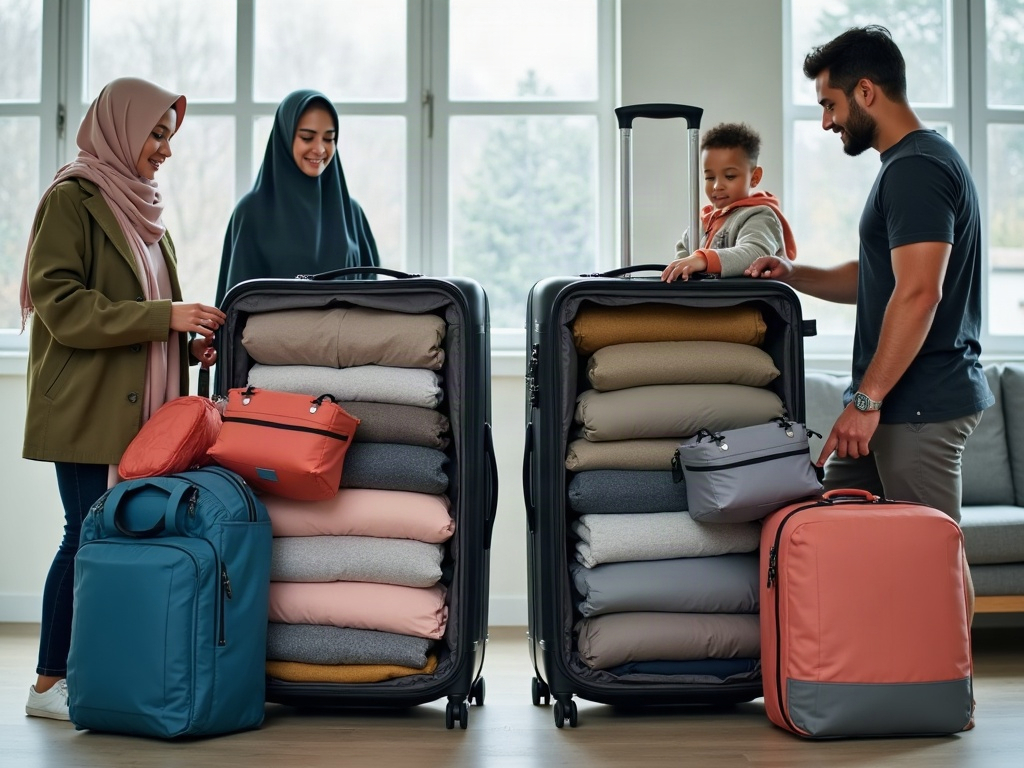
Many family health organizations note that for babies, parents must pack carefully for diapering, feeding, and sleep to keep the baby’s routine as normal as possible.
The “Rule of Duplication” is critical: for essential items like a pacifier or a specific comfort toy, always pack at least two. One can be in the carry-on and one in the checked bag. This creates a backup system that is invaluable if an item gets lost or dirty.
How should you adapt packing for older children and teenagers on family vacations?
Adapting packing for older children and teenagers involves focusing on electronics/charging, activity-appropriate apparel, and independent entertainment items. Key strategies include involving them in the packing process with a checklist, assigning responsibility for their carry-on, and ensuring they pack their own headphones, books, and portable chargers.
Let them help pack to foster independence. Instead of packing toys, pack a journal and pens for an older child or a Kindle for a teenager.
Older kids can usually pack most of their own things, but parents should always double-check to make sure they remembered the essentials.
Create a “Tech Pouch” for each teenager. Put all their chargers, battery packs, and wires in this one small bag. This stops them from complaining about dead phones and makes them responsible for their own electronics.
What considerations are crucial when packing for adults and seniors in a family group?
Crucial packing considerations for adults and seniors involve meticulous medication management (carry-on only, original containers, prescriptions), essential comfort aids like supportive footwear or compression socks for long journeys, and accessible copies of all medical and vacation documents to ensure safety and well-being.
Always pack a full supply of medications in your carry-on bag with a medication organizer, never in checked luggage. Bring comfortable walking shoes and compression socks for long flights.
Official travel resources advise that you should always keep your passports, IDs, and health insurance cards in a safe place that you can reach easily.
Create a “Medical Passport” for seniors. This is a single folder containing a list of all medications, doctor’s contact information, a copy of their insurance card, and a summary of major health conditions. This is invaluable in an emergency.
. Which packing methods maximize efficiency and organization for family luggage?
Packing cubes, the rolling method for clothing, and the “outfit-by-day” system are the most efficient packing methods for family luggage. This combination allows for compartmentalization, wrinkle reduction, space-saving, and overall highly organized travel.
Employ packing cubes to compartmentalize clothing. Packing cubes let you separate everyone’s clothes inside one big suitcase, making it much easier to find what you need.
How do packing cubes and compression bags streamline family packing?
Packing cubes streamline family packing by compartmentalizing clothes for organization and accessibility, acting as suitcase drawers for individual family members, while compression bags reduce volume by removing air from bulky items like jackets, maximizing luggage space.
For a family ski vacation, use compression bags for ski jackets and packing cubes for base layers and evening wear. This uses both tools for what they do best.
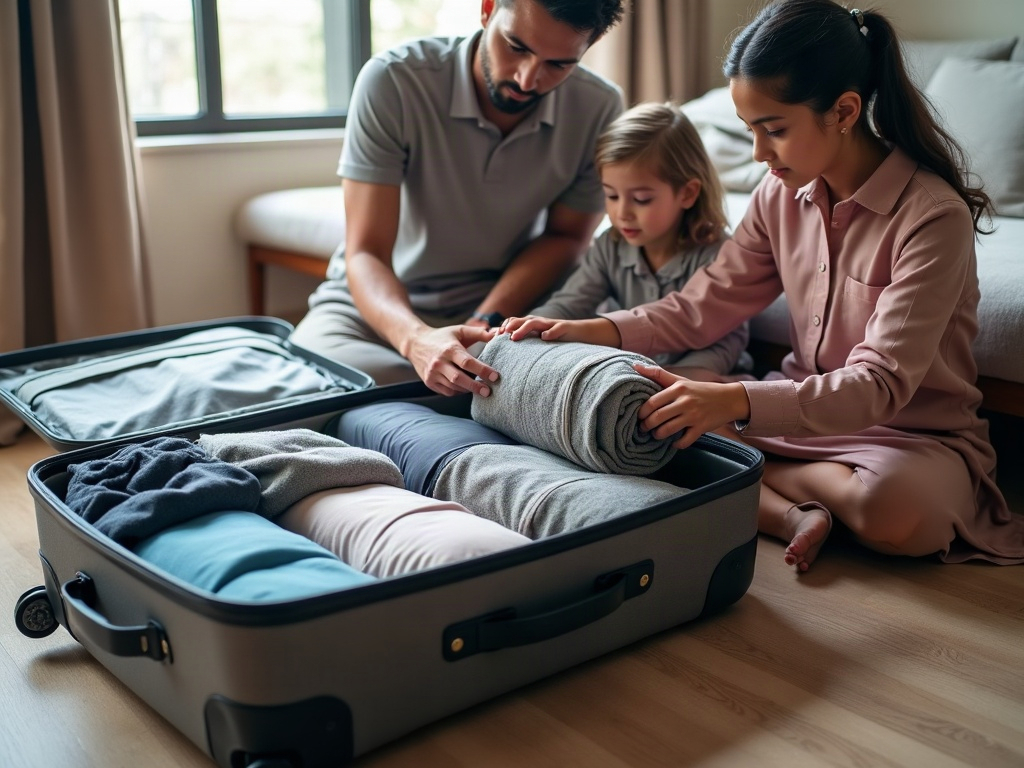
Many organizers suggest buying a different color of packing cube for each family member. This makes it super easy to quickly identify belongings.
The best practice is to use both, but for different purposes. Use packing cubes for everyday clothing to prevent wrinkles. Use compression bags only for soft, bulky items (like puffer jackets), as they can wrinkle structured garments like cotton shirts.
When is a capsule wardrobe approach practical for family vacation packing?
A capsule wardrobe approach is practical for family vacation packing on trips exceeding one week, multi-destination journeys, or when facing strict luggage limits, as it minimizes clothing items. It suits adults and teens well due to interchangeable pieces, but is less practical for young children who need frequent outfit changes.
This means packing a few shirts and pants that all match each other. It is great for adults who want to pack light for a long vacation.
A minimalist packing rule is to pack three tops for every one bottom, as bottoms can be worn more than once.
You can make a “Family Capsule” by having everyone wear a coordinated color palette, like blues and tans. This looks nice for family photos and makes doing laundry at the hotel much easier since you can wash everything together.
What are the advantages of using the “outfit-by-day” method for family members?
The “outfit-by-day” method’s primary advantage for family members is eliminating daily “what to wear” decisions, saving time and mental energy. By packing complete, labeled daily outfits (e.g., in Ziploc bags), it particularly empowers children with independent dressing and ensures appropriate attire for planned activities.
You bundle a full outfit (shirt, pants, socks, and underwear) into one small bag for each day. This is perfect for kids because they can just grab a bag and get dressed all by themselves.
With this method, you pack one complete outfit per bag, making sure to include every little thing needed, even hair ties.
This makes packing fun for kids. Let them help pick out their outfits for Day 1 and Day 2. It builds excitement for the vacation and gives them a sense of responsibility.
. How do you create a complete and accurate packing list for your family’s vacation?
To create a complete and accurate family packing list, start with a master template, then customize it according to your destination, vacation duration, planned activities, and each family member’s unique needs, ideally using a digital spreadsheet or dedicated app for easy modification.
Download a template, customize it for your family, assign items to different people to pack, and always audit the list after the trip.
What essential categories must be included in a comprehensive family packing checklist?
A comprehensive family packing checklist must include essential categories like Clothing, Toiletries, Medications & First-Aid, Documents & Finances, Electronics, and Activity-Specific Gear. Categorizing prevents disorganization, ensures all major needs are systematically addressed, and simplifies the packing process.
Breaking your big list into these specific categories prevents it from becoming an overwhelming jumble. Always include a toiletry bag and travel documents in their own sections.
Many families find it helpful to have a list of things to pack, and a separate list of tasks to do before leaving, like charging power banks.
Add a seventh category: “Consumables & Comforts.” This includes things like a specific snack for a picky eater or a favorite travel game. These items capture the “experience” pieces that are often forgotten.
How can involving family members improve the completeness of their packing lists?
Involving family members enhances packing list completeness by leveraging their personal expertise on individual needs and preferences. Assigning responsibility for their specific items to older children and partners ensures a collaborative review that catches forgotten items, from skincare products to comfort books, that a single person might overlook.
Ask your teenager to check their own packing checklist. They will remember things you might forget, like a specific face wash.
Even toddlers can help. You can give a young child a small backpack and ask them to pick two toys they want to bring on the vacation.
Try the “Final Walk-Through” technique. The night before the vacation, have each family member walk through their daily routine in their head. As they imagine getting ready, they will often remember small habits and items they forgot to put on the list.
What steps ensure you include all necessary items for specific activities or events?
To ensure all necessary items for specific activities are packed, list each event, create a dedicated “mini-list” of required gear per activity, and then pack these items together as a single, organized kit, such as a specific packing cube for a “beach day.”
If you plan to visit a theme park, isolate the activity. List the gear (comfortable shoes, portable charger). Then, bundle the items together in one bag.
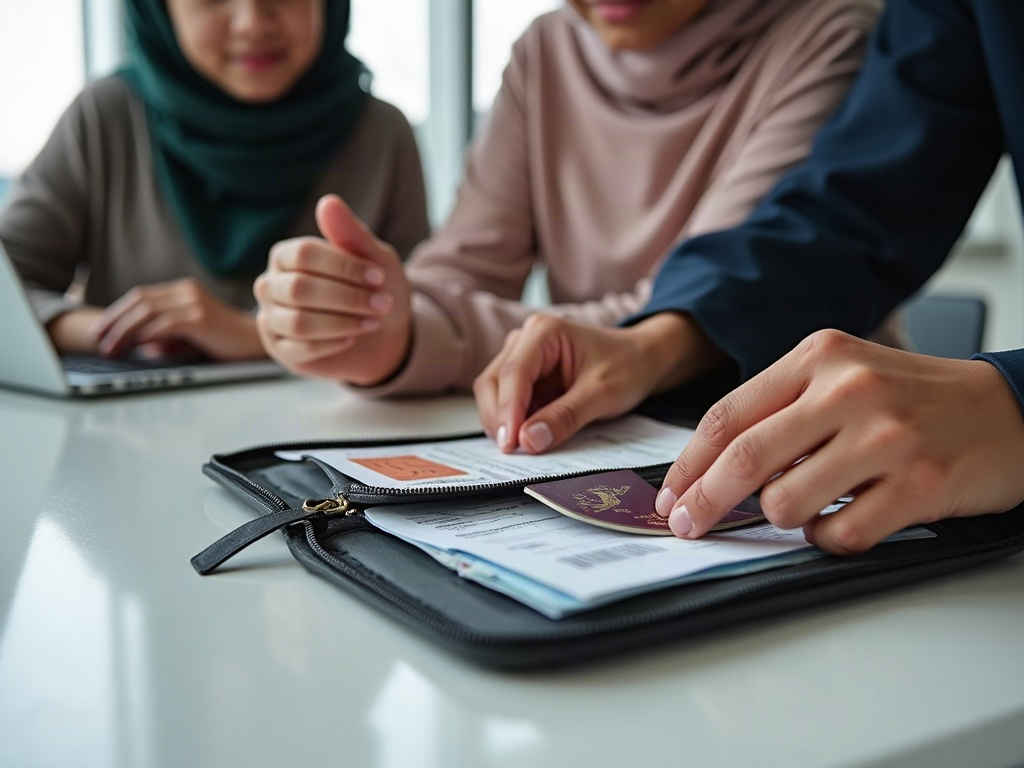
Different vacations need different gear. A trip to the mountains means preparing for altitude, while a theme park vacation means packing comfortable walking shoes.
Use the “Gear Tetris” method. Lay out all the required items for a specific activity on the floor. This visual check helps you see if you have everything you need before you pack it into the suitcase.
. How can families avoid common packing mistakes and troubleshoot forgotten items?
Families avoid common packing mistakes like overpacking by strictly adhering to a master checklist and laying out all items beforehand. Forgotten items are troubleshot by assessing necessity: immediately replace critical items (e.g., medication), while non-essentials can often be improvised or foregone.
Challenge yourself to pack less. Conduct a final review before zipping the bags. If you do forget something, assess the necessity: do you really need to buy it, or can you live without it?
What are the signs of overpacking, and how can you minimize luggage effectively?
Signs of overpacking include a forcefully closed suitcase, exceeding airline weight limits, and excessive “just-in-case” items. To minimize luggage, re-evaluate clothing for versatility (capsule wardrobe) and use a luggage scale at home to enforce weight limits, making necessary cuts pre-airport.
If you have to sit on your suitcase to close it, you have packed too much. Check your bags with a luggage scale before you leave for the airport.
Try the “one in, one out” rule. If you want to pack an extra jacket, you must take out an extra pair of jeans.
The “Shoe Test” is a great indicator of overpacking. If you have packed more than three pairs of shoes for one person, you have almost certainly overpacked. Shoes are very heavy, so leaving a pair at home is the fastest way to lighten your load.
How do you prevent forgetting crucial items through a final packing review?
To prevent forgetting crucial items, conduct a final packing review by physically checking off each item against your master list as it enters the suitcase, and perform a thorough room-by-room “final sweep” of key areas like charging stations and counters right before departing.
The night before your vacation, lay everything out. Mark it off on a printed copy of your master packing list as it goes into the bag. Do not rush this step.
Families are much less likely to forget chargers and toothbrushes when everyone checks their own list before heading out of the house.
The “Category Captain” method works well. Make your teenager the “Electronics Captain,” responsible for ensuring all chargers are packed. Make your partner the “Documents Captain.” This shares the work and stops mistakes.
What immediate solutions are available if a family member forgets an essential item while vacationing?
If an essential item is forgotten while vacationing, immediate solutions include checking with your hotel for basic toiletries, contacting a local pharmacy for medications (with home doctor assistance for prescriptions), and asking the hotel concierge for nearby stores to replace clothing or gear.
If you forget toothpaste, ask the hotel front desk. If you forget a jacket, ask the concierge where the closest store is. Have digital copies of prescriptions on your phone to make getting medicine easier.
Things like phone chargers and sunscreen are forgotten very often and are expensive to buy at hotels or gift shops.
If you forget a child’s favorite stuffed animal, try to find the exact same item online and have it rush-delivered to your hotel. Many tourist spots offer same-day delivery, which can save the vacation.
Frequently Asked Questions
How does organized packing prevent vacation stress and unforeseen costs for families?
What initial considerations should guide your family’s packing plan?
What are the signs of overpacking, and how can you minimize luggage effectively?
Resolution
Planning family vacation packing is about implementing a strategic system that reduces stress and saves money, allowing you to focus on creating memories. By using master checklists, age-specific lists, and efficient methods like packing cubes, the chaotic task becomes a manageable process, yielding a smoother, more enjoyable trip. This preparation is an investment that pays significant dividends in the form of a smoother, more enjoyable vacation for everyone.