How to Check If a Destination Is Safe for Family Vacation?
Table of Contents
Checking destination safety is essential for your family vacation because it systematically mitigates preventable risks, protects your family’s well-being, and secures your financial and emotional investment in the trip.
This proactive process of checking destination safety identifies potential threats—from health hazards to crime—before they can disrupt your vacation. This foresight ensures peace of mind and allows your family to travel with confidence. Ultimately, understanding how to check if a destination is safe is a crucial step in the broader process of how to plan a family vacation step by step, ensuring every element is considered for a successful trip.
2. Why Is Checking Destination Safety Essential for Your Family Vacation?
Checking destination safety is essential for your family vacation because it systematically mitigates preventable risks, protects your family’s well-being, and secures your financial and emotional investment in the trip.
This proactive process of checking destination safety identifies potential threats—from health hazards to crime—before they can disrupt your vacation. This foresight ensures peace of mind and allows your family to travel with confidence.
Frame safety research not as a chore, but as the most critical form of “vacation insurance.” While travel insurance covers financial loss, proactive safety diligence prevents the actual traumatic events from occurring in the first place, preserving the positive experience which is the true goal of the vacation.
Commit to a thorough safety audit before booking any non-refundable travel. This initial time investment provides the highest return in ensuring a successful and enjoyable family vacation. Now that the critical importance of checking destination safety is established, the next step is to understand precisely what attributes define a ‘safe’ destination from a family’s perspective.
What Defines a “Safe” Destination for a Family Vacation?
A “safe” destination for a family vacation is defined by a combination of reliably low crime rates, a stable political environment, accessible and high-quality healthcare infrastructure, and minimal environmental hazards.
According to The Economist Intelligence Unit’s “Safe Cities Index”, destinations are ranked according to multiple safety indicators, including digital security, health security, infrastructure security, and personal security.
A “safe” family destination is characterized by its predictability. While adventure is a goal, predictability in safety, infrastructure, and services is the foundation that makes family adventure possible. This is a key differentiator from solo or adult travel.
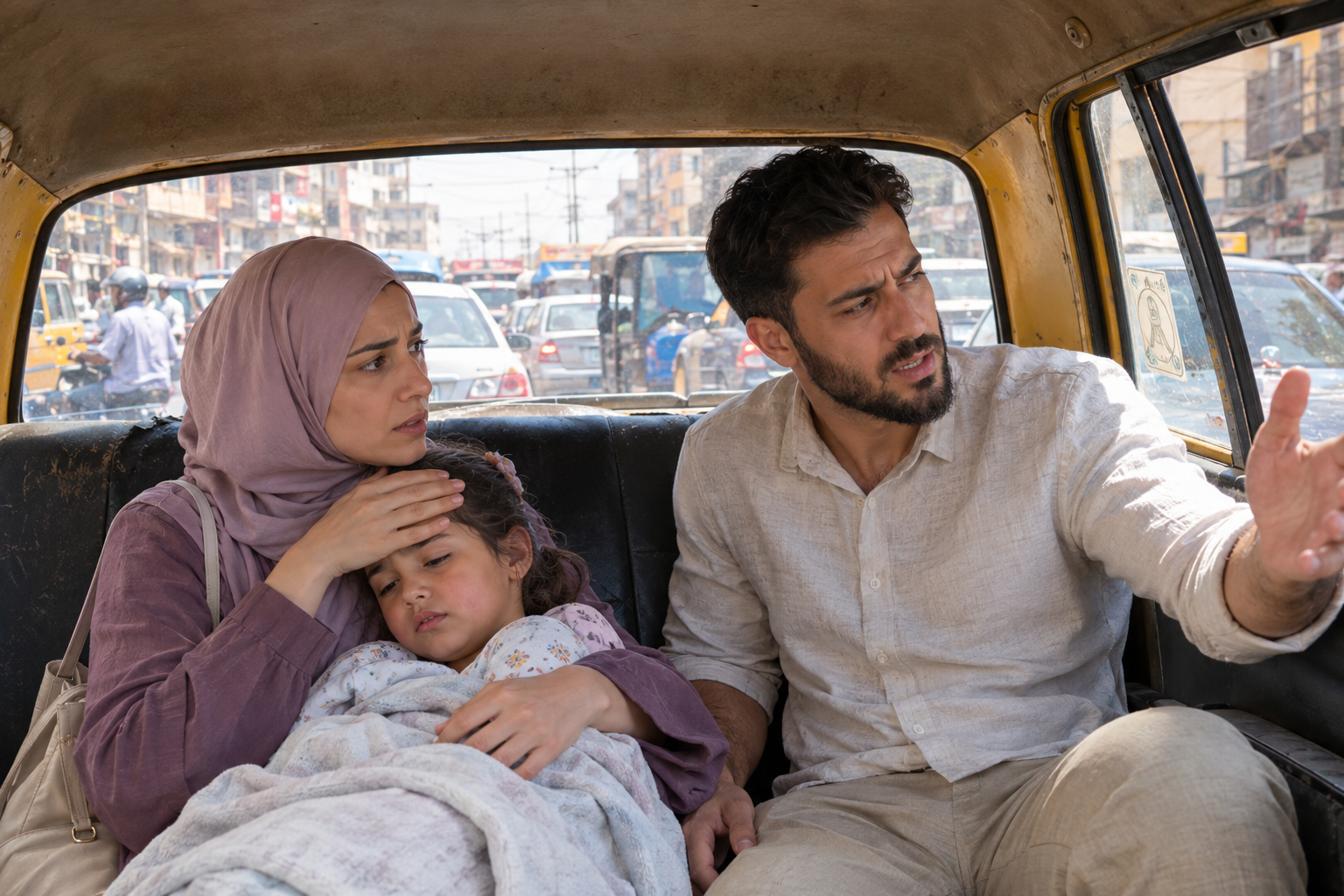
Author’s Experience
“As a parent who has traveled extensively, I’ve learned that true safety isn’t just about avoiding danger. It’s about empowering your family with knowledge and choices, turning potential worries into confident exploration. This approach has transformed our trips.”
What Potential Risks Can Families Face in Unsafe Destinations?
The potential risks families can face in destinations with inadequate safety profiles range from high-volume petty crime and transportation scams to significant health hazards from poor sanitation and exposure to unfamiliar diseases.
According to KidsHealth.org, travelers’ diarrhea is especially common for babies and young children, who can become easily dehydrated.
The most overlooked risk for families is not dramatic crime, but “infrastructure failure”—the inability to get a sick child to a good doctor quickly, find safe food, or navigate a city when public transport shuts down unexpectedly. This is a practical, experience-based insight.
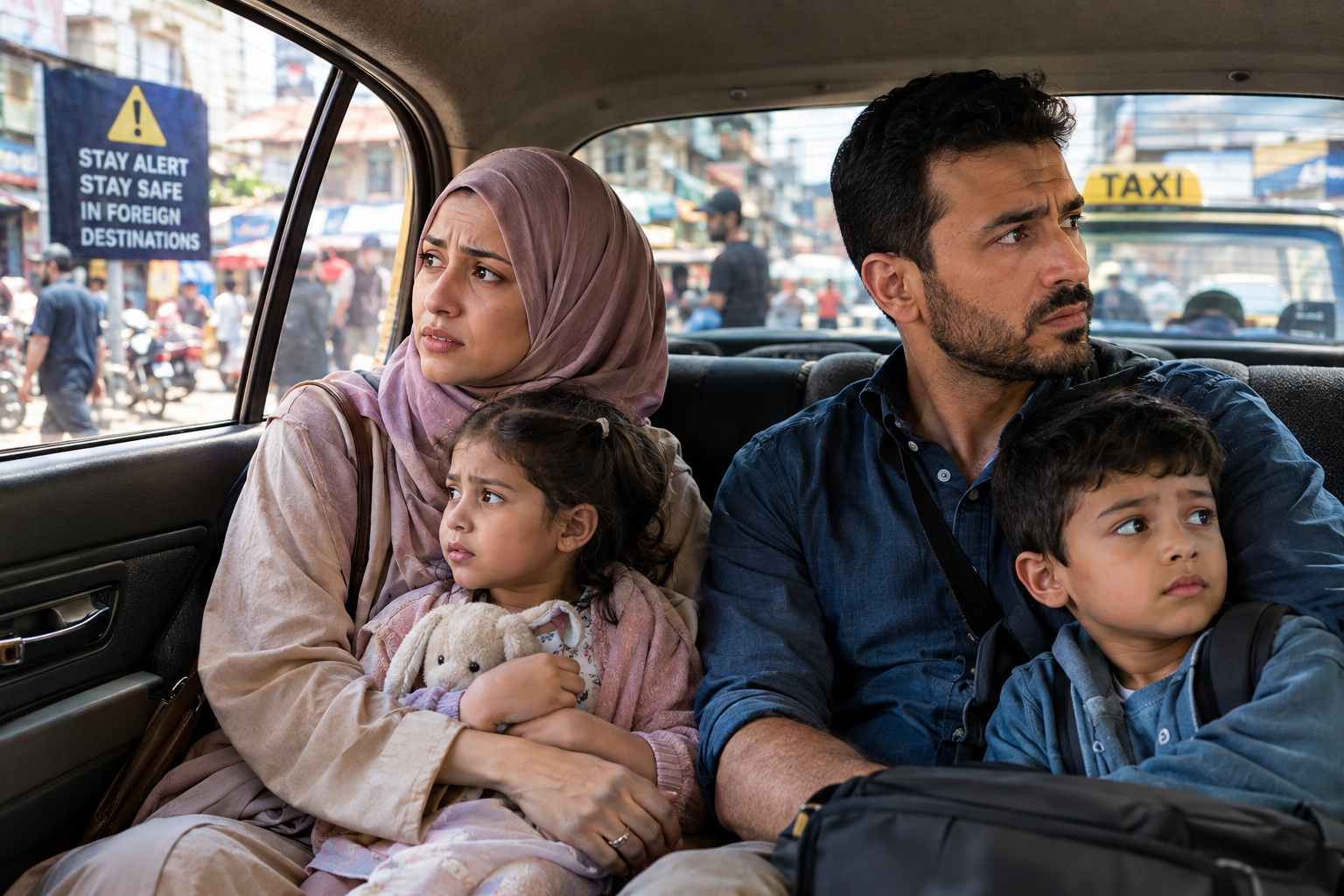
Once you’ve assessed general destination safety, it’s also vital to consider individual family safety measures, such as learning how to prevent children from getting lost on a family vacation.
3. What Are the Core Safety Attributes to Evaluate for Family Vacation Destinations?
The core safety attributes to evaluate for any family vacation destination are categorized into four key areas: personal and community safety, health and medical infrastructure, transportation and lodging security, and environmental and political stability.
Evaluating these core safety attributes requires a methodical approach. You must analyze each category—from crime statistics to hospital quality—to build a complete safety profile of the destination.
The “experience” factor is a crucial attribute. Go beyond raw data and evaluate the *ease of navigating* a destination with children. A destination may have a low crime rate but be extremely difficult to traverse with a stroller, presenting a different kind of safety and stress risk.
Prioritize destinations that score highly across all four safety attribute categories. A weakness in even one area, such as medical infrastructure, can create a significant vulnerability for a traveling family. With these core attributes in mind, let’s examine how factors like crime and political stability specifically impact your family’s safety on the ground.
How Do Crime Rates and Political Stability Impact Family Safety?
Crime rates and political stability directly impact family safety by determining the level of ambient risk in public spaces and the reliability of emergency services during a crisis.
The U.S. State Department estimates that more than 200 U.S. citizens die each year due to road accidents abroad, a figure that highlights risks beyond crime and politics.
Focus not just on the homicide rate, but on the *rate of petty crime* and *confidence in local police*. For families, frequent pickpocketing or scams in tourist areas can ruin a trip more effectively than a rare, violent event. Low confidence in police indicates you will be on your own if a problem arises.
What Health and Environmental Factors Affect a Family’s Well-being Abroad?
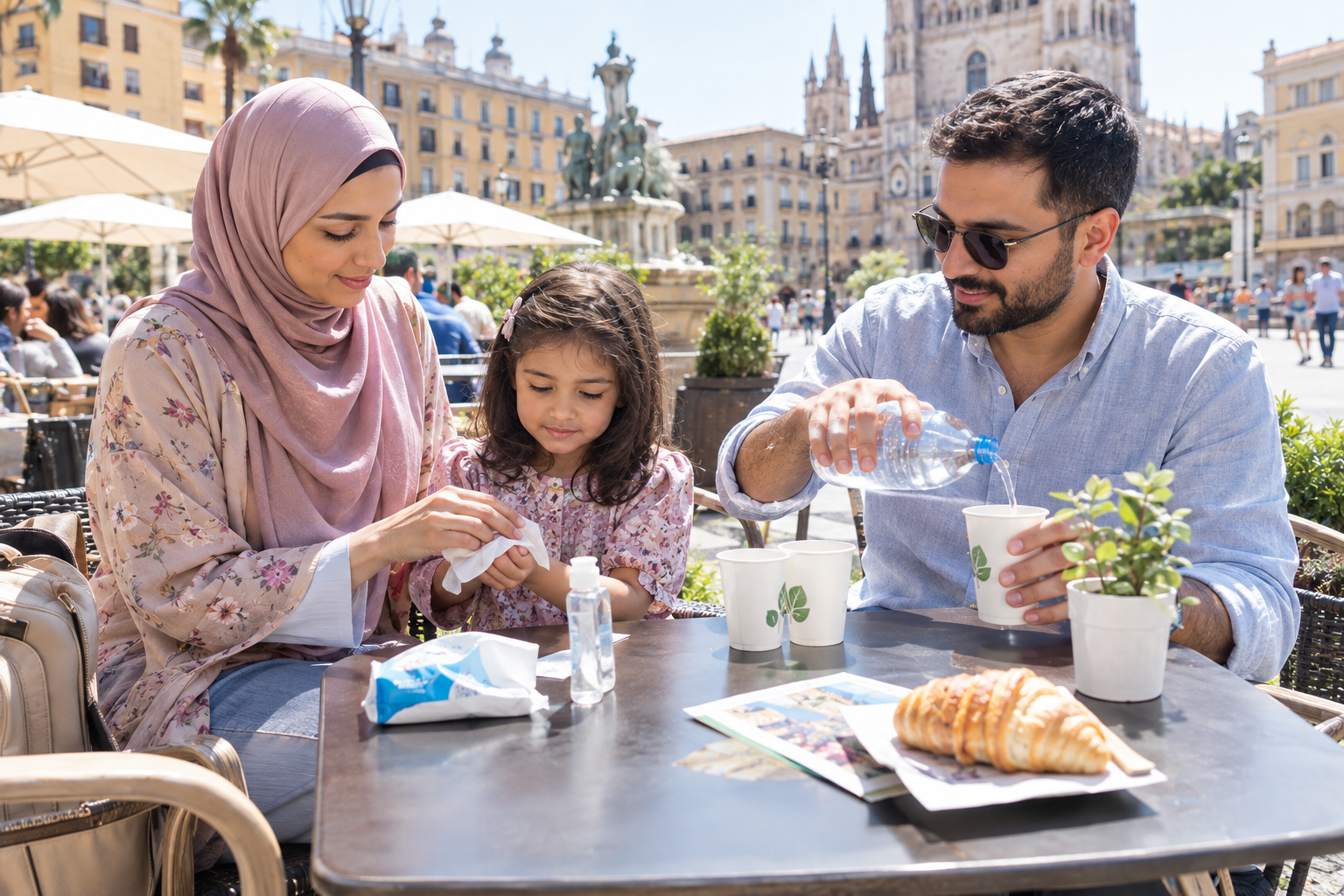
The key health and environmental factors that affect a family’s well-being abroad include the quality and accessibility of local medical care, the prevalence of endemic diseases, food and water safety standards, and air quality.
According to safety experts, it only takes two minutes of submersion for a child to lose consciousness and four to six minutes for a child to suffer irreversible brain damage, making water safety a top environmental concern.
The single most important health factor to verify is the “time to care” metric: how long would it take to get from your hotel to a reputable hospital with a pediatric emergency room? This practical consideration is more important than a country’s overall healthcare ranking.
While comprehensive preparation helps prevent issues, knowing how to handle medical emergencies on family vacation is a critical piece of every family’s safety plan.
4. Which Official Resources Help Evaluate Destination Safety for Families?
The most reliable official resources to help evaluate destination safety for families are government-issued travel advisories, public health organization alerts, and your home country’s local embassy or consulate websites for the destination.
These official resources provide unbiased, data-driven assessments of risk. Cross-referencing information from the U.S. Department of State or UK FCDO with health data from the WHO or CDC creates a comprehensive, trustworthy safety profile.
Explain that government advisories are conservative by nature and based on data not available to the public. While a “Level 2: Exercise Increased Caution” warning might seem generic, it is a signal based on specific intelligence and should be taken seriously by families, who have a lower risk tolerance.
Always begin your safety research with official government advisories. They provide the essential macro-level context that should frame all other anecdotal or local research. To effectively use these resources, it’s crucial to understand what information each provides and its specific relevance to family travel planning. The table below breaks this down.
| Source | Information Provided | Relevance to Family Travel |
|---|---|---|
| U.S. Dept of State / UK FCDO | Tiered safety levels, crime hotspots, political stability tracking, and travel alerts. | Creates the baseline security assessment for families and guides fundamental trip viability. |
| WHO / CDC | Endemic diseases, required/recommended vaccinations, and water/food safety standards. | Prevents severe family illnesses and ensures children are adequately medically pre-screened. |
| Local Embassy Websites | Local emergency contacts, real-time localized security alerts, and consular services. | Provides an immediate lifeline and on-the-ground support during crises. |
How Do Government Travel Advisories Inform Family Destination Choices?
Government travel advisories inform family destination choices by providing a clear, tiered rating of a country’s overall safety and detailing specific threats like crime, terrorism, or health risks that are critical to a parent’s decision-making process.
The U.S. Department of State issues a travel advisory for every country, assigning one of four levels: Level 1 (Exercise Normal Precautions), Level 2 (Exercise Increased Caution), Level 3 (Reconsider Travel), and Level 4 (Do Not Travel).
The real value for families is in the *details* of the advisory, not just the level. An advisory might specify risks are concentrated in a region far from your intended resort area, or it might warn of a specific scam targeting families in airports. Reading the full text is non-negotiable.

While these official sources provide a vital overview, understanding the nuances of their warnings is key to making an informed choice.
5. How Can Families Compare Destination Safety Profiles Using Traveler Reviews and Local News?
Families can compare destination safety profiles by corroborating official government advisories with recent traveler reviews from family-specific forums and real-time reports from local news outlets.
This two-pronged approach allows you to balance the macro-level risk assessment from official sources with the micro-level, anecdotal experiences of other families. Local news provides the most current information on events that may not yet be reflected in national advisories.
The key is to look for *patterns*, not single anecdotes. One bad review is an anecdote; ten reviews in the last month mentioning the same pickpocketing scam near a specific tourist site is actionable data. This is how to effectively filter signal from noise in qualitative sources.
If a significant disconnect exists between glowing reviews and official warnings, trust the official warnings. The primary role of qualitative data is to add detail to the official picture, not to contradict it. Now, let’s drill down into the most valuable of these qualitative sources: the direct experiences of other parents.
| Source Type | Credibility Factors | Relevance for Families |
|---|---|---|
| Parent Forums (e.g., TripAdvisor) | Consensus across multiple, recent, highly-rated reviews. | Granular details like stroller accessibility, local hospital experiences, and safe dining areas. |
| Family Travel Blogs | Photographic evidence, detailed itineraries, transparency regarding sponsored trips. | Mapping proven safe routes, navigating logistics, and vetting child-friendly accommodations. |
| Local News Sites | Real-time reporting from recognized local journalists and publications. | Early detection of sudden unrest, transit strikes, or localized environmental issues. |
What Insights Do Parent Forums and Family Travel Blogs Offer About Destination Safety?
Parent forums and family travel blogs offer granular, practical insights into destination safety that official sources often lack, such as specific advice on safe neighborhoods for strollers, restaurants with reliable hygiene, and attractions to avoid with young children.
A parental survey by the Center to Prevent Lost Children found that 90% of families have lost a child in a public place at least once, a common topic of discussion and advice on parent forums.
The most valuable information on parent forums is often found in the questions people *ask* before they go, not just the post-trip reports. These questions reveal the common anxieties and information gaps for that destination, pointing you directly to the areas you need to research most.
How Can Local News Sources Reveal Current Safety Conditions for Families?
Local news sources reveal the most current safety conditions for families by providing real-time reporting on crime trends, political demonstrations, public health alerts, and transportation disruptions that have not yet been aggregated by international advisories.
As an example of a locally reported incident, six tourists died from methanol poisoning after consuming bootleg alcohol at a hostel in Laos in 2024, a danger that official advisories might not specify in such real-time detail.
Look for what is *not* being reported. If a country’s news is heavily state-controlled and never reports on crime or problems, this lack of transparency is itself a significant risk indicator. A free and active press that reports on local problems is a sign of a more open society.
6. How Do You Assess Specific Risks for Family Transportation and Accommodation Safety?
You assess specific risks for family transportation and accommodation safety by conducting detailed research into the reputation of service providers, verifying physical security measures, and confirming the availability of child-specific safety equipment.
This assessment moves beyond the destination to the specific services you will use. It involves reading recent reviews focused on security, confirming your hotel’s fire safety and access controls, and researching local car seat laws.
For accommodation, a key safety check is to use Google Street View to “walk” the block around a potential hotel or rental. This reveals the real-world environment: is it well-lit? Are there vagrants? Is the entrance directly on a busy, unsafe street? This provides context that photos on a booking site will not.
Choose accommodations in well-lit, residential, or established tourist areas with multiple positive reviews mentioning “safety” and “security.” For transportation, prioritize official, licensed services over cheaper, unregulated options. To execute this assessment systematically, use the following checklist to evaluate every potential transportation and accommodation option.
| Checklist Item / Tactic | Status |
|---|---|
| Research Reputable Transportation Providers: Look for official taxis or ride-shares with good reviews. | ⬜ |
| Verify Car Seat Laws and Availability: Ensure child restraint systems meet local standards or bring your own. | ⬜ |
| Check Accommodation Security Features: Confirm 24/7 reception, key-card access, and in-room safes. | ⬜ |
| Assess Neighborhood Safety: Use Google Street View and read reviews for overall area safety. | ⬜ |
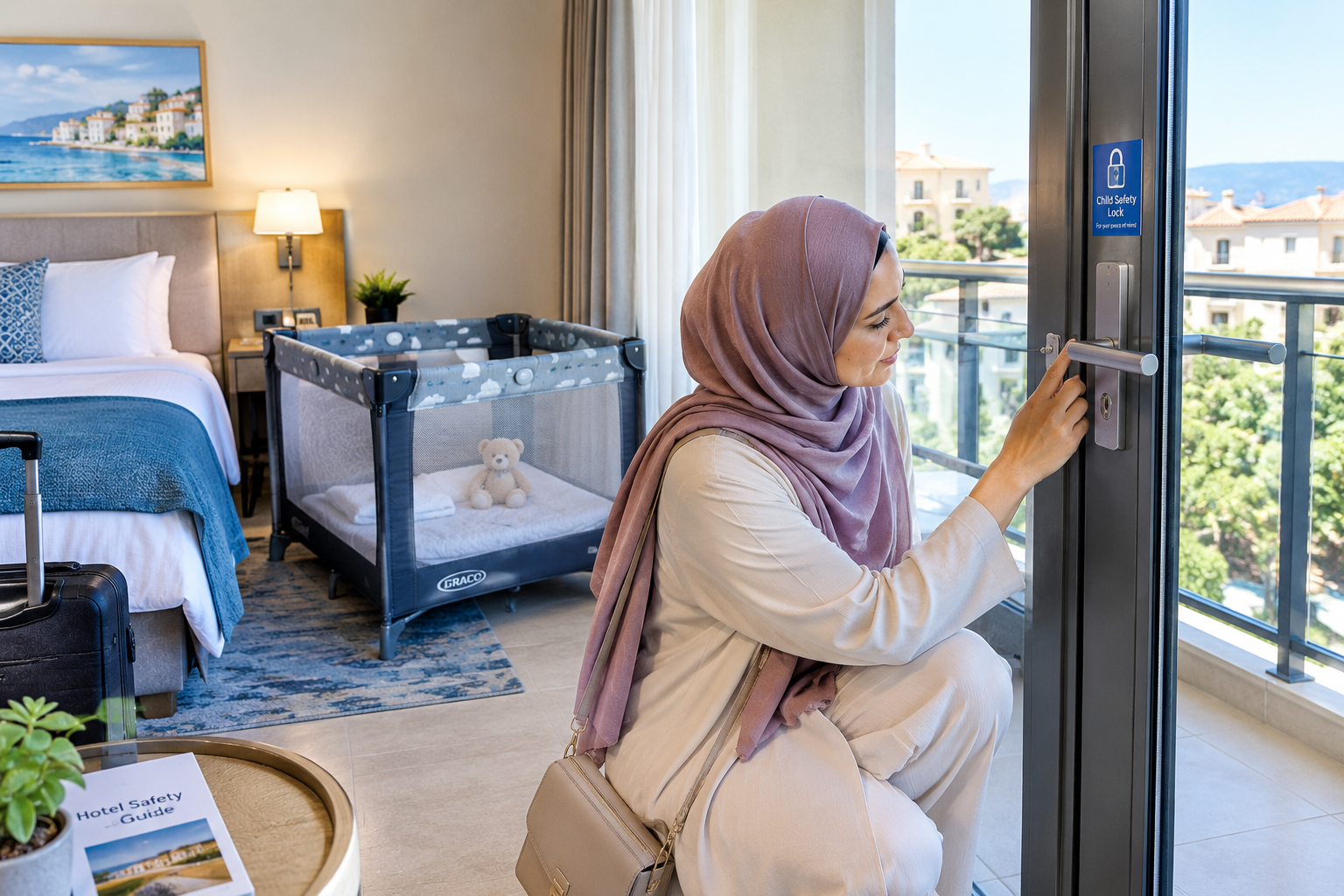
| Inquire About Child-Specific Amenities: Ask about pool fencing, balcony locks, and secure cribs. | ⬜ |
What Should Families Look For in Safe Accommodation Options?
When choosing safe accommodation options, families should look for verifiable security features, positive recent reviews mentioning safety, a location in a low-risk neighborhood, and family-specific amenities that reduce hazards for children.
The U.S. Department of State recommends asking for a hotel room between the third and sixth floors, as these are high enough that people on the street will not be able to access them but are still easy to evacuate from.
A ground-floor room can be a double-edged sword: it offers a quick escape route in an emergency like a fire, but it can also be more vulnerable to break-ins. The “safest” room location depends on the primary risks of the specific destination and hotel.
Once you’ve secured safe lodging and transport, it’s crucial to focus on what you’ll look for within those accommodations.
7. How Can Families Prepare for Health Emergencies and Medical Needs Abroad?
Families can prepare for health emergencies and medical needs abroad by consulting a pediatrician pre-travel, purchasing comprehensive travel insurance with medical evacuation, and creating a detailed medical information and contact kit.
This preparation involves more than just packing a first-aid kit. It requires researching the nearest reputable hospitals to your accommodation, programming local emergency numbers into your phone, and carrying digital and physical copies of prescriptions and health records.
Prepare a “one-page medical brief” for each child. This document should include their photo, name, date of birth, blood type, any allergies, current medications/dosages, and your contact information. In an emergency, this single page can communicate critical information to first responders, overcoming language barriers.
Do not travel internationally with children without comprehensive travel medical insurance that includes emergency evacuation. The financial risk of a serious medical event abroad is catastrophic. A systematic approach is the best way to ensure you’ve covered all health-related bases. Use this checklist for both pre-travel and in-destination preparedness.
| Checklist Item / Tactic | Status |
|---|---|
| Consult a Pediatrician: Discuss travel plans, vaccinations, and health risks 4-6 weeks prior to departure. | ⬜ |
| Purchase Comprehensive Travel Insurance: Ensure it includes emergency medical expenses and medical evacuation. | ⬜ |
| Create a Medical Information Kit: Include prescriptions, health records, and emergency contacts (physical and digital). | ⬜ |
| Research Local Hospitals and Emergency Numbers: Identify the nearest reputable medical facilities to your accommodation. | ⬜ |
| Pack a Basic First-Aid Kit: Include essentials for minor injuries and common ailments. | ⬜ |
What Travel Insurance Considerations Are Crucial for Family Safety?
The most crucial travel insurance considerations for family safety are ensuring the policy includes high-limit coverage for emergency medical expenses, emergency medical evacuation, and specific provisions for pre-existing conditions for all family members.
The CDC warns that the cost of an emergency medical evacuation can exceed $100,000, making it a critical inclusion for family travel insurance.
A key detail to check is the “pre-existing condition” clause, specifically how it applies to children. A chronic condition like asthma must be explicitly declared and covered, as an emergency related to it might otherwise be denied.
Must-Have Coverage for Families
- Medical Expenses
- Medical Evacuation
- Pre-existing Conditions
- 24/7 Assistance
Of all these preparation steps, one of the most complex but critical is selecting the right travel insurance. For a deeper dive into selecting the right policy for your family’s unique needs, explore how to plan travel insurance for a family vacation to protect your financial and emotional investment.
8. What Common Mistakes Do Families Make When Assessing Destination Safety?
The most common mistakes families make when assessing destination safety include relying on outdated or singular sources of information, underestimating the impact of local laws and cultural norms, and ignoring their own intuition about a place or situation.
A frequent error is prioritizing a destination’s “Instagrammability” over its official safety warnings, a form of confirmation bias. Another is failing to research granular, family-specific risks like car seat laws or the availability of pediatricians.
The most subtle mistake is “risk transference”—assuming the safety standards of a resort or tour operator absolve you of personal diligence. A gated resort is safer, but it does not protect you from foodborne illness in its kitchen or risks on an off-site excursion. Ultimate responsibility always rests with the parent.
To avoid these mistakes, adopt a “trust but verify” mindset. Triangulate information from official, anecdotal, and local sources, and never allow a desire for a destination to override a legitimate safety concern. These errors in judgment often stem from overlooking specific details. Let’s examine how failing to understand local laws can directly create a safety risk.
How Can Overlooking Local Laws and Cultural Norms Affect Family Safety?
Overlooking local laws and cultural norms can directly affect family safety by leading to fines, detention, or dangerous cultural misunderstandings that would not be an issue in one’s home country.
Many countries have strict, zero-tolerance penalties for drug use; in some nations, a conviction for drug trafficking can lead to the death penalty.
The concept of “child supervision” varies dramatically by culture and law. Leaving a child unattended for even a moment, which might be acceptable at home, could be viewed as neglect or abandonment in another country, potentially involving local authorities. This is a family-specific legal risk.
Why Is Ignoring Your Intuition a Mistake in Judging Destination Safety?
Ignoring your intuition is a mistake in judging destination safety because your subconscious mind often processes subtle environmental cues of danger far quicker than your conscious, analytical mind.
Petty theft often targets foreigners who are less familiar with their surroundings; your intuition that a situation feels wrong can be a key defense against becoming a target.
Frame intuition as “rapid pattern recognition.” Your brain is recognizing a pattern of behavior or environmental signals associated with danger, based on past experience and media exposure. It’s a data-driven process, just a very fast one. For a parent, your “protective” instinct for your child makes this tool even more acute.
9. How Can Families Mitigate Unexpected Safety Challenges During a Vacation?
Families can mitigate unexpected safety challenges during a vacation by establishing clear contingency plans, maintaining constant situational awareness, and having all emergency contacts and documents readily accessible.
Mitigation is about preparation and communication. Before the trip, establish a family emergency plan, including meeting points in case of separation, and ensure everyone, including older children, knows who to contact and what to do in a crisis.
The “ICE” (In Case of Emergency) protocol is vital. Program an “ICE” contact into every family member’s phone (including children’s, if they have them). First responders are trained to look for this entry. Also, place a card with ICE information in your child’s pocket.
Before you depart, dedicate one hour to a “family safety briefing.” Discuss the contingency plan, review emergency contacts, and set communication rules. This single hour of preparation is the most effective mitigation tool. The cornerstone of any good contingency plan is a robust communication and evacuation strategy, which merits specific attention.
What Emergency Communication and Evacuation Plans Should Families Have in Place?
The emergency communication and evacuation plans families should have in place include registering the trip with their embassy, establishing multiple communication methods, and understanding the evacuation procedures provided by their travel insurance.
Registering with the Smart Traveler Enrollment Program (STEP), a free service from the U.S. Department of State, allows the nearest U.S. Embassy or Consulate to provide real-time alerts and contact you in an emergency.
Have a “communication tree.” If you are separated, the protocol is not to call each other frantically, but for everyone to call or text one single, designated contact person (e.g., a grandparent back home). That person then acts as the central hub for coordinating information and confirming everyone’s status. This is more effective in a crisis.
Beyond planning, having the right gear is also crucial. For a complete guide on what to bring, consider what essential safety items to pack for a family vacation.
10. Logistics: Family Safety Planning Checklist
| Checklist Item / Tactic | Status |
|---|---|
| Step 1: Evaluate Core Safety Attributes (personal, health, transport, environmental). | ⬜ |
| Step 2: Consult Official Resources (government advisories, WHO, CDC). | ⬜ |
| Step 3: Cross-Reference with Traveler Reviews and Local News. | ⬜ |
| Step 4: Assess Transportation & Accommodation Risks. | ⬜ |
| Step 5: Prepare for Health Emergencies (pediatrician, insurance, medical kit). | ⬜ |
| Step 6: Develop Emergency Communication & Evacuation Plans. | ⬜ |
Resolution
Making informed choices for a safe family vacation is an achievable goal that transforms pre-travel research from a task into an act of empowerment, ensuring peace of mind. The key to a safe family vacation lies in a systematic process: establishing a baseline of safety with official resources, enriching that data with real-world insights, and preparing robust contingency plans. This diligent approach is the foundation for creating positive, lasting family memories. The ultimate benefit of this entire process is not just the avoidance of risk, but the *increase in enjoyment*. By front-loading the work and worry, you free yourself to be fully present and relaxed during the vacation, knowing you have done everything possible to protect your family. Your final decision should not be based on a single factor, but on the integrated picture of safety you have built. If you have followed this process, you can be confident in your choice of destination.