How to Handle Medical Emergencies on Family Vacation
Table of Contents
To effectively handle a medical emergency on a family vacation, you must act decisively by securing immediate safety, administering basic first aid from a pre-packed kit, and promptly activating your travel insurance or local emergency services based on a pre-researched action plan.
This proactive approach mitigates health risks, financial devastation, and decision paralysis, allowing parents to respond effectively. Understanding the broader context of How Do You Plan for Family Vacation Safety? provides a holistic view of safeguarding your loved ones during travel.
1. Why must families prioritize pre-planning for travel health crises?
Preparing for medical emergencies on a family vacation is essential because it transforms a potential catastrophe into a manageable situation by establishing a clear, pre-determined action plan.
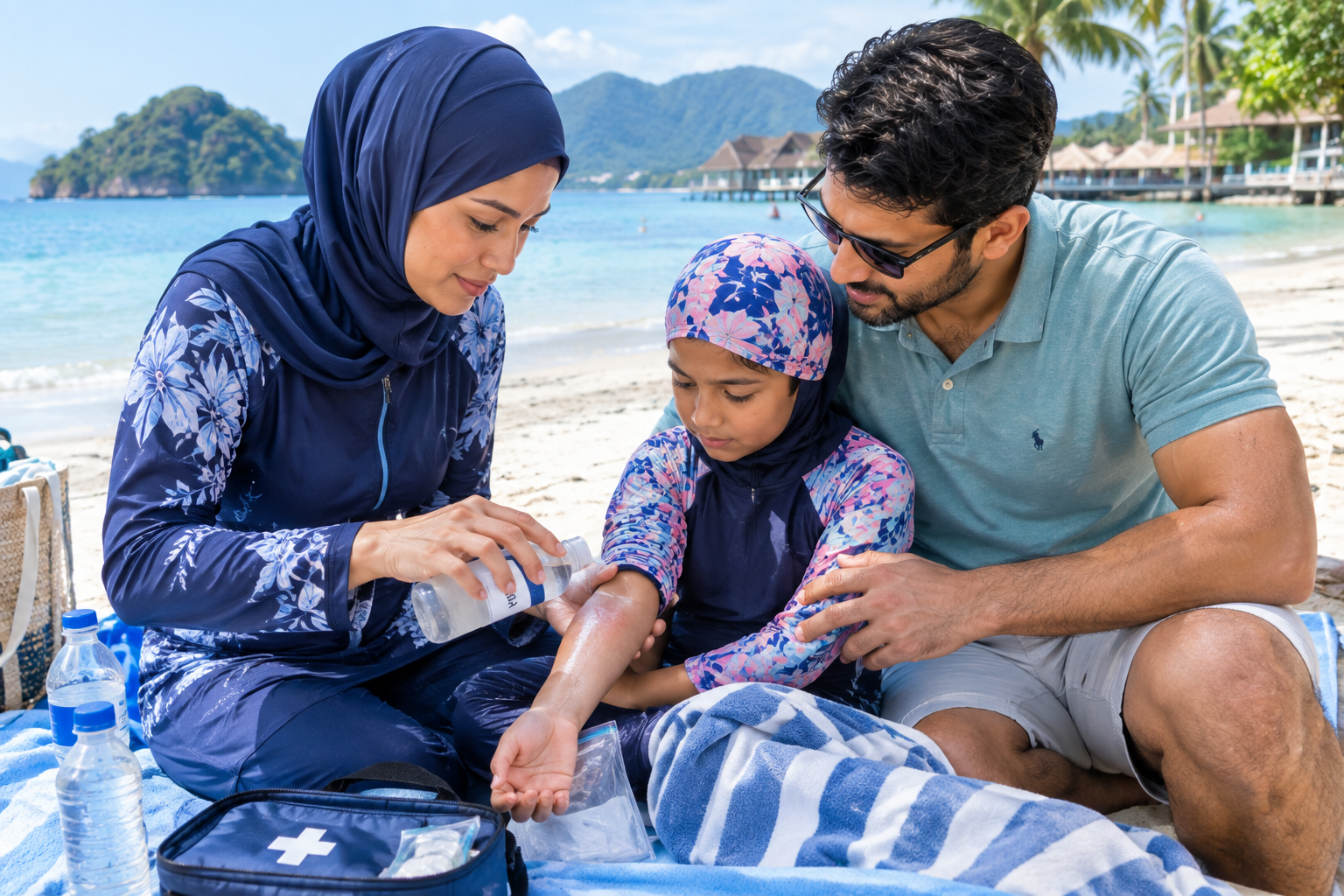
How does pre-planning reduce stress during a family medical emergency?
Pre-planning reduces stress during a family medical emergency by replacing uncertainty and panic with a clear, step-by-step protocol for action.
According to the American Red Cross, if an emergency occurs at your destination, you will be in a strange area, putting you and your fellow travelers more at risk.
The psychological principle at play is ‘locus of control.’ Pre-planning shifts the locus of control from external (the chaotic event) to internal (your prepared response), which is a scientifically recognized method of stress reduction.
What common medical emergencies should families anticipate on vacation?
Families on vacation should primarily anticipate common medical emergencies such as minor trauma, allergic reactions, gastrointestinal distress, and environment-specific ailments like sunstroke or severe insect bites.
Urgent care clinics can effectively handle most travel health issues, including respiratory infections, minor cuts, sprains, and stomach issues.
Differentiate risk by destination type. For a beach vacation in Southeast Asia, focus on traveler’s diarrhea and jellyfish stings. For a hiking trip in the Rockies, focus on altitude sickness and sprains. This provides higher information gain than a generic list.
2. What essential medical information should you gather before a family vacation?
Before any family vacation, you must gather essential medical information that includes each family member’s personal health details, insurance policy information, and copies of legal and medical documents.
Which key medical documents are crucial for family travel?
The most crucial key medical documents for family travel are copies of passports, health insurance cards, detailed travel insurance policy information, and signed child medical consent forms if traveling without both parents.
As a backup, you should scan your original documents and save them to a memory stick or cloud service, including copies of passports, visas, and driver’s licenses.
Highlight the often-overlooked “child medical consent form.” Explain that in many countries, a hospital may delay treatment for a minor accompanied by only one parent or a non-parent guardian without explicit written consent from the absent parent(s).
Author’s Experience
“As a parent who has navigated medical emergencies in various countries, I’ve learned that a well-organized medical packet is a lifesaver. Once, during a trip to Thailand, my child had an unexpected allergic reaction, and having all our information immediately accessible made all the difference in getting quick, effective care.”
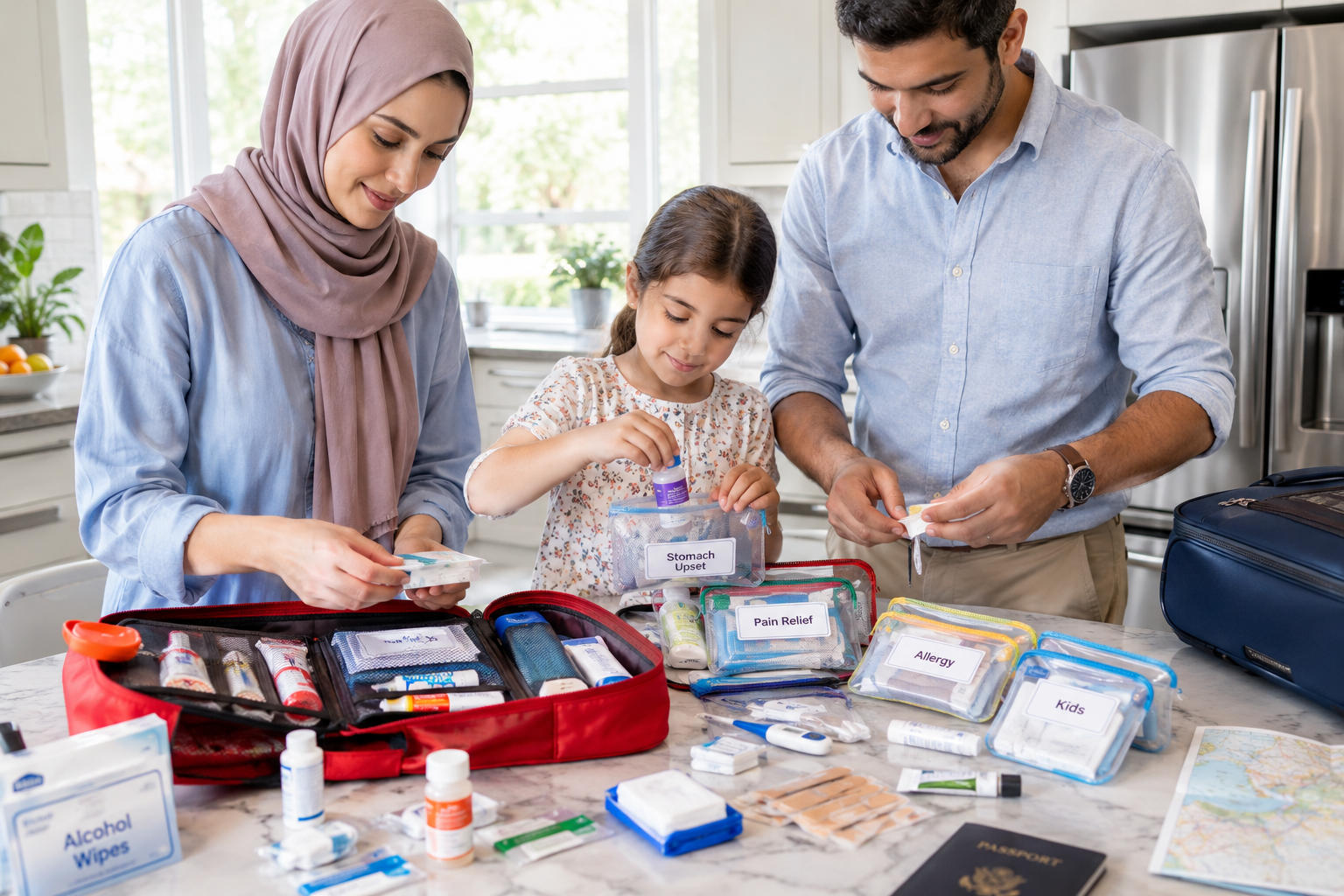
What digital tools help manage family health records on vacation?
Digital tools that help manage family health records on vacation include secure cloud storage services, dedicated medical ID apps, and your smartphone’s built-in emergency information features.
The American Red Cross offers a free Emergency app that provides weather alerts, shows open shelter locations, and gives safety steps for various emergencies.
The key is not just the tool, but configuring it for offline access. Instruct the writer to explain *how* to mark files in Google Drive or Dropbox for “Offline Access,” a critical step for situations without Wi-Fi.
Beyond general documents, a comprehensive understanding of Which medical paperwork is needed for a family vacation? is crucial to streamline healthcare access abroad.
3. How to choose the right travel insurance for family medical emergencies?
Choosing the right travel insurance for family medical emergencies requires scrutinizing policy details to ensure high coverage limits for emergency medical care, inclusion of medical evacuation, and specific provisions for pre-existing conditions.
What types of medical coverage should family travel insurance include?
Family travel insurance must include four essential types of medical coverage: emergency medical and dental treatment, emergency medical evacuation, repatriation of remains, and a 24/7 assistance hotline.
Many travel insurance policies offer medical evacuation coverage to transport you to an appropriate facility or back to the United States if needed, and repatriation benefits to cover the cost of returning home for continued care.
Advise the user to look for policies that offer “direct pay” to overseas hospitals. This is a crucial feature that prevents the family from having to pay thousands of dollars out-of-pocket and wait for reimbursement.
How do pre-existing conditions affect family medical emergency coverage?
Pre-existing conditions affect family medical emergency coverage by potentially invalidating the entire policy unless they are explicitly disclosed and covered, often through a specific waiver or rider.
Many insurance plans allow prescriptions to be refilled every 25-28 days; by refilling each prescription as early as possible over several months, you can build a surplus of medications.
The key to coverage is the “pre-existing condition exclusion waiver.” Explain that this waiver is often automatically included if the policy is purchased within a specific window (e.g., 14-21 days) of the initial trip deposit. This is an actionable, time-sensitive tip that provides immense value.
This foresight underscores why medical coverage is important for family travel, ensuring financial protection and peace of mind.
4. Which medical resources should families identify at their vacation destination?
Before arriving at their destination, families must identify key medical resources, including the location of the nearest reputable hospital or clinic, the local emergency phone number, and a 24-hour pharmacy.
How to find reputable doctors and hospitals in unfamiliar vacation areas?
To find reputable doctors and hospitals in unfamiliar vacation areas, you must leverage official and trusted sources, including your travel insurance provider’s network, the local U.S. Embassy’s list, and recommendations from organizations like IAMAT.
When traveling overseas, you should carry the contact information for the nearest U.S. Embassy or U.S. consulate with you, in both English and the local language.
Explain the hierarchy of trust. An insurance provider’s referral is often best because they may have direct billing arrangements. An embassy’s list is vetted for quality and language. A random online review is the least reliable source.
What local emergency contact numbers are vital for family safety?
The vital local emergency contact numbers for family safety are the single universal number for police, fire, and ambulance (like 112 in the EU or 911 in the US), the direct line to your travel insurance’s 24/7 assistance, and the address/number of your pre-researched hospital.
When traveling abroad, each country will have an equivalent emergency number to call for police, ambulance, or the fire department.
Many travelers don’t realize that “911” is not universal. Instruct the writer to point out specific common numbers (e.g., 112 for Europe, 999 for the UK, 000 for Australia) and to recommend the U.S. State Department’s country-specific pages as the definitive source for this information.
For more detailed guidance on what to do if a family member falls ill during your trip, including how to find doctors, hospitals, and pharmacies fast when sick on vacation, further research can streamline your response.
5. How to assemble an effective first-aid kit for family medical emergencies on vacation?
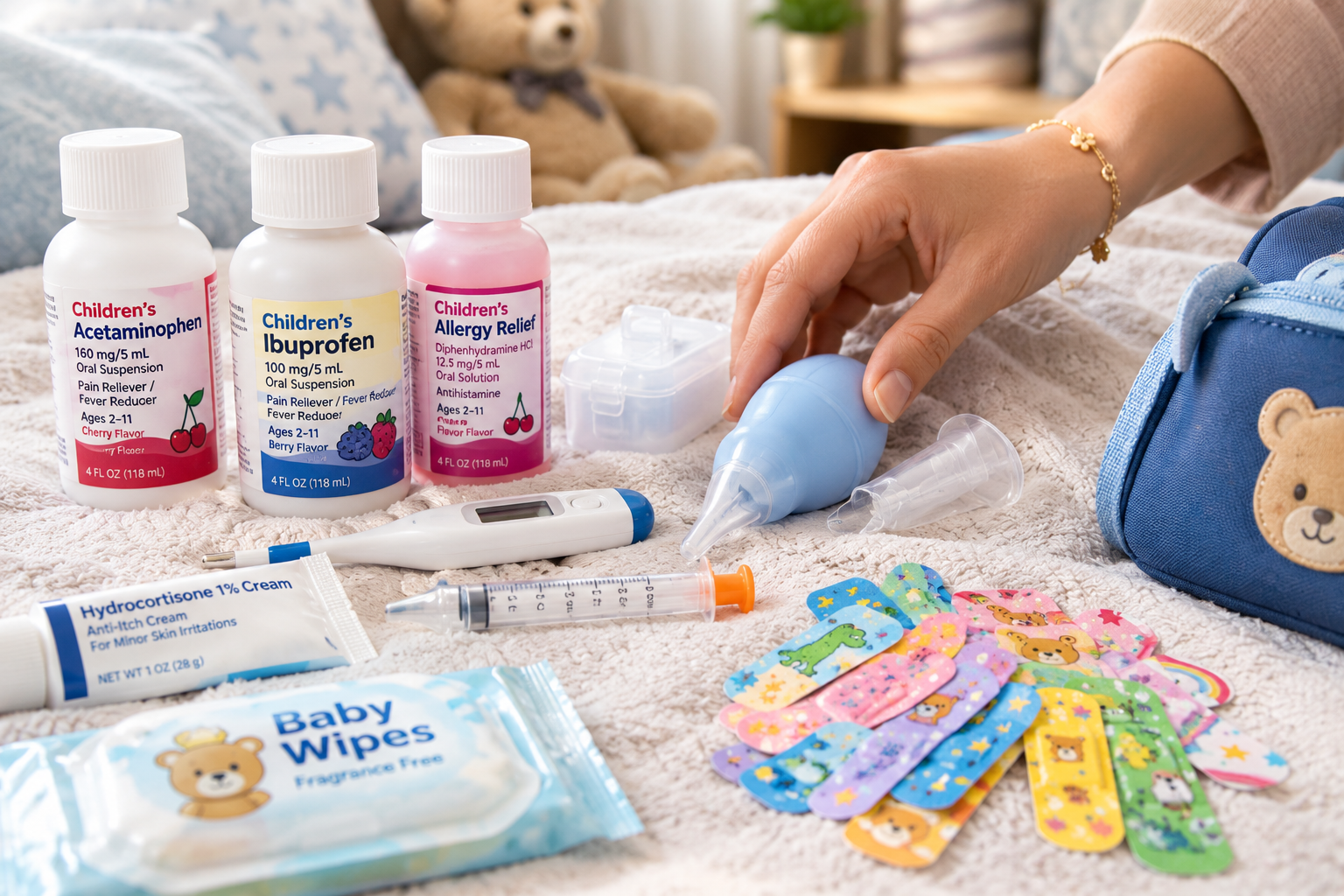
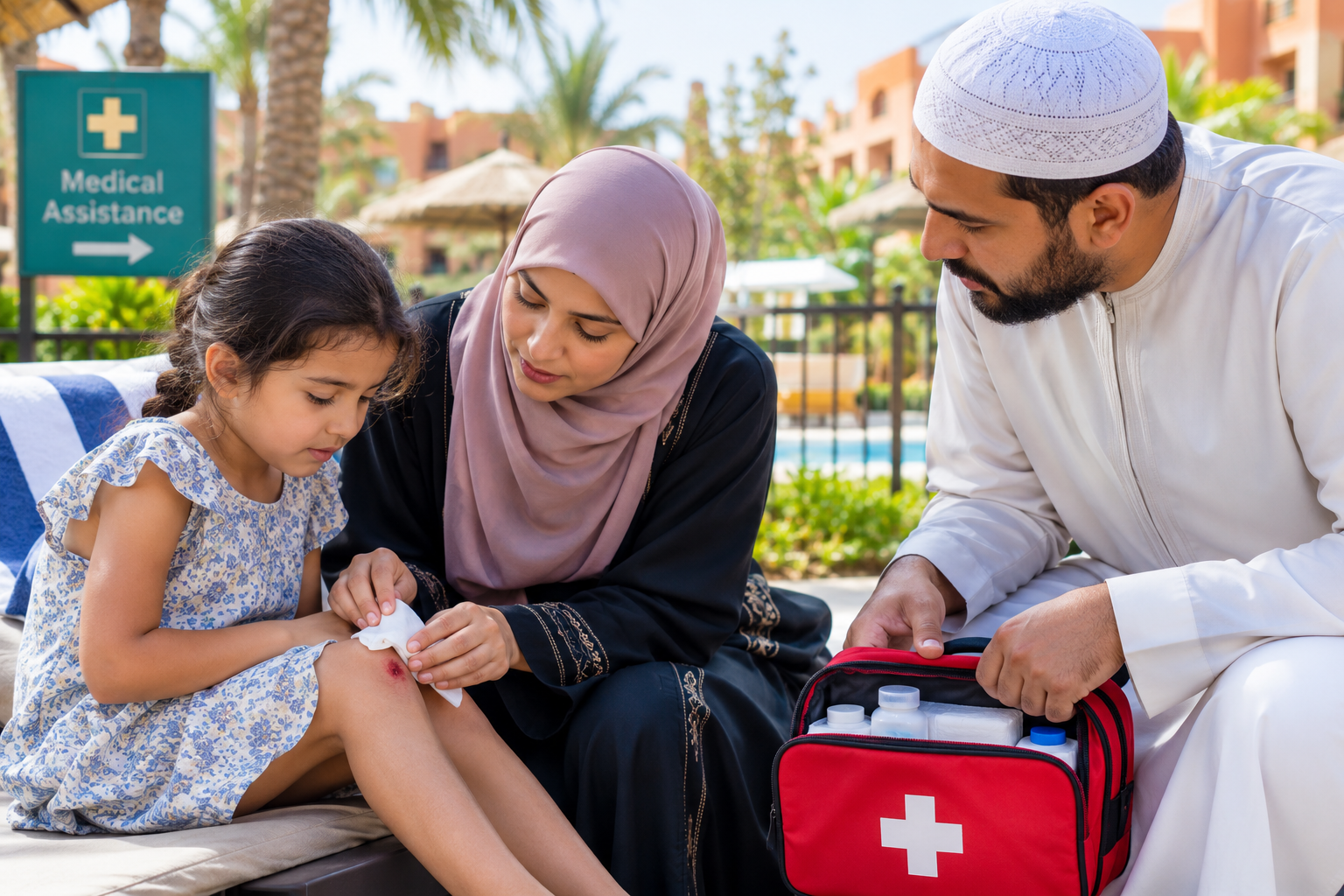
Assembling an effective first-aid kit for family medical emergencies on vacation involves starting with a pre-made kit and customizing it with child-specific medications, prescription drugs, and destination-appropriate supplies.
What specialized items should a family first-aid kit include for children?
A family first-aid kit must include specialized items for children, such as pediatric-dosed pain relievers and antihistamines, a reliable digital thermometer, and liquid medication dispensers like syringes or spoons.
An emergency kit should include items that can calm your child during a disaster, like toys or books, as well as water and a three-day supply of non-perishable food.
Explain the importance of checking medication ingredients, not just brand names. A brand name for an adult product in the U.S. might be used for a completely different formula or even a pediatric product abroad, creating a risk of incorrect medication or dosage.
How to pack and store medications safely for a family vacation?
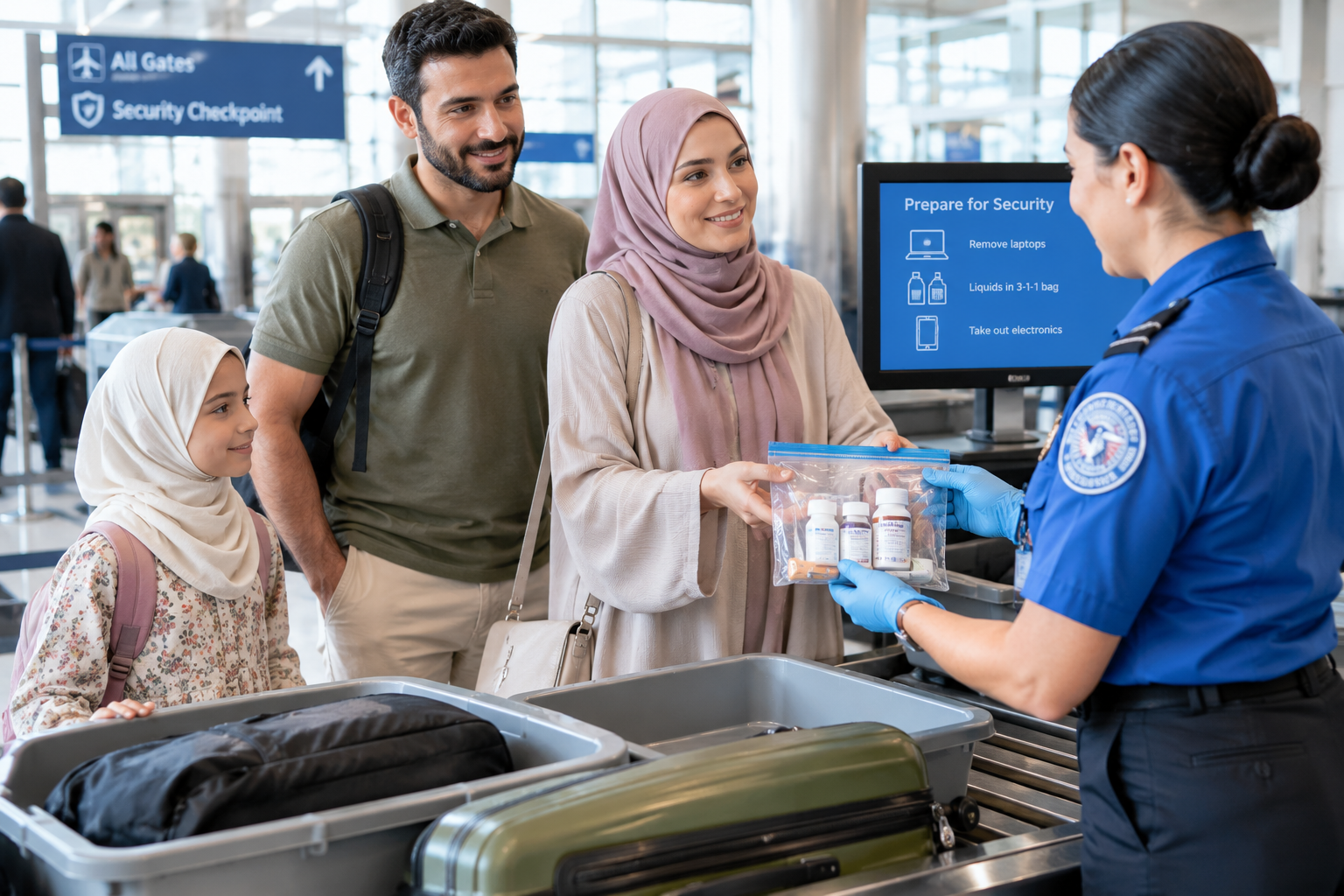
To pack and store medications safely for a family vacation, you must keep them in their original, labeled containers, carry them in your hand luggage, and have copies of the prescriptions for all controlled substances.
If carrying controlled substances or injectable medication, be sure to include a note on letterhead stationary from the prescribing physician.
Go beyond TSA. Warn readers about international laws. Some common medications in the U.S. (like certain ADHD drugs or even some sinus medications) are considered controlled substances and are illegal in other countries (e.g., Japan). This requires research and possibly a doctor’s note or official permission.
For a comprehensive guide, review What to include in a family vacation first-aid kit to ensure you have all necessary supplies for common travel ailments.
6. What steps should families take during a medical emergency on vacation?
During a medical emergency on vacation, families must first assess for immediate danger and provide basic first aid, then activate their emergency plan by contacting local services or their insurance provider.
How to communicate effectively with local medical professionals when language is a barrier?
To communicate effectively with local medical professionals despite a language barrier, you must use a combination of digital translation apps, your travel insurance’s 24/7 assistance line, and simple, universally understood gestures.
Before traveling, you should download translation apps that include medical terminology and bring translated copies of your medical history, current medications, and any allergies or chronic conditions.
The most effective technique is to use the translation app to ask the doctor to write down the diagnosis and treatment plan. Spoken translations can be flawed, but a written statement is clearer and provides a record you can re-translate later to confirm understanding.
When should you contact your travel insurance provider during a family medical crisis?
You should contact your travel insurance provider’s 24/7 emergency assistance line immediately after ensuring the patient is safe and any life-threatening issues have been addressed by local emergency services.
Many international healthcare providers expect upfront payment before treatment, which is different from the typical insurance billing process in the US.
Explain that calling the insurer early is not just for payment authorization; it’s a strategic move. Their assistance team can act as your logistical command center, coordinating with the hospital, arranging payment guarantees, providing translation, and even beginning to plan for medical evacuation if necessary. They are a resource, not just a payer.
7. How to prevent common mistakes when handling medical emergencies on family vacation?
Preventing common mistakes when handling medical emergencies on a family vacation requires avoiding assumptions, establishing clear communication protocols, and resisting the urge to delay seeking professional medical care.
What are the pitfalls of relying solely on local emergency services without prior research?
The primary pitfall of relying solely on local emergency services is that response times, quality of care, and transport destinations can be unpredictable and may not align with the standards you expect or your insurance requires.
When staying in hotels, it is recommended to choose places that have hard-wired smoke alarms and an automatic fire sprinkler system in each guest room.
Explain that in many destinations, an ambulance may take you to the nearest public hospital by default, which may not be the best facility or one that accepts your insurance. Prior research allows you to direct the response or choose a medical taxi to your preferred, pre-vetted hospital for non-critical issues.
How to avoid miscommunication with family members and medical staff during a crisis?
To avoid miscommunication during a crisis, you must pre-assign specific roles to each adult, use a single point of contact for medical staff, and maintain a written log of all symptoms, advice, and actions taken.
To ensure clear communication with healthcare providers overseas, you should have important health information written down in both English and the local language.
The ‘single point of contact’ rule is critical. Hospitals are chaotic. If multiple family members are asking the same questions to different nurses and doctors, it creates confusion and wastes time. Designating one person to be the sole communicator with staff is a professional strategy used by patient advocates.
This comprehensive approach is particularly vital when planning a special needs family vacation, where medical considerations are even more critical.
8. Logistics: Emergency Preparedness Checklist for Family Travel
| Checklist Item / Tactic | Status |
|---|---|
| Step 1: Assess and Plan | ⬜ |
| Step 2: Gather Information | ⬜ |
| Step 3: Secure Insurance | ⬜ |
| Step 4: Identify Local Resources | ⬜ |
| Step 5: Assemble First-Aid Kit | ⬜ |
| Step 6: Develop Response Protocol | ⬜ |
| Step 7: Avoid Common Mistakes | ⬜ |
Resolution
Ultimately, handling medical emergencies on a family vacation successfully hinges on a single principle: proactive preparation transforms fear into capability. This comprehensive strategy, encompassing informational research, financial insurance, and practical first-aid, ultimately creates peace of mind, allowing families to relax and fully enjoy their travels knowing they are prepared for any eventuality.
Sources
- https://www.redcross.org/about-us/news-and-events/news/2023/planning-a-vacation–make-an-emergency-plan-for-peace-of-mind.html
- https://medhelpclinics.com/post/travel-sickness-guide-2025-07-16
- https://www.bswhealth.com/blog/preparing-medical-emergencies-travel
- https://ciaobambino.com/international-travel-with-kids-emergency-preparedness-tips
- https://familyvoices.org/wp-content/uploads/2018/06/EmergencyDisasterPlanning_FamilyHandout.pdf