What activities are dangerous on a family vacation?
Table of Contents
Open-water swimming, renting mopeds or quad bikes, and unsupervised boating or whitewater rafting are among the most dangerous activities on a family vacation. Other high-consequence categories include unguided wilderness excursions, unmanaged interactions with wildlife, and participating in adventure sports with uncertified operators.
This guide is part of a larger resource dedicated to helping you plan your family vacation step by step, ensuring every aspect of your trip is considered for safety and enjoyment.
1. What defines dangerous activities on a family vacation?
Defining the most dangerous activities on a family vacation requires evaluating an activity’s inherent risks against the unique vulnerabilities introduced by children’s varying ages, skill levels, and cognitive development. A dangerous activity on a family vacation is one where the potential for severe harm significantly outweighs the family’s collective ability to mitigate the risks. This critical mismatch is often caused by an unfamiliar environment, lack of proper safety equipment, or insufficient adult supervision. Dangerous vacation activities are those where potential severe harm significantly exceeds a family’s risk mitigation capacity, especially due to unfamiliar environments, inadequate safety gear, or insufficient adult supervision. This mismatch often arises when children’s varying ages and skill levels introduce unique vulnerabilities.
The financial prudence of choosing a certified, slightly more expensive operator over a cheaper, unverified one is a critical component of risk assessment. The true cost of an activity must include the price of guaranteed safety standards to prevent catastrophic medical and financial outcomes from an accident.
Risk Homeostasis: The subconscious tendency for people to adjust their behavior in response to perceived safety, often becoming less vigilant when they feel more protected (e.g., relaxing supervision because a lifeguard is present), which can paradoxically increase overall risk.
Understanding this framework is the first step; the next is recognizing the specific environments that inherently create these vacation dangers for families. Understanding these potential dangers is crucial, and the next logical step is to learn practical strategies for how to keep kids safe on a family vacation.
How do unique family dynamics amplify vacation activity risks?
Unique family dynamics amplify vacation activity risks primarily through the wide variance in physical ability, cognitive understanding of danger, and attention spans among different-aged children. These dynamics create unpredictable safety challenges, as an activity safe for an older child or adult can be life-threatening for a toddler. This disparity demands a higher level of parental vigilance and planning than is typically required. Unique family dynamics, such as varying ages and skill levels among children, amplify vacation risks by creating unpredictable safety challenges. Activities safe for adults can be life-threatening for younger children, demanding significantly higher parental vigilance, planning, and tailored risk assessment for the entire group, addressing the specific challenges created by diverse family activity dynamics.
The ‘weakest link’ principle governs family adventure safety; the entire group’s safety is dictated by the capabilities and limitations of its youngest or least skilled member, a factor often overlooked in the excitement of planning. A parental survey conducted by the Center to Prevent Lost Children revealed that 90% of families have lost a child in a public place at least once.
What common categories of high-risk activities should families recognize?
The common categories of high-risk activities families should recognize are water sports, adventure sports, and wildlife encounters, each presenting a distinct danger profile. Categorizing these risks helps families anticipate specific types of hazards. For instance, water sports primarily involve drowning or impact risks, while adventure sports center on falls and equipment failure. Families should recognize water sports, adventure sports, and wildlife encounters as common categories of high-risk activities. Categorizing these helps anticipate specific hazards, such as drowning in water sports, falls in adventure sports, or unpredictable animal behaviors in wildlife encounters, enabling targeted risk mitigation. By exploring the specific risks of these categories, families can better prepare for their chosen adventures.
A key mistake is failing to differentiate between a ‘resort’ version of an activity (e.g., a hotel’s climbing wall) and its ‘wild’ counterpart (e.g., actual rock climbing). The former has controlled risks, while the latter has dynamic, unpredictable dangers. The single most common vacation-related cause of death for Americans is heart attacks, often resulting from the stress of travel mishaps like flight delays or lost luggage.
2. Why do specific environments and settings inherently create vacation dangers?
Specific environments and settings inherently create vacation dangers because their natural features—such as unpredictable water currents, rugged terrain, or dense crowds—introduce variables that are outside a family’s normal control and experience. Natural environments like oceans and wilderness areas pose physical threats, while urban settings can present logistical dangers like child separation or accidents. A family’s lack of local knowledge in these settings dramatically increases the potential for an incident. Specific environments inherently create vacation dangers because natural features like unpredictable currents or rugged terrain, or urban complexities like dense crowds, introduce variables beyond a family’s control. A lack of local knowledge in these settings significantly elevates the risk of incidents like physical harm or child separation.
The ‘vacation mindset’ often leads parents to lower their guard in beautiful but hazardous settings. A serene beach or a quiet trail can mask underlying dangers like rip currents or sudden weather changes that locals are aware of but tourists are not.
Situational Awareness: The active and continuous perception of environmental elements and events with respect to time or space, the comprehension of their meaning, and the projection of their status in the near future. It is a critical skill for parents in unfamiliar vacation settings.
Recognizing these environmental dangers is crucial, which leads to the next critical question: how can families effectively assess the true risk of any activity they consider?
When selecting your travel location, a crucial initial step is determining if it aligns with your family’s needs and safety expectations, beginning with how to define a family-friendly vacation destination.
How do natural water environments pose unique risks for children?
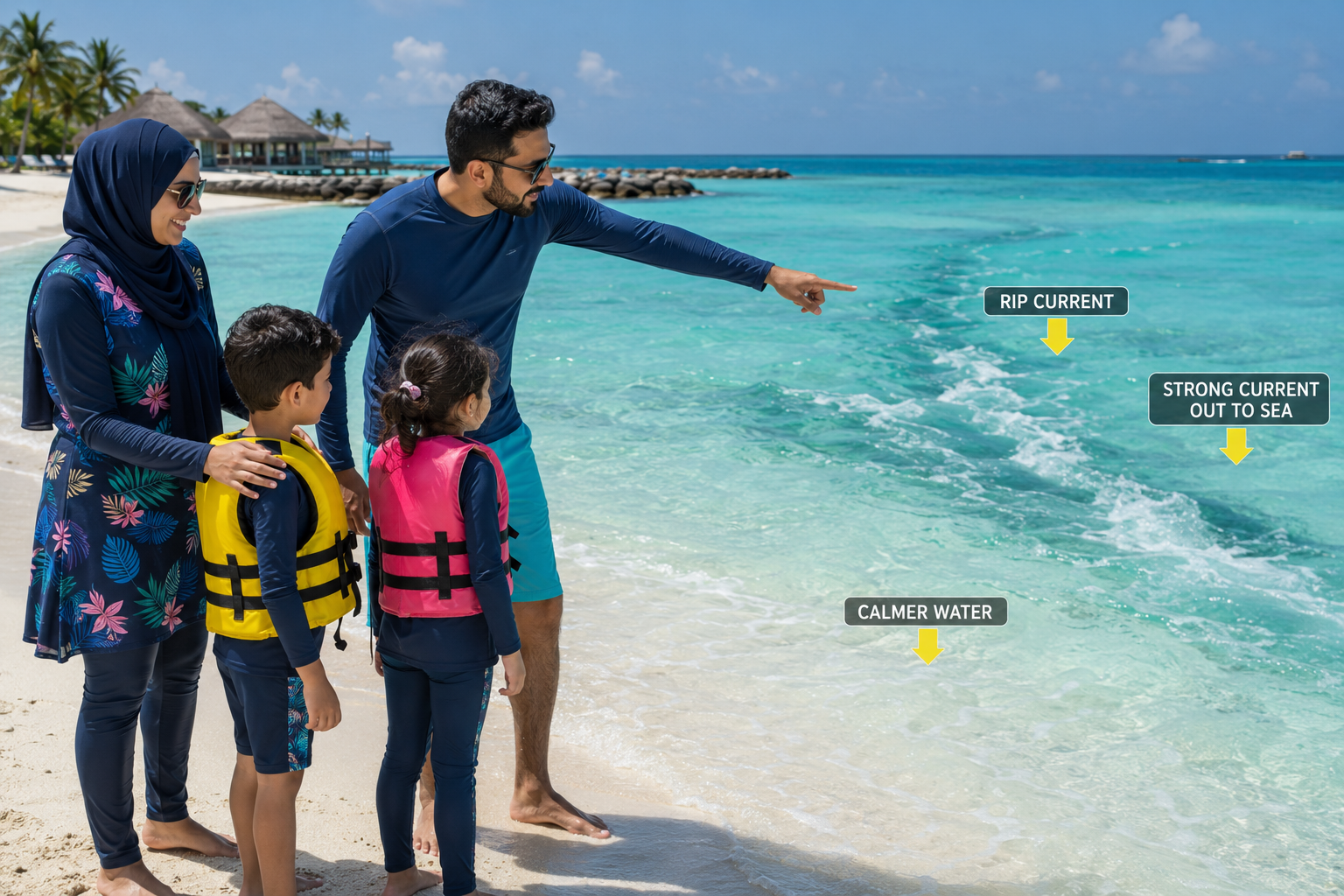
Natural water environments pose unique risks for children due to unpredictable currents, sudden changes in depth, and unseen marine life, all of which are absent in a controlled pool setting. Unlike pools, these environments require constant, active supervision and strong swimming skills, as dangers like rip currents or undertows can overpower a child in seconds. Local knowledge is critical to identifying these non-obvious hazards. Natural water environments pose unique risks for children due to unpredictable currents, varying depths, and unseen marine life, unlike controlled pools. These settings demand constant, active supervision and strong swimming skills, as hazards like rip currents can quickly overpower a child, necessitating critical local knowledge to understand specific dangers of natural water environments.
A child’s perception of water danger is poor; they cannot visually distinguish a dangerous rip current from a safe, wavy area. This cognitive gap places the full burden of identification and avoidance on the supervising adult. Each year in the U.S., about ten people per day die from drowning, and even nonfatal drowning incidents can lead to long-term disabilities.
What specific wilderness and adventure terrains present significant hazards?
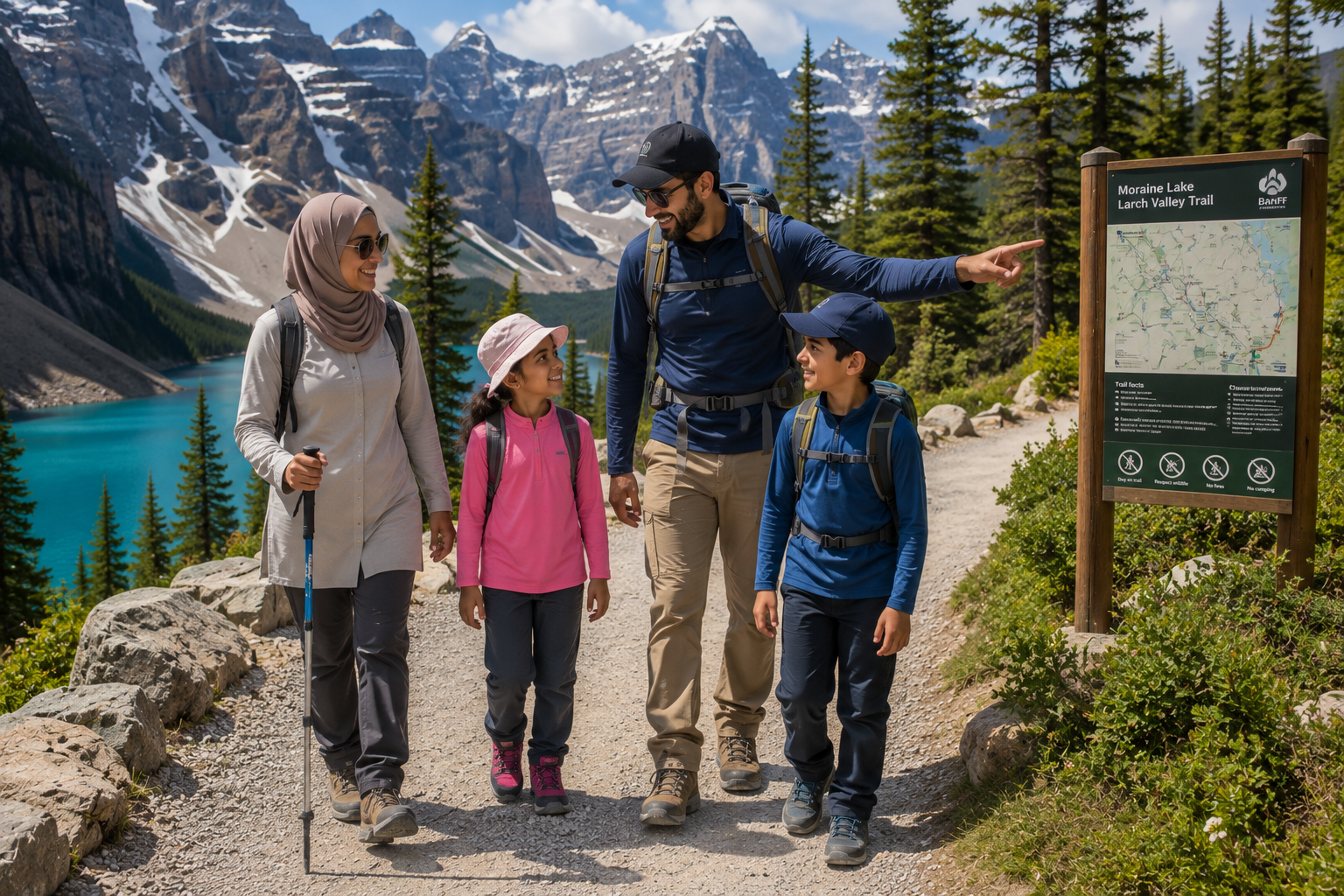
Specific wilderness and adventure terrains like mountains, jungles, or deserts present significant hazards through uneven ground, potential for extreme weather shifts, and physical isolation. These factors dramatically increase the chances of falls, exposure-related illnesses like hypothermia or heatstroke, or becoming lost. The absence of quick access to emergency services is a defining risk of these terrains. Wilderness and adventure terrains like mountains, jungles, or deserts present significant hazards through uneven ground, extreme weather shifts, and physical isolation. These increase risks of falls, exposure illnesses, or getting lost, crucially compounded by the absence of quick access to emergency services, making incidents more severe.
Families often misjudge trail difficulty ratings. A ‘moderate’ rating is typically for an experienced adult hiker; for a family with young children carrying gear, that same trail can become ‘strenuous’ and hazardous. Road traffic injuries are the leading cause of non-natural deaths for U.S. travelers in foreign countries, highlighting the risks of navigating unfamiliar road conditions often found in or near wilderness areas.
Author’s Experience
“Leading a family hike in the Alps, a sudden fog dropped visibility to zero. Trail markers vanished. This reminded me that even experienced travelers can be caught off guard. It cemented my respect for unpredictable mountain conditions and the critical need for local expertise and emergency preparedness.”
Which urban or cultural excursions might unexpectedly become dangerous?
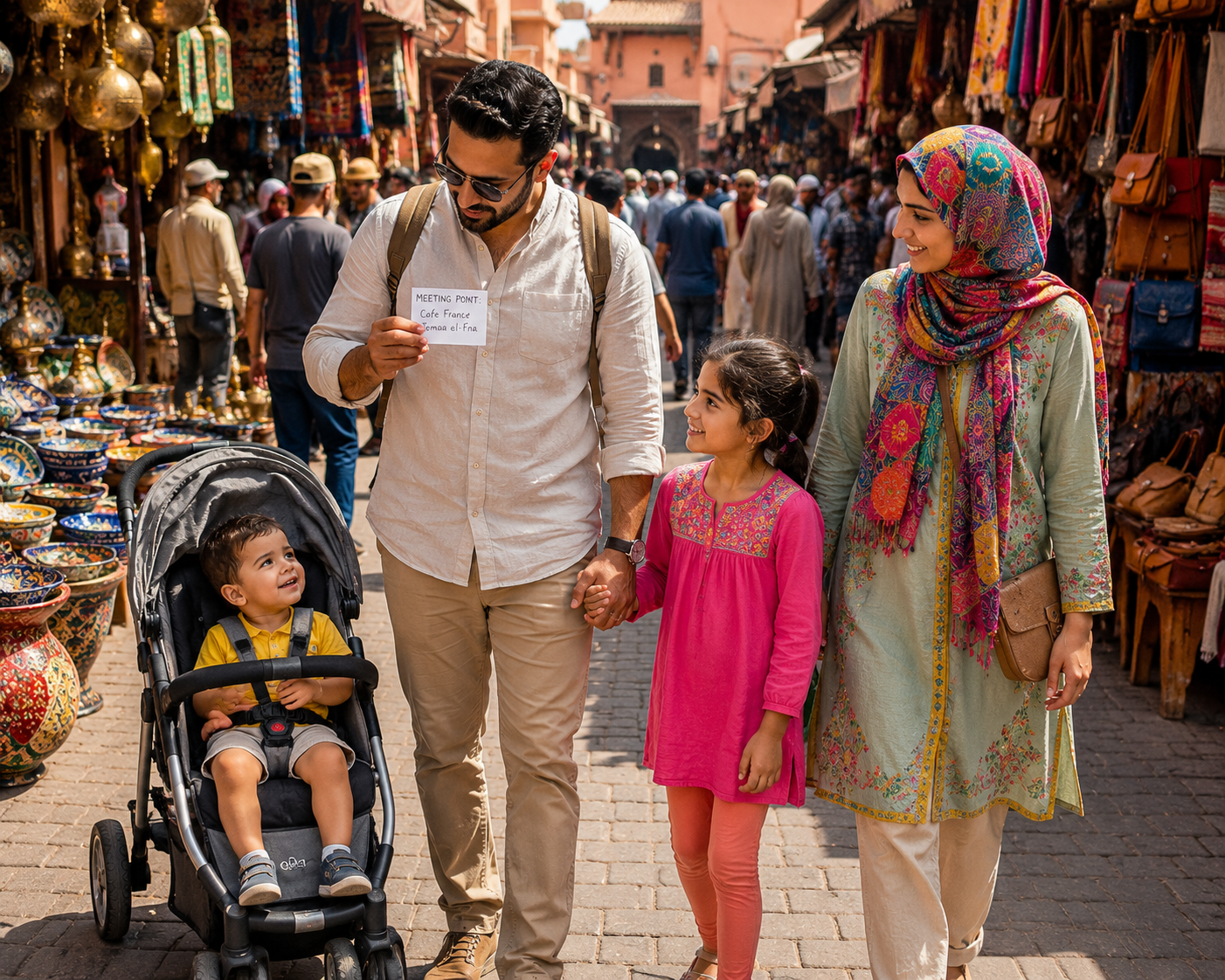
Urban or cultural excursions might unexpectedly become dangerous for families in crowded public spaces like markets, during interactions with unfamiliar traffic patterns, or by unknowingly entering areas with high crime rates or political instability. The primary risks in these settings are child separation, pedestrian accidents, and exposure to petty crime like pickpocketing. The chaos of a bustling environment can quickly overwhelm a parent’s ability to supervise multiple children effectively. Urban or cultural excursions can unexpectedly become dangerous in crowded spaces due to risks like child separation, pedestrian accidents, or petty crime. Bustling environments easily overwhelm parental supervision, especially with multiple children, underscoring the need for heightened vigilance beyond natural adventure settings, requiring specific tips for navigating urban excursion dangers.
The risk of child separation is highest during ‘transition points’—getting on or off public transport, entering or exiting a crowded venue, or navigating a busy intersection. These moments require a specific, pre-planned supervision strategy. Vacationers are frequent crime victims, and families should check the U.S. Department of State’s Travel Advisories before traveling abroad to understand the risk level of their destination.
3. How can families effectively assess the true risk of proposed vacation activities?
Families can effectively assess the true risk of proposed vacation activities by using a structured decision matrix that systematically evaluates factors like equipment requirements, supervision needs, and operator certification against their family’s specific age and skill profile. This assessment process moves beyond a simple ‘is it safe?’ question to a more nuanced evaluation of ‘is it safe *for us*?’. The key is to objectively compare the activity’s demands with the family’s capabilities before committing financially or emotionally. Families can effectively assess vacation activity risks by using a structured decision matrix that compares an activity’s demands, like equipment or supervision needs, against their family’s specific age and skill profile. This moves beyond ‘is it safe?’ to ‘is it safe *for us*?’, informing objective, pre-commitment choices.
A critical but often overlooked assessment factor is ‘Emergency Access.’ An activity’s risk level escalates dramatically if medical help is hours away versus minutes away, a crucial consideration for families with children who have medical conditions like asthma or allergies.
Operator Certification: A formal credential awarded by a governing body (e.g., PADI for diving, ACA for canoeing) that verifies an outfitter has met specific safety, training, and equipment standards. It is a key indicator of a professional and trustworthy operation.
Using this assessment framework helps identify risks, leading to the next logical step: deciding which specific activities to avoid entirely or modify for safety.
What critical factors influence an activity’s safety for varying family age groups?
The critical factors that influence an activity’s safety for varying family age groups are physical strength, cognitive ability to understand and follow safety rules, and emotional maturity to handle fear or stress. For toddlers and young children, the primary factor is the need for passive safety measures and constant direct supervision. For teenagers, the factor shifts to their judgment and propensity for risk-taking, requiring clear rules and consequences. An activity’s safety for varying family age groups is critically influenced by a child’s physical strength, cognitive ability to follow rules, and emotional maturity. Toddlers need constant supervision, while teenagers require clear rules to manage their judgment and risk-taking, demanding age-specific safety approaches.
The ‘pester power’ of a younger child wanting to do what an older sibling does is a significant source of risk. The parent’s role is to act as the objective arbiter, resisting emotional pressure and enforcing age-appropriate boundaries for safety. Any child who will travel outside the United States before 12-15 months of age should receive the MMR vaccine as early as six months of age.
How do operator credentials and equipment quality directly impact activity safety?
Operator credentials and equipment quality directly impact activity safety by providing a verifiable, external layer of risk management that compensates for a family’s lack of local expertise and technical skill. A certified operator guarantees that guides are trained in first aid and rescue, and that equipment (like rafts, harnesses, or helmets) is professionally maintained and inspected. This system of standards is designed to prevent equipment failure and ensure a competent response in an emergency. Operator credentials and equipment quality directly impact activity safety by providing verifiable risk management. Certified operators ensure guides are trained in first aid and rescue, and equipment is professionally maintained, preventing failures and guaranteeing competent emergency responses, compensating for a family’s lack of expertise and demonstrating the vital impact of operator credentials and equipment on overall safety.
The presence of robust, well-maintained equipment and professional credentials serves as a powerful ‘fear-reducer’ for parents and children alike. This psychological comfort allows the family to enjoy the activity more fully, representing a significant ‘value-add’ beyond just physical safety. A Consumer Reports investigation found that most rental car seats provided by major car rental companies were missing their owner’s manuals and many had missing parts, compromising their safety.
4. Which specific activities should families prioritize avoiding or modifying for safety?
Families should prioritize avoiding or modifying specific high-risk activities where the potential for a catastrophic failure is high and not easily mitigated by parental supervision alone, such as unsupervised open-water swimming or extreme adventure sports. The goal is to substitute high-consequence, low-control activities with safer alternatives that provide a similar thrill but within a managed-risk environment. This often involves choosing guided tours over self-guided excursions or selecting venues with professional safety oversight. Families should prioritize avoiding or modifying high-consequence activities like unsupervised open-water swimming or extreme adventure sports where parental supervision alone cannot mitigate risk. The goal is to substitute these with safer alternatives or professionally guided options that offer similar thrills within a managed-risk environment.
The key is not to eliminate adventure, but to ‘re-engineer’ it for a family context. This means deconstructing a high-risk activity (like backcountry hiking) into its safer components (enjoying nature, physical challenge) and finding a lower-risk way to achieve them (a guided day hike on a popular trail).
Managed-Risk Environment: A location or activity (like a resort ski slope or a professionally operated zipline course) where inherent dangers have been systematically identified, controlled, and mitigated through engineering, rules, and professional staffing.
After wisely choosing which activities to avoid or modify, the next step is to implement practical safety measures both before you leave and on-site.
When should families absolutely reconsider or cancel planned adventure sports?
Families should absolutely reconsider or cancel planned adventure sports when there is a last-minute negative change in environmental conditions, when safety equipment is visibly worn or ill-fitting, or if the safety briefing is rushed, unclear, or unprofessional. These factors indicate that the margin for safety has been compromised. Trusting your parental intuition—if something feels unsafe, it likely is—is a critical final check before proceeding. Families should absolutely reconsider or cancel planned adventure sports when environmental conditions negatively change, safety equipment is visibly worn, or safety briefings are rushed/unprofessional. These factors signal compromised safety margins, making parental intuition a crucial final determinant before proceeding.
Sunk cost fallacy—the reluctance to pull out of an activity because money has already been spent—is a major psychological trap for parents. The financially savvy decision is to forfeit the ticket price to avoid the potentially astronomical cost of a medical emergency. Nearly 9 in 10 people have concerns about travel safety, validating the feeling that it is okay to cancel an activity if it feels unsafe.
How can potentially dangerous wildlife encounters be safely managed or circumvented?
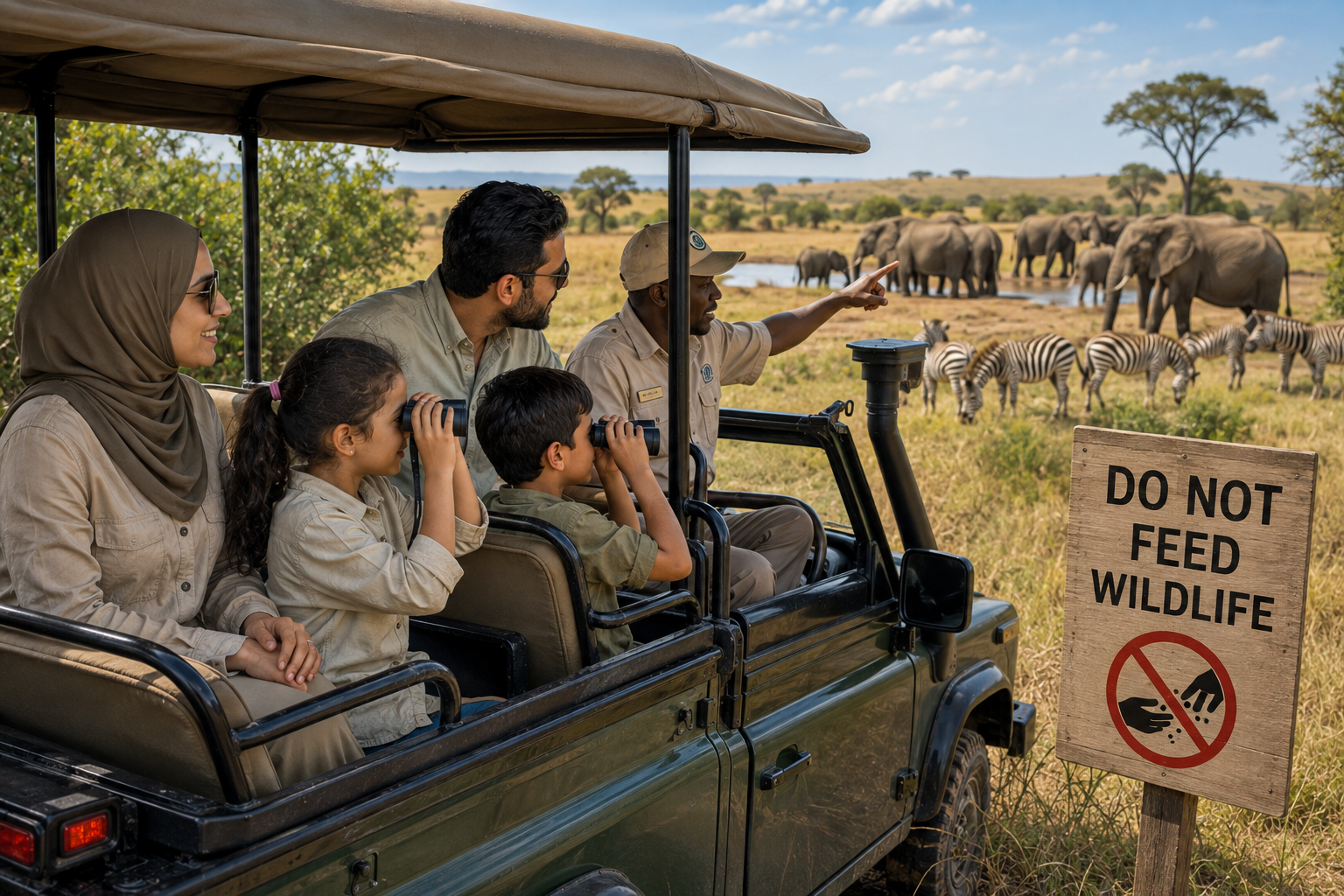
Potentially dangerous wildlife encounters can be safely managed or circumvented by maintaining a respectful distance, never feeding wild animals, and securing all food and trash at campsites or picnic areas. The safest way to view wildlife is from within a vehicle or with a professional guide who understands animal behavior. The goal is to observe without interacting, as interaction introduces unpredictability and risk of attack or disease transmission. Dangerous wildlife encounters can be safely managed by maintaining distance, never feeding animals, and securing food. The safest viewing is from a vehicle or with a professional guide who understands animal behavior. Observing without interaction is key, as interaction introduces unpredictability and risks of attack or disease, which emphasizes the need to properly learn how to safely manage wildlife encounters.
Many seemingly ‘tame’ animals in tourist areas have lost their natural fear of humans due to illegal feeding, making them more aggressive and unpredictable than their truly wild counterparts. This is a hidden danger in popular national parks and beach towns. To prevent tick-borne illnesses like Lyme disease when in wilderness areas, the Environmental Protection Agency (EPA) recommends using an insect repellent containing 20-30% DEET.
5. What practical steps can families implement to mitigate activity dangers before and during a vacation?
Families can implement practical steps to mitigate activity dangers by dividing their safety strategy into two phases: thorough pre-trip planning and diligent on-site execution. Pre-trip planning involves research, securing insurance, and packing appropriate gear. On-site execution focuses on real-time checks like attending safety briefings, inspecting equipment, and maintaining active supervision. Families can mitigate activity dangers by implementing a two-phase safety strategy: thorough pre-trip planning and diligent on-site execution. Planning includes research, insurance, and gear. Execution involves real-time checks like safety briefings, equipment inspection, and active supervision, creating a comprehensive safety net.
Create a ‘Family Safety Pact’ before the trip where everyone, including older children, agrees on the core safety rules (e.g., ‘always wear a life vest,’ ‘stay within sight of an adult’). This creates shared accountability and makes it easier for parents to enforce rules on-site without arguments.
Travel Insurance Rider: A specific amendment or addition to a standard travel insurance policy that extends coverage to include injuries sustained during activities defined as “adventure sports” (e.g., ziplining, rafting), which are often excluded from basic policies.
While this checklist provides the essential framework for safety, its effectiveness depends entirely on the consistent and responsible supervision from adults during all activities.
One of the most critical aspects of pre-trip planning for safety is securing adequate coverage; understanding how to plan travel insurance for a family vacation can provide essential peace of mind.
Beyond safety essentials, thoughtful preparation extends to all your belongings; for comprehensive guidance, consider exploring how to plan what to pack for a family vacation.
How should families effectively prepare children for participation in potentially dangerous activities?
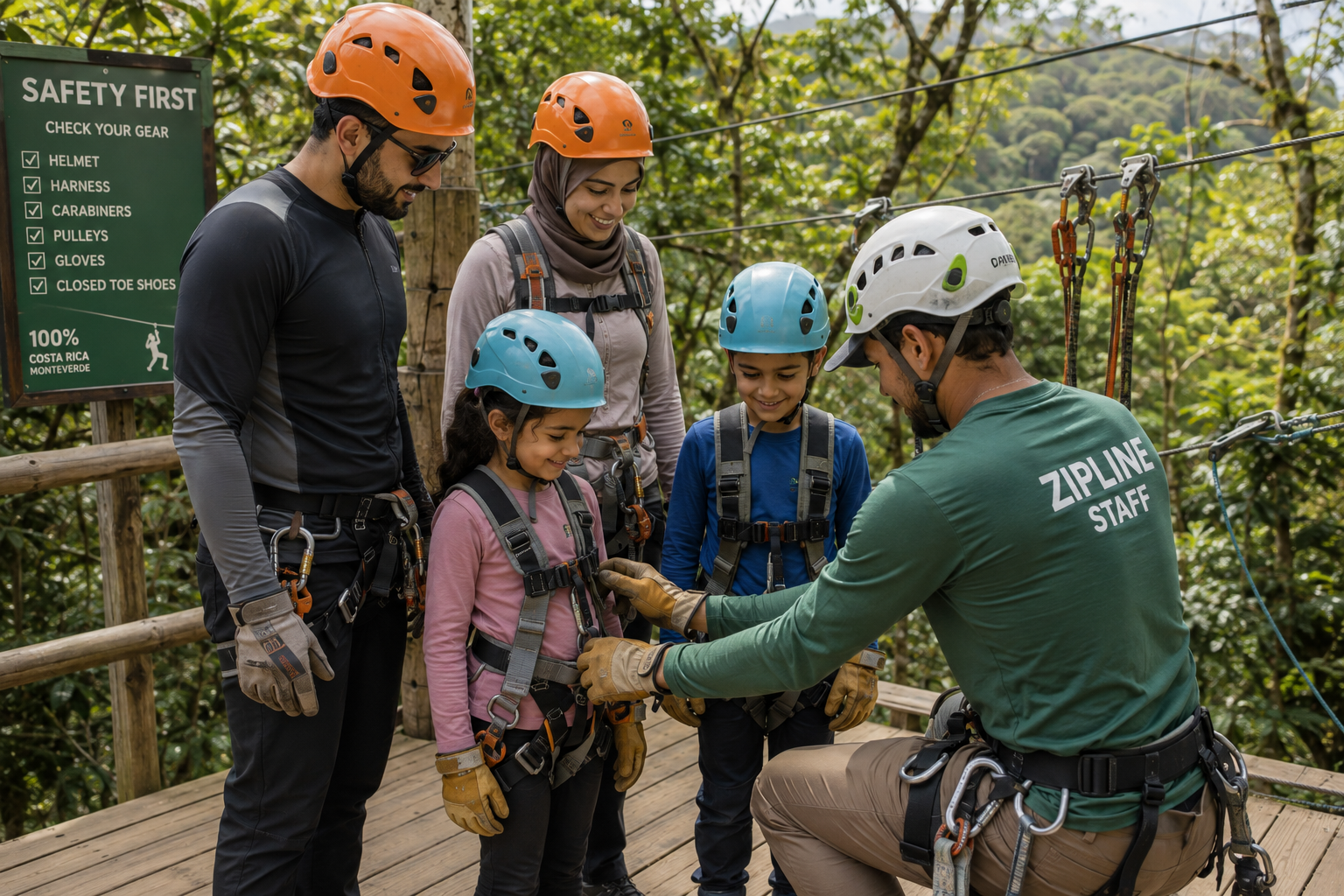
Families should effectively prepare children for participation in potentially dangerous activities by having clear, age-appropriate conversations about the rules, practicing with equipment beforehand, and establishing a ‘stop’ signal the child can use if they feel scared or unsafe. This preparation transforms the child from a passive participant into an active partner in their own safety. It reduces fear of the unknown and makes them more likely to follow instructions from parents and guides during the actual activity. Families should prepare children for potentially dangerous activities through age-appropriate conversations about rules, equipment practice, and establishing a ‘stop’ signal. This transforms children into active safety partners, reducing fear and increasing adherence to instructions from parents and guides during the activity, emphasizing the importance of actively preparing children for safe activity participation.
The concept of a ‘challenge by choice’ is a powerful tool. Explain to the child that the activity is a challenge they can choose to take on, but also give them a clear, shame-free option to opt-out at any point, which paradoxically makes them feel more in control and confident to try. It only takes two minutes of submersion for a child to lose consciousness and four to six minutes for a child to suffer irreversible brain damage, underscoring the critical need for preparation.
What essential safety gear and skills are necessary for high-risk vacation activities?
The essential safety gear necessary for high-risk vacation activities includes properly-fitting personal flotation devices (PFDs) for water sports, helmets and harnesses for climbing or ziplining, and basic first-aid supplies for any remote excursion. Beyond gear, essential skills include the ability for all family members to swim competently for water-based tours and for adults to have basic first-aid and CPR knowledge. This combination of proper gear and foundational skills forms a comprehensive safety net. Essential safety gear for high-risk activities includes properly-fitting personal flotation devices (PFDs), helmets, harnesses, and a first-aid kit. Complementary skills like competent swimming for water activities and adult basic first-aid/CPR knowledge are crucial, forming a comprehensive and effective family safety net.
Renting gear is convenient, but for children, owning a properly-sized and fitted PFD or helmet can be a safer investment. Rental gear is often ‘one-size-fits-most’ and may not provide optimal protection for smaller children, creating a critical safety gap. For children under the age of 3 years, insect repellent products containing oil of lemon eucalyptus (OLE) or para-menthane-diol (PMD) should not be used.
As you prepare your essential safety gear, remember the importance of a well-stocked first-aid kit; learning what to include in a family vacation first-aid kit can be a lifesaver.
6. How can families ensure consistently responsible supervision during all vacation activities?
Families can ensure consistently responsible supervision during all vacation activities by implementing formal strategies like the ‘Water Watcher’ system, eliminating distractions, and strictly adhering to appropriate adult-to-child ratios for the given environment. Responsible supervision is an active, not passive, task. It requires designated, undistracted adults whose sole focus is observing the children, particularly in or near water or in crowded spaces. Families ensure consistently responsible supervision by implementing formal strategies like a ‘Water Watcher’ system, eliminating distractions, and adhering to appropriate adult-to-child ratios. This means designated, undistracted adults actively focus on observing children, especially in water or crowded environments, making supervision an active task.
The most dangerous moments are often during ‘perceived downtime’ when parents relax because the main activity is over (e.g., packing up at the beach). Maintaining a formal supervision system until the family is completely clear of the hazardous environment is critical.
Water Watcher Tag: A physical object (like a lanyard or wristband) passed between supervising adults. The person holding the tag is designated as the sole, undistracted supervisor responsible for watching children in the water, a system proven to prevent drownings.
Mastering these supervision strategies is the best way to prevent incidents, but it’s also wise to understand the common mistakes other families make that increase risk.
What strategies optimize adult-to-child ratios in various high-risk environments?
Strategies to optimize adult-to-child ratios in high-risk environments involve assigning a one-on-one “buddy system” for non-swimmers in water and ensuring at least two adults are present for any remote wilderness activity, with one to stay with the children while the other seeks help. For open water, a 1:1 ratio for any child who is not a strong swimmer is the gold standard. In wilderness settings, the ratio should allow for one adult to manage the children while another can handle an emergency or navigation. Optimizing adult-to-child ratios in high-risk environments means a 1:1 “buddy system” for non-swimmers in open water, and at least two adults for remote wilderness activities (one to supervise children, one for emergencies). The ideal ratio depends on environment risk and child capabilities, prioritizing safety over numbers.
The optimal ratio is not just about numbers; it’s about capability. One highly-attentive, physically capable adult is more effective than two distracted or physically limited ones. The ‘quality’ of supervision is as important as the quantity. The American Academy of Pediatrics (AAP) recommends swim lessons as early as age 1 as one part of a multi-layered strategy to reduce drowning risk, acknowledging that skill level impacts supervision needs.
When is professional guidance or certified supervision absolutely essential for family safety?
Professional guidance or certified supervision is absolutely essential for family safety during activities that require specialized technical skills, intricate local knowledge, or specific life-saving equipment that a family does not possess. This includes activities like white-water rafting, canyoneering, backcountry skiing, or any excursion into a challenging environment known for unpredictable conditions. The guide’s fee is an investment in risk mitigation. Professional guidance or certified supervision is absolutely essential for family safety in activities requiring specialized technical skills, intricate local knowledge, or specific life-saving equipment that families lack. Examples include white-water rafting, canyoneering, or backcountry skiing, where a guide’s fee is a critical investment in risk mitigation.
A professional guide’s primary role is not just to lead the way, but to be the objective ‘risk manager.’ They are paid to say ‘no’ when conditions are unsafe, overriding the family’s potential disappointment and preventing them from making a dangerous decision. Up to 79 percent of travelers to developing countries experience a health issue during their trip, highlighting the necessity of professional medical guidance and potentially guided excursions to mitigate health risks.
7. What common mistakes do families make that inadvertently increase vacation activity risks?
The most common mistakes families make that inadvertently increase vacation activity risks stem from overconfidence, a lack of thorough preparation, and succumbing to psychological pressures like “fear of missing out” (FOMO). These mistakes lead to underestimating environmental dangers, neglecting to verify operator credentials, and pushing children beyond their physical or emotional limits. These are unforced errors that can be prevented with a disciplined, safety-first mindset. Common mistakes increasing vacation activity risks include overconfidence, insufficient preparation, and succumbing to “fear of missing out.” These lead to underestimating dangers, neglecting credential verification, and pushing children too far. Such unforced errors can be prevented with a disciplined, safety-first mindset, ensuring a safer family experience.
A frequent mistake is a ‘division of labor’ failure, where one parent assumes the other is supervising, resulting in a dangerous gap where no one is actively watching the children. This highlights the need for explicit communication and designated roles.
Normalcy Bias: A cognitive bias that leads people to disbelieve or minimize threat warnings. On vacation, this manifests as thinking ‘it won’t happen to us,’ causing families to ignore safety briefings or warning signs.
Avoiding these common mistakes is the final piece of the puzzle in building a safe and memorable family vacation experience.
How does overconfidence or a lack of thorough preparation lead to avoidable accidents?
Overconfidence or a lack of thorough preparation leads to avoidable accidents by creating a fatal gap between perceived risk and actual risk. An overconfident parent may feel their swimming ability is sufficient to protect a child in a rip current, while a lack of preparation means a family arrives at a trailhead without enough water or a first-aid kit. Both scenarios manufacture danger where it could have been easily avoided. Overconfidence or a lack of thorough preparation leads to avoidable accidents by creating a dangerous gap between perceived and actual risk. Examples include a parent overestimating their ability to handle a rip current or a family being unprepared for a hike, manufacturing easily preventable dangers.
The ‘expert halo’ effect is a key danger. A parent who is an expert in one domain (e.g., a marathon runner) may be overconfident in their ability to handle another (e.g., high-altitude hiking), failing to prepare for the unique challenges of the new environment. A C.S. Mott Children’s Hospital poll found that 15% of parents did not consistently use a car seat for their toddler on a recent trip, with most lapses occurring in taxis or ride-shares—a clear failure of preparation.
What role does peer pressure or “FOMO” play in making risky activity choices?
Peer pressure or “fear of missing out” (FOMO) plays the role of an emotional override, compelling parents to make risky activity choices that conflict with their rational judgment in order to get a shareable photo or keep up with another family. This external pressure can cause parents to ignore their children’s genuine fear, select an activity that is age-inappropriate, or use an unvetted operator simply because they are popular on social media. It substitutes external validation for internal, responsible decision-making. Peer pressure or “FOMO” acts as an emotional override, compelling parents to make risky activity choices that conflict with rational judgment. This external pressure can lead to ignoring children’s fears, selecting age-inappropriate activities, or using unvetted operators for social validation instead of responsible, safety-first decision-making.
FOMO is a powerful financial drain and safety risk. It encourages spending on trendy, often crowded, and potentially unsafe activities over more unique, safer experiences. A parent’s primary duty is to be the ‘Chief Safety Officer’ for their family, a role that must supersede the desire to be a ‘social media influencer.’ The average vacation cost for a family of four is $4,580, a figure that can be inflated by the pressure to book trendy, ‘must-do’ activities seen on social media.
8. Checklist: Pre-Activity and On-Site Safety Measures for Families
| Checklist Item / Tactic | Status |
|---|---|
| Pre-Trip Planning: Verify operator licenses and insurance online before booking. | ⬜ |
| Pre-Trip Planning: Research local safety advisories and environmental risks for your destination. | ⬜ |
| Pre-Trip Planning: Pack essential safety gear, including first-aid kits, appropriate clothing, and properly fitted PFDs or helmets. | ⬜ |
| On-Site Execution: Attend all safety briefings and ask questions to clarify any doubts. | ⬜ |
| On-Site Execution: Inspect all rented or provided equipment (harnesses, helmets, boats) for visible wear or damage before use. | ⬜ |
| On-Site Execution: Implement a “Water Watcher” system for water activities, ensuring one adult is always actively supervising children. | ⬜ |
| On-Site Execution: Maintain appropriate adult-to-child ratios, adjusting based on activity risk and child’s age/skill level. | ⬜ |
| On-Site Execution: Establish family meeting points and communication protocols for crowded urban areas or large venues. | ⬜ |
| On-Site Execution: Trust your parental intuition; if an activity feels unsafe, do not hesitate to cancel or modify it, regardless of sunk costs. | ⬜ |
Sources
Resolution
Ultimately, identifying and mitigating dangerous activities on a family vacation is not about eliminating all risk, but about engaging in a disciplined process of risk management. This process involves diligent research, honest assessment of your family’s capabilities, investment in certified professionals, and unwavering, active supervision. By transforming unknown hazards into known and managed risks, you ensure that adventure and safety can coexist. Identifying and mitigating dangerous activities for a safe family vacation involves a disciplined risk management process. This includes diligent research, honest family capability assessment, investment in certified professionals, and unwavering, active supervision, transforming unknown hazards into managed risks where adventure and safety harmoniously coexist.
The safest family vacation is the one that is most intentionally planned. Every safety measure taken before and during a trip is a direct deposit into a ‘peace of mind’ bank, allowing you to relax more fully and be present with your family, which is the ultimate goal of any vacation.
By becoming a proactive architect of your family’s safety, you create the freedom to build a lifetime of happy and adventurous memories.