How to Keep Kids Safe on a Family Vacation
Table of Contents
Planning for safety ahead of time is the best way to turn travel worries into confidence, giving your family a much more enjoyable vacation.
When you think about common travel dangers early on, from scraped knees to upset stomachs, you stop small problems from ruining your trip. Having a solid plan means that if something unexpected happens, you can handle it calmly instead of panicking. To really nail this down, it helps to read up on how to build a complete family vacation plan step by step before you leave.
Content last verified and updated: August, 2026
1. Why is planning for your kid’s safety so important on vacation?
Planning for your kid’s safety on vacation is important because it takes away your stress and lets you actually relax and enjoy the trip.
By thinking ahead about common travel hiccups—like minor accidents or sudden health issues—you are basically building a safety net. This means if something does go wrong, you already know what to do, keeping the whole family calm.
What are the most common safety risks for kids when traveling?
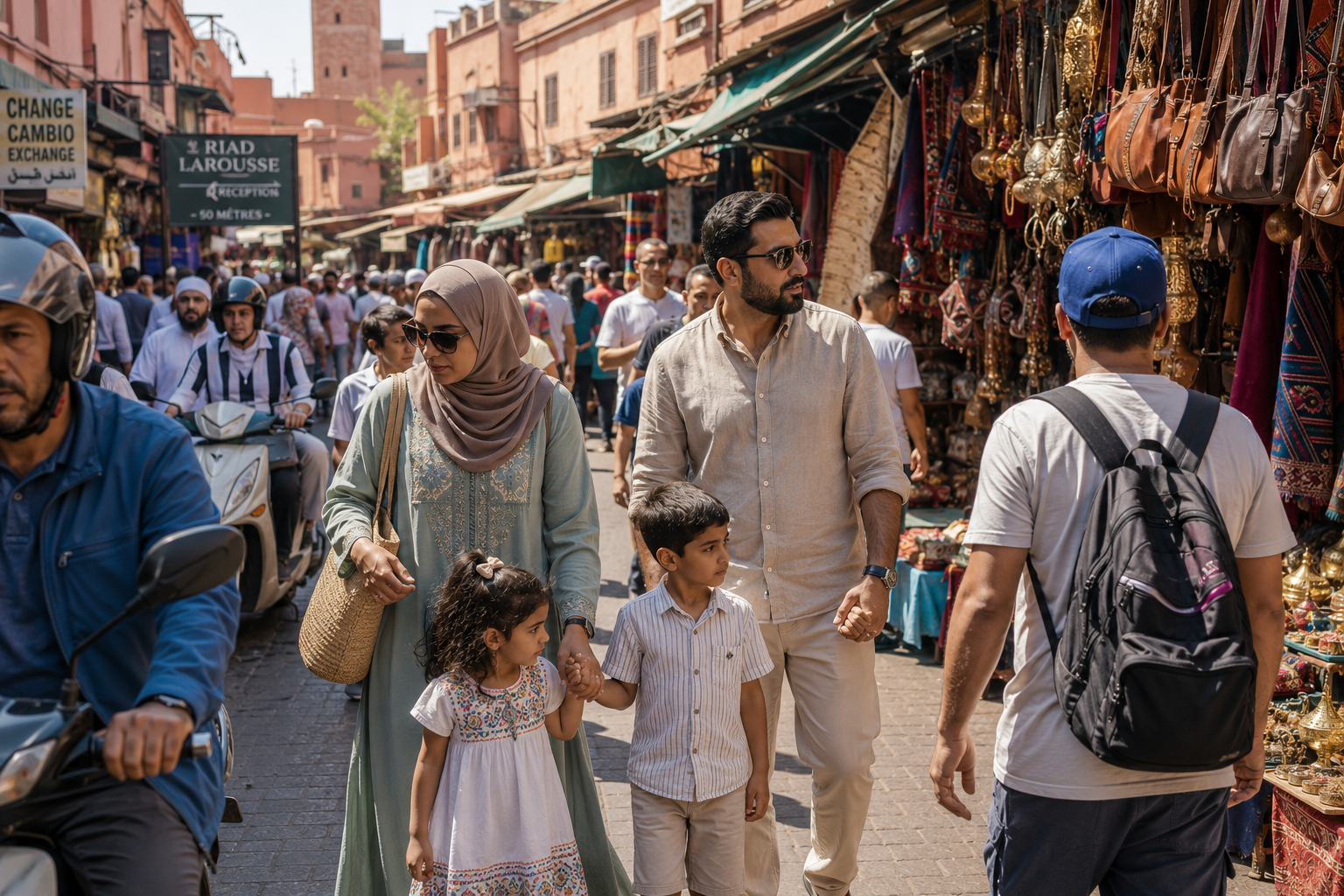
The most common safety risks for kids when traveling include accidents around water, getting separated in big crowds, car safety, and stomach bugs from new foods. The biggest danger is actually the “vacation mindset,” where parents relax their normal rules just as kids get overly curious about a strange, new place.
According to safety experts, the temperature inside a parked car can reach deadly levels in just a few minutes, even on days that don’t seem that hot, making it incredibly dangerous to leave a child alone.
Being on vacation often means our guard is down. We might let our kids wander a little further than usual at a resort, forgetting that the pool doesn’t have a fence like the one at home. This mix of relaxed parents and excited kids is exactly when accidents happen.
How does getting ready early make the whole trip better?
Getting ready early makes the whole trip better because it gets rid of parent-panic, allowing you to actually be present and have fun with your kids.
To help kids deal with jet lag, a really common travel issue, doctors suggest moving your child’s bedtime earlier or later by 2-3 days before you even leave the house.
Think of planning like doing your homework before the weekend. If you figure out the nearest doctor and pack the band-aids while you are sitting calmly on your couch at home, you won’t have to waste time stressing about it while you are trying to relax on the beach.
Author’s Experience
“As a parent and former camp counselor, I’ve seen firsthand how quickly unexpected situations can arise with children. My own travels have reinforced the belief that preparation isn’t about avoiding fun, but ensuring it. A well-placed first-aid kit or pre-arranged meeting spot has saved more than one moment of panic for me.”
2. Which places and activities are safest for kids on vacation?
The safest places for kids are ones that have strict safety rules, easy access to a doctor, and spaces built just for families.
Think about all-inclusive resorts that have certified kids’ camps and lifeguards, national parks with clear trails, or cities that have great sidewalks and low crime. The trick is to match how safe a place is with how old and mature your kids are.
How do you check if a hotel or rental is safe before you book?
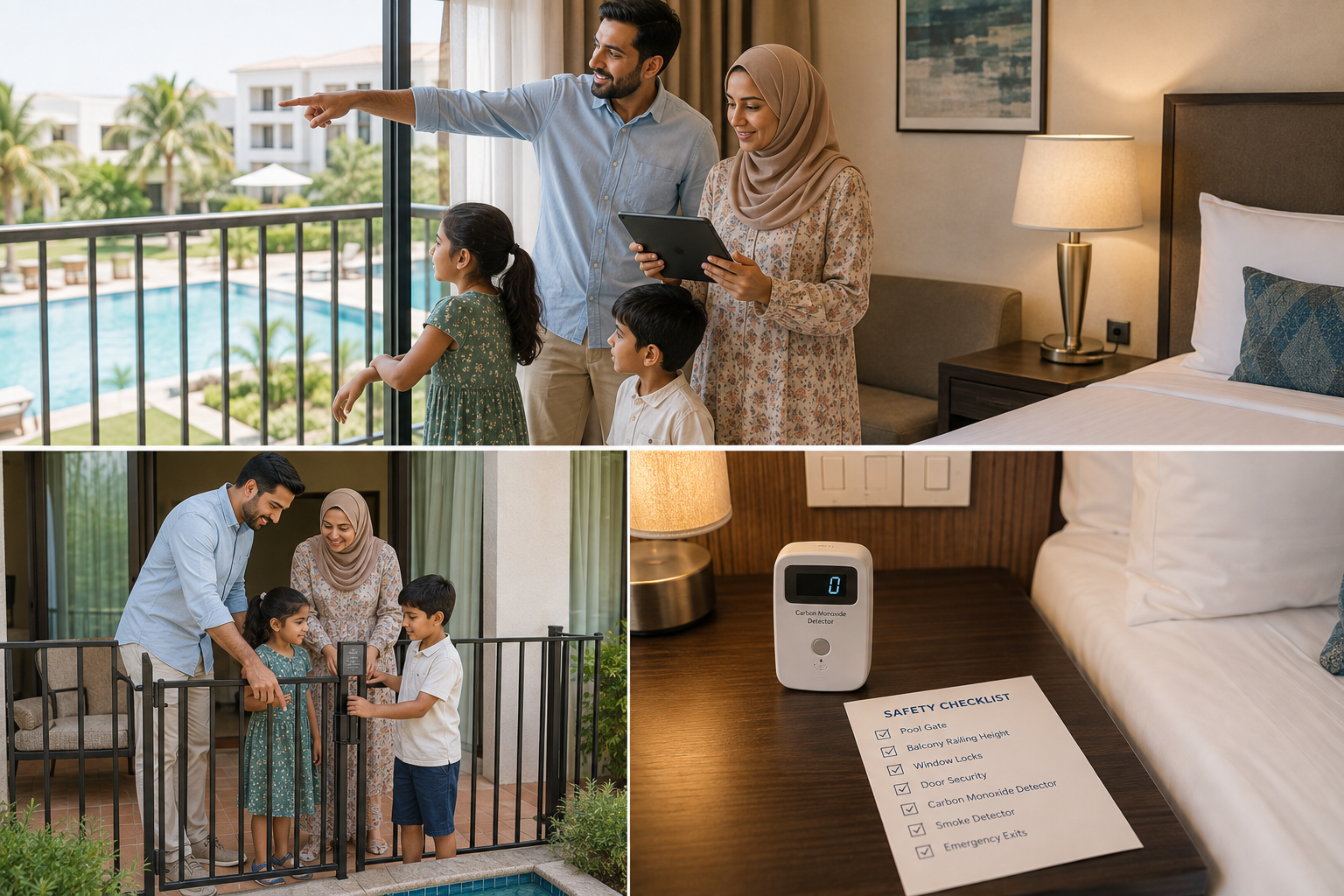
To check if a place is safe, read the online reviews and look for words like “safety” or “hazards,” look closely at the photos to spot dangerous balconies or stairs, and ask the host directly about their safety features. Using Google Street View to look around the neighborhood is also a really smart move.
Pediatricians suggest packing a small carbon monoxide detector, because vacation rentals and older hotels might have invisible gas leaks.
A pro tip is to use Google Street View to “walk” down the street of your rental house. Is the road super busy? Are there streetlights? Is there a sidewalk? The outside environment is just as important as the locks on the doors.
Knowing what to look for makes it way easier to plan where to stay on your family trip, so you know it fits your safety needs.
How do you pick safe activities for kids of different ages?
You have to match the activity to what your kid can handle physically and emotionally. Toddlers need fenced-in play areas; older kids need clear rules and supervision; teenagers can handle more adventure but need good safety gear. Also, always make sure there is an easy way to leave early if your kid gets too tired!
The American Academy of Pediatrics says kids should keep using a booster seat in a car until they are 4′ 9″ tall, which is usually around 8 to 12 years old.
One big thing parents forget is how easy it is to “escape” an activity. If your three-year-old throws a huge tantrum, it is easy to leave a public park. It is almost impossible to leave a two-hour boat tour in the middle of the ocean. Always pick activities with an easy exit plan.
3. How do you get your kids ready to follow safety rules on vacation?
You can get your kids ready by treating safety rules like a fun team game, practicing “what-if” situations at home before you leave.
Hold a fun family meeting to go over the rules and practice them. This builds good habits without scaring them, especially if you explain that following the rules means more time for fun.
What safety items do you absolutely need to pack?
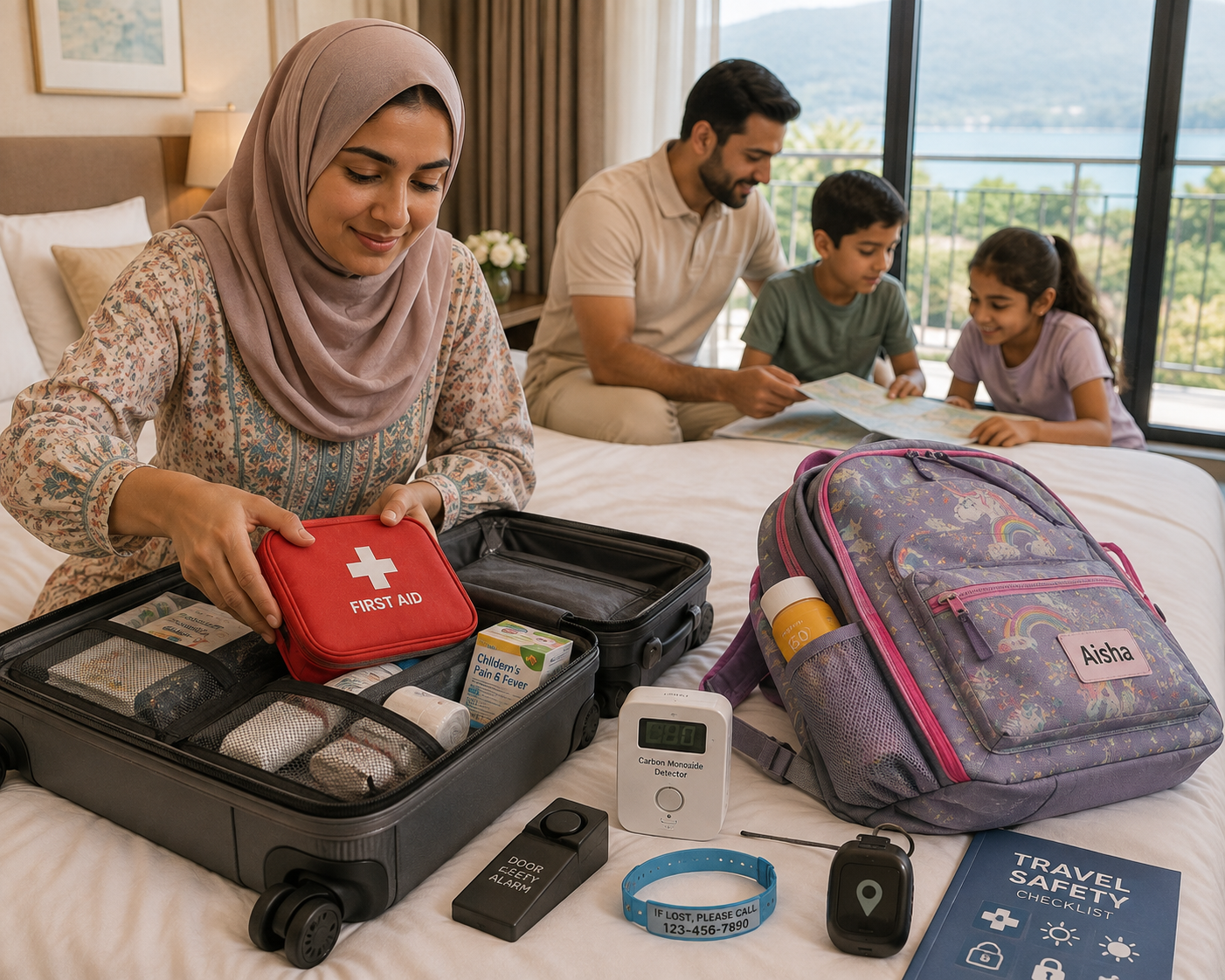
You absolutely need a first-aid kit, a way to keep track of your kids (like ID bracelets), bug spray or sunscreen depending on where you are going, and a simple rubber door stop to keep your hotel door secure.
If you take a lot of road trips or taxis, an inflatable car booster seat, like the Hiccapop, is an awesome travel hack for kids who weigh between 40 and 110 pounds.
That rubber door stop is the best three dollars you will ever spend. Just jam it under the hotel door from the inside at night. It stops bad guys from coming in, and stops your wandering toddler from wandering out!
How do you make sure kids actually follow the rules on the trip?
To make sure kids follow the rules, give them only 3 to 5 super clear rules, follow the rules yourself, and immediately enforce them if they break them. However, praising them when they do something right works way better than constantly yelling at them.
To stop kids from going crazy in the car, experts say you should plan to stop and let them stretch their legs every two to three hours.
Try the “catch them being good” trick. Loudly praise your kid for following a rule (“Wow, I love how you held my hand without asking!”). When they see that following rules gets them positive attention, they will want to keep doing it.
4. What are the best ways to keep a close eye on kids during the trip?
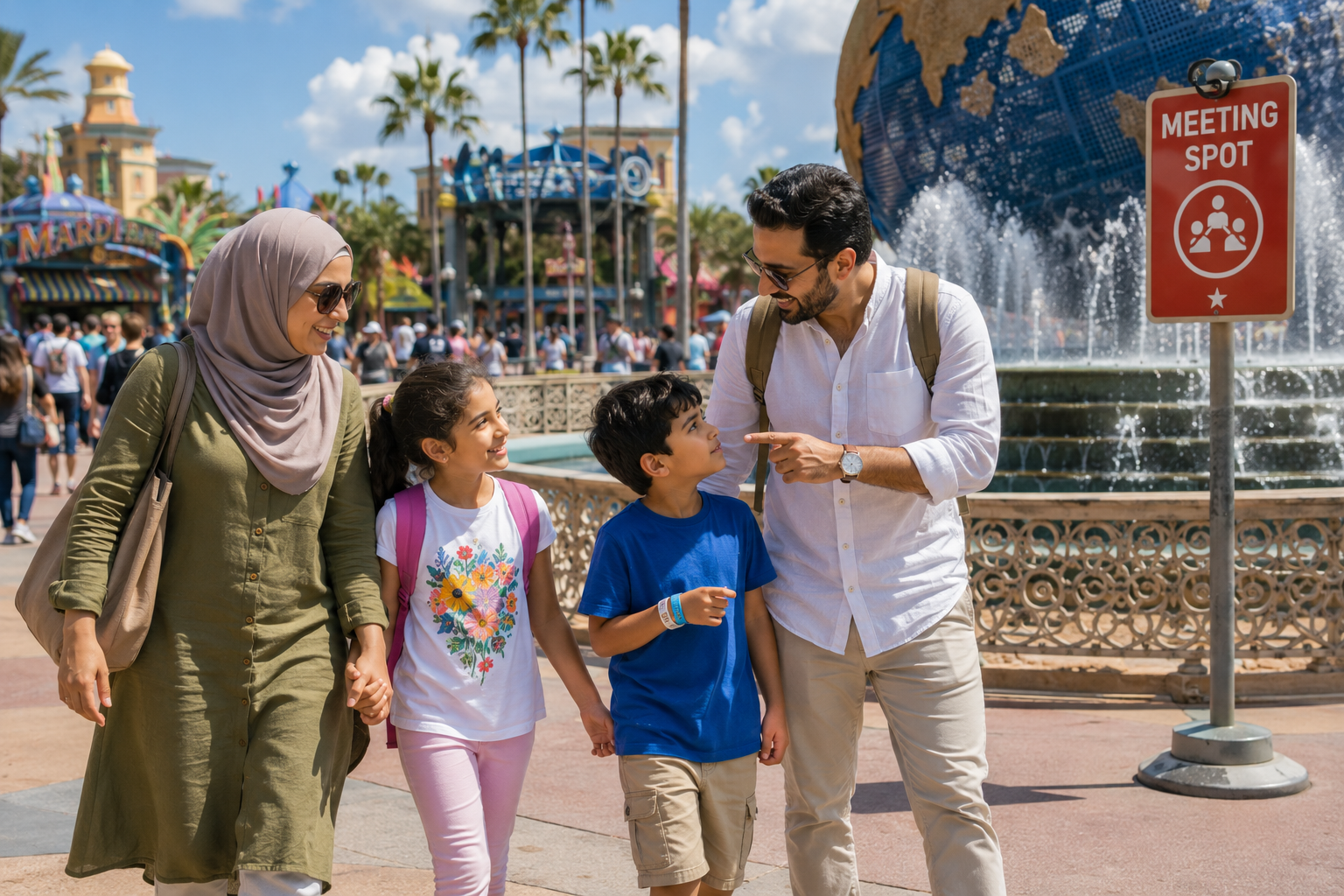
The best way to watch your kids changes based on where you are. Near the pool, you need to be close enough to touch them; at a resort, older kids can use a “buddy system”; and in a crowd, you need a pre-planned meeting spot.
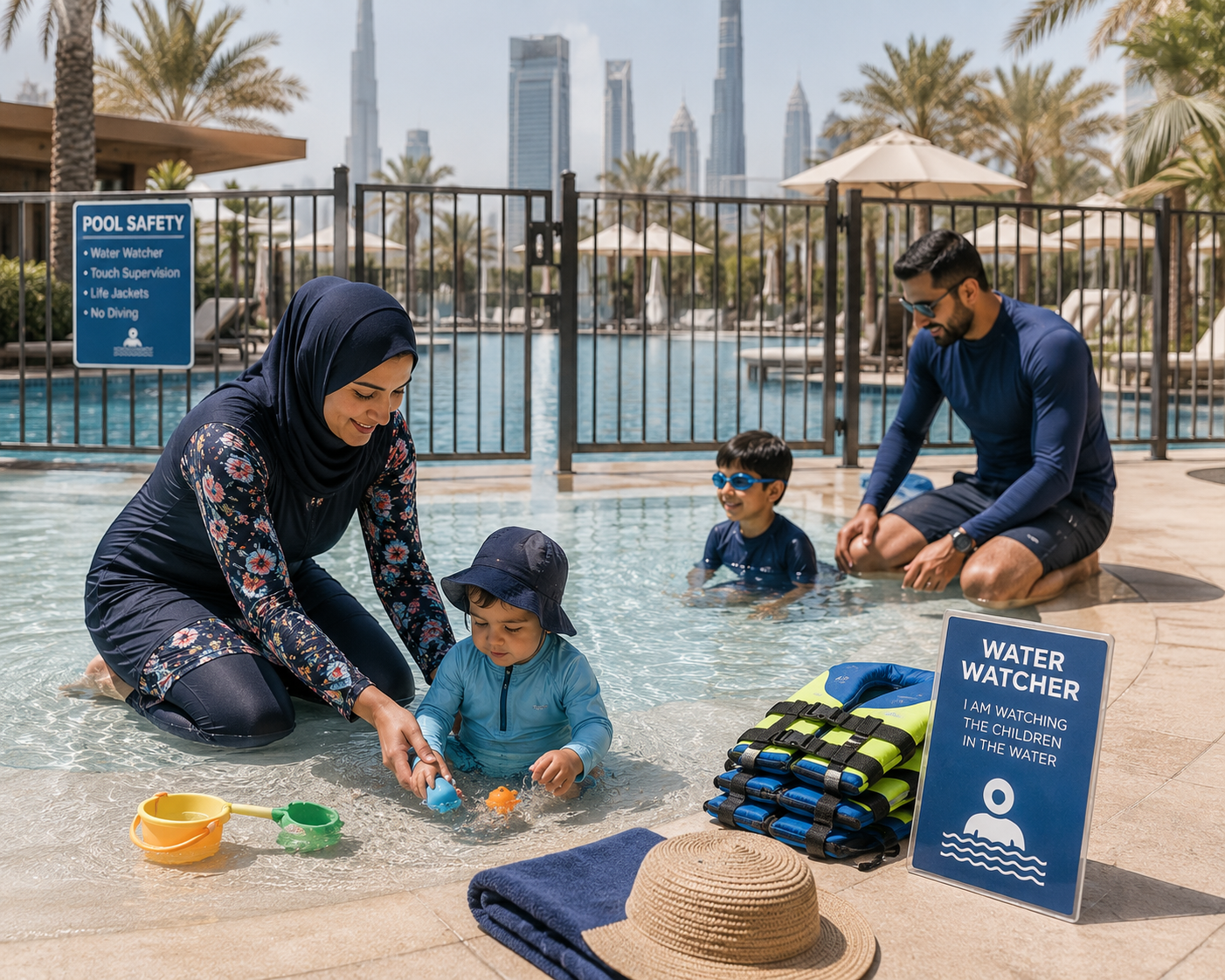
Good supervision means always asking yourself, “What is the danger right here, right now?” For example, using a “Water Watcher” tag means one adult is always 100% focused on the kids in the pool, with no phone distractions.
How do you keep kids from getting lost in a big crowd?
Keep kids from getting lost by practicing what to do beforehand, putting your phone number on a bracelet they can wear, and keeping them close. Most importantly, tell them that if they get lost, they should look for a “safe stranger,” like another mom who has kids with her.
If you put an Apple AirTag on your kid, remember it only works well if there are lots of other people with iPhones nearby. If they wander into the woods, the AirTag won’t help much.
Telling a panicked five-year-old to “find a police officer” is hard because they don’t know what local uniforms look like. Telling them to “find a mom with a stroller” is much easier for them to understand and do.
If you are really worried about crowds, read our deep dive on how to stop kids from getting lost.
What are the most important rules for playing in the water?
The most important rule is that an adult must watch the kids the whole time without looking at their phone. You also need good pool fences, real life jackets (not just floaties), and you have to remember that lifeguards are there to help, not to babysit your child.
Experts say you should never buy kids blue bathing suits, because they blend in with the water and make it super hard to see them if they sink. Always buy bright, neon colors.
There is no such thing as being “drown-proof.” You need layers of safety: a fence keeps them out when you aren’t looking, a “Water Watcher” keeps eyes on them when they are swimming, and a life jacket keeps them afloat if they get tired.
5. How do you handle medical issues and health on a trip?
Handling health on a trip means visiting your doctor before you leave, bringing a really good first-aid kit, and knowing where the nearest hospital is at your destination.
This makes sure they have all their shots, you have enough of their medicine, and you definitely need to buy travel insurance that pays for hospital visits away from home.
To get a handle on the medical side of things, look at our checklist on how to plan for family health on a trip.
Also, understanding exactly how travel insurance works for families is a must before you leave the country.
What medical papers do you need to bring for the kids?
Bring paper and digital copies of their allergies, medications, your doctor’s phone number, and your insurance cards. The smartest trick is to make a “Locked Note” on your phone with all this information so you can see it even if you don’t have internet access.
A great tip from pediatricians is to make photocopies of your passports and insurance cards, and pack them in a different bag than the real ones.
Make a note on your phone called “In Case of Emergency (ICE).” Put all your kid’s health info and a recent picture in there. If your wallet gets stolen, you still have the info you need for the hospital.
How do you keep kids with food allergies safe in foreign restaurants?
If your kid has allergies, print out cards in the local language explaining the allergy, tell the waiter it is a “medical issue,” pack your own safe snacks, and book a room with a kitchen so you can cook if needed. Never just hope the waiter understands you!
Doctors say you should always meet with them before a trip to make an “allergy action plan” and make sure you have enough EpiPens packed.
When ordering food, say “This is a medical safety issue, not a diet.” Waiters hear “diet” and might not take it seriously. Hearing “medical issue” makes them double-check with the chef.
6. What should you do if an emergency actually happens?
If an emergency happens, you need to stay calm, follow the plan you made at home, and call for local help right away.
Because you already saved the local emergency numbers, found the hospital, and agreed on a meeting spot, you won’t freeze up in a panic. You will know exactly what to do.
What are the exact steps to take if you lose your child?
If you lose your child, immediately start shouting their name AND what they look like, have one parent search while the other calls the police, and show security a picture on your phone. Because you practiced, your child should already be looking for a “safe mom” to help them.
Safety experts say you should yell something like, “I’m looking for my 5-year-old son, Eric! He has a Spiderman shirt and a blue hat!” This makes everyone around you start looking, too.
Just yelling “Sam! Sam!” doesn’t help anyone else know who to look for. Yelling “I lost a boy in a red shirt!” turns fifty strangers into a search party instantly.
How do you prepare for bad weather or natural disasters on a trip?
Watch the local weather alerts, do exactly what the local officials tell you to do, and have an emergency “go-bag” ready in your room. If you travel outside the country, you should also sign up for alerts from your home country’s embassy.
The U.S. government says you should always sign up for their “STEP” program when you travel abroad, so they can text you if there is a hurricane or earthquake.
Keep your passports and important papers in a plastic, waterproof bag inside your emergency kit. If you have to evacuate quickly, you can grab one bag and know you have your ID and cash safe from the rain.
7. Checklist: What to do in an Emergency
| Checklist Item / Tactic | Status |
|---|---|
| Step 1: Take a deep breath to stop yourself from panicking. | ⬜ |
| Step 2: Do exactly what you practiced at home. | ⬜ |
| Step 3: Call the local police or ambulance immediately. | ⬜ |
Resolution
At the end of the day, keeping your kids safe on vacation isn’t about wrapping them in bubble wrap, but about being smart and prepared. By taking a little time to plan before you leave and keeping a close eye on them while you are there, you build a solid safety net. This means less worrying for you and more fun for everyone, which is what a family vacation is really all about!