How to Prevent Children from Getting Lost on Family Vacation
Table of Contents
Preventing children from getting lost on a family vacation requires a layered strategy combining proactive communication, reliable identification, and clear emergency protocols. This preparation shifts the focus from anxiety to confidence, ensuring your family can safely navigate crowded and unfamiliar environments.
As a core element of your broader family vacation safety planning, establishing these boundaries keeps the trip enjoyable and stress-free. Let’s break down the essential tactics to keep your children safe and close.
1. Why is Preventing Lost Children Crucial for Family Vacations?
The stakes of a child wandering off extend beyond the immediate panic; it can deeply impact their sense of security on future trips. Anticipating high-risk environments and addressing the root causes of separation is the foundation of protecting your kids. A well-executed prevention plan mitigates severe stress and ensures that you remain firmly in control, no matter how chaotic the setting.
Situational Awareness: The practice of being constantly aware of your surroundings and potential threats or changes. For parents on vacation, this means actively monitoring children’s proximity rather than passively assuming they are nearby.
What are the Common Scenarios Where Children Get Lost on Vacation?
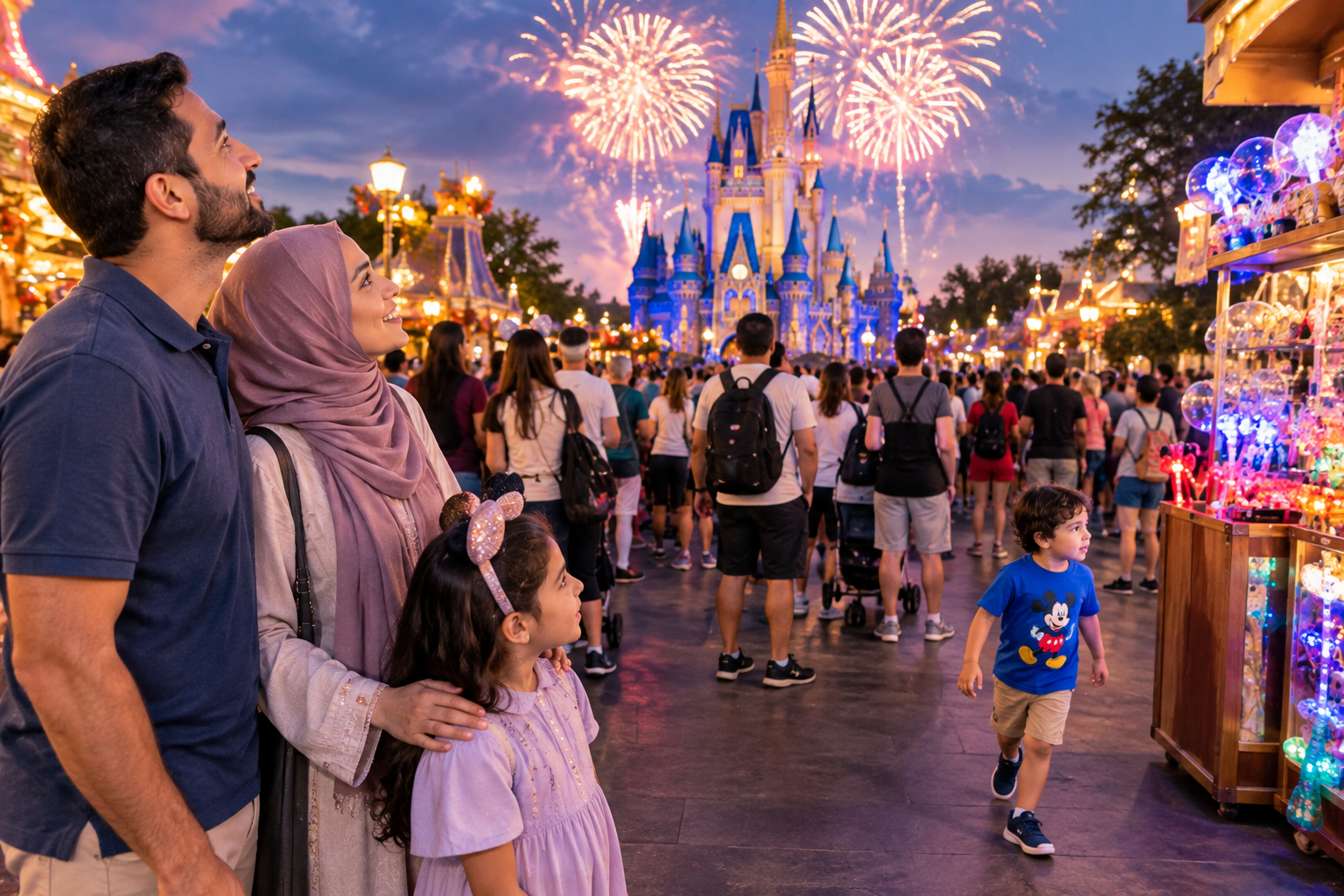
The most common scenarios for preventing children from getting lost involve high-traffic, visually stimulating environments like theme parks, airports, crowded beaches, and bustling city markets. Any location that causes sensory overload or diverts a parent’s attention presents a high risk. Transitional moments are a hidden danger, including moving from a hotel to a taxi, or navigating security checkpoints where the family unit is temporarily broken.
Understanding these core risks allows parents to pinpoint the most common scenarios where separations occur, which is the first step in building a targeted prevention strategy, especially as you plan a family vacation.
Author’s Experience
“Having traveled with my own active children through bustling airports and crowded markets, I’ve seen firsthand how quickly a curious mind can wander. It’s a constant dance of vigilance and preparation, ensuring they feel secure enough to explore while I maintain a watchful eye. This proactive approach has saved us from several near-misses.”
How Do Overwhelm and Distraction Contribute to Children Getting Lost?
Sensory overwhelm in a new place can cause a child to become disoriented and wander, while parental distraction—such as checking a map or tending to another sibling—creates the window of opportunity for separation. These factors often occur simultaneously in tourist environments.
Explain the concept of “inattentional blindness,” where a parent can be looking in the general direction of their child but be so focused on another task (like reading a sign) that they don’t actually “see” the child walk away. By actively monitoring children’s proximity, parents can mitigate this risk.
2. Which Identification Methods are Best for Children on Family Trips?
Visual and physical identification acts as your child’s silent spokesperson if they become separated. The ideal ID method balances comfort for the child with undeniable clarity for the adults who might need to help them.
Selecting the best identification method involves analyzing the child’s age, the vacation environment, and overall comfort. The most effective ID method includes a primary and secondary international contact number (e.g., a parent’s cell and a grandparent’s number back home).
How Do You Choose Between Wearable Devices and Traditional ID Cards?
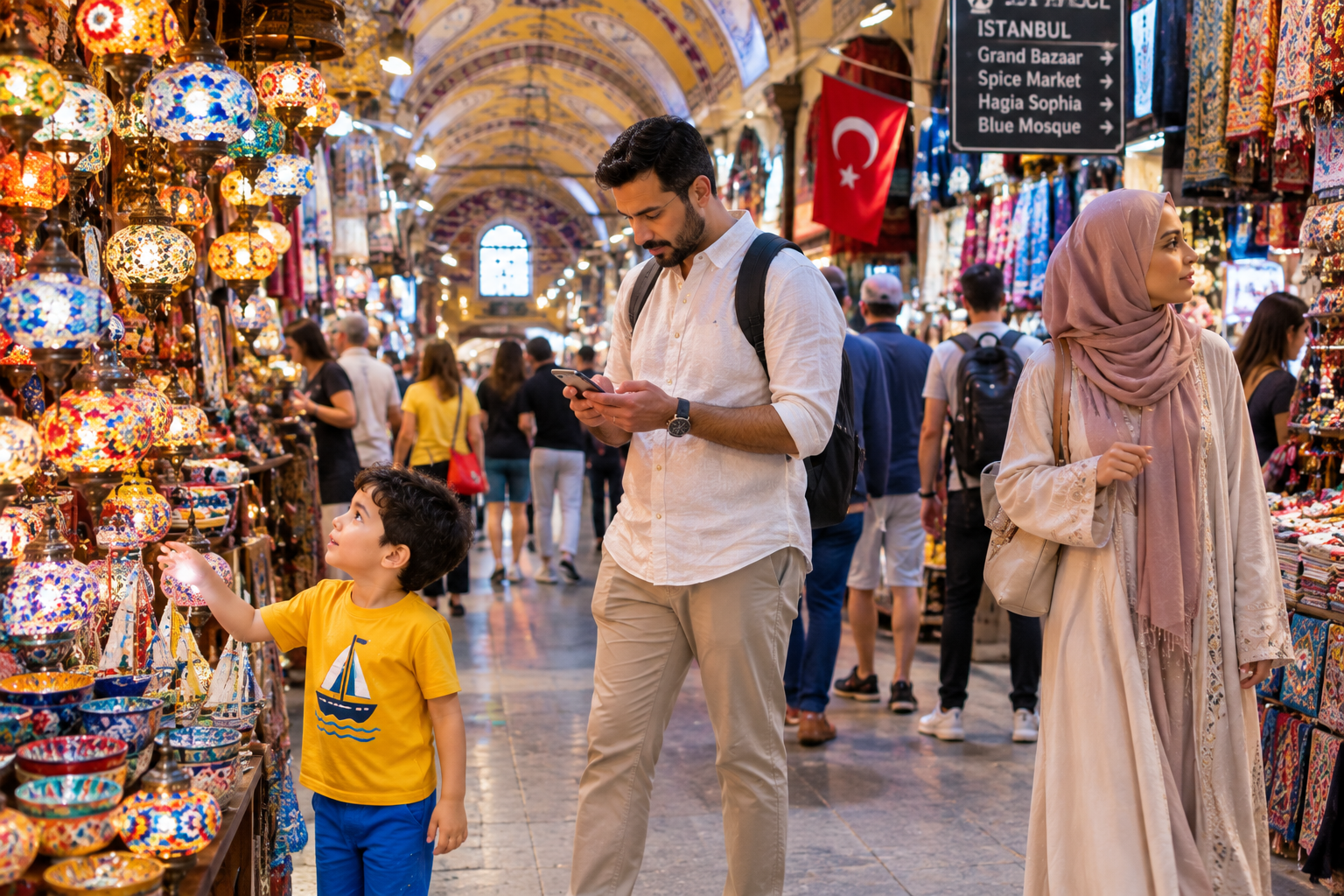
Choose wearable devices like bracelets or stamps for toddlers and young children, as they are securely attached and always visible. Opt for traditional ID cards for older, more responsible children and teens who understand the importance of keeping the card in a secure location like a zipped pocket or wallet.
A key deciding factor is “fidget potential.” A child who is likely to pick at or remove a bracelet may be better served by a comfortable temporary tattoo or a tag pinned securely inside their clothing. The best ID is the one the child will comfortably and consistently keep on them.
3. What Digital and GPS Safety Devices Should Families Consider for Vacation?
Modern travel allows parents to supplement physical vigilance with digital safety nets. When deciding on child location technology for travel, consider the specific terrain, connectivity, and battery limitations of your destination.
GPS trackers offer wide-area tracking ideal for theme parks or cities, while Bluetooth trackers are best for close-range monitoring in places like a single playground or museum room. Many powerful GPS trackers require a monthly fee, which may or may not be cost-effective for a single two-week vacation.
Are Two-Way Radios or Walkie-Talkies Effective for Keeping Track of Kids?
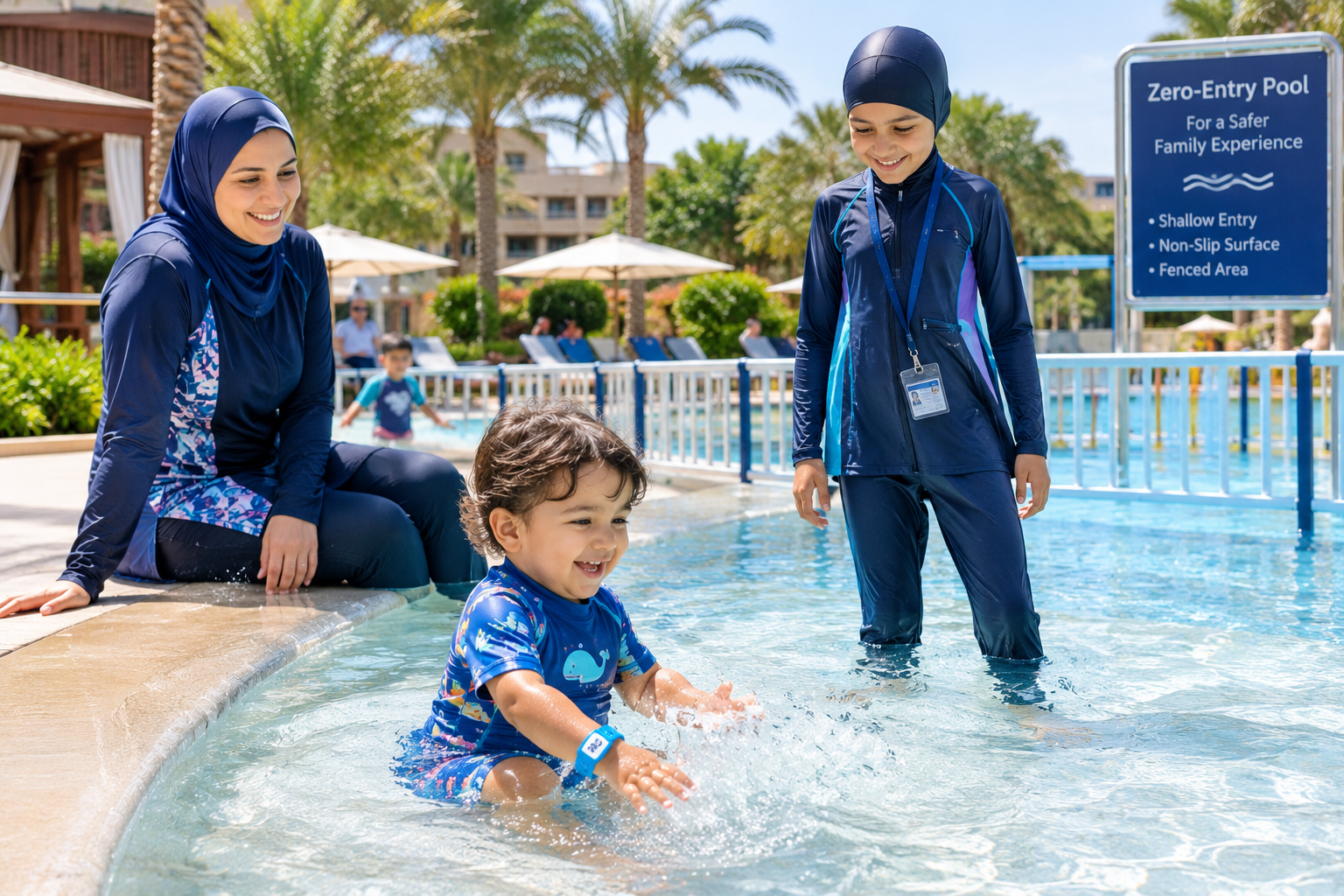
Two-way radios are highly effective for keeping track of older kids in environments with poor or expensive cellular service, such as cruise ships, remote hiking trails, or certain international destinations. They are not a tracking device, but a communication aid that works best in defined areas.
Differentiate the use case clearly: Radios are for communication, GPS trackers are for location. The primary value of two-way radios on a family trip is empowering older children (ages 8+) with a degree of supervised independence.
4. How Can Parents Prepare Children for Potential Separation Before a Family Vacation?
An effective safety plan relies heavily on your child’s understanding of what to do before a crisis hits. Teaching kids travel safety through role-play and calm instruction empowers them to take the right actions if they find themselves alone.
Frame the briefing as a “superhero safety mission” or a “smart traveler game” to empower the child and reduce fear, rather than presenting it as a terrifying possibility. Dedicate at least two 15-minute sessions before the trip to this training.
What Essential Information Should Every Child Memorize Before Traveling?
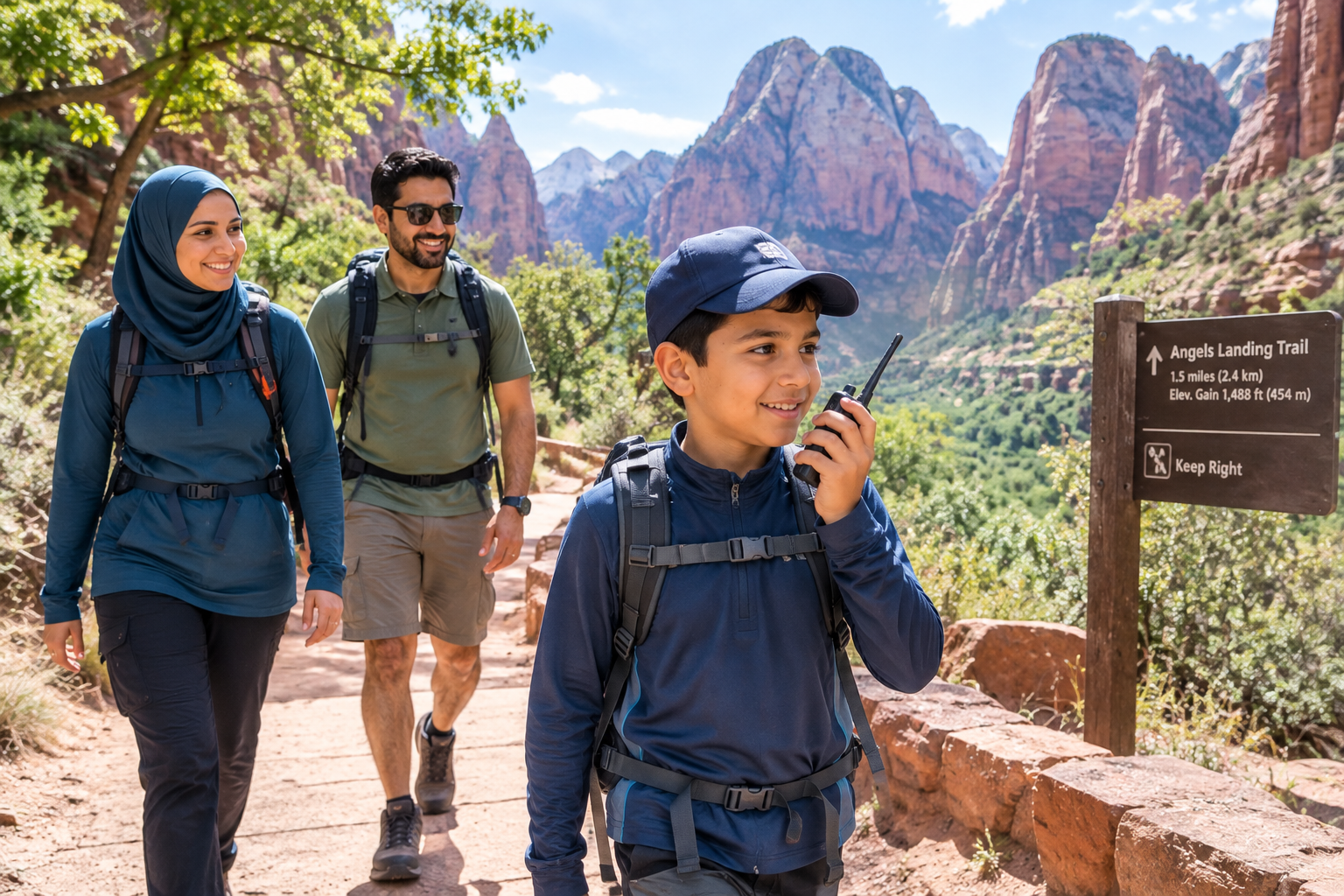
Every child old enough to speak should memorize their full name, their parents’ full names, and at least one parent’s mobile phone number, including the country code if traveling internationally. Children often know their parents only as “Mommy” or “Daddy,” which is useless to authorities.
State this information as a non-negotiable safety requirement. A simple song or mnemonic device can make memorizing a 10-digit phone number easier for a young child.
5. What On-Location Safety Practices Prevent Children from Getting Lost During Vacation Activities?
Active prevention requires a shift in parental habits when moving through tourist hotspots. By adopting strict environmental rules and visual tracking methods, you drastically reduce the windows of opportunity for a child to slip away.
On-location, parents must use practices like dressing children in bright clothing, taking a daily photo of their outfit, establishing a “buddy system” for siblings, and physically holding hands in high-traffic zones. The “daily photo” provides the most recent and accurate description possible for security or police.

How Do You Designate Safe Meeting Spots in Different Vacation Environments?
Designate a safe meeting spot by selecting a permanent, easily described landmark (e.g., “the base of the large clock tower,” “the main entrance guest services desk”). Verbally confirm this spot with your children before you separate or enter the area.
The best safe spots are “manned.” Choose the Information Desk or a specific Lifeguard Tower. This ensures that if the child arrives first, they are immediately with a uniformed adult who can help.
Should Families Use a “Code Word” System for Child Safety on Vacation?
Families should absolutely use a code word system as a critical safeguard against an unauthorized adult attempting to pick them up. The code word should be unique and simple, but not easily guessable (e.g., “Purple Monkey” instead of the family pet’s name).
This is a non-negotiable safety layer, especially for school-aged children. The rule is “If they don’t know the code word, you don’t go.”
6. What Immediate Steps Should Parents Take if a Child Gets Lost on Vacation?
If separation occurs, immediate, systematic action must override panic. Knowing exactly who to alert and what information to provide will trigger a rapid local response and expedite your reunion.
If a child gets lost, immediately stop, do not run around, and call their name. A parent frantically searching a wide area can actually move farther away from the child. Staying put and alerting authorities who can perform a grid search is statistically more effective.
How Do You Effectively Alert Authorities and Seek Help in Unfamiliar Locations?
To get help effectively, find the nearest uniformed employee and state clearly, “I have lost my child.” Have a recent, clear photo ready on your phone to show them, and be prepared to provide their name, age, height, weight, and exactly what they were wearing.
Before your trip, save the local emergency number (it’s not always 911) and the number for your country’s embassy or consulate in your phone. This is a 2-minute task that is invaluable in a crisis.
What Role Does the Family Emergency Plan Play in Reuniting with a Lost Child?
The family emergency plan plays the central role of replacing chaos with a coordinated, rehearsed response. The child knows to stay put and find a safe adult, while the parents know who to call and where to meet.
The plan’s greatest value is psychological. It gives the parents and any older siblings a defined “job” to do, which helps manage fear and adrenaline. This focus allows for clearer communication with authorities and a faster resolution.
7. Logistics: Pre-Trip Child Safety Briefing Checklist
| Checklist Item / Tactic | Status |
|---|---|
| STEP 1: Ensure your child memorizes your full name and primary phone number (including country code). | ⬜ |
| STEP 2: Identify “safe adults” (uniformed personnel, mothers with children) and teach your child to approach them if lost. | ⬜ |
| STEP 3: Establish and practice a family “code word” for verifying safe pickups by non-family members. | ⬜ |
| STEP 4: Conduct calm, clear pre-trip safety briefings, including role-playing potential separation scenarios. | ⬜ |
| STEP 5: Assign a “buddy system” if traveling with multiple children, ensuring they are responsible for each other’s whereabouts. | ⬜ |
Resolution
Ultimately, preventing children from getting lost on family vacation is not about a single gadget or rule, but about creating a redundant system of awareness, preparation, and communication. The key to preventing a lost child is a multi-layered strategy that combines pre-trip education for the child, smart use of identification tools, consistent on-site vigilance by the parents, and a calm, rehearsed emergency plan. This comprehensive approach provides the highest level of safety and peace of mind. By architecting a robust safety plan, you empower your family to explore the world with confidence and joy.