How to Prevent Kids from Getting Sick on Vacation?
Table of Contents
Keeping your children healthy on a family vacation requires a mix of pre-trip medical checks, a customized travel first-aid kit, and vigilant hygiene practices while on the road. Preventing illness not only protects your child’s well-being but also saves your family from the stress and financial burden of a ruined trip.
To fully grasp the broader context of your trip, it’s beneficial to explore the comprehensive guide on How to Plan a Family Vacation Step by Step, which covers every aspect of your journey.
1. Why is it important to prevent kids from getting sick on vacation?
Preventing kids from getting sick on vacation is crucial because it ensures your trip remains a joyful experience rather than a stressful medical emergency. A sick child derails itineraries, incurs unexpected healthcare costs, and shifts the focus from relaxation to recovery.
What health risks do kids face while traveling?
While traveling, kids face health risks from exposure to new germs, different climates, and changes in their daily routines that test their immune systems.
According to the CDC, diarrhea and gastrointestinal illnesses are among the most common travel-related problems affecting children, who can become dehydrated more quickly than adults.
The risk is not just “exotic” diseases. A significant threat is the disruption of a child’s gut microbiome by new food and water, which can cause illness even in destinations considered “safe,” making probiotic support a key consideration.
How does sickness impact children’s family vacation experiences?
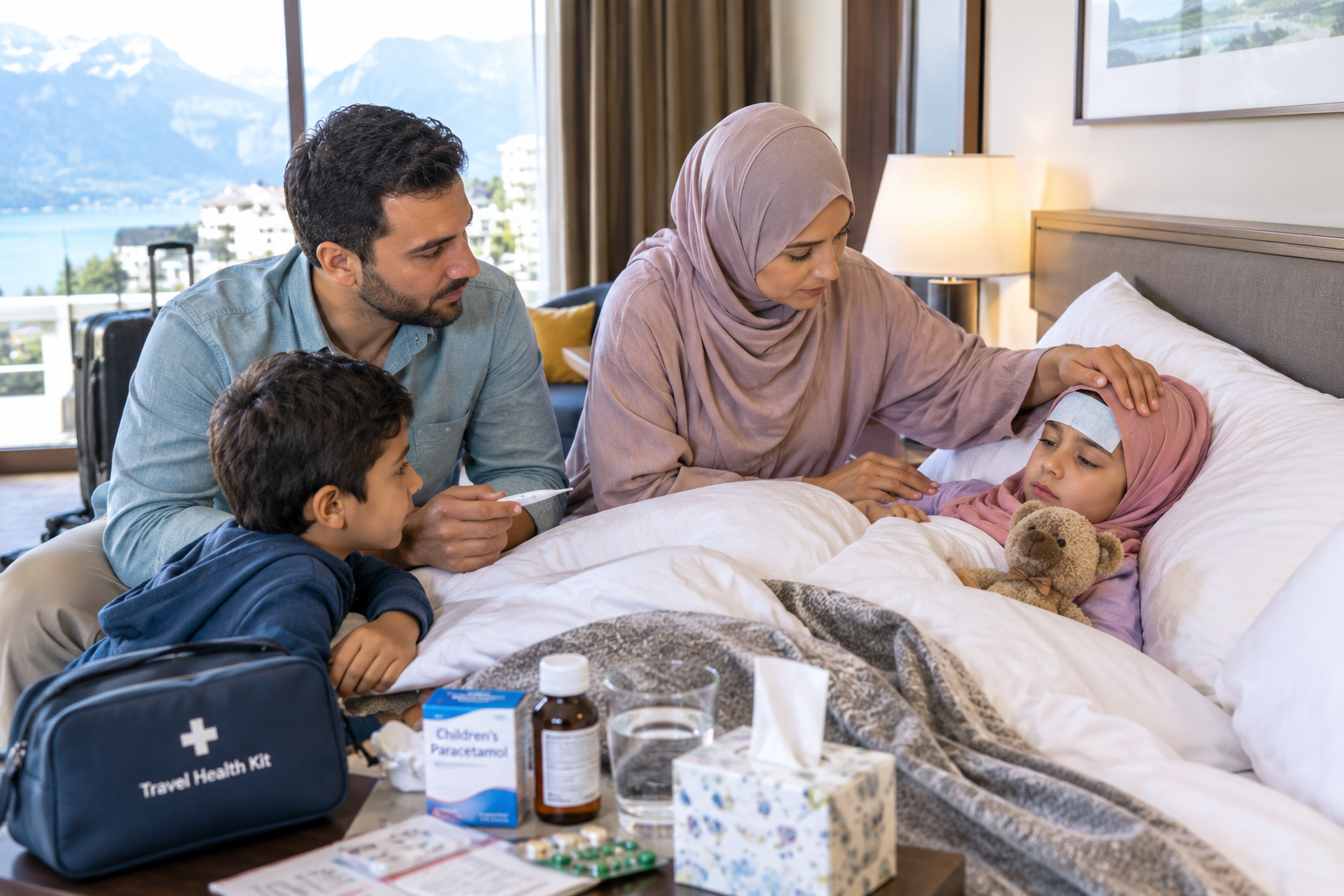
Sickness turns a fun vacation into a stressful lockdown, causing families to miss planned activities and spend money on unexpected doctor visits.
Medical experts note that a common illness like diarrhea can escalate quickly, with severe dehydration in a child being a medical emergency that typically requires administration of intravenous fluids.
The impact extends beyond the sick child; it creates a “vacation-in-confinement” for the entire family. One parent is often sequestered with the sick child, while the other manages healthy siblings in a limited capacity, effectively dividing the family and negating the shared experience.
To further prevent such disruptions and ensure overall well-being, considering why family vacation downtime is important for children can help safeguard their health and enjoyment.
2. What common illnesses affect kids during family travel?
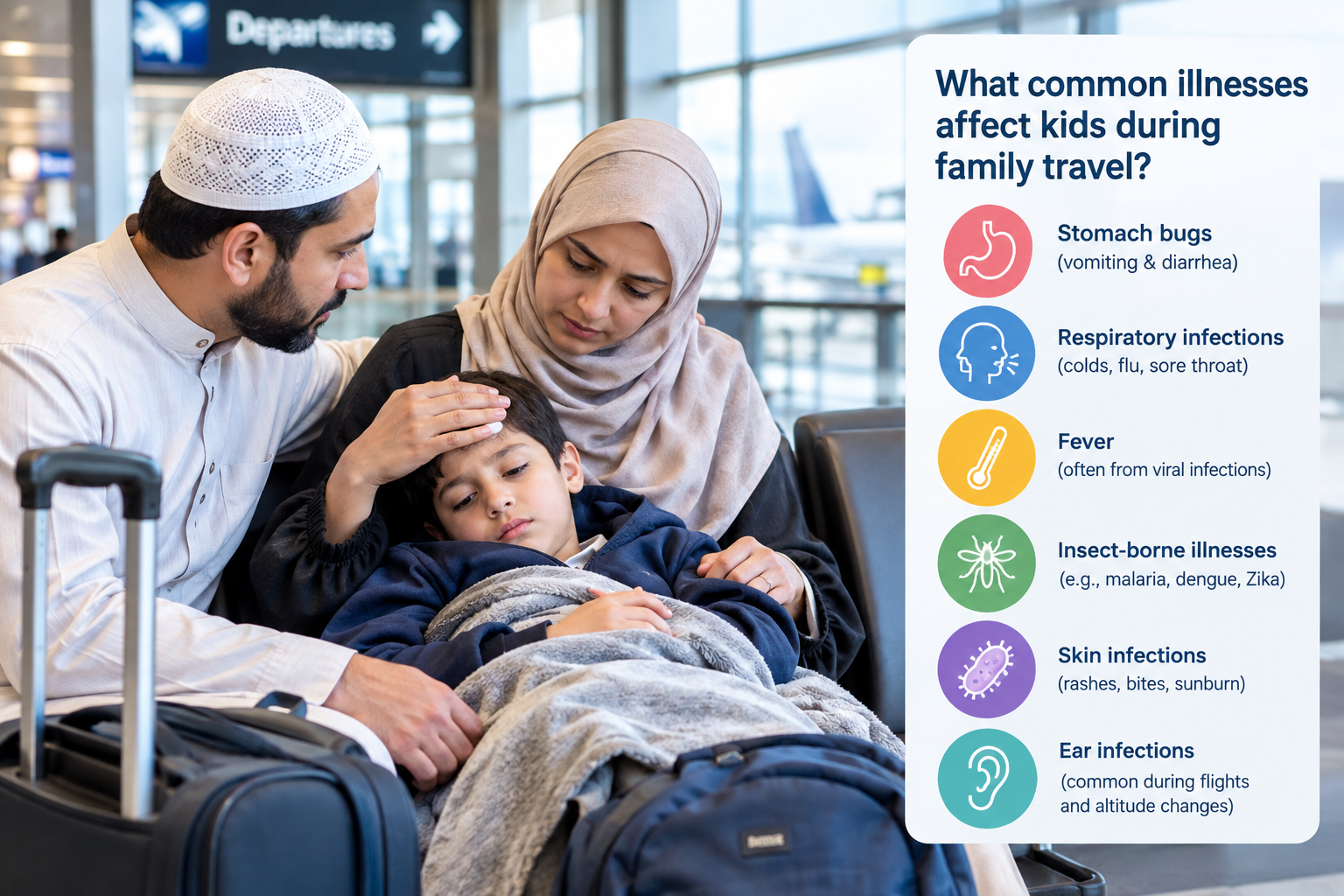
The most common illnesses that strike kids during family trips are stomach bugs, common colds, motion sickness, and skin rashes.
Which common infections are preventable for kids on vacation?
Stomach bugs and respiratory infections are often preventable by washing hands frequently with soap and drinking only bottled or purified water.
According to HealthyChildren.org, handwashing is one of the most effective ways to prevent the spread of infections and should be done with soap and water for at least 20 seconds.
The concept of “preventable” extends to severity. While you may not prevent exposure to a cold virus, you can prevent it from turning into a severe secondary infection (like an ear infection) by ensuring the child is well-rested and hydrated, which supports their immune response.
How do travel environments increase sickness risk for children?
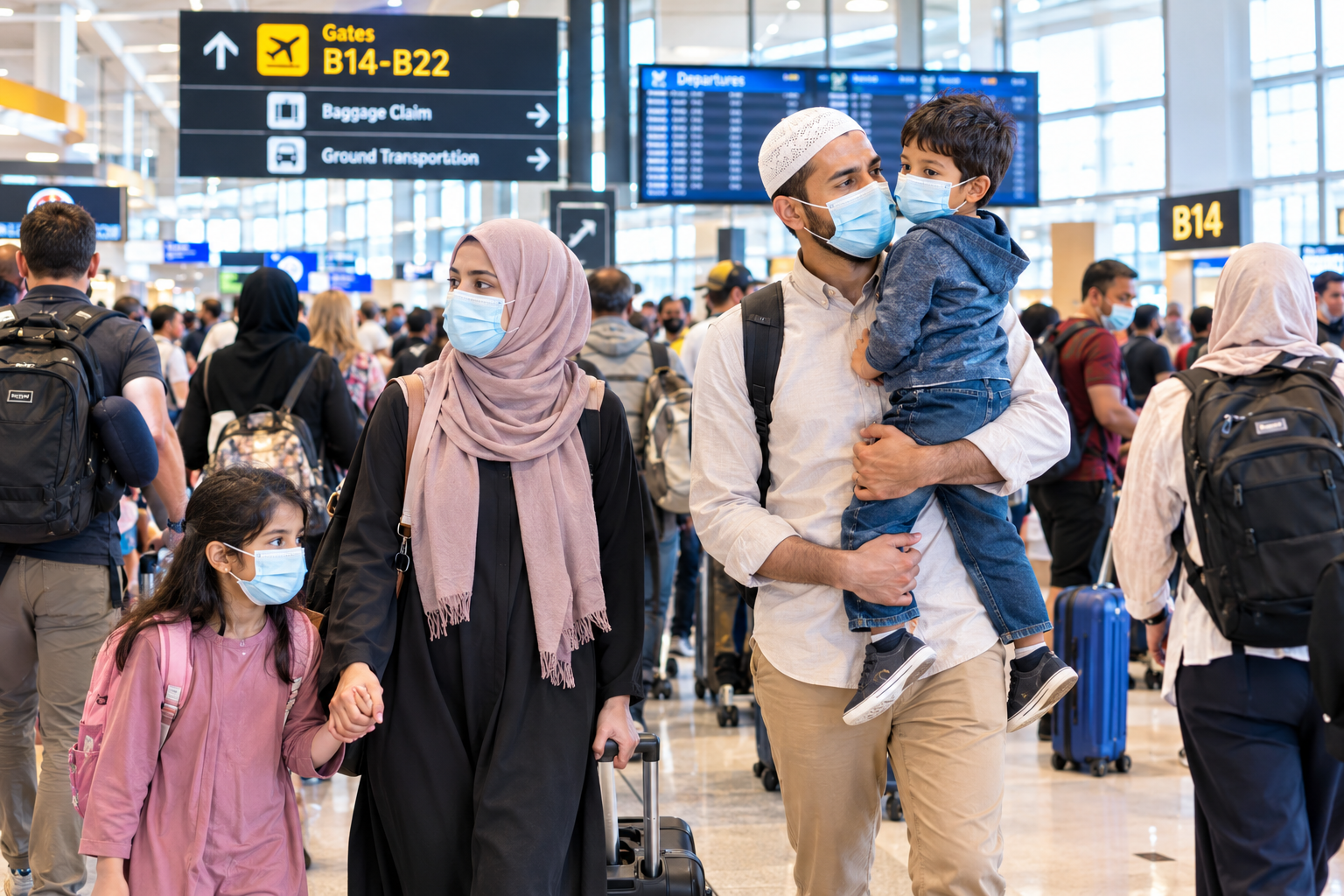
Travel environments increase sickness risk because kids are crowded into planes or buses with strangers and are exposed to entirely new foods and climates.
Medical officials advise that children should not travel to altitudes higher than 2,500 meters (8,200 feet), as altitude illnesses can develop more quickly in children than in adults and symptoms can be vague.
The risk is cumulative. It’s not one single factor, but the “stacking” of multiple stressors: poor sleep from jet lag, plus dehydration from a long flight, plus exposure to new viruses on a tour bus, creates a perfect storm for illness.
3. Which pre-vacation health checks should kids receive for family travel?
Before traveling, kids should visit their pediatrician to update routine shots and get any special vaccines needed for your specific destination.
A critical part of these pre-travel preparations, especially for specific needs, is understanding how to manage pre-existing conditions while on a family vacation to ensure continuity of care.
When should families schedule a doctor’s visit for their kids before vacation?
Families should schedule a doctor’s visit four to six weeks before leaving so there is enough time for any new vaccines to take full effect.
The CDC recommends that families schedule a pediatrician visit ideally 4–8 weeks before travel, as some destination-specific vaccines may need to be ordered or require a referral to a travel clinic.
Scheduling this far in advance also provides a buffer. If a vaccine causes a mild, short-lived fever (a normal immune response), it happens at home weeks before the trip, not in the 24 hours before your flight.
How do travel vaccinations protect kids on different trips?
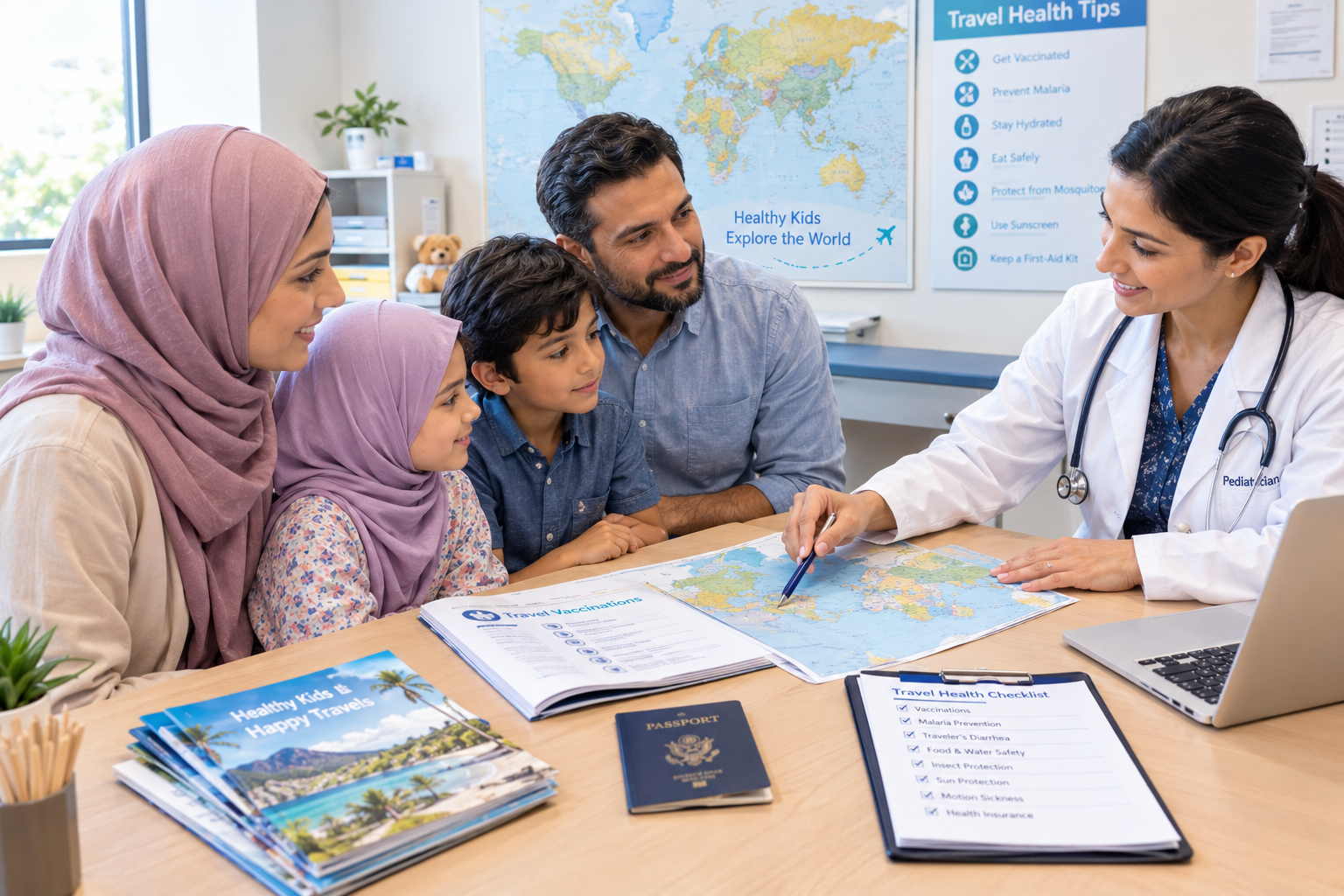
Travel vaccinations protect kids by building their immunity against specific diseases that are common in the country they are visiting.
For international travel with infants, the first dose of the measles, mumps, and rubella (MMR) vaccine, normally given at 12 months, can be administered as early as 6 months of age for protection, according to the CDC.
Protection isn’t just about preventing fatal diseases. The Hepatitis A vaccine, for example, prevents a debilitating illness that, while rarely fatal in kids, guarantees weeks of jaundice and fatigue, completely destroying a vacation and potentially impacting their health long after.
4. What essential items should a family travel health kit include for kids?
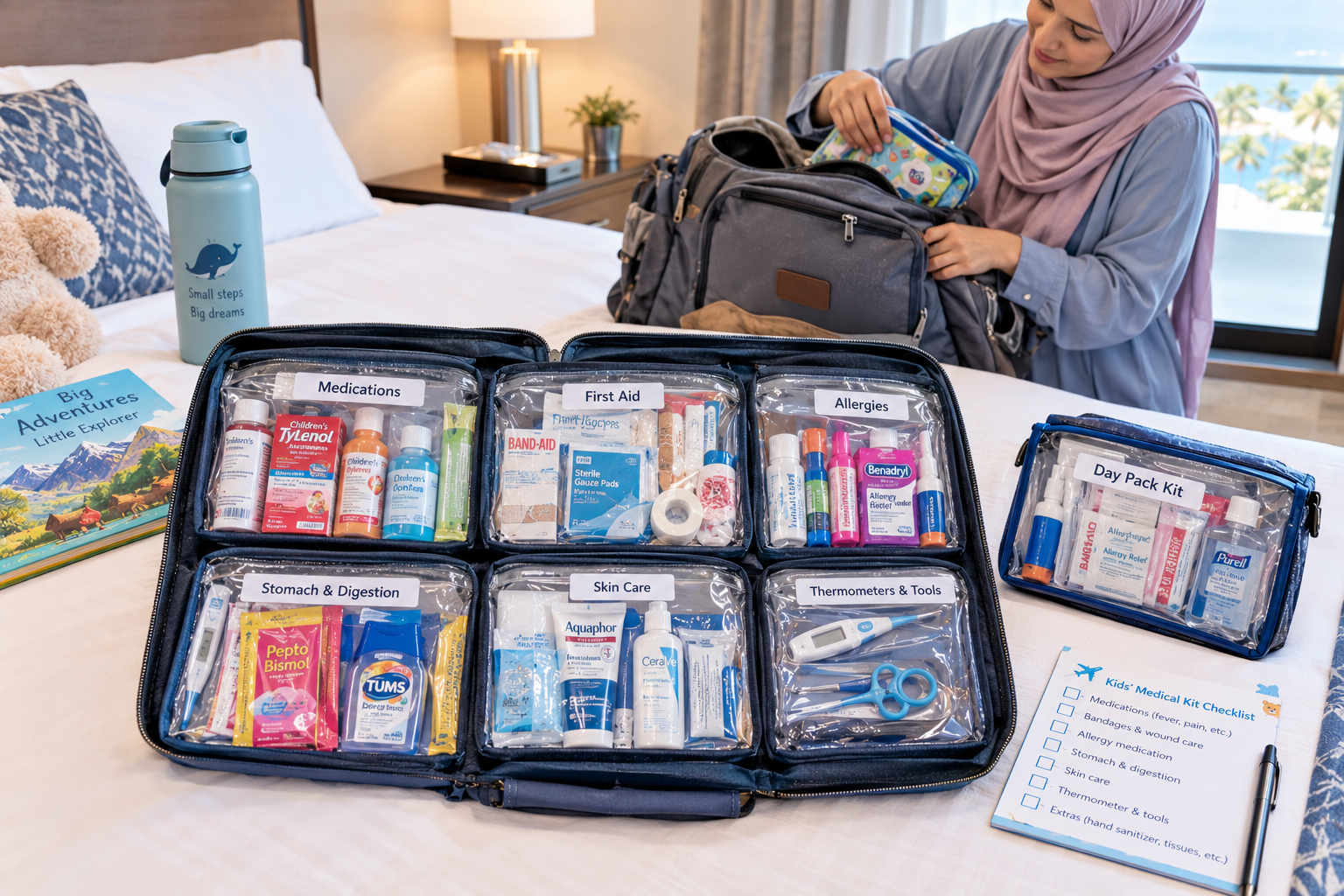
A family travel health kit for kids must include child-sized doses of pain relievers, allergy medicine, stomach remedies, and plenty of bandages. To begin assembling your health defenses, a detailed look at what to include in a family vacation first-aid kit will provide specific guidance for your packing list.
Which over-the-counter medications are safe for kids while traveling?
The safest over-the-counter medications for kids are the exact same brands of fever reducers and allergy syrups they successfully use at home.
Pediatric guidelines state that bismuth subsalicylate (the active ingredient in Pepto-Bismol) is not recommended for children under 12 years old due to its association with Reye syndrome.
The critical safety issue is concentration. Children’s medication dosages are weight-based. A bottle of children’s acetaminophen from another country may have a different concentration (mg per ml) than what you are used to, making a familiar dose dangerous. Always bring your own.
Beyond bringing your own, it’s wise to be prepared for unexpected needs, and knowing how to find an open pharmacy while on vacation is a crucial skill for any traveling parent.
How can you organize a kid’s medical kit for easy access during vacation?
Organize your medical kit by grouping items into small, clear bags labeled ‘stomach,’ ‘cuts,’ or ‘fever’ so you can grab exactly what you need in seconds.
Public health organizations suggest that for on-the-go hand washing when a sink is not available, your kit should include a travel-size hand sanitizer that contains at least 60% alcohol.
The most advanced organization tactic is to create two kits: a main “hotel kit” with bulk supplies, and a small “day pack kit” with just a few doses of pain reliever, 5-6 bandages, and an antiseptic wipe. This ensures you are prepared on excursions without carrying the entire pharmacy.
5. Which travel insurance options best protect kids’ health on vacation?
The best travel insurance for protecting your kids covers emergency medical bills, pays for medical evacuation flights, and covers pre-existing conditions.
What emergency medical services does family travel insurance cover for kids abroad?
A good travel insurance policy covers the cost of emergency room visits, hospital stays, doctor consultations, and ambulance rides in foreign countries.
In areas with a risk of dengue or malaria, insect repellents are recommended even for children under 6 months old, as the risk from these diseases is greater than potential side effects. This shows why avoiding the hospital in the first place is ideal, but insurance covers you if you fail.
Many top-tier policies include a “bedside visit” benefit. If your child is hospitalized for an extended period, the insurance may pay for a family member to fly out to be with them, a crucial but often overlooked logistical and emotional support feature.
How do you choose a travel insurance policy that fits your family’s health needs?
You choose the right policy by writing down your family’s specific health needs, like asthma, and checking that the insurance plan explicitly covers them.
World Health Organization guidelines emphasize that families should consider purchasing a policy that includes medical evacuation insurance, which covers the cost of air transport to a facility with adequate medical care, particularly for children in remote areas.
The key is to get a “pre-existing medical condition waiver.” If your child has a condition like asthma, you need this waiver (usually obtained by purchasing the policy within 7-21 days of your initial trip payment) for the policy to cover any asthma-related emergencies on the trip.
Logistics: Preventive Health Packing & Planning Checklist
| Checklist Item / Tactic | Status |
|---|---|
| STEP 1: Schedule pediatrician visit 4-6 weeks out for vaccines. | ⬜ |
| STEP 2: Pack child-specific OTC medicines (fever, allergy, stomach). | ⬜ |
| STEP 3: Pack sanitization supplies (wipes, 60%+ alcohol sanitizer). | ⬜ |
| STEP 4: Secure travel insurance with medical evacuation benefits. | ⬜ |
| STEP 5: Verify safe food and water practices for your destination. | ⬜ |
Resolution
Ultimately, preventing kids from getting sick on vacation is an act of strategic planning that empowers families to enjoy their travel with confidence. The key to a healthy family vacation lies in a three-pronged strategy: diligent pre-travel medical preparation, consistent on-the-go hygiene, and a well-stocked medical kit. Mastering these areas transforms parental anxiety into proactive control. The most successful approach integrates these health measures seamlessly into the travel routine, making them as natural as packing a suitcase, rather than treating them as a separate, burdensome chore. This shift in mindset from “chore” to “routine” is the hallmark of an experienced family traveler.