What Types of Accommodation Work Best for Family Vacations?
Table of Contents
Before diving into specific accommodation types, you might want to review our complete guide on How to Plan a Family Vacation Step by Step for an overarching planning strategy.
The best place to stay for a family vacation is the one that perfectly fits your family’s specific needs for space, fun amenities, budget, and safety. A great choice makes travel easier and more comfortable, cutting down on stress so you can focus on quality time together. The “best” choice isn’t the same for everyone—it’s the place that acts as a comfortable, safe, and easy home base for your unique trip.
Think of your accommodation as the heart of your vacation, not just a place to sleep. A smart choice removes everyday hassles—like figuring out meals or dealing with cranky, tired kids—which instantly makes the trip more fun. Understanding exactly what your family needs is the very first step to finding the perfect getaway spot.
2. What Defines the Best Accommodation for Family Vacations?
The best vacation home or hotel is one that aligns perfectly with your group’s size, budget, and need for safety and fun. By focusing on comfort and ease, you can skip the daily headaches and maximize your family’s enjoyment.
Everyday Travel Stress: The exhausting build-up of daily hassles, like figuring out transportation, wrangling meals for picky eaters, and keeping different age groups happy all at once.
To avoid getting distracted by fancy features you don’t actually need, decide on your family’s “must-haves” (like separate bedrooms or a full kitchen) before you even start searching.
Why Do Family Needs Matter Most When Choosing Accommodation?
Putting your family’s needs first is so important because booking the wrong place can quickly lead to arguments, safety worries, and a bad trip. The ages and interests of your kids should decide what features you look for—from safety gates for climbing toddlers to fast Wi-Fi and privacy for older teens. Picking a place just because it’s cheap or close to the beach is a common mistake that can backfire.
For example, staying in a standard, crowded hotel room often leads to high stress levels for families because of the tight space and noise. On the other hand, renting a vacation home usually drops that stress significantly, as noted by Learners and Makers.
A great rule of thumb is to “accommodate the people, not the schedule.” A family with a napping toddler needs a totally different setup (like quiet, separate rooms) than a family with active teens who want to socialize and explore.

Figure 1: Family Needs Spectrum
Matching the accommodation to your family’s social needs is part of a larger plan to ensure a smooth trip, which is why understanding how to plan a family vacation schedule is equally important.
What Are the Core Attributes of Family-Friendly Accommodation Types?
Truly family-friendly places offer features that make your life easier, save you money, and keep everyone comfortable. Things like full kitchens, washers and dryers, and separate bedrooms go beyond basic lodging—they actively help you manage the messy, everyday realities of traveling with kids.
Having a kitchen is a game-changer. One case study showed that a family of five can cut their weekly food costs by nearly 68 percent just by cooking groceries in a rental kitchen instead of eating out at a hotel every day.
The best features are the ones that give you flexibility. A full kitchen isn’t just about saving cash; it means you can feed a hungry toddler the moment they wake up, or easily cook for a picky eater, rather than stressing over finding a restaurant that works for everyone.
The best accommodation for family vacations is defined by its ability to precisely match the family’s unique needs regarding space, age-appropriate amenities, budget, and safety. This type of accommodation prioritizes logistical convenience and comfort to minimize stress and maximize quality time. The “best” choice is not a single type but the one that most effectively functions as a comfortable, safe, and efficient home base for the family’s specific vacation goals.
The core principle of choosing the best family accommodation involves making a strategic decision that directly impacts vacation quality, not just a lodging choice. This choice determines and dictates the vacation’s success and requires careful consideration of family needs. Understanding these defining criteria is the first step, and the next is to explore the specific accommodation types that deliver on these needs.
2. What Defines the Best Accommodation for Family Vacations? Key Attributes
- Full Kitchen: Essential for dietary control and budget savings by preparing meals in-unit.
- In-unit Laundry: Allows for lighter packing and easy management of spills and messes.
- Separate Bedrooms: Provides privacy for all family members and maintains routines, especially for toddlers and teens.
- Age-Appropriate Features: Includes safety gates, cribs, high chairs for young children, and Wi-Fi for teenagers.
- Child-Safe Accommodations: Features like secured balconies, window guards, and fenced pools contribute to peace of mind.
Key Attributes
- Full Kitchen: Essential for dietary control and budget savings by preparing meals in-unit.
- In-unit Laundry: Allows for lighter packing and easy management of spills and messes.
- Separate Bedrooms: Provides privacy for all family members and maintains routines, especially for toddlers and teens.
- Age-Appropriate Features: Includes safety gates, cribs, high chairs for young children, and Wi-Fi for teenagers.
- Child-Safe Accommodations: Features like secured balconies, window guards, and fenced pools contribute to peace of mind.
Logistical Friction: The cumulative resistance and stress caused by managing practical travel details, such as transportation, meal coordination, and meeting the needs of different age groups, which a well-chosen accommodation aims to minimize.
To prevent being distracted by features that don’t serve your core needs, choose to define your family’s non-negotiable requirements (e.g., separate sleeping areas, kitchen access) before beginning your search.
Why Do Family Needs Matter Most When Choosing Accommodation?
Prioritizing family needs in accommodation selection is crucial because a mismatch leads to vacation friction, safety compromises, and negative experiences. The specific ages, interests, and size of the family group dictate the necessary features, from safety gates for toddlers to reliable Wi-Fi and privacy for teenagers. Ignoring these needs in favor of price or location alone is a common planning error.
According to one analysis, a standard urban hotel room produces a family stress level of 7.5 out of 10, primarily due to space confinement and noise, whereas a vacation rental home scores a 3.2, as detailed by Learners and Makers.
The core principle is “accommodate the people, not the itinerary.” A family with a napping toddler has a fundamentally different rhythm and set of requirements (e.g., quiet, separate rooms) than a family with active teens who need access to activities and social spaces.
Figure 1: Family Needs Spectrum
Matching the accommodation to your family’s social needs is part of a larger plan to ensure a smooth trip, which is why understanding how to plan a family vacation schedule is equally important.
What Are the Core Attributes of Family-Friendly Accommodation Types?
Family-friendly accommodations offer core attributes like full kitchens, in-unit laundry, and separate sleeping areas, which provide convenience, cost control, and comfort by supporting meal preparation, reducing luggage, and ensuring privacy for all family members. These features go beyond basic lodging to actively support the logistics of a family trip.
According to one case study, a 5-member family can achieve a 68 percent reduction in weekly food costs via grocery savings when using a rental kitchen compared to full-service hotel dining.
The most valuable attributes are those that grant families autonomy and flexibility. A full kitchen isn’t just about saving money; it’s about controlling meal times for young children and catering to picky eaters, reducing the stress of finding suitable restaurants for every meal.
Key Attributes
- Full Kitchen: Essential for dietary control and budget savings by preparing meals in-unit.
- In-unit Laundry: Allows for lighter packing and easy management of spills and messes.
- Separate Bedrooms: Provides privacy for all family members and maintains routines, especially for toddlers and teens.
- Age-Appropriate Features: Includes safety gates, cribs, high chairs for young children, and Wi-Fi for teenagers.
- Child-Safe Accommodations: Features like secured balconies, window guards, and fenced pools contribute to peace of mind.
To delve deeper into selecting the ideal amenities, explore our guide on How to Choose the Right Accommodation Features for Families.
Author’s Experience
“As a parent who has juggled countless family trips, I’ve learned that a hotel with a dedicated kids’ club is a game-changer. That hour of ‘me-time’ by the pool, knowing my children are safely entertained, is priceless. It truly transforms a vacation from managing logistics to enjoying shared moments.”
3. Which Accommodation Types Work Best for Diverse Family Vacation Needs?
Vacation rentals, all-inclusive resorts, and hotel suites are the top choices for families, and each one offers a different mix of space, perks, and pricing. Vacation rentals give you the most room and independence. All-inclusive resorts are unbeatable for sheer convenience and a predictable budget. Meanwhile, hotel suites offer flexibility and put you right in the middle of the action.
Aparthotel (or Serviced Apartment): Think of this as a cross between a hotel and an apartment. It gives you the space and kitchen of a rental, but with the housekeeping and front desk help of a traditional hotel.
Deciding between these options usually comes down to choosing between convenience and control. Resorts are convenient because they make all the food and activity decisions for you. Vacation rentals give you total control over your schedule and meals. Figure out what matters most for your trip—independence, ease, or location—and start your search there.
| Accommodation Type | Key Features | Pros for Families | Cons for Families | Ideal Family Profile |
|---|---|---|---|---|
| Vacation Rentals | Full kitchen, multiple bedrooms, living areas, private outdoor space often | More space & privacy, cost savings on food, homely environment, flexible schedules | Less service (no daily housekeeping), potential hidden fees, fewer on-site amenities | Large families, multi-generational groups, long stays, specific dietary needs |
| All-Inclusive Resorts | Bundled meals, activities, entertainment, kids’ clubs | Predictable budget, minimal planning, on-site activities for all ages, parental downtime | Less local immersion, potential for food monotony, higher upfront cost | Families seeking convenience, no-stress holidays, social kids, active teens |
| Hotels (Suites, Connecting Rooms) | Daily housekeeping, concierge, room service, central locations, connecting rooms | Flexibility for short stays, access to city centers, consistent service, loyalty programs | Less space, limited kitchen facilities, food costs add up, less privacy | Short trips, urban exploration, business travel with family, small families |
| Glamping/Unique Stays | Nature immersion, unique structures (yurts, treehouses), often basic amenities | Adventure, unique experiences, connecting with nature, memorable | Variable comfort levels, limited services, weather dependent, might lack essential amenities | Adventurous families, those seeking novelty, older children/teens, shorter breaks |
| Aparthotels/Serviced Apartments | Apartment-style living (kitchen, living area) with hotel services (housekeeping, reception) | Balance of space/privacy and hotel services, often good for longer stays, consistent quality | May lack extensive on-site entertainment, services might be limited compared to full-service hotels | Families wanting both independence & convenience, mid-length stays, urban travel |
How Do Vacation Rentals Benefit Families on Holiday?
Vacation rentals are fantastic for families because they offer much more space, extra privacy, and the chance to save money by cooking your own meals. They feel more like home, which makes it easier to stick to nap times and bedtimes, making them a great fit for large groups or families with strict routines.
The average vacation rental offers around 2,000 square feet of space—a huge upgrade compared to the average hotel room, which is only about 400 square feet.
Beyond the extra space, the best part is “schedule freedom.” You don’t have to wake up early to catch a hotel breakfast or worry about dinner reservations. You can relax and adapt your day to whatever your kids need at the moment.
Key Benefits of Vacation Rentals
- Space: Ample room for families to spread out, with multiple bedrooms and living areas.
- Privacy: Dedicated private spaces for different family members, especially beneficial for teens or those needing quiet time.
- Cost Savings: Full kitchen allows for cooking meals, significantly reducing food expenses.
- Routine Maintenance: Easier to stick to children’s routines like nap times and bedtimes.
- Flexibility: “Schedule sovereignty” means no strict meal times or facility hours, ideal for multi-generational travel.
What Advantages Do All-Inclusive Resorts Offer Families?
All-inclusive resorts are all about ease. Because your room, meals, and activities are bundled into one price, you know exactly what your trip will cost before you even leave home. This takes away the daily stress of deciding where to eat or what to do, and the built-in kids’ clubs mean everyone in the family gets to have fun (and parents get a break!).
Research shows that resorts with amazing childcare facilities see a 22 percent jump in bookings from families coming back year after year, just because parents love the mental break.
The real magic of an all-inclusive is fighting “decision fatigue.” Parents make hundreds of choices every day at home. A vacation where the fun and food are already planned out is a massive mental relief.

Figure 2: Active Kids’ Club
When Are Hotels or Suites the Best Choice for Family Getaways?
Hotels or suites are perfect for shorter trips, city visits, or anytime you want to be right in the middle of the action. They offer great services like daily room cleaning and front desk help, which can be a lifesaver when you’re busy exploring.
NerdWallet research shows that booking a hotel about 15 days out can actually save you an average of 13 percent compared to booking four months ahead, making hotels a great pick for a spontaneous family weekend.
The best thing about a hotel is the location. Even if it costs a bit more per night than a rental house out in the suburbs, staying right next to the museums or parks saves you hours of travel time and expensive taxi rides.

Figure 3: Connecting Hotel Rooms Diagram
4. How Do Families Compare Accommodation Options Based on Key Vacation Criteria?
To pick the right place, families should look at their budget, group size, and what amenities they really need, and compare those against what each type of lodging offers. It’s not about finding the “perfect” hotel in the world; it’s about finding the best fit for this specific trip. For example, a big beach house might be great for a summer week, but a hotel suite is better for a quick city break.
Total Cost of Ownership (TCO): This just means looking at the entire cost of the trip, not just the room rate. You have to add in food, transport, activities, and hidden fees to see what you’re really spending.
Smart planners figure out their “must-haves” first. They don’t just guess between a hotel or a rental; they ask, “What’s most important right now—saving money, having lots of space, or being close to the action?” To keep emotions out of it, try making a simple list to score each option against what your family actually needs.
| Criteria | Vacation Rental | All-Inclusive Resort | Hotel (Suites/Connecting) | Aparthotel/Serviced Apt. |
|---|---|---|---|---|
| Budget | High upfront, low daily food/activity cost | High upfront, all-inclusive daily cost | Lower upfront, higher daily food/activity cost | Mid-range upfront, flexible daily cost |
| Group Size/Ages | Excellent for large/multi-gen groups, all ages (space for kids/teens) | Great for diverse ages, kids’ clubs, teen activities | Good for small/medium families, solo travelers, connecting rooms for teens | Good for small/medium families, longer stays, separate bedrooms |
| Desired Amenities | Full kitchen, in-unit laundry, multiple living areas, yard | Pools, kids’ clubs, entertainment, restaurants, childcare services | Housekeeping, concierge services, room service, fitness center | Kitchenette, living area, housekeeping, reception |
| Location Preference | Often residential, suburban, or rural areas; requires transportation | Typically secluded, beachfront, or purpose-built destinations | Urban centers, near attractions, airports, business districts | Urban areas, business districts, residential neighborhoods |
| Activity Level | Self-directed activities, local exploration, quiet family time | Structured resort activities, pre-planned excursions, poolside relaxation | Sightseeing, urban exploration, pre-booked tours, quick trips | Local exploration, self-planned outings, comfortable base for work/leisure |
| Privacy Needs | High privacy, separate rooms for all, quiet spaces | Medium privacy, can be busy, but kids’ clubs provide adult time | Lower privacy in standard rooms, higher with suites/connecting rooms | High privacy within the unit, moderate in common areas |
How Can Budget Significantly Impact the Choice of Family Vacation Accommodation?
Your budget guides your choices by forcing you to look at the total vacation cost, rather than just the price of the room. When you add up the cost of eating out three times a day and taking taxis, an all-inclusive resort or a vacation rental with a kitchen often ends up being cheaper overall, even if the upfront booking price looks higher.
Understanding how to manage your finances is key, and we have a dedicated resource on how to budget accommodation costs for a family vacation.
If you’re traveling with extended family, costs are often shared. Surveys show that about 50% of grandparents pay for the whole trip, while 48% split the bill with their adult children, according to AvantStay.
The smartest way to look at your budget is on a “per-person, per-day” basis. A large vacation rental might seem pricey, but when you split that cost among eight people over seven days, it’s usually much cheaper than getting three separate hotel rooms.
Budget Analysis
- Mistake: Focusing only on the nightly rate.
- Fix: Calculate the total cost including food, transportation, and activities.
- Directive: Analyze all potential hidden fees, including resort fees, cleaning fees, and parking charges, before booking.
- Recommendation: Consider self-catering options if your family plans to cook most meals to achieve true budget control.
For comprehensive advice on managing travel to your destination, consider our guide on How to Plan Transportation for a Family Vacation.
What Role Do Group Size and Children’s Ages Play in Accommodation Selection?
The size of your group and the ages of your kids are the most important things to consider. A large, multi-generational group usually needs the multiple bedrooms of a vacation rental so everyone has their own space. A family with a toddler needs safety features like secure balconies, while parents of teens might love connecting rooms for a mix of privacy and supervision.
Space matters for sleep, too. Studies show that babies sleep almost 100 minutes longer when they have their own room compared to sharing a room with parents!
Think about the “zones” in your rental. A great family house has a noisy zone (like a playroom or basement for the kids) and a quiet zone (like a living room for the adults). Hotels just can’t offer this kind of peaceful separation.

Figure 4: Accommodation by Family Type Infographic
Which Specific Amenities are Essential for Different Family Vacation Styles?
The amenities you need depend completely on what kind of trip you’re taking. If you want to relax on the beach, you need a pool and direct sand access. If you’re hiking and exploring, you’ll desperately want a washer and dryer for muddy clothes. If you’re touring a big city, a helpful front desk and a location near the subway are way more important than a full kitchen.
Recent data shows that nearly half of families look for perks—like kids’ clubs or special tours—that they simply can’t organize on their own, proving how important the right amenities are (according to Detail Oriented Traveler).
A “nice-to-have” for one family is a “must-have” for another. If you desperately need a break, a kids’ club is non-negotiable. Pick the features that support your main goal for the trip.
Essential Amenities by Vacation Style
- Relaxation Family: Needs a pool, kids’ club, and daily housekeeping to reduce parental labor.
- Adventure Family: Requires in-unit laundry, secure storage for gear, and proximity to outdoor activities.
- Urban Explorer Family: Values a central location, concierge services, and access to public transportation.
- Family with Infants: Crucial amenities include cribs, high chairs, bottle warmers, and stroller accessibility.
5. What Steps Should Families Take to Secure the Best Family Vacation Accommodation?
Booking the best spot involves a few smart steps: figure out what you truly need, filter out places that don’t have those “must-haves,” carefully read reviews from other parents, and double-check the safety and location before you pay. It also means clearly understanding the cancellation policy just in case plans change.
Comparing Reviews Across Sites: Don’t just trust one website. Look up the same property on Google, TripAdvisor, and booking sites to see if the positive (or negative) comments match up everywhere.
Smart planners do a “wide search” to see what’s out there, and then a “deep dive” on their top two or three choices. This means looking closely at photos taken by real travelers, hunting for any recurring complaints, and using Google Street View to make sure the neighborhood looks safe and pleasant. Always read a few “3-star” reviews—they are usually the most honest and will tell you about minor annoyances that the glowing 5-star reviews leave out.
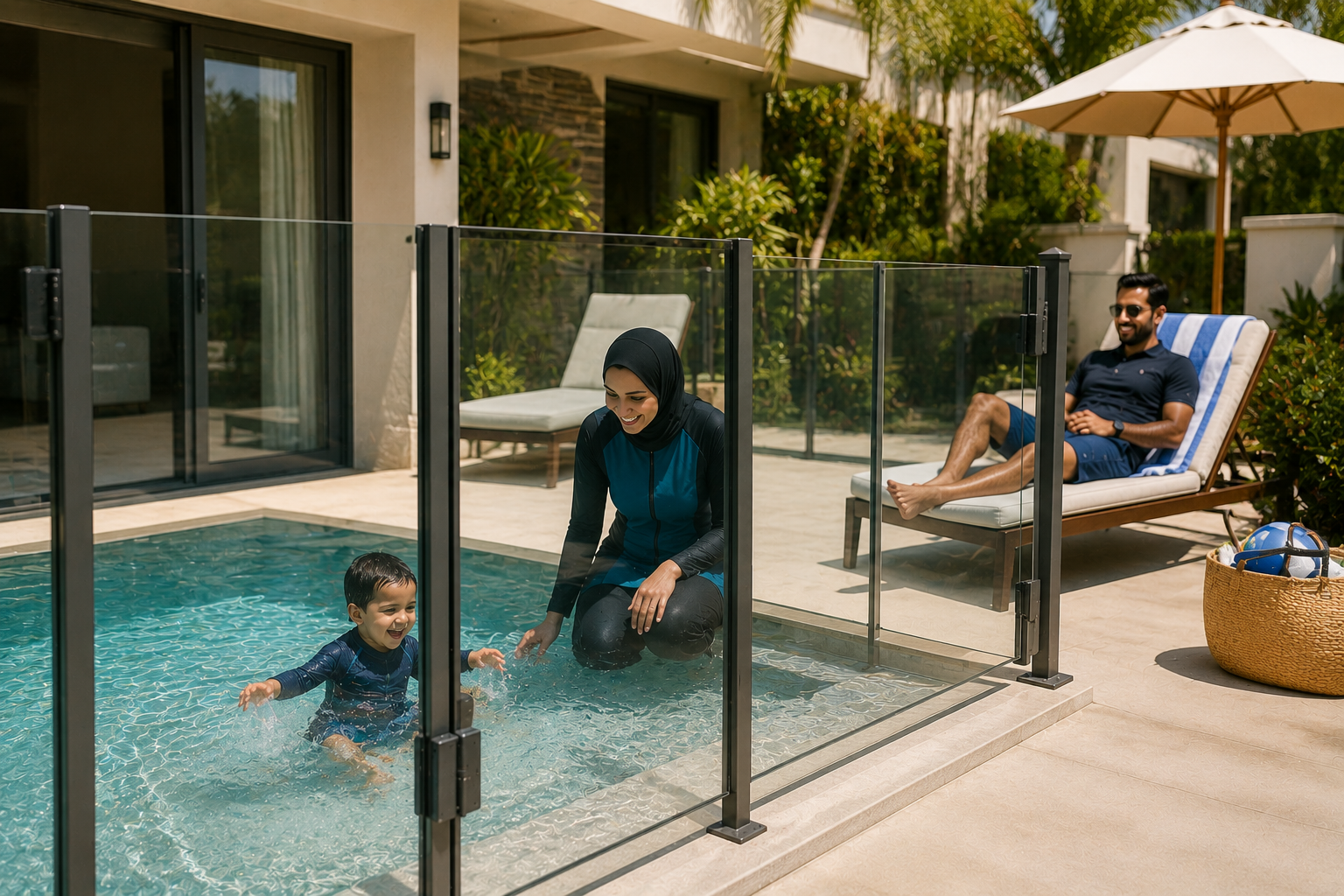
Figure 5: Family Accommodation Booking Funnel
How Can Families Effectively Research and Evaluate Potential Accommodations?
The best way to research is to check multiple review sites, look closely at photos taken by actual guests instead of professional photographers, and zero in on reviews from other families. Look for comments about things you care about, like whether the rooms are noisy at night or if it’s easy to get a stroller to the front door.
Location is huge. Data shows that staying in a highly “walkable” area can actually cut your local transportation costs by 15 percent, which is a great detail to look for when visiting a city.
A great trick is to use the “search” feature inside the review section. Type in words like “toddler,” “teenagers,” “noise,” or “hidden fees.” This instantly filters out the generic reviews and shows you exactly what other parents experienced.
Research Tactics
- Review Keywords: Use search or filter functions on platforms like TripAdvisor for terms like ‘family’ or ‘toddler’.
- User Photos: Prioritize recent user-submitted photos over professional marketing shots.
- Trust Recent Reviews: Focus on recent, detailed reviews over older, generic ones.
- Virtual Tours: Use Google Reviews and other platforms that offer virtual tours to assess the space.
What Key Questions Should Families Ask Before Finalizing Accommodation Bookings?
Before hitting the “book” button, you need to ask about the full price (including cleaning and resort fees), get the exact details on kids’ clubs (like age limits and hours), and double-check important safety and accessibility features like pool fences or balcony locks. Getting these answers in an email guarantees you won’t have any nasty surprises when you arrive.
Research shows 45% of families love having a professional to help if something goes wrong, which proves how important it is to ask clarifying questions early on so you can relax during your trip.
One of the smartest questions you can ask a host or hotel manager is: “What is the most common complaint you receive from families, and how have you fixed it?” If they answer honestly, you know they care about their guests. If they dodge the question, it’s a major red flag.
Pre-Booking Question Checklist
- Cost Clarity: Demand clarity on all fees, including resort, cleaning, and parking charges.
- Service Specifics: Confirm exact hours and age limits for childcare services and other amenities.
- Safety Verification: Proactively verify the presence of pool fencing, balcony security, and functioning smoke detectors.
- Cancellation Policy: Confirm the specifics of the cancellation policy directly.
6. What Common Mistakes Do Families Make When Choosing Vacation Accommodation?
The biggest mistakes parents make are ignoring recent reviews, looking only at the cheap nightly rate, and forgetting to ask about critical safety features. These errors usually happen when we rush the booking process or get distracted by pretty photos instead of practical facts.
Idealized Booking: This happens when you book a place based on the perfect, quiet vacation you *wish* you were having, rather than the loud, messy, real-life family you are actually bringing along.
For example, renting a gorgeous, remote cabin with no Wi-Fi sounds incredibly peaceful—until you realize your screen-loving teenagers are miserable, which makes everyone else miserable. To guarantee a great trip, be totally honest about what your family actually needs to be happy, not just what looks good on a postcard.
How Can Families Prevent Overspending on Family Accommodation?
The best way to prevent overspending is to calculate the “total cost” of the stay, rather than just staring at the nightly rate. When you add up the cost of three restaurant meals a day plus taxi rides, paying a little extra upfront for a vacation rental with a kitchen or an all-inclusive resort often ends up saving you hundreds of dollars.
For big families, renting a large vacation home can cost between $50-$150 per person per night, which is usually way cheaper than booking three or four separate hotel rooms (according to Vacasa).
A fantastic trick to avoid blowing your budget is to pre-load a debit card with your daily “fun money” for things like ice cream or souvenirs. When the card is empty, the spending stops for the day. It’s a visual, easy way to stay on track without having to do math on vacation.
What Are the Risks of Overlooking Safety Features in Family Accommodation?
Forgetting to check safety features can lead to serious accidents, especially with toddlers. A gorgeous rental house might have steep, open stairs, an unfenced pool, or windows without locks. Never assume a property is totally safe for kids just because it says “family-friendly” online.
One safety audit revealed that barely half (56 percent) of short-term rental homes had working carbon monoxide detectors, showing why parents need to double-check the basics.
When we go on vacation, our brains tend to relax, which means we might not be watching our kids as closely as we do at home. That’s why the house or hotel itself needs to be safe. You want a place with built-in safety (like pool fences) so you aren’t forced to be on high-alert every second of the trip.
Family Accommodation Safety Checklist
- Pool Security: Check for proper fencing around pools, especially if traveling with young children.
- Balcony Safety: Verify balcony railing height and security, ensuring no climbable surfaces.
- Window Guards: Inspect windows for guards or locks, particularly on upper floors.
- Smoke & CO Detectors: Ensure functioning smoke and carbon monoxide detectors are present.
- Child-Proofing: Inquire about outlet covers, stair gates, and other child-safe accommodations.
7. Logistics: Family Accommodation Selection & Booking Checklist
| Checklist Item / Tactic | Status |
|---|---|
| STEP 1: Define your family’s unique needs regarding space, amenities, budget, and safety. | ⬜ |
| STEP 2: Filter potential accommodations based on non-negotiable amenities and read family-specific reviews. | ⬜ |
| STEP 3: Verify location, safety features, and specific service details (e.g., kids’ club hours) before confirming. | ⬜ |
| STEP 4: Understand the cancellation policy thoroughly before finalizing any booking. | ⬜ |
8. Frequently Asked Questions
How can I tell if a place will actually make my trip easier before I book it?
The perfect spot acts as a comfortable, easy home base that fits your group’s size and budget perfectly. Look for features that do the heavy lifting for you, like a kitchen so you don’t have to find restaurants every morning, a washer/dryer for quick clean-ups, or a kids’ club that gives parents a guaranteed break.
What’s the best option if we are traveling with grandparents, parents, and young kids?
When you have multiple generations under one roof, space and privacy are your best friends. A large vacation rental with multiple bedrooms and a big living room is usually the best bet, allowing grandparents to retreat to a quiet room while the kids play in a separate area.
How does the cost of a vacation rental compare to an all-inclusive resort?
Vacation rentals usually charge a base nightly rate plus extra cleaning and service fees, but you save money by cooking your own food. All-inclusive resorts look more expensive upfront, but because they bundle your room, food, and activities into one price, you won’t have any surprise food bills at the end of the trip.
Do all hotels offer connecting rooms for families?
While many major hotel chains offer connecting rooms (which are great for giving teens privacy while parents keep an eye on them), they are never guaranteed unless you confirm it directly. Always call the front desk of the specific hotel to ensure the rooms are actually connected by an inner door, not just next to each other.
What are the biggest red flags to watch out for in online reviews?
When reading reviews, watch out for consistent complaints about things you can’t fix, like mold, broken air conditioning, extreme street noise, or unhelpful management. If multiple people mention the same hidden fee or safety issue, trust the reviews over the property’s glowing photos.
How do I make sure I’m getting the best deal on my family’s lodging?
To avoid overpaying, always look at the total vacation cost (including food and daily activities) rather than just the nightly room rate. You can also save a lot by traveling during the “shoulder season” (right before or after peak summer) or choosing a place slightly outside the main tourist zone, as long as it’s near public transit.
9. Sources
- https://wovenvoyages.com/planning/best-family-accommodations
- https://avantstay.com/blog/how-to-plan-multigenerational-family-vacation
- https://www.learnersandmakers.com/best-types-of-accommodation-for-families
- https://www.detailorientedtraveler.com/best-multifamily-vacation-destinations
- https://www.vacasa.com/explore/family-vacation-rentals-and-cabins
Resolution
At the end of the day, picking the right vacation accommodation is all about finding a place that matches your family’s real-life needs, your budget, and the kind of fun you want to have. There is no magic “perfect” place for everyone—it’s about finding what’s perfect for you. By taking the time to think about what your kids need and what will help you relax, you can avoid a lot of headaches and guarantee a much smoother, happier getaway. Remember: booking a resort is a vote for ultimate convenience, picking a rental is a vote for space and independence, and choosing a hotel is a vote for quick access to the city. Trust the research you’ve done. The right spot is out there, and you now have all the tools you need to find it with confidence!