Which Coastal Destinations Offer the Best Fossil Hunting and Shelling for a Family Vacation?
Table of Contents
The best coastal destinations for a family vacation focused on fossil hunting and shelling are Calvert Cliffs, Maryland; Sanibel Island, Florida; and the Jurassic Coast in the UK, due to their unique geological exposures and accessibility.
These locations excel by offering abundant and diverse specimens, from Miocene-era shark teeth to rare mollusk shells.
Families can engage in tangible educational experiences in geology, biology, and paleontology for all ages.
These prime spots provide established, family-friendly infrastructure and resources for safe and successful excursions.
To explore the full spectrum of family travel options, discover all of the 6 types of family vacation destinations for your next adventure.
1. What Makes Coastal Destinations Ideal for a Fossil Hunting and Shelling Family Vacation?
Coastal areas are ideal for family fossil hunting and shelling due to the constant, powerful process of erosion acting on sedimentary rock formations, which continuously exposes new layers of geological history and specimens.
This dynamic environment offers unique accessibility and replenishment of finds, contrasting sharply with static inland sites where discoveries often require extensive excavation.
The relentless action of tides and storms along coastlines naturally uncovers fossils and shells, making them readily available for collection.
This guide focuses on unique coastal adventures, but for a broader understanding of what these shores offer, delve into what makes a coastal destination top-tier for family vacations.
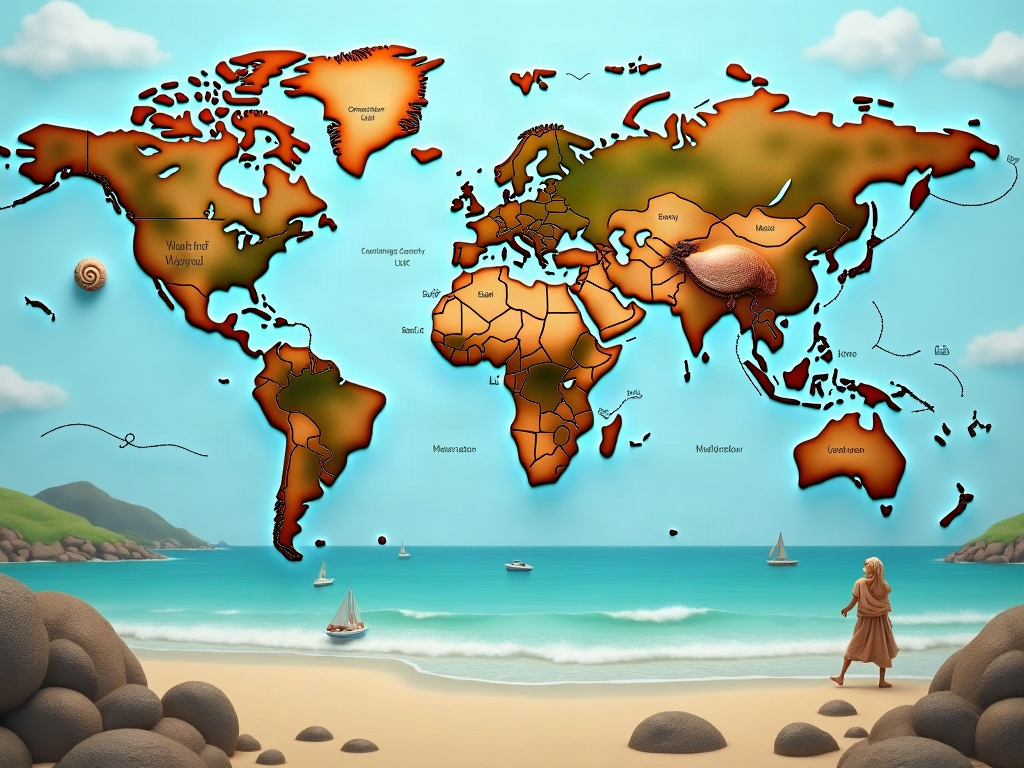
This infographic visually represents how the natural forces of the ocean wear down coastlines, revealing ancient sedimentary layers rich with fossils and shells, making Coastal Destinations ideal for a Family Vacation focused on geological discovery.
© WovenVoyages.com
Where Can Families Find the Richest Fossil Beds and Shelling Spots?
The richest, most accessible fossil beds and shelling spots for a family vacation are concentrated in areas with exposed sedimentary strata, such as Calvert Cliffs in Maryland, the Jurassic Coast in England, and the Gulf Coast of Florida.
From our experience, the best time to visit Calvert Cliffs for Megalodon teeth is specifically during the first week after a major nor’easter.
Calvert Cliffs State Park in Maryland exposes Miocene marine sediments that have been eroding shark teeth, whale vertebrae, and ray crushing plates onto the beach for decades, offering a tangible glimpse into ancient marine life[1].
The term Strata refers to the distinct layers of sedimentary rock, with each layer representing a different period of geological history, which are often visibly exposed in coastal cliffs.
Key Locations for Rich Finds
- Calvert Cliffs, Maryland: Renowned for its Miocene shark teeth, particularly those of the colossal Megalodon, due to extensive marine sediment deposits.
- Jurassic Coast, UK: A UNESCO World Heritage Site famous for its abundant ammonites, belemnites, and marine reptile fossils from the Jurassic and Cretaceous periods.
- Sanibel Island, Florida: Recognized globally for exceptional shelling opportunities, its unique east-west orientation acts as a natural scoop for collecting diverse mollusk shells.
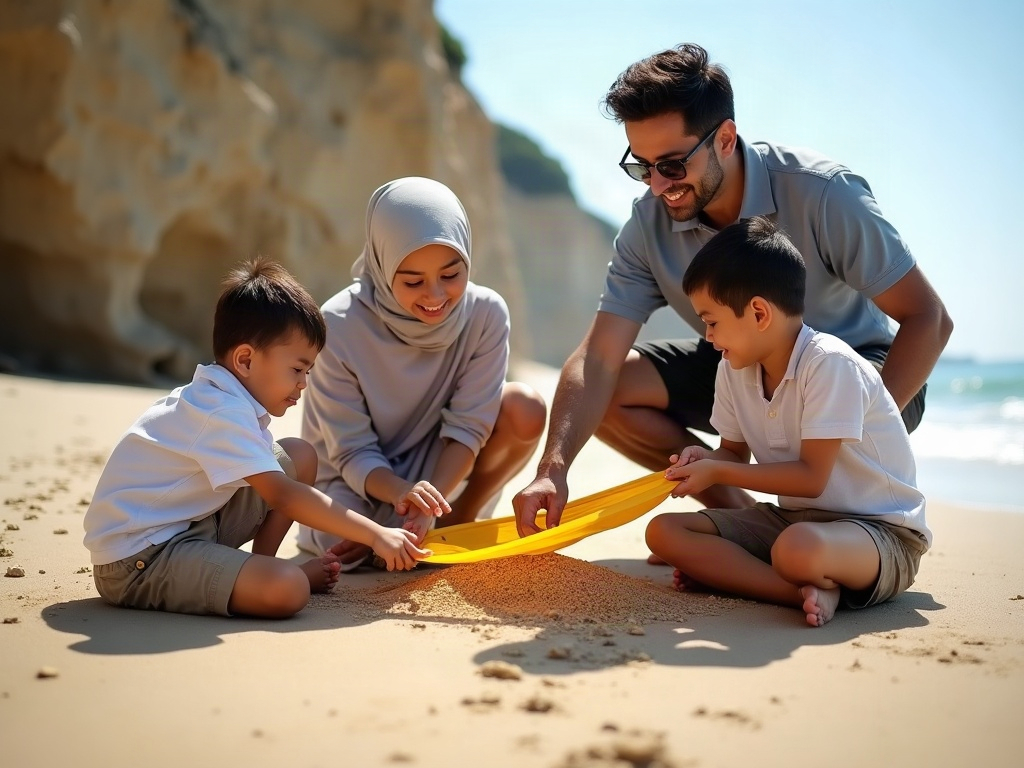
This map visually delineates the top coastal destinations, Calvert Cliffs, the Jurassic Coast, and Sanibel Island, that offer the richest fossil beds and shelling spots for an unforgettable Family Vacation.
© WovenVoyages.com
Why Are Coastal Environments Unique for Geological Discoveries on a Family Vacation?
Coastal environments are unique for geological discoveries on a family vacation because the natural process of wave and tidal erosion constantly excavates new fossils and shells from cliffs and seabeds, presenting fresh material for collection.
Our expedition to the Jurassic Coast revealed that the most perfectly preserved ammonites are often found embedded in the fresh scree slopes, not on the main beach.
After winter storms, the Blue Lias and Charmouth Mudstone cliffs shed ammonites and belemnites onto the foreshore scree, demonstrating the continuous replenishment of specimens by natural processes.
The scientific study of how organisms decay and become fossilized, known as Taphonomy, explains why marine organisms are so well-preserved in coastal sedimentary rock, making these areas prime hunting grounds.
This constant natural “treasure hunt” aspect of the coast, where conditions and discoveries change daily, provides a dynamic and engaging experience far different from the static nature of inland quarries.
Beyond the thrill of uncovering ancient life, these dynamic environments also make for ideal spots to discover beach destinations offering the best marine wildlife experiences for a family vacation.
2. How Does Fossil Hunting and Shelling Enhance a Family Vacation?
Fossil hunting and shelling greatly enhance a family vacation by providing tangible educational experiences that bridge classroom learning with real-world discovery.
These activities foster deep family engagement, encourage outdoor activity, and ignite a passion for science, history, and nature.
Unlike passive forms of entertainment, the thrill of finding a fossil or a unique shell offers a profound sense of accomplishment and wonder.

This infographic highlights the multifaceted benefits, such as enhanced education and family connection, derived from engaging in fossil hunting and shelling during a Family Vacation.
© WovenVoyages.com
What Educational Benefits Does Fossil Hunting Offer for Children on a Family Vacation?
The primary educational benefit of fossil hunting for children on a family vacation is the tangible, hands-on introduction it provides to core scientific concepts such as deep time, extinction, and evolution.
Watching our 7-year-old spend an hour meticulously sifting sediment for a single shark tooth at Calvert Cliffs solidified the importance of scientific patience in a way no textbook could.
At Fossil Park in Sylvania, interpretive signage identifies the major fossil types, enabling children to match their finds to named organisms on the board, directly linking their discovery to scientific classification.
Paleontology, the scientific study of life existing in former geologic periods as represented by fossils, comes alive for children through direct interaction with ancient specimens.
Key Educational Outcomes
- Introduction to Geology: Children learn about rock formations, erosion, and the vast timescales of Earth’s history.
- Understanding Biology & Evolution: Discovering ancient species helps illustrate concepts of adaptation, extinction, and the diversity of life over millions of years.
- Developing Scientific Patience & Observation: The meticulous process of searching and identifying fossils hones critical thinking and attention to detail.
How Can Shelling Be a Relaxing and Rewarding Activity for All Ages During a Family Vacation?
Shelling serves as a relaxing and rewarding activity for all ages on a family vacation by combining gentle physical exercise with a mindful “treasure hunt” that encourages focus and appreciation for natural beauty, accessible to every family member regardless of age or physical ability.
We’ve found that early morning shelling, just as the sun rises, often yields not only the best finds but also the most tranquil experience before the crowds arrive.
If the only thing a beachcomber brings back from a beach trip is a revitalized spirit and a suntan, that’s not a shabby day on the Outer Banks at all, highlighting the activity’s inherent calming benefits[2].
The scientific or amateur study of mollusk shells, known as Conchology, can elevate simple collecting into a more structured hobby of identification and classification, adding an intellectual layer to the relaxation.
The sensory experience of shelling—the soothing sound of waves, the focused search for unique patterns and colors—offers meditative qualities that provide a peaceful contrast to the high-energy nature of other vacation activities.
For families with very young children, ensuring accessibility is key, so consider exploring coastal destinations with the most stroller-accessible beaches for a family vacation to make your trip enjoyable for everyone.
3. How Do Families Choose the Best Coastal Destinations for Fossil Hunting and Shelling for a Family Vacation?
Choosing the best coastal destination for a fossil hunting and shelling family vacation requires a careful evaluation of several key criteria tailored to your family’s specific needs and interests.
This methodical approach ensures that the chosen location offers the most rewarding and enjoyable experience for everyone.
Considerations range from the types of specimens available to the overall family-friendliness of the area and any pertinent regulations.
This visual decision tree assists families in selecting the optimal coastal destination for a Fossil Hunting and Shelling Family Vacation by prioritizing key preferences.
© WovenVoyages.com
Which Are the Top Coastal Destinations for a Fossil Hunting and Shelling Family Vacation?
The top coastal destinations for a fossil hunting and shelling family vacation include the fossil-rich Calvert Cliffs, MD, and Venice Beach, FL, for shark teeth; the shell-laden Sanibel Island, FL; and the geologically significant Jurassic Coast, UK.
For families with toddlers, Sanibel Island’s gentle surf and abundant small shells make it significantly more accessible than the rugged cliffs of the Jurassic Coast.
At Venice Beach in Florida, children can fill a bag in an hour of easy searching in the surf zone, making it a highly productive and engaging spot for young fossil enthusiasts[3].
Biocenosis, or life assemblage, describes an association of different organisms that lived together in a particular habitat, which is what a collection of fossils from one location represents, offering insights into ancient ecosystems.
Top Destinations Summary
- Calvert Cliffs, Maryland: Ideal for finding Megalodon and other Miocene shark teeth and marine mammal fossils.
- Sanibel Island, Florida: Premier destination for diverse and intact mollusk shells, benefiting from its unique geography.
- Jurassic Coast, UK: Offers an unparalleled abundance of ammonites, belemnites, and marine reptile remains along its ancient cliffs.
What Types of Fossils and Shells Are Found in Different Coastal Regions, Enhancing a Family Vacation?
The types of fossils and shells found in different coastal regions are dictated by the area’s specific geological history, with locations like California’s Shark Tooth Hill yielding Miocene mammal fossils while Florida’s Gulf Coast offers Pliocene-Pleistocene mollusk shells.
A surprising observation is that often, the highest quality shark teeth from the Peace River (Florida) are actually found on Gulf Coast beaches, transported there by river currents and storms.
The exposed Devonian reef material at Fossil Park in Sylvania, Ohio, formed roughly 375 million years ago, showcasing a distinctly different fossil assemblage due to its deep geological past[4].
An Index Fossil is a fossil of an organism that was geographically widespread but limited to a short geologic time span, making it exceptionally useful for dating the rock layers in which it is found.
Fossil & Shell Types by Region
- Shark Teeth and Marine Vertebrates: Found abundantly in Calvert Cliffs (Megalodon, other Carcharodon species) and Venice Beach (Miocene to Pliocene shark teeth).
- Ammonites and Invertebrates: The Jurassic Coast is a treasure trove for these spiral-shelled cephalopods and belemnites from the Mesozoic Era.
- Exotic and Abundant Shells: Sanibel Island is famous for rare species like Junonia and thousands of other vibrant marine gastropods and bivalves.
When planning for diverse family needs, you might also want to consider which beach destinations are best for a multigenerational family vacation to ensure activities cater to all ages.
4. How Do Seasonal Variations Affect Fossil Hunting and Shelling Opportunities for a Family Vacation?
Seasonal variations significantly impact the success rates and conditions for fossil hunting and shelling during a family vacation.
Understanding these natural cycles is crucial for maximizing discovery and ensuring a safe and productive trip.
Weather events, tides, and seasonal crowds all play a role in the availability and accessibility of specimens along the coast.
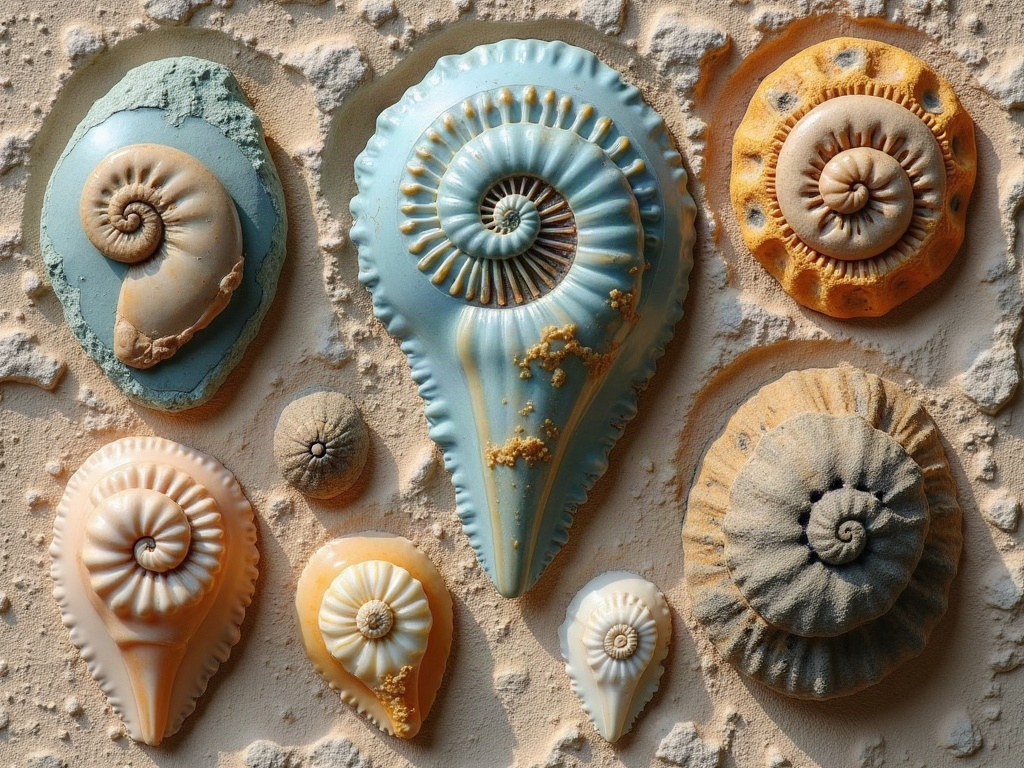
This graphic illustrates how various weather patterns and seasons influence the exposure of fossils and shells, critical information for planning a Seasonal Variations for Fossil Hunting and Shelling Family Vacation.
© WovenVoyages.com
| Season | Fossil Hunting Pros/Cons | Shelling Pros/Cons |
|---|---|---|
| Fall | Pros: Fewer crowds, potential for post-storm finds. Cons: Shorter daylight, cooler temperatures. | Pros: Good finds after early season storms. Cons: Cooler water. |
| Winter | Pros: Optimal exposure after severe storms, very few crowds. Cons: Cold weather, challenging conditions. | Pros: Abundant shells from stormy seas. Cons: Cold, less pleasant for extended beach time. |
| Spring | Pros: Warming weather, residual storm finds. Cons: Increasing crowds, less intense storm activity. | Pros: Pleasant weather, good finds before peak season. Cons: Fewer extreme low tides than winter. |
| Summer | Pros: Warm weather, long daylight hours. Cons: Peak crowds, less active erosion, limited new finds. | Pros: Ideal beach weather. Cons: Heavily picked over, fewer unique finds unless after a rare summer storm. |
When Is the Optimal Time to Visit Coastal Destinations for Fossil Hunting During a Family Vacation?
The optimal time to visit coastal destinations for fossil hunting on a family vacation is during the late fall, winter, and early spring, specifically in the days following significant storm systems or high winds that cause cliff erosion and churn up the seabed.
A less commonly known advantage of visiting during off-peak winter months is the reduced foot traffic, meaning fewer competitors for fresh finds stirred up by storms.
The best conditions for finding shark teeth at Venice Beach, Florida, often follow overnight storms that stir the bottom and move material shoreward, demonstrating the direct link between weather and discovery.
Sediment Deposition is the geological process in which sediments, soil, and rocks are added to a landform or land mass, which can either bury or, through erosion, expose fossil layers, influencing when and where finds are made.
Post-Storm Strategy for Fossil Hunting
- Monitor local weather forecasts for significant storm systems or periods of high winds.
- Plan your visit 1-3 days after the storm has passed, allowing conditions to stabilize but before other collectors arrive.
- Focus on areas known for erosion, such as the base of cliffs at Calvert Cliffs, where winter storms are crucial for exposing new sections of Miocene-era fossils.
Which Coastal Conditions Are Best for Shelling on a Family Vacation?
The best coastal conditions for shelling on a family vacation occur during low tide, especially a spring tide (following a new or full moon), and immediately after a storm with onshore winds, which deposits large quantities of shells onto the beach.
For optimal shelling, combine checking tide charts with observing local bird behavior; large flocks of shorebirds often indicate fresh shell lines where they’re foraging.
Shelling is always best right after a low tide, when the shells have just washed up on the beaches and are easy to scoop up before the next high tide takes them back into the water, as noted by coastal experts[5].
The Littoral Zone, defined as the area of the shore between the high-water and low-water marks, is the primary zone for finding shells deposited by the receding tide, making it the most productive area to explore.
Checklist for Ideal Shelling Conditions
- ☐ Check tide charts for low tide times, specifically aiming for the lowest tides.
- ☐ Visit after a recent storm, as these events dislodge and deposit vast quantities of shells.
- ☐ Look for “shell lines” on the beach where the high tide has deposited material, indicating concentrated areas for finds.
If avoiding crowds is a priority, consider researching the best hidden gem beach destinations for a crowd-free family vacation, which might offer equally rewarding, though less advertised, fossil hunting and shelling opportunities.
5. How Can Families Maximize Their Fossil Hunting and Shelling Experiences on a Coastal Family Vacation?
Maximizing your family vacation experience, particularly when focused on activities like fossil hunting and shelling, hinges significantly on thorough preparation.
This includes assembling the right gear, understanding local safety protocols, and adhering to ethical guidelines to ensure both enjoyment and environmental responsibility.
Adequate planning transforms a potentially frustrating outing into a rewarding and educational expedition for all ages.
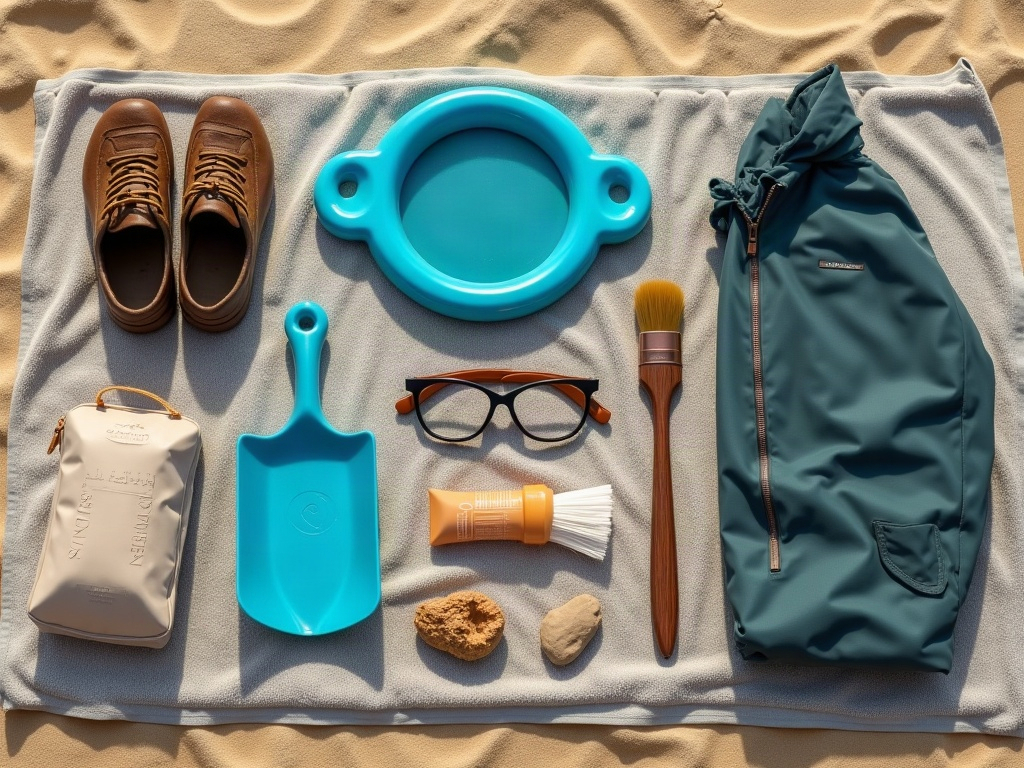
This detailed infographic presents the essential gear required and crucial safety tips to help families Maximize their Fossil Hunting and Shelling Family Vacation Experiences.
© WovenVoyages.com
| Activity | Essential Gear | Safety Precaution | Ethical Guideline |
|---|---|---|---|
| Fossil Hunting | Sifting screens, small shovels, soft brushes, safety glasses. | Check tide charts, wear sturdy shoes, avoid cliff edges. | Know local regulations, “Leave No Trace,” don’t take vertebrate fossils from public lands. |
| Shelling | Mesh bags, identification guide, hat, sunscreen. | Walk carefully on wet surfaces, be aware of marine life. | Leave live shells, collect modest amounts, respect protected areas. |
What Essential Gear Do Families Need for a Successful Fossil Hunting Expedition on a Family Vacation?
For a successful fossil hunting expedition, families need essential gear that includes sifting screens for sorting through sediment, small shovels for digging, soft brushes for cleaning delicate finds, and safety glasses to protect eyes from flying rock chips.
For families with young children, a brightly colored, floating sifting screen is invaluable, not just for finding fossils but also for easy retrieval if dropped near the water’s edge.
A 10x hand lens helps children see surface detail on ammonites and shark teeth and costs under ten dollars, significantly enhancing the discovery experience.
A Geologist’s Hammer, a specialized tool with one flat face and one pick face, is used for splitting rocks but should only be handled by adults with proper training and in areas where rock breaking is permitted.
Fossil Hunting Gear Categories
- Digging & Sifting: Sifting screens allow you to efficiently search large volumes of sand and gravel for small fossils, while small shovels help with careful excavation.
- Cleaning & Transport: Soft brushes are crucial for gently removing sediment from delicate finds, and sturdy containers protect specimens during transport.
- Safety: Safety glasses are essential to protect eyes, especially when dealing with potentially unstable sediment or rocks.
How Can Families Safely and Responsibly Collect Shells and Fossils During a Coastal Family Vacation?
Families can safely and responsibly collect shells and fossils on a coastal family vacation by first researching and strictly adhering to local regulations, practicing Leave No Trace principles, and never collecting from protected areas or taking more than a modest amount.
Beyond official regulations, always consider the ‘impact footprint’ of your collecting; if a spot looks stripped, move on, leaving enough for others and for the ecosystem.
Many beaches do not allow the taking of live shells, including sand dollars, so it is crucial to inquire about specific site rules before collecting[6].
A Vertebrate Fossil is a fossil from an animal with a backbone, such as a mammal, dinosaur, or fish; the collection of these is often heavily regulated or entirely prohibited for amateurs on public lands.
Rules of Responsible Collection
- Know the Land: Always research specific park or beach regulations before visiting, as rules vary by location and land ownership.
- Take Only Pictures of Vertebrate Fossils: Unless explicitly permitted, and you have proper permits, it’s best to photograph and report these finds.
- Leave Live Shells: Never collect living organisms; only take unoccupied shells to protect marine ecosystems.
- Pack It In, Pack It Out: Carry out all trash and leave the natural environment as undisturbed as possible.
6. What Guided Tours or Local Experts Can Enhance a Family Vacation Focused on Fossil Hunting and Shelling?
Guided tours and local experts can significantly enhance a family vacation focused on fossil hunting and shelling by providing invaluable knowledge, access to prime locations, and a higher success rate for discoveries.
Their expertise transforms a casual beach visit into a structured, educational, and often more fruitful expedition, especially for families new to these activities.
These professionals can offer insights into geological formations, species identification, and responsible collecting practices that are difficult to acquire independently.
Where Can Families Find Reputable Fossil Hunting Guides at Coastal Destinations for a Family Vacation?
Families can find reputable fossil hunting guides for a coastal family vacation by contacting local natural history museums (e.g., Calvert Marine Museum), official regional tourism boards, and established local paleontological societies.
From personal experience, the most passionate and knowledgeable guides are often found through local paleontological society forums, rather than just commercial tour listings.
Palmetto Fossil Excursions offers numerous field paleontology excursions for eager fossil hunters to several Paleocene and Oligocene dig sites around South Carolina, exemplifying reputable guided services.
A Paleontological Society is an organization of professional and amateur paleontologists dedicated to the study of fossils, often serving as a hub for finding local experts and reliable trip information.
How to Find and Vet a Fossil Guide
- Start with a Google search for “[Location Name] + fossil tour” and cross-reference results with recommendations from local museums or academic institutions.
- Contact local natural history museums or university geology departments for lists of recommended and ethical guides.
- Ask key questions before booking: “Are you licensed and insured?”, “What is your policy if we don’t find anything?”, and “Do you adhere to local collecting regulations?”.
What Are the Benefits of Joining a Guided Shelling Tour on a Family Vacation?
The primary benefits of joining a guided shelling tour on a family vacation are gaining access to exclusive or hard-to-reach shelling spots, receiving expert help in identifying rare shells, and learning about the local marine ecology from a knowledgeable naturalist.
During our guided tour of Sanibel’s tidal flats, we learned not only how to identify rare junonias but also observed critical behaviors of live mollusks, adding ecological depth to the hunt.
Ocracoke Island was ranked the #2 best shelling beach in the country, second only to Sanibel Island, FL, highlighting the value of expert guidance in such rich environments.
Malacology, the branch of invertebrate zoology dealing with the study of mollusks, is the scientific field a shelling guide or naturalist specializes in, providing profound educational context.
Benefits of Guided Shelling
- Access: Guides can lead families to lesser-known, pristine shelling spots inaccessible to the general public, increasing chances of rare finds.
- Expertise: Naturalists provide invaluable assistance in identifying species, explaining their biology, and distinguishing between common and rare shells.
- Education: Tours offer deep insights into local marine ecosystems, the life cycles of mollusks, and the ecological importance of shells, far beyond what an unguided family might learn.
7. What Are the Common Challenges and Risks of Fossil Hunting and Shelling on a Family Vacation?
Engaging in fossil hunting and shelling during a family vacation, while rewarding, presents common challenges and inherent risks that families must be aware of to ensure safety and compliance.
These range from unpredictable environmental hazards to complex local regulations regarding collection, demanding proactive awareness and preparation.
Addressing these potential issues beforehand is crucial for a smooth and enjoyable experience.
How Can Families Mitigate Environmental Hazards at Coastal Fossil Hunting Sites on a Family Vacation?
Families can mitigate environmental hazards at coastal fossil hunting sites by always checking a tide chart before heading out, wearing sturdy, closed-toe footwear with good grip, and maintaining a safe distance from the base of unstable cliffs.
Many fossil hunting spots, particularly along eroding cliffs, are cellular dead zones for mobile phones, so always carry a physical tide chart and map as a backup.
Tides run strongly at Kimmeridge, making it imperative to check local tide tables and avoid approaching cliff bases to prevent being cut off by the incoming water or falling rock[7].
A Tidal Bore is a rare tidal phenomenon where the leading edge of an incoming tide forms a powerful wave that travels up a river or narrow bay, posing a sudden and extreme risk to anyone in its path.
Tide Safety Protocol
- Know the time of low and high tide for your specific location and duration of stay.
- Plan to leave the beach at least one hour before high tide to avoid being trapped by rising waters.
- Identify your exit routes and contingency plans before you begin collecting, especially in areas with cliffs or limited access.
What Rules and Regulations Should Families Be Aware Of When Collecting Fossils and Shells on a Family Vacation?
The most critical rule families must be aware of is that regulations for collecting fossils and shells on a family vacation vary dramatically based on land ownership (private, state, federal) and the type of item, with vertebrate fossils being highly restricted on public lands in the U.S. under laws like the Paleontological Resources Preservation Act.
A common misconception is that all shells are fair game; however, collecting live shells or certain endangered species, even if dead, can lead to significant fines.
At Caesar Creek State Park in Ohio, no tools are allowed, and visitors can only collect fossils that fit in the palm of their hand, illustrating the specificity of park rules.
Public Domain Land refers to land owned by a national government, such as that managed by the Bureau of Land Management (BLM) in the US, where specific rules for “recreational collecting” of common invertebrate fossils often apply.
Rule of Thumb Hierarchy for Collecting
- Private Land: Always obtain explicit permission from the landowner before collecting anything.
- State/Local Parks: Check the specific park’s website or visitor center for detailed regulations, as these can vary widely.
- National Lands: Assume vertebrate fossils are off-limits for amateur collection; common invertebrates or shells may be allowed in small, personal amounts, but always verify.
Strongly advise the reader to always check the official website of the specific beach or park they plan to visit before collecting anything.
8. What Are the Ethical Considerations for Fossil Hunting and Shelling During a Family Vacation?
Ethical considerations are paramount for fossil hunting and shelling during a family vacation, ensuring the preservation of coastal environments and the sustainability of these cherished activities for future generations.
Approaching these pursuits with a mindset of stewardship rather than mere consumption enhances their meaning and positive impact.
Responsible behavior protects fragile ecosystems and respects the shared natural heritage that attracts millions of visitors.
Why Is It Important for Families to Practice Leave No Trace Principles on a Coastal Family Vacation?
It is important for families to practice Leave No Trace principles on a coastal family vacation to minimize their collective ecological impact on fragile shoreline ecosystems and to preserve the quality of the discovery experience for the millions of visitors who follow.
When teaching children Leave No Trace, we found it most impactful to explain that every shell or fossil removed means one less object for the next child to discover, creating a tangible sense of shared resource.
A local rule of thumb for shelling is to always bring two bags: one for shells, and one for trash, embodying the practical application of Leave No Trace principles.
Leave No Trace is a set of seven core principles for outdoor ethics, including “Pack It In, Pack It Out” and “Leave What You Find,” designed to promote conservation and minimize human impact.
7 Leave No Trace Principles for Beachcombing
- Plan Ahead & Prepare: Research rules and bring appropriate gear.
- Travel & Camp on Durable Surfaces: Stay on designated paths; avoid trampling sensitive areas.
- Dispose of Waste Properly: Pack out all trash, including organic waste.
- Leave What You Find: Especially for significant fossils; leave them for scientific study or for others to discover.
- Minimize Campfire Impacts: Use existing fire rings or pack a stove. (Less relevant for beachcombing, but generally applies to coastal camping.)
- Respect Wildlife: Observe from a distance; do not disturb or feed animals.
- Be Considerate of Other Visitors: Share the beach and maintain peace.
Emphasizing the principle of “Leave What You Find” is crucial, as even a small, seemingly insignificant fossil could be part of a larger, scientifically important skeleton or a key indicator for future geological research.
How Can Families Contribute to Conservation Efforts While Enjoying a Fossil Hunting and Shelling Family Vacation?
Families can actively contribute to conservation efforts during a fossil hunting and shelling family vacation by reporting any unusual or scientifically significant finds to a local museum or university, and only taking a few common specimens.
Our family often uses the iNaturalist app to document and share photos of unique finds, contributing to citizen science databases even if we don’t physically collect the specimen.
Significant vertebrate fossils found in England should be reported to the local heritage coast center for recording before being taken home, underscoring the importance of citizen involvement in scientific documentation.
Citizen Science refers to scientific research conducted, in whole or in part, by amateur or nonprofessional scientists, such as beachgoers reporting tagged shells or documenting unusual finds via an app like iNaturalist.
Actionable Conservation Contributions
- Photograph and GPS tag significant finds, noting their location and characteristics, which can be invaluable for researchers.
- Donate exceptional finds to a local museum or educational institution for public benefit and scientific research, ensuring they are preserved and studied.
- Participate in organized beach clean-ups or citizen science projects that monitor coastal health and biodiversity.
- Educate others, especially younger generations, about responsible collecting practices and the importance of conservation.
Reporting unusual finds is crucial; a single bone discovered by a family could lead paleontologists to a major new discovery, highlighting the collective impact of informed public engagement.
What Are the Final Thoughts on Maximizing a Coastal Destination for a Family Vacation?
A successful fossil hunting and shelling family vacation is an engineered outcome of meticulous research, thorough preparation, and a strong commitment to ethical collecting practices. It offers unparalleled educational value and family bonding opportunities when approached thoughtfully.
| Checklist Item | Status |
|---|---|
| Our top priority is [Fossils/Shells]: | ⬜ |
| Our children’s age range is [e.g., 5-10]: | ⬜ |
| Our ideal trip timing is [Season]: | ⬜ |
| We are prepared with the right [Gear/Safety Knowledge]: | ⬜ |
| We have reviewed the [Local Rules/Ethics]: | ⬜ |
9. Frequently Asked Questions (People Also Ask)
What Makes Coastal Destinations Ideal for a Fossil Hunting and Shelling Family Vacation?
How Does Fossil Hunting and Shelling Enhance a Family Vacation?
How Do Families Choose the Best Coastal Destinations for Fossil Hunting and Shelling for a Family Vacation?
How Do Seasonal Variations Affect Fossil Hunting and Shelling Opportunities for a Family Vacation?
Author’s Experience: Abdullahi Azaam
“As a seasoned traveler and decision intelligence specialist, I’ve observed firsthand how targeted research and ethical preparedness transform a simple coastal visit into a profound family adventure. From the thrill of uncovering ancient Megalodon teeth at Calvert Cliffs to the serene hunt for unique shells on Sanibel Island, the keys lie in understanding geological processes, respecting local regulations, and embracing the Leave No Trace philosophy. These experiences are not just about collecting specimens; they’re about fostering curiosity, patience, and a deep appreciation for our planet’s history and ecosystems.”