Which Coastal Destinations Offer the Best Cultural Experiences for a Family Vacation?
Table of Contents
The best coastal destinations for a family vacation offering rich cultural experiences include Rome (Ostia Antica) for ancient history, Hoi An for traditional crafts, and Lisbon for culinary arts.
These locations excel by providing direct access to historically significant heritage sites.
They also offer authentic engagement with enduring maritime traditions.
Furthermore, these destinations feature vibrant, family-friendly local festivals and culinary scenes.
Understanding the diverse range of types of family vacation destinations available can help tailor your cultural coastal experience even further.
1. What Defines a Culturally Rich Coastal Destination for a Family Vacation?
A culturally rich coastal destination for a family vacation is defined by three measurable pillars: direct historical access, authentic maritime engagement, and vibrant living traditions.
These attributes ensure families can deeply interact with the destination’s past, unique sea-based culture, and current community life, providing immersive and educational experiences.
For families looking to explore a wider array of options, a comprehensive guide to top coastal destinations for a family vacation can provide additional ideas beyond just cultural experiences.
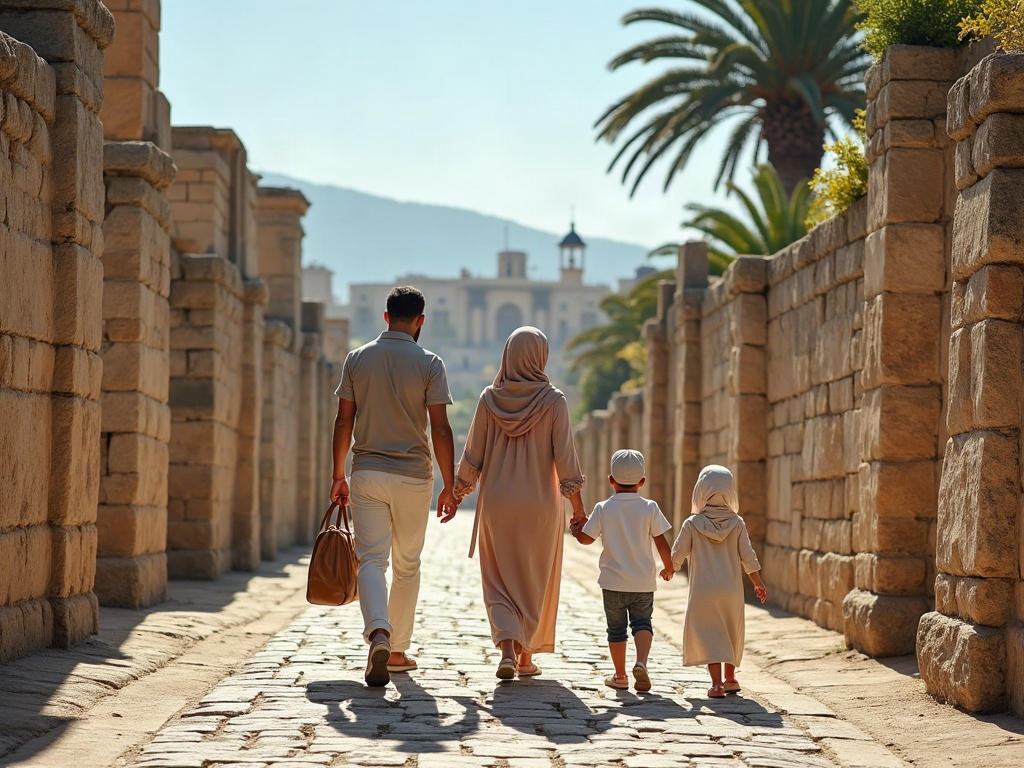
This infographic illustrates the key components that define a culturally rich coastal destination for family travel, emphasizing historical depth, active maritime interaction, and vibrant local customs.
© WovenVoyages.com
Which Cultural Pillars Are Essential for a Coastal Family Vacation?
The essential cultural pillars for a coastal family vacation are tangible historical significance, authentic engagement with maritime life, and the vibrancy of living local traditions.
These elements provide direct access to the past, connection to unique sea-based cultures, and opportunities to participate in current community life, making history and culture accessible for all ages.
For instance, the Castillo de San Marcos, a 17th-century fortress in St. Augustine, Florida, provides a tangible link to a specific historical period and military heritage.
An example of global historical significance is the UNESCO World Heritage site of Ait Ben Haddou in Morocco, a well-preserved mud-brick fortress which exemplifies traditional architectural forms.
Intangible Cultural Heritage is defined as “practices, representations, expressions, knowledge, and skills that communities recognize as part of their cultural heritage,” according to UNESCO.
Unique Insight: Structuring a family vacation around these pillars allows for a balanced exploration of history, such as the ancient sites near Mykonos like Delos, local craftsmanship found in places like Galle (known for colonial-era gem cutting), and living traditions like Essaouira‘s Gnaoua World Music Festival.
Why Are Coastal Regions Uniquely Positioned for Cultural Immersion on a Family Vacation?
Coastal regions are uniquely positioned for cultural immersion on a family vacation because their history as centers of trade, migration, and defense has created a dense concentration of unique historical sites and enduring maritime traditions.
This rich heritage offers families layered cultural landscapes and distinctive architecture shaped by centuries of sea interaction.
St. Augustine, for example, stands as the oldest continuously inhabited European-established settlement in the U.S., a testament to its long coastal history.
The former caravan route between the Sahara and Marrakech highlights the historical significance of coastal access for trade and cultural exchange.
A Maritime Republic is defined as “a thalassocratic city-state, such as Venice or Dubrovnik, whose economic and political power was based on its naval and commercial control of sea routes.”
Unique Insight: Historical ports, exemplified by Venice, acted as vital melting pots, resulting in distinctive layered cultural landscapes that families can explore today. The strategic importance of coastal cities often led to unique architectural features, such as the impressive defensive walls of Dubrovnik, providing tangible historical experiences for all ages.
2. What Types of Cultural Experiences Can Families Expect in Coastal Destinations for a Family Vacation?
Families visiting coastal destinations can expect diverse cultural experiences, categorized into historical site engagement, traditional arts and crafts discovery, and culinary and festival participation.
These activities range from interactive archaeological explorations to hands-on workshops and immersive food tours, offering comprehensive and engaging cultural journeys suitable for all family members.

This collage provides a visual overview of the rich and varied cultural experiences families can discover in coastal destinations, spanning historical exploration, artistic creation, and gastronomic delights.
© WovenVoyages.com
How Do Historical Sites Contribute to a Cultural Coastal Family Vacation?
Historical sites contribute to a cultural coastal family vacation by providing tangible, large-scale educational environments where children can physically interact with the past, such as the ancient Roman port of Ostia Antica.
These ‘in-situ’ locations provide immersive learning opportunities, enabling young minds to connect directly with ancient civilizations and historical events more effectively than traditional classroom settings.
The Old Town of Phuket offers a glimpse into the island’s history with its well-preserved colonial buildings, providing a preserved historical context for families.
Families can engage with history through the 2.5-mile historic walking route of Boston‘s Freedom Trail, making history an active adventure.
An Archaeological Park is defined as “an area with a concentration of archaeological remains, managed for public access and education, distinct from a single-building museum.”
If your family thrives on hands-on learning, you might also be interested in discovering historical destinations that offer the best interactive experiences for a family vacation, enhancing the educational aspect of your trip.
Unique Insight: Coastal historical sites range from ancient port cities like Ostia Antica, to classical ruins near the sea such as Ephesus, and even pre-Columbian clifftop forts like Tulum in the Yucatán Peninsula. The sheer scale and “in-situ” nature of these locations make history far more impactful and memorable for children than passive museum visits.
What Traditional Arts and Crafts Can Families Discover During a Coastal Family Vacation?
During a coastal family vacation, families can discover unique traditional arts and crafts such as Vietnamese lantern making in Hoi An, Oaxacan textile weaving in Oaxaca, and volcanic-ash pottery in Santorini, which are directly tied to the local environment and history.
These crafts are directly tied to local environments and history, offering hands-on cultural engagement where families can participate in workshops and appreciate local craftsmanship.
The Historic Market Square in San Antonio is known as the largest Mexican market in the U.S. and is filled with a vibrant variety of handcrafted goods.
Alebrijes are “brightly colored Mexican folk art sculptures of fantastical creatures, first created by Pedro Linares in the 1930s and now a signature craft of Oaxaca.”
Unique Insight: Crafts like Hoi An‘s famous lanterns are intrinsically linked to its history as a trading port for silk, allowing families to participate in lantern-making workshops. Engaging with a weaving cooperative in Oaxaca provides insight into intricate textile traditions, demonstrating how local materials and historical context influence artistic expression.
Where Can Families Experience Local Cuisine and Festivals on a Coastal Family Vacation?
Families can experience premier local cuisine and festivals on a coastal family vacation in destinations renowned for their gastronomic identity, such as Lisbon for its seafood and Fado, San Sebastián for its pintxos culture, and New Orleans for Creole cuisine.
These locations offer lively, communal atmospheres for tasting local flavors and enjoying public celebrations, providing immersive and family-friendly cultural experiences.
Phuket‘s diverse culinary scene is renowned for flavorful street food, including dishes like pad Thai and green curry.
Pintxos are defined as “a form of small snack, typically pierced with a cocktail stick, served in bars in northern Spain, particularly the Basque Country, and distinct from tapas.”
Unique Insight: Lisbon‘s culinary identity is deeply connected to its coastal geography, featuring abundant Atlantic seafood that can be savored in local eateries. The communal atmosphere of a pintxos bar in San Sebastián or the public celebrations during a city-wide festival offer family-friendly ways to engage with local customs and tastes.
3. How Can Families Select the Best Coastal Cultural Destination for a Family Vacation?
Families can select the best coastal cultural destination by using a decision-making framework focused on their specific needs and interests.
This involves evaluating destinations based on primary cultural focus, desired recreation level, and crowd factors, ensuring a tailored choice for educational, traditional, or blended cultural and recreational experiences, thus optimizing their family vacation.
When planning for bigger groups, considering all-inclusive beach destinations for large family vacations might simplify logistics, allowing more focus on cultural immersion without the hassle of planning every detail.
| Destination | Primary Cultural Focus (Education/Tradition) | Recreation Level (Low/High) | Crowd Factor (High/Low) |
|---|---|---|---|
| Athens (Piraeus) | High Education (Classical Antiquity) | Medium | High |
| Bali | High Tradition (Hindu ceremonies) | High | Medium |
| Barcelona | Blended (History, Arts, Recreation) | High | High |
| Valparaíso, Chile | High Tradition (Street Art, Local Life) | Medium | Low |
A family reviewing a map, illustrating the thoughtful decision-making process involved in choosing the ideal coastal cultural destination that aligns with their unique interests and needs.
© WovenVoyages.com
Which Coastal Destinations Excel in Educational Cultural Experiences for a Family Vacation?
Coastal destinations that excel in educational cultural experiences for a family vacation are those anchored by world-class archaeological sites and historical narratives, such as Athens (Piraeus), Rome (Ostia Antica), and Istanbul.
These offer immersive learning environments spanning Classical Antiquity, ancient civilizations, and imperial crossroads, providing tangible history for families to explore deeply.
The Museum of Science in Boston features over 700 interactive exhibits, providing a rich educational experience for all ages.
Palimpsest is defined as “something that has been changed numerous times but on which traces of its earlier forms can still be seen,” which aptly describes cities like Istanbul with visible layers of history.
Unique Insight: Destinations can be grouped by historical era: Classical Antiquity (e.g., Athens, Rome), Ancient Civilizations (e.g., Alexandria), and Imperial Crossroads (e.g., Istanbul). Each offers key educational sites like the Library of Alexandria site, essential for a family-focused trip centered on profound historical learning.
What Coastal Destinations Are Renowned for Authentic Local Traditions on a Family Vacation?
Coastal destinations renowned for authentic, living local traditions on a family vacation include Bali for its daily Hindu ceremonies, Kyushu in Japan for its onsen culture, and Kerala in India for its backwater and Kathakali traditions.
These locations offer immersion in vibrant, ongoing cultural practices rather than just historical artifacts, allowing families to respectfully witness or participate in unique, observable local customs.
Bali is known for its extremely friendly hospitality and a well-developed tourism infrastructure, which supports its rich cultural traditions.
Engaging activities can include learning capoeira, a Brazilian martial art, offering a hands-on experience of a unique cultural ritual.
Kathakali is defined as “a major form of classical Indian dance-drama known for its elaborate makeup, costumes, and detailed gestures that narrate stories from Hindu epics.”
Unique Insight: These destinations emphasize “living culture,” where families can respectfully witness or participate in ongoing practices, such as experiencing daily Hindu ceremonies in Bali or staying in a traditional ryokan near an onsen in Kyushu. This direct engagement fosters a deeper appreciation for diverse traditions.
Which Coastal Destinations Offer a Blend of Culture and Recreation for a Family Vacation?
Coastal destinations offering an optimal blend of culture and recreation for a family vacation integrate accessible historical districts with high-quality beaches and activities, exemplified by Barcelona, Oahu, and Sydney.
These cater to families with diverse interests, balancing educational experiences with leisure activities to ensure enjoyment for all age groups and preferences.
Tybee Island is just a 30-minute drive from Savannah, providing convenient access to both historical charm and beach relaxation.
San Antonio offers both historical landmarks like The Alamo and modern entertainment at Six Flags Fiesta Texas.
The Promenade des Anglais is “the famed 7km seaside promenade in Nice, France, built by English expatriates in the 1820s, which now serves as a central point for recreation and city events.”
For families planning trips with grandparents and children, exploring beach destinations best suited for a multigenerational family vacation can ensure activities and amenities cater to all age groups.
Unique Insight: For families with varied interests, destinations like Sydney offer a perfect balance, with cultural highlights like the Sydney Opera House tour combined with recreational options such as surfing at Bondi Beach. This approach ensures both educational and leisure needs are met.
Where Can Families Find Underrated Coastal Cultural Gems for a Family Vacation?
Families can find underrated coastal cultural gems for a family vacation by exploring destinations like Valparaíso, Chile, for its vibrant street art, Ålesund, Norway, for its unique Art Nouveau architecture, and the non-coastal but culturally linked Matera, Italy, for its ancient cave dwellings.
These locations offer more authentic, less crowded alternatives to mainstream spots, providing unique and enriching cultural experiences.
Driftwood Beach on Jekyll Island, GA, has been called the “most underrated family beach destination” for its unique natural beauty.
Panama City Beach boasts 27 miles of shoreline, a notable quantifiable feature, though less about culture directly.
Art Nouveau is defined as “an international style of art, architecture, and applied art, especially the decorative arts, that was most popular between 1890 and 1910, characterized by its use of long, sinuous, organic lines.”
Unique Insight: Valparaíso, a UNESCO World Heritage Site, offers an authentic experience through its vibrant street art and unique funicular elevators, which are integral to navigating its distinct topography. While Matera isn’t coastal, its ancient cave dwellings represent a culturally significant, less-traveled gem, offering profound historical resonance.
4. How Can Families Maximize Cultural Engagement During a Coastal Family Vacation?
Families can maximize cultural engagement during a coastal family vacation through active participation rather than passive observation.
Effective strategies include hands-on cooking classes, learning basic local language phrases, attending community events, and integrating interactive activities into itineraries, ensuring deeper immersion and more memorable, educational experiences for all family members.

A family engaging in a hands-on cooking class, demonstrating active participation as a key strategy to maximize cultural immersion during a coastal vacation.
© WovenVoyages.com
What Are Effective Strategies for Immersing in Local Culture on a Coastal Family Vacation?
Effective strategies for immersing in local culture on a coastal family vacation involve shifting from passive observation to active participation through activities like hands-on cooking classes, learning basic local language phrases, and attending community events.
These actions foster direct engagement with local customs and traditions, enhancing the educational and experiential value of the trip significantly.
Participating in a Bali cooking class offers a specific example of interactive cultural immersion.
Learning phrases like “Obrigado/Obrigada” in Portuguese demonstrates a linguistic effort that enhances local interactions.
Fado is defined as “a Portuguese music genre characterized by mournful tunes and lyrics, often about the sea or the life of the poor, and officially recognized by UNESCO as Intangible Cultural Heritage.”
Unique Insight: Strategies can be categorized into Culinary Interaction (e.g., Lisbon pastry classes), Linguistic Effort (learning greetings), and Artistic Participation (attending a Fado performance or Kyoto tea ceremony). These concrete examples make immersion actionable and memorable for families.
How Should Families Plan Cultural Itineraries for a Coastal Family Vacation?
To plan effective cultural itineraries for a coastal family vacation, families should structure their schedule around thematic days, manage the pace to avoid burnout, and build in unstructured time for spontaneous discovery.
This balanced approach ensures children remain engaged and allows for authentic exploration, preventing overload while maximizing learning and enjoyment.
Advice includes choosing shorter hikes and activities that match a child’s energy level when visiting parks, ensuring optimal pacing.
An “American Revolution” day in Boston covering the 2.5-mile Freedom Trail and the Boston Tea Party Ships & Museum is a specific example of a thematic day.
Pace Management in a travel context is defined as “the conscious scheduling of high-energy and low-energy activities to maintain family morale and prevent exhaustion, particularly with young children.”
Unique Insight: A well-planned itinerary avoids cramming too many sites, opting instead for thematic days. A balanced day might involve a major morning activity, a relaxed lunch, a low-key afternoon activity (like a park or beach), and an early evening cultural experience to keep all family members engaged.
What Are the Best Ways to Engage Children with Coastal Cultural Experiences on a Family Vacation?
The best ways to engage children with coastal cultural experiences on a family vacation are through interactive storytelling, gamification of historical sites, and hands-on activities that connect directly to their interests.
Translating complex history or art into an enjoyable, accessible format ensures children actively participate and develop a deeper appreciation for diverse cultures.
On Boston‘s Freedom Trail, kids can engage with history through interactive exhibits and costumed guides, offering a child-focused tour example.
Boston‘s Museum of Science highlights the effectiveness of interactive exhibits, with over 700 available to encourage hands-on learning.
Historical Reenactment is defined as “an educational or entertainment activity in which people recreate aspects of a historical event or period, such as the presentations at the Salem Witch Museum.”
Unique Insight: Frame engagement as a “translation” of complex topics into child-friendly formats. Specific examples include creating a “treasure hunt” for symbols in a cathedral, using storytelling to explain historical events, or finding a local craft children can physically create themselves, fostering active participation.
5. What Common Challenges Might Families Face on a Cultural Coastal Family Vacation?
Families on a cultural coastal family vacation might face challenges such as over-tourism impacts, safety concerns, and potential cultural misunderstandings.
These can be mitigated by strategic planning including off-peak travel, practicing situational awareness, and conducting pre-trip research on local customs, ensuring a smoother, more respectful, and enjoyable travel experience for everyone.
A family confidently navigating a new environment with a map, symbolizing effective mitigation of common travel challenges during a coastal cultural vacation.
© WovenVoyages.com
How Can Families Mitigate Over-Tourism Impacts in Popular Coastal Cultural Destinations?
Families can mitigate the impacts of over-tourism in popular coastal cultural destinations by strategically traveling during the shoulder or off-peak seasons, visiting major sites early in the morning, and exploring secondary neighborhoods instead of primary tourist hubs.
This reduces strain on local infrastructure and offers families a more authentic, less crowded experience, aligning travel with sustainable practices while enhancing personal enjoyment.
Traveling during shoulder seasons can result in 20-40% savings compared to peak travel times, a quantifiable benefit.
For example, visiting Cannaregio instead of San Marco in Venice offers a less crowded alternative.
Shoulder Season is defined as “the travel period between peak and off-peak seasons, such as April-May and September-October in Europe, which often offers a good balance of pleasant weather and lower crowds.”
Unique Insight: Mitigation offers a win-win: reduced strain on the destination and a better, less crowded experience for the family. A clear three-step action plan involves choosing off-peak dates, booking major sites for early morning slots, and dedicating an afternoon to exploring non-tourist districts.
What Safety Precautions Are Essential for Cultural Excursions on a Coastal Family Vacation?
The essential safety precautions for cultural excursions on a coastal family vacation involve securing valuables in crowded areas, maintaining situational awareness, and adhering to local guidance and posted warnings, especially near water or at archaeological sites.
Proactive measures like pre-trip research on local risks ensure families can confidently enjoy their cultural explorations while minimizing potential dangers effectively.
The U.S. Department of State issues warnings about pickpocketing in crowded European markets, emphasizing the need for vigilance[1].
Safety guidelines for parks advise teaching children to stay on marked trails, respect wildlife, and understand park rules[2].
Situational Awareness is defined as “the perception of environmental elements and events with respect to time or space, the comprehension of their meaning, and the projection of their status in the near future.”
Unique Insight: Precautions should be structured into categories: personal property (e.g., anti-theft bags), physical safety (e.g., staying on marked trails), and health (e.g., water safety). Emphasizing proactive measures, such as pre-trip research on local risks, is crucial for empowering families.
How Can Families Avoid Cultural Misunderstandings or Insensitivity on a Coastal Family Vacation?
Families can avoid cultural misunderstandings on a coastal family vacation by conducting pre-trip research on local customs, observing and respecting dress codes for religious sites, and teaching children the importance of showing deference to different traditions.
Framing cultural sensitivity as respect enhances the travel experience, ensuring respectful interactions and fostering global awareness for all family members.
Visiting temples in Phuket like Wat Chalong and Big Buddha provides a specific example of cultural sites where respect is paramount.
International travel helps “cultivate a sense of global awareness, compassion, and respect for others”[3].
A Cultural Faux Pas is defined as “a socially awkward or tactless act committed in a context of which the perpetrator is culturally unaware.”
Unique Insight: Cultural sensitivity should be framed not as a list of prohibitions, but as a form of respect that genuinely enhances the travel experience. A simple three-step checklist for families before visiting any cultural site includes checking for dress codes, learning basic local greetings, and reminding children to be observant and use quiet voices.
6. Logistics: Cultural Coastal Vacation Planning Checklist
Use this interactive checklist to ensure you’ve covered all the critical logistical bases for your trip. Click the squares to check them off as you plan.
| Checklist Item / Tactic | Status |
|---|---|
| Pre-Trip Research & Planning | |
| Research local customs and traditions to ensure respectful interaction. | ⬜ |
| Identify specific cultural sites (e.g., Ostia Antica, Hoi An Ancient Town) and check their operating hours. | ⬜ |
| Book accommodation near cultural centers or family-friendly areas in coastal cities like Lisbon. | ⬜ |
| On-Location Engagement | |
| Participate in hands-on cultural workshops, such as Vietnamese lantern making or local cooking classes. | ⬜ |
| Engage with local communities by visiting markets and attending public festivals (e.g., Gnaoua World Music Festival in Essaouira). | ⬜ |
| Encourage children’s interaction with history through storytelling and interactive exhibits at sites like Boston‘s Freedom Trail. | ⬜ |
| Safety and Ethical Considerations | |
| Practice situational awareness in crowded areas and secure valuables. | ⬜ |
| Respect local dress codes and customs when visiting sacred or culturally significant locations. | ⬜ |
7. Frequently Asked Questions (People Also Ask)
What are common pitfalls in defining cultural richness for family travel?
What specific cultural activities are best for toddlers in coastal settings?
How do these cultural destinations compare on a family budget?
What is the single most important factor for a successful family cultural trip?
8. References & Sources
What Are the Final Thoughts on Maximizing a Coastal Destination for a Family Vacation?
Maximizing a coastal destination for a family vacation involves balancing sightseeing with immersive experiences, all planned around the family’s specific needs and interests.
The goal is to “experience” culture through active interaction and engagement, not just observe it, ensuring a deeply enriching, memorable, and validated family adventure that aligns with personal preferences.
| Final Validation Question | Status |
|---|---|
| Have we balanced our family’s interests (education vs. recreation)? | ⬜ |
| Is the pacing of our itinerary realistic for our youngest child? | ⬜ |
| Have we included an activity focused on active participation, not just observation? | ⬜ |
While this guide focuses on coastal locations, families seeking rich cultural experiences might also want to explore the best urban destinations for a family vacation, which often boast extensive museums, historical sites, and diverse culinary scenes.