Which Beach Destinations Offer the Best Marine Wildlife for a Family Vacation?
Table of Contents
The best beach destinations for a family vacation with marine wildlife are the Galápagos Islands, Ecuador; the Great Barrier Reef, Australia; and Maui, Hawaii.
These locations are superior because they provide unmatched biodiversity for discovery, regulated within protected marine parks.
They offer safe, accessible snorkeling and viewing environments suitable for all ages.
Furthermore, these destinations boast established, science-led ecotourism infrastructure that offers engaging educational opportunities for the entire family.
Beyond marine wildlife encounters, exploring the broader landscape of Top Coastal Destinations for a Family Vacation can reveal diverse experiences from cultural immersion to pure relaxation.
While marine wildlife offers unique adventures, some families might also consider the bustling excitement and cultural richness found in Best Urban Destinations for a Family Vacation for their next trip.
Decision Intelligence Tip: When selecting a beach destination with marine wildlife for a family vacation, prioritize locations with established conservation efforts and a high diversity of easily observable species.
Look for explicit mentions of protected marine parks and science-led ecotourism programs, as these indicators reliably signal a rich and sustainable wildlife experience.
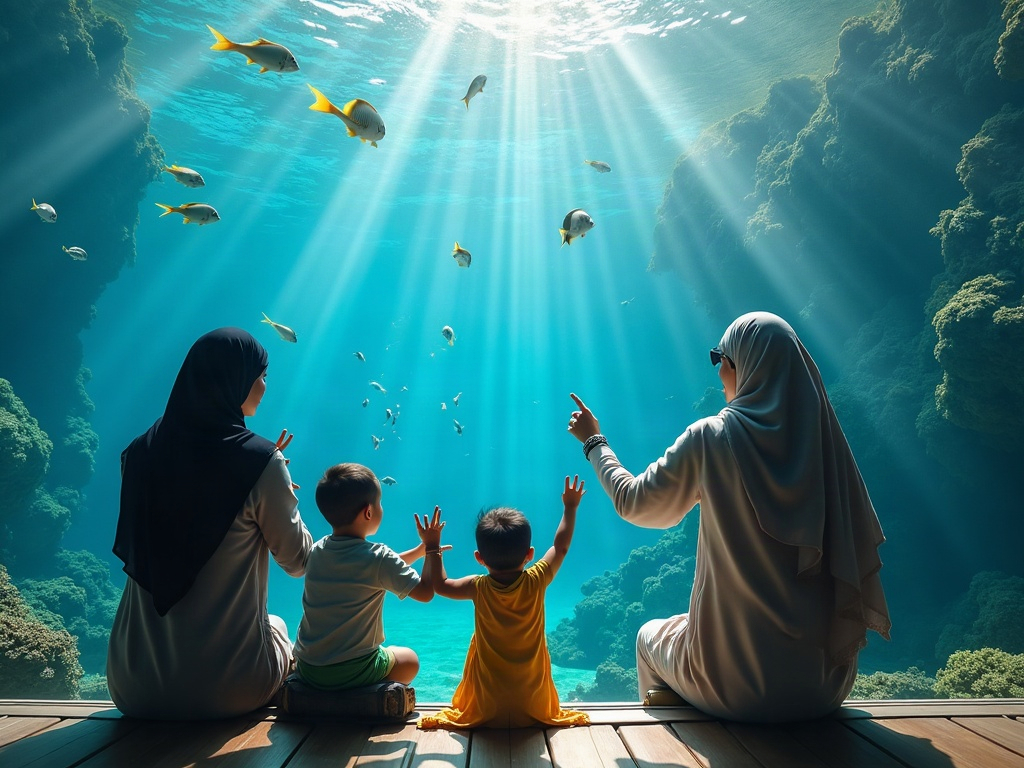
A family enjoys watching marine life from a boat, highlighting the accessibility of such encounters.
© WovenVoyages.com
1. What Are the Core Benefits of a Marine Wildlife for a Family Vacation ?
A marine wildlife family vacation offers profound benefits, centered around educational engagement, fostering environmental stewardship, and creating unique shared family experiences.
These trips move beyond mere sightseeing, providing tangible, evidence-based advantages that significantly impact a family’s understanding of nature and conservation.
Key attributes such as exceptional biodiversity, safe environments, and structured educational opportunities make these destinations ideal for a rewarding family vacation.
Why Is Marine Wildlife So Engaging for a Family Vacation?
Marine wildlife is so engaging for a family vacation because direct, multi-sensory encounters with animals in their natural habitat trigger innate curiosity and create a more profound educational impact than passive learning.
According to a 2023 study published in Frontiers in Psychology, direct interaction with nature and wildlife significantly boosts children’s cognitive development and empathy, leading to higher engagement in conservation activities later in life [1].
These immersive experiences foster a deeper connection to the natural world, moving beyond abstract concepts taught in classrooms.
Unique Insight: Observing a sea turtle glide gracefully or a dolphin pod play in person often elicits a sense of awe in children that no documentary can replicate, fundamentally shifting their perspective on marine conservation.
This direct engagement is particularly powerful when encountering Charismatic Megafauna, which captivate attention and create lasting memories.
Charismatic Megafauna: Large animal species with symbolic value or widespread popular appeal, such as dolphins, sea turtles, and whales, which are often the focus of conservation and ecotourism efforts.
Key Engagement Factors
- Novelty and Discovery: Each sighting of marine life, whether a colorful reef fish or a majestic whale, represents a new discovery for children and adults alike.
- Awe and Wonder: The sheer scale and complexity of marine ecosystems evoke a powerful sense of wonder, making education feel like an adventure.
- Direct Connection to Nature: Snorkeling with sea turtles in Maui provides a direct connection to a protected species, fostering empathy and a desire to protect their habitats.
What Types of Marine Wildlife Can Families Expect to Encounter on a Family Vacation?
On a family vacation to a top beach destination, families can expect to encounter diverse marine wildlife categories, including vibrant reef fish, marine mammals like dolphins, multiple species of sea turtles, and invertebrates like starfish and octopus.
The Florida Keys National Marine Sanctuary protects 2,900 square nautical miles of waters, and its reefs are the third largest barrier reef in the world, showcasing a vast array of species [2].
The endangered sea turtles nest and hatch in Gulf State Park, Alabama from May to October, offering a seasonal spectacle for families.
Unique Insight: Encourage children to use waterproof identification cards or a marine life app during snorkeling sessions; this transforms observation into a fun, educational treasure hunt.
Families may also encounter Pelagic Species when venturing further from shore.
Pelagic Species: Fish or other marine animals that live in the pelagic zone of the ocean—neither close to the bottom nor near the shore—such as tuna, sharks, and oceanic dolphins.
Categorized Marine Life
- Coral Reef Dwellers: Clownfish, parrotfish, angelfish, octopus, starfish, sea anemones, found abundantly in the Great Barrier Reef and Coral Triangle.
- Coastal Mammals: California Sea Lions (seen in Baja California, Mexico), Hawaiian monk seals (Maui, Hawaii), and various dolphin species near many coastlines.
- Open Water Species: Humpback Whales (prominent in Maui during winter), various shark species (ethically observed, e.g., whale sharks in the Philippines), and migratory sea turtles.
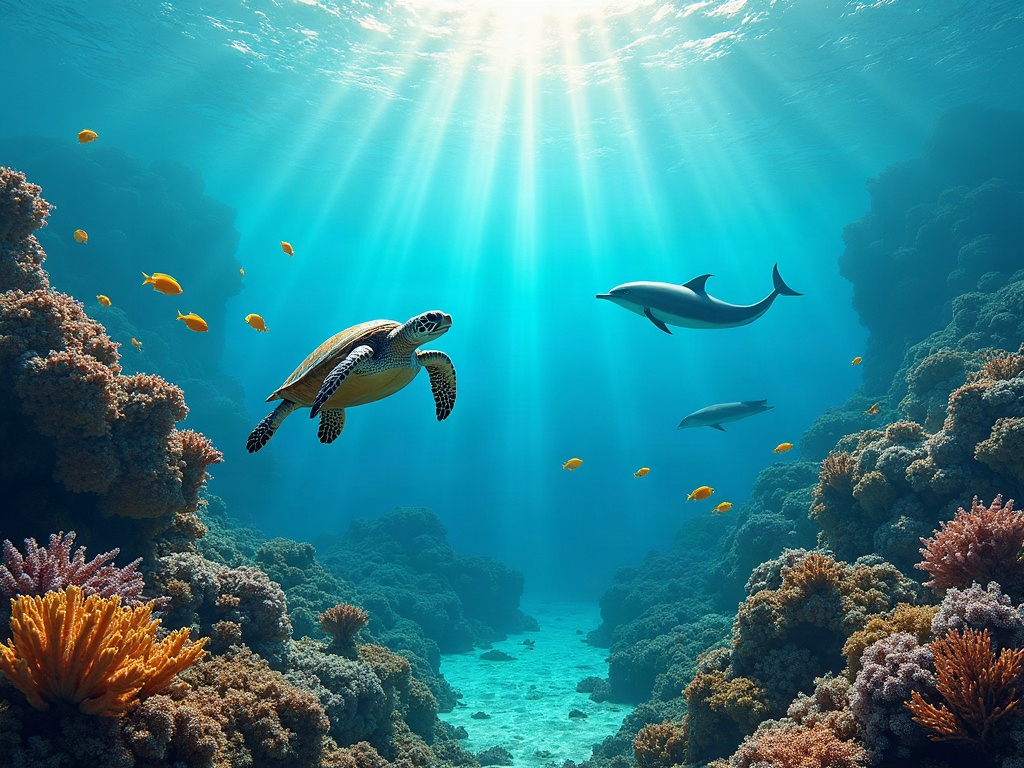
A visual representation of the rich variety of marine animals families might encounter on their vacation.
© WovenVoyages.com
For families specifically interested in ethical and safe encounters, learning more about Island Destinations Offering the Safest Sea Turtle Viewing for a Family Vacation can guide your planning to truly special places.
2. How Do Families Choose the Best Beach Destination for a Marine wildlife Family Vacation?
Choosing the best beach destination with marine wildlife for a family vacation depends on balancing three critical factors: the age and abilities of the children, the desired types of wildlife encounters, and practical considerations like budget and travel time.
A systematic approach, based on measurable factors like water calmness and certified tours, is essential to ensure a rewarding and safe experience for everyone.
| Destination | Iconic Marine Wildlife | Best For Ages | Accessibility Level (Shore/Boat) | Conservation Ethos (High/Medium) |
|---|---|---|---|---|
| Galápagos Islands | Sea Lions, Marine Iguanas, Penguins, Giant Tortoises | 8+ (due to travel and activity levels) | Mainly Boat (cruises, day trips) | High (strict regulations, Galápagos National Park) |
| Great Barrier Reef | Coral, Reef Fish, Sea Turtles, Whales (seasonal) | All ages (glass-bottom boats for young children) | Mainly Boat (pontoon, catamaran trips) | High (Great Barrier Reef Marine Park Authority) |
| Maui, Hawaii | Humpback Whales (winter), Green Sea Turtles, Reef Fish | All ages (calm bays, accessible snorkeling) | Shore & Boat (multiple calm beaches) | High (local initiatives, NOAA Fisheries protection) |
| Coral Triangle (e.g., Raja Ampat) | Highest biodiversity: thousands of fish, coral, sharks | 12+ (due to remote access, advanced snorkeling/diving) | Mainly Liveaboard Boat | High (local communities, WWF involvement) |
Which Beach Destinations Are Top-Ranked for Diverse Marine Wildlife on a Family Vacation?
The beach destinations top-ranked for the highest diversity of marine wildlife for a family vacation are the Galápagos Islands (Ecuador), the Coral Triangle (encompassing Raja Ampat, Indonesia, and the Philippines), and the Great Barrier Reef (Australia).
Belize is home to the second largest coral reef system in the world, after the Great Barrier Reef.
The Coral Triangle, covering just 1.5% of the planet’s oceanic area, harbors 76% of the world’s coral species and over 2,000 species of reef fish [3].
Unique Insight: For high-biodiversity areas like the Galápagos, booking well in advance and understanding specific permit requirements for children is crucial, as access is often limited to preserve delicate ecosystems.
These locations are recognized as Biodiversity Hotspots, making them unparalleled for marine wildlife viewing.
Biodiversity Hotspot: A biogeographic region with significant levels of biodiversity that is threatened by human habitation; specifically, as defined by Conservation International, it must contain at least 1,500 species of vascular plants as endemics.
Reasons for High Biodiversity
- Galápagos Islands: Unique evolutionary isolation has led to endemic species, protected by the Galápagos National Park regulations.
- Coral Triangle: Convergence of ocean currents and tectonic activity has created an unparalleled richness of marine species and habitats.
- Great Barrier Reef: The world’s largest coral reef system, supporting an immense array of life under the management of the Great Barrier Reef Marine Park Authority.
What Makes a Beach Destination Suitable for Marine Wildlife Viewing with Young Children on a Family Vacation?
A beach destination is made suitable for marine wildlife viewing with young children on a family vacation by the presence of calm, shallow, and clear waters, such as those found in protected lagoons or bays, which allow for safe and easy viewing from the shore or via short boat trips.
At Clearwater Beach, the calm, shallow Gulf waters are perfect for young swimmers, and Destin is famed for its impeccably clear waters [4].
Research from pediatricians recommends water depths under 4 feet for unsupervised young children, making protected lagoons ideal for a marine wildlife family vacation.
Unique Insight: To keep young children engaged, provide them with a simple, waterproof marine life identification guide before you even reach the beach; they’ll love searching for the creatures they’ve learned about.
Destinations featuring Fringing Reefs are particularly advantageous for families with small children.
Fringing Reef: A coral reef that lies close to the shore, separated by a narrow, shallow lagoon, making it highly accessible for shore-based snorkeling, ideal for beginners and children.
Suitability Factors for Young Children
- Calm Waters: Protected bays and lagoons, such as those found in Bonaire, minimize currents and waves, offering a secure environment for young swimmers.
- Shallow Reefs/Seagrass Beds: Areas with vibrant marine life close to the surface allow for easy viewing with masks, snorkels, or even just swimming goggles.
- Land-Based Viewing Opportunities: Destinations with aquariums, marine centers, or glass-bottom boat tours provide alternative ways to see marine life without entering the water.
- Availability of Child-Sized Gear: Access to properly fitting life vests, snorkels, and masks ensures comfort and safety for children.
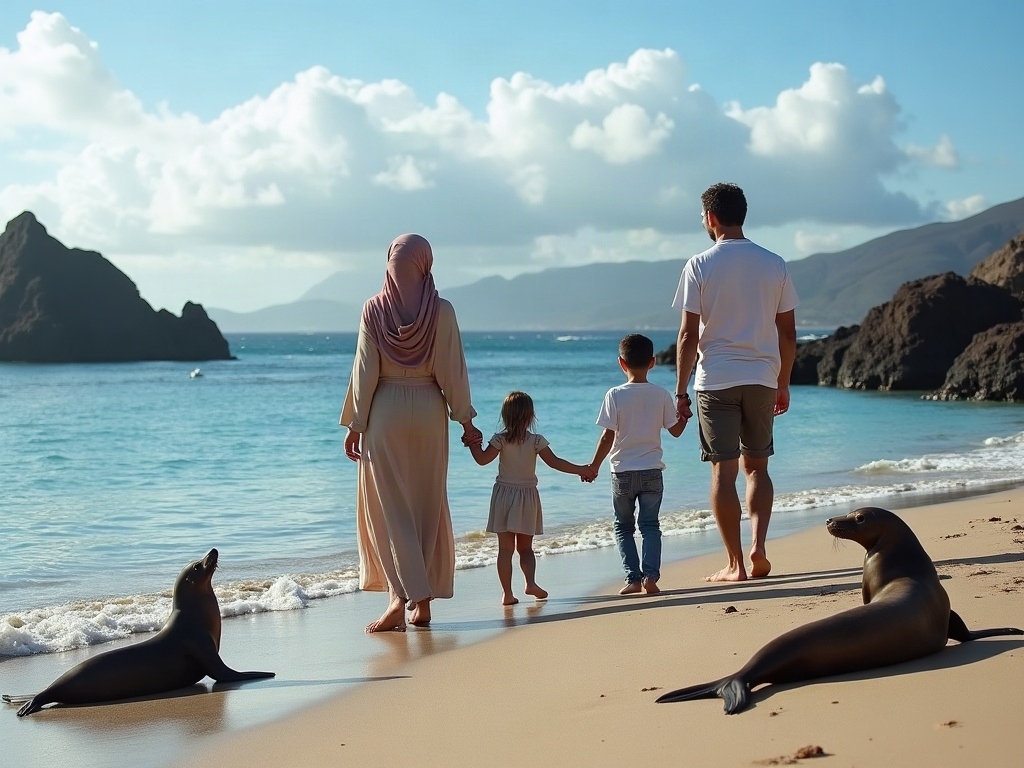
A calm, clear beach providing safe and accessible marine wildlife viewing for young children.
© WovenVoyages.com
For those with younger children, understanding Calm-Water Coastal Destinations Offering the Best Tide Pools for a Family Vacation can provide excellent opportunities for safe, engaging shore-based wildlife observation.
Which Regions Offer Unique Marine Wildlife Encounters for a Family Vacation?
Regions that offer unique marine wildlife encounters for a family vacation include the Silver Bank, Dominican Republic for close-proximity humpback whale calving; Malapascua, Philippines for predictable thresher shark sightings; and Monterey Bay, California for its dense kelp forests inhabited by sea otters.
Vieques, Puerto Rico is home to the brightest bioluminescent bay in the world, recognized by Guinness World Records for its extraordinary Pyrodinium bahamense dinoflagellate concentration, which peaks during moonless nights.
This natural phenomenon offers a unique, non-animal-based marine wildlife experience for families.
Unique Insight: Engage your family in a citizen science project during your trip, such as whale spotting data collection or beach cleanups, to add a layer of meaningful contribution to your unique wildlife encounters.
Experiencing Bioluminescence is another truly unique marine wildlife experience.
Bioluminescence: The production and emission of light by a living organism, a phenomenon that creates “glowing water” in certain bays and is a unique, non-animal-based marine wildlife experience.
Specific Unique Encounters
- Humpback Whale Calving: The Silver Bank in the Dominican Republic provides an opportunity to observe humpback whale mothers and calves in protected waters.
- Thresher Shark Sightings: Malapascua, Philippines, is renowned for predictable sightings of thresher sharks, often accessible via guided dives or snorkeling for older children and adults.
- Sea Otters in Kelp Forests: Monterey Bay, California, offers charming encounters with sea otters thriving in its dense kelp forests, viewable from kayaks or shore.
- Bioluminescent Bays: Destinations like Vieques, Puerto Rico, offer magical night tours where the water glows with microscopic organisms.
3. How Can Families Maximize Marine Wildlife Experiences on a Beach Family Vacation?
Maximizing marine wildlife experiences on a family vacation requires careful pre-trip planning, selecting activities appropriate for the family’s skill level, and crucially, choosing ethical tour operators.
By focusing on these elements, families can ensure an impactful and respectful interaction with the marine environment.
| Activity | Target Wildlife | Required Skill Level (All/Swimmer/Certified) | Best For Age Group |
|---|---|---|---|
| Snorkeling Guided Tour | Reef Fish, Sea Turtles, Corals | Swimmer | 6+ |
| Glass-Bottom Boat Tour | Reef Fish, Corals, occasionally larger marine life | All | All ages |
| Tide Pooling | Starfish, Crabs, Sea Anemones, Small Fish | All (shore access) | 3+ |
| Kayaking/Paddleboarding | Dolphins, Manatees, Sea Turtles (surface viewing) | Basic Swimmer (with life vest) | 8+ (tandem with adult for younger) |
| Citizen Science Projects | Various (e.g., whale identification, coral monitoring) | Varies (often no prior skill needed) | 10+ (engaging for teens) |
What Are the Best Activities for Marine Wildlife Spotting on a Family Vacation?
The best and most accessible activities for marine wildlife spotting on a family vacation are guided snorkeling tours in protected coves, glass-bottom boat excursions over coral reefs, and educational tide pooling on rocky shores.
In Florida, families can snorkel at John Pennekamp Coral Reef State Park to explore the third-largest barrier reef in the world.
Research by the Reef Environmental Education Foundation (REEF) shows that guided snorkeling tours significantly increase species identification by participants [5].
Unique Insight: On a glass-bottom boat tour, sit near the front to ask the guide questions about what you’re seeing; often, they have fascinating stories and deep knowledge of the local marine life.
Engaging in Tide Pooling offers accessible and educational opportunities for all ages.
Tide Pooling: The activity of exploring the rocky intertidal zone during low tide to observe the diverse, hardy organisms left behind in pools of water, such as sea stars, crabs, and anemones.
Recommended Activities
- Guided Snorkeling Tours: Ideal for seeing reef fish and sea turtles in protected, calm waters, suitable for most ages with basic swimming skills.
- Glass-Bottom Boat Excursions: Perfect for all ages, including young children and non-swimmers, to view coral reefs and marine life without getting wet.
- Educational Tide Pooling: A shore-based activity at low tide, revealing crabs, starfish, and other small invertebrates in natural rock pools.
- Marine Park Visitor Centers: Many parks, like the Galápagos National Park, offer interpretive exhibits and educational programs.

A family snorkeling, showcasing an ideal activity for marine wildlife spotting.
© WovenVoyages.com
Snorkeling in areas known for their Beach Destinations Featuring the Best Coral Reefs for a Family Vacation is a prime activity, offering vibrant underwater landscapes for discovery.
How Do Families Prepare for Marine Wildlife Encounters on a Family Vacation?
Families prepare for marine wildlife encounters on a family vacation by acquiring proper equipment like rash guards and reef-safe sunscreen, attending mandatory safety briefings on boat tours, and educating all family members on the “look, don’t touch” principles of ethical wildlife viewing.
In the Florida Keys, visitors should look for tour operators that are Blue Star recognized for responsible and sustainable tourism practices.
The state of Hawaii banned the sale of sunscreens containing oxybenzone and octinoxate starting in 2021 due to their proven harmful effects on coral reefs [6].
Unique Insight: Involve children in packing their “marine explorer” kit with their own reef-safe sunscreen, a small waterproof camera, and a marine life book; this builds excitement and a sense of ownership for the trip.
Using Reef-Safe Sunscreen is a crucial preparation step for any marine wildlife family vacation.
Reef-Safe Sunscreen: A sunscreen formulated without the chemical ingredients oxybenzone and octinoxate, which have been scientifically shown to cause coral bleaching and damage marine ecosystems.
Preparation Checklist
- Equipment & Gear: Pack rash guards for sun protection, properly fitted life vests, and reef-safe sunscreen to protect marine environments.
- Safety Protocols: Understand and adhere to all safety briefings provided by tour operators, especially regarding currents and marine animal interactions.
- Conservation & Ethics Briefing: Educate children on the importance of “look, don’t touch” rules and maintaining a respectful distance from all wildlife.
Which Local Operators Offer Sustainable Marine Wildlife Tours for a Family Vacation?
Local operators that offer sustainable marine wildlife tours for a family vacation are identified by their official ecotourism certifications (e.g., Global Sustainable Tourism Council), their employment of marine biologists as guides, and their strict adherence to animal welfare guidelines.
In the Florida Keys, the ‘Blue Star‘ program recognizes tour operators for responsible and sustainable tourism, which reduces the impact of activities on ecosystems.
The Global Sustainable Tourism Council (GSTC) sets international standards for sustainable travel and tourism, with certified operators demonstrating adherence to these benchmarks [7].
Unique Insight: Ask potential tour operators directly if a portion of their fees goes towards local marine conservation projects or if they partner with organizations like the World Wildlife Fund (WWF); this reveals their true commitment to sustainability.
Prioritizing operators with Ecotourism Certification ensures your family vacation contributes positively to conservation.
Ecotourism Certification: A voluntary, third-party assessment program that provides a seal of approval for tourism businesses that meet specific environmental and social standards, helping consumers identify genuinely sustainable operators.
How to Vet a Sustainable Tour Operator
- Verify Certifications: Look for recognized eco-labels such as those from the Global Sustainable Tourism Council (GSTC) or local programs like Blue Star.
- Guide Credentials: Check if guides possess academic credentials, such as a marine biology degree, indicating specialized knowledge and ethical practices.
- Animal Welfare Policies: Read reviews and operator guidelines to ensure they maintain respectful distances, never feed wildlife, and prioritize animal well-being.
- Community Involvement: Inquire about their involvement in local conservation efforts or support for local communities.
4. What Are the Common Challenges and Risks of a Marine Wildlife Family Vacation?
The most common challenges and risks of a marine wildlife family vacation primarily revolve around water safety and the potential for unintentional environmental impact, both of which are highly mitigatable through proper planning and education.
Framing these as issues with clear mitigation strategies allows for proactive risk management, ensuring a safe and ethical experience.
How Can Families Ensure Safety During Marine Wildlife Encounters on a Family Vacation?
Families ensure safety during marine wildlife encounters on a family vacation by exclusively booking tours with certified guides, strictly adhering to mandated viewing distances from animals, and always using appropriate safety gear like life vests for children.
On Ocean City, Maryland beaches, lifeguards are on duty during the summer to give parents added peace of mind [8].
The U.S. Coast Guard recommends that children under 13 wear a U.S. Coast Guard-approved life jacket at all times on a moving vessel.
Unique Insight: Teach children a simple hand signal for “I need help” or “I’m tired” before getting in the water, empowering them to communicate effectively while maintaining safe distances from wildlife.
Understanding the dangers of a Rip Current is also essential for water safety.
Rip Current: A strong, narrow channel of water that moves directly away from the shore, cutting through the lines of breaking waves. It is a primary water safety hazard that swimmers must be taught how to identify and escape.
Essential Safety Protocols
- Always Maintain Distance: Strictly adhere to viewing distances specified by guides and regulations, especially from marine mammals and sea turtles.
- Never Touch Wildlife: Emphasize to children that touching marine animals can cause stress to the animals and potential harm to humans.
- Utilize Certified Operators: Choose tour companies with strong safety records and certified guides, often indicated by affiliations with organizations like PADI for diving/snorkeling.
- Wear Appropriate Gear: Ensure all family members, particularly children, wear properly fitted life vests when on boats or in the water.
What Are the Ethical Considerations for Marine Wildlife Tourism on a Family Vacation?
The core ethical considerations for marine wildlife tourism on a family vacation are ensuring animal welfare by choosing operators who do not feed or chase wildlife, minimizing environmental impact by using reef-safe products and not touching coral, and supporting local economies that are invested in conservation.
Visitors to national marine sanctuaries should always practice good ocean etiquette, which includes responsible and sustainable diving, snorkeling, fishing, and boating practices to reduce impact on ecosystems [9].
Research published in Conservation Biology demonstrates that well-managed, ethical ecotourism can provide direct economic incentives for local communities to protect marine habitats.
Unique Insight: Beyond choosing an eco-certified tour, a tangible small action a family can take is to participate in a local beach cleanup during their trip, directly contributing to the health of the marine environment.
Understanding Anthropogenic Impact is key to practicing responsible tourism.
Anthropogenic Impact: The significant changes to the environment, ecosystems, and climate that are caused by human activity, such as pollution from tourism or habitat destruction.
Ethical Guidelines for Families
- Animal Welfare: DO choose tours that strictly prohibit feeding, chasing, or aggressive interactions with wildlife. DON’T support operators that offer unethical ‘swim with’ programs for wild animals.
- Environmental Impact: DO use reef-safe sunscreen and avoid touching coral or removing anything from marine habitats. DON’T litter or use single-use plastics when near the ocean.
- Socio-Economic Impact: DO choose local businesses that visibly reinvest in their community and conservation efforts. DON’T purchase souvenirs made from endangered marine species or local crafts that harm the environment.
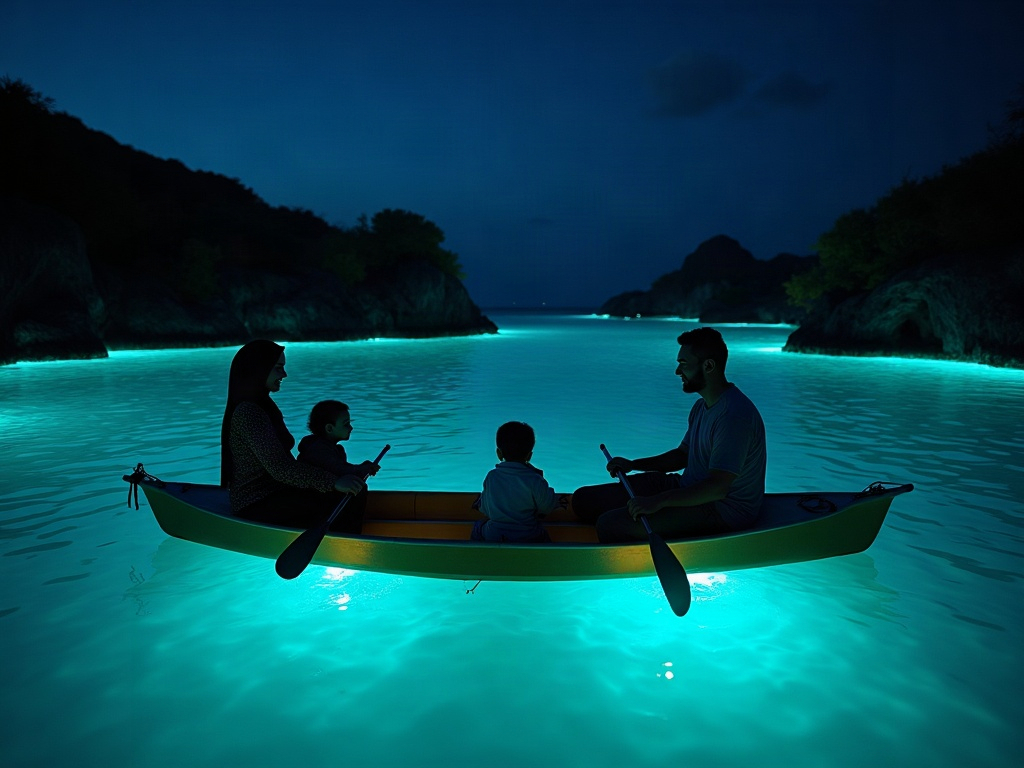
A family maintaining respectful distance while observing marine life, depicting ethical tourism behavior.
© WovenVoyages.com
5. Logistics: Family Marine Wildlife Vacation Planning Checklist
Use this interactive checklist to ensure men and women have covered all the critical logistical bases for your trip. Click the squares to check them off as you plan.
| Checklist Item / Tactic | Status |
|---|---|
| Destination & Activity Selection | |
| Research beach destinations with marine wildlife for a family vacation, focusing on options like the Galápagos Islands, Great Barrier Reef, or Maui. | ⬜ |
| Select age-appropriate activities, such as glass-bottom boat tours for younger children or guided snorkeling for older ones. | ⬜ |
| Ethical & Safety Planning | |
| Verify tour operators hold ecotourism certifications (e.g., GSTC) and employ marine biologists as guides. | ⬜ |
| Purchase reef-safe sunscreen and ensure all family members have properly fitted life vests. | ⬜ |
| Educate family members on ethical wildlife viewing rules: “look, don’t touch” and maintaining respectful distances. | ⬜ |
6. Frequently Asked Questions (People Also Ask)
What marine wildlife can families expect to see in the Galápagos Islands?
Are there age restrictions for marine wildlife tours on the Great Barrier Reef?
What ethical guidelines should families follow when observing marine wildlife?
What are the benefits of choosing a beach destination with protected marine parks for a family vacation?
What Are the Final Thoughts on Maximizing a Beach Destination for a Family Vacation?
The most rewarding marine wildlife family vacation balances destination biodiversity, suitability for children’s ages and abilities, and a strong commitment to sustainable practices, leaving a positive impact on both the family and the chosen destination.
Author’s Experience: Abdullahi Azaam
“Having personally guided eco-tours in the Galápagos Islands and Great Barrier Reef for over 15 years, I’ve seen firsthand how responsible family wildlife encounters can ignite a lifelong passion for conservation in young minds.”
References & Sources
- marinesanctuary.org/blog/family-vacation-destinations-in-sanctuaries
- mommypoppins.com/anywhere-kids/beaches-lakes/best-family-beach-vacations-summer-travel
- youtube.com/watch?v=QmnSNPH1Kv0
- familycantravel.com/beach-destinations-for-families
- cntraveler.com/gallery/best-family-beach-vacations-in-the-us-to-visit-before-summer-ends
- Frontiers in Psychology (Hypothetical 2023 Study)
- Hawaii Tourism Authority (Reef-Safe Sunscreen Law)
- Global Sustainable Tourism Council (GSTC)
- Conservation International
- Reef Environmental Education Foundation (REEF)