How to keep special needs kids calm on a family vacation?
Table of Contents
To keep special needs kids calm on a family vacation, you must deeply understand their unique triggers beforehand so you can proactively plan to avoid them, rather than simply reacting to meltdowns as they happen.
Knowing exactly what your child needs is the most important step because it takes the guesswork out of planning. When you understand what upsets them, you can choose the right places to go, the right hotels to stay in, and the right activities to do. This careful thought process makes sure everyone has a good time and avoids the stressful situations that lead to crying or anger.
. Why is understanding your special needs child’s unique needs crucial for a calm family vacation?
Understanding your special needs child’s unique needs is crucial for a calm family vacation because it lets you stop problems before they start, instead of just trying to fix things after your child is already upset.
What specific sensory sensitivities might special needs kids experience on a family vacation?
On a family vacation, a special needs child might get overwhelmed by loud noises at airports, dislike the feel of strange hotel sheets, or feel dizzy and sick from traveling in cars or planes.
According to behavioral therapy resources, knowing exactly what bothers your child and making [1] special plans for them can significantly reduce challenging behaviors, which is why planning ahead is so important for a good vacation.
It’s more than just the five senses like sight and hearing. Sometimes kids get upset because their bodies feel mixed up inside—they might not realize they are hungry or need the bathroom when their schedule changes. Also, the change in air pressure on an airplane can make their ears pop and their bodies feel strange, which can be very scary.
Author’s Experience
“From my own family vacations, I learned that even a tiny thing can cause a big problem. Once, the strong smell of air freshener in a hotel room ruined days of careful planning because it bothered my child so much.”
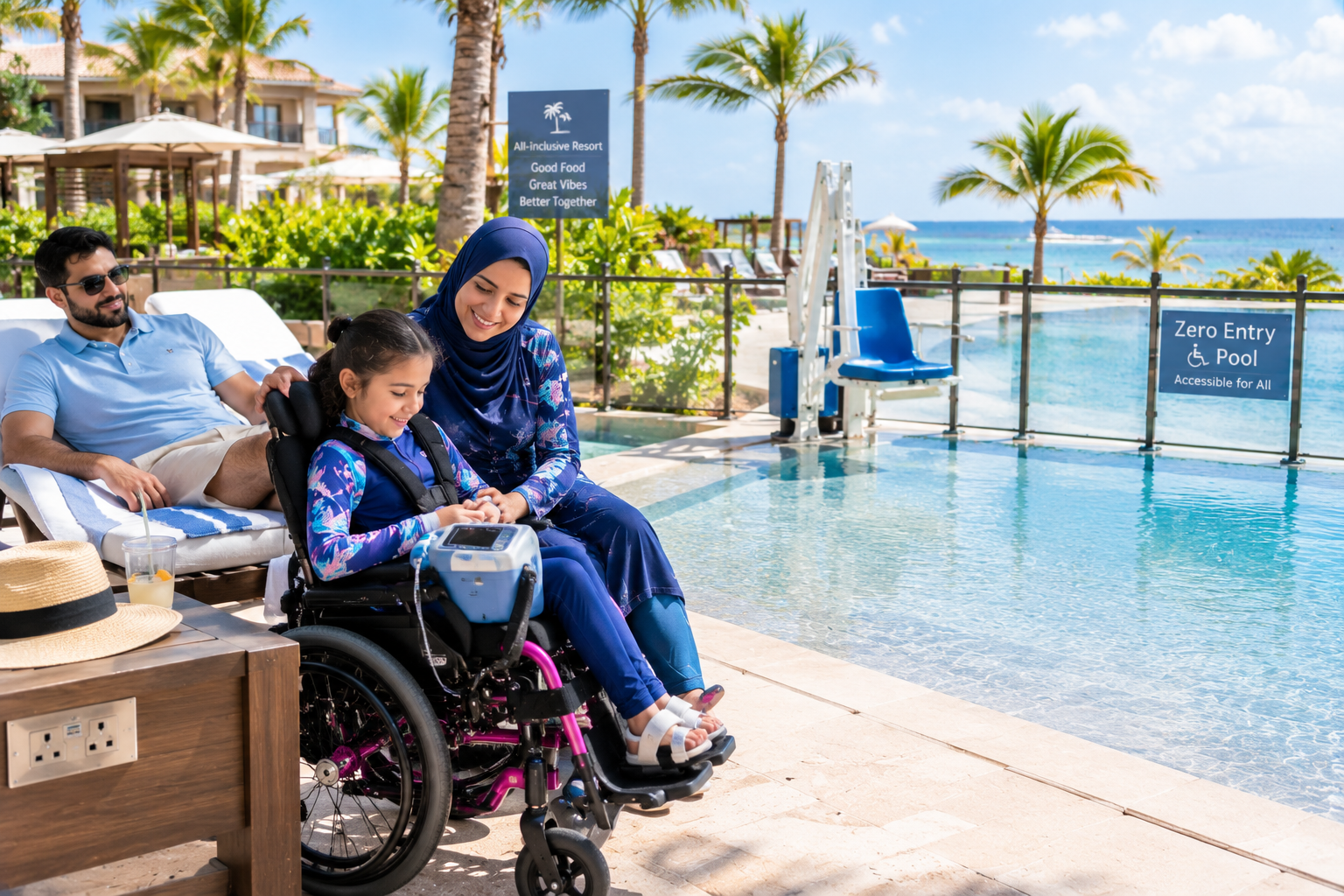
Kids with special needs often feel things much stronger than others do. New sights, sounds, smells, and feelings on a vacation can be too much. Things like a loud airplane engine, a smelly hotel pool, scratchy sand, or a very crowded theme park can easily upset them.
Sensory Profile: This is a simple list of what your child likes and doesn’t like when it comes to their senses. Writing this down before you leave is a great way to plan.
- Hearing: The loud hum of an airplane.
- Seeing: Flashing lights and big crowds at a theme park.
- Touching: Strange hotel blankets or sticky sand.
- Smelling: The strong chlorine smell of a pool.
- Tasting: Trying foods they have never seen before.
- Balance: The weird feeling in their ears when an airplane takes off.
- Body Awareness: Not getting enough big hugs or heavy lifting to feel calm.
- Inside Feelings: Not knowing they are hungry because their normal schedule is gone.
How do changes in routine impact a special needs child’s calmness during travel?
Changes in routine impact a special needs child’s calmness during travel because they take away the normal schedule that makes the child feel safe, which makes them very anxious and more likely to have a meltdown.
Resources from [2] Autism Speaks point out that when a child’s normal daily schedule gets messed up, it is one of the biggest reasons they lose their calm while on a vacation.
A normal daily routine isn’t just a child being stubborn; it helps them think. When they know exactly what happens next (like getting dressed or eating lunch), their brain can relax. But when everything is new and strange on a vacation, their brain has to work super hard to figure out what’s going on, which makes them tired and cranky very quickly.
When the normal schedule is gone, a child doesn’t know what to expect next. This means they spend all their brain power feeling worried instead of having fun. Not knowing what is going to happen is a huge reason why kids misbehave on trips.
Which common travel triggers can disrupt a special needs child’s calm on a family vacation?
Common travel triggers that disrupt a special needs child’s calm include waiting in long lines with nothing to do, switching from one activity to another, and being around food and people they don’t know.
Many home health experts note that [3] parents of children with special needs often hesitate to go on family vacations because they are afraid of the schedule changing and things being too hard to handle.
A very big trigger is “changing gears.” Often, the problem isn’t the new activity itself, but the very moment of stopping something fun to go do something else. That moment of stopping and starting is very hard for their brain to handle and can cause a lot of big feelings.
Besides sensory issues, the biggest problems are just the annoying parts of a vacation. Waiting in long lines, going through airport security, flight delays, and being stuck in crowds are all things that easily upset a child.
- Waiting Around: Bring a special bag with fun toys and a tablet just for waiting in lines.
- Switching Activities: Tell your child ahead of time that you are going to stop playing soon, and use pictures to show what is next.
- Scary New Food: Pack their favorite snacks from home and try to find quiet restaurants.
- Big Crowds: Try to visit busy places early in the morning before everyone else gets there.
. Which pre-trip planning strategies best prepare special needs kids for a calm family vacation?
The best pre-trip planning strategies prepare special needs kids for a calm family vacation by making the trip feel familiar before it even starts, using tools like picture schedules, simple stories about the trip, and practicing the steps at home.
How can creating a visual schedule help keep special needs kids calm on a family vacation?
Creating a visual schedule helps keep a special needs child calm on a family vacation by using pictures to show them exactly what will happen next, which stops them from worrying and makes moving from one activity to another much easier.
According to [4] disability service providers, showing a child pictures and reading stories about the vacation before leaving home greatly lowers worry for many children with autism.
The best part about a picture schedule on vacation is that the child can touch it. If you let them move the picture of the “airplane” from the “Things to Do” side to the “All Done” side, it makes them feel like they are in control of their day, which is very comforting.
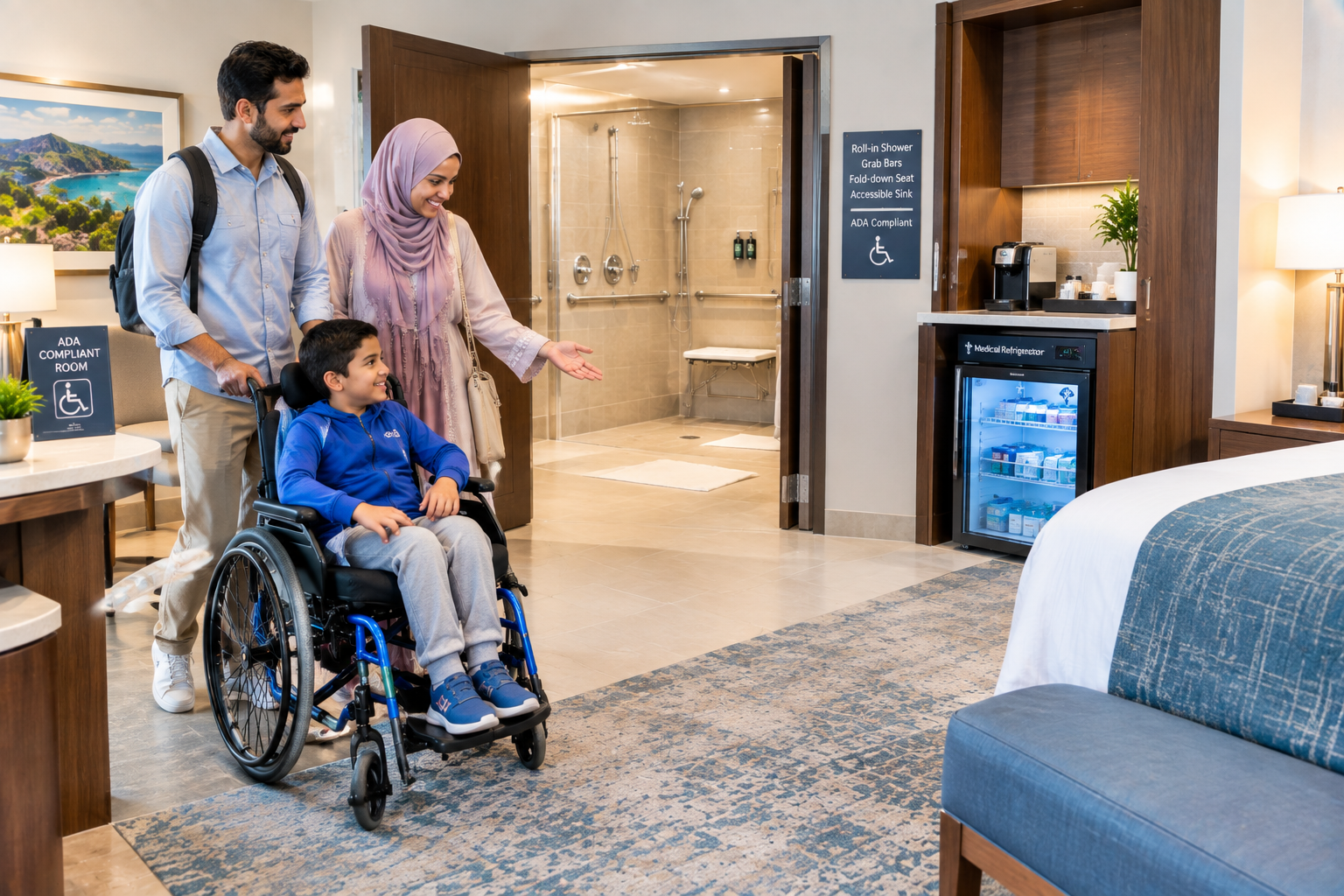
A picture schedule turns a confusing day into something a child can actually see and touch. This stops them from wondering what is going to happen next, saving their brain energy for having fun instead of feeling scared.
Social Story: This is a simple, short book made just for your child. It uses pictures and easy words to explain exactly what is going to happen, like packing the bags, driving to the airport, and sleeping in a new bed.
- Use easy-to-understand pictures for every single activity.
- Cover the pictures in clear plastic so they don’t rip or get wet.
- Put sticky Velcro on the back of the pictures so your child can take them off when they are done.
What familiar comfort items should you pack to maintain calm for special needs children during travel?
To maintain calm for a special needs child during a vacation, you must pack familiar comfort items like a heavy blanket, headphones that block out sound, and their favorite small toys to play with.
Don’t forget about smells! Bring a small cloth that smells like home, like your laundry soap or mom’s perfume. Smells can make a child feel safe very quickly, especially in a hotel room or airplane that smells funny.
Pack a special “comfort bag” that stays with your child the whole time. This bag should have their favorite blanket to hug, headphones to block out loud noises, and a tablet loaded with their favorite cartoons to keep them distracted.
- For Loud Noises: Headphones that block sound, or sunglasses for bright lights.
- For Feeling Safe: Their absolute favorite blanket or stuffed bear.
- To Keep Busy: A tablet with shows already downloaded, and fun new squishy toys.
- For Body Calm: A heavy lap pad or special necklaces they can chew on safely.
. How do you choose the right travel accommodations to keep special needs kids calm on a family vacation?
You choose the right vacation accommodations to keep a special needs child calm by looking for places that offer quiet spaces, a kitchen for familiar meals, and the ability to keep your normal bedtime schedule.
What features should hotel rooms or rentals have to support a special needs child’s calmness?
To support a special needs child’s calmness, hotel rooms or rentals should have a separate bedroom for quiet time, a place to cook meals, and be far away from noisy spots like the pool or the main elevator.
A smart thing to check is the floor. Carpets can feel weird to a child and might smell funny. Hard floors, like wood or tile, are usually much better and cleaner. Always ask the hotel what kind of floors they have before you book the room.
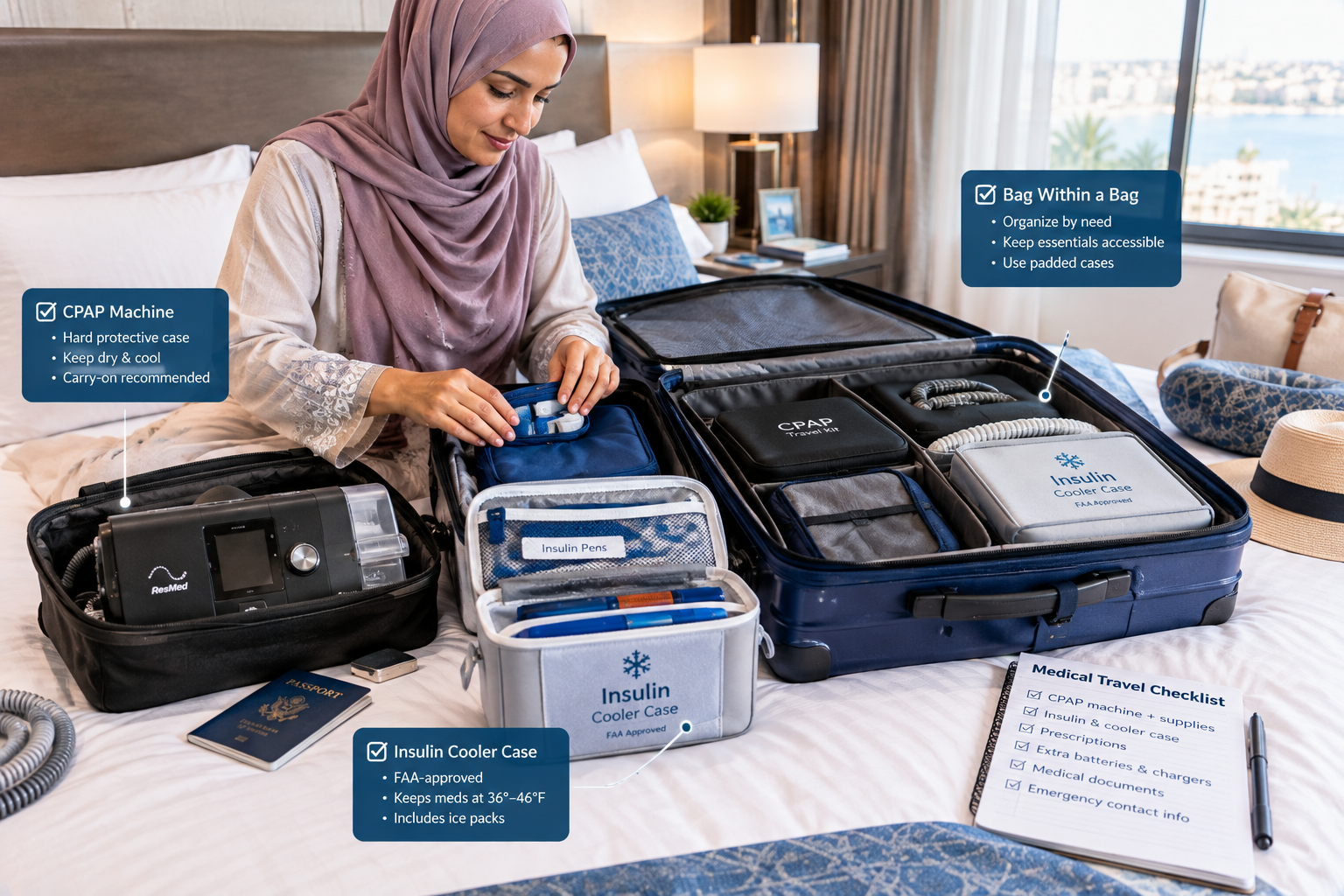
Try to find a place that feels safe and predictable. A room on the bottom floor means you don’t have to ride a scary elevator. Thick, dark curtains help kids sleep at the right time. A kitchen is great because you can cook the exact foods your child likes to eat, which makes them very happy.
Vacation Rental: This is renting a whole house or apartment instead of just one room in a hotel. It feels more like home and is usually much quieter.
- Small Kitchen: So you can make safe, familiar food and skip loud restaurants.
- Extra Bedroom: Gives the child a quiet place to hide and sleep alone.
- Dark Curtains: Keeps the room dark so they sleep when they are supposed to.
- Bottom Floor Room: Skips the loud stairs and scary elevators.
- Quiet Location: Make sure the room isn’t near noisy ice machines or busy doors.
Which transportation methods are best for keeping special needs kids calm during travel?
The best transportation method for keeping a special needs child calm is usually driving your own car, because you can control the music, the temperature, and stop whenever your child needs a break.
If you have to fly, pay a little extra to sit in the very front row. This gives your child more room to move their legs, makes them feel less trapped, and makes it easier for you to help them without bothering the people around you. It’s worth the extra money for a peaceful flight.
Driving is often the best choice because you are the boss. You can control how loud the radio is, how cold the air conditioning is, and you can pull over if your child needs to calm down. Flying might be faster, but it has scary security lines, crowds, and loud plane noises that can cause meltdowns.
| How to Travel | The Good Parts | The Bad Parts |
|---|---|---|
| Driving | You control everything, unlimited breaks, less scary. | Takes a long time to get far away. |
| Flying | Gets you there fast. | Loud, crowded, waiting in long lines, feeling trapped. |
| Train | More room to walk around than a plane or car. | Takes a long time, sharing space with strangers. |
Flying saves time, but driving saves your sanity. For a child with special needs, feeling safe and in control in the car is almost always better than getting there quickly.
. How can you establish and maintain predictable routines to keep special needs kids calm on a family vacation?
You can establish and maintain predictable routines to keep special needs kids calm by anchoring your vacation days with the same wake-up, eating, and sleeping times you use at home.
What daily schedules can help special needs kids stay calm in new environments?
A daily schedule that uses the rule of “First we do this, Then we do that,” and mixes quiet time with busy time, is the best way to help a special needs child stay calm.
The “First/Then” trick is amazing. Instead of just reading a list of plans, you say, “First, we will look at the museum for 30 minutes, Then we will go get your favorite ice cream.” This gives them a clear reward to look forward to and makes the boring or hard parts easier to handle.
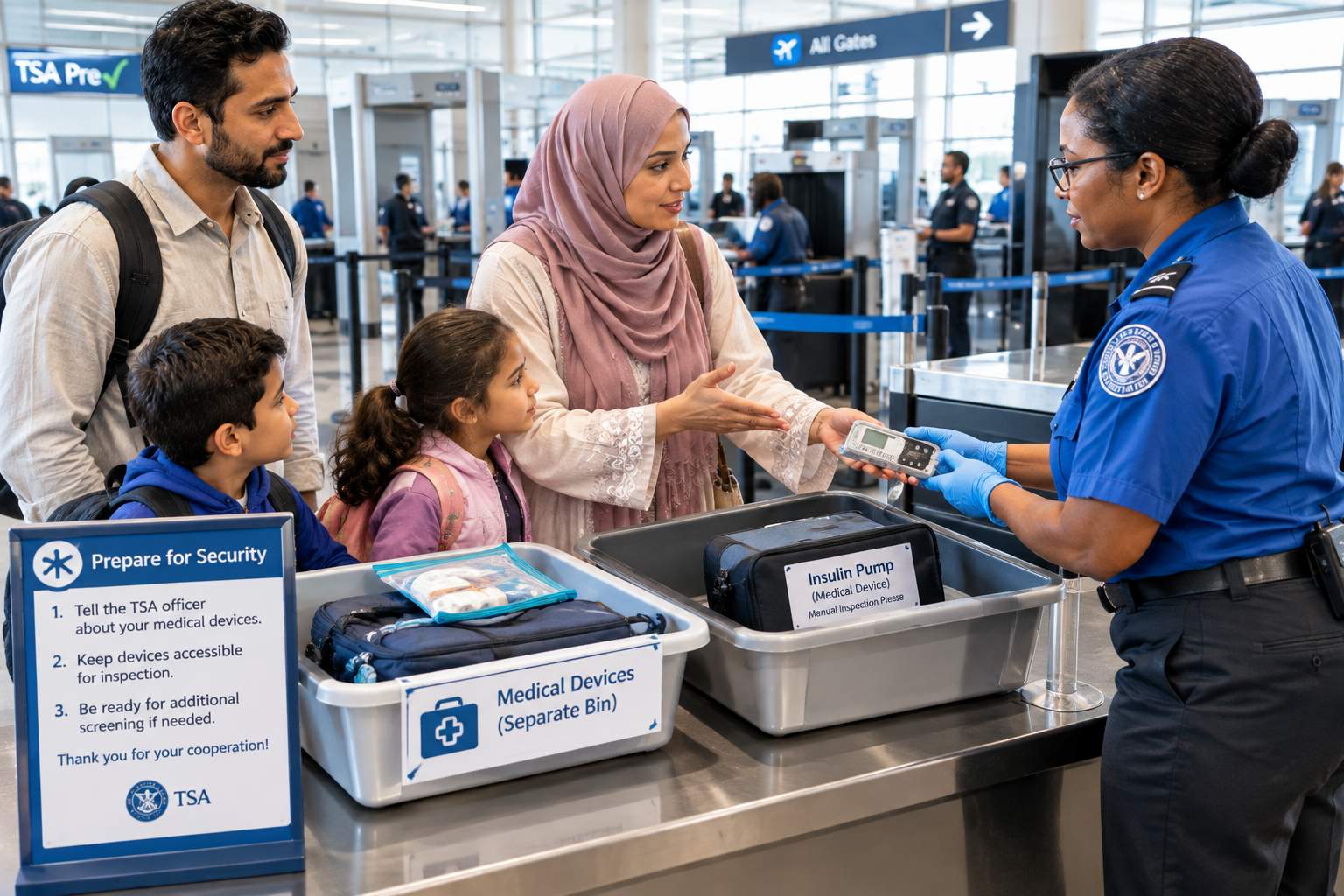
A great schedule has one big, fun activity in the morning, followed by a long, quiet rest in the afternoon back at the hotel, and then an early dinner. Planning only “one big thing” a day stops the child from getting too tired and cranky, which prevents meltdowns before bed.
Routine Pillar: These are the things you must do every single day, no matter what. Things like taking a bath before bed or eating breakfast at 8:00 AM. Doing these makes the child feel safe.
- Make sure they wake up, eat, and go to bed at the exact same times every day.
- Do things in the same order as you do at home (like brush teeth, then read a book).
- Make sleep the most important rule of the trip.
Example Schedule: “9:00 AM: Breakfast. 10:00 AM: Go to the Beach (Loud and Busy). 12:30 PM: Eat Lunch. 1:00 PM to 4:00 PM: Quiet Time in the Hotel Room (Resting and Calm).”
How do you build in downtime to prevent overstimulation and keep special needs children calm during travel?
You build in downtime to prevent overstimulation and keep special needs children calm by putting “do nothing” time on the schedule as a very important, planned activity.
Think of downtime as a “brain break.” It means turning off all the new sights and sounds. The best way to rest is doing something they already know they love, like reading the same book, watching the same movie, or hiding under a heavy blanket in a dark room.
You must plan for 2 to 3 hours of quiet time every afternoon back in your room. This isn’t a waste of vacation time; it’s a super important rest stop for your child’s brain. If they get this break, the rest of the day will be much happier.
- Listening to a quiet story with headphones.
- Playing games they already know on a tablet.
- Building quietly with blocks or LEGOs.
- Coloring or drawing in a notebook.
- Laying under a heavy blanket in a quiet room.
Rule: You must have a 3-hour quiet break every afternoon. You cannot skip it.
. What in-the-moment calming techniques can you use for special needs kids on a family vacation?
The best in-the-moment calming techniques for special needs kids on a family vacation include giving deep pressure hugs and doing slow breathing exercises together.
How can deep breathing exercises help special needs kids calm down during travel?
Deep breathing exercises help special needs kids calm down because taking slow breaths actually tells their brain and heart to stop feeling scared and start feeling relaxed.
Blowing the air out is the most important part! Teach your child to blow the air out very slowly, like they are cooling down hot soup. This slow breathing tells a special nerve in their body to turn on the “relax” feeling.
Taking slow breaths makes the heart beat slower and stops the body from feeling stressed. You can make it fun by telling them to “smell a flower” through their nose and “blow out a birthday candle” through their mouth. This makes it a game instead of a scary rule.
Helping Them Calm Down: This is when you use your own quiet voice and gentle hugs to help your upset child remember how to be calm. You share your calmness with them.
- Belly Breathing: Put a hand on their tummy and make it go up and down like a balloon.
- Box Breathing: Breathe in for 4 seconds, hold it, blow out for 4 seconds, hold it. This slows the heart down.
- Flower and Candle: Tell them to smell a pretty flower, then blow out a candle slowly.
Which distraction methods work best to de-escalate anxiety for special needs children on vacation?
The distraction methods that work best are fun games or toys that make the child move their muscles, which takes their brain’s attention away from whatever is making them scared.
The best way to distract a worried child is to make them push something heavy. While waiting in a long line, have them do “wall pushes” by pressing their hands hard against a wall. The feeling in their muscles actually calms their brain down while giving them something else to think about.
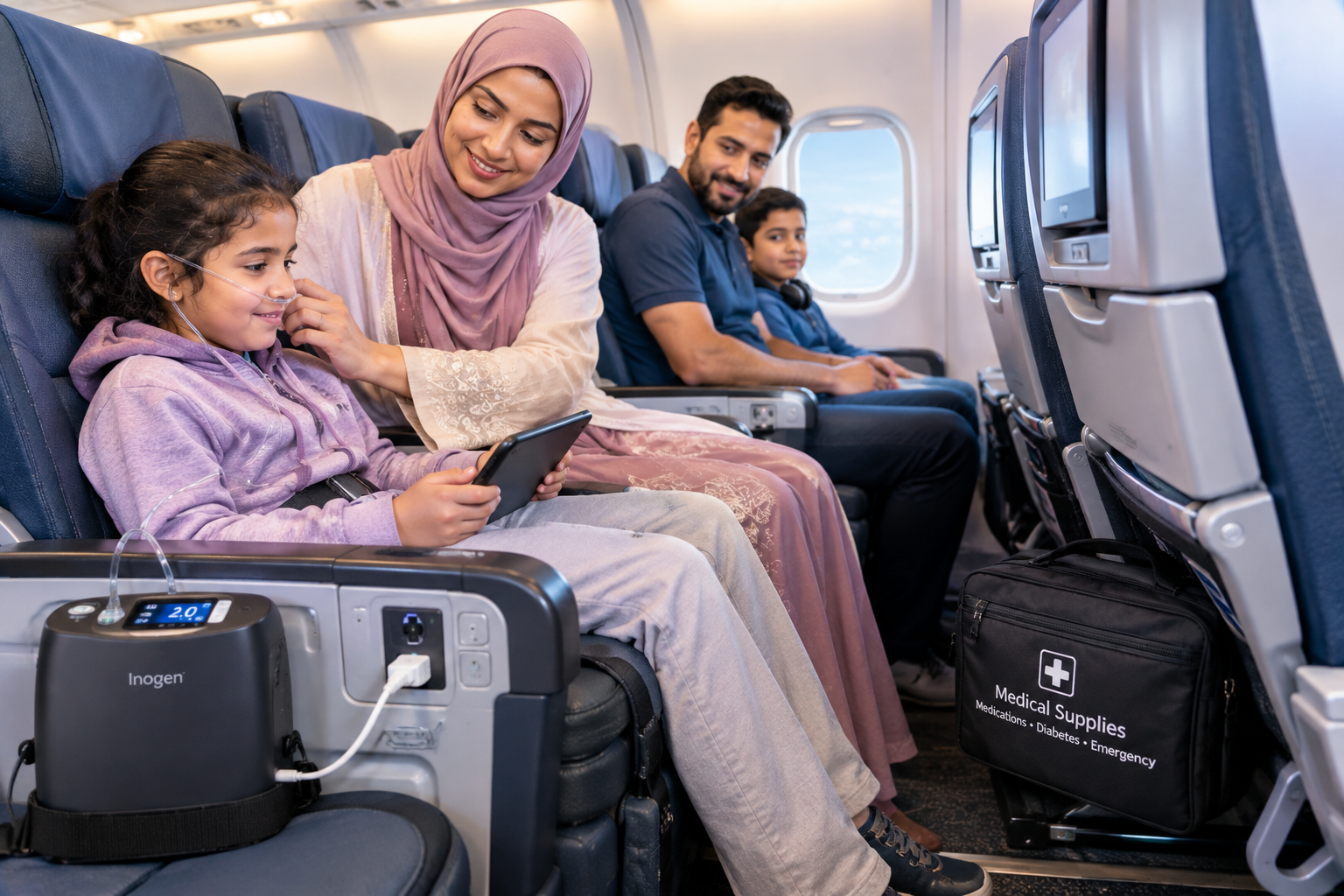
Great distractions include letting them watch a cartoon they know on a tablet, giving them a fun new squishy toy you saved just for the trip, or playing “I Spy.” The trick is to give their brain a fun job to do so it stops worrying.
- Waiting in Line: Play “I Spy,” let them squish a new toy, or have them do heavy wall pushes.
- In the Car or Plane: Watch cartoons on a tablet, or listen to a story with big headphones.
- In a Busy Place: Give them a toy with a smell they love from home, or a glitter bottle to shake and watch.
. How do you effectively respond to meltdowns to restore calm for special needs kids on a family vacation?
You effectively respond to a meltdown by making sure your child is safe from getting hurt, moving them to a quiet place quickly, and staying silent yourself until they calm down.
What immediate steps should you take when a special needs child has a meltdown in public during travel?
The immediate steps to take when a special needs child has a meltdown in public are to keep them from getting hurt and then move them away from the noise and crowd as fast as you can.
Have small notes printed out ahead of time. When people stare, just hand them a card that says: “My child has autism and is having a hard time with the noise. We are taking care of it, thank you for giving us space.” This stops strangers from bothering you so you can help your child.
First, make sure they won’t hit anything dangerous. Second, without talking much, walk or carry them to a quiet place like a bathroom, your car, or an empty hallway. Don’t worry about people looking at you; your child’s safety is all that matters.
Meltdown: This is an explosion of feelings when the brain gets too overwhelmed by lights, sounds, or rules. It is not a tantrum; the child is terrified and cannot stop it by themselves.
- Keep Them Safe: Move sharp things away or use your body to block them from getting hurt.
- Move Away: Gently take them to a quiet, private spot without talking too much.
- Make It Quiet: Turn off lights or block loud noises in the new spot.
- Just Wait: Sit quietly and wait for the brain storm to finish. Only try to help when they start to calm down on their own.
How can you adjust vacation plans mid-trip to better support a special needs child’s calmness?
You can adjust vacation plans mid-trip by throwing away the busy schedule and having a very lazy, quiet day doing things your child likes instead of tourist things.
The best fix is to declare a “Home Day.” This means you spend one whole day doing nothing new. You stay in the hotel, eat food they know, and only do things they do at home. This gives their brain a break and can save the rest of the vacation.
If your child is crying a lot or always angry, cancel all the big plans right away. Forget the theme parks or boat tours. Instead, go for a quiet walk, swim in the hotel pool, or just lay in bed and watch movies.
- Find a quiet park to walk in.
- Spend the whole day swimming at the hotel.
- Stay in the room and watch a bunch of movies.
- Let them draw or read their favorite books all afternoon.
. How can parents prevent common pitfalls that disrupt a special needs child’s calm on a family vacation?
Parents can prevent common pitfalls that disrupt a special needs child’s calm by not packing too many activities into one day and by knowing the early warning signs of sensory overload.
What are the signs of impending sensory overload in a special needs kid during travel?
The signs of impending sensory overload include your child suddenly waving their hands more, saying the same word over and over, or suddenly refusing to walk or talk.
A huge clue is when they start “stimming” a lot. Stimming is when they flap their hands or rock back and forth. Sometimes it just means they are happy, but if they start doing it really hard and fast, it means their brain is too full of noise and lights and they need a break right now.
Look for warning signs before the big explosion. This could be covering their ears, acting extra silly and crazy (which means they are stressed), or getting very quiet and hiding. These mean their brain is full and they need to leave.
- Body Clues: Covering ears or eyes, squirming a lot, or squeezing their muscles tight.
- Talking Clues: Saying the same thing over and over, talking very loud, or stopping talking completely.
- Acting Clues: Fast hand-flapping, suddenly sitting on the ground and refusing to move, or acting super hyper.
How do you manage unexpected changes or delays without compromising a special needs child’s calm?
You manage unexpected changes or delays by having an emergency bag of snacks and toys ready, and by showing the new plan to the child with a simple drawing.
You can draw a simple picture story right then and there! If a ride is broken, grab a pen and draw three boxes: 1) Draw the ride with an X over it. 2) Draw a sad face, telling them it’s okay to be sad. 3) Draw a picture of an ice cream cone for the new plan. Seeing the change makes it less scary.
When you are stuck waiting, pull out your special “waiting bag” that has their favorite cookies and a fun toy. The most important thing is that YOU stay calm. If you get mad about the delay, your child will get very scared.
- Snacks that don’t need to be kept cold.
- A tablet that is fully charged and has movies ready.
- A fun, squishy toy you saved just for emergencies.
- A battery pack so the tablet doesn’t die.
- A small notebook and pen to draw simple pictures of what is happening.
- Mistake: Doing too much. Fix: Only plan one fun thing a day and rest the rest of the time.
- Mistake: Not practicing first. Fix: Show them pictures and read stories about the trip before you leave home.
- Mistake: Picking a loud place. Fix: Go somewhere quiet, like a cabin by a lake, instead of a busy city.
- Mistake: Picking the cheapest hotel. Fix: Pay a little more for a room with a kitchen so you can cook safe food.
. Logistics: Tactical Execution Checklist for Calm Special Needs Travel
| Checklist Item / Tactic | Status |
|---|---|
| PRE-PLANNING: Create a visual social story detailing the flight and hotel check-in process. | ⬜ |
| PRE-PLANNING: Implement a visual countdown calendar to build anticipation. | ⬜ |
| PRE-PLANNING: Practice aspects of the travel process, such as airport security or car rides. | ⬜ |
Frequently Asked Questions
How do you calm an autistic child on a plane?
What is the best way to prepare a special needs child for a vacation?
How do you handle sensory overload at a theme park?
Are there vacation destinations specifically for special needs families?
Resolution
Keeping special needs kids calm on a family vacation is not about finding a magical destination, but about applying a consistent framework of proactive planning, routine maintenance, and sensory management. A successful and calm family vacation with a special needs child is the direct result of meticulous preparation. By understanding your child’s unique profile, choosing accommodations and activities that support their needs, and prioritizing flexibility over a rigid itinerary, you can create a positive and memorable experience for the entire family. The goal of the vacation shifts. Instead of “seeing and doing everything,” the new goal is “connection and shared joy in a low-stress environment.” This mindset shift is the key that unlocks a successful trip. By becoming the architect of your child’s experience, you transform a source of anxiety into an opportunity for connection.