Theme Park Vacations: What Is the Ideal Age for Children to Visit?
Table of Contents
The absolute ideal age for a child to visit a theme park is between 6 and 12 years old, representing the developmental sweet spot where physical height minimums unlock major attractions, and cognitive maturity ensures long-term memory retention.
A child’s age is the primary filter through which they experience a theme park, affecting everything from which rides they can safely enjoy to their ability to emotionally cope with a long, stimulating day. Understanding this impact is the first step to planning a successful, low-stress family vacation.
Before diving into the specifics of theme park logistics, it is helpful to understand the broader landscape by exploring What Are the 10 Types of Family Vacations? to ensure this high-energy format is the best fit for your family.
2. Why does a child’s age significantly impact a theme park vacation?
A child’s biological age dictates the entire trajectory of a theme park vacation, serving as the primary constraint for ride accessibility, emotional endurance, and the family’s ultimate return on investment.
What developmental milestones influence a child’s theme park experience?
Physical milestones like height and stamina determine which attractions are accessible, while cognitive milestones affect a child’s ability to understand themes and manage fear. Emotional development is crucial for handling crowds, wait times, and potential overstimulation.
Many major thrill rides require a minimum height of about 48-54 inches, a benchmark many children don’t reach until they are between 6-8 years old, aligning perfectly with the standard thrill ride height requirements observed across the industry.
This is the period where a child is old enough to understand character stories but young enough to suspend disbelief, making character interactions intensely powerful. This window is a key E-A-V (Entity-Attribute-Value) for the 4-8 age range.
Demonstrating how a child’s physical growth milestone acts as the absolute, non-negotiable metric for accessing premier theme park attractions.
© WovenVoyages.com
What core factors define an ideal age range for theme park visits?
An ideal age is defined by three key factors: physical readiness (height/stamina), cognitive engagement (comprehension/memory), and financial value (maximizing ticket cost). The age where these three factors optimally overlap represents the ideal window.
Parks like LEGOLAND California design their attractions for a specific age window, with rides and playgrounds geared toward children ages 2 to 12, but with the majority of rides appealing most to those aged 5 and up, a design philosophy detailed by industry analysis.
The most overlooked factor is “Memory Retention.” The financial investment in a theme park vacation is significant; the ideal age ensures the child will not only enjoy the trip but also retain memories of it, providing long-term value to the family.

Showcasing the cognitive “sweet spot” where children possess the imaginative capacity to fully immerse themselves in the park’s narrative while forming permanent memories.
© WovenVoyages.com
Core Factors
Here are the core factors to consider:
- Ride Access: Physical size for eligibility on attractions.
- Stamina and Resilience: Ability to handle long days and stimulating environments.
- Comprehension and Engagement: Capacity to understand themes and interact with characters.
- Memory Retention: Forming lasting, vivid memories of the experience, maximizing theme park value.
If you’re still weighing the options, exploring the many benefits of theme park family vacations can help solidify your decision and highlight the unique magic they offer.
3. Which age group offers the most rewarding theme park experience for children?
The 6-to-12-year-old age group consistently offers the most rewarding theme park experience for children, representing a “sweet spot” where physical readiness, imaginative engagement, and memory retention are at their peak.
What are the unique benefits of taking toddlers and preschoolers to theme parks?
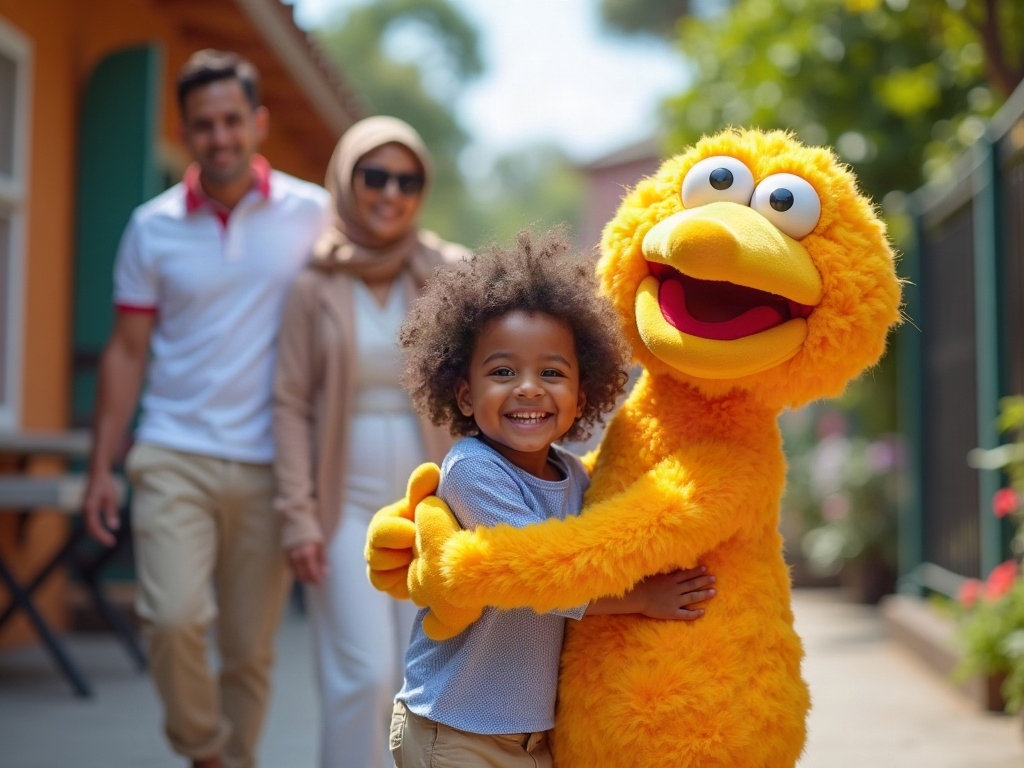
The primary benefits for this age are not about rides or memory, but about atmosphere and moments. They benefit from seeing their storybook characters come to life and enjoying gentle, sensory-rich attractions designed specifically for them.
Parks designed for younger children, like Sesame Place in San Diego, feature a wealth of age-appropriate attractions, including seven Sesame Street-themed dry rides and 11 different water attractions.
The key insight is to reframe the trip’s “success metric.” For toddlers, success is not a full day or a high ride count. Success is one or two moments of pure, unadulterated joy before heading back to the hotel for a nap. The trip is for the parents’ memory, not the child’s.

For toddlers, the primary return on investment comes from atmosphere and character interactions rather than intense physical rides.
© WovenVoyages.com
What advantages do elementary school children (6-12) gain from theme park visits?
This age group gains the advantage of near-unrestricted access to most family and junior-thrill rides, fully unlocking the park’s offerings. They also possess the reading skills and attention span to engage with pre-show narratives and themed queues, deepening their immersion.
Unique park experiences become accessible to this age group, such as the dolphin training and swim sessions at Discovery Cove, which are available for children ages 6 and up.
The unique advantage is “narrative cohesion.” A 10-year-old doesn’t just go on a ride; they understand the story of the Haunted Mansion or follow the plot of a Spider-Man attraction from queue to exit, creating a richer, more cinematic experience that younger children miss and teenagers may be too cynical to enjoy.

Children in the 6-12 age bracket possess the physical height to access E-ticket attractions while retaining a sense of pure wonder.
© WovenVoyages.com
How do theme park experiences differ for pre-teens and teenagers (13+)?
The experience for teenagers is defined by a desire for autonomy and intensity. Their enjoyment hinges on riding the biggest roller coasters, having time to explore with peers or siblings, and leveraging park apps for efficiency.
This age group is drawn to parks famous for their thrill rides, such as Six Flags Magic Mountain, which boasts more roller coasters than any other amusement park in the world and added its twentieth coaster in 2022, a fact highlighted by Six Flags documentation.
The key difference is the “social component.” A theme park trip for a teenager is not just about rides; it’s a social performance to be documented on platforms like TikTok or Instagram. The trip’s success can depend on giving them the space and opportunity to capture these social media-worthy moments.

For teenagers, the theme park experience shifts from narrative storytelling to intense adrenaline rushes and capturing peer-focused social media content.
© WovenVoyages.com
How does a child’s age influence the overall cost-effectiveness of a theme park vacation?
Age is a primary driver of cost-effectiveness. Children under 3 are often free, offering high value, while children 3-9 pay a child’s price, and those 10+ pay a full adult price, making it crucial that their enjoyment and ride access match the higher investment.
A clear example of age-based pricing is seen at parks like Gatorland, where adult admission is higher than children ages 3 to 12, and children under 3 are admitted for free, according to pricing reviews.
The concept of “Value per Attraction” is key. A $150 ticket for a 4-year-old who only goes on 5 gentle rides has a cost of $30 per attraction. The same ticket for a 10-year-old who goes on 15 rides has a cost of $10 per attraction. This quantifiable metric demonstrates the value proposition of the 6-12 age range.
Author’s Experience
“As a parent who has navigated theme parks with kids of all ages, I’ve learned the hard way that understanding their unique needs is paramount. That chaotic day with a tired toddler taught me the true value of a midday break and a well-stocked stroller, transforming potential meltdowns into cherished memories.”
Understanding these cost factors is crucial, and further insights can be found in discussions around how your family can manage theme park budgeting effectively.
4. How can parents effectively plan a theme park vacation tailored to their children’s ages?
Parents can effectively plan a theme park vacation tailored to their children’s ages by adopting an age-specific framework that governs pre-trip preparation, in-park strategy, and managing expectations for each developmental stage.
How to prepare and manage a theme park visit with toddlers and young children?
Success with toddlers hinges on proactive management. This means planning for a midday nap (back at the hotel), packing familiar snacks to avoid food-related battles, and knowing the locations of Baby Care Centers and quiet areas before you even enter the park.
To ease the burden on parents, many family-focused attractions like the Central Florida Zoo offer stroller rentals on-site.
The “Stroller as a Basecamp” strategy. The stroller is not just for transport; it’s a mobile base of operations. It should be stocked with snacks, drinks, a change of clothes, a portable fan, and a tablet with downloaded shows for long lines or restaurant waits. It is the key to surviving the day.
Toddler Survival Kit Essentials
- Familiar snacks and drinks
- Change of clothes (multiple)
- Portable fan
- Tablet with downloaded shows for waits
- Small comfort item or toy
How to enhance the theme park experience for school-aged children?
Enhancement for this age group comes from empowerment and context. Let them help choose one or two rides from the park map, watch videos of the rides to build excitement, and give them a small budget on a gift card for a souvenir they choose themselves.
Interactive and educational activities are key for this age; for instance, at Dinosaur World in Florida, children can participate in a “fossil dig” activity and take home their own small fossils as a unique souvenir.
Introduce “Queue Entertainment Kits.” For a 9-year-old, a 45-minute wait can feel endless. A pre-packed kit with a small card game (like Uno), a “Mad Libs” pad, or the mobile “Heads Up!” game can turn a moment of frustration into a fun family memory.
Pre-Trip Hype Activities
- Watch relevant movies or shows related to the park’s themes.
- Explore the park map online and identify must-do attractions.
- Watch point-of-view (POV) ride videos on YouTube to build excitement.
How to ensure teenagers have a memorable and engaging theme park adventure?
The key to a successful teen trip is balancing family time with freedom. Agree on a few family meals or shows, but then give them the freedom to explore with a sibling or friend for a few hours, equipped with a phone and a clear check-in time.
The “Single Rider Line” strategy. This is a perfect tool for teens. If they want to ride a major coaster multiple times but their family doesn’t, teach them to use the Single Rider Line. It gives them the thrill they want, is often much faster, and teaches them how to navigate the park independently.
Beyond age-specific considerations, mastering theme park strategies to beat crowds and save time is essential for a smooth and enjoyable visit.
5. What common challenges and mistakes should parents avoid when visiting theme parks with children of varying ages?
The most common and damaging mistake parents make when visiting theme parks with children of varying ages is attempting a “one-size-fits-all” approach, leading to over-scheduling, unmet expectations, and widespread frustration.
How to effectively manage different ride preferences and energy levels across age groups?
Managing different preferences requires a plan to split the party. Use the official Rider Swap service for specific rides, and for broader differences, have one parent take the older kids to the thrill rides while the other stays with the younger kids in a themed play area or on gentle rides.
Many parks cater to this need by design; for example, while LEGOLAND focuses on rides for the 5-12 age group, it also includes DUPLO block building areas and shallow water parks specifically for toddlers to enjoy.
The “Tag Team” approach. This goes beyond just splitting up. This is a planned hand-off. E.g., Parent A takes both kids for 2 hours in the morning. At a set time, they meet Parent B, who “tags in” and takes over for the next 2 hours, giving Parent A a break to get a coffee or ride a solo attraction. This systematically prevents burnout for both parents.
Rider Swap Guide
- Approach the ride attendant with your whole party.
- Designate who is riding first.
- The non-riding parent receives a digital pass to return later without waiting in the full line again.
How to prevent and handle meltdowns or fatigue for younger children at theme parks?
Prevention is the best cure: enforce a midday nap or quiet time away from the park, push snacks and water constantly, and watch for early warning signs like yawning or being overly emotional. If a meltdown happens, remove the child from the stimulating environment immediately to a quiet, shaded area.
To find quieter moments, parents can seek out scheduled, low-stimulation activities, such as the weekly storytime programs offered at places like the Central Florida Zoo.
Identify specific “Decompression Zones.” Every park has them, even if unofficial. These are quiet, often overlooked areas—a path behind a water feature, an indoor, air-conditioned exhibit, or a designated Baby Care Center. Instruct parents to identify these on the map at the start of the day so they have a pre-planned escape route.
Meltdown Early Warning Signs
- Yawning
- Rubbing Eyes
- Refusing Food/Water
- Uncharacteristic Irritability
- Clinginess
If the complexities of mixed-age theme park trips seem daunting, families might also explore family cruise vacations, which offer a different approach to multi-generational fun.
6. Frequently Asked Questions (People Also Ask)
What is the best age to take a child to a theme park?
Are theme parks worth it for toddlers?
How do you manage a theme park trip with teenagers?
Resolution
In conclusion, while a theme park vacation can be magical at any age, the ideal age for a child to visit is unequivocally the 6-to-12-year-old range, which offers the optimal balance of ride access, comprehension, stamina, and memory retention, ensuring the highest return on your family’s investment of time, money, and emotion. The central takeaway is to match the vacation’s goals and structure to your child’s developmental stage. For the highest overall value and creation of lasting family memories, target the elementary school years for your primary theme park vacation. Do not chase the “perfect” trip. Instead, use this guide to architect a “smarter” trip, one that is perfectly tailored to the children you have right now. By planning with your child’s unique stage in mind, you transform a stressful expense into a priceless investment in family memory.