How to Handle Natural Disasters on Family Vacation?
Table of Contents
To effectively handle natural disasters on a family vacation, you must proactively research destination risks, purchase comprehensive travel insurance, pack a lightweight emergency go-bag, and establish clear communication and evacuation protocols before departure.
Making natural disaster planning a top priority lowers risks, protects the financial investment of your trip, and gives everyone clear steps to take during scary events. A practiced plan stops parents from panicking and keeps children safe. It turns potential chaos into a set of simple, manageable actions. Before diving into the specifics of disaster preparedness below, consider exploring the comprehensive guide on how to plan a family vacation step by step to ensure all foundational aspects of your trip are covered.
1. Why should families prioritize natural disaster preparedness for vacations?
Families should plan for natural disasters on vacation because it turns a chaotic event into a situation they can handle. This directly protects the children’s safety and the family’s trip budget.
How do natural disasters impact family travel experiences and safety?
Natural disasters greatly affect family travel by destroying roads, creating shortages of clean water and food, and causing major stress. These issues are extra hard to handle when you are far from home. Disasters can trap families in unsafe places, stop phones from working, and make it tough to find medicine or shelter. This puts everyone in danger, especially kids.
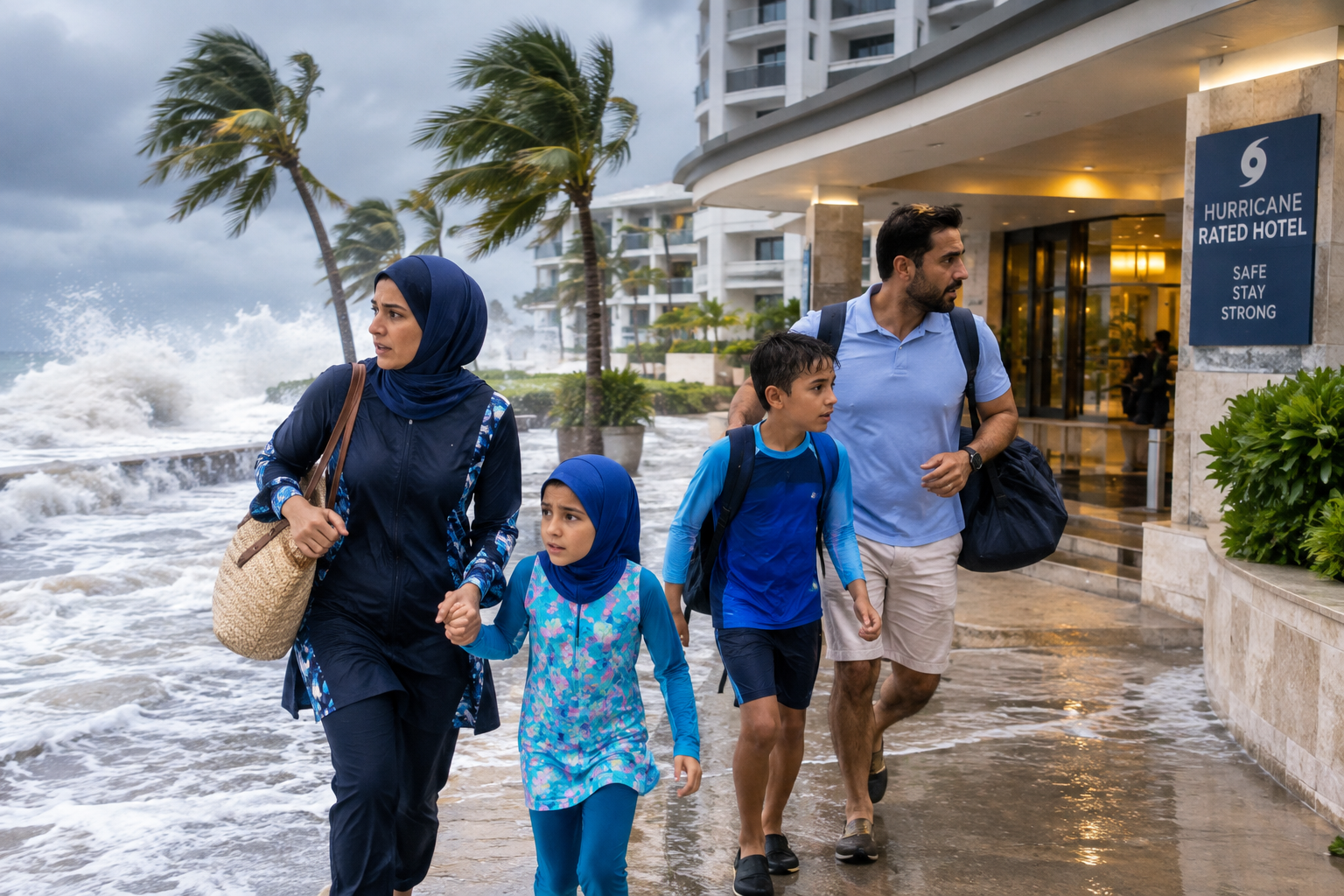
Figure 1: Cascading Impacts: Natural Disasters and Family Travel
According to a study by Realtor.com, nearly half of all homes in the U.S. are at risk of severe damage from environmental threats, which means vacation rentals in those areas are also at risk.
The real problem is not just the storm or fire itself, but the “recovery gap”—the time before power and safe water return. For a traveling family, this gap is very scary because they do not know the area or have neighbors to help.
Author’s Experience
“As a parent who has navigated unexpected travel disruptions with my own children, I’ve seen firsthand how a little preparation can make a world of difference. Having a clear plan gave us peace of mind and allowed us to focus on what truly mattered: keeping our family safe and calm during uncertain times.”
What are the primary benefits of a family natural disaster plan for vacation?
The main benefits of a plan are less panic, quicker and safer reactions, and keeping the family together during a scary event. It gives everyone clear steps to follow. This stops confusion and arguments during an emergency. It ensures everyone knows what their job is, how to call for help, and where to meet up.
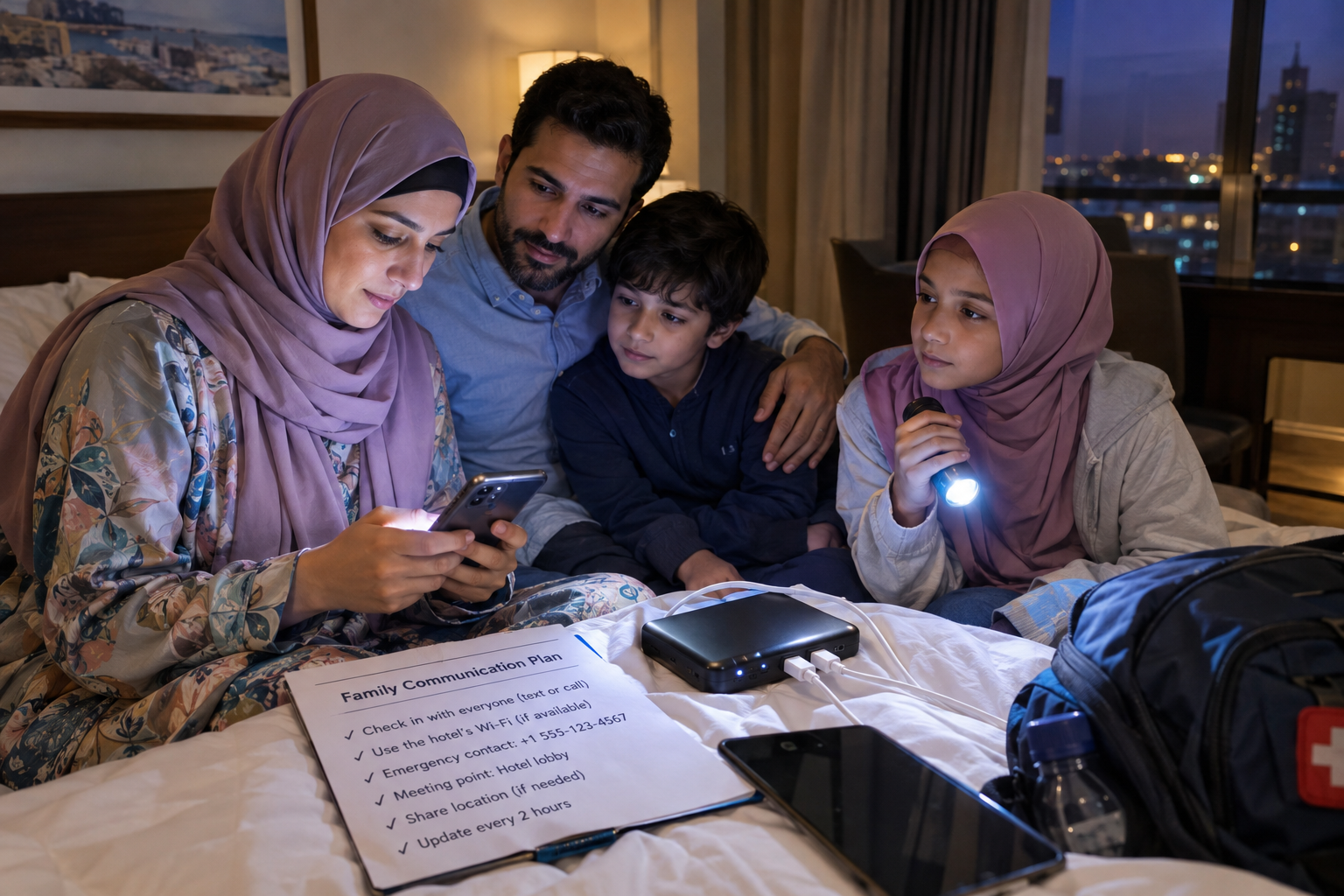
Figure 2: Top 3 Benefits of a Family Disaster Plan
A practiced family disaster plan ensures everyone knows their roles, how to use group texts, and who their out-of-town contact person is, which is very important when local phones fail.
A big benefit is not having to make hard choices while scared. Making the plan at home, when everyone is calm, means parents can just focus on following the steps and comforting their kids when the disaster happens.
- Minimized Fear
- Coordinated Action
- Efficient Communication
2. What types of natural disasters can impact a family vacation?
The types of natural disasters that can happen on vacation depend on where you go. These include storms like hurricanes, shaking ground from earthquakes, fast-moving wildfires, large waves like tsunamis, and floods. Knowing what normally happens at your destination is the first step to staying safe.
Which common natural hazards pose specific risks during family trips?
Common dangers like hurricanes can cause floods near beaches, wildfires can block the only road out of a forest cabin, and earthquakes can damage older hotels. These events ruin travel paths, limit safe places to stay, and break phone lines, creating unique dangers for visiting families.
In August 2023, wildfires in Maui forced many tourists to leave quickly, showing how fast a disaster can ruin a trip and block local roads.
The “tourist trap” risk: many popular places (like beaches or mountains) are in high-risk zones. During an emergency, the roads can get stuck with tourists who do not know the best way out.
How do unique family needs influence natural disaster risks on vacation?
Families with babies, older relatives, or kids with health problems face higher risks because they need special supplies, like baby food or medicine, which might be hard to find after a disaster. A family member who uses a wheelchair needs flat, clear paths to escape, which normal hotels might not have ready during an emergency.
With one in five U.S. homes using septic tanks, a major flood can break the toilets and sinks. This is a specific risk for families staying in rural rental houses that people in big hotels do not usually face.
The “resource amplification” effect: a family of four needs four times the water, food, and space of a single person, but they might only have two adults to carry everything. This makes packing a light, smart “go-bag” very important.
When thinking about extra supplies for your family’s needs, it’s also smart to plan the budget for a family vacation carefully to cover any surprise costs.
3. How should families choose safe vacation destinations considering natural disaster risks?
Families should choose safe spots by checking how often disasters happen there, if the local buildings are strong, and if there are good warning systems. You must look past the pretty resort pictures and read official weather and safety reports. Picking a place with modern roads and clear alarms is a must for keeping kids safe.
What criteria should families use to assess natural disaster risks of vacation spots?
Families should check how often disasters happen there, if the local buildings are strong, and if there are good warning systems and clear roads for leaving safely. Families should use official websites, like the government weather service, to check these risks. It is important to know if the town has strong building rules and if they send out emergency text messages in English.
Government websites like FEMA.gov and Climate.gov offer maps and historical data that parents can use to check the safety of a location before paying for a trip.
Look for “backups” in the town’s safety plan. Are there two different roads out of town? Do they have both sirens and phone alerts? If a town only has one way to warn people or one road out, that is a big warning sign for families.
When should families consider alternative destinations due to natural disaster concerns?
Families should change their plans if a major storm warning is announced, if the government says it is unsafe to travel there, or if the parents feel too worried to enjoy the trip. If a hurricane or wildfire is moving toward the resort, you must cancel. It is also smart to pick a new place if it is expected to be a very bad storm season.
An official storm warning is the main reason to change plans. Most travel insurance rules state that you can get your money back if a warning is issued after you bought the policy.
The “Pre-Regret” rule: Ask yourself, “If a disaster did happen and we went anyway, would I be angry at myself?” If you say yes, change your plans right away. Peace of mind is worth more than the cost of a plane ticket.
4. Which travel insurance plans best protect families from natural disasters on vacation?
The best travel insurance plans explicitly cover bad weather events, or for the most choice, “Cancel For Any Reason” (CFAR) policies. A good plan must pay for Trip Cancellation, Trip Interruption, and Emergency Evacuation. You must read the rules to make sure “natural disasters” are covered and not left out.
What key coverages should families look for in natural disaster travel insurance?
Important coverages include Trip Cancellation, Trip Interruption, and Emergency Evacuation (getting you out safely, even if you are not hurt). Look for plans that pay out if the airport closes for 24 hours or if the town orders everyone to leave. Having a high amount of money set aside for evacuation is very important to afford the cost of getting the family out of danger.
Trip interruption coverage is a major benefit that gives you back the money you paid for hotels and flights if you have to go home early because of a covered disaster. Non-Medical Evacuation coverage can range from $10,000 to $150,000 per person.
It is important to know the difference between “Medical Evacuation” and “Non-Medical Evacuation.” Medical gets you to a hospital. Non-medical gets you safely back home when you are healthy, but the vacation spot is too dangerous to stay in.
How do “Cancel For Any Reason” policies compare for natural disaster protection for families?
“Cancel For Any Reason” (CFAR) policies let you cancel a trip just because you are worried about a storm, returning 50-75% of your money, unlike standard insurance that needs an official disaster to happen first. A CFAR policy gives parents the power to cancel if they feel unsafe, even if the government hasn’t issued a warning yet. Normal insurance will not pay if you cancel just because you are scared.
To use a “Cancel For Any Reason” policy, you usually must buy it within 10 to 21 days of making your first payment for the trip.
CFAR is great for managing fear. If dark clouds are gathering but there are no official alarms, standard insurance won’t help. CFAR lets worried parents cancel early to keep the kids safe, losing a little money but gaining total peace of mind.
5. How can families create an effective natural disaster emergency plan for vacation?
Families can create a good emergency plan by agreeing on how to text each other, choosing safe meeting spots, and giving the plan to a friend back home. A simple piece of paper with important phone numbers and places to meet is enough. Parents must practice this plan with their kids before the trip starts.
What essential communication strategies should be part of a family’s vacation plan for disasters?
Families should choose a friend or relative back home to be the main contact. Since phone calls often fail during disasters, everyone should plan to send text messages, which are more likely to go through. You must have a backup plan for when cell phone towers are damaged. Keep a physical, written list of important phone numbers in your pocket.
A family safety plan should include an out-of-state contact, because calling far away is sometimes easier than calling someone in the same damaged town.
The “Text-First Rule”: In a big emergency, text messages have a much better chance of working than voice calls because they use less energy from the cell towers. Teach your kids to text “I am safe” to the family group and the out-of-town friend first.
- Text Family Group.
- Text Out-of-State Contact.
- Attempt Call to Out-of-State Contact.
- Update Social Media (if applicable).
How do families assemble a portable emergency kit specifically for vacation travel?
Families should pack a lightweight ‘go-bag’ with important papers, medicine, a small first-aid kit, a whistle, snacks, and enough water (about one gallon per person per day) for three days. It must be a strong backpack that an adult can carry while running or walking fast. Keep it near the door of your hotel room so you can grab it instantly.
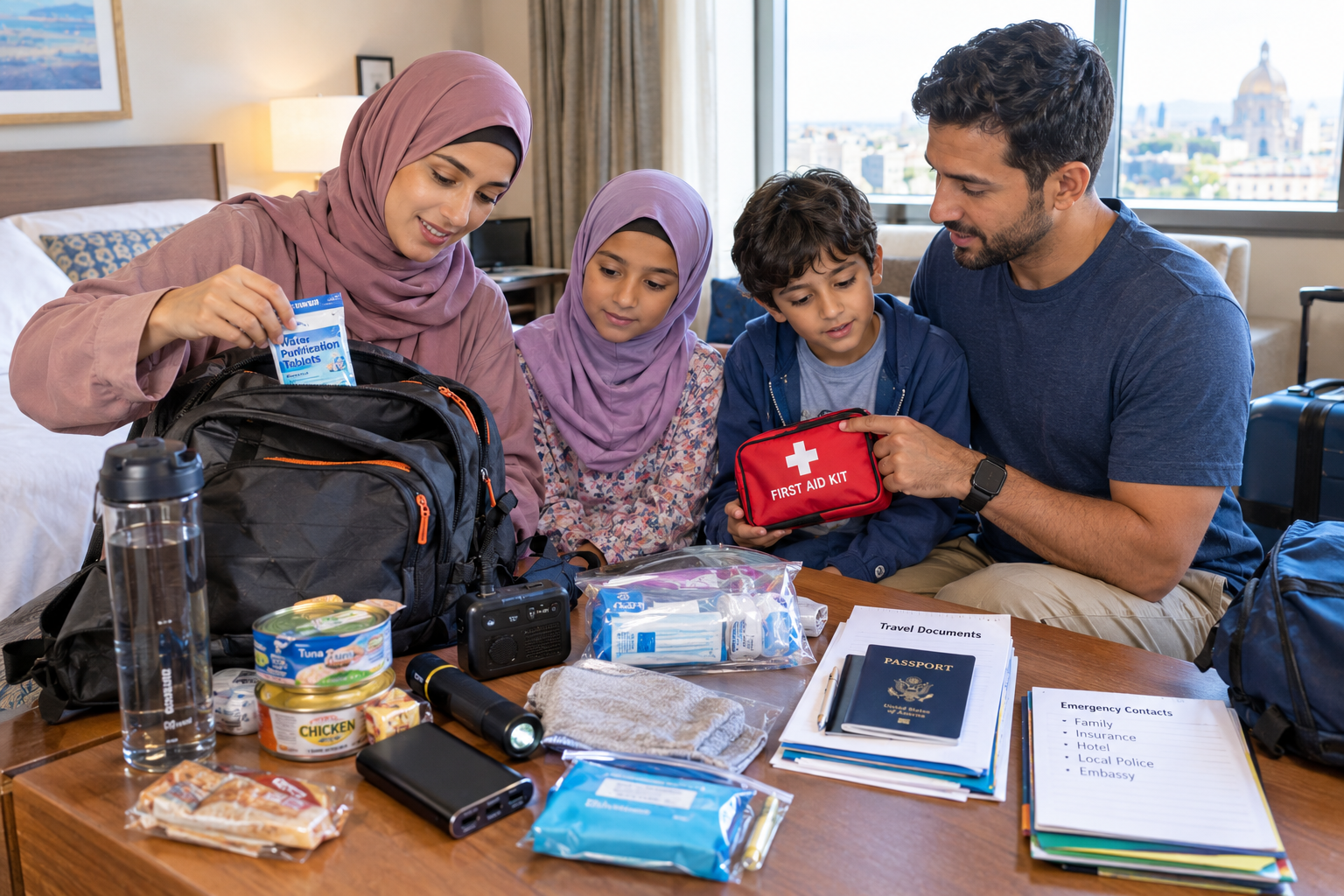
Figure 3: Recommended Family Go-Bag Contents
A travel emergency kit should hold a three-day supply of water, which means one gallon for every person, for each day, plus a battery-powered radio for news.
The “Digital Go-Bag”: Besides a real bag, make a secure folder on your phone or a flash drive with pictures of your passports, birth certificates, and insurance cards. This is a very important backup if your real papers get wet or lost.
Alongside preparing your emergency kit, ensuring you plan the travel documents for a family vacation is paramount for smooth and legal passage.
6. What steps should families take to ensure safety during an unfolding natural disaster on vacation?
During a disaster, families must first find safe shelter, listen carefully to police or firefighters, and use their text-message plan. The most important thing is to follow the rules of the local town, whether they say to leave or stay inside. Grab your go-bag, hold hands, and listen to the local radio.
How should families react to official evacuation orders during a natural disaster?
Families must leave right away, grab their go-bags, and follow the exact routes given by officials without stopping to pack extra things. When told to leave, you must go immediately. Do not waste time trying to save toys or clothes. Only drive on the roads the police say are safe, because other roads might be flooded or broken.
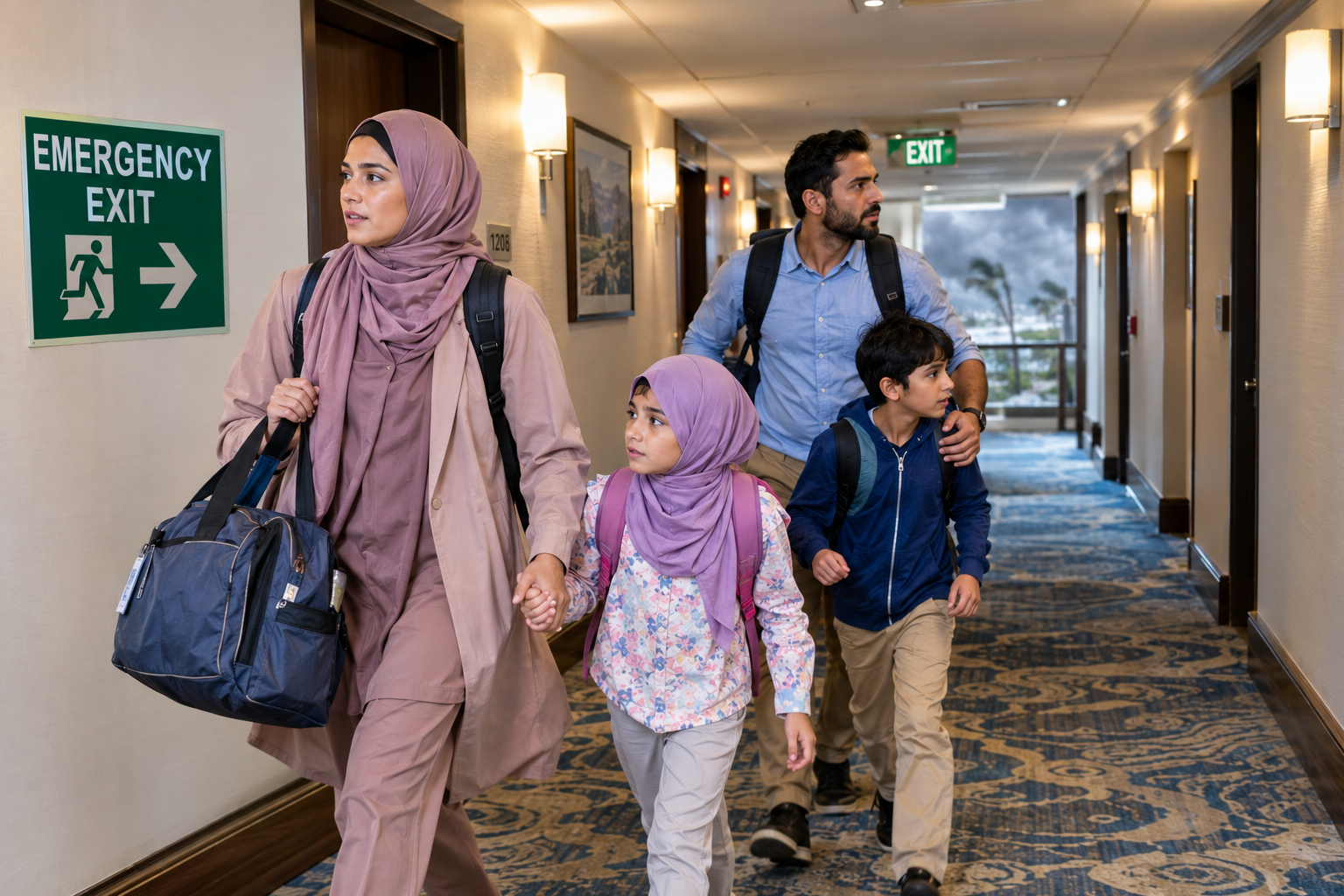
Figure 4: Safe Evacuation Procedures from a Hotel
In an evacuation, families should take their go-bag, documents, and pets, and go straight to their pre-planned meeting place, because rescue workers might be busy helping injured people.
The “Evacuation Paradox”: When the alarm first sounds, the weather outside might still look nice. This tricks people into waiting. But the warning happens early because waiting makes the roads too crowded. Leaving early while the sun is shining is the smartest choice.
- Grab your bag.
- Lock the door.
- Go to the route.
- Do not stop.
What immediate safety measures should families implement when sheltering in place during a natural disaster?
Families should go to a small, windowless room inside, stay away from outside walls, save water in bathtubs, and save their phone batteries while waiting for the ‘all clear’. Bring your go-bag and water into a closet or bathroom. Do not leave the room until the police or news say it is safe.
When staying in a hotel, it is very important to have counted the number of doors between your room and the exit stairs, so you can find your way out even if the lights go off.
The “High vs. Low” rule is very important. For floods or large waves, go to the highest floor possible. For fast winds or tornadoes, go to the lowest, middle room away from glass. Knowing what kind of disaster is happening tells you where to hide.
Do’s for sheltering in place
- Stay informed.
- Fill bathtubs with water for sanitation.
- Conserve cell phone batteries by putting them on low power mode.
Don’ts for sheltering in place
- Use candles for light.
- Stay in the lobby with its large glass windows.
- Check for unofficial updates frequently.
To effectively implement these safety measures in hotels, a good starting point is to understand how to plan accommodation for a family vacation, focusing on safety features and early booking.
7. How can families manage stress and maintain calm during a natural disaster on vacation?
Parents must act calm and confident, speak simply to their kids, and give everyone a small job to do to keep their minds busy. Even if parents are scared, they must act brave. Tell kids what is happening using simple words, and do not let them watch scary news on TV.
What communication strategies help reassure children during emergency situations?
Parents should speak calmly, be honest but use simple words, give kids small tasks to focus on, and promise they will stick together and follow their safety plan. Speak softly, tell them what steps you are taking to stay safe, and let them know it is okay to feel scared.
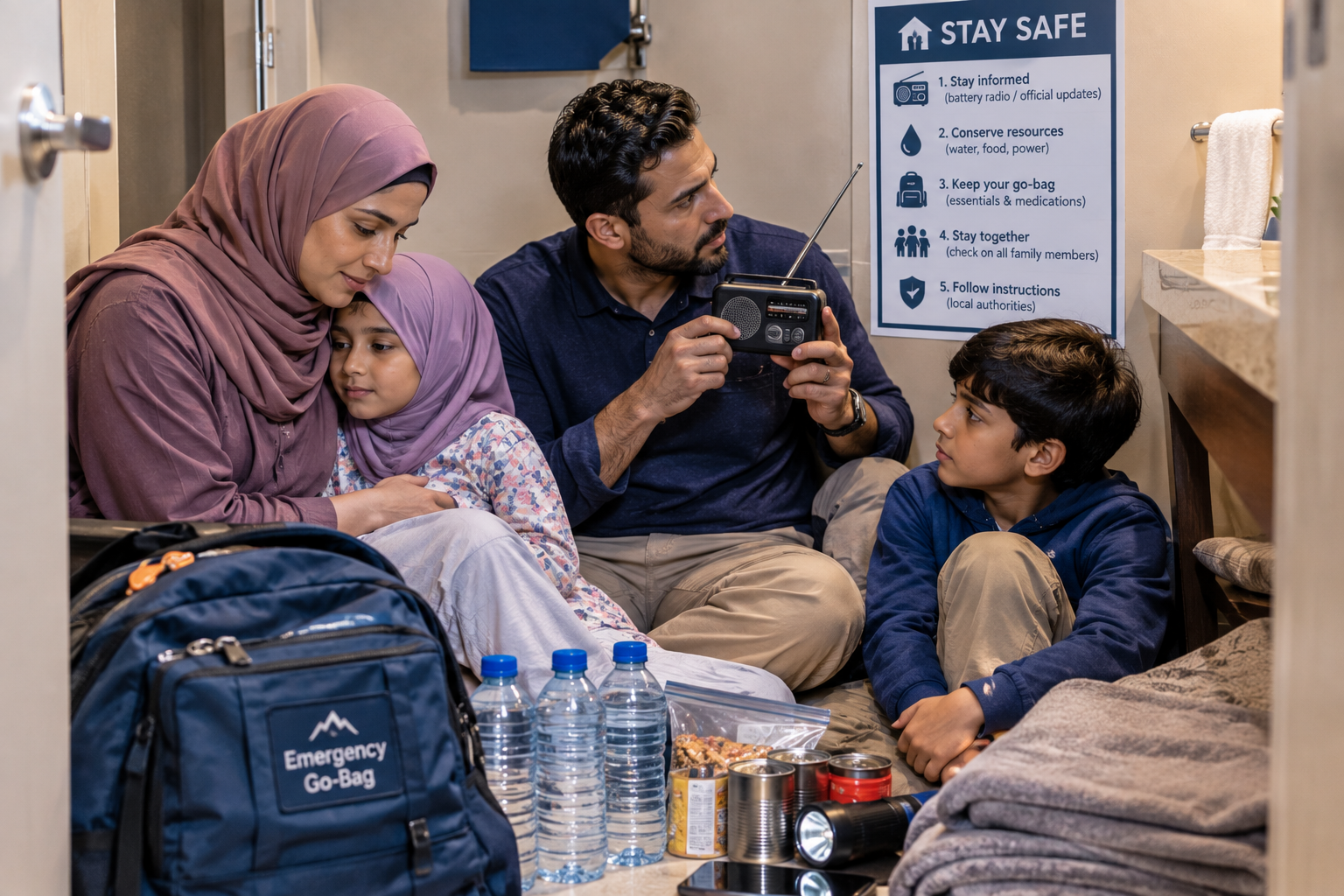
Figure 5: Family Calm & Comfort Strategies During Crisis
A great way to comfort kids is to tell them to “Look for the helpers,” like firefighters or nurses, which helps them focus on good things instead of the damage.
Kids take words very literally. Do not say “the hotel is sick.” Say, “The hotel is damaged, so we are moving to a safer room.” Clear words spoken in a quiet voice are much less scary than confusing hints.
How can parents access support resources for their family post-disaster while abroad?
Parents should quickly contact their home country’s embassy. U.S. citizens can use the Smart Traveler Enrollment Program (STEP) to get help and let the government know they are safe. The embassy can help get new passports and arrange safe flights home.
U.S. families can sign up for the free Smart Traveler Enrollment Program (STEP), which lets the government send them alerts and find them if a disaster hits.
Signing up for STEP *before* your trip is best so the embassy knows you are there. But even if you forgot, you can usually sign up online right after the storm to ask for help.
8. What post-disaster steps should families take to recover and return home safely from vacation?
After the event, families must call their insurance company, ask their embassy for advice, and write down every detail of what happened. You will need to be very patient, as flights will be canceled and roads might be broken. Finding a safe place to wait for a few days is very important.
How do families coordinate with authorities and insurance providers after a natural disaster?
Families should use their embassy for official news and call their insurance company’s hotline for help with money and travel. They should write down notes from every phone call. Do not trust rumors; only listen to official news stations or embassy emails.
After an emergency, families can list themselves on the American Red Cross “Safe and Well” website, so worried relatives back home can search their name and know they are okay.
Keep a “claim notebook.” Every time you talk to an insurance worker or police officer, write down their name, the time, and what they said. If there is an argument later about paying for your canceled flights, this notebook will save you.
- Confirm Safety.
- Contact Embassy/Insurance.
- Document Everything.
- Plan for Delays.
What common challenges can families expect when traveling home after a natural disaster?
Families should expect canceled flights, blocked roads, no cell service, and shortages of gas, food, and cash. They will need to be very patient. Cash is very important because stores cannot use credit card machines if the power is out.
A big problem after a disaster is finding gas for your car, because gas pumps need electricity to work. This is why a good rule is to never let your rental car drop below half a tank of gas.
The “Evacuation Bottleneck” happens when thousands of tourists all try to leave the island or city on the exact same day. The airport will be packed. Sometimes, the safest choice is to wait in a secure hotel for three extra days until the crowds leave.
- Transport
- Communication
- Financial
- Resources
What specific aspects of the emergency plan should families review after a disaster?
When back home, families must check if their texting plan worked, if their go-bag was too heavy, and if their meeting spot was actually a safe choice. Figure out what failed. Did you forget an important medicine? Was the backpack too heavy to carry while running?
A family should check if their meeting place outside the neighborhood worked well; it should be far enough away to be safe, but close enough to walk to.
Talk about the “human feelings.” It is not just about the backpacks. Did the kids remember the rules? Did someone freeze up from fear? Talking about how everyone felt helps you practice better for next time.
- Communication Plan
- Go-Bag Contents
- Document Backups
- Meeting Points
- Insurance Policy
For a holistic approach to safeguarding your trip, ensure you cover all aspects of planning for family vacation safety.
How do families address the emotional impact of a natural disaster experience after vacation?
Families should let everyone talk about their feelings, tell kids it is normal to be scared, and ask a doctor for help if the kids stay very anxious for a long time. Parents should listen closely to their kids’ worries and go back to normal home routines quickly.
Following a scary event, parents must learn that kids of different ages show stress differently, and knowing this helps parents give the right hugs and support.
Watch for “going backward” in behavior, like a 6-year-old starting to wet the bed again or refusing to sleep alone. This is a normal reaction to deep fear. They need extra patience and hugs, not punishment.
9. Checklist: Family Vacation Natural Disaster Plan
| Checklist Item / Tactic | Status |
|---|---|
| PRE-TRIP: Research destination-specific natural disaster risks. | ⬜ |
| INSURANCE: Purchase appropriate travel insurance (named-peril or CFAR) within the purchase window. | ⬜ |
| GO-BAG: Assemble a personalized, portable emergency kit for each family member. | ⬜ |
| COMMUNICATION: Establish an out-of-state contact and clear text-first communication protocols. | ⬜ |
| PLAN: Discuss and practice evacuation routes and meeting points with all family members. | ⬜ |
| UPON ARRIVAL: Conduct a “First Hour Drill” for hotel/rental evacuation routes. | ⬜ |
Resolution
Handling natural disasters on a family vacation means planning ahead instead of panicking later. By checking risks, packing smart, and buying good insurance, you turn a terrifying event into a problem your family can solve together. The goal is not to hide from all danger, which is impossible, but to make your family strong and brave. The safety habits you practice now will give you true peace of mind on the beach. Take one hour before your next trip to make your plan.