How to Stick to Meal Times During a Family Vacation?
Table of Contents
Consistent meal times during family vacations are important because they provide structure and predictability, which directly reduces child-related stress and improves their physiological well-being.
When considering specific aspects like meal schedules, remember that this is one crucial part of planning your entire family vacation step by step.
1. Why are consistent meal times important during family vacations?
Consistent meal times during family vacations are important because they provide structure and predictability, which directly reduces child-related stress and improves their physiological well-being.
Maintaining consistent meal times on a family vacation is crucial for managing children’s energy levels and emotional stability. This structure minimizes hunger-induced meltdowns and ensures children receive adequate nutrition, even in unfamiliar environments like a bustling city or a remote beach resort.
Consistent meal times are vital on family vacations for child well-being. They provide predictability, reduce stress and meltdowns, stabilize energy, and ensure proper nutrition, contributing to a smoother, more enjoyable trip for the entire family.
Integrating consistent meal times is a key strategy among many for making your family vacation planning less stressful and more enjoyable for everyone involved.
Beyond preventing tantrums, consistent meal times help regulate a child’s circadian rhythm, which can be disrupted by travel across time zones. A stable eating schedule anchors their internal clock, improving sleep quality and overall mood throughout the vacation.
Circadian Rhythm: The body’s natural 24-hour internal clock that regulates sleep-wake cycles and other physiological processes, including hunger, which is easily disrupted during travel.
Prioritize destinations with flexible dining options, such as all-inclusive resorts with multiple restaurants or cities with robust food delivery services, if your children are highly sensitive to schedule changes.
What benefits do regular meal routines offer children on a family trip?
The primary benefit regular meal routines offer children on a family trip is a sense of security and predictability in an otherwise new and stimulating environment.
Regular meal routines provide critical structure that reduces anxiety and prevents hunger-related behavioral issues, such as tantrums. This predictability allows children to feel more comfortable and secure, leading to a more positive vacation experience for the entire family.
Regular meal routines on family trips offer children security and predictability, significantly reducing anxiety and preventing hunger-related tantrums. This consistent structure enhances comfort and security, fostering a more positive overall vacation experience for kids and parents.
A consistent meal schedule creates “islands of calm” in a busy travel itinerary. This psychological anchor point gives children a familiar event to anticipate, making them more adaptable to other new experiences like visiting a crowded museum or trying a new activity.
Eating regularly helps keep blood sugar more stable, which prevents energy slumps that can hit mid-morning or mid-afternoon and can help reduce mood swings, according to chear.ucsd.edu.
Consistent meal schedule → has attribute → stress-reduction for toddlers.
Author’s Experience
“From personal experience, I’ve found that sticking to a consistent snack and meal schedule has been a game-changer on trips. It helps avoid those unpredictable meltdowns, making our family adventures far more enjoyable and allowing everyone to truly soak in the moments.”
How do changing environments impact a child’s eating habits on vacation?
Changing environments impact a child’s eating habits on vacation by introducing sensory overload, unfamiliar food choices, and disruptions to their established home routines, which often leads to food neophobia or picky eating.
The combination of new sights, sounds, schedules, and unfamiliar foods can overwhelm a child, causing them to reject meals they might eat at home. This response is a common coping mechanism for children seeking control in an unpredictable setting.
Changing environments impact children’s eating habits on vacation through sensory overload, unfamiliar food, and routine disruptions. This can lead to picky eating or food neophobia, as children cope with unpredictability by rejecting meals, even those they typically enjoy at home.
Understanding these challenges is the first step; learning how to effectively feed picky eaters on a family vacation will ensure smoother mealtimes.
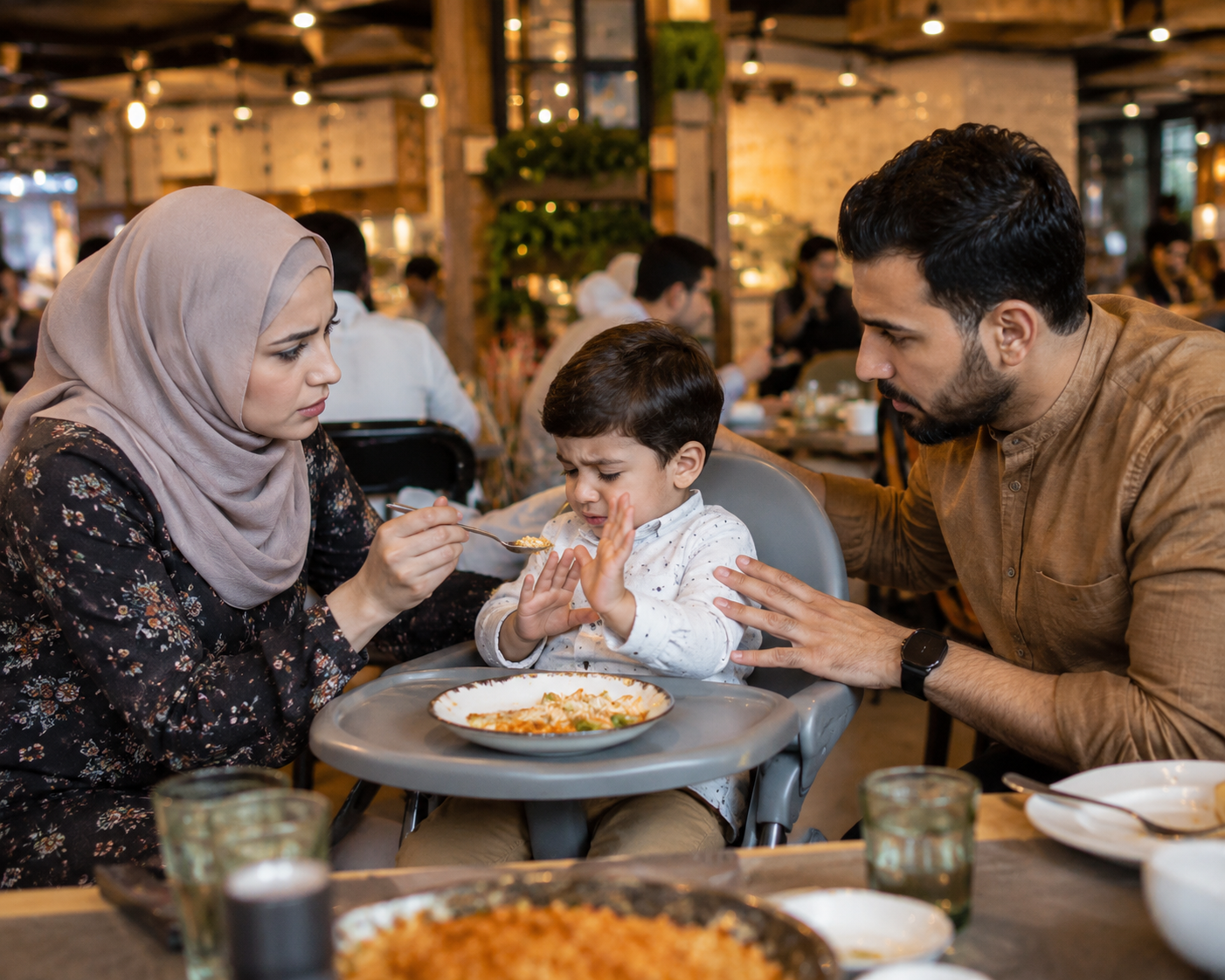
The impact is not just about the food itself but the entire dining context. A noisy restaurant, a different-tasting glass of water, or even the absence of their usual high chair can be enough to trigger meal refusal in a young child.
food neophobia: The reluctance to eat or the avoidance of new foods, a common and normal developmental stage often exacerbated by the unfamiliarity of a vacation environment.
Unfamiliar environment → causes → sensory overload in children.
On vacation, children are likely to eat things like chicken nuggets, macaroni, grilled cheese, and cut-up fruit every single night, as parents are less likely to stress about enforcing consumption of fruits and vegetables, an observation discussed by lucieslist.com.
2. What core principles help families maintain meal schedules while traveling?
The core principles that help families maintain meal schedules while traveling are proactive planning, strategic flexibility, and a commitment to packing essential snacks.
Successfully maintaining meal schedules requires a balance between creating a structured plan before you leave and being flexible enough to adapt to travel realities. This hybrid approach prevents both the chaos of no plan and the stress of a rigid, unchangeable itinerary.
Maintaining consistent meal times on family vacations relies on three core principles: proactive planning, strategic flexibility, and packing snacks. This balanced approach avoids both unstructured chaos and rigid, stressful adherence, allowing for adaptable and enjoyable family dining experiences while traveling.
The most effective principle is “structuring around anchors.” This involves planning your day’s activities around a set lunch and dinner time, rather than trying to squeeze meals in between a packed schedule.
Anchor Meals: The one or two key meals (e.g., lunch and dinner) that you prioritize keeping at a consistent time each day, allowing for more flexibility with breakfast and snacks.
Adopt a “Plan One, Flex One” approach for daily meals: pre-book or plan one major meal (like dinner) and leave the other (lunch) open for spontaneous choices based on your location and energy levels.
These guiding principles—planning and flexibility—are the two pillars upon which all successful vacation meal strategies are built.
What roles do planning and flexibility play in successful vacation meal times?
In successful vacation meal times, planning plays the role of creating a reliable framework, while flexibility plays the role of adapting that framework to real-world opportunities and challenges.
Planning involves pre-booking key reservations and researching grocery stores near your accommodation, which prevents stressful, last-minute scrambles for food. Flexibility allows you to pivot to a quicker option if an activity runs long or embrace a spontaneous picnic on a beautiful day, preventing schedule-related frustration.
Planning and flexibility are crucial for successful family vacation meal times. Planning establishes a framework by pre-booking and researching, averting last-minute stress. Flexibility enables adaptation to unexpected changes, like prolonged activities, or embracing spontaneous dining opportunities, preventing schedule-related frustration.
The synergistic role is key: good planning enables greater flexibility. Knowing you have a dinner reservation at 7 PM gives you the freedom and confidence to be spontaneous with your afternoon, because the day’s main meal is already secured.
While some suggest meal planning should take 20-30 minutes, for beginners, it can take close to an hour to adequately sketch out a week’s worth of meals, as mentioned by thechaosandtheclutter.com.
Strategic flexibility → mitigates → itinerary-related stress.
3. How can families choose the best meal approach for their vacation style?
Families can choose the best meal approach for their vacation style by evaluating three key factors: their destination type, their budget, and their children’s ages and temperaments.
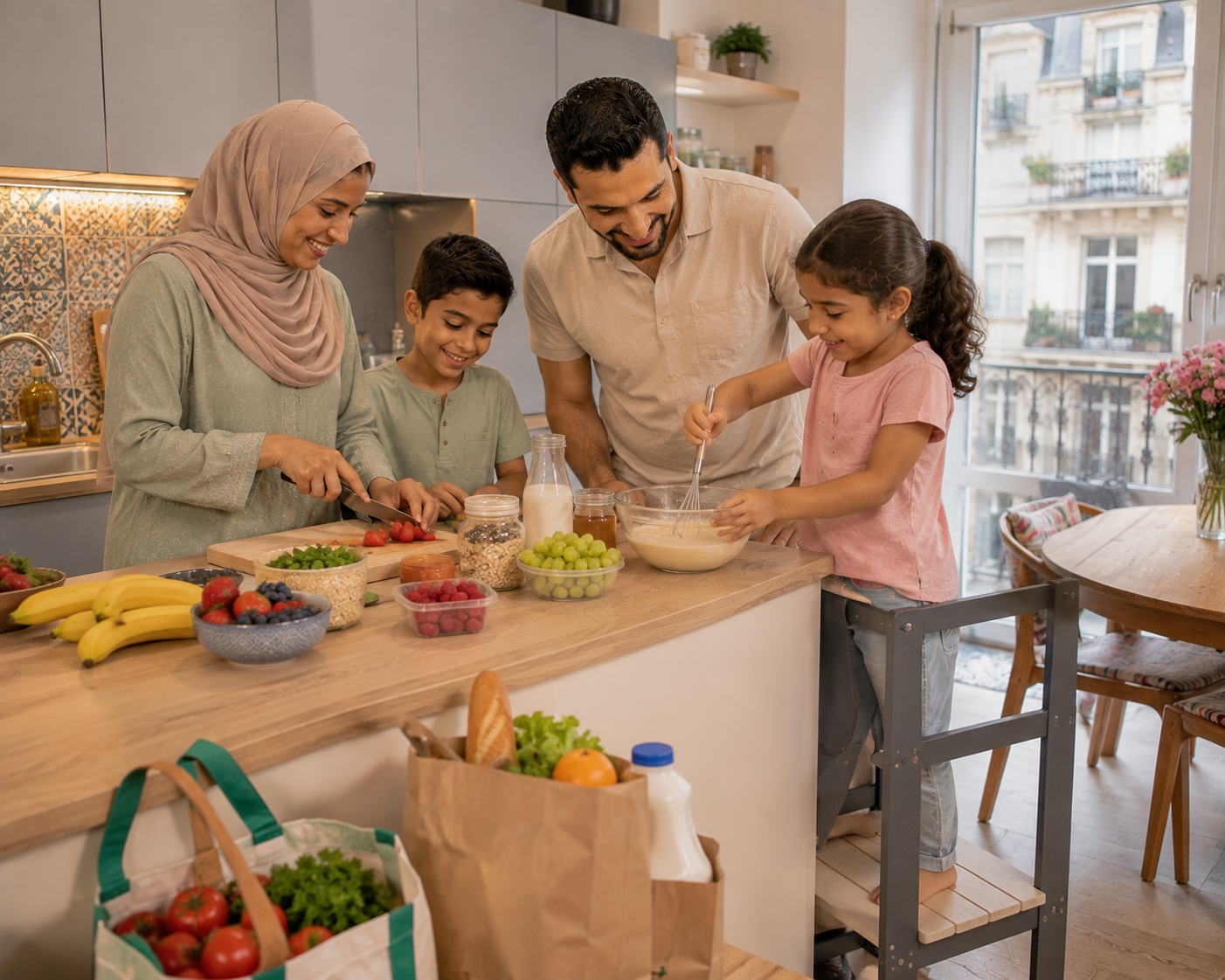
The best meal approach is determined by your vacation context. A family with toddlers at a beach house will benefit most from self-catering, while a family with teens on a short city break may prefer the convenience of dining out.
Choosing the best meal approach for a family vacation depends on destination type, budget, and children’s ages/temperaments. For instance, self-catering suits toddlers at a beach house, while dining out might suit teens on a city break, ensuring consistent meal times.
For a deeper dive into selecting the optimal dining styles for your family’s travel, explore the various options from self-catering to dining out.
The “best” approach is often a hybrid model that changes daily. For example, self-cater breakfast and lunch to save money and time, but dine out for dinner to experience the local culture of your destination.
Self-Catering: The practice of staying in accommodation with kitchen facilities (like a vacation rental or aparthotel) and preparing most of your own meals.
Should you opt for self-catering, comprehensive planning for grocery shopping during your family vacation will significantly enhance your experience and cost savings.
Choose the “Hybrid” approach if your vacation is longer than three days, as it provides the best balance of cost savings, convenience, and cultural experience.
To help you decide, the following table compares the three primary meal approaches against the factors most critical for maintaining consistent family meal times.
| Approach | Pros | Cons | Best for Vacation Type |
|---|---|---|---|
| Self-Catering | Maximum control over timing and ingredients; cost-effective. | Requires planning, shopping, and cooking time; limited by kitchen facilities. | Vacation rental, National Park Trips, Beach House |
| Dining Out | Convenience, local culinary experience, no cooking/cleanup. | Costly, potential for long waits, menu limitations for picky eaters. | City Breaks, Short Getaways |
| Hybrid | Balances cost savings, convenience, and cultural experience. | Requires careful planning to combine approaches effectively. | Longer trips (3+ days), Varied Itineraries |
Which dining options best support consistent meal times on different family vacation types?
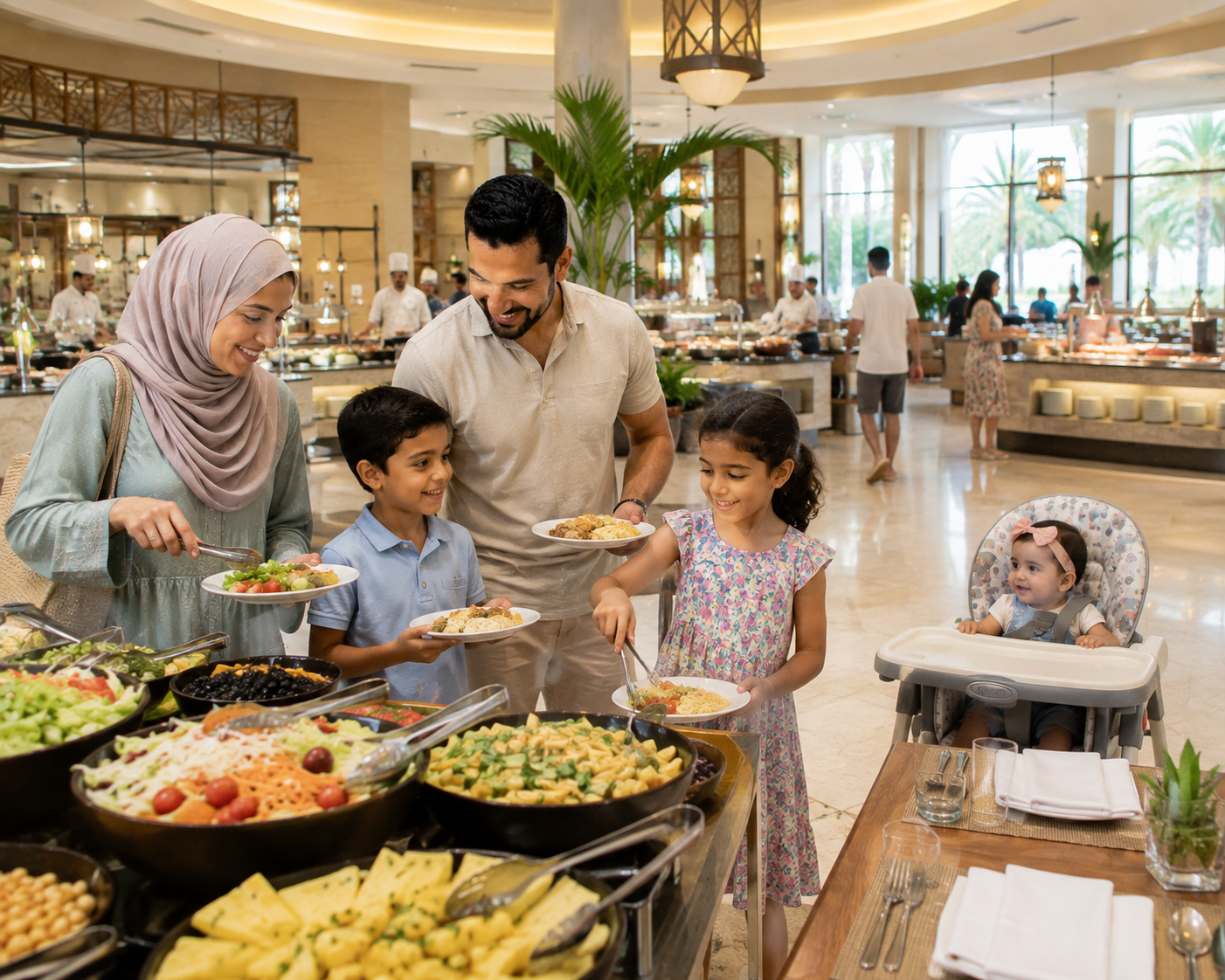
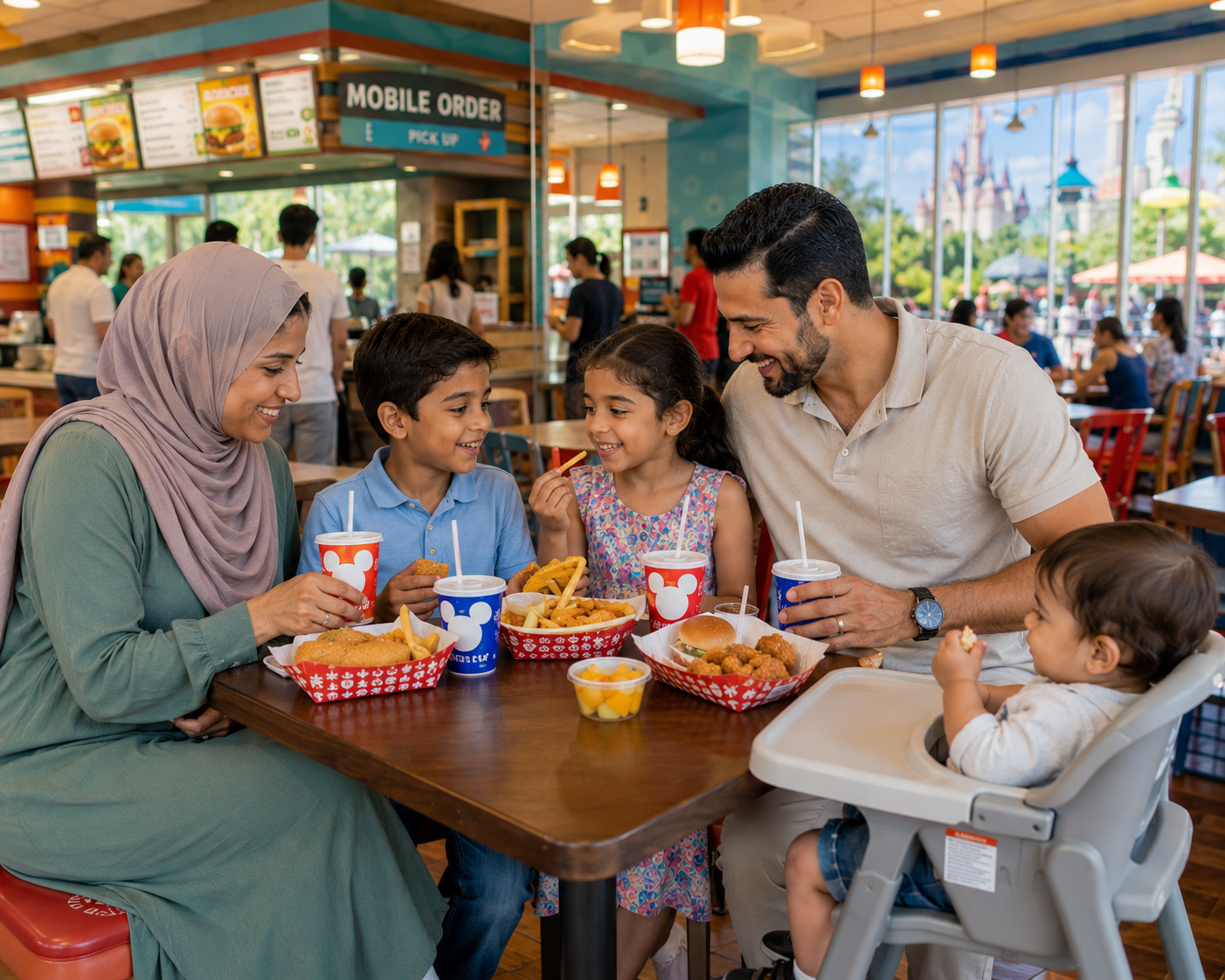
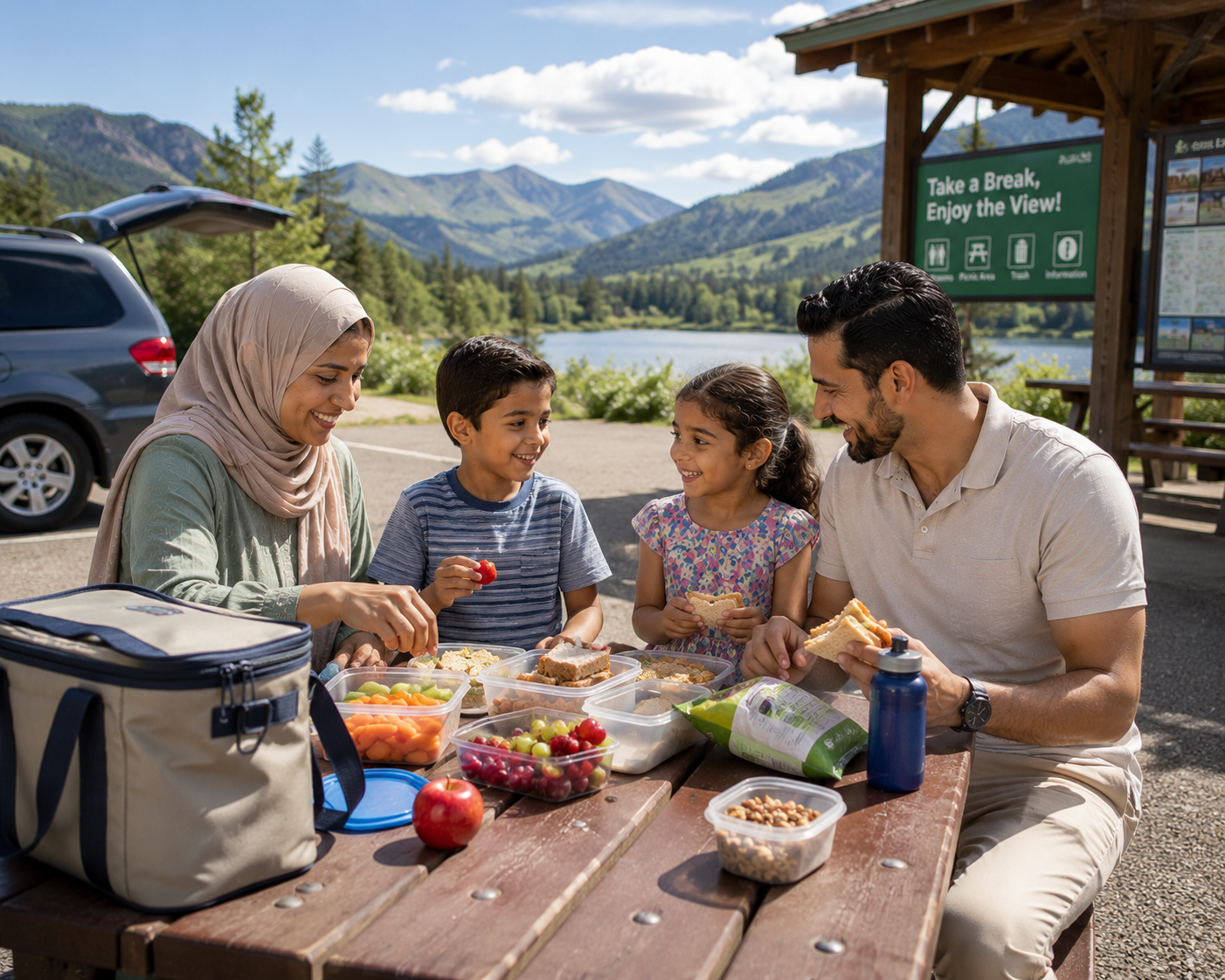
The dining options that best support consistent meal times vary significantly by vacation type; for example, all-inclusive resorts with buffets offer unparalleled consistency, while road trips demand a strategy centered on packed meals and reliable fast-food chains.
For theme park or resort vacations, on-site quick-service restaurants and buffets are ideal for maintaining schedules. For city breaks or exploratory travel, a mix of pre-booked restaurants and apartments with kitchens provides the necessary balance of structure and convenience.
Optimizing consistent meal times on family vacations requires matching dining options to vacation type. Buffets and quick-service restaurants suit resorts, while city breaks benefit from pre-booked restaurants and kitchen-equipped accommodations. Road trips necessitate packed meals and reliable fast-food chains for schedule adherence.
The “speed of service” is a more critical attribute than the menu itself. A family-friendly diner with fast service is a better choice for maintaining a schedule with young children than a fine dining restaurant with an award-winning kids’ menu that takes two hours.
Quick Service Restaurant (QSR): A specific category of restaurant characterized by fast service and counter-based ordering, such as Panera Bread or Chipotle, which are excellent options for families on a tight schedule.
All-inclusive resort buffets → provide → maximum schedule control.
For families, staying somewhere with a kitchen helps save money by not eating out and also significantly cuts down on stress levels, a benefit highlighted by view.flodesk.com.
What factors should families consider when budgeting for vacation meals?
The primary factors families should consider when budgeting for vacation meals are the local cost of living at the destination, their chosen meal approach (self-catering vs. dining out), and the number of snacks required between meals.
When budgeting, first research the average cost of a restaurant meal versus groceries at your destination. Then, multiply that by the number of meals you plan to eat out, adding a 15-20% buffer for unplanned snacks, drinks, and tips.
When budgeting for family vacation meals, consider the local cost of living, your chosen meal approach (self-catering vs. dining out), and snack needs. Research average meal and grocery costs, then calculate expected dining expenses, adding a 15-20% buffer for incidentals like snacks and tips.
To precisely manage your travel expenses, understanding how to accurately estimate food and dining expenses for your family vacation is essential.
A common budgeting mistake is underestimating the “snack-flation” that occurs on vacation. The cost of ice creams, special drinks, and convenience snacks at attractions can easily equal the cost of a full meal if not planned for. Factor in at least one “special treat” purchase per child per day.
Destination (e.g., Switzerland) → has attribute → high restaurant costs.
Restaurant meals are almost always higher in calories, fat, and salt than meals prepared at home, which contributes to weight gain when dining out multiple times per day, as highlighted by aicr.org.
4. Which strategies help select family-friendly dining at a vacation destination?
The most effective strategies to select family-friendly dining at a vacation destination involve using specific online search filters, reviewing menus in advance, and prioritizing restaurants that accept reservations.
To find suitable restaurants, use apps like Yelp or Google Maps with the “good for kids” filter and then visit the restaurant’s website to check for a kids’ menu and online reservation system. This two-step process weeds out inappropriate options before you even leave your hotel.
To select family-friendly dining for consistent meal times on family vacations, leverage online search filters (e.g., Yelp, Google Maps “good for kids”), pre-screen restaurant websites for kids’ menus, and prioritize establishments offering online reservations. This systematic approach efficiently filters unsuitable options.
The single most reliable indicator of a truly family-friendly restaurant is the availability of high chairs and a changing table in the restroom. A restaurant that invests in this infrastructure is committed to welcoming families, which usually correlates with a more tolerant staff and faster service for kids.
Quick Service Restaurant (QSR): A specific category of restaurant characterized by fast service and counter-based ordering, such as Panera Bread or Chipotle, which are excellent options for families on a tight schedule.
Prioritize restaurants that show their full menu with prices online. This transparency allows you to vet options for picky eaters and ensure it fits your budget before committing.
To streamline this selection process, use the following checklist to evaluate potential restaurants and ensure they meet your family’s needs for consistent and calm meal times.
How can families identify restaurants that accommodate children’s meal preferences and schedules?
Families can identify restaurants that accommodate children’s meal preferences and schedules by reviewing online menus for simple “kid-friendly” items and checking recent reviews for comments on service speed.
The best method is to look for a dedicated kids’ menu that includes simple staples like pasta, grilled chicken, or pizza. Additionally, searching recent TripAdvisor or Yelp reviews for keywords like “fast,” “quick,” “family,” or “toddler” will reveal real-world experiences about service speed and atmosphere.
To find restaurants accommodating children’s meal preferences and schedules for family vacation meal times, examine online menus for simple kids’ staples (pasta, chicken) and check recent TripAdvisor or Yelp reviews for keywords like “fast,” “quick,” or “family” to assess service speed and atmosphere.
Look for restaurants that offer “flexible” kids’ meal options, such as the ability to order a half-portion of an adult entree or make simple substitutions (e.g., swapping fries for a fruit cup). This indicates a kitchen that is accustomed to and willing to cater to children.
Dedicated kids’ menu → indicates → a family-friendly establishment.
When reviewing a restaurant menu ahead of time, it is advisable to look for items that are grilled or baked and to avoid mixed dishes such as pasta, burritos, or stews, according to advice from chear.ucsd.edu.
What questions should parents ask about dining options before booking?
Before booking, parents should ask three critical questions about dining options: “What are the service hours for your family-friendly restaurants?”, “Do you provide high chairs?”, and “What is the average wait time for a table around 6 PM?”.
When calling a restaurant or hotel, directly inquire about the availability of high chairs, the existence of a kids’ menu, and whether they accept reservations. For hotels, ask about the proximity of on-site dining to your room and if they offer room service with children’s options.
Before booking, parents seeking consistent meal times on family vacations should ask hotels/restaurants about family-friendly restaurant hours, high chair availability, kids’ menus, reservation policies, and average 6 PM wait times. For hotels, also inquire about on-site dining proximity and children’s room service options.
The most powerful, yet often overlooked, question is: “What time do local families typically eat dinner?” Dining an hour earlier than the local rush (e.g., at 5:30 PM in a city where locals eat at 7:00 PM) guarantees faster service and a less crowded, calmer environment for children.
Restaurant → has attribute → peak dining hours.
When planning for a large group trip (e.g., eight adults and nine young children), it is crucial to establish policies beforehand, such as a rule that the family who cooks each night is not responsible for clean-up, a tip discussed by thechaosandtheclutter.com.
5. Restaurant Selection Checklist for Family Meal Times
| Checklist Item / Tactic | Status |
|---|---|
| Online Filters: Use apps like Yelp or Google Maps with “good for kids” filter. | ⬜ |
| Menu Research: Visit restaurant’s website for kids’ menu and prices. | ⬜ |
| Reservations: Confirm availability of online reservation system. | ⬜ |
| Infrastructure: Look for high chairs and changing tables in reviews or on-site. | ⬜ |
| Flexibility: Identify options for half-portions or simple substitutions. | ⬜ |
Sources
- https://chear.ucsd.edu/blog/meal-timing-every-3-4-hours-energy-focus-mood
- https://view.flodesk.com/emails/624cbd0e00a7c23a93ef041e
- https://www.lucieslist.com/guides/tyranny-of-dinner/meal-planning-for-parents
- https://thechaosandtheclutter.com/archives/vacation-meal-plan
- https://www.aicr.org/resources/blog/top-four-travel-tips-to-keep-you-eating-healthy
Resolution
Understanding these benefits provides the foundation for exploring the core principles that make maintaining these schedules achievable. These guiding principles—planning and flexibility—are the two pillars upon which all successful vacation meal strategies are built. To streamline this selection process, use the following checklist to evaluate potential restaurants and ensure they meet your family’s needs for consistent and calm meal times.