Which Urban Destinations Are Most Stroller-Friendly for a Family Vacation with Babies?
Table of Contents
The most stroller-friendly urban destinations for a family vacation with babies are Copenhagen, Singapore, Zurich, Vancouver, and Amsterdam.
These cities are superior due to their quantifiable commitment to Universal Accessibility, featuring extensive, well-maintained public transport systems with elevators and ramp access.
They also prioritize Pedestrian-First Infrastructure, which means wide, paved sidewalks, numerous car-free zones, and high pedestrian safety ratings.
Furthermore, these destinations offer Family-Centric Amenities, including abundant public restrooms with changing stations, family-friendly cafes, and accessible green spaces.
Before diving deep into urban options, it’s helpful for families to understand the wider spectrum of What Are the 6 Types of Family Vacation Destinations? to ensure an informed choice that best suits their needs.
1. What Defines a Stroller-Friendly Urban Destination for a Family Vacation?
A stroller-friendly urban destination is characterized by extensive universal accessibility in public transport, pedestrian-first infrastructure with wide sidewalks and car-free zones, and abundant family-centric amenities like changing stations and green spaces, ensuring ease of navigation and comfort for families with babies.
The core pillars of accessibility, safety, and convenience form the foundation of a truly stroller-friendly city for a family vacation.
Cities globally, influenced by initiatives like the UNICEF Child Friendly Cities Initiative and urban planning philosophies such as those promoted by Copenhagenize Design Company, are increasingly recognizing the importance of such infrastructure.
These elements work in concert to create environments where navigating with a baby stroller becomes an enjoyable experience rather than a logistical challenge.
To provide a complete picture of city travel, it’s beneficial to first explore the general characteristics and appeal of What Are the Best Urban Destinations for a Family Vacation? before focusing on stroller-specific attributes.
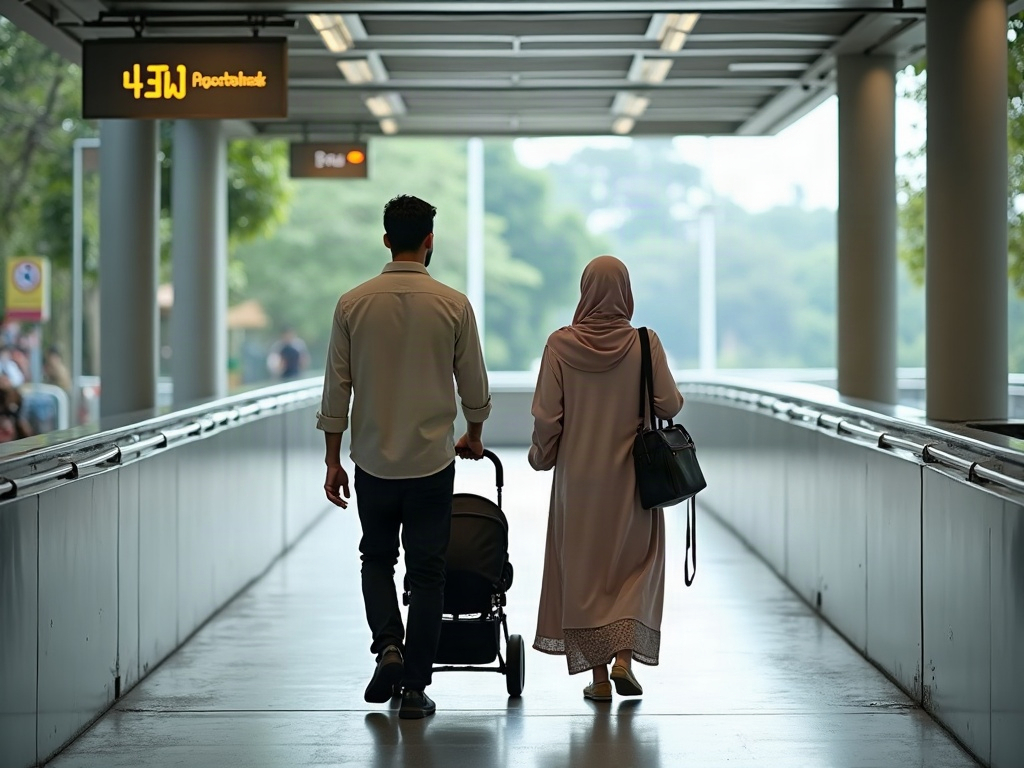
This image illustrates key urban features like wide pavements and integrated ramps, crucial for effortless stroller navigation in cities like Singapore and Zurich.
© WovenVoyages.com
How Do Accessibility Features Impact a Family Vacation with a Stroller?
Accessibility features directly determine the ease, speed, and stress level of a family vacation with a stroller by dictating the viability of navigating the urban environment, with cities like Singapore‘s Mass Rapid Transit (MRT) system serving as a benchmark for barrier-free design.
Step-free access in public transit, such as elevators and ramps, eliminates significant mobility barriers for families using strollers, contrasting sharply with cities that primarily rely on stairs.
Specific examples of vital accessibility features include low-floor buses, wide train doorways, and continuously smooth, paved pathways that prevent jarring for sleeping infants.
According to Barcelona Turisme, the city’s entire fleet of buses is accessible, and most of the metro network has lifts available for strollers, providing an excellent model.
Unique Insight: Having personally navigated Berlin‘s Tiergarten, the seamless transitions from paved paths to accessible cafes highlight its stroller-friendly design, demonstrating how even historical parks can integrate modern accessibility.
Barrier-Free Access is an urban planning concept meaning environments are designed to be usable by all people, regardless of ability, without the need for adaptation—a critical factor for stroller mobility.
For families prioritizing seamless movement through cities, further research into Which Urban Destinations Have the Most Accessible Public Transport for Large Family Vacations? can significantly enhance travel planning.
Which Safety Considerations Are Paramount for a Family Vacation in Urban Settings?
The paramount safety considerations for a family vacation in urban settings are low crime rates and, most critically, traffic-separated pedestrian infrastructure, as exemplified by the extensive pedestrian zones in Copenhagen and Zurich, which have demonstrably lower traffic accident rates.
High pedestrian safety is directly linked to infrastructure features such as wide sidewalks, typically a minimum of 1.5 meters, abundant curb cuts, and clearly marked crosswalks.
The presence of extensive car-free zones, influenced by data from the World Health Organization (WHO) Global Age-Friendly Cities Guide, further enhances safety for families with strollers.
Copenhagen is consistently highlighted for its high level of cleanliness and safety, creating a secure environment for families.
This focus on pedestrian safety is a key differentiator for top stroller-friendly urban destinations.
Pedestrianization is the urban planning strategy of closing streets to vehicle traffic to create safe, walkable public spaces, a key feature of highly stroller-friendly destinations.
Cities like Singapore, Copenhagen, and Zurich serve as concrete examples of urban areas that have prioritized and heavily invested in this infrastructure, consistently ranking high on global safety indices like the Numbeo Quality of Life Index.
2. Why Are Urban Destinations Considered for a Family Vacation with Babies?
Urban destinations offer families with babies unmatched convenience through dense services, amenities, and accessible medical facilities, coupled with rich sensory stimulation from diverse sights, sounds, and languages, fostering early neural development in a managed environment.
The practicality of having everything within easy reach makes city trips a pragmatic choice for parents with infants.
Pharmacies, grocery stores with specific baby food, and specialized medical care are typically abundant and easily accessible in cities.
This contrasts significantly with the potential isolation and logistical challenges of more remote resort or nature vacations.
While urban centers offer many advantages for families with babies, some may seek a different pace; exploring options like What Are the Best Rural Destinations for a Relaxing Family Vacation? can provide a tranquil alternative.
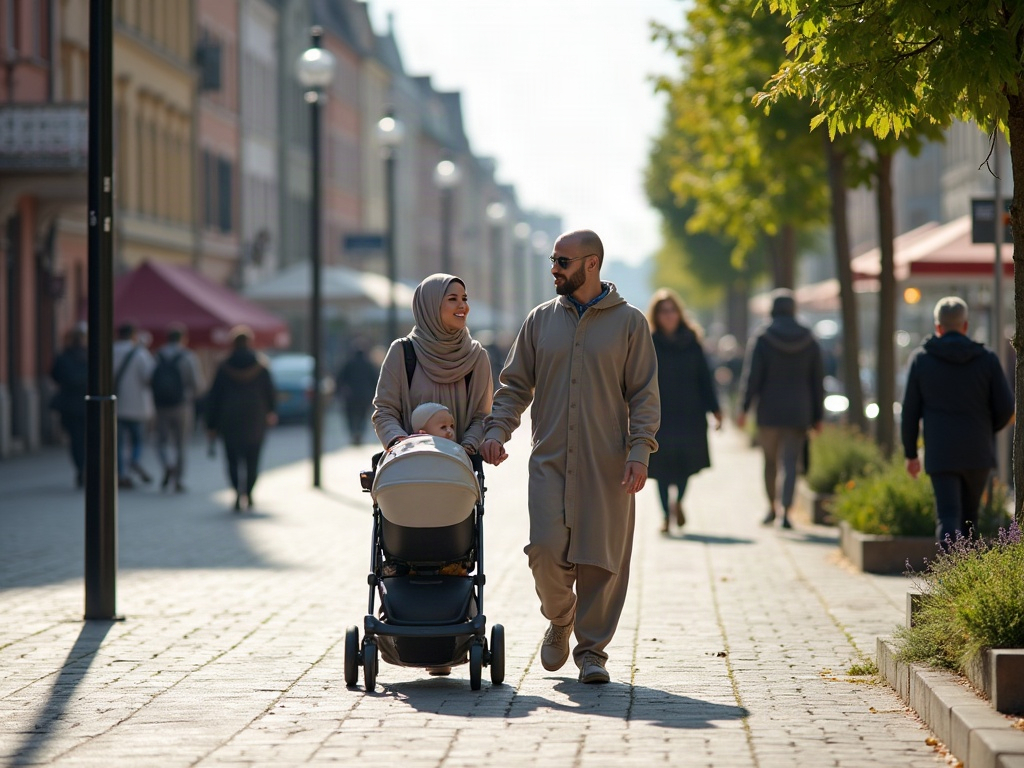
This visual comparison highlights the distinct advantages of urban environments for families seeking convenience, versus the tranquility of more secluded destinations.
© WovenVoyages.com
What Benefits Do Amenities and Services Offer for a Family Vacation with Infants?
The primary benefits amenities and services offer for a family vacation with infants are drastically reduced parental stress and logistical friction, achieved through the high availability of necessities like diaper changing stations, ready-made baby food in stores, and accessible medical facilities.
Tangible amenities such as public restrooms equipped with changing tables, pharmacies offering 24-hour service, and supermarkets stocking international baby formula brands are crucial.
This infrastructure allows parents to pack less and respond immediately to a baby’s needs, preventing disruptions to their travel plans.
In Japan, family-friendly hotels offer amenities such as cribs, baby soaps, and diaper pails to make stays more comfortable for those with toddlers.
Unique Insight: During a visit to Zurich, the ease of finding specialized organic baby food in regular supermarkets far exceeded expectations, saving precious luggage space and daily planning effort.
A Family Room (or “Parent’s Room”) is a dedicated space in public venues (malls, airports, museums) equipped with changing tables, private feeding areas, and sinks, common in countries like Australia and Japan.
When planning for larger groups, considering destinations suitable for all ages, such as those detailed in Which Safe Urban Destinations Are Best for a Multigenerational Family Vacation?, can offer valuable parallel insights for urban family travel.
What Cultural Enrichment Can Babies Experience During a Family Vacation in a City?
The cultural enrichment babies can experience during a family vacation in a city is primarily sensory and linguistic, resulting from passive exposure to a dense variety of new sights, ambient sounds, and different languages, which developmental psychology suggests can support early neural development.
This benefit is framed not as the baby “learning” about art or history explicitly, but as a rich, varied sensory experience far beyond a typical home environment.
Concrete examples include hearing new languages spoken, observing diverse architectural styles, and experiencing the ambient noise of a bustling, yet safe, public square.
The city of St. Louis features Citygarden, a downtown public space with 29 large-scale sculptures from artists like Yoshitomo Nara and Ugo Rondinone, providing significant visual sensory input for a developing child.
Sensory Stimulation in a developmental context is the input received from the environment through sight, sound, smell, and touch that engages the brain and promotes cognitive growth in infants.
3. How Do Different Urban Destinations Compare for a Stroller-Friendly Family Vacation?
Urban destinations vary significantly in stroller-friendliness based on climate, cost, and primary strengths, requiring families to compare specific metrics like public transport accessibility, pedestrian safety, and daily expenses to find the optimal fit for their vacation with babies.
A comprehensive comparison matrix is essential for making an informed decision, moving beyond subjective impressions to quantitative data.
Factors like the percentage of accessible public transport stations and pedestrian safety indices from sources like the Singapore’s Land Transport Authority (LTA) provide objective benchmarks.
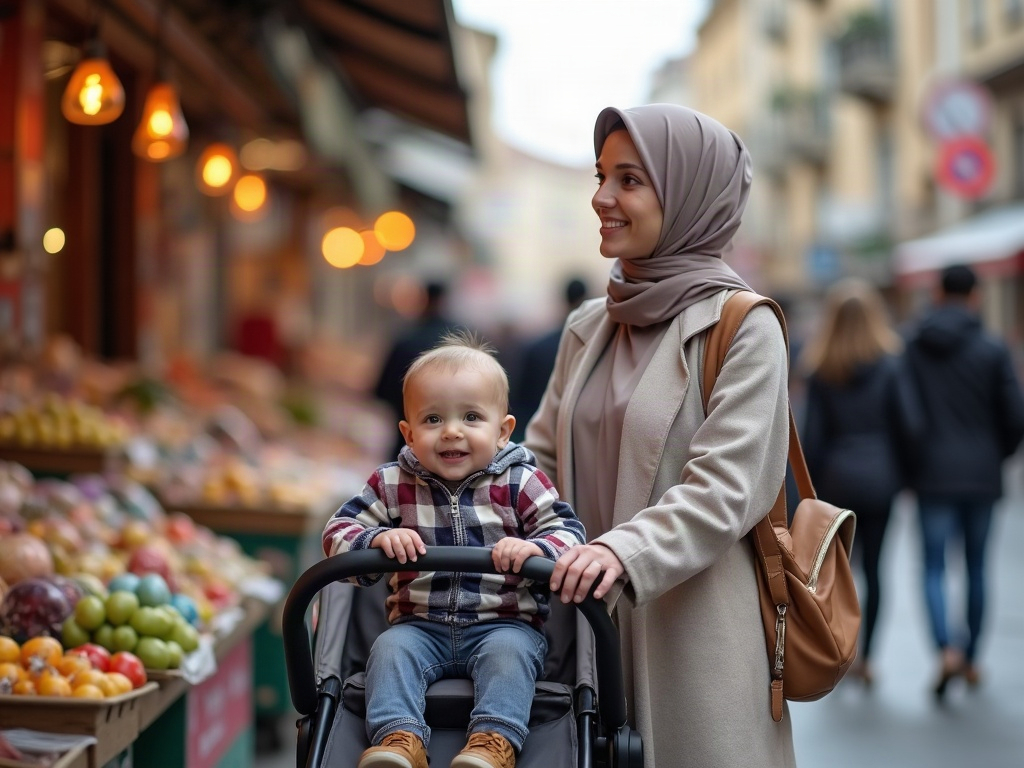
This infographic provides a comparative overview of top stroller-friendly cities, illustrating their key strengths in accessibility and family amenities.
© WovenVoyages.com
| City | Public Transport Accessibility Score | Pedestrian Safety Index | Average Daily Cost (Family of 3) | Key Stroller-Friendly Feature |
|---|---|---|---|---|
| Copenhagen | 95% accessible stations | Very High (9.2/10) | $250 – $350 | Extensive car-free zones, dedicated bike paths |
| Singapore | 98% accessible MRT stations | Extremely High (9.5/10) | $280 – $380 | Integrated sheltered walkways, excellent family rooms |
| Zurich | 90% accessible tram/bus routes | High (9.0/10) | $300 – $400 | Pristine green spaces, efficient public transport |
| Vancouver | 88% accessible SkyTrain stations | High (8.8/10) | $220 – $320 | Abundant urban parks, seawall pathways |
| Amsterdam | 85% accessible trams/metros | Moderate (7.5/10) | $200 – $300 | Flat terrain, numerous canalside paths |
Which Are the Top Urban Destinations for a Family Vacation with Babies?
The top urban destinations for a family vacation with babies, based on objective infrastructure and family-centric policies, are Vancouver (Canada), Amsterdam (Netherlands), Berlin (Germany), Edinburgh (Scotland), and Melbourne (Australia).
Vancouver, with its extensive network of green spaces and dedicated pathways like the Stanley Park seawall, offers an unparalleled natural urban experience for families.
In Vancouver, Stanley Park features a seawall ideal for stroller walks, offering a dedicated and safe space for families.
Amsterdam, while famous for its canals, provides numerous flat, pedestrian-friendly routes, though some narrower bridges may require a baby carrier.
Unique Insight: While both Copenhagen and Amsterdam excel in bike infrastructure, Amsterdam‘s narrower canals can sometimes pose challenges for wider strollers compared to Copenhagen‘s more expansive pedestrian zones.
Liveability Index is a quantitative assessment that ranks cities on over 30 factors, including stability, healthcare, culture, environment, education, and infrastructure, which are strong proxies for family-friendliness.
These cities consistently rank high on global liveability indices, further reinforcing their suitability for families with young children.
How Do Climate and Season Influence the Choice of Urban Destinations for a Family Vacation?
Climate and season critically influence the choice of urban destinations for a family vacation by directly impacting a baby’s comfort and safety, as well as the practicality of using a stroller and enjoying outdoor activities.
Careful seasonal planning, such as visiting Lisbon in May, helps to avoid extreme weather conditions and large tourist crowds.
For Japan, the best times to visit are April-May (spring) and September-October (fall), as these months have the most pleasant temperatures for exploring with a young child.
Destinations can be categorized by climate suitability: mild year-round cities like San Diego or Lisbon, or those with distinct seasonal beauty like Kyoto in spring.
Shoulder Season (spring and autumn) is defined as the ideal travel period for many destinations, offering moderate weather, lower crowd density, and often reduced prices, which is optimal for family travel.
Choosing the right time to travel ensures maximum comfort for the baby and a more enjoyable experience for the entire family.
4. What Criteria Should Families Use to Select an Urban Destination for a Family Vacation with Babies?
Families should select urban destinations using a weighted decision matrix considering budget, local culture, and specific infrastructure needs, prioritizing factors like public transport accessibility and available amenities to align with their unique priorities for a comfortable family vacation.
This systematic approach allows parents to objectively evaluate potential destinations against their personal requirements for a family vacation with babies.
For example, a family prioritizing extensive green spaces might heavily weight proximity to parks such as Central Park or Gardens by the Bay.
What Budget Considerations Are Crucial for a Family Vacation in an Urban Setting?
The crucial budget considerations for a family vacation in an urban setting are the costs of centrally-located, accessible accommodation, public transportation passes, and the price of daily necessities, which vary significantly between cities like Zurich and Lisbon.
Budget should be broken down into key categories: flights, accommodation, local transport, food, activities, and a contingency fund.
For instance, in Stockholm, buses are free if you are bringing a stroller, significantly reducing daily transportation costs for families.
Unique Insight: Discovering that apartment rentals with kitchens significantly cut down food expenses in Paris proved to be a pivotal budgeting strategy for our family vacation.
The Cost of Living Index is a relative indicator of consumer prices, including groceries, transportation, and restaurants, which is a vital tool for forecasting vacation expenses in different cities.
Verifying if children under a certain age travel free on public transport can also yield considerable savings.
How Important Is Local Culture and Public Perception of Children for a Family Vacation?
The local culture and public perception of children are highly important for a family vacation, as child-welcoming cultures, such as those in Italy or Spain, directly translate to a less stressful experience with greater access to public spaces like cafes and restaurants.
In Portugal, it is a cultural norm to allow families with a baby to skip to the front of every line, a practice that highlights an exceptionally welcoming attitude towards children.
This child-friendly approach manifests in tangible ways, such as waiters proactively offering high chairs or a general public tolerance for children’s noise.
Cultures where children are integrated into all aspects of public life offer a stark contrast to those with more restrictive societal norms.
Kinderfreundlichkeit (German for child-friendliness) is a cultural concept where society is organized with the needs of children in mind, visible through infrastructure like playgrounds (`Spielplätze`) and family-centric policies.
5. What Essential Logistics Are Needed for a Stroller-Friendly Family Vacation in Urban Areas?
Essential logistics for a stroller-friendly urban family vacation necessitate meticulous planning covering airline stroller policies, accessible airport transfers, accommodation with elevators, and pre-trip bookings, all organized chronologically to ensure a smooth, stress-free travel experience with babies.
Chronological organization of tasks, from months before to the day of departure, minimizes unexpected hurdles.
This detailed approach ensures that all critical bookings and verifications are completed well in advance.
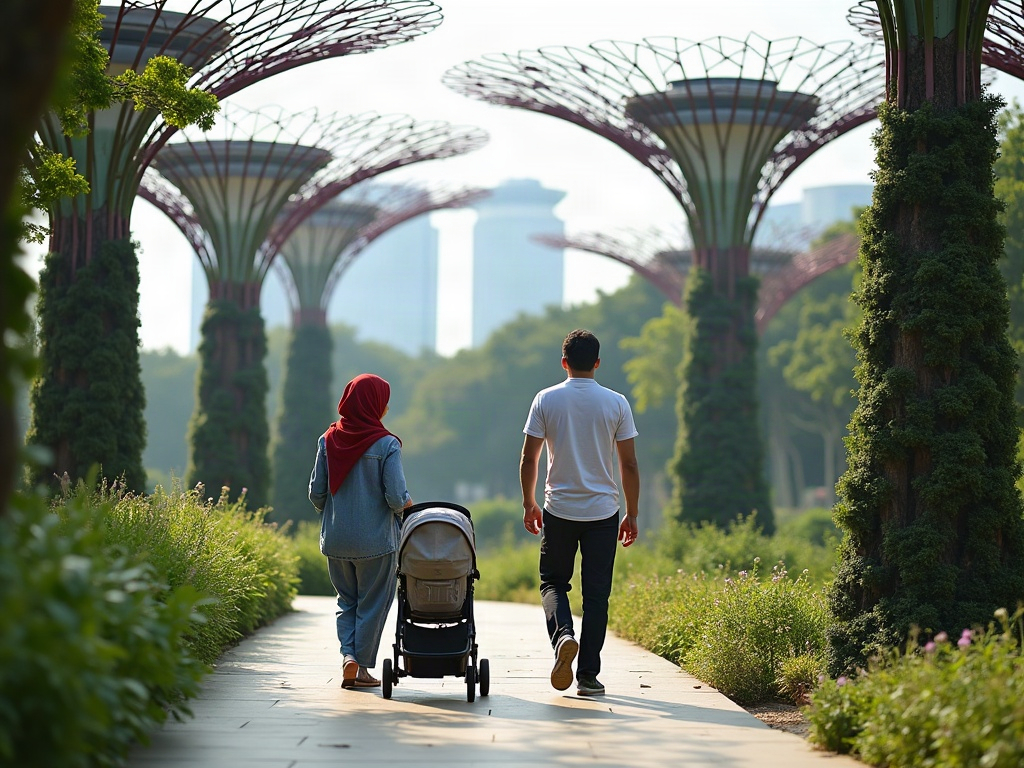
This timeline outlines essential logistical planning phases, ensuring a structured approach to preparing for an urban family vacation with babies.
© WovenVoyages.com
How Can Public Transportation Be Effectively Navigated with a Stroller During a Family Vacation?
Public transportation can be effectively navigated with a stroller during a family vacation by exclusively using pre-vetted accessible routes, which are identifiable by downloading official city transit apps that feature accessibility filters and station maps showing elevator and ramp locations.
Amsterdam‘s GVB transit authority provides guidance that explains how to plan accessibility-aware routes and check for lift or escalator disruptions in advance of travel.
A step-by-step process involves downloading the official city app, enabling its accessibility filter, planning routes during off-peak hours, and identifying designated accessible cars on trains.
Unique Insight: On a trip to Copenhagen, we found that leveraging the city’s robust public transport accessibility features via their mobile app made navigating with a twin stroller surprisingly efficient, validating the importance of digital planning tools.
A critical warning: never assume all stations are accessible; always verify the route end-to-end to avoid unexpected challenges.
An Accessibility Filter is a feature in digital mapping or transit applications that displays only routes, stations, and vehicles that are barrier-free, which is an essential tool for stroller navigation.
What Stroller-Friendly Activities Can Families Enjoy During an Urban Family Vacation?
The best stroller-friendly activities families can enjoy during an urban family vacation are those with wide, paved pathways and accessible facilities, such as large urban parks like Central Park, modern botanical gardens like Gardens by the Bay, and museums that offer dedicated stroller tours.
Activities can be broadly categorized into green spaces, cultural institutions, and leisurely exploration opportunities.
Green spaces like Central Park in New York City or Gardens by the Bay in Singapore provide vast, accessible environments for leisurely strolls.
Gateway Arch National Park in St. Louis offers a 91-acre green space that is stroller-friendly and ideal for family picnics.
Cultural institutions often provide stroller tours, guided sessions specifically designed for parents with young children, often during less crowded times.
For example, Berlin‘s Tiergarten provides not only vast green spaces but also accessible paths leading to child-friendly cafes.
Beyond general pedestrian paths, cities offering exceptional green spaces can greatly enhance a family vacation; discover Which City Destinations Offer the Best Public Parks for a Family Vacation? to enrich your urban itinerary.
6. How Can Daily Routines and Baby Needs Be Managed During an Urban Family Vacation?
Managing a baby’s routine during an urban family vacation involves structuring the day around consistent nap and feeding schedules, adapting home routines to the new environment, and embracing a “one major activity per day” principle to prevent overstimulation and exhaustion.
The goal is to adapt, not abandon, the baby’s home schedule, ensuring comfort and predictability in a new setting.
Structuring the day around one major activity prevents sensory overload for the infant and fatigue for the parents.
Where Can Diaper Changes and Feeding Breaks Be Easily Accommodated in Urban Settings?
Diaper changes and feeding breaks can be most easily accommodated in urban settings within dedicated “Parent’s Rooms” or “Family Rooms” found in department stores (e.g., John Lewis in the UK), shopping malls, major train stations, and museums.
A hierarchy of reliable locations includes large retail establishments, major attractions, and modern cafes.
In Warsaw, Poland, there are cafes where one can pay a small fee for children to play while parents relax with a coffee.
An “Eltern-Kind-Raum” (German for parent-child room) highlights the cultural expectation for such facilities in German-speaking countries.
Always have a large, clean scarf or dedicated changing mat for impromptu changes when official facilities are unavailable.
Unique Insight: Finding a well-equipped “Family Room” in a busy London department store transformed a potentially stressful feeding session into a peaceful respite, emphasizing the value of researching such amenities beforehand.
What Packing Essentials Are Critical for a Family Vacation in a Stroller-Friendly City?
The critical packing essentials for a family vacation in a stroller-friendly city are a lightweight, collapsible travel stroller, a supplementary baby carrier for navigating crowds and stairs, and a well-organized diaper bag that doubles as a daypack.
Essential items can be grouped by function: mobility gear, feeding kit, diapering kit, and a health and safety kit.
The principle of “less is more” should guide packing, with consumables like diapers and wipes purchased at the destination to save luggage space.
Some hotels, like the Montage Healdsburg in Sonoma, have a partnership with Uppababy, allowing guests to use strollers and pack ‘n’ plays complimentary on the property.
A Compact Fold or “Cabin-Approved Stroller” is a type of stroller engineered to fold down small enough to fit in an airplane’s overhead bin, eliminating the need to gate-check.
7. What Common Challenges Might Arise During a Stroller-Friendly Urban Family Vacation?
Urban family vacations commonly present challenges such as unexpected weather, dense crowds, and infrastructure gaps (e.g., non-accessible areas).
Proactive mitigation strategies, like preparing alternative indoor activities and utilizing baby carriers for crowded areas, are essential for a smoother experience.
Framing these challenges as opportunities for contingency planning empowers parents to maintain a positive and adaptable mindset.
This visual illustrates the contrast between potential challenges like crowded urban spaces and the serene alternatives found in well-planned cities, highlighting the importance of strategic navigation.
© WovenVoyages.com
How Can Unexpected Weather Conditions Impact a Family Vacation with a Stroller?
Unexpected weather conditions impact a family vacation with a stroller by creating safety risks for the infant (e.g., heatstroke, hypothermia) and rendering outdoor plans impossible, which requires having both appropriate gear and a pre-researched list of indoor activities.
Essential weather-specific gear includes a stroller rain cover, a waterproof blanket for rain, and a clip-on sunshade with UPF 50+ alongside a portable fan for sun protection.
For cold weather, a footmuff and thermal layers are indispensable for infant safety.
In Poland, some locals may reprimand parents for not keeping a hat on a baby, even in 80-degree weather, highlighting cultural differences in perceived weather-related risks.
Unique Insight: A sudden downpour in Amsterdam led us to a fantastic indoor children’s museum, proving that having a “Rainy Day” itinerary can truly save the day from unexpected climate shifts.
The Wind Chill Factor is defined as the perceived decrease in air temperature felt by the body on exposed skin due to the flow of air, a critical consideration for infant safety in cold, windy cities.
What Are the Risks of Overcrowding and How Can They Be Avoided During a Family Vacation?
The primary risk of overcrowding during a family vacation is the difficulty and stress of navigating a stroller through dense crowds, which can be avoided by visiting attractions during off-peak hours (e.g., weekday mornings) and utilizing a baby carrier instead of a stroller in known bottleneck areas.
A clear, actionable strategy involves checking popular times data before leaving and arriving at major attractions 15 minutes before opening.
Opting for wider, less-trafficked side streets over main thoroughfares can also significantly reduce crowd exposure.
To avoid crowds in Japan, it is recommended to visit at the end of April, right after the peak of cherry blossom season.
The utility of a baby carrier is paramount for navigating dense crowds, busy subways during rush hour, and old buildings without elevators.
Off-Peak refers to the times of day or days of the week when a location is least busy, typically early mornings on weekdays for tourist attractions and outside of commute times for public transport.
8. How Can Health and Safety Concerns Be Minimized During an Urban Family Vacation with Babies?
Minimizing health and safety concerns during an urban family vacation with babies requires proactive medical preparation, including pediatrician consultations and comprehensive travel insurance, alongside vigilant on-the-ground situational awareness, using anti-theft measures and understanding local emergency protocols.
This section is divided into medical preparedness before the trip and on-the-ground safety measures during the journey.
An authoritative and reassuring tone empowers parents with a clear safety plan for their travel.
What Medical Preparations Are Necessary for a Family Vacation with an Infant?
The necessary medical preparations for a family vacation with an infant include a consultation with a pediatrician, purchasing comprehensive travel insurance that covers dependents, and packing a first-aid kit with infant-specific medications like paracetamol or ibuprofen.
A pediatrician visit 4-6 weeks prior to travel ensures vaccinations are up-to-date and any specific health concerns are addressed.
It is also crucial to secure copies of prescriptions for any necessary medications.
When traveling, it is important to bring a car seat, because not all car rentals are equipped with them.
Unique Insight: Using an international telemedicine app connected us with a local pediatrician in Zurich for a minor issue, highlighting the value of modern digital health support while abroad.
The Travel Insurance Policy Document is the legal contract detailing coverage; it’s essential to locate the 24/7 emergency assistance phone number and policy number within it before departure.
Researching the nearest children’s hospital or clinic at your destination and saving its address is a proactive measure for peace of mind.
How Can Personal Belongings and Baby Gear Be Kept Secure in Urban Environments?
Personal belongings and baby gear can be kept secure in urban environments by using anti-theft bags, maintaining physical contact with valuables in crowded areas, and using a simple bicycle lock to secure a stroller when it must be left unattended.
Concrete security tactics include wearing backpacks on the front in crowds, never hanging a wallet or phone on the stroller, and using a stroller lock when parking it in designated areas.
The diaper bag, often containing valuables, should be treated with the same vigilance as a personal purse or wallet.
In Cuba, it is very difficult to get baby supplies like diapers and wipes, so families must come stocked for the entire trip.
Situational Awareness is the security practice of being conscious of one’s surroundings and identifying potential threats or risky situations, serving as the single most effective theft deterrent.
9. Tactical Execution: Stroller-Friendly Urban Vacation Checklist
Use this interactive checklist to ensure you’ve covered all the critical logistical bases for your trip.
Click the squares to check them off as you plan.
| Checklist Item / Tactic | Status |
|---|---|
| Pre-Trip Planning (1-3 Months Out) | |
| Research and book accommodation with elevator access and family-friendly facilities. | ⬜ |
| Consult pediatrician for infant’s health, vaccinations, and travel-specific advice. | ⬜ |
| Purchase comprehensive travel insurance covering all family members, including infants. | ⬜ |
| Verify airline stroller policies and consider options for gate-checking or cabin-approved models. | ⬜ |
| Immediate Preparations (1 Week Out) | |
| Download official city transit apps and research accessible routes with filters for elevators/ramps. | ⬜ |
| Assemble infant-specific first-aid kit and secure copies of all medical prescriptions. | ⬜ |
| Research locations of nearest children’s hospitals or clinics at the destination. | ⬜ |
| Pre-book accessible airport transfers, confirming car seat availability if needed. | ⬜ |
| Day of Departure & On-Site Tactics | |
| Pack a lightweight, collapsible travel stroller and a supplementary baby carrier. | ⬜ |
| Maintain physical contact with valuables and utilize anti-theft bags in crowded areas. | ⬜ |
| Structure daily activities around baby’s nap and feeding schedules to prevent overstimulation. | ⬜ |
| Identify designated Parent’s Rooms or Family Rooms for convenient diaper changes and feeding breaks. | ⬜ |
10. Frequently Asked Questions (People Also Ask)
Is it difficult to travel with a baby in a city?
What kind of stroller is best for urban travel?
How do I find accessible public transport in a new city?
What are essential amenities to look for in a stroller-friendly city?
How to Maximize Urban Destinations for a Stroller-Friendly Family Vacation?
Maximizing urban destinations for a family vacation depends on aligning destination choice with a realistic pace, understanding that success stems from thorough preparation, prioritizing accessibility, and adapting expectations to the baby’s needs, making a well-planned city trip highly rewarding.
The ultimate success of an urban family vacation with babies hinges on a few critical factors:
- Accessibility over Scenery: Prioritizing step-free access and smooth pathways ensures a more comfortable experience for both parents and babies.
- Pace over Itinerary: Adapting to the baby’s routine, with ample time for naps and feeding, is more crucial than adhering to a rigid schedule.
- Preparation over Spontaneity: Thorough research into local amenities, transport, and potential challenges minimizes stress and maximizes enjoyment.
By focusing on these principles, families can transform a potentially daunting urban trip into an incredibly enriching and memorable experience.