What Are the Best Freshwater Destinations for a Family Vacation?
Table of Contents
The best freshwater destinations for a family vacation are Lake Tahoe (USA), Plitvice Lakes National Park (Croatia), and the Danube River (Europe), offering a superior blend of safety, diverse activities, and educational ecosystems.
These locations excel by providing controlled environments with calmer waters than oceans, increasing safety for children.
They also offer a wide array of activities from hiking and kayaking to wildlife observation.
Families can find unique learning opportunities in ecology, geology, and local history at these destinations.
Understanding the unique appeal of freshwater destinations is just one part of planning the perfect trip; exploring the different types of family vacation destinations can help you discover other ideal settings for your next adventure.
1. What Makes Freshwater Destinations Ideal for a Family Vacation?
Freshwater destinations are ideal for family vacations due to their inherent safety, cost-effectiveness, and accessibility.
These environments typically feature calmer waters, which are safer for children and less prone to the strong currents and waves often found in oceans.
The relative lack of commercialization in many freshwater destinations can lead to more budget-friendly accommodation and activity options, making them economically appealing for families.
Furthermore, many lakes and rivers are located closer to inland populations, reducing travel time and increasing overall accessibility for a family vacation.
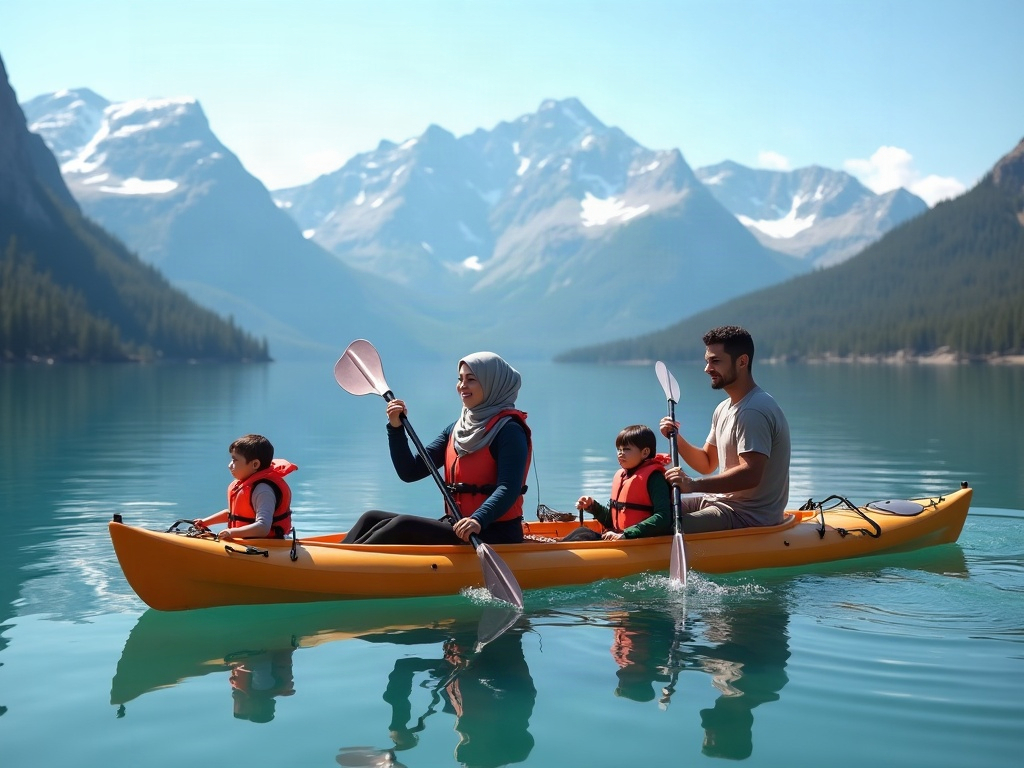
A family enjoys the tranquil, clear waters of a freshwater destination, highlighting the inherent safety and peaceful environment ideal for children and relaxation.
© WovenVoyages.com
Unique Insight: The predictability of freshwater environments like Lake Tahoe allows for more consistent safety planning and reduces unexpected variables, a critical factor for families with young children.
These environments typically offer significant benefits over ocean settings, such as the absence of strong rip currents.
The potential for encountering dangerous marine species is also greatly diminished in lakes and rivers, providing parents with greater peace of mind.
Furthermore, less commercialization often means fewer crowds and a more serene atmosphere, which can be preferable for a relaxing family vacation.
While freshwater offers unique advantages, many families also cherish the experience of top coastal destinations for a family vacation, which present their own set of attractions and activities.
Which Types of Freshwater Environments Offer the Most for a Family Vacation?
The types of freshwater environments that offer the most for a family vacation are large alpine lakes, slow-moving major rivers, and protected national park wetlands, each providing distinct ecosystems and activity profiles.
More than seven million tourists visit the small town of Branson each year, a top family vacation destination, partly due to its three prominent lakes.[1]
Crater Lake National Park contains the deepest lake in the U.S., formed some 7,700 years ago when Mount Mazama erupted and collapsed, showcasing significant geological history.
Limnology, defined as the scientific study of inland aquatic ecosystems, is crucial for understanding a lake’s health and biodiversity, providing insight into why some freshwater destinations are more vibrant for family vacations.
Lakes
- Alpine lakes like Lake Tahoe or Lake Louise offer stunning scenery and a wide range of activities such as kayaking, paddleboarding, and swimming, making them perfect for active families.
- Their vast size and often remote locations ensure uncrowded exploration and opportunities for serene nature appreciation, which is a significant benefit for a freshwater family vacation.
Rivers
- Slow-moving major rivers, such as the Danube River or certain sections of the Mississippi River, provide unique cultural immersion through river cruises and historical tours.
- These river environments offer distinct learning opportunities about geography, trade routes, and local heritage, making them excellent choices for an educational family vacation.
Springs and Wetlands
- Protected national park wetlands, like parts of the Everglades National Park or the Florida Springs system, are unparalleled for wildlife observation and ecological education.
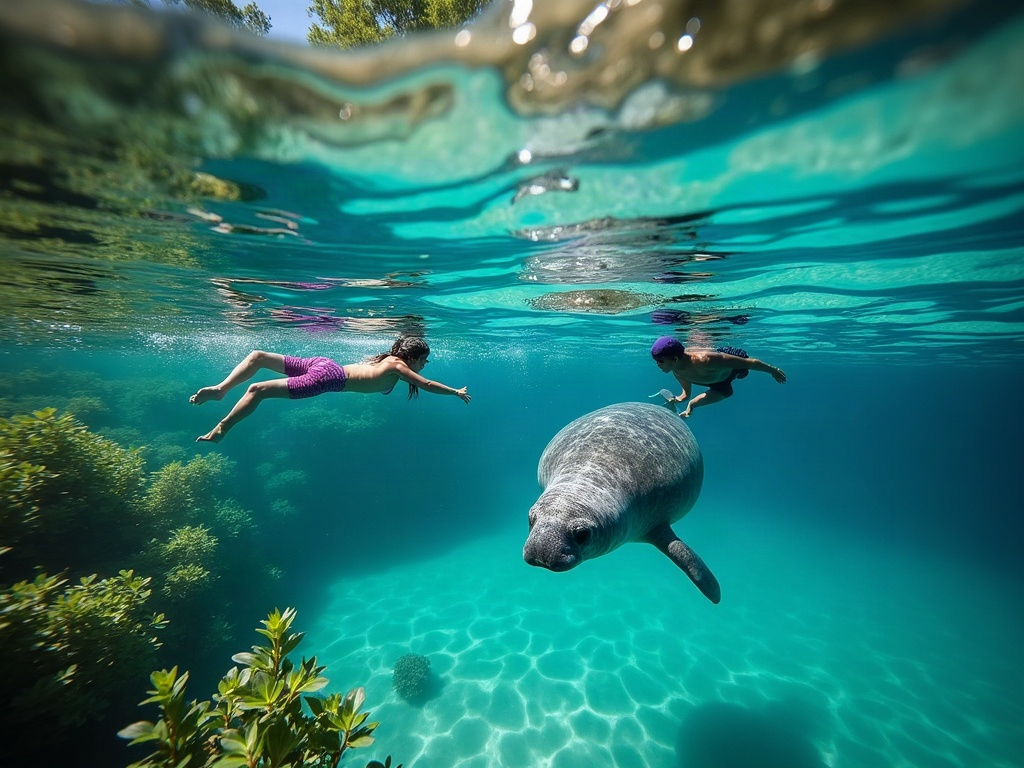
- These unique ecosystems allow families to witness diverse flora and fauna up close, providing memorable experiences such as manatee viewing or birdwatching during a freshwater family vacation.
Author’s Experience: Abdullahi Azaam
“Having navigated the serene waters of Lake Tahoe with my own family and explored the biodiverse ecosystems of the Everglades National Park, I’ve seen firsthand how freshwater destinations offer a unique blend of adventure and tranquility that is often unmatched by other vacation types.”
2. How Do Freshwater Destinations Enhance a Family Vacation Experience?
A freshwater vacation enhances a family vacation experience by providing tranquility, opportunities for skill-building, and fostering environmental consciousness.
The peaceful ambiance of lakes and rivers offers a stark contrast to the hustle and bustle of daily life, promoting mental wellness and relaxation for all family members.
Activities such as kayaking, fishing, and paddleboarding allow children and adults to develop new skills and build confidence in a supportive natural setting.
Immersing in these natural environments also cultivates a deeper appreciation for conservation and environmental responsibility, aligning with principles like Leave No Trace.
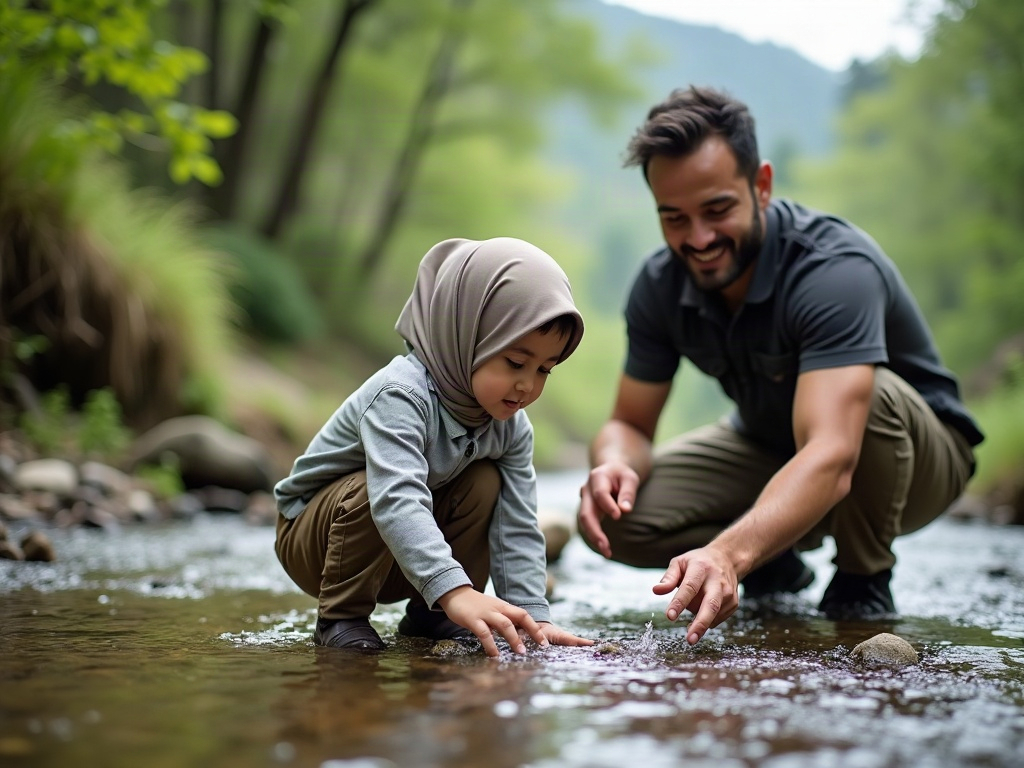
A family observes wildlife along the Danube River, demonstrating the enhanced educational and bonding experiences offered by freshwater destinations.
© WovenVoyages.com
What Unique Educational Opportunities Do Freshwater Spots Provide for a Family Vacation?
Unique educational opportunities at freshwater spots for a family vacation stem directly from their complex ecosystems, offering tangible lessons in biology, geology, and local history.
At Basin Harbor on Lake Champlain, families can board replicas of 18th- and 19th-century vessels at the on-site Lake Champlain Maritime Museum, providing a direct link to historical learning.
At Olympic National Park’s Lake Crescent, families can catch and release Beardsley trout, a type found only in that specific lake, offering a hands-on lesson in endemic species.
The riparian zone, defined as the interface between land and a river or stream, plays a critical role in the ecosystem, serving as a habitat for diverse species and a natural classroom for environmental studies.
Ecological Learning
- Families can observe food webs, water cycles, and biodiversity, like studying insect larvae or fish species, fostering a deeper understanding of aquatic ecosystems during their freshwater family vacation.
- Guided nature walks often explain the delicate balance of these environments, such as how beavers reshape habitats or the role of specific plants in water filtration.
Geological History
- Many freshwater destinations, such as glacier-carved lakes like Lake Tahoe, offer visible lessons in geological processes, erosion, and land formation.
- Learning about the geological history adds an enriching layer to the family vacation experience, connecting the landscape to millions of years of natural forces.
Human History
- Rivers, in particular, have been central to human settlements, trade routes, and cultural development for centuries, exemplified by the historic communities along the Danube River.
- Visiting museums or historical sites near freshwater bodies provides context for local culture and how human activity has interacted with these natural resources.
3. How Should a Family Choose the Right Freshwater Destination for a Family Vacation?
To choose the right freshwater destination for a family vacation, families should consider three core variables: the family’s age profile, desired activity intensity, and any logistical constraints.
The age of children significantly influences suitable activities and safety considerations; for instance, toddlers require very calm, shallow waters, while teenagers might seek more adventurous options.
Desired activity intensity ranges from leisurely lakeside picnics and gentle swimming to vigorous kayaking or hiking, which dictates the type of freshwater environment that will be most fulfilling.
Logistical constraints such as budget, travel time, and preferred accommodation types (e.g., camping versus resort stays) also play a crucial role in narrowing down options for the ideal family vacation.
| Destination Type | Age Appropriateness | Activity Level | Budget Considerations | Accessibility |
|---|---|---|---|---|
| Alpine Lake (e.g., Lake Tahoe) | All ages (with supervision); teens for adventure sports | Moderate to High (hiking, kayaking, skiing) | Moderate to High (resorts, seasonal peaks) | Often requires driving; airports nearby for major lakes |
| Major River (e.g., Danube River) | Children 6+ for cruises; teens for active segments | Low to Moderate (cruising, walking tours, mild rafting) | Moderate to High (cruises can vary) | Good, typically through major cities or ports |
| Natural Spring/Wetland (e.g., Florida Springs) | All ages (focused on observation, gentle swimming) | Low to Moderate (wildlife viewing, short walks) | Low to Moderate (national/state park fees, simple lodging) | Good, often close to smaller towns or accessible by car |
A visual guide illustrating the decision-making process for selecting a freshwater destination tailored to a family’s unique needs and preferences.
© WovenVoyages.com
Which Are the Top Freshwater Lake Destinations for a Family Vacation?
The top freshwater lake destinations for a family vacation include Lake Como (Italy) for its cultural scenery, Lake Louise (Canada) for its dramatic alpine environment, and Lake Powell (USA) for its unique houseboat-based exploration.
Lake Winnipesaukee in New Hampshire covers 72 square miles and is dotted with 258 islands, offering vast exploration opportunities.[2]
Branson, with its three lakes and hundreds of attractions, is often ranked as a top family vacation destination worldwide.[3]
Fjord-lakes like Lake Como are deep, narrow lakes formed by glacial erosion, which contributes to their distinctive geography and depth, making them visually stunning.
Lake Como, Italy
- This destination provides cultural immersion with historic villas and picturesque towns, ideal for families appreciating European charm.
- Families can enjoy boat tours, explore charming villages, and partake in gentle watersports during the warmer months.
Lake Louise, Canada
- Nestled in the Canadian Rockies, Lake Louise offers dramatic alpine scenery and activities such as hiking, canoeing, and wildlife spotting.
- The best time to visit is typically from June to September for full access to trails and water activities, making it a prime freshwater family vacation spot.
Lake Powell, USA
- Lake Powell, part of the Glen Canyon National Recreation Area, is unique for its extensive houseboat rentals, allowing families to explore countless canyons and sandy beaches.
- This destination offers unparalleled opportunities for swimming, fishing, and exploring hidden coves, providing a memorable, self-guided family vacation.
For families with young children, prioritizing safety and tranquility, you might also consider calm-water lake destinations best for swimming, ensuring a worry-free aquatic experience.
What River-Based Destinations Are Best Suited for a Family Vacation?
River-based destinations best suited for a family vacation are those with calm, navigable sections and established tour infrastructures, such as the Danube River in Europe, the Grand Canyon section of the Colorado River, and the Seine River in Paris.
Lake Champlain, which straddles the states of Vermont and New York, stretches for 125 miles south of the Canadian border, illustrating the vastness of some river systems.[4]
At Crater Lake National Park, ranger-narrated boat tours are available to get close to the caldera’s cliffs, providing an example of guided river-like experiences.
A river cruise is a multi-day voyage on an inland waterway, distinct from a river tour which typically lasts only a few hours.
Danube River, Europe
- The Danube River offers cultural immersion via multi-country cruises, passing through historic cities like Vienna and Budapest.
- These cruises provide families with a comfortable and educational way to experience diverse European cultures, making it an excellent choice for a comprehensive freshwater family vacation.
Grand Canyon section of the Colorado River, USA
- While offering geological spectacle, the calmer sections of the Colorado River provide mild adventure rafting tours suitable for older children and teenagers.
- These excursions are often guided, ensuring safety while offering breathtaking views and unique perspectives of the Grand Canyon.
Seine River, Paris, France
- A Seine River boat tour (like the Bateaux Mouches) offers a relaxed way to see Paris‘ iconic landmarks, suitable for all ages.
- It provides a unique vantage point for historic architecture and city life, enriching a family vacation with minimal physical exertion.
If your family seeks a more adventurous river experience, delving into the best river destinations for safe rafting can offer thrilling yet secure options for all ages.
Are There Specific Freshwater Spring or Wetland Destinations Recommended for a Family Vacation?
Yes, specific freshwater spring and wetland destinations highly recommended for a family vacation include the Florida Springs system for clear-water swimming and manatee viewing, and the Pantanal in Brazil for unparalleled wildlife safaris.
Florida’s Silver Glen Springs pours crystal-clear water into a natural swimming basin at a consistent 72-degree temperature, perfect for year-round family enjoyment.[5]
Olympic National Park is a nearly million-acre wilderness with habitats as diverse as snow-capped mountains and temperate rainforests, showcasing the ecological richness found in protected areas.
A karst spring is a spring that emerges from a network of underground limestone caves, which explains the exceptional water clarity found in places like Florida’s springs.
Florida Springs, USA
- Florida’s Crystal River is one of the only places in the world where families can legally and safely swim with West Indian manatees.
- These springs offer crystal-clear waters perfect for swimming, snorkeling, and observing diverse aquatic life, making for an unforgettable freshwater family vacation.
Pantanal, Brazil
- The Pantanal is the world’s largest tropical wetland area, renowned for its unparalleled wildlife safaris, including jaguar-spotting boat safaris.
- This destination is ideal for families seeking an immersive nature experience and a chance to see diverse species in their natural habitat.
4. What Activities Can Families Enjoy at Freshwater Destinations During a Family Vacation?
Families can enjoy a diverse range of activities at freshwater destinations during a family vacation by categorizing them into water-based, land-based, and educational experiences, ensuring engagement for all family members.
Water-based activities are often the highlight, offering opportunities for swimming, kayaking, and paddleboarding in serene settings like Lake Tahoe or the calm sections of the Danube River.
Land-based pursuits complement aquatic fun with hiking, birdwatching, and picnicking along scenic shores or within adjacent natural parks.
Educational activities, including visits to nature centers or guided ecological tours in places like Everglades National Park, provide valuable learning experiences for the entire family.

A collage of families engaging in various activities such as kayaking, hiking, and swimming, illustrating the wide array of options available at freshwater destinations.
© WovenVoyages.com
Unique Insight: Connecting varied activities to different age groups within the family ensures that each individual feels catered to, enhancing overall satisfaction with the freshwater family vacation.
How Can Families Ensure Safety and Enjoyment During Water Activities on a Family Vacation?
Families can ensure safety and enjoyment during water activities on a family vacation by mandating the use of properly-fitted personal flotation devices (PFDs), establishing clear supervision protocols, and understanding the specific risks of the chosen environment.
At Ocean City, Maryland, lifeguards are on duty during the summer, giving parents added peace of mind, though freshwater destinations may not always offer this level of oversight.
A key safety guideline is to always consider a properly fitted life vest for younger swimmers in any water environment.
Cold water shock is the dangerous involuntary physiological response to sudden immersion in water below 60°F (15°C), a critical risk in alpine lakes like Lake Louise, requiring careful preparation.
A young child wearing a correctly fitted personal flotation device (PFD), emphasizing crucial safety measures for freshwater activities.
© WovenVoyages.com
Safety Checklist for Water Activities
- ☐ Ensure all individuals, especially children, wear properly fitted PFDs for any water activity, regardless of swimming ability, as recommended by the U.S. Coast Guard.
- ☐ Establish clear supervision protocols, ensuring at least one adult is actively monitoring children at all times near and in the water.
- ☐ Understand the specific risks of the chosen freshwater environment, such as currents in rivers, submerged obstacles in lakes, or potential wildlife encounters in wetlands.
- ☐ Review local regulations and advisories regarding water quality and safety, which can often be found through local park services or health departments.
What Are Essential Packing Items for a Freshwater Family Vacation?
Essential packing items for a freshwater family vacation include layered clothing for variable temperatures, broad-spectrum waterproof sunscreen, EPA-approved insect repellent, and appropriate water footwear.
A family lake vacation in Florida requires packing items like swimwear, sunscreen, and comfortable water shoes.[6]
For evenings on the dock during a Florida lake vacation, it is essential to pack bug spray.
Hydrophobic fabric, like Gore-Tex, is engineered to repel water, differentiating it from merely ‘water-resistant’ fabric, a key consideration for clothing choices in damp environments.
Packing Checklist
- ☐ Layered clothing: Essential for adapting to fluctuating temperatures common in freshwater environments, especially alpine regions like Lake Tahoe.
- ☐ Broad-spectrum waterproof sunscreen: Protects skin from harmful UV rays during prolonged sun exposure on the water, crucial for health as recommended by the American Academy of Dermatology.
- ☐ EPA-approved insect repellent: Necessary to ward off mosquitoes and other biting insects, particularly in wetland areas like the Everglades.
- ☐ Appropriate water footwear: Protects feet from sharp rocks, slippery surfaces, and unseen hazards on lake or river bottoms.
- ☐ First-aid kit: A well-stocked kit is vital for treating minor injuries and addressing unexpected health concerns in remote locations.
When considering accommodation for your freshwater getaway, exploring lake destinations that offer the best cabin rentals for large family vacations can be crucial for comfort and convenience.
5. What Common Challenges Might Arise During a Freshwater Family Vacation?
During a freshwater family vacation, common challenges might include unpredictable weather patterns, abundant biting insects, and limited access to amenities or services in more remote locations, all requiring proactive preparation.
Weather in freshwater regions can shift rapidly, from sunny skies to sudden thunderstorms, necessitating flexible planning and appropriate gear.
Insects, particularly mosquitoes and gnats, thrive near water bodies and can impact comfort if not properly managed with repellents and protective clothing.
Remote freshwater destinations may have fewer stores, medical facilities, or reliable cell service, underscoring the importance of bringing all necessary supplies and having a contingency plan for a family vacation.
Unique Insight: Acknowledging potential challenges like unpredictable weather or insects upfront allows families to frame these as manageable aspects of a nature-based adventure rather than unforeseen disruptions to their freshwater family vacation.
How Can Environmental Impact Be Minimized During a Freshwater Family Vacation?
Environmental impact during a freshwater family vacation can be minimized by strictly adhering to Leave No Trace principles, choosing eco-certified tour operators, and preventing the spread of aquatic invasive species.
At Flathead Lake, families can explore Wild Horse Island State Park, which is home to wild horses and other wildlife, demonstrating the importance of protecting fragile ecosystems.
Lake Cumberland State Park is set on a 60,000-plus acre lake with 1,200 miles of shoreline, emphasizing the scale of protected natural areas where mindful tourism is vital.
Aquatic Invasive Species (AIS) are non-native organisms that cause harm to the ecosystem, spread on boat hulls or fishing gear, and their prevention is critical for preserving native habitats.
Code of Conduct for Eco-Friendly Travel
- ☐ Plan ahead and prepare: Research regulations and potential impacts of your visit to freshwater destinations.
- ☐ Travel and camp on durable surfaces: Stick to marked trails and established campsites to protect sensitive vegetation.
- ☐ Dispose of waste properly: Pack out all trash, including food scraps, and use designated facilities.
- ☐ Leave what you find: Do not disturb natural objects, historical artifacts, or wildlife.
- ☐ Minimize campfire impacts: Use established fire rings and ensure fires are completely extinguished.
- ☐ Respect wildlife: Observe animals from a distance, do not feed them, and avoid disturbing their natural behaviors.
- ☐ Be considerate of other visitors: Maintain peace and quiet, especially in shared natural spaces.
- ☐ Follow the ‘Clean, Drain, Dry‘ procedure for all watercraft and gear to prevent the spread of AIS, as recommended by environmental agencies.
What Are the Health and Safety Precautions for a Freshwater Family Vacation?
The most critical health and safety precautions for a freshwater family vacation involve preventing waterborne illnesses by avoiding swallowing water, protecting against wildlife encounters by storing food securely, and being prepared for medical emergencies with a well-stocked first-aid kit.
At Crater Lake, a key health consideration is the water temperature, which even in summer hovers around a cold 55 degrees F, posing a risk of hypothermia.
Primary Amoebic Meningoencephalitis (PAM) is a rare but severe brain infection caused by the Naegleria fowleri amoeba found in warm freshwater, necessitating precautions like avoiding submerging the head or using nose clips in affected areas.
Waterborne Illness Prevention
Risk: Giardia infection from contaminated water.
Mitigation: Never drink untreated water; use a certified water filter, purification tablets, or boil water for at least one minute.
Risk: Exposure to harmful bacteria or algae blooms, especially prevalent in stagnant or warm freshwater.
Mitigation: Check local advisories for water quality before swimming, and avoid swimming in discolored or foul-smelling water.
Wildlife Encounter Management
Risk: Encounters with local wildlife, which can range from minor nuisances to serious dangers depending on the freshwater destination.
Mitigation: Store food securely in bear-proof containers or elevated areas, avoid feeding animals, and maintain a safe distance, particularly in areas like Everglades National Park.
Risk: Bites or stings from insects and arachnids.
Mitigation: Use EPA-approved insect repellent, wear long sleeves and pants during dawn and dusk, and check for ticks after outdoor activities.
Physical Injury Preparedness
Risk: Minor cuts, scrapes, or sprains during hiking or water activities.
Mitigation: Carry a well-stocked first-aid kit with bandages, antiseptic wipes, pain relievers, and any personal medications.
Risk: Overexposure to sun or heat.
Mitigation: Stay hydrated, seek shade during peak sun hours, and wear hats and protective clothing.
What Are the Final Thoughts on Maximizing a Freshwater Destination for a Family Vacation?
Maximizing a freshwater destination for a family vacation hinges on a strategic blend of matching the chosen location to the family’s unique profile, rigorously prioritizing safety preparations, and actively embracing environmental responsibility.
By considering the age and interests of all family members, from toddlers to teens, and selecting a destination like Plitvice Lakes National Park or Lake Tahoe that aligns with these preferences, families can ensure a more engaging and fulfilling experience.
Adhering to comprehensive safety measures, such as proper PFD use and awareness of environmental risks, guarantees a secure and worry-free adventure for everyone.
Furthermore, adopting Leave No Trace principles and supporting eco-certified operators not only preserves these beautiful freshwater environments but also instills valuable conservation ethics in younger generations, making each family vacation both memorable and impactful.