What Are the Best Urban Destinations for a Family Vacation?
Table of Contents
The best urban destinations for a family vacation include New York City, Tokyo, and London, offering unparalleled access to cultural institutions, efficient public transport, and diverse, family-oriented activities.
These cities provide:
- Dense concentrations of educational and entertainment venues.
- Robust transportation networks that reduce travel friction.
- A wide spectrum of dining and accommodation options for all budgets.
If you’re still exploring all your options for family travel, consider a broader overview of the 6 types of family vacation destinations to help narrow down your choice.
1. Why Consider Urban Destinations for a Family Vacation?
Urban destinations for a family vacation offer a unique blend of cultural immersion, logistical convenience, and a high density of activities, distinguishing them from other travel options like beach or nature trips.
These cities provide unparalleled opportunities for experiential learning, allowing families to engage directly with history, art, and science in dynamic environments.
The robust infrastructure found in major cities, including efficient public transportation and diverse dining options, significantly simplifies family travel planning & logistics.
Unlike remote natural settings that might require extensive driving or specialized gear, kid-friendly cities allow for easy access to multiple attractions within short distances.

A family exploring a lively city street, highlighting the engaging and accessible nature of urban environments for family vacations.
© WovenVoyages.com
For those weighing the unique benefits of city breaks against other travel styles, a deeper look into the top coastal destinations for a family vacation might provide a useful comparison.
Unique Insight: From our experience, the ability to pivot easily between indoor and outdoor activities within an urban destination for a family vacation provides a critical advantage, especially when traveling with young children or during unpredictable weather.
What Unique Experiences Do Urban Settings Offer for a Family Vacation?
Unique experiences in urban settings for a family vacation stem from their high concentration of world-class cultural institutions, iconic landmarks, and diverse entertainment options, exemplified by cities like London, New York City, and Singapore.
According to the World Travel & Tourism Council (WTTC), tourism in cities generated over 10% of the global GDP, underscoring their significance as economic and cultural hubs.
Washington D.C. is home to 19 Smithsonian museums and the National Zoo, most of which offer free entry, making it an accessible urban destination for a family vacation [1].
The concept of a Cultural Hotspot defines these areas with a high density of cultural venues, such as museums, art galleries, and theaters, similar to Museum Island in Berlin or the South Bank in London.
Families can engage with a broad spectrum of attractions, from historical sites to modern art installations.
Delving further into specific cultural offerings, many families find immense value in exploring city destinations with world-class museums for a family vacation, which often become the highlights of their trip.

A family enjoying their visit to the British Museum, illustrating the rich cultural experiences available in urban settings.
© WovenVoyages.com
Types of Urban Attractions
- Museums & Art Galleries: Offering immersive educational experiences, such as The British Museum in London, The Louvre in Paris, or the many institutions within The Smithsonian Institution in Washington D.C.
- Public Parks & Green Spaces: Providing essential respite and recreation, exemplified by Central Park in New York City or Gardens by the Bay in Singapore.
- Historical Sites & Landmarks: Allowing direct engagement with history, including UNESCO World Heritage Sites like the Tower of London or the Colosseum in Rome.
- Theaters & Entertainment Venues: Showcasing a range of performances suitable for families, from Broadway shows in New York City to traditional puppet shows in various urban destinations.
How Do Urban Environments Enhance Learning During a Family Vacation?
Urban environments enhance learning during a family vacation by providing direct, immersive access to historical landmarks, interactive science centers, and living history exhibits that make abstract concepts tangible, as seen in Rome, Washington D.C., and Berlin.
Studies in the Journal of Experiential Education have shown that learning through direct experience can increase memory retention by as much as 90% [2].
For example, at the Berlin Wall Memorial, families can see a preserved 70-meter section of the original wall, offering a powerful real-world history lesson.
Experiential Learning is an educational philosophy where individuals learn by doing and reflecting on the experience, such as walking through the Colosseum in Rome to understand ancient architecture instead of just reading about it.
Urban destinations for a family vacation transform theoretical knowledge into memorable, hands-on discoveries.
To truly engage young minds through hands-on discovery, you might also be interested in finding urban destinations offering the best interactive science museums for a family vacation.
A family interacting with an exhibit at a science center, illustrating how urban environments facilitate hands-on learning experiences.
© WovenVoyages.com
Learning Pillars in Urban Settings
- Ancient History (Rome): Concept: The Roman Empire. Reality: Standing inside the Colosseum, touching stones laid 2,000 years ago.
- Civics & Government (Washington D.C.): Concept: Democratic principles. Reality: Visiting the Lincoln Memorial and understanding historical speeches.
- 20th-Century History (Berlin): Concept: Cold War divisions. Reality: Exploring the Berlin Wall Memorial and Checkpoint Charlie.
- Science & Innovation (Copenhagen, New York City): Concept: Scientific principles. Reality: Engaging with interactive exhibits at a world-class interactive science museum.
What Accessibility Advantages Do Urban Destinations Provide for a Family Vacation?
The primary accessibility advantages urban destinations for a family vacation provide are their comprehensive public transportation networks, high walkability scores, and centralized accommodation options, which significantly reduce logistical stress in cities like Tokyo, Vienna, and Amsterdam.
In 2018, the Tokyo Metro and Toei Subway combined had an average delay of only 0.2 minutes, making it one of the most punctual systems in the world [3].
Vienna‘s city center, the Innere Stadt, has a “Walk Score” of 99 out of 100, designating it a “Walker’s Paradise” [4].
An Intermodal Transit System describes a transportation network that seamlessly integrates different modes of transport (e.g., subway, bus, tram) under a single pass system, like the Suica card in Tokyo, simplifying navigation for families.
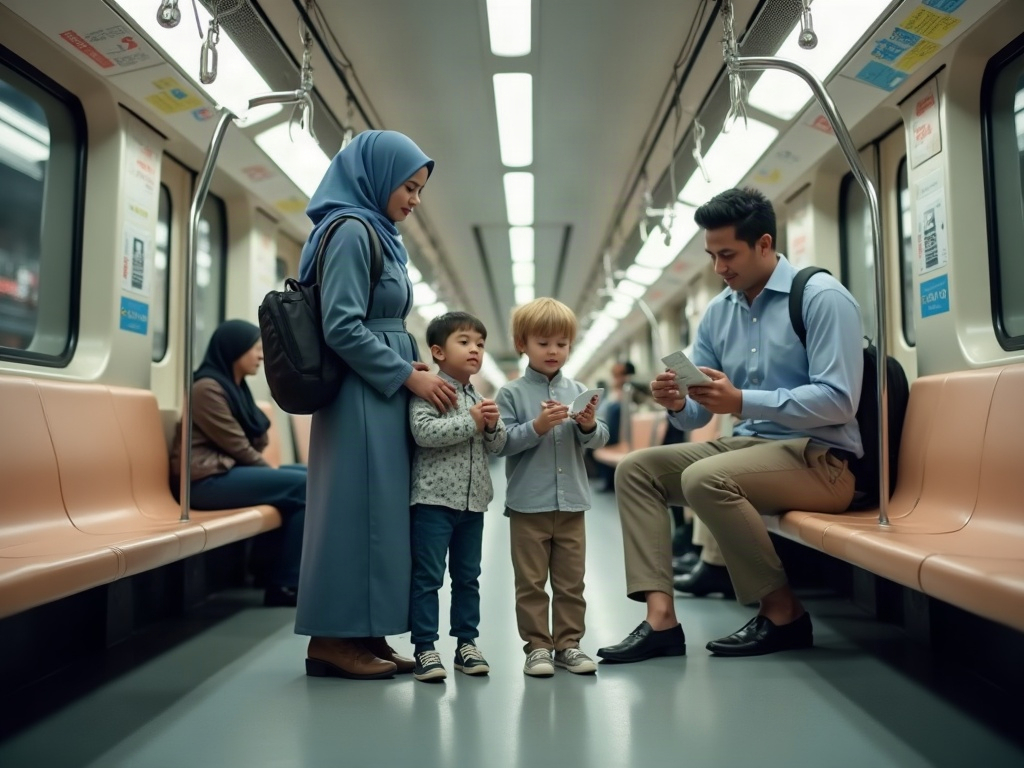
Such systems eliminate the need for car rentals, reducing costs and the stress of parking or navigating unfamiliar roads during an urban family vacation.
Choosing accommodations in central, walkable areas ensures easy access to attractions, diverse dining, and essential services like pharmacies, which is invaluable for families.
Key Accessibility Advantages
- Comprehensive Public Transportation: Cities like Tokyo and London boast extensive and reliable public transit, offering economical and efficient travel between sights for families.
- High Walkability Scores: Many urban destinations, such as Vienna and Amsterdam, are designed for pedestrians, allowing families to explore at their own pace.
- Centralized Accommodation Options: A wide range of hotels and serviced apartments are often located within walking distance or a short transit ride to major attractions.
- Ease of Access to Amenities: Pharmacies, supermarkets, and family-friendly dining options are typically abundant and easily reachable in urban environments.
2. How Can Families Choose the Ideal Urban Destination for a Family Vacation?
Choosing the ideal urban destination for a family vacation requires careful consideration of the family’s age profile, budget constraints, and specific interests.
This decision-making framework ensures that the chosen city aligns perfectly with the family’s needs, maximizing enjoyment and minimizing potential stressors.
Factors such as the availability of kid-friendly cities, public transportation efficiency, and the density of relevant attractions play a crucial role in selecting the best fit.
Beyond age-specific considerations, those traveling with extended family might also explore safe urban destinations best for a multigenerational family vacation, ensuring comfort and enjoyment for all ages.

A family contemplating a city map, illustrating the process of choosing an ideal urban destination based on their needs and preferences.
© WovenVoyages.com
Unique Insight: A practical framework for selecting an urban destination for a family vacation involves creating a “non-negotiables” list for each family member, then cross-referencing this against city features before diving into detailed family travel planning & logistics.
| Destination | Best For Age Group | Avg. Daily Cost (USD) | Key Attraction Type | Walkability Score |
|---|---|---|---|---|
| Copenhagen | Toddler/Young Child | $250-350 | Play-Based Learning, Parks | Excellent (90+) |
| Seoul | Teenager | $180-280 | Modern Pop Culture, Tech | Good (80+) |
| Lisbon | All Ages (Budget-Friendly) | $150-250 | Historical Sites, Food Markets | Good (80+) |
| New York City | All Ages (High Energy) | $300-500 | Museums, Landmarks, Entertainment | Excellent (90+) |
Which Urban Destinations Are Best for a Family Vacation with Young Children?
The best urban destinations for a family vacation with young children, such as San Diego, Copenhagen, and Vancouver, are characterized by abundant green spaces, highly-rated interactive children’s museums, and stroller-friendly public infrastructure.
Copenhagen is known for its family-friendly design, featuring over 125 public playgrounds [5].
Condé Nast Traveler consistently ranks cities like Copenhagen and Vancouver in its “Best Cities for Families” lists [6].
Play-Based Learning is an educational approach where children learn and develop skills through play, often facilitated by exhibits in institutions like the San Diego Fleet Science Center or Copenhagen‘s Experimentarium.
These cities prioritize safety ratings, availability of changing facilities, and stroller access on public transportation.
For parents traveling with infants and toddlers, identifying the most stroller-friendly urban destinations for a family vacation can significantly ease logistical challenges and enhance the overall experience.

Children enjoying a family-friendly urban park, a common feature in destinations ideal for families with young children.
© WovenVoyages.com
Attractions for Young Children
- Copenhagen: Tivoli Gardens offers attractions suitable for all ages, alongside its many public playgrounds.
- San Diego: The San Diego Zoo and San Diego Fleet Science Center provide educational and engaging experiences.
- Vancouver: The Vancouver Aquarium and Stanley Park’s diverse play areas are major draws for young families.
What Are the Top Urban Destinations for a Family Vacation with Teenagers?
The top urban destinations for a family vacation with teenagers are those offering a mix of modern pop culture, interactive technology, unique shopping districts, and “Instagrammable” sights, with Seoul, Berlin, and Tokyo being prime examples.
According to the Student & Youth Travel Association (SYTA), 77% of youth travelers are interested in experiencing a new culture [7].
Tokyo‘s teamLab Borderless digital art museum attracted 2.3 million visitors in its first year, showcasing the appeal of interactive experiences for this age group [8].
Subculture Tourism, focusing on youth-oriented trends, thrives in these cities, such as the K-pop scene in Seoul‘s Gangnam district or the street art and music culture in Berlin‘s Kreuzberg.
These teenager-friendly urban destinations provide ample opportunities for exploration and social engagement.
Teenage Interests & City Examples
- Technology & Gaming: Tokyo (Akihabara, teamLab Borderless), Seoul (PC Bangs, futuristic districts).
- Fashion & Shopping: Tokyo (Harajuku), Seoul (Myeongdong), London (Camden Market).
- Unique Social Experiences: Berlin (street art tours, historical sites with a modern twist), New York City (Broadway shows, vibrant neighborhoods).
How Do Budget Constraints Influence the Choice of Urban Destinations for a Family Vacation?
Budget constraints heavily influence the choice of urban destinations for a family vacation by prioritizing cities with a lower cost of living, extensive free public attractions, and affordable food markets, such as Lisbon, Budapest, and Mexico City.
According to Numbeo, a meal at an inexpensive restaurant in Lisbon costs around €12, compared to €20 in Paris [9].
A monthly public transport pass is about €40 in Lisbon versus €84 in Paris, demonstrating significant cost differences [9].
A Free-Entry Museum Policy, adopted by cities like London and Washington D.C., where general admission to major state-owned cultural institutions is free, drastically reduces sightseeing costs for families.
These budget-friendly urban destinations enable families to extend their stays or allocate more resources to unique experiences.
Budget-Friendly Strategies
- Accommodation: Opt for serviced apartments with kitchenettes to reduce dining-out expenses in cities like Budapest.
- Food: Explore local food markets and street food vendors, common in Mexico City and Lisbon, for authentic and affordable meals.
- Attractions: Utilize city passes or focus on numerous free attractions available in destinations like Washington D.C. and London.
- Transport: Rely on efficient and affordable public transportation systems rather than taxis or car rentals.
- Tangible Tips: Visit Lisbon‘s ‘miradouros’ (viewpoints) for free panoramic views or explore Mexico City‘s vast Bosque de Chapultepec park.
3. How Can Families Maximize Experiences During an Urban Family Vacation?
Maximizing experiences during an urban family vacation hinges on strategic planning, smart itinerary design, and effectively managing the pace of activities.
The goal is not to see every single landmark, but rather to create meaningful and enjoyable experiences without leading to exhaustion or overstimulation.
Thoughtful family travel planning & logistics can transform a potentially overwhelming city trip into a smooth and rewarding adventure.
Unique Insight: A personal “rule of thumb” for successful urban family vacations is the “1+1 rule”: plan for one major structured activity per day and one flexible, low-key activity, allowing for spontaneous discoveries or much-needed rest.
| Time of Day | Activity Type | Energy Level | Example (New York City) |
|---|---|---|---|
| Morning (9 AM – 1 PM) | Educational | High | Visit a major museum like The Smithsonian Institution or the Metropolitan Museum of Art. |
| Afternoon (1 PM – 5 PM) | Recreational/Relaxed | Low-Medium | Picnic in Central Park or explore a local neighborhood playground. |
| Evening (6 PM – 9 PM) | Dining/Light Entertainment | Medium | Family-friendly dinner, followed by a walk through a lit-up area or a low-key performance. |
What Are Effective Itinerary Strategies for an Urban Family Vacation?
Effective itinerary strategies for an urban family vacation involve “theming” days around specific neighborhoods and balancing high-stimulation attractions with scheduled downtime to prevent burnout, a crucial approach for navigating dense cities like New York City or London.
Research published in Psychological Science demonstrates that making repeated choices, such as planning an itinerary on the fly, can lead to “decision fatigue,” which impairs judgment and self-control [10].
Geographic Clustering is an itinerary planning technique where all activities for a single day are chosen based on their close proximity within one district to minimize travel time and energy expenditure.
This strategy significantly reduces travel friction and maximizes time spent enjoying the urban destination for a family vacation.
Itinerary Rules of Thumb
- The One-Major-Attraction Rule: Plan one significant attraction in the morning, followed by a low-key lunch and a less structured afternoon, especially with young children.
- Themed Days: Designate days based on interests (e.g., “History Day” in Rome, focusing on the Colosseum and nearby ancient sites) or neighborhoods.
- Built-in Downtime: Always allocate periods for rest, snacks, and unscheduled play to prevent sensory overload and maintain energy levels.
- Geographic Grouping Example: A “History Day” in Rome might include the Colosseum (morning) and a relaxed walk through the nearby Roman Forum and Palatine Hill (afternoon).
How Can Families Navigate Public Transportation in Urban Destinations During a Family Vacation?
Families can best navigate public transportation in urban destinations like Tokyo and Paris by purchasing multi-day tourist passes, utilizing official transit apps for real-time routing, and understanding the system’s basic etiquette before arrival.
In London, Transport for London (TfL) data shows that tourists make up a significant portion of the roughly 2.5 million daily users of the Tube, highlighting its importance for visitors [11].
A Contactless Payment System, found in transit systems like London‘s Tube or New York City‘s OMNY, allows fare payment by tapping a credit card or smartphone, eliminating the need to buy physical tickets.
This modern convenience streamlines travel within urban destinations for a family vacation, saving time and hassle.
Utilizing transit apps like Citymapper or Google Maps is essential for real-time route planning, including transfers and potential delays.
Universal Transit Rules for Families
- Hold Hands on Platforms: Always keep children close and hold hands in busy train or subway stations.
- Mind the Gap: Educate children about the gap between the train and platform, especially in older systems like the London Tube.
- Peak Hour Avoidance: Whenever possible, travel outside of morning and evening rush hours to reduce stress and crowds.
- Explain the Rules: Briefly explain local transit etiquette (e.g., quiet carriages in Tokyo, priority seating) to children before riding.
What Safety Measures Should Families Prioritize for an Urban Family Vacation?
The most critical safety measures for an urban family vacation include establishing clear emergency plans, maintaining situational awareness in crowded areas, and securing personal belongings to mitigate the primary risks of separation and petty theft.
According to multiple travel insurance reports, Barcelona and Rome are cities with high rates of pickpocketing, with some estimates suggesting as many as 1 in 4 tourists may experience it [12].
Situational Awareness is the practice of being constantly aware of one’s surroundings to identify potential threats or safety issues, a critical skill for navigating unfamiliar, crowded urban environments with children.
Proactive safety measures are paramount for a stress-free urban family vacation experience.
Pre-Trip Safety Checklist
- Photos of Documents: Take photos of passports and other important documents and save them to a cloud service.
- Hotel Address: Write down the hotel address and contact information for each child.
- Emergency Meeting Point: Establish a clear family meeting point at each major attraction in case of separation.
- “Hub and Spoke” Model: In crowds, designate one parent as the “hub” that children must remain in sight of, and ensure all family members know this rule.
- Secure Valuables: Use anti-theft bags or keep valuables in front pockets, especially in crowded urban destinations like Paris or Rome.
4. What Are Common Challenges of an Urban Family Vacation and How Can They Be Overcome?
Common challenges of an urban family vacation, such as overstimulation, unexpected costs, and finding authentic experiences, are predictable and can be effectively mitigated through proactive planning and strategic solutions.
Understanding these potential pitfalls allows families to prepare adequately, ensuring a smoother and more enjoyable trip.
Effective family travel planning & logistics can transform potential obstacles into manageable situations.
Unique Insight: A less-known strategy for managing the constant stimulation of urban destinations for a family vacation is to integrate “palate cleansers” throughout the day—short, unplanned moments of quiet observation or simple play, like watching street performers or counting pigeons in a square.
| Challenge | Potential Impact | Proactive Solution |
|---|---|---|
| Overstimulation | Child meltdowns, parental stress, burnout. | Schedule daily “quiet time” and choose calming activities. |
| Unexpected Costs | Exceeding budget, financial strain. | Research hidden fees, allocate a 10-15% contingency fund. |
| Finding Authentic Experiences | “Tourist trap” fatigue, superficial engagement. | Consult local blogs, explore neighborhood markets. |
How Can Families Prevent Overstimulation in Bustling Urban Environments During a Family Vacation?
Families prevent overstimulation during an urban family vacation by strategically scheduling daily “quiet time” in parks or low-key cafes and choosing accommodations slightly outside the most intense tourist centers.
Studies in environmental psychology show that urban noise and crowds can significantly increase cortisol levels, leading to stress and sensory overload, particularly in children [13].
A Sensory Diet, a concept from occupational therapy, involves a planned schedule of sensory inputs; for travel, this means balancing stimulating museum visits with calming activities like a boat ride or park visit.
This approach is vital for maintaining emotional well-being throughout an urban family vacation.
Low-Sensory Urban Activities
- Botanical Gardens: Many urban destinations offer beautiful botanical gardens (e.g., Singapore Botanic Gardens) that provide a tranquil escape.
- Quiet Residential Neighborhoods: Exploring these areas offers a glimpse into local life without the intense tourist crowds.
- Libraries: Public libraries can be excellent quiet havens, often with dedicated children’s sections.
- Hotel Amenities: Booking a hotel with a pool or quiet lounge area provides a built-in retreat from city noise and activity.
What Are Unexpected Costs to Budget for in an Urban Family Vacation?
Unexpected costs to budget for in an urban family vacation typically include mandatory city tourist taxes, public restroom fees, and dynamic pricing for attractions, which can be mitigated by thorough research and a contingency fund of 10-15%.
As of 2024, the city of Amsterdam charges a 12.5% tourist tax on hotel rooms, one of the highest in Europe [14].
A survey by a major travel insurer found that over 40% of families exceed their initial vacation budget, often due to these unforeseen expenses [15].
Dynamic Pricing is a pricing strategy where the cost of an attraction or train ticket changes based on demand, time of day, or how far in advance it is purchased, making last-minute plans more expensive.
Diligent family travel planning & logistics must account for these hidden costs.
Hidden Costs to Research
- City & Hotel Taxes: Often added post-booking, these can significantly increase accommodation costs, especially in major urban destinations.
- Baggage Fees: Budget airlines frequently charge for checked and even carry-on luggage.
- ATM/Foreign Transaction Fees: Banks may charge fees for cash withdrawals or foreign currency transactions.
- Public Restroom Costs: In some European cities, public restrooms may charge a small fee.
- Child Admission Rules: Always verify “free admission” rules for children, as age limits vary significantly by country and institution.
How Can Families Find Authentic, Kid-Friendly Experiences in Urban Settings for a Family Vacation?
Families find authentic, kid-friendly experiences in urban settings by consulting local parenting blogs and forums instead of generic tourist guides, seeking out unique neighborhood playgrounds, and visiting local food markets on weekday mornings.
Local blogs like “Mommy Poppins” in New York City receive millions of pageviews annually, demonstrating their influence on family activity planning [16].
Valencia‘s Turia Garden features a giant, dragon-themed playground that is a local favorite and less crowded than tourist-centric spots.
A Tourist Trap is a commercial establishment created to attract tourists and capitalize on their spending, often characterized by high prices and low quality, and typically located adjacent to major landmarks.
Avoiding these allows for a more genuine and often more economical urban family vacation.
Tips for Local Immersion
- Search Local Resources: Look for “[City Name] with kids blog” or “[City Name] parents forum” to uncover hidden gems.
- Explore Neighborhoods: Venture beyond the main tourist zones to discover local parks, bakeries, and community events.
- Visit Markets: Local food markets on weekday mornings offer a sensory experience and provide insight into daily life.
- Local Transport: Use local ferries, trams, or buses for scenic routes that are part of daily life, not just tourist excursions.
- Attend Local Events: Check city event listings for local festivals, puppet shows, or open-air performances that offer genuine cultural interaction.
Author’s Experience: Abdullahi Azaam
“As a parent of three, I’ve learned that the true success of an urban family vacation isn’t about ticking off every tourist spot, but creating moments of connection. From navigating Tokyo‘s subway with a stroller to finding quiet corners in London‘s parks, the key is always in the rhythm. Prioritizing rest and embracing local, unscripted moments over packed itineraries transforms a trip from a logistical challenge into a cherished family memory. These cities truly offer a world of learning, provided you pace yourselves.”
5. Frequently Asked Questions (People Also Ask)
What are the biggest challenges of urban family travel?
The biggest challenges of urban family travel often include overstimulation, unexpected costs, and navigating public transportation with children.
These can be effectively overcome with proactive planning, strategic itinerary design, and a clear budget for urban destinations for a family vacation.
How many major attractions should a family plan for per day in an urban setting?
For an optimal urban family vacation, families should plan for one major attraction in the morning, followed by a relaxed lunch and a less structured afternoon activity.
This approach prevents burnout and allows for flexibility, particularly in bustling locations like New York City or London.
Are public transport passes always cheaper for families than single tickets?
Generally, multi-day tourist passes for public transport are more cost-effective for families on an urban family vacation, especially in cities with extensive networks like Tokyo or London.
Always compare pass prices against individual ticket costs for your specific itinerary and family size to determine the most economical option.
How often should families schedule quiet time during a busy urban vacation?
Families should ideally schedule at least one period of quiet time daily, preferably mid-afternoon, during an urban family vacation.
This could involve relaxing in a park, enjoying a quiet cafe, or retreating to the accommodation, which helps prevent overstimulation for both children and adults in busy urban destinations.
What Are the Final Thoughts on Maximizing Urban Destinations for a Family Vacation?
A successful urban family vacation ultimately depends on careful family travel planning & logistics and a conscious effort to align the city experience with the unique personality and needs of your family.
These vibrant urban destinations offer unmatched educational and cultural density, but effective itinerary design and pacing are crucial to prevent burnout and maximize positive engagement.
By prioritizing thoughtful preparation and flexibility, families can confidently choose and enjoy an enriching urban destination for a family vacation.
Final Insight: The single most important factor for a successful urban family vacation is pre-trip communication among all family members to set realistic expectations and collectively agree on a relaxed pace, ensuring everyone feels heard and valued in the planning process.
Final Decision Checklist
- ⬜ Our family thrives on a mix of structured activities and spontaneous discovery.
- ⬜ Our children are comfortable navigating crowds and using public transport.
- ⬜ We have a clear budget that accounts for the higher cost of city-based travel.
- ⬜ We have a plan for managing overstimulation, including designated quiet times.
- ⬜ We’ve researched local, authentic experiences beyond major tourist sites.
References & Sources
- [1] Smithsonian Magazine
- [2] Journal of Experiential Education
- [3] JR East (Tokyo Metro Punctuality)
- [4] Walk Score Vienna
- [5] Copenhagen Official Tourism Site
- [6] Condé Nast Traveler
- [7] Student & Youth Travel Association (SYTA)
- [8] teamLab Borderless Tokyo
- [9] Numbeo Cost of Living Comparison
- [10] Psychological Science Observer
- [11] Transport for London (TfL)
- [12] Travel Insurance Review
- [13] ScienceDirect (Environmental Psychology)
- [14] I Amsterdam Tourist Tax
- [15] Travel Insurance Review (Budget Overruns)
- [16] Mommy Poppins NYC
- [17] Hiccapop – Best Family Vacations
- [18] Stuffed Suitcase – US Family Vacations
- [19] 22places – City Trips with Kids
- [20] Emily M. Krause – Trips with Kids