Family Safari Vacations: How Should You Prepare for the Ultimate Wildlife Trip?
Table of Contents
A superior family safari is not merely a vacation; it is a highly controlled, expert-led expedition that transforms raw wilderness into an immersive educational theater tailored specifically for varying generational stamina levels.
A family safari is defined by its child-friendly logistics, including specialized guides, flexible itineraries, and age-appropriate educational programs. Families choose this vacation for the unique opportunity it offers for shared adventure, hands-on learning, and creating profound, lasting memories away from digital distractions. If you are still exploring different options, understanding what the 10 core types of family vacations are can help you discover the perfect fit for your family’s next adventure.
A safari is undeniably an adventure, and understanding how to balance thrills and safety in family adventure vacations is key to planning any exciting family trip.
1. What defines a family safari vacation and why choose one?
A family safari vacation offers a unique blend of child-friendly logistics, expert guides, and flexible itineraries in African wildlife settings, providing families with shared adventure, hands-on learning, and profound memories away from digital distractions.
Beyond just seeing animals, a true family safari is an investment in perspective. It actively shifts a child’s worldview by demonstrating ecological concepts and conservation ethics in a real, tangible environment, a process that is far more impactful than classroom learning.
**Private Concession**: A private concession is an exclusive-use area of land, often bordering a national park, where safari operators have sole rights. This allows for more flexible rules like off-road driving and night drives, providing families a more intimate and less crowded wildlife experience.
What makes a safari a unique family travel experience?
The uniqueness of a family safari stems from the direct, real-world encounters with wildlife in their natural habitat, guided by expert trackers and rangers. This creates a powerful, screen-free bonding environment that encourages curiosity and conversation.
Unlike a zoo, the uniqueness of a safari lies in the “wildness” – the ethical principle of observing animals without interference. This teaches children a profound lesson in respect for nature and the complex web of life, from tracking footprints to understanding predator-prey dynamics.
During the Great Migration, over 1.5 million wildebeest and 200,000 zebras travel over 500 miles, creating an unforgettable spectacle for families, according to industry experts.
[Safari experience] → has attribute → [unscripted wildlife encounters].
How do family safaris benefit children and parents?
For children, benefits include tangible learning about biology and conservation, developing patience, and gaining global awareness. For parents, the primary benefits are a reduced logistical burden due to expert planning and the joy of experiencing a profound adventure through their children’s eyes.
A key benefit for parents is the “scaffolded adventure.” The entire experience is managed by experts—from transfers to meals to safety—allowing parents to be fully present and engaged with their family, rather than being stressed by trip management.
Given the rich learning opportunities, family safaris exemplify how you can make learning engaging on educational family vacations, turning every observation into a valuable lesson.
The chance for children to learn that mountain gorillas and humans share 98% of their DNA fosters a profound, real-world understanding of conservation and biology.
[Child’s experience] → gains attribute → [enhanced global perspective].
Author’s Experience
“On my first safari with my kids, seeing their faces light up watching a leopard from afar was truly special. It reminded me that these trips are about more than just wildlife; they’re about sharing profound moments and witnessing the world through fresh, excited eyes.”
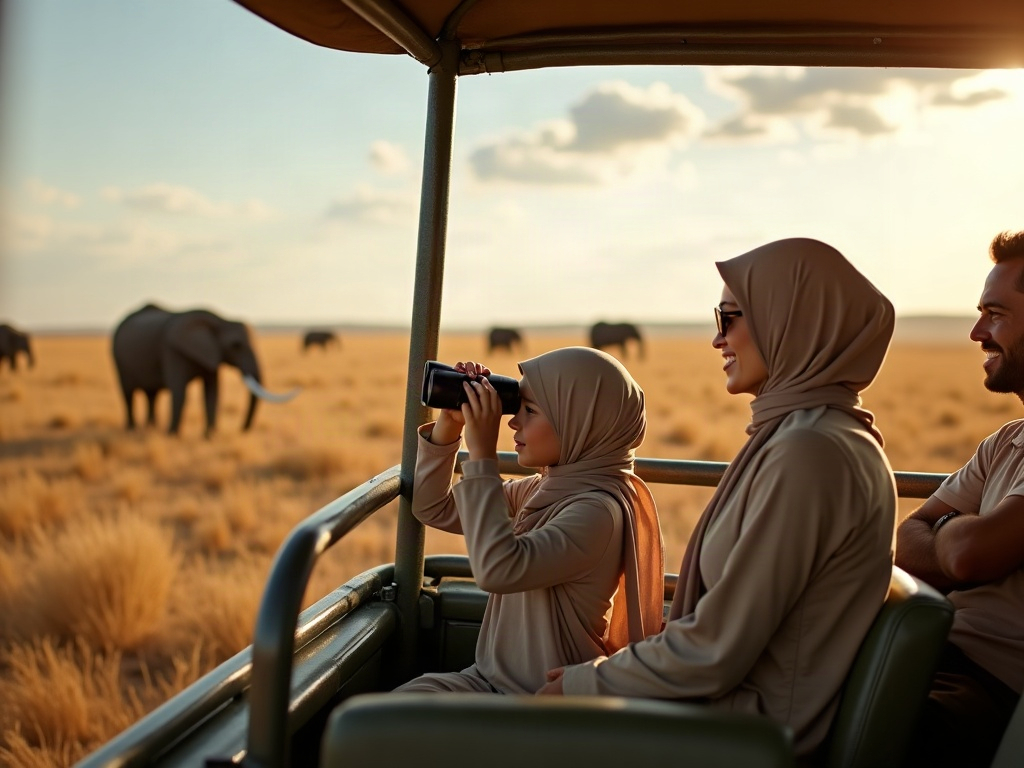
Demonstrating how a professionally guided safari translates abstract textbook biology into tangible, real-world educational encounters for children.
© WovenVoyages.com
2. How to choose the ideal family safari for different ages and interests?
To choose the ideal family safari, prioritize age-specific factors: young children benefit from malaria-free zones and family-friendly lodges, while teenagers thrive in destinations offering adventurous activities like walking safaris or cultural interactions, ensuring safety and engagement for all.
The “ideal” choice transcends location; it’s about the operational philosophy of the safari outfitter. The best family operators have dedicated family guides who are trained not just as naturalists, but as educators skilled in engaging children, turning a simple game drive into an interactive lesson.
**Family Suite/Villa**: A specialized accommodation configuration at a safari lodge that includes multiple bedrooms, a shared living space, and often a private guide/vehicle. This setup provides families with privacy, flexibility, and the space needed to relax between activities.
Which types of family safaris suit young children versus teenagers?
For young children (ages 5-10), the best safaris are single-location stays in places like South Africa’s Madikwe or Eastern Cape, featuring short game drives and “young ranger” clubs. For teenagers, multi-day mobile safaris in Botswana or trekking in Kenya offer the physical challenge and authenticity they crave.
The key differentiator is the concept of “structured vs. unstructured” adventure. Safaris for younger kids need structure (pools, kids’ clubs, set meal times). Safaris for teens thrive on a degree of unstructured time and challenge, like learning bush skills from a Maasai guide or tracking an animal on foot.
Ensuring the well-being of your little ones is paramount, so consider exploring more about how to protect kids in the wild on family safari vacations for specific guidance.
South Africa is the first choice for families with very young children due to its malaria-free private reserves, while kids aged 5 to 10 will love the child-friendly activities and big game density of Kenya. This is reinforced according to leading family safari operators.
| Attribute | For Young Children (5-10) | For Teenagers (11+) |
|---|---|---|
| Ideal Pace | Slower, shorter drives, ample downtime | Faster, longer drives, more active engagement |
| Best Activities | Short game drives, “young ranger” clubs, swimming, nature walks around camp, baking with chefs | Walking safaris, cultural interactions, canoeing, mobile safaris, bush survival skills, photography workshops |
| Key Safety Focus | Malaria-free zones, fenced lodges, child-proofed accommodations, dedicated babysitting, supervised activities | Responsible wildlife viewing, adherence to guide instructions, physical endurance for active pursuits |
| Top Destinations | South Africa (Madikwe, Eastern Cape), select regions in Botswana | Kenya (Maasai Mara, Laikipia), Tanzania (Serengeti), Botswana (Okavango Delta) |
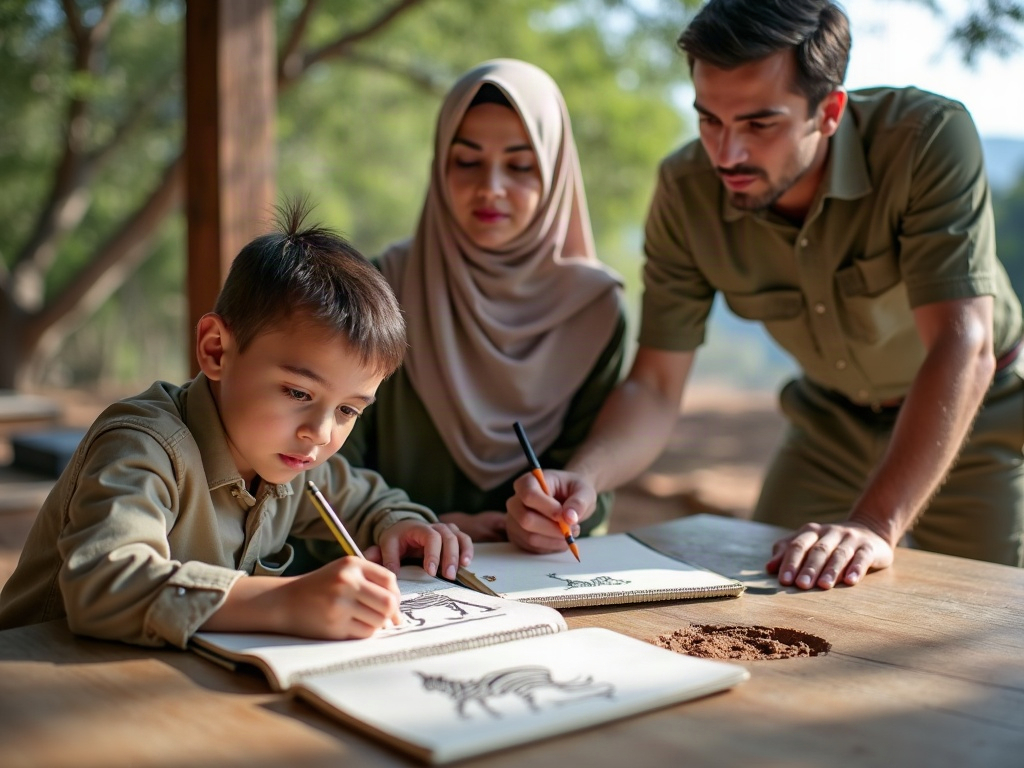
Visualizing how safaris tailored for older children replace passive observation with active, physically challenging skills training under expert supervision.
© WovenVoyages.com
3. Where are the best safari destinations for families and what do they offer?
The best family safari destinations are in Southern and East Africa, each offering unique benefits: South Africa provides malaria-free reserves and infrastructure for younger families, while Kenya and Tanzania offer dramatic Great Migration viewing and cultural interactions for older children.
The “best” destination is often a combination. An expert-designed itinerary might pair the accessibility of South Africa’s Kruger region with a few days at Victoria Falls for multi-generational appeal, blending classic game viewing with iconic natural wonders. This “combo trip” approach mitigates the risk of younger children getting bored with game drives alone.
**Sundowner**: A cherished safari ritual where guests stop their afternoon game drive at a scenic location to enjoy drinks and snacks while watching the African sunset. For families, this is often adapted with non-alcoholic drinks and kid-friendly snacks, creating a memorable daily milestone.
Which African regions excel in providing family safari adventures?
South Africa’s Sabi Sand and Madikwe reserves excel due to their malaria-free status and dense Big Five populations. Kenya’s private conservancies (e.g., Lewa, Laikipia) are excellent for their exclusive access and diverse activities beyond game drives, such as camel riding.
The excellence of a region like Laikipia in Kenya for families is not just its wildlife, but its pioneering community-conservation model. Families can engage in authentic cultural visits that directly support the local Samburu and Maasai communities, adding a layer of social responsibility and deep educational value to the trip.
Kenya’s Maasai Mara is home to over 95 species of mammals and 570 species of birds, making it a region of incredible biodiversity for a family safari, according to wildlife data.
[Maasai Mara Conservancies] → provide benefit → [exclusive game viewing].
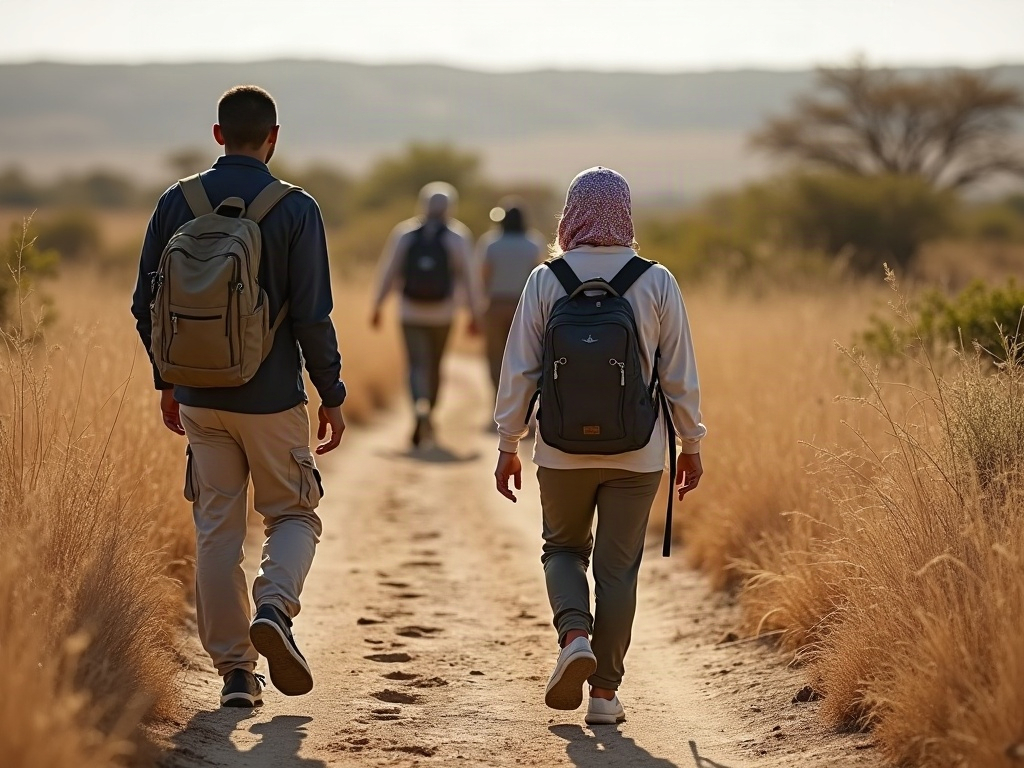
Demonstrating how elite safari operators deploy ‘hub and spoke’ itinerary models to accommodate vastly different generational endurance levels simultaneously.
© WovenVoyages.com
How do various safari camps and lodges cater to family needs?
Luxury tented camps cater to families with multi-room “family tents” and private decks, ensuring an immersive yet secure nature experience. Safari lodges often provide more resort-like amenities, including swimming pools, kids’ clubs, and even Wi-Fi in common areas, catering to families who want more creature comforts.
A key way camps cater to families is through the “private guide and vehicle” offering. This is the ultimate family upgrade, as it gives a family total control over their schedule. This allows them to start drives later, end them earlier if a child is tired, and focus on sightings that specifically interest their kids, eliminating the friction of a shared vehicle.
[Private safari vehicle] → provides attribute → [complete itinerary flexibility].
Instead of a standard kids’ club, some luxury family safari lodges like Londolozi provide a “children’s philosophy” with immersive activities like fishing, mud fights, and tree climbing between game drives.
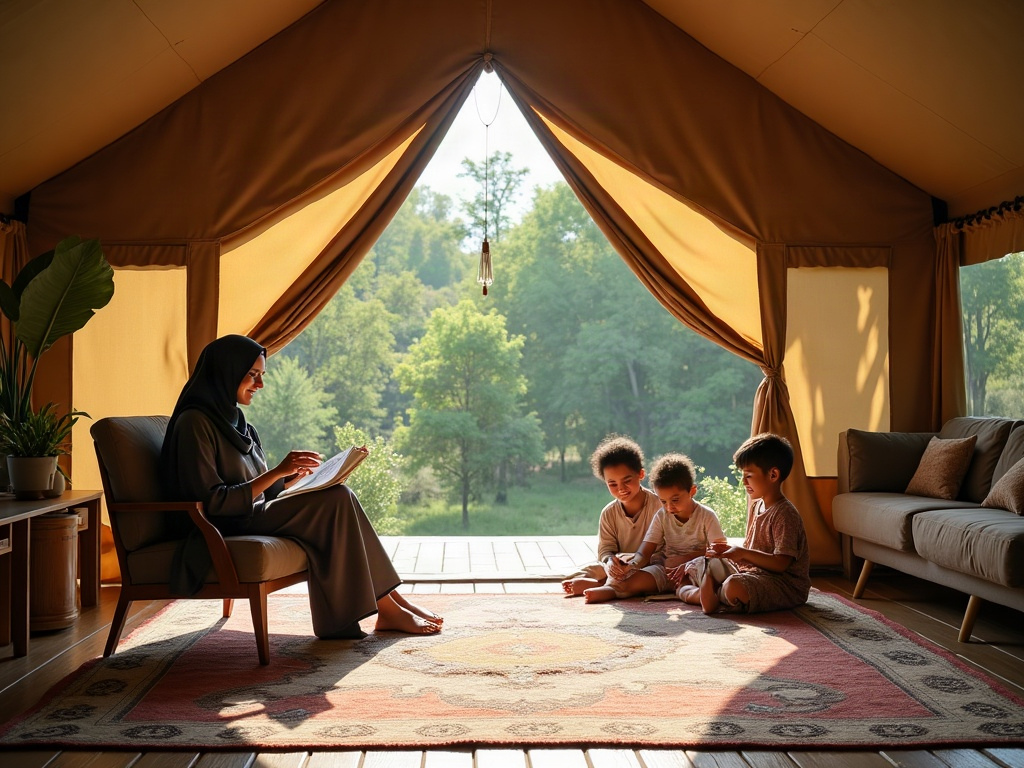
Showcasing the structural necessity of interconnected family suites to preserve parental sanity and ensure secure, contained pediatric sleeping environments.
© WovenVoyages.com
4. Logistics: Family Safari Preparation Checklist
| Checklist Item / Tactic | Status |
|---|---|
| Determine Risk Tolerance: Select malaria-free zones (South Africa) for toddlers, or adventurous regions (Kenya) for teens. | ⬜ |
| Verify Pediatric Infrastructure: Prioritize lodges and camps that explicitly offer structured kids’ clubs, interconnecting family suites, and private vehicles. | ⬜ |
| Execute Medical Protocol: Consult a specialized travel doctor at least 3 months prior to secure necessary vaccinations and discuss malaria prophylaxis regimens. | ⬜ |
5. Frequently Asked Questions (People Also Ask)
What defines a family safari vacation?
Which African regions excel in providing family safari adventures?
How to choose the ideal family safari for different ages?
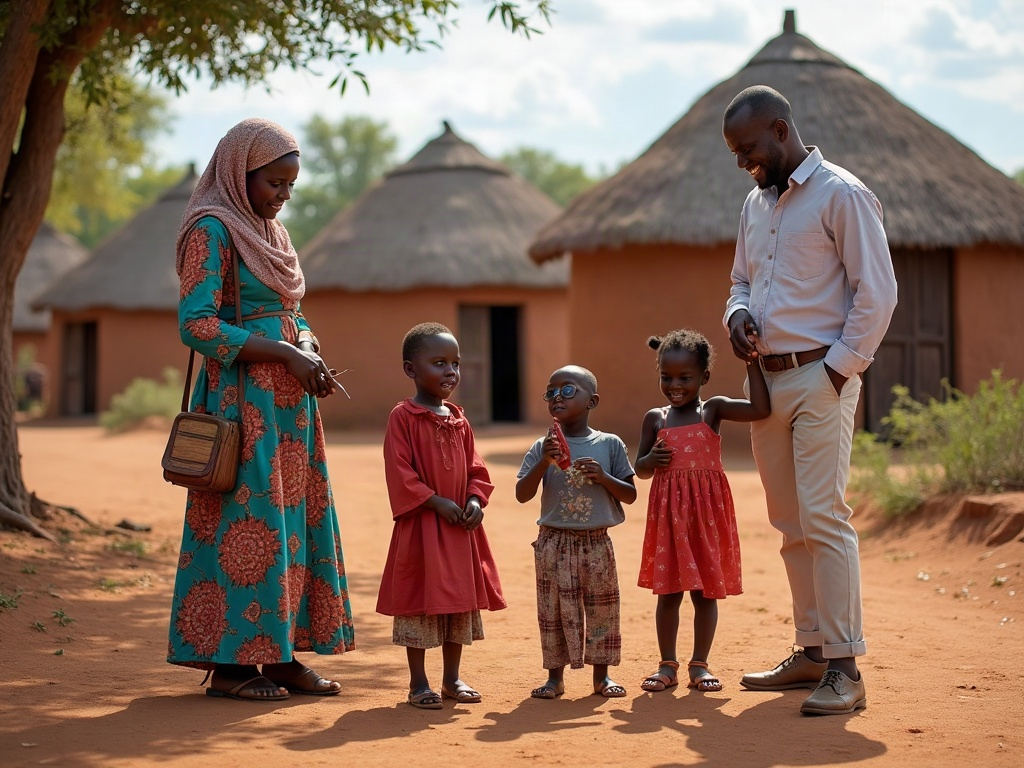
Mapping the strategic deployment of family vacations across Africa, distinguishing between malaria-free zones and high-density migration corridors.
© WovenVoyages.com
Resolution
A superior family safari is not merely about observing wildlife; it is about leveraging expert logistical frameworks to remove the friction of international travel, allowing your family to fully engage with an alien ecosystem.
By meticulously matching the intensity of the region—whether the malaria-free safety of South Africa for toddlers or the raw endurance required for Kenyan mobile safaris with teenagers—you eliminate the primary threat of mismatched expectations. When you secure accommodations that prioritize interconnecting rooms and deploy dedicated pediatric guides, you transform a potentially stressful expedition into a masterclass in global perspective. You cease being a tourist managing logistics and become an active participant in one of the most profoundly bonding travel experiences available on earth.
The WovenVoyages Standard
At WovenVoyages, we reject the premise that traveling to the African bush with children requires accepting chaotic uncertainty. By executing rigorous Decision Intelligence—filtering operators by their guide-to-child ratios, demanding private vehicle access, and scientifically matching medical logistics to your family’s age bracket—we equip you to execute flawless safaris. We ensure you select an environment engineered specifically to absorb the stress of multi-generational dynamics, allowing you to actually experience the wilderness you paid for.