Family Safari Safety: How Do You Protect Kids in the Wild?
Table of Contents
Family safari vacation safety is unique for children because their physical vulnerabilities, developmental stage, and innate curiosity introduce specific risks not present for adult travelers.
The unique challenge of family safari vacation safety stems from a child’s inability to regulate their behavior, their smaller physical size, and their lack of understanding of animal behavior. These factors combine to magnify potential dangers in a wild environment.
1. Why is family safari vacation safety unique for children?
Exploring the wild is a thrilling experience, much like other family adventure vacations, where balancing excitement with paramount safety considerations for children is always the goal.
A child’s lower height in an open vehicle can change their profile from an animal’s perspective, potentially being perceived as smaller, more vulnerable prey rather than part of the vehicle’s larger shape. This is a critical consideration guides make.
**Habituation (in wildlife)**: The process by which wild animals become accustomed to human presence (e.g., safari vehicles) and no longer view them as a threat, which can lead to a false sense of security for tourists on a family safari vacation.
Choose a safari operator with explicit family safari vacation programs if your children are under 10. These programs are designed around these unique vulnerabilities.
Before diving into the specifics of safety, it’s beneficial to gain a holistic understanding of how to prepare for the ultimate family safari vacation, covering all aspects of your wildlife trip.
Understanding these core vulnerabilities is the first step; next, we must identify the specific dangers they can lead to on your family safari vacation.
How do child vulnerability and curiosity increase risks on a family safari vacation?
Children’s natural curiosity and physical vulnerabilities escalate family safari vacation risks by prompting unpredictable actions, such as startling wildlife or interacting with dangerous flora and fauna. Their smaller stature and limited understanding of threats can result in more severe consequences from incidents like bites, falls, or startling animals.
Child vulnerability and curiosity increase risks on a family safari vacation by leading to unpredictable actions, such as sudden movements or loud noises that can startle wildlife, and by compelling them to touch or approach dangerous plants and animals.
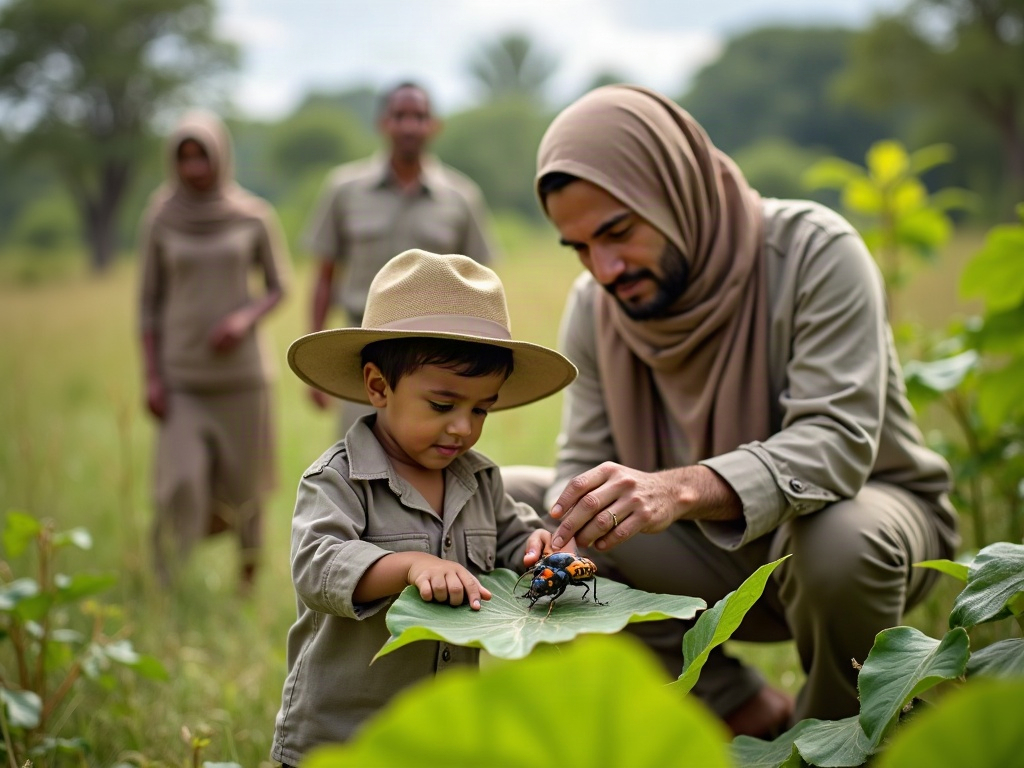
A child’s natural curiosity drives them to explore, which in a safari environment means they might wander from safe zones or try to interact with seemingly harmless animals that are actually dangerous. Their physical vulnerability means any resulting incident, from a bite to a fall, can be more severe than for an adult.
The most common risk from curiosity isn’t a lion attack, but a child picking up a “cool-looking” caterpillar with irritating hairs, or a scorpion hiding under a rock, leading to a painful but preventable incident.
Game drives often last upwards of three hours, a duration where a young child’s restlessness can lead to sudden movements or noises that increase risk. Seamlessly integrate behavioral guidelines and animal safety rules for children to set boundaries.
Child’s Action vs. Potential Consequence
- Child’s Action: Dangles hand from vehicle / Potential Consequence: Attracts attention from predators, insect bites
- Child’s Action: Runs ahead on a walk / Potential Consequence: Encounters unseen wildlife or dangerous plants
- Child’s Action: Makes loud noises / Potential Consequence: Startles animals, potentially leading to defensive behavior
These actions highlight the importance of understanding animal safety rules for children.
Author’s Experience
“My family safari vacations taught me that meticulous safety planning is paramount. From vetting lodges to understanding pediatric health needs, I’ve seen how comprehensive preparation transforms a family safari vacation. Ensuring my kids’ well-being let us immerse ourselves in Africa’s wonder, creating unforgettable, stress-free memories.”
What specific dangers do safaris pose for young children on a family vacation?
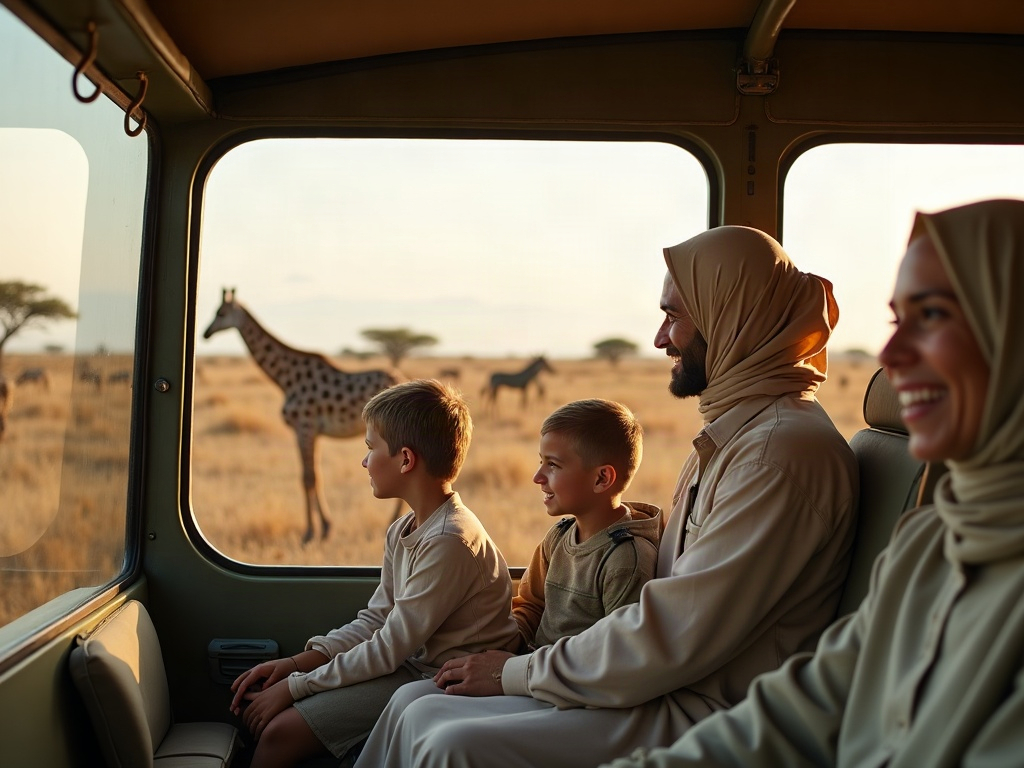
Safaris pose specific dangers for young children including direct wildlife encounters, vehicle-related accidents if rules are ignored, and health risks like malaria, dehydration, and severe sunburn. The remote environment complicates medical emergencies, making comprehensive prevention and preparedness vital for child safety on a family safari vacation.
The specific dangers safaris pose for young children range from encounters with large predators and unseen venomous creatures to environmental hazards like extreme sun exposure and infectious diseases.
Key dangers include wildlife encounters (both large animals and smaller ones like snakes and scorpions), vehicle-related incidents if safety rules are not followed, and health risks such as malaria, dehydration, and severe sunburn. The remote setting exacerbates any medical issue during your family safari vacation.
No matter the destination, be it the African wilderness or a sandy shore, understanding what conditions parents must check first for beach vacation safety provides valuable perspective on universal precautions for a family safari vacation.
The dangers can be categorized into three distinct buckets for clarity: 1) Wildlife-Related Risks, 2) Environmental & Health Risks, and 3) Human-Factor Risks (e.g., falling from a vehicle, wandering from camp).
Many safari lodges and game reserves will not permit children under the age of 6 on standard game drives due to the unpredictable nature of wildlife encounters. Health risks such as malaria necessitate proactive measures.
Categorized Dangers and Preventative Principles
- Wildlife-Related Risks: Encounters with dangerous animals like Black mamba snakes, Nile crocodile, or large predators. For wildlife risk, the principle is maintaining distance and supervision.
- Environmental & Health Risks: Extreme sun exposure, dehydration, and infectious diseases carried by insects like the Anopheles mosquito. For environmental and health risks, the principle is diligent preparation and protection.
- Human-Factor Risks: Falling from a vehicle or wandering from camp if not properly supervised. For human-factor risks, the principle is strict adherence to rules and constant vigilance.
2. What essential health preparations ensure a safe family safari vacation?
Essential health preparations to ensure a safe family safari vacation involve consulting a travel medicine specialist, administering required vaccinations and prophylactic medications, and packing a comprehensive pediatric first-aid kit.
To ensure a safe family safari vacation, parents must address pre-trip medical needs, including all necessary shots and anti-malarials, and prepare for in-country health risks by packing for insect prevention and emergency first aid. This process should begin 4-6 months before departure.
Highlight the importance of obtaining a signed, dated letter from the prescribing physician for any controlled or liquid medications for children, as required by some countries’ customs officials (e.g., in the UAE or South Africa).
**Prophylaxis**: Actions taken to prevent disease. In a family safari vacation context, this most commonly refers to taking antimalarial medication *before*, *during*, and *after* visiting a malaria-endemic area.
Choose a destination in a “malaria-free safari South Africa” zone, like the Eastern Cape or Madikwe, if you wish to avoid the complexities of antimalarial medications for very young children.
With the overall health strategy defined, it’s crucial to drill down into the two most critical components: vaccinations and insect-borne disease prevention.
Pre-Travel Health Planning Timeline
- 4-6 Months Before: Consult a travel medicine specialist for vaccinations and prophylactic medications.
- 1 Month Before: Assemble a pediatric-specific first-aid kit.
- During Travel: Plan for insect and sun protection.
Which vaccinations and medications are crucial for kids on a family safari vacation?
Crucial health measures for kids on a family safari vacation involve ensuring routine immunizations are current and obtaining travel-specific vaccines like Yellow Fever, Typhoid, and Hepatitis A, as advised by a doctor. Non-negotiable in endemic areas are pediatric-dosed antimalarial medications, carefully prescribed to match the child’s weight and destination.
The crucial vaccinations and medications for kids on a family safari vacation include ensuring routine childhood immunizations are up-to-date, along with travel-specific vaccines such as Yellow Fever, Typhoid, and Hepatitis A, and essential prophylactic drugs like antimalarials.
Consult a travel doctor, but expect to need updates on standard shots (MMR, DTaP) plus specific vaccines for your destination, like Yellow Fever for parts of East Africa. Antimalarial medication, such as pediatric Malarone, is non-negotiable in endemic zones.
Explain the concept of weight-based dosing for pediatric antimalarials and why it’s critical to have a doctor calculate the precise dose. Mention that some medications, like Doxycycline, are generally not recommended for young children, narrowing the safe options.
Malaria is a significant risk, and children under 5 years old are especially vulnerable to severe, rapidly progressing forms of the disease, making travel to malaria-endemic areas not recommended for this age group on a family safari vacation. Pediatric Malarone or similar antimalarial drugs for children are highly recommended based on physician guidance.
| Vaccine/Medication | Protects Against | Common Safari Regions Where Needed |
|---|---|---|
| Yellow Fever | Yellow Fever | Parts of East Africa (e.g., Kenya, Tanzania, Uganda, Rwanda) |
| Typhoid | Typhoid Fever | All high-risk areas with poor sanitation |
| Hepatitis A | Hepatitis A | All high-risk areas |
| Antimalarials (e.g., pediatric Malarone) | Malaria | Malaria-endemic zones (e.g., most of Sub-Saharan Africa) |
Please remember, this content is for planning purposes; the final authority is a qualified travel medicine physician.
How do you prevent insect-borne diseases in young safari-goers?
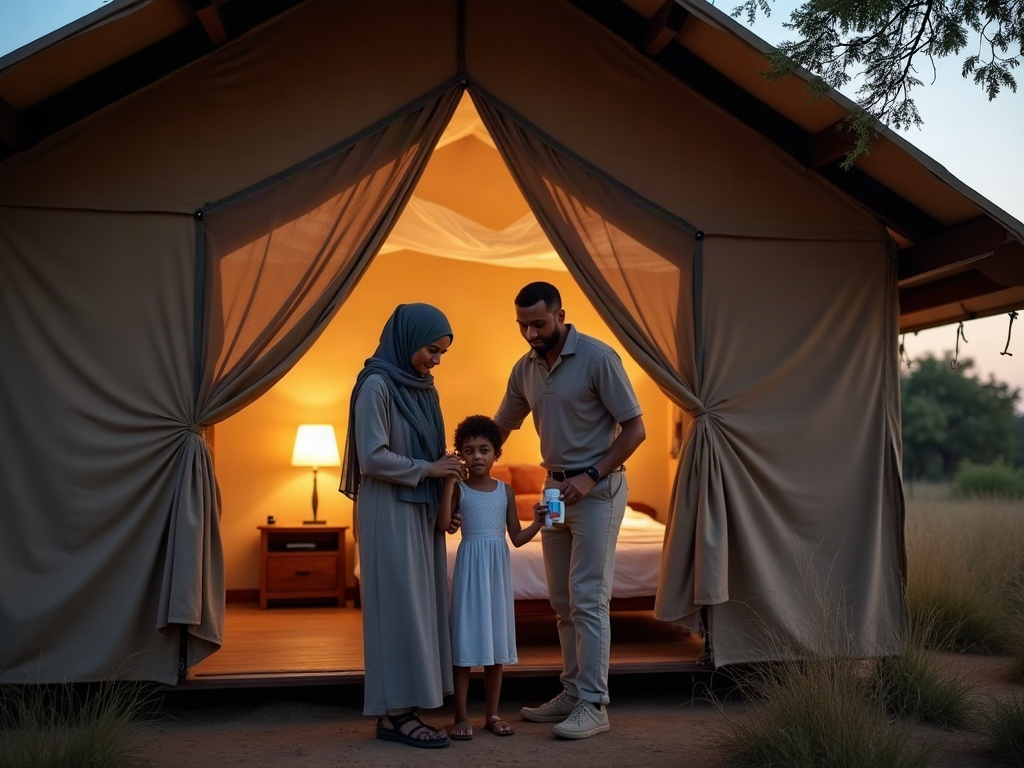
Preventing insect-borne diseases in young safari-goers on a family safari vacation involves a multi-pronged approach: applying child-safe repellents like DEET or Picaridin to exposed skin, treating clothing with permethrin, and dressing children in long sleeves and pants during peak insect activity. Employing mosquito nets further enhances protection.
You prevent insect-borne diseases in young safari-goers by employing a multi-layered strategy that includes using an effective insect repellent, treating clothing with permethrin, and ensuring children wear protective long sleeves and pants, especially at dusk and dawn.
The best prevention is a combination of chemical barriers and physical barriers. Use a child-safe repellent containing DEET or Picaridin on exposed skin, and cover up with long, loose, light-colored clothing, particularly during peak mosquito activity times.
Proper preparation extends beyond health precautions; knowing what to pack for a family safari vacation is essential for comfort and safety in the wild.
Explain the “Bite-Barrier Method”: 1) Skin (Repellent), 2) Clothes (Permethrin-treated), 3) Environment (Mosquito net). Emphasize that repellents do *not* kill mosquitos, they just deter them, which is why all three layers are important.
Protection from the sun is as critical as insect protection; it is recommended to use a sunscreen with an SPF of 30 or higher and reapply it repeatedly. Incorporate DEET or Picaridin based on safe insect repellent guidance.
Daily Insect Protection Routine
- ☐ Apply repellent after sunscreen.
- ☐ Dress child in long sleeves before evening.
- ☐ Check mosquito net for holes before bed.
- ☐ Be aware of areas with tsetse fly presence and take extra precautions.
For preventing bug bites in Africa, when applying chemical repellents to children, it’s best to spray on parents’ hands first, then apply to the child, avoiding their hands and mouth.
3. How do you choose the safest safari operators for a family safari vacation with kids?
Selecting the safest safari operators for a family safari vacation entails verifying their guides’ qualifications and experience with children, scrutinizing emergency protocols, and confirming child-specific safety features. Prioritize operators offering dedicated family safari vacation programs rather than those merely permitting children, ensuring tailored safety and engagement.
You choose the safest safari operators for a family safari vacation with kids by verifying their guide qualifications, scrutinizing their emergency protocols, and confirming they offer specific child-oriented safety features and programs.
The safest operators are those with proven experience hosting a family safari vacation, guides trained in engaging children safely, and established procedures for pediatric emergencies. Look for explicit “family safari vacation” programs, not just operators who allow children to tag along.
Advise parents to ask operators for their policy on “private vehicles.” A private vehicle guarantees that your family’s pace (and need for bathroom breaks or shorter drives) won’t disrupt other guests, which is a major source of stress and can lead to rushed, less safe situations.
**FGASA (Field Guides Association of Southern Africa)**: The gold standard for guide qualification in Southern Africa. A higher FGASA level (e.g., Level 2 or 3) indicates more experience and advanced training, including in dangerous game encounters.
Choose an operator who mandates a private vehicle for a family safari vacation with children under a certain age (e.g., 8 or 10). This is a strong signal that they understand family safari vacation dynamics.
Beyond the operator’s overall philosophy, you must dig into the specific details of their staff’s training and the hardware they use.
Operator Vetting Checklist
- ☐ Do they have explicit “family safari vacation” programs?
- ☐ Do their guides have experience and training with children?
- ☐ Are their emergency protocols clear and pediatric-specific?
- ☐ Do they offer private vehicles for a family safari vacation?
- ☐ Do they understand family safari vacation dynamics and pace?
A focus on child safety differentiates a premium family operator from a standard one, empowering parents to confidently select an operator.
What questions should you ask about guide training and emergency response for children?
When vetting safari operators for children’s safety, inquire about guides’ specific training in pediatric first aid and experience with a family safari vacation. Essential questions include detailed emergency medical evacuation procedures, average local medical response times, and whether guides possess interpretive skills suitable for engaging children effectively.
The questions you should ask about guide training and emergency response for children must cover their experience with a family safari vacation, their pediatric first-aid certification level, and their specific, time-lined protocol for medical evacuation.
Ask “Are your guides specifically trained to work with children?” and “What is your step-by-step procedure if a child has a severe allergic reaction or injury?” followed by “What is your average response time for local medical help and for air evacuation?”
A key differentiator is asking “Does your guide training include interpretive skills for children?” A guide who can engage a child with stories about animal tracks is a guide who has that child’s focused attention, which is a critical safety tool.
Experienced operators who cater to a family safari vacation are common; for example, some report that about one in five of their safari tours include children, indicating a significant level of experience in family safety. Inquire if they coordinate with medical evacuation insurance or specific flying doctor services.
Questions you MUST ask your operator
- Are your guides specifically trained to work with children?
- What is your step-by-step procedure if a child has a severe allergic reaction or injury?
- What is your average response time for local medical help and for air evacuation?
- Does your guide training include interpretive skills for children?
- Do guides have FGASA qualifications?
- Do you coordinate with professional medical evacuation services for emergencies?
A reputable operator will welcome these detailed questions and have immediate, confident answers. Hesitation is a red flag.
Which vehicle safety features are non-negotiable for young children?
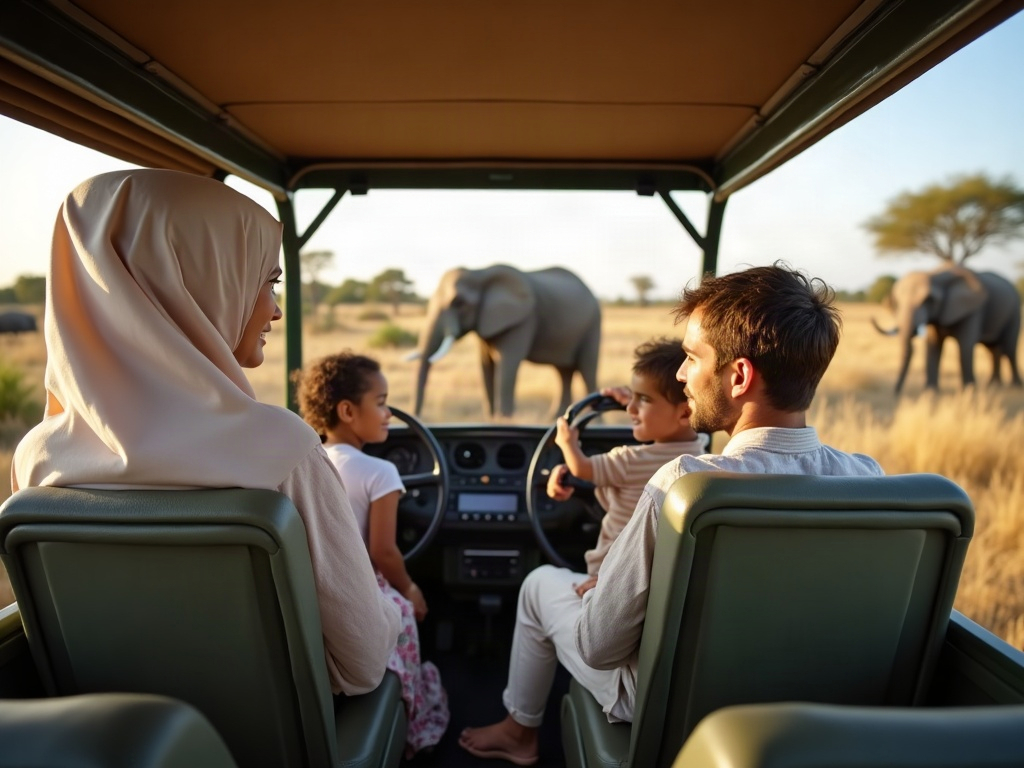
Non-negotiable vehicle safety features for young children on a family safari vacation include high-sided, stable vehicles equipped with functioning seat belts or car seat securing systems. Clear separation from wildlife and sufficient height to prevent falling or reaching out are paramount, often favoring closed or specially modified open vehicles for maximum security.
The non-negotiable vehicle safety features for young children on a family safari vacation are high-sided vehicles, functioning seat belts or a system for securing a car seat, and a clear separation or sufficient height to prevent a child from falling or reaching out.
For young children, insist on a vehicle with either closed windows or very high sides and tiered seating that places them well above the edge. While open vehicles offer better photos, the safest choice for toddlers is a closed vehicle or a highly modified open one.
The journey itself, whether it’s on a game drive or a long drive across the country, should prioritize safety as much as the destination, avoiding unnecessary risks on your family safari vacation.
The “best” vehicle type is age-dependent. For children 6 and under, a closed vehicle (like a modified Toyota Land Cruiser common in East Africa) is often safest. For older, more disciplined children, a well-designed open vehicle (common in Southern Africa) with tiered seating is excellent.
While many imagine rough dirt tracks, some of the most famous parks, like Kruger National Park in South Africa, have an extensive network of tarred roads, making for a smoother and safer ride for a family safari vacation. Private safari options for families can also ensure you control the pace of the drives.
Safari Vehicle Safety for Kids: Comparison
| Feature | Open-Sided Vehicles | Closed Vehicles |
|---|---|---|
| Pros for a Family Safari Vacation | Better photography, immersive experience (for older children) | Maximum safety barrier, weather protection, quiet interior |
| Cons for a Family Safari Vacation | Less physical barrier, higher risk for very young children | Less immersive experience, potential for obstructed views |
Regarding car seats, most operators cannot provide them, but some may allow parents to fit their own in a private vehicle.
4. Which type of safari accommodation best protects young children in the wild?
For young children on a family safari vacation, fully fenced lodges or camps offer the best protection by creating a secure perimeter that prevents wildlife entry. This allows children greater freedom to explore within safe confines, reducing constant parental vigilance, unlike unfenced, immersive camps more suitable for adults or older teenagers.
The type of safari accommodation that best protects young children in the wild is a fully fenced lodge or camp that physically separates the living areas from free-roaming wildlife.
For a family safari vacation with young, mobile children, a permanently fenced safari lodge is the safest option, as it allows children some freedom to move around without constant, direct fear of wildlife encounters. Unfenced, “immersive” camps are generally better suited for adults or families with older teenagers.
Just like planning family camping vacations, choosing the right shelter in a safari environment is a critical step in ensuring comfort and, most importantly, safety for everyone.
Differentiate between a “fenced camp” (often a permanent electric fence) and an “unfenced camp” where Maasai askaris (guards) provide security. While askaris are highly skilled, a physical fence provides a non-negotiable, 24/7 barrier that is safer for toddlers who can wander off in seconds.
**Askari**: A Swahili word for ‘soldier’ or ‘guard.’ In a safari context, these are typically local tribesmen (often Maasai) employed by camps to protect guests from wildlife, especially at night.
Choose a fully fenced lodge with family suites if your children are under 8 years old. This minimizes risk and parental anxiety, leading to a more enjoyable family safari vacation for everyone.
Once you’ve decided on the type of camp, the next step is to examine the specific safety features within that accommodation.
Accommodation Comparison (Child-Safety Pros & Cons)
- Fenced Lodge: Pro – Physical barrier, allows freedom. Con – Less “wild” immersion.
- Tented Camp: Pro – Authentic experience. Con – Less physical barrier, constant vigilance needed.
- Mobile Camp: Pro – Deep immersion. Con – Highest vigilance, minimal fixed security.
A physical fence eliminates the risk of a child wandering into the path of wildlife.
How do fenced camps and family-friendly lodges enhance child safety?
Fenced camps and family-friendly lodges significantly enhance child safety by providing a physical barrier against dangerous wildlife, allowing children controlled freedom. Amenities like secured pools and inter-leading family suites, combined with reduced noise/light restrictions after dark, ensure both security and a more comfortable family safari vacation experience.
Fenced camps and family-friendly lodges enhance child safety by creating a secure perimeter that prevents wildlife from entering guest areas, allowing children more freedom to play and families to relax their vigilance slightly.
The primary safety enhancement is the physical barrier against large or dangerous animals. This allows for amenities like unfenced swimming pools, lawns, and walkways that would be unsafe in an open camp, providing a “safe zone” for a family safari vacation.
A key, often overlooked benefit is noise reduction and light discipline. In unfenced camps, guests must be quiet and use only red-light torches at night to avoid disturbing animals. Fenced lodges allow for more normal family life after dark without compromising safety.
To ensure safety, many lodges and camps have strict age policies, often not allowing children under 12 or even 16 to stay, particularly in unfenced camps where wildlife roams freely. Safari age limits by activity and region vary, so verify before booking.
Safety-Enhancing Features of Fenced Lodges
- Physical fence
- Raised walkways
- 24/7 power
- Inter-leading rooms
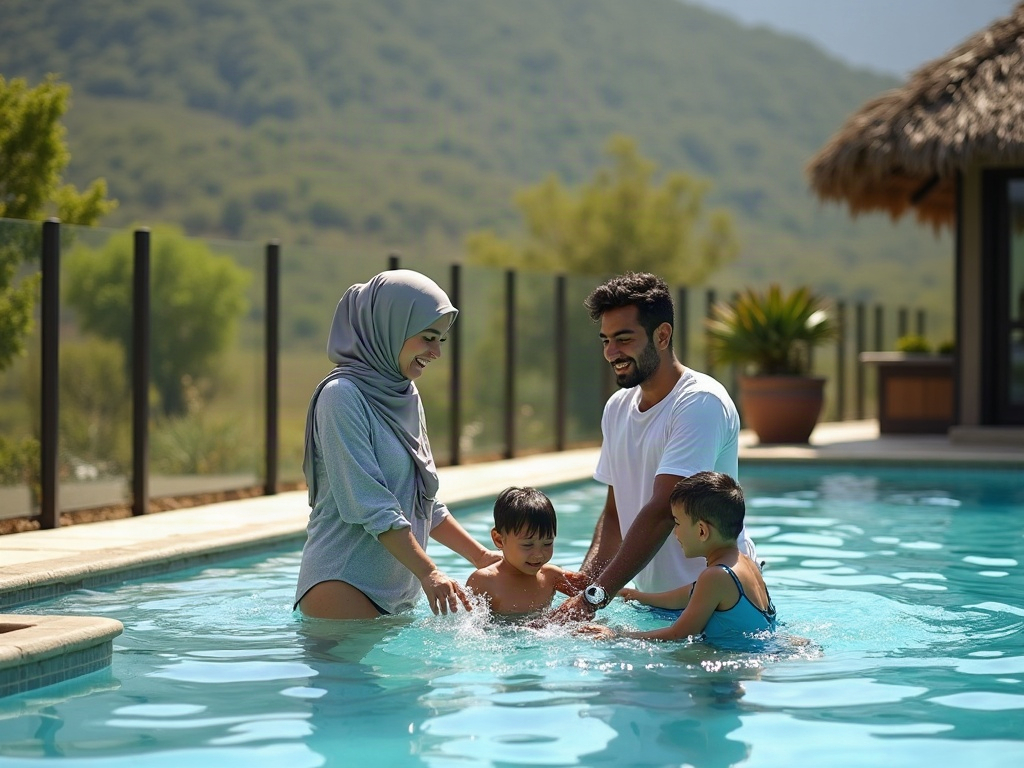
- Secured pools
These features demonstrate an operator’s experience with the unique needs of family travelers, making them a true child-friendly safari lodge.
What security measures should you look for in safari lodges?
Essential security measures in safari lodges for a family safari vacation include 24-hour personnel, robust in-room locking mechanisms, safe-boxes, and well-illuminated pathways. Clear emergency communication systems, trained night guards (askaris), and a defined protocol for guest escorts after dark collectively ensure both wildlife and personal safety.
The security measures you should look for in safari lodges include 24-hour personnel, effective in-room locking mechanisms, well-lit pathways, and clear emergency protocols and communication systems.
Look for a combination of physical security and procedural security. This means solid doors that lock, safe-boxes for valuables, and also trained staff, night guards (askaris), and a reliable way to call for help from your room, like a radio or phone.
Advise parents to check the *type* of locks on tented rooms. A simple padlock on the outside of a canvas zipper is a common but minimal deterrent. A lodge with solid, lockable wooden doors integrated into the tent structure provides far greater peace of mind and security for a family safari vacation.
Certain high-adventure activities offered by lodges have strict, non-negotiable age limits for safety; for instance, the minimum age for gorilla trekking in Rwanda or Uganda is typically 16 years old, managed by responsible gorilla trekking tours guidelines.
Lodge Security Checklist
- ☐ 24-hour personnel on site.
- ☐ Robust in-room locking mechanisms and safe-boxes.
- ☐ Well-illuminated pathways, especially at night.
- ☐ Clear emergency communication systems (e.g., radio, phone).
- ☐ Trained night guards (askaris) for escort after dark.
- ☐ Elevated rooms on stilts for additional security from wildlife and intruders.
Differentiating between “wildlife security” (fences, guards) and “personal security” (room locks, safes) is key.
5. Logistics: Family Safari Vacation Safety Checklist
| Checklist Item / Tactic | Status |
|---|---|
| Pre-Trip Health Planning: Consult a travel medicine specialist (4-6 months prior). | ⬜ |
| Vaccinations & Medications: Ensure all routine and travel-specific immunizations are current; acquire pediatric-dosed antimalarials. | ⬜ |
| Insect & Sun Protection: Pack child-safe repellents, permethrin-treated clothing, and high SPF sunscreen. | ⬜ |
| Operator Selection: Verify guides’ experience with children, emergency protocols, and child-specific safety features for a family safari vacation. | ⬜ |
| Vehicle Safety: Confirm high-sided vehicles with seat belts, or modified closed vehicles for young children. | ⬜ |
| Accommodation Choice: Prioritize fully fenced lodges or camps with family-friendly amenities. | ⬜ |
| Lodge Security: Check for 24-hour personnel, robust in-room locks, and clear emergency communication. | ⬜ |
Frequently Asked Questions
How do child vulnerability and curiosity increase risks on a family safari vacation?
Children’s natural curiosity and physical vulnerabilities escalate safari risks by prompting unpredictable actions, such as startling wildlife or interacting with dangerous flora and fauna. Their smaller stature and limited understanding of threats can result in more severe consequences from incidents like bites, falls, or startling animals.
What specific dangers do safaris pose for young children on a family vacation?
Safaris pose specific dangers for young children including direct wildlife encounters, vehicle-related accidents if rules are ignored, and health risks like malaria, dehydration, and severe sunburn. The remote environment complicates medical emergencies, making comprehensive prevention and preparedness vital for child safety on a family safari vacation.
Which vehicle safety features are non-negotiable for young children?
Non-negotiable vehicle safety features for young children on a family safari vacation include high-sided, stable vehicles equipped with functioning seat belts or car seat securing systems. Clear separation from wildlife and sufficient height to prevent falling or reaching out are paramount.
Resolution
Ensuring family safari vacation safety for children requires a proactive, multi-faceted approach, encompassing thorough health preparations, careful selection of operators and accommodations, and strict adherence to safety protocols. By addressing vulnerabilities and anticipating potential dangers, parents can transform a challenging environment into an unforgettable, secure, and educational family safari vacation for their young explorers.