How to Communicate Special Needs to Airlines and Hotels?
Table of Contents
To successfully get the right help from airlines and hotels, you must clearly explain your family’s special needs well before your vacation begins to lock in your accommodations.
Speaking up early helps prevent problems on the day of your vacation. By explaining exactly what you need ahead of time, you make sure the airline and hotel are ready for you. This turns potential roadblocks into confirmed solutions before you even leave home. This proactive approach is a major part of planning a successful special needs family vacation.
. Why is communicating special needs to airlines and hotels essential for travelers?
Reaching out to airlines and hotels early is absolutely vital because it protects your family’s legal rights and guarantees that the specific resources you need are ready when you arrive.
Planning ahead lowers the risks on your vacation day and forces travel companies to make reasonable changes under laws like the Air Carrier Access Act. Doing this prevents last-minute headaches by making sure the resources you need are locked in before you even start your vacation.
By communicating early, you create a written record. This isn’t just a friendly request; it’s creating a service agreement. This record is very important if a hotel or airline doesn’t provide the help they promised on the day of your vacation. The Air Carrier Access Act (ACAA) is the U.S. law that says airlines cannot discriminate against people with disabilities and must provide specific help. A family must do this to protect the money they spent on the vacation; a ruined flight or hotel check-in can spoil a vacation before it really starts.
What are the benefits of proactive special needs communication for travel?
Proactive special needs communication for a vacation offers guaranteed resource availability, reduced stress, and enhanced safety for family members with special needs.
Speaking up early makes sure important things like accessible rooms, front-row seats, or special equipment are saved and ready for you, stopping last-minute struggles. It also helps the staff get ready, so they can give you better and kinder help, which lowers your stress and makes the vacation more fun and safe.

According to resources from the U.S. Department of Transportation, many adults with travel-limiting disabilities avoid taking trips, which shows how hard it can be to travel without good access and early planning.
Besides making things easier, a big benefit is “staff preparedness.” When the workers know you are coming, they aren’t just reacting to a problem; they are ready to help, which makes the service much better. These benefits directly lead to a better and safer family vacation.
What types of special needs require pre-communication for air and hotel travel?
Virtually all types of special needs, including mobility, medical, sensory, and dietary requirements, require pre-communication for a successful air and hotel vacation experience.
You must tell the travel companies early about any need that requires special equipment, extra staff, or things that might sell out quickly. This includes needs people can see (like needing a wheelchair) and needs people cannot see (like bad food allergies or needing a quiet space) to make sure you get the right help safely.

The CDC notes that many adults have some type of disability, such as trouble hearing, moving, or seeing, that might require special help during a vacation.
The “gray area” of moderate needs (like a child with anxiety who needs to get on the plane early, or a guest who needs a quiet room away from the elevator) also requires communication. Companies are usually more willing to help with these softer requests if you ask nicely and early.
. What key information should travelers prepare for special needs communication with travel providers?
Travelers must prepare a consolidated “special needs dossier” for communication with travel providers, containing precise medical details, equipment specifications, and specific assistance requirements.
A “special needs dossier” is a very important file that has the traveler’s full name, booking number, flight or room details, and a clear, short list of exactly what help is needed (like “wheelchair from curb to gate” or “roll-in shower”). Having all this information ready makes sure you tell every travel company the exact same thing.
The best way to do this is to make a master document on your computer that you can copy and paste from. This stops you from forgetting an important detail when you are making your third phone call of the day. It also keeps your story straight with the airline, hotel, rental car place, and cruise line. Passenger Name Record (PNR) is the special code for your ticket in the airline’s computer. Giving them your PNR is the fastest way for the airline workers to find your details. Put this information packet together before you buy your tickets if your needs are complicated; this lets you make sure a place can help you before you spend your money.
What specific medical details or accessibility requirements are crucial to share?
The most crucial specific medical details to share are those that impact mobility, require equipment, or present a life-safety issue, such as severe allergies.
You must be very specific. Do not use vague words; give them exact facts. For example, instead of saying “needs help walking,” say “requires wheelchair assistance from check-in to aircraft seat; cannot climb stairs.” For allergies, say “severe airborne peanut allergy requiring buffer zone,” giving every detail so there is no confusion.
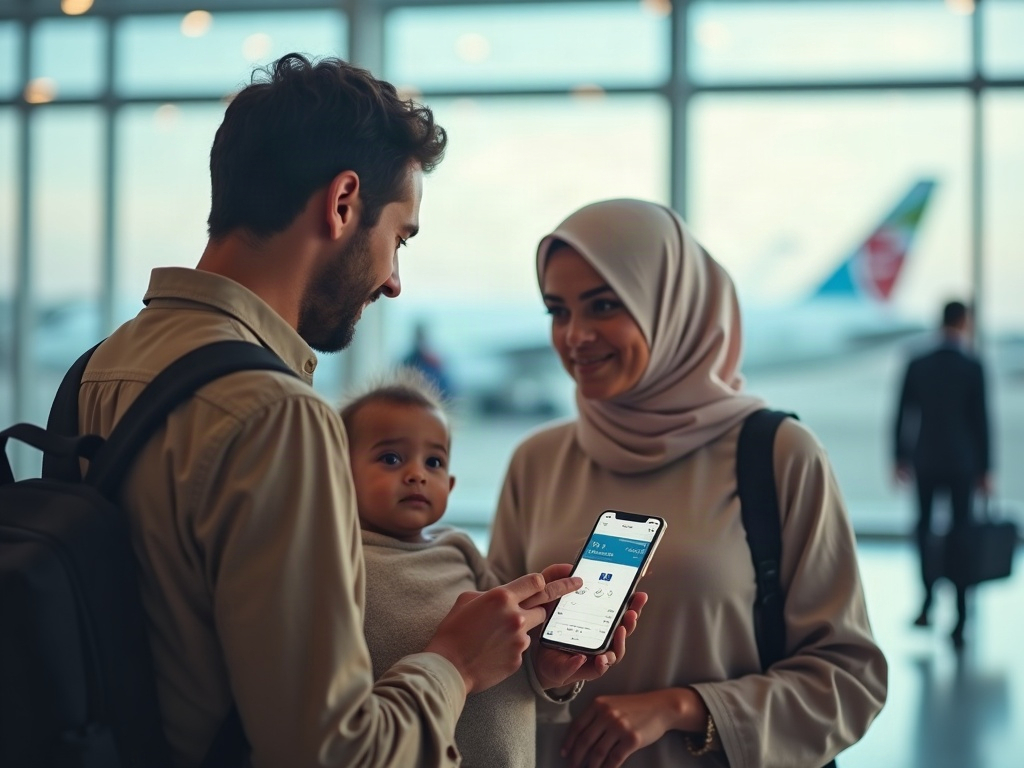
Because many adults use a motorized scooter or wheelchair, giving the airline the exact size and battery type is very important so they handle and store it safely.
Give exact numbers for everything. Tell them the weight and size of a personal wheelchair, the type of Portable Oxygen Concentrator (POC), or the exact list of foods you cannot eat. Numbers make it perfectly clear for the hotel or airline. This level of detail shows you know how to travel well and usually gets you better help.
What documentation or certifications support special assistance requests for travel?
Official documentation, such as a doctor’s note, medical certificates, and government-issued forms, provides critical support to validate and secure special assistance requests for your vacation.
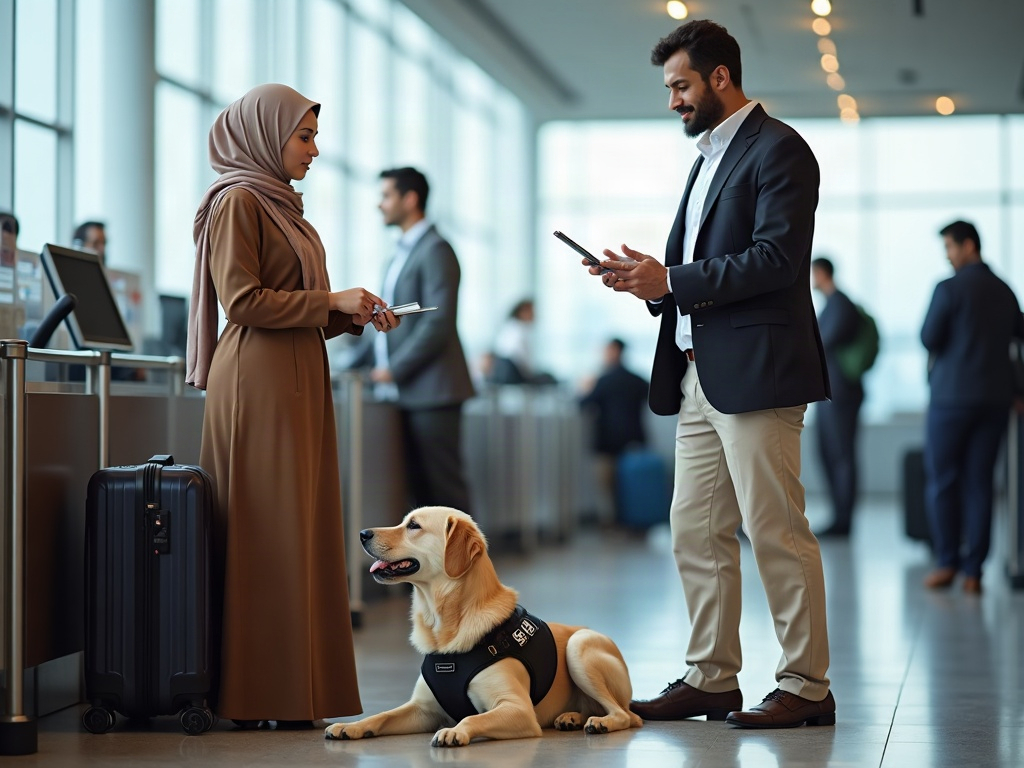
Specific paperwork proves you need the special help. Airlines need the U.S. DOT Service Animal Air Transportation Form for service dogs and a doctor’s note for medical equipment like a Portable Oxygen Concentrator, explaining why you need it. Always carry both digital pictures on your phone and multiple paper copies of all these documents.
According to the Department of Transportation, airlines can require passengers to fill out specific forms to prove their service animal is healthy and trained.
Pro tip: Always carry both digital and multiple physical copies of all documentation. A dead phone battery should not be the one thing that stops your family from getting on the airplane. Keep copies with different family members. Use the exact names of the documents, like “Medical Information Form” or “doctor’s note on letterhead.” Hotels are usually more relaxed, but having a doctor’s note can help you get things that aren’t strictly required by law, like a mini-fridge for medicine.
. How to effectively communicate special needs to airlines for your flight?
To effectively communicate special needs to airlines, you must use a multi-channel approach: notify them at booking, follow up with their special assistance desk via phone, and re-confirm 48-72 hours before your flight.
The best way to tell airlines about special needs is a three-step process: telling them when you buy the tickets, calling their special help desk, and calling again to check 48-72 hours before you leave. Doing this three times makes sure your requests are saved in your booking code (PNR).
The person working at the gate has the final say on the day you travel. Even if you checked early, you must talk to the gate agent as soon as you get to the gate to say hello and nicely check that everything is ready (like, “Just checking you know about the early boarding for our son and the aisle chair for my mom”). A Complaint Resolution Official (CRO) is an airline worker trained in disability laws who must be available to fix any problems that come up. Knowing this title gives you power if you have an argument. Use the airline’s website for easy requests (like a normal wheelchair) and call them directly for hard ones (like traveling with medical machines). Securing airline assistance follows a clear timeline, starting with the crucial question of when to make the first contact.
When should you contact airlines regarding special assistance requests?
You must contact airlines regarding special assistance requests at the time of booking, or at an absolute minimum, 48 hours before your flight, as mandated by the Air Carrier Access Act.
Tell the airlines what you need when you buy your tickets, and then you must call them again 48-72 hours before you leave to make sure they didn’t forget. If you are flying to another country, you might have to tell them even earlier (72 or 96 hours), so always check the rules for your specific airline.

For international flights on foreign airlines, you might have to tell them much earlier (up to 72 or 96 hours). Do not guess that the 48-hour U.S. rule works everywhere. Following this timeline protects your family from arriving at the airport only to find the airline isn’t ready to help.
Author’s Experience
“Navigating travel with my child’s sensory sensitivities taught me the power of proactive planning. A simple phone call outlining specific needs transformed chaotic airport experiences into calm, managed transitions, proving that detailed communication truly makes all the difference.”
What is the best way to make special needs requests with airlines?
The single best way to make special needs requests with airlines is by calling the dedicated special assistance or accessibility desk directly after making your initial request online.
While you can click a “special assistance” box on the website, the best way is to actually call the airline’s special help desk. Talking to a real person lets you explain things clearly, ask questions, and get them to promise they understand, which makes sure the notes are put into your booking code correctly.
When you call, ask the worker to read the notes they typed into your file back to you. This proves they typed it correctly. This simple check stops many problems. If your request is simple, use the website. If it is hard (like bringing a service dog and a medical machine), call them on the phone. The goal is to get the notes typed into your file correctly.
How can you confirm special accommodations with your airline before travel?
You must confirm special accommodations with your airline by obtaining a written confirmation via email and getting a reference number during a final confirmation call.
To make sure the airline is ready, always ask them to send an email showing the help they promised, or write down the worker’s name and email customer service yourself to create a record. Very importantly, look at your boarding pass for special codes (like WCHC). If the codes aren’t there when you check in, fix it right then so you don’t have problems at the gate.
Getting this confirmation is very important; aviation resources note that airlines sometimes mishandle mobility devices, so having a paper trail is essential.
The best confirmation is seeing the special code on your boarding pass. Look for letters like “WCHC” (wheelchair to seat). If you don’t see it when you check in, you have time to fix it before you get to the airplane. Get it in writing. Having emails is very helpful if you need to argue with a Complaint Resolution Official (CRO) later.
. How to effectively communicate special needs to hotels for your stay?
To effectively communicate special needs to hotels, you must contact the hotel directly—not the central booking line—both at the time of booking and again before arrival to confirm with the front desk manager.
Good communication with hotels takes two steps: typing your request when you book online, and then calling the actual hotel building right away. This skips the national call center and connects you with the local managers who can actually save a specific accessible room for your family.
Ask to talk to the “Front Office Manager” or “Director of Rooms.” These bosses control which room people get and can “block” a specific room for you, so it doesn’t get given to someone else by mistake. A “Room Block” means they type your name next to a specific room number to guarantee it will be there. If you absolutely need a certain room type for your family (like rooms next to each other, or a room with a kitchen), pick hotels that let you talk to the manager. Doing this has a timeline, starting right when you book.
When should you inform hotels about your accessibility requirements?
You must inform hotels about your accessibility requirements at the time of booking, as ADA-compliant or other specialized rooms represent a very small, high-demand percentage of a hotel’s total inventory.
Tell the hotel about your needs when you make the reservation, and then call the building right after. You also need to call a second time, 24-48 hours before you get there. Because true accessible rooms are rare, you must tell them months early if you are traveling during busy times to popular places.
For busy vacation times (like summer or holidays) in famous places (like Florida or California), you should call the hotel months in advance. Accessible rooms and rooms with connecting doors get booked very fast. Trying to get an accessible room near a big theme park two weeks before a holiday is not going to work. You must be early.
What is the best way to convey special needs to hotels?
The best way to convey special needs to hotels is through a direct phone call to the hotel’s front desk or concierge, which allows for a detailed conversation and immediate confirmation.
Typing notes online is good for a record, but calling the front desk of the actual hotel is the best way to ask for help. This lets you explain things fully, ask what the hotel can do, and make sure the notes are on your file. If you have food allergies, email the Head Chef directly so they know exactly what you need.
For food rules, the smartest thing is to ask for the email address of the Executive Chef. This lets you talk straight to the person making the food, skipping the front desk who might get it wrong. If you need a special shower, call the Front Office Manager. The goal is to make sure you get exactly what you need.
How can you ensure your hotel special requests are confirmed?
You ensure your hotel special requests are confirmed by getting the confirmation and the name of the confirming manager in an email from the hotel, and by re-confirming with a phone call just before your vacation begins.
To make sure the hotel is ready, send a nice email after your phone call writing down what you agreed on, and ask them to reply saying “Confirmed.” It is very important to know the difference between “we wrote down your request” (which is bad) and “your request is guaranteed” (which is good). Call again right before you leave home to make sure the staff working that day knows you are coming.
Listen carefully to the words they use. If they say “request noted,” that does not mean you will get the room. If they use blurry words, call back and demand a straight “yes” or “no” on whether the room is saved for you. Demand a clear answer. Do not accept fuzzy promises. A real guarantee lets parents relax.
. How to troubleshoot and handle changes in special needs travel plans?
To troubleshoot and handle changes in special needs travel plans, you must remain calm, leverage your prepared documentation, and know the specific escalation paths for both airlines and hotels.
When plans suddenly change or a hotel doesn’t have what they promised, immediately show your printed confirmation emails to the workers there. If they can’t fix it, calmly but strongly demand to speak to the boss, like the airline’s Complaint Resolution Official (CRO) or the hotel Manager, using your paperwork as proof.
The best weapon in an argument is being calm, firm, and having papers to prove you are right. If you get mad and yell, you lose. A parent who calmly shows an email and says, “Look here, this was promised,” gets much better results than a parent who is shouting. The “Escalation Path” means knowing who the boss’s boss is, so you can go over the head of the person at the desk if they aren’t helping. If a company breaks a law regarding your accommodations, you use your paperwork to file a serious complaint later. Knowing how to argue is important, but avoiding mistakes in the first place is better.
What common communication mistakes should travelers avoid when arranging special needs?
The most common communication mistake travelers must avoid is being vague; you must be explicit, precise, and quantify your family’s needs to prevent misunderstandings.
Travelers should never use soft or sorry language when asking for what they need; be firm and professional. Other big mistakes are guessing that hotel workers talk to each other, not getting emails to prove what was said, and waiting until the last week to ask for help, which causes huge problems for the family.
A small but bad mistake is sounding like you are apologizing. Do not say “I’m so sorry to be annoying, but if it’s okay…” Instead, tell them the facts: “For my family to be safe, we must have X, which you promised in our booking.” This gives parents the power when things get confusing.
What should you do if special assistance requests are not met by airlines or hotels?
If your special assistance requests are not met, you must immediately document the failure and escalate the issue to a supervisor or the legally designated authority on-site.
If they don’t give you what you asked for, quickly write down everything that went wrong, take pictures, and get names. Demand to speak to the airline’s Complaint Resolution Official (CRO) or the hotel’s General Manager. After you get home, send a serious complaint to the government, like the Department of Transportation, to make sure the company gets in trouble and fixes their mistakes.
When you get home, do not just send an angry email to the airline. Send a real complaint straight to the government. The government tracks these, and airlines have to pay money if they break the rules too many times. Complaining the right way helps all families who travel with special needs.
. Logistics: Checklist for Securing Accommodations
| Checklist Item / Tactic | Status |
|---|---|
| Initial Contact: Contact airlines/hotels at the time of booking to express special needs. | ⬜ |
| Follow-Up Call: Call the dedicated special assistance desk (airlines) or Front Office Manager (hotels) for detailed discussion. | ⬜ |
| Final Re-confirmation: Re-confirm requests 48-72 hours before your vacation starts, and again on the day of. | ⬜ |
Frequently Asked Questions
When should you contact airlines regarding special assistance requests?
What is the best way to convey special needs to hotels?
What should you do if special assistance requests are not met by airlines or hotels?
Resolution
Mastering communication for special needs with airlines and hotels is essential for predictable and manageable family vacations. The core principle involves proactive, precise, and persistent communication, rigorously backed by written documentation at every step. This method is the highest ROI activity to safeguard your family’s well-being and entire vacation investment, turning uncertainty into confidence. View this communication not as a chore, but as the first and most important part of your vacation planning. The 30 minutes spent on a confirmation call is the highest ROI activity you can do to protect your entire vacation investment and family’s well-being. With this blueprint, you are no longer just a traveler; you are a powerful, prepared advocate for your family.