How Do You Find Wheelchair-Accessible Destinations for a Family Vacation?
Table of Contents
Planning a wheelchair-accessible family vacation is essential because it sets up the foundation to ensure the safety, comfort, and full participation of every family member, turning a potentially stressful time into a great shared vacation.
Careful planning is crucial for an accessible family vacation to stop physical barriers from ruining the fun and causing stress. This smart approach guarantees that the places you go, where you sleep, and what you do are genuinely easy for everyone to use, helping you make wonderful, lasting memories. For a complete guide to planning an inclusive vacation, discover all the essential steps on how to plan a special needs family vacation.
1. Why is planning a wheelchair-accessible family vacation essential?
Careful planning is important for a wheelchair-accessible family vacation because it stops problems before they happen, making sure nobody is left out and reducing stress. This thoughtful approach ensures that the places you visit and the activities you do are easy for everyone to enjoy. The real value of this planning goes beyond just logistics; it keeps parents and caregivers from feeling exhausted during the vacation itself. By solving accessibility challenges before you leave home, parents save their energy for having fun with the family instead of trying to fix problems on the spot. Make a promise to plan the details carefully if you want a vacation where every family member can truly relax without facing constant obstacles.
Micro-Glossary:
Universal Design: The idea of designing places and things so they can be used by all people, as much as possible, without needing to be specially changed. This is the gold standard for truly accessible family vacation destinations.
How do accessible vacations benefit the entire family?
Going on an accessible family vacation means everyone gets to join in on the fun equally. This builds stronger family bonds and creates happy memories you share together. It also greatly lowers stress for parents and caregivers, making the vacation more relaxing for everyone.
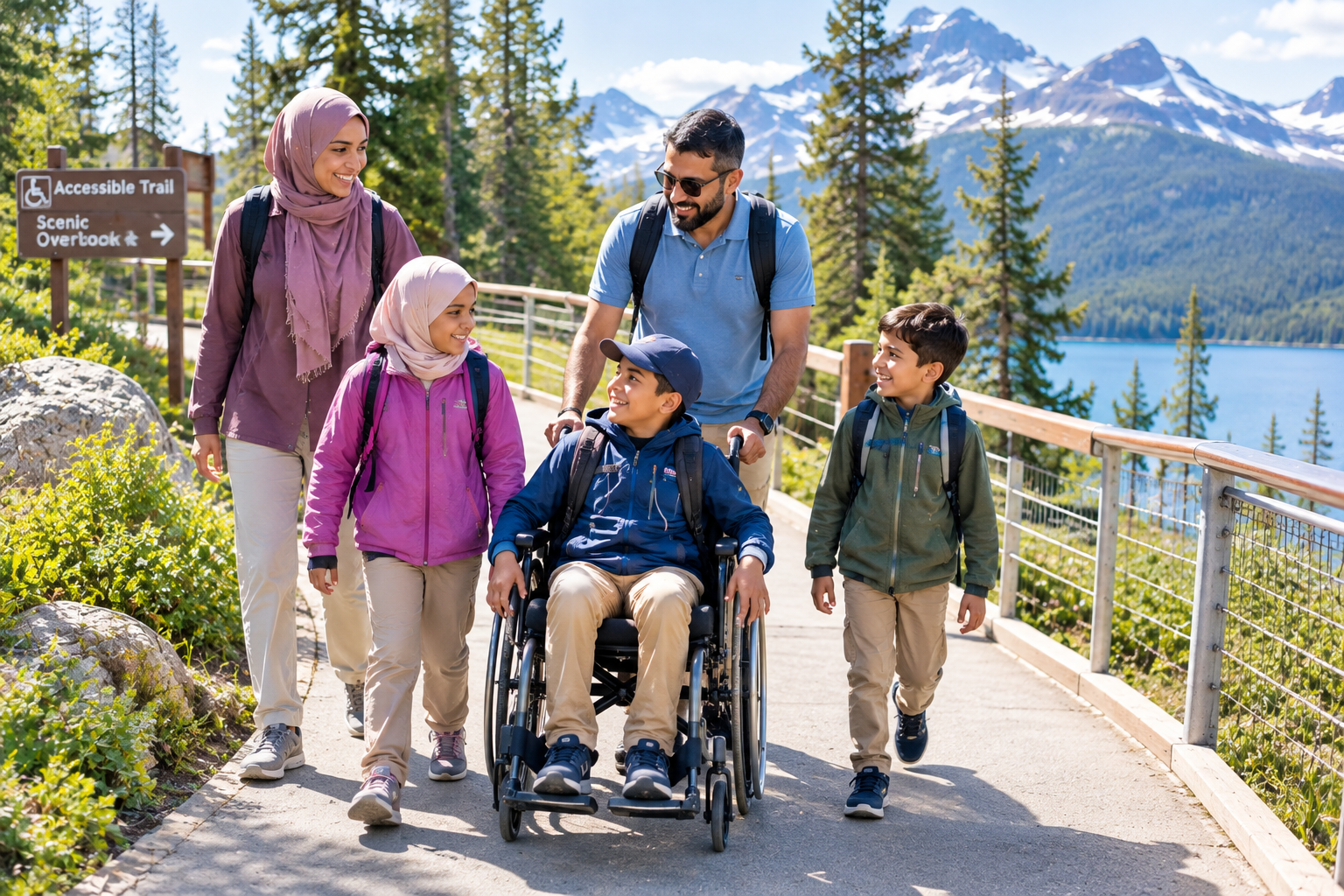
A big benefit is the positive emotional impact on brothers and sisters, who often feel a mix of responsibility and helplessness at home. Inclusive vacations allow them to just be supportive partners in the fun, rather than helpers, which strengthens their bond with their sibling who has a disability. Also, U.S. citizens with permanent disabilities can get a lifetime Interagency Access Pass for free admission to over 2,000 federal recreation sites, including national parks, providing a great financial benefit for the whole family.[1]
Inclusive experiences foster stronger family bonds and shared memories.
Author’s Experience
“Having planned numerous vacations for diverse family needs, I’ve seen firsthand how a well-prepared accessible vacation transforms a family. The peace of mind from knowing every detail is handled allows for genuine, spontaneous joy, something truly invaluable.”
What specific considerations define accessible travel for families?
When planning an accessible family vacation, you need to think about more than just ramps and wide doors. You also have to consider sensory needs like quiet spaces, clear signs for easy directions, and being close to good medical facilities just in case. Looking at the whole picture ensures that everything from comfortable resting spots to short travel distances is handled. Once you understand what to look for, you might also want to learn how to travel with medical equipment on a family vacation safely and efficiently.
An expert tip is to think about “transfer fatigue”—how tired someone gets from moving from a wheelchair to a car seat, to a toilet, or to a bed over and over. A truly accessible destination limits how often these tough transfers have to happen by offering smart designs, like hotel rooms with ceiling hoists or pools you can roll right into. A highly specialized electric wheelchair can cost nearly $40,000 and weigh more than 400 pounds, which shows exactly why it is so important to prevent damage and confirm accessible transportation before you leave.[2]
Looking at the whole picture includes sensory, cognitive, and medical support.
Types of Accessibility
- Physical: Ramps, wide doorways, grab bars, roll-in showers, zero-entry pools.
- Sensory: Sensory-friendly spaces, quiet rooms, visual aids.
- Cognitive: Clear signs, simple directions, trained staff.
- Medical: Being near reliable medical facilities, availability of adaptive equipment like Hoyer lifts.
Without looking at the whole picture, some family members might struggle to join in the fun. For instance, a child with sensory challenges might need a quiet room to calm down after a busy activity. This means ensuring you are close to reliable medical facilities is also a very important part of careful accessible vacation planning.
2. What defines a truly wheelchair-accessible family vacation destination?
A genuinely accessible destination provides smooth movement not just inside a hotel, but across the entire area, including public sidewalks, parks, beaches, and attractions. It means the location follows strict accessibility rules, offering much more than just the bare minimum.
The defining factor is often the “last 100 feet.” While a museum might be listed as accessible, a truly accessible destination makes sure the path from the parking lot or bus stop to the museum entrance is also barrier-free, without broken sidewalks or steep hills. Beyond finding an accessible destination, understanding how to plan transportation for a family vacation is key to ensuring easy movement throughout your vacation.
Prioritize destinations whose tourism boards actively talk about their accessibility efforts, as this shows a real commitment rather than just doing what they are forced to do. Checking out a destination begins with its physical features, but must also include the wider public areas that allow true freedom to explore.
Micro-Glossary:
Accessibility Statement: An official page on a business or tourism board’s website that lists its specific accessibility features, measurements, and policies. It is an important document to read before booking.
Which crucial physical accessibility features should families look for?
When picking a vacation spot, families should look for important features like gently sloping ramps, wide doorways (at least 36 inches), and smooth, flat pathways so getting around is easy and safe. These core features are essential for a physically accessible environment and must be checked before booking. To help with your search, learn more about how to choose the right accommodation features for families to ensure maximum comfort and safety.
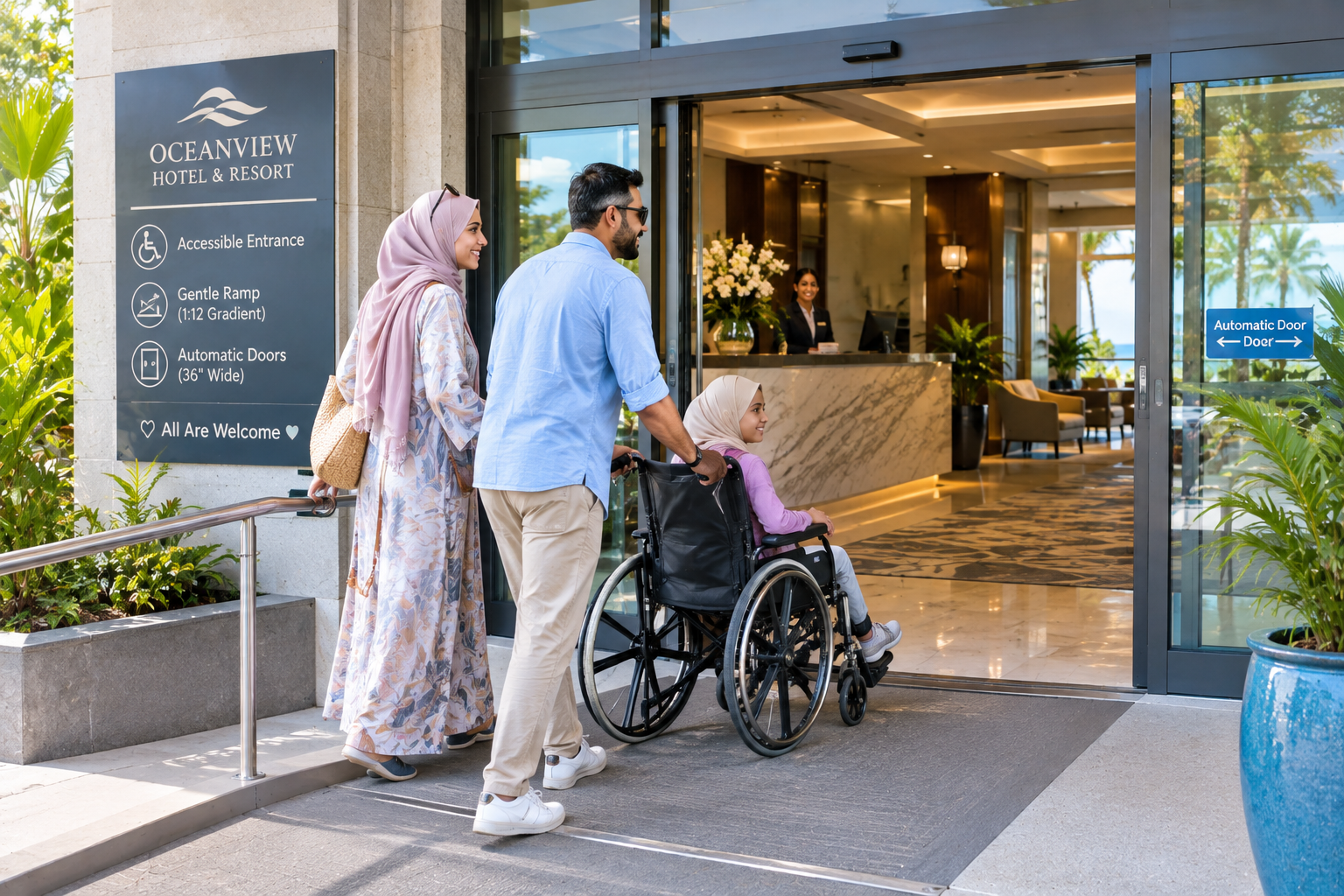
Beyond ramps, look for the presence of “transfer benches” in restrooms and pool areas. These benches, often forgotten, are critical for safe and less tiring transfers for individuals who cannot move from a wheelchair to a toilet or pool edge on their own. On Royal Caribbean’s Symphony of the Seas, the ship’s 46 accessible cabins feature crucial details like doors at least 32 inches wide, no doorsill, ramped bathroom thresholds, and roll-in showers.[3]
Important physical features include gentle ramps, wide doorways, and flat entrances.
Physical Accessibility Checklist
- Ramps with a gentle slope.
- Doorways with at least 32-36 inches of clear width.
- Smooth, level pathways without cracks or sudden bumps.
- Roll-in showers and grab bars in bathrooms.
- Zero-entry pools or pool hoists.
What constitutes accessible infrastructure beyond lodging and transport?
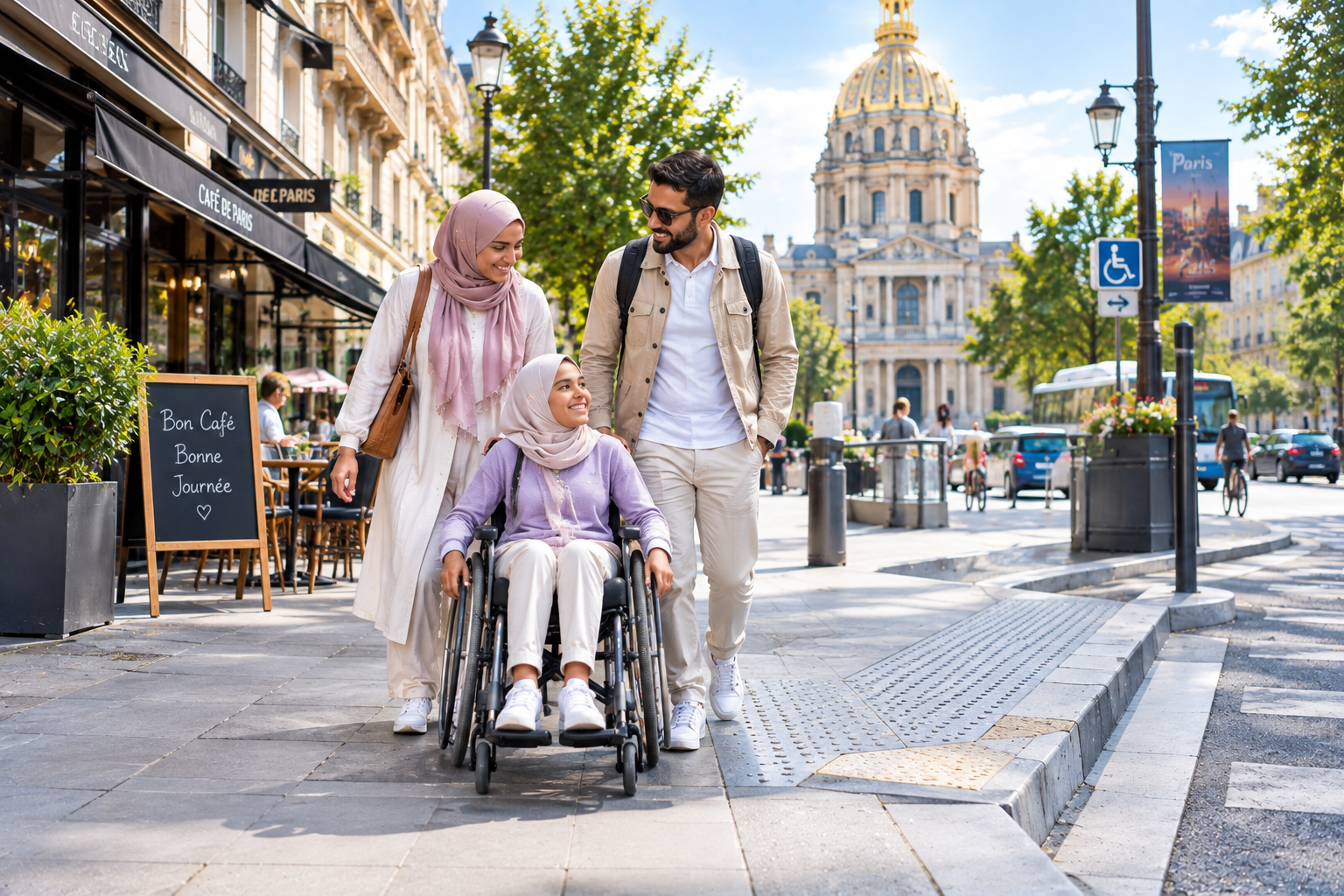
Good accessibility goes beyond your hotel and flights. It includes public areas like smooth sidewalks with curb cuts, parks, playgrounds, and attractions that have special seating and easy-to-use paths. This ensures the whole family can easily participate in fun activities, because even excellent hotels are no fun if you can’t explore the area around them.
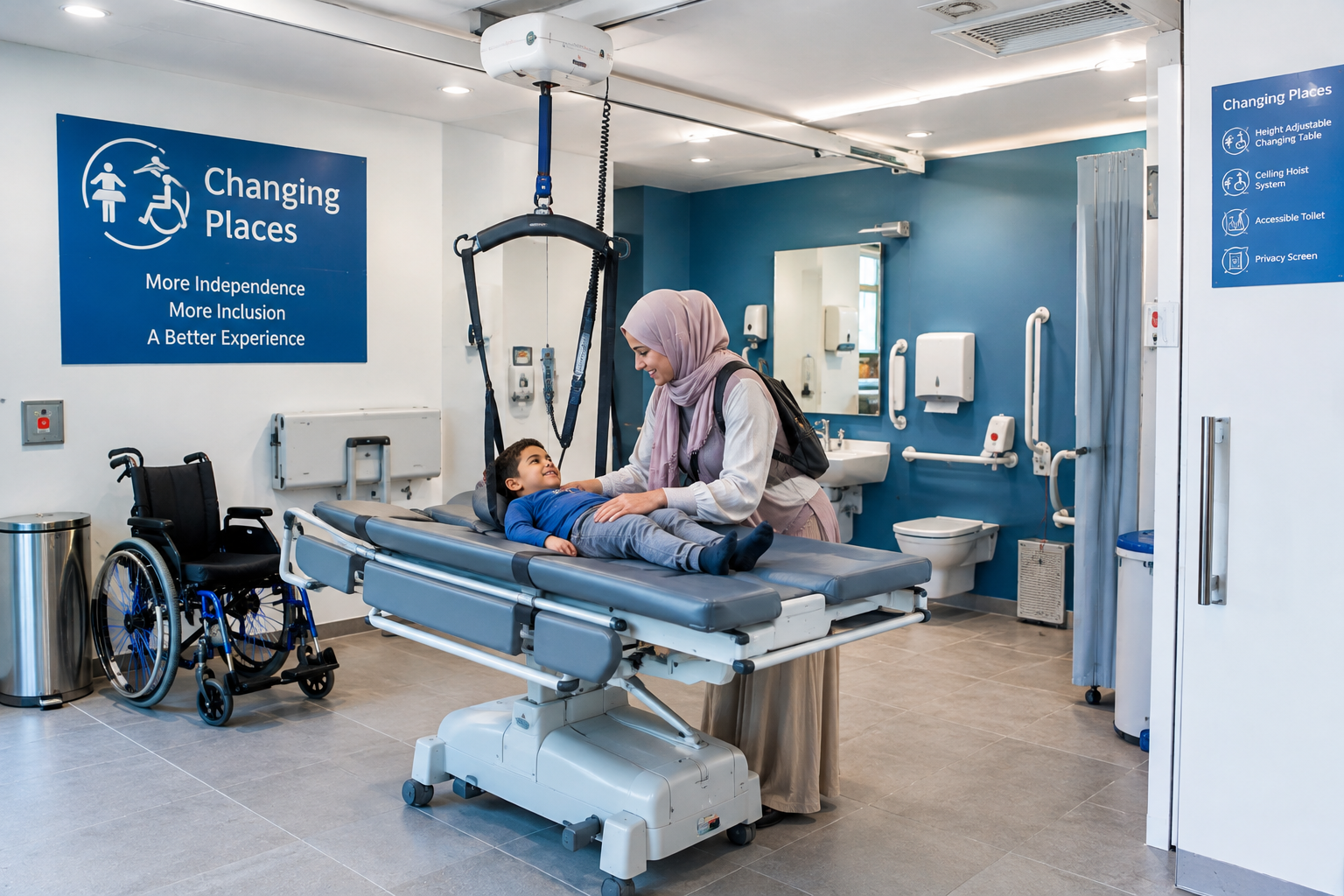
A great sign of excellent accessible infrastructure is finding “adult changing tables” or Changing Places toilets in public spaces like airports, museums, or large parks. This feature is a must-have for families with older children or adults with significant disabilities who cannot use standard accessible toilets. In Washington, D.C., the Smithsonian Institute shows amazing public infrastructure by offering free admission to over a dozen museums with features like free-to-borrow manual wheelchairs, captioned videos, and scheduled tours with sign language interpretation.[4]
Accessible public areas allow everyone to fully enjoy the community.
3. How do families select the best wheelchair-accessible destinations?
Picking the best spot means matching the family’s required level of accessibility (like whether you just need a flat path or a room with a hoist-lift) with destinations known for offering that exact level of support. You then mix this with what your family loves to do, your budget, and the weather to create a shortlist of great options. After narrowing down your destination choices, it’s time to learn how to book accessible hotels for a family vacation that fit your needs.
The smartest way to pick a destination is to work backward: instead of picking a place and hoping it is accessible, pick one *accessible activity* the family really wants to do (like visit an accessible beach) and then research the places that are famous for offering that specific experience.
Choose a destination that fits your family’s energy levels; a busy city vacation offers lots to see but can make you much more tired than staying at a highly accessible all-inclusive resort. Once you know how you want to travel, you can figure out the specific levels of help you will need.
Micro-Glossary:
Certified Accessible Travel Specialist (CATS): A travel agent who has had special training to help plan vacations for individuals with disabilities, and knows exactly which hotels and destinations are actually accessible.
What specific accessibility levels should families match to their needs?
To pick the right vacation spot, families should match the destination to their specific needs. It helps to group your needs into levels, starting from basic support for someone who uses a wheelchair independently, all the way to needing special medical equipment and extra help. Doing this stops you from arriving at a place that isn’t safe or fun. After figuring out your levels, the next step is learning how to communicate special needs to airlines and hotels so your vacation goes smoothly.
A pro-level tip is to list your needs by “environment” not just by person. For instance: “We need a room with a roll-in shower (personal need) and a resort with a zero-entry pool and paved pathways to the beach (environmental need).” This gives a complete picture to hotels or travel agents. To meet different needs, the Carnival Horizon cruise ship offers three tiers of accessible rooms: Fully Accessible Cabins for guests with highly limited mobility, Single-side Approach Cabins, and Ambulatory Accessible Cabins for guests who do not use a wheelchair but have some trouble walking.[5]
Matching up your needs prevents you from showing up to a place that isn’t safe or fun.
Accessibility Needs Tiers
- Level 1: Independent Mobility: Requires standard ramp access, wide doors (32+ inches), and accessible restrooms.
- Level 2: Requires Assistance/Some Equipment: Includes needs for transfer benches, portable ramps, or minor help getting around.
- Level 3: Requires Significant Equipment/Medical Support: Needs specialized equipment such as a Hoyer lift, hospital bed, or continuous medical watch.
Which family interests are best suited for wheelchair-accessible vacation planning?
The best family vacation activities are those in places designed for everyone to use easily. Great choices include modern museums, national parks with paved trails, and theme parks that already have good disability access programs. This ensures everyone gets to join in the fun and have a wonderful time without feeling left out.
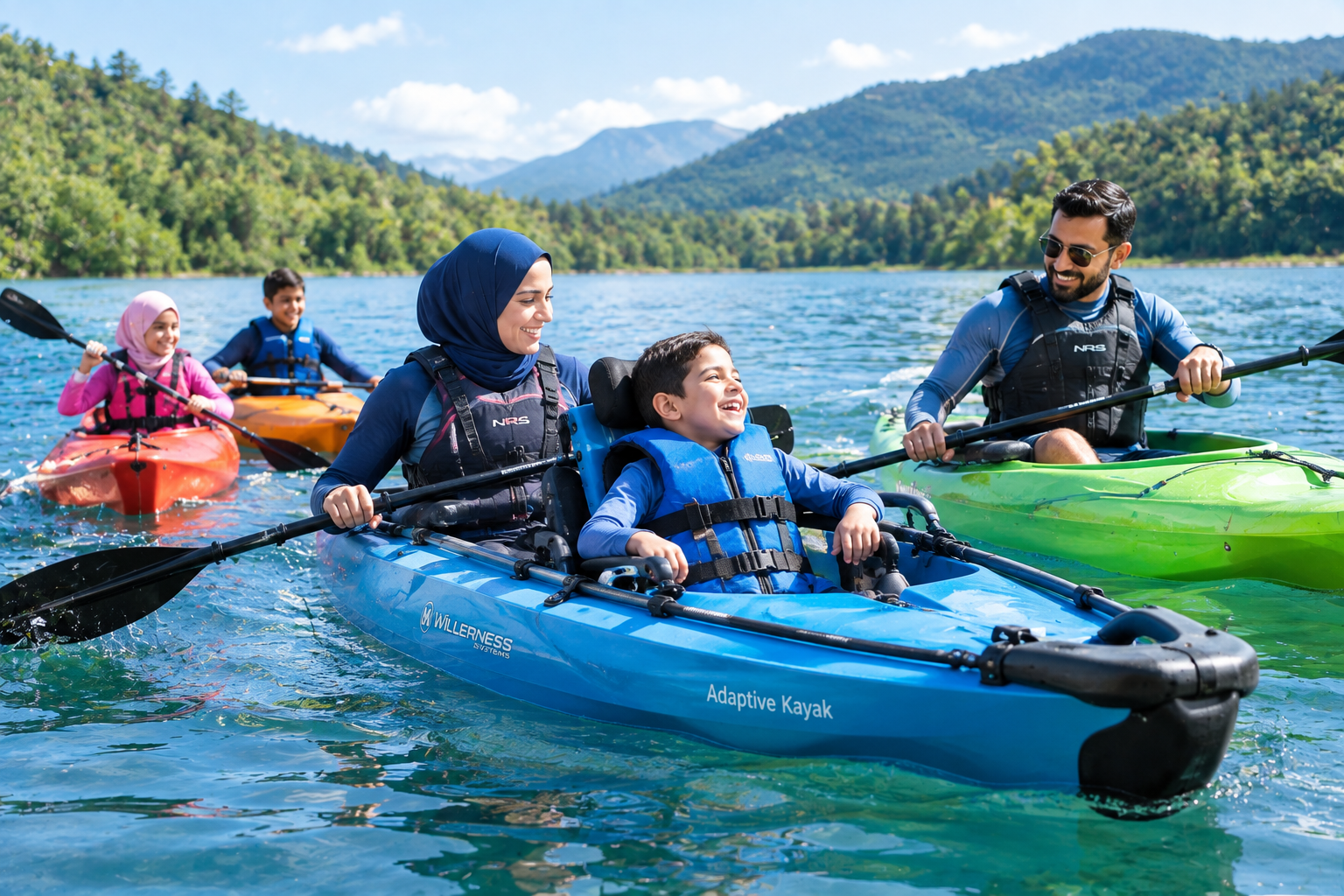
A fun and growing interest that is surprisingly easy to plan for is adaptive sports. Many vacation spots, particularly ski resorts in winter (like Breckenridge) or lake towns in summer, have dedicated organizations offering special equipment and lessons for everything from skiing to kayaking, creating amazing opportunities for the whole family. For families who love theme parks, Disney World provides more than 40 wheelchair-friendly attractions, which are clearly marked so you know exactly which rides are safe to stay in your wheelchair and which ones require a small transfer.
Successful activities happen in places built for everyone to use easily.
Interests and Destination Examples
- History Buffs: Explore museums in cities like Washington, D.C.
- Nature Lovers: Visit national parks with accessible trails and visitor centers.
- Thrill Seekers: Enjoy theme parks like Morgan’s Wonderland or Disney World.
4. Logistics: Wheelchair Accessible Family Vacation Planning Checklist
| Checklist Item / Tactic | Status |
|---|---|
| Step 1: Define Needs: Write down all specific accessibility requirements for everyone in the family, including mobility, sensory, and medical needs. | ⬜ |
| Step 2: Research Destinations: Find spots known for high accessibility standards that also match what your family loves to do. | ⬜ |
| Step 3: Verify Features: Call ahead to confirm crucial physical features like ramps, wide doorways, and good public areas (like smooth sidewalks and restrooms). | ⬜ |
Resolution
Planning a wheelchair-accessible family vacation ensures safety, comfort, and full participation for every family member by preventing physical barriers before you even leave home. This thoughtful approach turns a potentially stressful vacation into a positive, shared experience where everyone can genuinely relax and enjoy the time together.
Sources
- Reader’s Digest: Best Travel Destinations for People with Disabilities
- Wonders Within Reach: Traveling with a Wheelchair
- Curb Free with Cory Lee: Most Accessible Travel Destinations
- BraunAbility: 10 Wheelchair Friendly Places to Visit Across America
- Enabling Devices: Best Vacation Spots with Handicap Access