Road Trip Vehicles: Which Cars and RVs Are Best for Family Travel?
Table of Contents
Finding the best car or RV for a family road trip requires meticulously matching your passenger count, cargo needs, and travel terrain to a vehicle engineered to absorb the physical friction of long-haul travel.
The right vehicle transforms a family road trip from a stressful logistical challenge into a memorable bonding experience. It provides the necessary space, safety, and amenities to manage the unique demands of traveling with children over long distances. To truly make the most of your travel time and create lasting memories, discover What Is the Best Way to Enjoy the Journey?
2. Why Choose Specific Vehicles for Family Road Trips?
Selecting a specialized vehicle for family road trips is absolutely essential because your choice establishes the hard limits for daily mileage endurance, off-grid accessibility, and the trip’s overall financial budget.
What Advantages Do Family Road Trips Offer Over Other Vacations?
The unparalleled flexibility, significant cost savings, and unique shared family memories inherent in road trips are dramatically enhanced by selecting the right vehicle, transforming these advantages into tangible benefits. With the optimal vehicle, families gain complete control over their schedule, unlimited packing capacity without luggage fees, and the ability to access off-the-beaten-path destinations, fostering a deeper sense of adventure and togetherness that is unattainable with air travel or rigid resort stays.
Americans put about 3.3 trillion collective miles on our cars in 2025 alone, with travel peaks revolving around school breaks and summer vacations (Motortrend.com).
A key advantage is “Pace Control,” the ability to match the travel day’s length and intensity to the children’s ages and moods. This is impossible with flight schedules and is a primary mitigator of travel-related meltdowns.
For a comprehensive overview of different travel possibilities, explore What Are the 10 Types of Family Vacations? to see how road trips fit into the broader travel landscape.
Trip Elasticity: This concept refers to a road trip’s ability to accommodate spontaneous changes in plans, like an unplanned stop at a landmark or an overnight stay. The right vehicle (e.g., an RV with a kitchenette) dramatically increases trip elasticity compared to a vehicle that requires strict adherence to hotel and restaurant schedules.
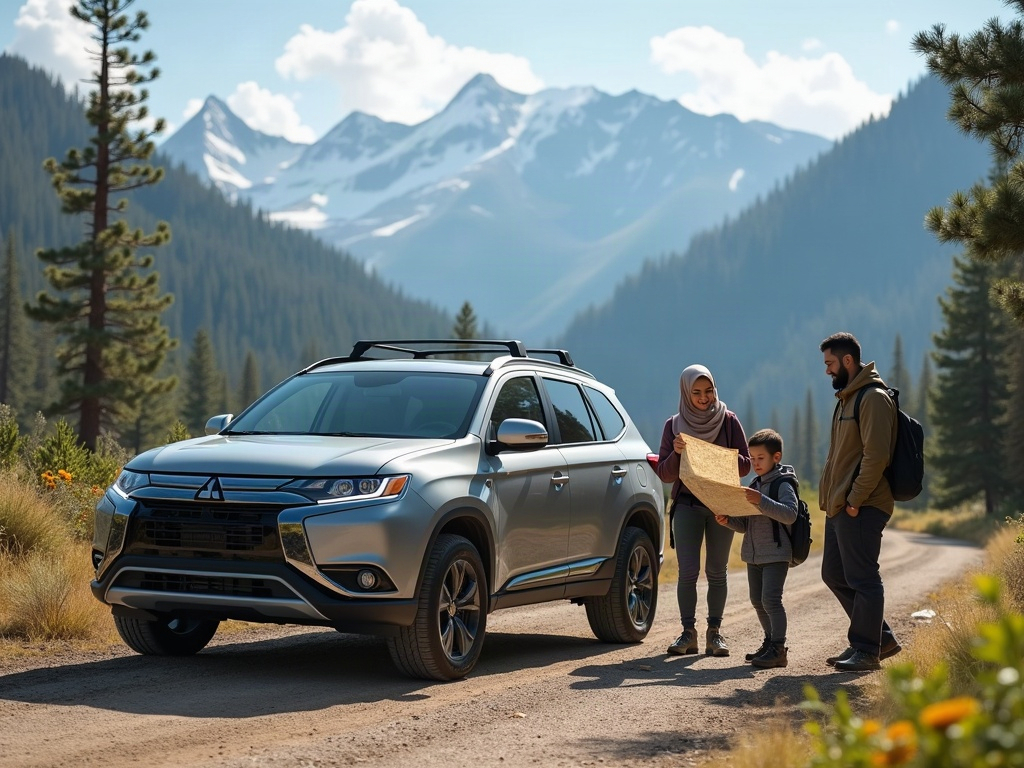
Demonstrating the fundamental advantage of high-capacity vehicles: the ability to seamlessly pack specialized gear that enables spontaneous, off-grid adventure.
© WovenVoyages.com
3. What Essential Characteristics Define the Best Family Road Trip Vehicles?
The essential characteristics that define the best family road trip vehicles are a trifecta of ample space, top-tier safety and reliability, and family-centric comfort features.
How Do Space and Comfort Contribute to a Successful Family Trip?
Space and comfort directly contribute to a successful family trip by minimizing physical confinement, reducing interpersonal friction, and providing the amenities needed for rest and relaxation. Ample passenger space prevents children from feeling cramped, while sufficient cargo space eliminates the stress of leaving essentials behind. Comfort features like reclining seats, climate control, and a smooth ride ensure the family arrives at their destination feeling refreshed, not exhausted.
Some minivans offer as much as 144.9 cubic feet of cargo space, providing ample room for luggage and gear (Car and Driver).
The critical metric isn’t just legroom, but “walk-through access.” The ability for a parent to move from the front to the back of the vehicle without exiting (as in many RVs and some vans) is a game-changer for attending to a child’s needs while safely pulled over.
Understanding how much cargo space you have helps you plan better, so consider What Do Families Need for Long Drives? to ensure everything is perfectly packed and accessible.
Payload Capacity: This is the total weight of passengers, cargo, and fluids a vehicle can safely carry, distinct from towing capacity. Exceeding payload capacity, a common mistake for families on long trips, compromises handling, braking, and safety.
Why Are Safety Features and Reliability Crucial for Family Road Trip Vehicles?
Safety features and reliability are crucial for family road trip vehicles because they provide the fundamental security and peace of mind necessary to enjoy the journey, while also preventing catastrophic trip failures. Advanced safety features like automatic emergency braking and blind-spot monitoring actively prevent accidents in unfamiliar driving conditions. High reliability ratings from trusted sources ensure the family is not left stranded by a mechanical breakdown hundreds of miles from home.
As an indicator of long-term reliability, some manufacturers offer a 10-year/100,000-mile powertrain warranty and five-year/unlimited mileage roadside assistance (She Buys Travel).
Focus not just on crashworthiness (passive safety) but on accident avoidance technologies (active safety). A vehicle that helps prevent a crash in the first place is demonstrably superior for a family trip, where driver fatigue and distraction are elevated risks.
Author’s Experience
“As a parent of two who has tackled numerous cross-country road trips, including a three-month RV adventure through national parks, I’ve learned that the right vehicle isn’t just about getting there. It’s about preserving sanity and fostering joy. My minivan became a mobile command center, and that RV adventure was truly life-changing for us all.”
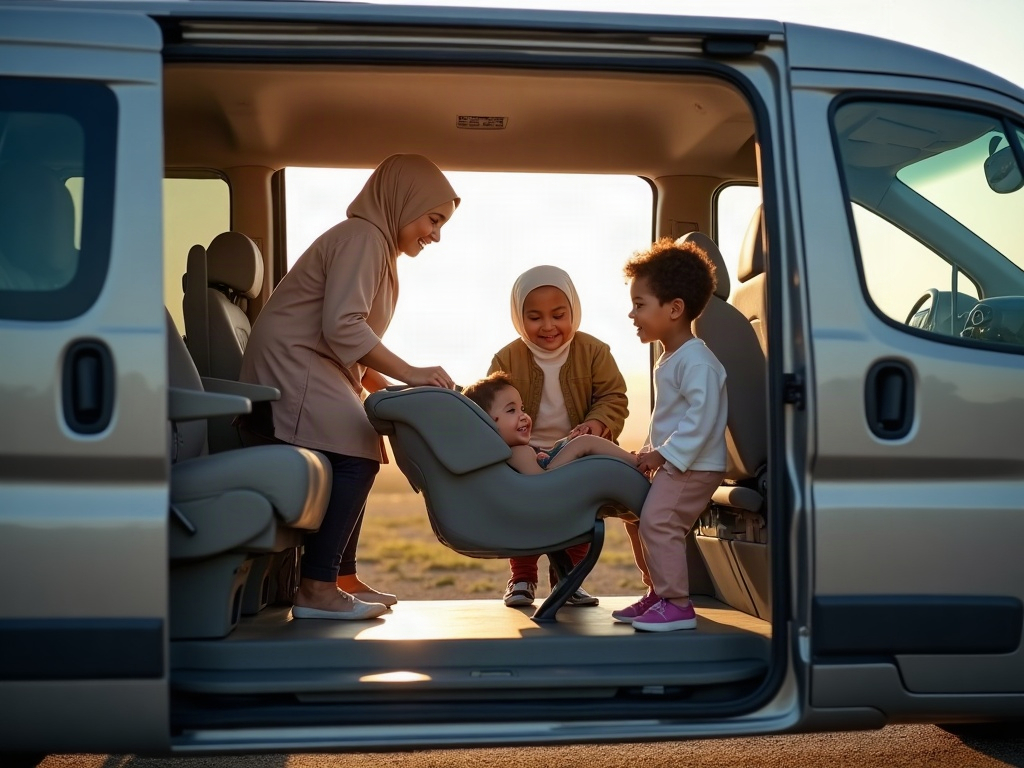
Visualizing how prioritizing high-volume interior cabin space directly mitigates child confinement fatigue during transcontinental driving stints.
© WovenVoyages.com
4. How Do Cars Compare for Family Road Trip Suitability?
Cars compare for family road trip suitability based on a trade-off between space, accessibility, and driving dynamics, with SUVs, minivans, and sedans each excelling in different scenarios.
What Advantages Do SUVs Offer for Family Road Trips?
The primary advantages SUVs offer for family road trips are superior all-weather and all-terrain capability, higher towing capacity for trailers, and a commanding driving position. An SUV’s available All-Wheel Drive (AWD) or 4×4 systems provide essential safety and access for trips to national parks, mountain destinations, or areas with unpredictable weather. Their robust construction also allows families to tow boats or small campers, expanding vacation possibilities.
Some large SUVs, like the Nissan Armada, are powered by engines generating 425 HP and can tow up to 8,500 lbs (A Girls Guide to Cars).
Distinguish between unibody Crossovers (like a Honda CR-V) and body-on-frame SUVs (like a Chevrolet Tahoe). Body-on-frame models offer significantly higher towing and payload capacities and are more durable for rugged use, a crucial distinction for families with serious adventure plans.
For families planning to venture into more rugged areas, understanding how to prepare for Family Adventure Vacations is paramount.
Crossover (CUV): A vehicle built on a car platform that combines attributes of an SUV with the driving characteristics of a passenger car. CUVs typically offer better fuel economy and a smoother ride than traditional body-on-frame SUVs but have less off-road and towing capability.
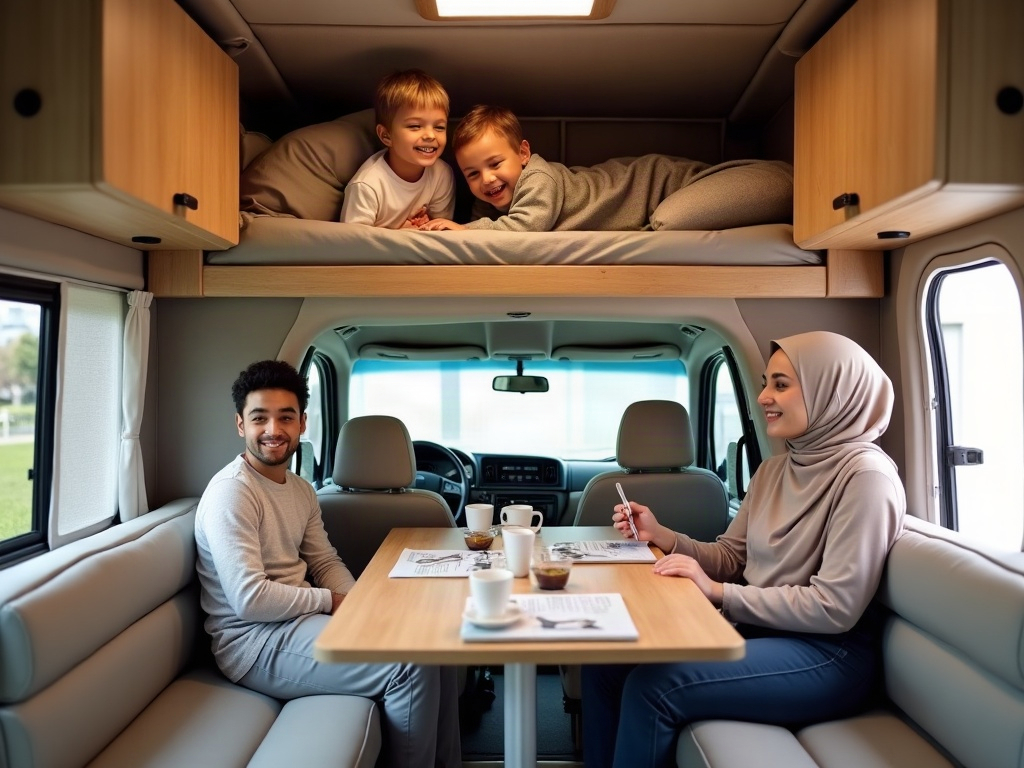
Highlighting the primary strength of body-on-frame SUVs: utilizing robust drivetrain systems to access remote terrains unsuitable for standard minivans.
© WovenVoyages.com
When Do Minivans Become the Best Car Choice for Families?
Minivans become the best car choice for families when the primary road trip priorities are maximizing interior space, ensuring the easiest possible passenger access, and providing a comfortable, feature-rich environment. For families with multiple young children, especially those in car seats, a minivan is unparalleled. Its power sliding doors, low floor, and cavernous, configurable interior are specifically engineered to solve the daily logistical challenges of managing a large family on the go.
Modern minivans like the Toyota Sienna offer seating for up to eight passengers while achieving an EPA-rated fuel economy of 35–36 MPG combined from a hybrid powertrain (Car and Driver).
The “Stow ‘n Go” seating (a Chrysler/Dodge entity) or “Magic Slide” seats (a Honda entity) are not just features; they represent a philosophy of ultimate interior flexibility. This ability to transform the vehicle from a passenger hauler to a cargo van in minutes provides a level of versatility for a road trip that no SUV can match.
Are Sedans a Viable Option for Smaller Family Road Trips?
Sedans are a perfectly viable option for smaller family road trips, specifically for one or two children, offering superior fuel economy and a more engaging driving experience on pavement-based journeys. For a family of three or four traveling on major highways, a mid-size or large sedan provides sufficient comfort and space at a much lower cost per mile than an SUV or minivan. Their primary limitation is cargo space and a lack of suitability for rough roads.
Sedans remain a top choice for fuel efficiency, with models like the 2026 Honda Accord achieving an EPA rating as high as 31–48 MPG combined.
The key to a successful sedan road trip is leveraging a rooftop cargo box. This single accessory effectively doubles the available storage, mitigating the sedan’s biggest weakness and making it a surprisingly capable long-haul vehicle for a small family.
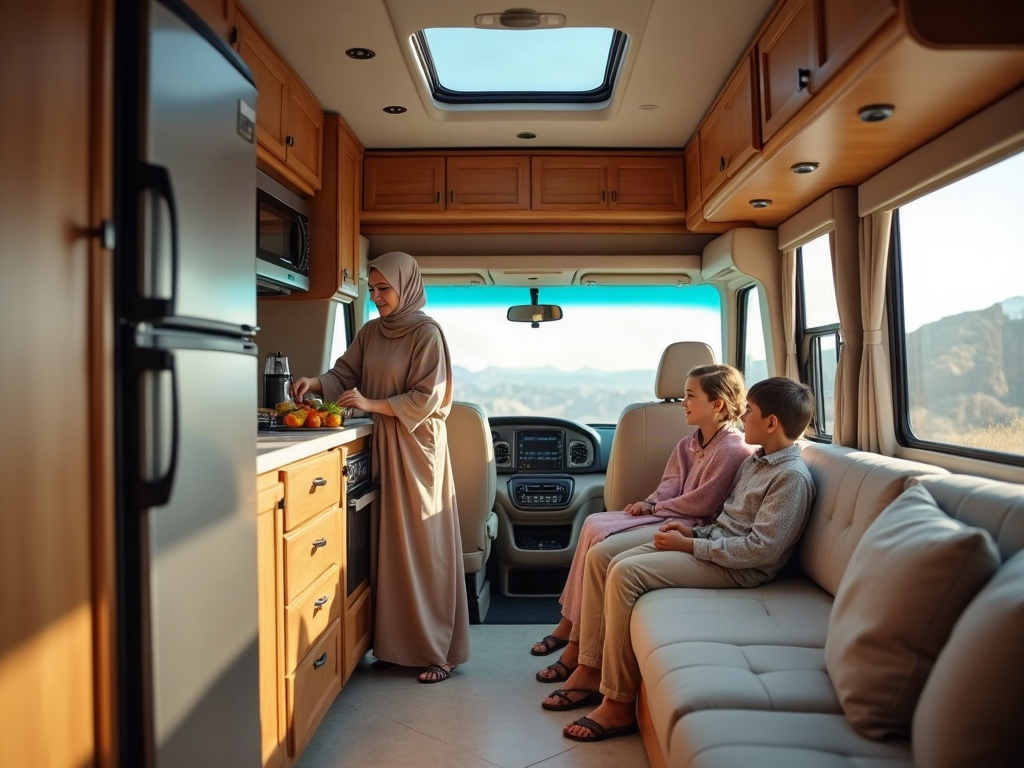
Demonstrating how deploying external cargo boxes on smaller vehicles (like sedans or crossovers) completely neutralizes their primary interior volume disadvantage.
© WovenVoyages.com
5. Which RV Types Offer the Best Experience for Family Travel?
The RV types that offer the best experience for family travel are Class C motorhomes, Class A motorhomes, and towable options like travel trailers, with the ideal choice depending on a balance of budget, comfort, and driving confidence.
How Do Class C RVs Balance Comfort and Maneuverability for Families?
Class C RVs balance comfort and maneuverability for families by providing multiple dedicated sleeping areas, including the signature “overcab bunk,” within a footprint that is less intimidating to drive than a larger Class A motorhome. The overcab bunk provides a fun, separate sleeping space beloved by kids, while the main living area contains a functional kitchen and bathroom. Built on a truck or van chassis, they are familiar to drive and can fit into more campsites than their larger counterparts.
A popular Class C model like the Winnebago Minnie Winnie 31H measures 32’ 9” in length and can comfortably sleep up to 8 people (Harvest Hosts).
The key advantage for families is the separation of sleeping zones. The overcab bunk, a rear master bed, and a convertible dinette allow for three distinct sleeping areas, enabling parents to put kids to bed and still have a living space to themselves—a crucial feature for family harmony.
If you’re weighing an RV against other outdoor adventures, you might also be interested in the secrets to successful Family Camping Vacations.
Slide-out: A section of an RV wall that extends outward at the push of a button when parked. Slide-outs dramatically increase the interior living space of the RV, transforming a narrow hallway into an open living room or bedroom.
When Should Families Consider Class A Motorhomes for Luxury and Space?
Families should consider Class A motorhomes when the top priorities are maximizing living space, enjoying luxury residential-style amenities, and undertaking long-term or cross-country trips. A Class A motorhome is essentially a luxury apartment on wheels, offering features like full-size refrigerators, washer/dryers, and multiple slide-outs for unparalleled interior room. They are the best choice for large families or those who plan to spend weeks or months on the road and refuse to compromise on comfort.
A luxury Class A model such as the Forest River Georgetown 7 Series GT7 measures over 40 feet in length and can come equipped with two full bathrooms.
The defining feature is the “panoramic windshield” and bus-like driving position. This provides an unmatched scenic view while driving, making the journey itself a cinematic experience. However, this also creates a significant blind spot directly in front of the vehicle, requiring a different driving style.
Are Travel Trailers or Fifth Wheels Practical for Family Road Trip Adventures?
Travel trailers and fifth wheels are highly practical for family road trip adventures, offering the significant advantage of a detachable living space, which allows the tow vehicle to be used for local exploration. This setup provides the best of both worlds: a fully-equipped base camp and a nimble vehicle for day trips, grocery runs, or navigating tight city streets. This flexibility is a major benefit over a motorhome, which must be fully broken down to be driven anywhere.
Towable RVs are a significant investment, as many people finance these vehicles for long terms, such as 10, 12, or even 15 years.
The critical difference between the two is the hitch point. A travel trailer uses a conventional bumper hitch, while a fifth wheel’s gooseneck hitch mounts inside the bed of a pickup truck. This makes a fifth wheel more stable to tow but requires a heavy-duty pickup truck, whereas many travel trailers can be towed by large SUVs.
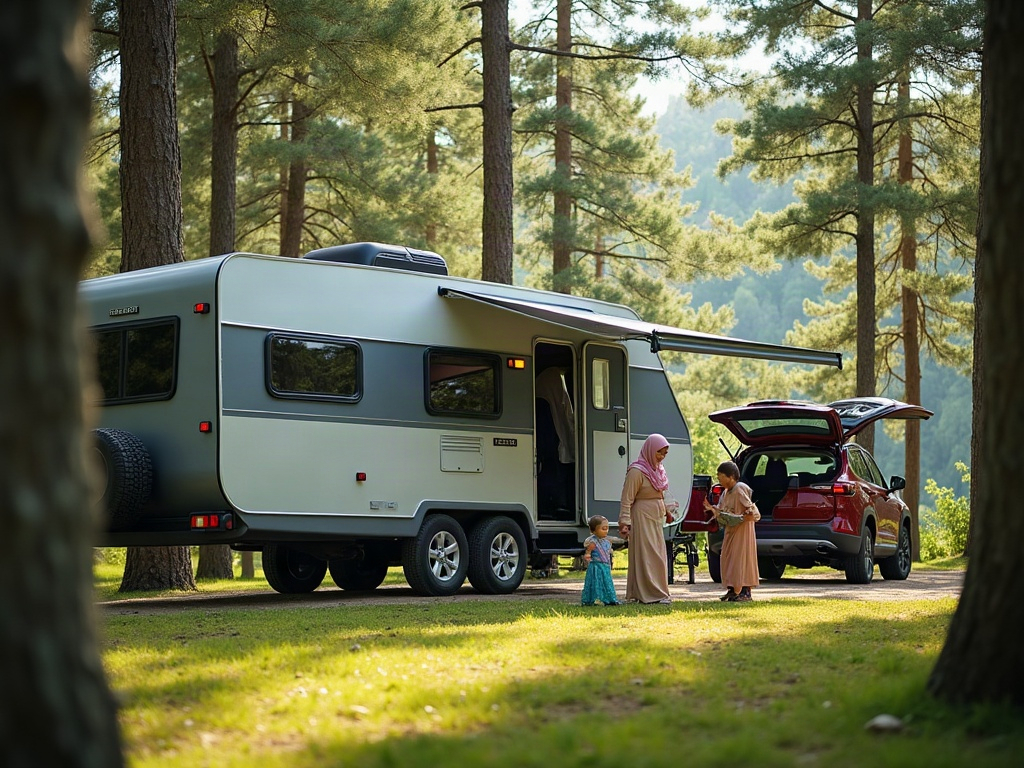
Showcasing the supreme elasticity of RV travel: establishing a fully functional, mobile residential basecamp directly adjacent to remote natural attractions.
© WovenVoyages.com
6. Logistics: Execution Checklist Title
| Checklist Item / Tactic | Status |
|---|---|
| TIER/STEP 1: Evaluate Family Needs (Passenger count, child ages, required amenities) | ⬜ |
| TIER/STEP 2: Prioritize Space & Comfort (Cargo volume, comfort features for long drives) | ⬜ |
| TIER/STEP 3: Verify Safety & Reliability (NHTSA/IIHS ratings, vehicle reliability reports) | ⬜ |
| TIER/STEP 4: Consider Vehicle Type Trade-offs (SUVs vs minivans vs sedans vs RVs) | ⬜ |
| TIER/STEP 5: Budget & Fuel Efficiency (Calculate total cost of ownership or rental) | ⬜ |
7. Frequently Asked Questions (People Also Ask)
Why is choosing a specific vehicle important for a family road trip?
What are the main differences between taking an SUV versus a minivan for family travel?
How do you decide between renting an RV or using a family car?
Resolution
The correct vehicle choice for family road trips is foundational, ensuring comfort, safety, and budget adherence. It transforms a potentially stressful journey into a memorable bonding experience by providing ample space, essential amenities, and robust safety for traveling with children.