Family Cruise Programs: Which Ships Have the Best Kids’ Clubs?
Table of Contents
The cruise ships with the best kids’ clubs are led by Disney Cruise Line (specifically the Disney Wish for immersive character storytelling), Royal Caribbean (particularly Icon-class and Oasis-class ships for high-energy STEM and adventure zones), and Norwegian Cruise Line (for flexible, creative play and dedicated teen lounges), alongside strong age-segmented offerings from Carnival, MSC, and Princess Cruises.
Selecting the right onboard youth program ensures children from infants to teenagers remain safely entertained with age-appropriate activities while granting parents guilt-free downtime. Before diving into the specifics of cruise kids’ clubs, it can be helpful to explore What Are the 10 Types of Family Vacations? to understand all available options for your next trip.
1. Understanding the Core Value: Why Cruise Kids’ Clubs Are Essential for Families
Dedicated kids’ clubs on family cruises are essential because they provide a secure, structured, and engaging environment that fundamentally enhances the vacation experience for both children and parents.
Kids’ clubs provide supervised fun for children, allowing them to socialize and participate in age-appropriate activities. This simultaneously grants parents independent time for relaxation, dining, or onboard entertainment, ensuring a more fulfilling vacation for every family member.
The true value extends beyond simple childcare; these clubs are integrated social and educational hubs. They are designed to combat boredom on sea days, foster new friendships for children, and provide parents with the “guilt-free” freedom that transforms a family trip into a genuine vacation for all.
“Sea Day” is a full day spent sailing between ports, a time when kids’ club programming is most extensive and crucial for keeping children engaged onboard.
What Are the Primary Benefits of Kids’ Clubs for Children and Parents?
The primary benefits kids’ clubs offer for families are guaranteed child safety, opportunities for age-appropriate socialization, and the provision of guilt-free independent time for parents. Key benefits include supervised, engaging activities that prevent boredom for kids; a chance for children to make friends their own age; and dedicated time for parents to enjoy adult amenities like specialty dining or the spa.
The value of robust family programs is recognized across the industry, with lines like Margaritaville at Sea being named USA Today’s 10Best Best Cruise Line For Families for two consecutive years. Margaritaville at Sea.
A critical, often-overlooked benefit is a child’s increased sense of independence and confidence. Successfully navigating a new social environment like a kids’ club contributes positively to a child’s development, making it more than just an entertainment venue.
Author’s Experience
“On our first family cruise, I was hesitant to use the kids’ club, worried it might feel like ‘dropping them off’ on a family vacation. After attending the embarkation day open house, my kids practically begged to go back every morning for the science experiments and scavenger hunts, giving us the most restorative balance of together time and adult downtime we’ve ever had.”

Kids’ clubs facilitate a balanced vacation for every family member by providing supervised fun for children, opportunities for age-appropriate socialization with peers, and delivering guilt-free independent time for parents to relax or enjoy adult activities, ensuring overall family satisfaction.
How Do Kids’ Clubs Positively Impact the Overall Family Cruise Experience?
Kids’ clubs positively impact the overall cruise experience by transforming the ship into a multi-generational resort, where every family member has access to tailored entertainment and relaxation options. They enhance the experience by creating a more harmonious family dynamic, reducing the stress of constantly entertaining children, and allowing the family’s “together” time to be more special and anticipated. This structure prevents vacation fatigue for both parents and kids.
On Norwegian Cruise Line, for example, the experience is enhanced through endless onboard activities such as waterslides, race tracks, sports courts, pools, and arcades that complement the kids’ club programming. Norwegian Cruise Line.
The enhancement is systemic; a great kids’ club improves the dining experience (parents can dine alone), the shore excursion experience (kids may opt to stay onboard), and the evening entertainment experience (parents can see a show). It’s a force multiplier for the entire vacation itinerary.
After understanding the critical role of kids’ clubs, your next step is to explore the broader considerations for How Do You Choose the Perfect Ship and Itinerary for your Family Cruise Vacations?
2. What Defines an Exceptional Kids’ Club Program on a Cruise?
An exceptional kids’ club program on a cruise is defined by stringent safety protocols, certified and engaging youth staff, and distinct, well-equipped facilities for different age groups.
The defining characteristics are a low staff-to-child ratio, age-specific programming that separates toddlers from teens, and a wide variety of activities beyond simple arts and crafts, such as STEM or sports. The best programs are more than just a room; they are immersive, themed worlds.
The key differentiator between a “good” and an “exceptional” program is the quality of the staff. Exceptional clubs invest in counselors with backgrounds in education or child development, not just childcare, which results in more creative and enriching programming.
“Staff-to-Child Ratio” is the number of children assigned to a single youth counselor, a critical safety and quality metric that varies by age group and cruise line.
With this framework in mind, parents can now evaluate the specific details that matter most for their children.
Which Core Criteria Should Parents Evaluate for Top Kids’ Clubs?
The core criteria parents should evaluate for top kids’ clubs include staff qualifications and ratios, the physical security of the facilities, and the diversity and quality of the activity schedule. Parents must assess: 1) Staffing: certification and staff-to-child ratios. 2) Safety: secure check-in/check-out procedures. 3) Programming: age separation and activity types (e.g., STEM, creative, active). 4) Facilities: size, cleanliness, and age-appropriateness of the space.
Parents should look for programs led by trained youth staff, such as those in Royal Caribbean’s Adventure Ocean, which also offers a “Late Night Party Zone” with group sitting for children ages 3-11 between 10 p.m. and 2 a.m. Royal Caribbean’s Adventure Ocean.
Beyond the basics, a key evaluation criterion is the line’s policy on children with special needs, allergies, or medical conditions. A truly top-tier program has detailed, transparent protocols for inclusivity and accommodation, which is a powerful signal of overall quality and professionalism.

- ⬜Verify the check-in/out process uses a secure system like a password or keycard scan.
- ⬜Check staff-to-child ratio for different age groups.
- ⬜Inquire about staff certifications in education or childcare.
- ⬜Review the program’s policy on children with special needs or allergies.
- ⬜Assess the variety of activities offered, including STEM, creative, and active play.
- ⬜Look for dedicated spaces and age separation for toddlers, kids, and teens.
How Do Age-Specific Programming and Facilities Cater to Different Children?
Age-specific programming and facilities cater to different children by creating developmentally appropriate environments that separate distinct age cohorts, such as toddlers, school-aged children, and teenagers. Programs cater by providing nurseries for infants, imaginative play and science labs for kids 3-11, and exclusive ‘teen-only’ lounges with games for ages 12-17. This separation ensures activities are engaging and not ‘too babyish’ or ‘too mature,’ making content appropriate for each distinct age group.
Carnival’s Camp Ocean demonstrates this by splitting its main club into distinct groups: Penguins for ages 2-5, Stingrays for ages 6-8, and Sharks for ages 9-11. Carnival’s Camp Ocean.
The most sophisticated programs further subdivide the main kids’ club. For example, a club for ages 3-11 might have a dedicated “Imagination Zone” for the younger end and a “Tech Zone” with video games for the older end, acknowledging the vast developmental gap even within that single cohort.
| Age Group | Typical Facility | Example Activity |
|---|---|---|
| 0-2 | Nursery (e.g., Guppies Program) | Sensory play, soft exploration |
| 3-11 | Kids’ Club (e.g., Adventure Ocean) | Science labs, themed parties, games |
| 12-14 | Tween Lounge (e.g., Circle C) | Video games, social events, sports tournaments |
| 15-17 | Teen Lounge (e.g., Teen Lounges) | Teen discos, themed parties, late-night hangouts |
The absence of other age groups is a key feature, especially for teens who crave exclusivity.
3. Which Cruise Lines Excel with the Best Kids’ Club Programs?
The cruise lines that consistently excel with the best kids’ club programs are Disney Cruise Line, Royal Caribbean, and Norwegian Cruise Line, each offering a distinct philosophy and approach to youth entertainment.
Disney Cruise Line excels with immersive, story-driven experiences. Royal Caribbean is a leader in high-energy, activity-packed programming with features like science labs and sports. Norwegian Cruise Line offers a flexible, “freestyle” approach with a focus on creative play and circus skills.
While the “big three” lead, other lines have carved out powerful niches. For example, Princess Cruises partners with the Discovery Channel for educational programming (“Camp Discovery”), and Celebrity Cruises offers a more artistic and tech-focused program (“Camp at Sea”), appealing to different family types.
“Character Experiences” are scheduled and impromptu meet-and-meets with branded characters (e.g., Mickey Mouse, Marvel superheroes), a key differentiator and major draw for lines like Disney.
While these lines all offer superior programs, they differentiate themselves through unique activities and themes.
How Do Leading Cruise Lines Differentiate Their Youth Activities?
Leading cruise lines differentiate their youth activities primarily through thematic focus, partnerships with external brands, and the scale of their dedicated facilities. Disney differentiates with its IP (Marvel, Star Wars, Pixar) integrated into the club spaces. Royal Caribbean differentiates with unique activity zones like science labs and theaters. Carnival differentiates with a focus on high-energy fun and a more relaxed, party-like atmosphere.
Differentiation often comes from unique partnerships, such as MSC Cruises‘ collaboration with LEGO, which includes themed activities and decorations in its Doremiland kids clubs. MSC Cruises.
A key differentiator is the approach to teens. Royal Caribbean and Norwegian build expansive, separate teen “nightclubs” and lounges that are physically distant from the younger kids’ areas, a major draw for that age group. Disney, in contrast, keeps its teen clubs, Vibe and Edge, more integrated with a focus on “cool” creative activities.
| Cruise Line | Primary Theme | Key Differentiator | Best For (Family Type) |
|---|---|---|---|
| Disney Cruise Line | Immersive Storytelling (IP) | Character meet-and-greets, Marvel Super Hero Academy | Families seeking magical, themed experiences |
| Royal Caribbean | High-Energy Adventure | Onboard science labs, dedicated theaters, sports | Families with active kids who love variety |
| Norwegian Cruise Line | Freestyle Play & Creativity | Circus School, flexible programming, arts & crafts | Families valuing spontaneity and artistic expression |
There is no single “best” cruise line for kids’ clubs, but rather a “best fit” depending on a family’s priorities.
What Unique Themed Experiences Do Specific Ships Offer for Children?
Specific ships offer unique themed experiences for children that are unavailable on other vessels, such as the Star Wars: Cargo Bay on the Disney Wish or the live-action game shows in Royal Caribbean’s Adventure Ocean theaters. For example, the Disney Wish features a multi-room ‘Oceaneer Club‘ where kids can design their own rollercoaster or train with Marvel superheroes. Royal Caribbean’s Oasis-class ships have dedicated Adventure Ocean theaters for talent shows and interactive science experiments.
Royal Caribbean’s Oasis-class ships feature the Ultimate Abyss, a 10-story slide that is a unique, sound-and-light-filled thrill experience for children at least 43 inches tall.
The “uniqueness” is a key marketing driver. Cruise lines intentionally place their most impressive, one-of-a-kind kids’ club features on their newest ships to drive bookings for those sailings. Therefore, the “best” experience is often found on the newest hardware.
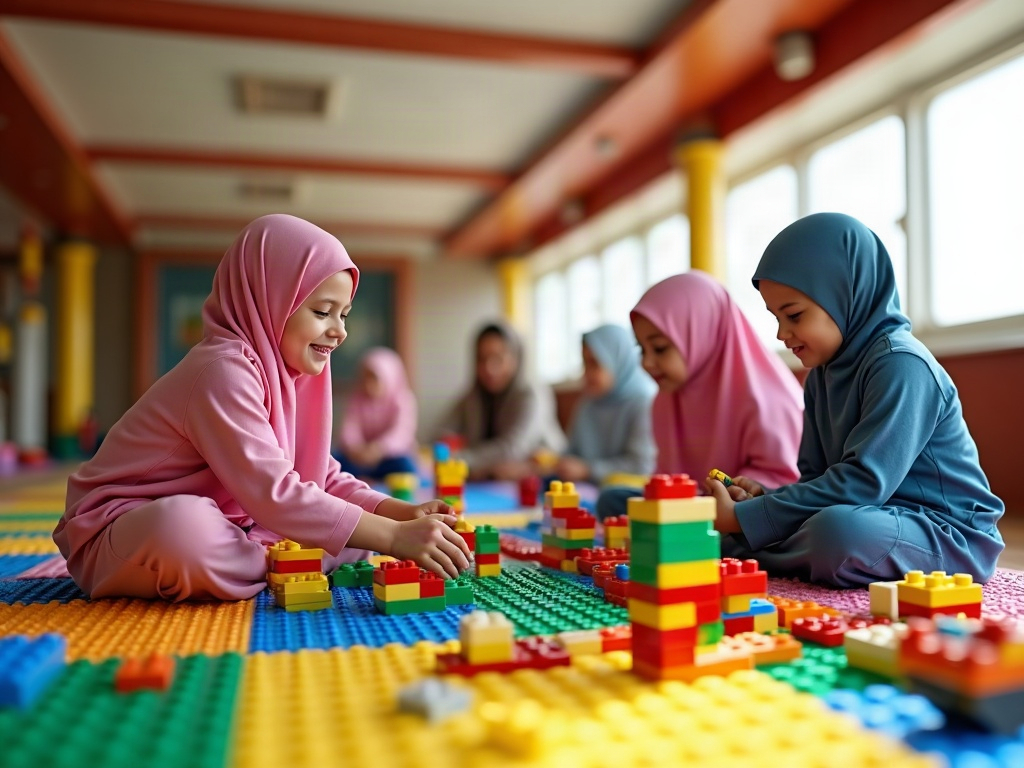
- Disney Wish: Star Wars: Cargo Bay, Marvel Super Hero Academy.
- Royal Caribbean Oasis-class ships: Ultimate Abyss, dedicated Adventure Ocean theaters.
- Wonder of the Seas: The largest Ultimate Family Suite with a slide.
- Norwegian Encore: Go-kart track and virtual reality complex.
This insider knowledge can help a family choose not just a cruise line, but the exact right ship for their vacation.
4. How Can Families Choose the Right Kids’ Club for Their Children’s Needs?
Families can choose the right kids’ club for their children’s needs by first assessing their children’s personalities and interests and then matching them to the cruise line with the most aligned programming philosophy.
First, evaluate your child: are they shy or outgoing? Do they prefer STEM or creative arts? Second, research the specific programs on your short-listed cruises, watching video tours and reading recent reviews. Finally, involve older children and teens in the decision process.
A powerful but underutilized strategy is to analyze the daily schedules, which most cruise lines post online. This reveals the true nature of the club: is it dominated by unstructured free play, or is it filled with unique, counselor-led activities? The schedule reveals the philosophy in action.
“Daily Planner” (or “Cruise Compass,” “Freestyle Daily”) is the daily schedule of all shipboard activities, including the detailed hour-by-hour schedule for each kids’ club age group.
This selection process is influenced by several key factors, most importantly the ages of the children involved.
Here is a 3-step process to help you choose the right kids’ club:
- Assess Your Child: Understand their personality (e.g., introverted, creative) and interests (e.g., STEM, sports).
- Research the Program: Watch video tours and read reviews of specific programs on your short-listed cruises.
- Involve Your Child: For older children and teens, include them in the decision-making process to ensure their buy-in and enthusiasm.
Empower yourself as the ultimate expert on your own child, and choose the cruise line whose daily kids’ club schedule looks most appealing to your specific child, not the one with the flashiest marketing.
Which Factors Influence the Best Kids’ Club Fit for Different Age Groups?
The primary factors that influence the best kids’ club fit for different age groups are the availability of a nursery for infants, the imaginative theme for young children, and the degree of freedom and exclusivity for teenagers. For toddlers, the key factor is a dedicated, for-fee nursery with trained staff. For kids 3-11, the quality of the themed environment and variety of activities is paramount. For teens, the most critical factor is a dedicated, exclusive lounge that is physically separate from the younger kids’ areas.
For the youngest cruisers, the availability of an extra-fee nursery, like the one on Disney Cruise Line ships for children ages 6 months to 3 years, is the most critical factor.
For the “tween” age group (approx. 10-13), the transition is critical. The best programs offer a dedicated “tween” club (like Carnival’s Circle ‘C’) that acts as a bridge, offering more freedom than the kids’ club but more structure than the teen lounge. The existence of a dedicated tween program is a huge plus for families with kids in this age range.
- Infants/Toddlers (0-2): #1 Priority – Availability of a dedicated, for-fee nursery with trained staff.
- Kids (3-11): #1 Priority – Quality of the themed environment and variety of activities (e.g., imaginative play, STEM).
- Tweens (12-14): #1 Priority – Dedicated “tween” club (e.g., Circle C) offering a balance of freedom and structure.
- Teens (15-17): #1 Priority – Dedicated, exclusive lounge (teen disco) physically separate from younger kids’ areas.
What Enrollment and Pre-Booking Options Are Available for Popular Programs?
Enrollment and pre-booking options for popular programs vary by cruise line, with most requiring onboard registration on embarkation day, while some offer pre-cruise online booking for high-demand services like nurseries. Most general kids’ club access (ages 3-17) is included and requires embarkation day registration. Nursery spots for infants and toddlers, however, are limited, often carry an hourly fee, and should be pre-booked online as soon as available to avoid disappointment.
High-demand services like Royal Caribbean’s nursery for children ages six to 36 months carry an additional fee and should be booked in advance to guarantee a spot.
A crucial tip is to complete the registration process online *before* the cruise if the line allows it, even if you still have to check in onboard. This pre-loads all your child’s information (allergies, special needs, etc.) into the system, dramatically speeding up the physical check-in process on a chaotic embarkation day.
Pro Tip: Online Pre-registration
Pre-registering your child online before the cruise streamlines the Embarkation Day check-in, saving you valuable time and hassle. Even if physical check-in is still required, having their details pre-loaded significantly speeds up the process.
Beyond securing kids’ club spots, ensuring comfort for the whole family means also considering How Do You Choose the Best Family Room or Cruise Cabin Type?
5. How Do Parents Maximize Their Family’s Enjoyment of Cruise Kids’ Clubs?
Parents maximize their family’s enjoyment of cruise kids’ clubs by attending the open house on embarkation day, communicating with youth staff, and strategically balancing club time with family time.
To maximize enjoyment, tour the facility with your child on the first day to build comfort. Also, review the daily schedule together each morning to identify “must-do” activities, and don’t be afraid to pick your child up early for a family dinner or activity.
The single most effective way to maximize enjoyment is to frame the club as a privilege and an exciting activity, not as a place where kids are “dropped off.” Enthusiasm is contagious; if parents are excited about the cool activities, kids are more likely to be as well.
“Open House” is a designated period on embarkation day when the kids’ club facilities are open for all families to tour together, meet the staff, and ask questions before regular programming begins.
A key part of maximizing the experience is understanding the daily rhythm and the safety protocols that provide peace of mind.
- Attend the Open House on embarkation day with your child to familiarize them with the club and staff.
- Communicate openly with youth staff about your child’s needs, preferences, and any concerns.
- Strategically balance club time with dedicated family time to ensure a well-rounded vacation.
- Review the daily schedule together each morning to identify “must-do” activities.
- Be flexible and don’t hesitate to pick your child up early for family meals or ship activities.
Managing parental expectations and being flexible are crucial for a positive experience. Remember that the goal is a balanced vacation for everyone, and it’s okay if your child doesn’t want to attend every session.
What Are the Typical Daily Schedules and Activity Offerings in Kids’ Clubs?
The typical daily schedules in kids’ clubs are structured blocks of themed activities that vary between sea days and port days, often including a mix of crafts, science experiments, games, and free play. A typical sea day schedule runs from morning until late evening, packed with activities like ‘Dinosaur Dig,’ ‘Superhero Training,’ or ‘Gaga Ball.’ Port day schedules are often more relaxed, with longer periods of supervised free play as fewer children are onboard.
Schedules can extend late into the evening; for example, some Princess Cruises ships offer late-night group babysitting in the kids’ club area from 10 p.m. to 1 a.m.
Schedules are strategically designed to have “peak” events. For example, a major event like a “Pirate Parade” or “Spy Night” will be scheduled in the evening to encourage parents to dine alone. Knowing these peak times allows parents to plan their own activities accordingly.
| Time Block | Example Activity |
|---|---|
| 9:00 AM – 11:00 AM | “Ocean Explorer” – Onboard science lab for kids, marine biology crafts |
| 11:00 AM – 1:00 PM | “Adventure Games” – Scavenger hunt, team challenges |
| 1:00 PM – 2:00 PM | Lunch break (supervised) |
| 2:00 PM – 4:00 PM | “Creative Corner” – Art projects, face painting |
| 4:00 PM – 6:00 PM | “Sports Blast” – Indoor games, active play |
| 7:00 PM – 9:00 PM | “Pirate Party” – Themed games, dancing, treasure hunt |
The programming intensity differs significantly between a “Sea Day” and a “Port Day,” with Sea Days offering more structured activities to keep children engaged while parents enjoy ship amenities.
How Do Safety Protocols and Staffing Ratios Ensure Child Well-being on Cruises?
Safety protocols and staffing ratios ensure child well-being on cruises through secure, controlled access points, detailed allergy and medical management procedures, and mandated staff-to-child ratios set by the cruise line. Well-being is ensured by: 1) Secure digital check-in/out systems, often using a keycard and password. 2) Pager or phone systems to contact parents anywhere on the ship. 3) Strict, publicly stated staff-to-child ratios that are lower for younger children.
Royal Caribbean’s Adventure Ocean program provides care and educational activities for kids grouped by age, such as Aquanauts (ages 3 to 5), ensuring activities are developmentally appropriate and supervised by trained staff.
A key but less visible safety protocol is mandatory, ongoing training for youth staff in areas like CPR, first aid, and crowd management. Furthermore, all reputable cruise lines conduct extensive background checks on every single youth staff member, a critical fact that provides immense peace of mind.
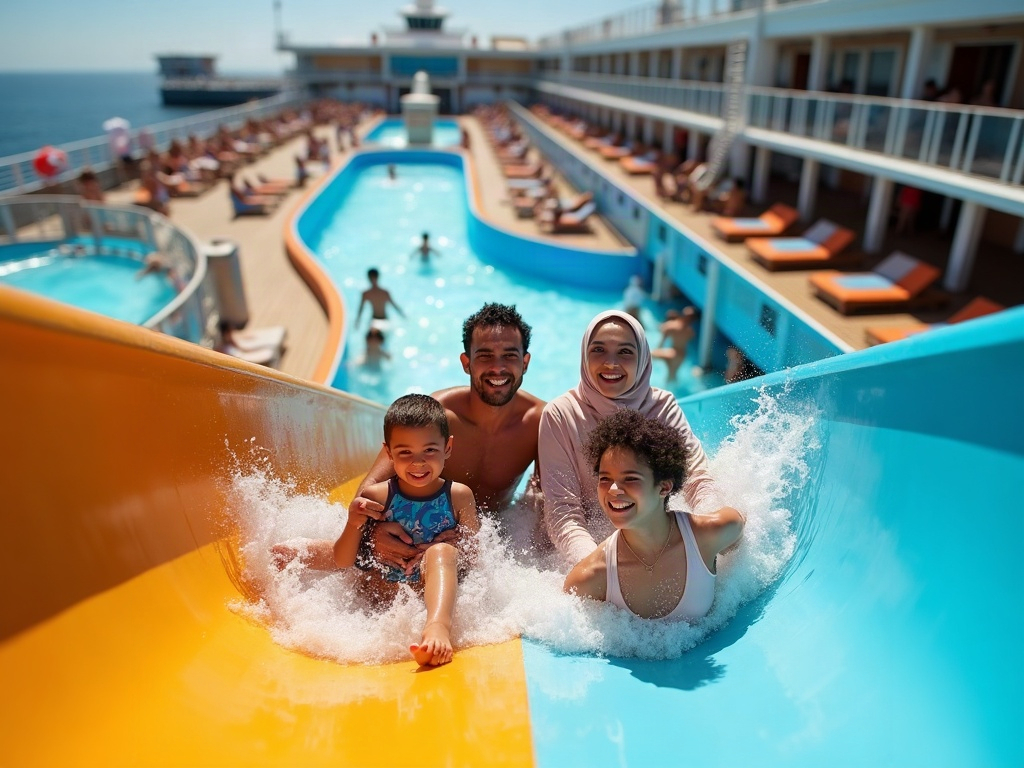
- All programs mandate secure check-in/out systems using keycards, passwords, or facial recognition.
- Protocols require parents to be contactable via pager or ship phone at all times while their child is in the club.
- Detailed procedures are in place for managing allergies, special medical needs, and emergencies.
- Staff certification is mandatory, typically requiring degrees in education, childcare qualifications, or extensive experience.
- All reputable cruise lines conduct extensive background checks on every youth staff member.
- Strict, publicly stated staff-to-child ratios are enforced, with lower ratios for younger children.
Safety is the highest priority for cruise lines’ kids’ clubs, providing parents with immense peace of mind.
While kids’ club safety is paramount, families also often wonder How Can Families Prevent Motion Sickness during Family Cruise Vacations? to ensure everyone enjoys the journey.
6. What Common Mistakes Should Parents Avoid When Choosing Cruise Kids’ Clubs?
The most common mistake parents should avoid when choosing cruise kids’ clubs is assuming all programs are equal and failing to research the specific ship’s offerings for their child’s exact age group.
Common mistakes include choosing a cruise based only on itinerary, ignoring the specific needs of teenagers, and not verifying the nursery’s availability or cost before booking. Another error is waiting until the last minute on embarkation day to register, risking disappointment.
The single biggest mistake is “age-bracket mismatch.” A family with a 12-year-old might choose a cruise with a fantastic club for ages 6-11, only to find the tween/teen program is an afterthought. Parents must research the *specific age bracket* their child will be in, not the “kids’ club” in general.
“Afterthought Program” is a kids’ or teen club on an older ship or family-unfriendly line that is small, understaffed, or has limited hours, failing to meet the standards of premier youth programs.
Failing to do this research can lead directly to common frustrations like discovering a program is overbooked or a poor fit for your child.
Here are some common mistakes to avoid:
- Don’t assume all programs are equal across different cruise lines or even different ships within the same line.
- Don’t choose a cruise based solely on the itinerary without considering the kids’ club offerings.
- Don’t ignore the specific needs and desires of teenagers; they require dedicated spaces and activities.
- Don’t fail to verify nursery availability and cost *before* booking, especially for infants and toddlers.
- Don’t wait until the last minute on Embarkation Day to register, risking disappointment or long queues.
- Don’t fall victim to “age-bracket mismatch” – research the program for your child’s *specific age* on *your specific ship*.
Research is non-negotiable for a successful kids’ club experience.
How Can Families Prevent Disappointment with Overbooked or Mismatched Programs?
Families can prevent disappointment with overbooked or mismatched programs by conducting ship-specific research before booking and completing all registration and reservations at the earliest possible opportunity. Prevent overbooking by pre-booking nursery spots online the day they become available and registering for the main club early on embarkation day. Prevent mismatch by watching recent video tours of the exact club on your specific ship to assess its size, theme, and energy level.
To avoid a mismatched program, parents can choose newer ships with larger facilities; for example, Royal Caribbean’s Icon-class ships dedicate roughly 28,700 square feet per ship to children’s facilities.
A powerful preventative measure is to cruise during the shoulder season (e.g., September, early May) rather than peak holidays (Christmas, Spring Break). Fewer children onboard means less competition for space in the clubs and more personalized attention from staff.
- Pre-book nursery spots online the day they become available.
- Register for the main kids’ club early on Embarkation Day.
- Consider cruising during the shoulder season (September, early May) to avoid peak crowds.
- Watch recent video tours of the exact kids’ club on your specific ship.
- Analyze daily schedules to understand the program’s philosophy (structured vs. free play).
- Read recent reviews focusing on experiences with your child’s age group.
What Alternatives Exist for Children Who Prefer Not to Participate in Organized Clubs?
For children who prefer not to participate in organized clubs, numerous alternatives exist on modern family-friendly cruise ships, including family-oriented activities, sports decks, and in-cabin entertainment. Key alternatives include the ship’s arcade, mini-golf course, water slides, and rock-climbing walls. Many ships also offer family trivia, movie nights under the stars, and Broadway-style shows that families can enjoy together.
An excellent alternative is the “Movies Under the Stars” program on Princess Cruises, which broadcasts family-friendly blockbusters on a massive, 300-square-foot outdoor screen.
For a fee, many cruise lines offer in-cabin babysitting (though this is becoming rarer) or group late-night babysitting sessions within the club facility. This provides a “club-adjacent” option for parents who need evening care for a child who dislikes the regular programming.
- Sports & Active: Pools, rock-climbing wall, water slides, mini-golf, sports courts.
- Entertainment: Family trivia, movie nights under the stars, Broadway-style shows, ship arcades.
- For-Fee Services: In-cabin babysitting (where available), group late-night babysitting sessions.
Reassure parents that a child disliking the club does not ruin the vacation, as modern ships are floating resorts with many other options.
For families considering different adventure types entirely, another popular choice includes learning How Can Your Family Maximize Fun and Save Time on a Theme Park family vacation?
7. Frequently Asked Questions About Cruise Kids’ Clubs
Are cruise kids’ clubs free?
Yes, most standard cruise kids’ clubs for children ages 3 to 17 are complimentary and included in your cruise fare during regular daytime and evening operating hours. However, dedicated nurseries for infants and toddlers (under age 3) and late-night group babysitting sessions (typically after 10:00 PM) usually carry an additional hourly fee.
What are the typical age groups for cruise kids’ clubs?
While exact age brackets vary slightly by cruise line, most ships divide children into four main developmental cohorts: Infants and Toddlers (6 months to 2 years) in the nursery, Kids (ages 3 to 11, often subdivided into 3-5, 6-8, and 9-11), Tweens (ages 12 to 14), and Teens (ages 15 to 17).
How do I register my child for a cruise kids’ club?
Many major cruise lines allow you to pre-register your child’s details online or via the cruise line’s app before sailing. You will then complete the physical check-in and receive security wristbands during the Kids’ Club Open House on embarkation day. For infant nurseries, you should pre-book specific hours online as soon as your booking window opens due to limited capacity.
Resolution
Ultimately, selecting the best kids’ club for your family cruise is an exercise in matching your child’s unique personality with a cruise line’s specific programming philosophy. The best choice hinges on diligent, ship-specific research into factors important for your child’s age group—safety and staffing for toddlers, imaginative themes for kids, or social freedom for teens. There is no single ‘best,’ only the ‘best fit’ for your family’s unique needs. The final deciding factor should be your parental intuition. After conducting the research, trust your gut feeling about which environment—the immersive storytelling of Disney, the high-energy action of Royal Caribbean, or the creative freedom of Norwegian—will allow your child to thrive. Your research is complete; now make the choice that feels right for creating the most harmonious and joyful vacation experience for your entire family.