Safe Public Transport Guide for City Family Vacations
Table of Contents
To safely and efficiently use public transport on city family vacations, you must prioritize accessible routes like low-floor trams, secure multi-day travel passes to eliminate transaction stress, and enforce a strict ‘human chain’ and ‘stay put’ emergency protocol to prevent separation in crowds.
While navigating a new urban center can seem intimidating, leveraging real-time transit apps and teaching children basic transport etiquette transforms commuting from a logistical hurdle into an engaging, cost-saving cultural experience. Mastering local transit eliminates the need for expensive taxis or rental cars and offers a highly authentic way to experience local life.
While this guide focuses heavily on mastering urban transport, many families also consider what makes family beach vacations ideal for their specific needs. Understanding how to manage logistics and reduce cognitive load translates to smoother family vacations across any destination.
1. Why is public transport a smart choice for city family vacations?
Public transport is a highly cost-effective, culturally enriching, and stress-reducing option for city family vacations, eliminating the need for expensive taxis or rental cars and offering a unique way to experience local life and navigate unfamiliar urban spaces efficiently.
How does public transport enhance cultural immersion for family vacations?
Public transport offers families unparalleled cultural immersion by exposing them directly to daily local life, languages, and customs, transforming standard commutes into educational experiences that teach children adaptability and observation skills impossible to gain from insulated private vehicles. It provides an unfiltered view of local life, from daily commutes to regional dialects and social norms.
In 2023, public transportation in the United States provided 7.8 billion trips, highlighting how mass transit puts travelers in direct, authentic contact with local commuters.
This direct exposure is a powerful educational tool that sterile taxi rides cannot replicate. Focus on sensory details: hearing train announcements in a foreign language, seeing local advertisements, and observing everyday interactions. This creates lasting memories perfectly aligned with the goals of making learning fun for kids on educational family vacations.
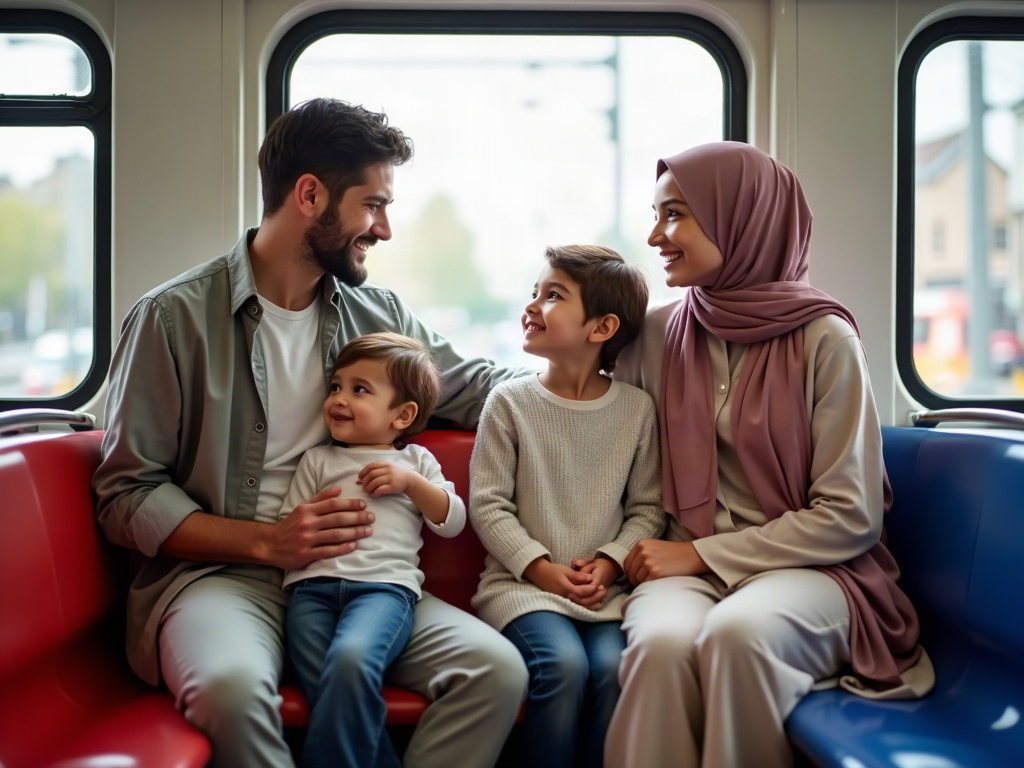
Figure 1: Public Transit as Cultural Immersion
Author’s Experience
“Having navigated the bustling streets of Tokyo and the historical alleys of Rome with my own young children, I’ve seen firsthand how public transport transforms a family vacation. It’s not just about getting around; it’s about shared moments, unexpected discoveries, and the quiet satisfaction of mastering a new city’s rhythm together.”
What financial benefits does public transport offer family vacations?
Public transport offers substantial financial benefits for family vacations, primarily through multi-day passes and child discounts that significantly undercut the combined costs of taxis, ride-shares, and car rentals, allowing reallocated savings for other vacation experiences like premium attractions or dining.
A 2024 report from the American Public Transportation Association (APTA) noted that switching from cars to public transit can lead to massive average annual savings, which for a family on a week-long vacation, scales down to hundreds of dollars saved.
These savings are particularly impactful when planning for a short city family vacation, where the “cost” of a rental car extends beyond the daily rate to include insurance, fuel, and exorbitant city-center parking fees—costs which often exceed the price of a full-day family transport pass entirely.
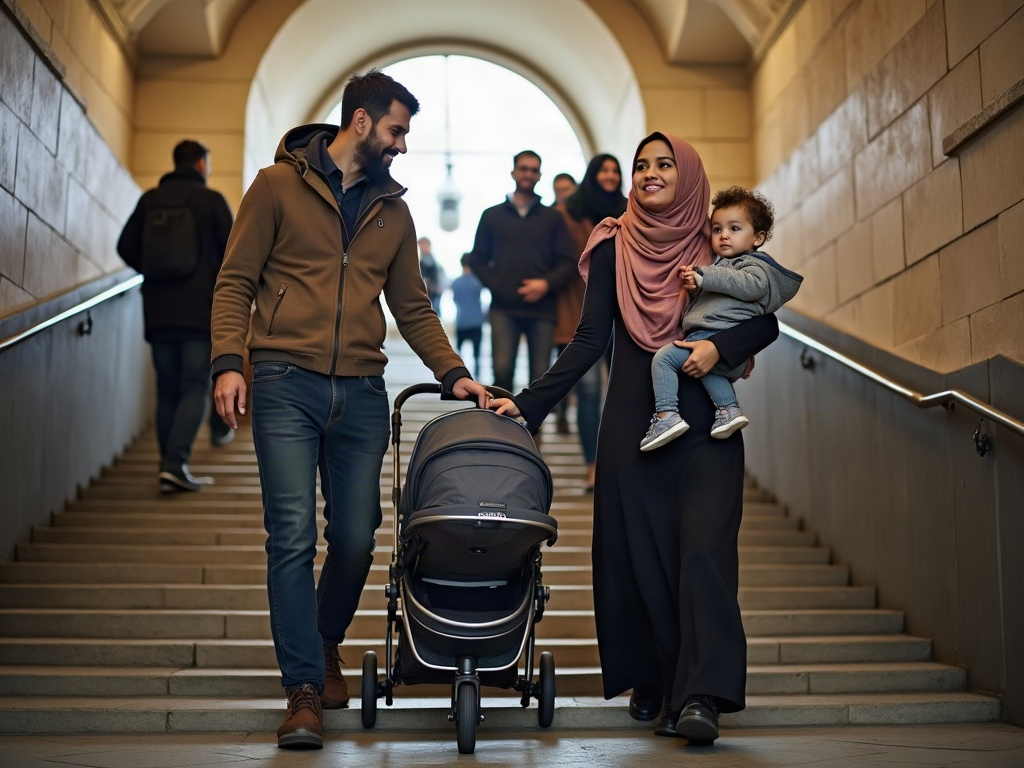
Figure 2: Financial Benefits of Public Transit
Financial Benefits Checklist
- Multi-day passes: Offer unlimited travel for a set period, dramatically reducing per-journey costs.
- Child fare discounts: Many urban systems provide heavily reduced fares or completely free travel for children up to a certain age.
- Contactless payment options: Streamline purchasing and often automatically cap daily spending at the price of a day pass.
2. What unique challenges do families face when using public transport in a city?
Families encounter highly specific challenges on city public transport during family vacations, including managing bulky strollers and luggage in crowded spaces, ensuring child safety amidst large chaotic groups, and managing the limited patience of young travelers, all necessitating careful route planning and cognitive load mitigation strategies.
How do strollers and young children impact public transport navigation?
Strollers and young children significantly impede public transport navigation by requiring extra time buffers, strictly limiting accessible route choices to elevator-equipped stations, and demanding constant parental attention, especially during high-stress boarding and unboarding sequences. Step-free access becomes the non-negotiable core of a smoother journey.
Under the Americans with Disabilities Act (ADA), transit stations built or substantially updated must have accessibility features like elevators, though families must be acutely aware that older systems globally may lack these features in all stations.
Experienced family vacationers often adopt a “two-person system” for inevitable stairs: one parent carries the child while the other collapses and carries the stroller. This is a practical, non-obvious tactic that prevents blocking thoroughfares.
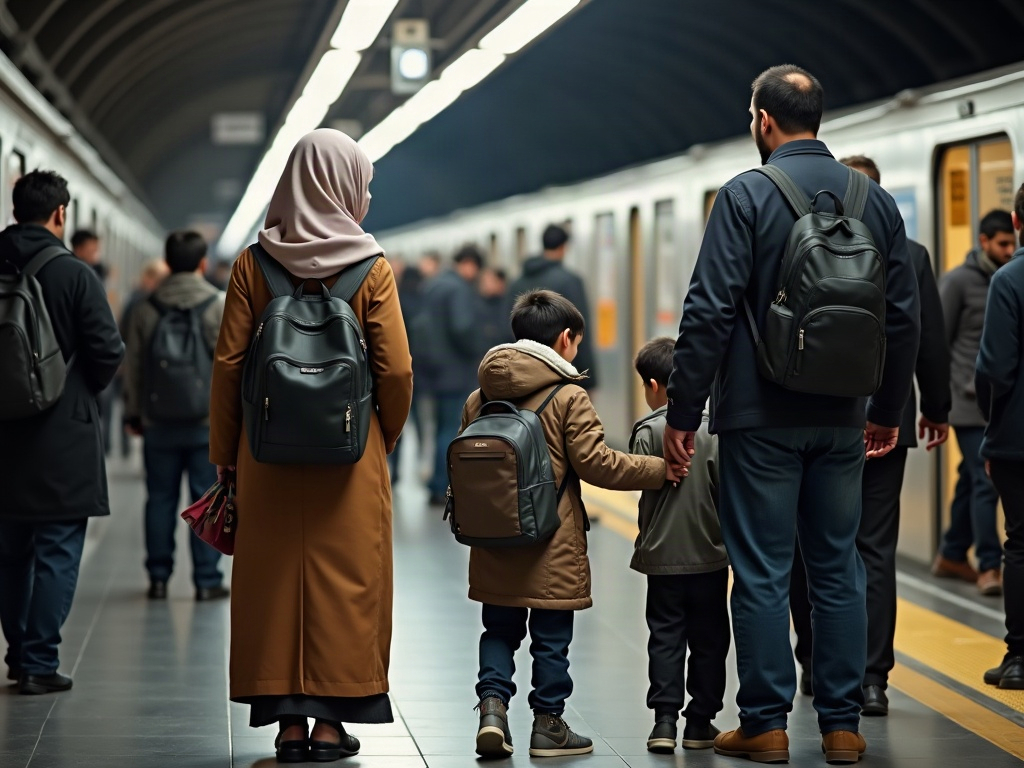
Figure 3: Stroller Navigation Challenges
Stroller Navigation Rules
- Always aggressively apply the brake on moving vehicles.
- Board rear-first when possible to control the center of gravity over gaps.
- Utilize designated “stroller friendly” subway entrances and exits.
- Consider substituting a heavy stroller with a lightweight pushchair or baby carrier during peak commuting times.
What are the common safety concerns for families in crowded transport systems?
Crowded public transport systems pose two massive safety concerns for family vacations: rapid child separation in dense environments and increased vulnerability to pickpocketing, particularly because parents managing children are inherently distracted, requiring extreme vigilance during high-risk transitional moments.
According to UC Berkeley SafeTREC reports, maintaining strict physical proximity is essential to avoid separation risks and “Pedestrian Violations” in busy transit zones.
The “pincer movement” of boarding/alighting is the highest-risk moment. A child can be pushed ahead onto a train by the crowd while the parent is still trying to get on, causing immediate separation before the doors close.
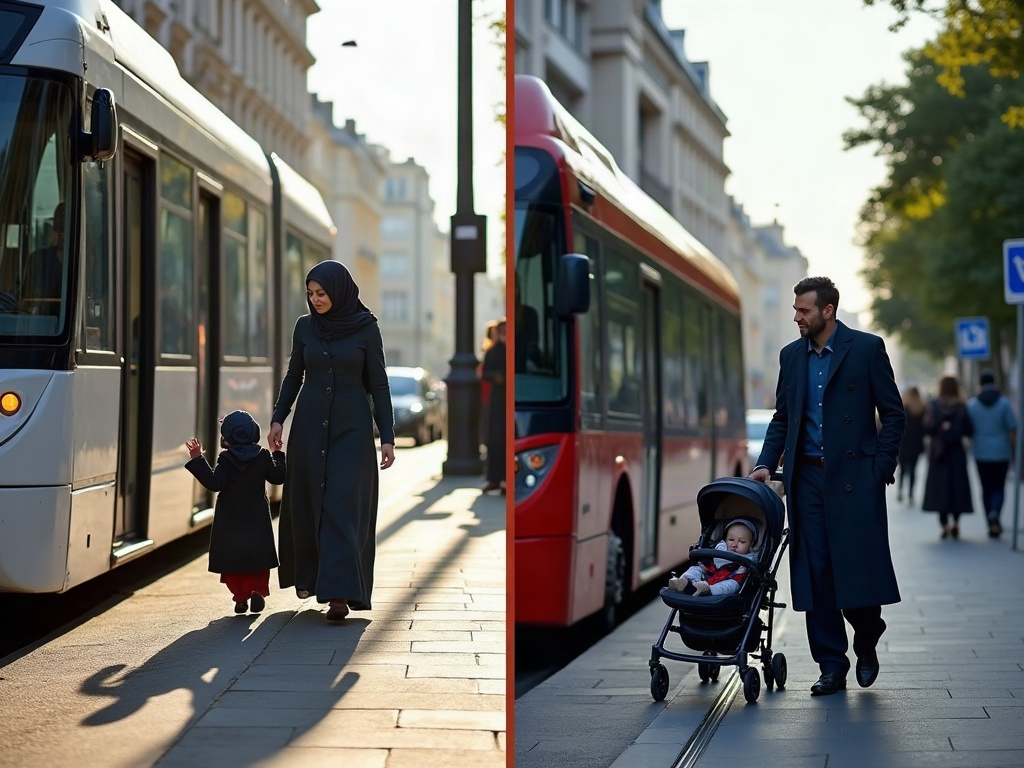
Figure 4: Safety in Crowded Systems
High-Risk Situations
- Boarding/alighting: Separation frequently occurs during rush hour pushes.
- Ticket barriers: Crowds and mechanical gates increase separation risk for slow-moving groups.
- Crowded platforms: Increased risk of opportunistic pickpocketing targeting distracted parents.
3. Which types of urban public transport are most family-friendly?
For family vacations, modern trams and buses are generally the most family-friendly urban public transport options due to their superior ground-level accessibility for strollers and a less overwhelming sensory environment compared to deep subways, making them ideal for families prioritizing ease of access and comfort over raw speed.
Are metro or subway systems suitable for families with children?
Metro or subway systems are conditionally suitable for family vacations primarily if step-free accessible stations are pre-identified and the travel occurs during off-peak hours. Without this planning, their speed benefits are completely outweighed by the accessibility challenges of stairs and safety risks in crowded, older systems.
Suitability is city-dependent, not system-dependent. Many older systems (e.g., Paris Métro) have a notoriously low percentage of accessible stations, making stroller use a nightmare. In contrast, newer systems (e.g., in Tokyo or Singapore) are designed with comprehensive elevator accessibility as a core feature.
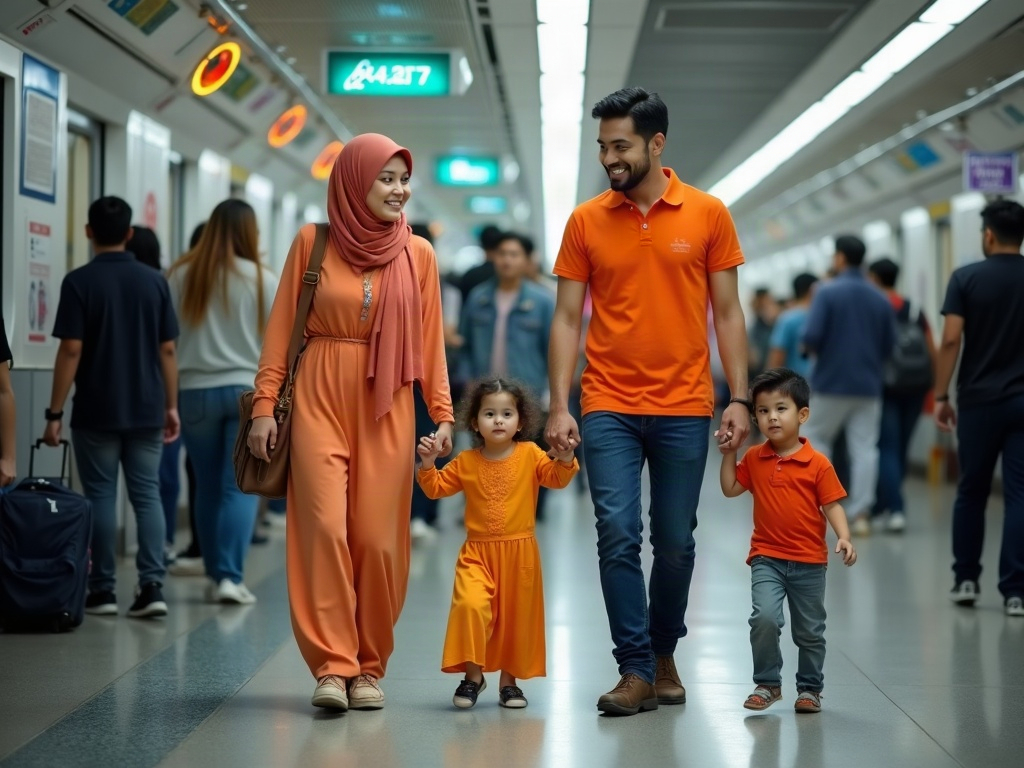
Figure 5: Metro Navigation Readiness
Pro-Tip
Always check the official transport map for the universal accessibility symbol (♿) next to station names before starting your journey. This ensures a stroller-friendly subway experience and helps you avoid navigating endless stairs with heavy family vacation luggage.
How do buses and trams compare for family accessibility and comfort?
Both buses and trams offer excellent ground-level family accessibility, with trams often providing a smoother, more spacious ride with exact level platform entry. Buses boast more extensive networks but can suffer from variable curb heights and surface traffic delays that affect comfort and predictability for young children.
A key differentiator is the “platform interface.” Tram platforms are typically level with the vehicle floor, creating a seamless, gap-free entry perfect for strollers. Bus stops can have variable curb heights, sometimes creating an awkward and difficult step up while managing children and gear.
Head-to-Head Comparison
| Transport Type | Stroller Accessibility | Speed | Entertainment Value |
|---|---|---|---|
| Bus | Good, with low-floor vehicles, but variable curb height at stops. | Variable, affected by surface traffic, less predictable journey times. | Excellent, offers continuous city views to occupy kids. |
| Tram | Excellent, often with exact level platform entry and dedicated spaces. | Generally faster and more reliable on dedicated tracks. | Good, offers continuous city views. |
| Metro/Subway | Conditional, heavily requires accessible stations (elevators/lifts). | Fastest for crossing the city, completely unaffected by surface traffic. | Limited, mostly tunnels; can be sensory-overstimulating for toddlers. |
Because buses and trams offer step-free, low-floor access more consistently than older metro networks, they are the ideal baseline for families with strollers. Furthermore, they provide a continuous view of the city, which acts as passive entertainment for children.
4. Which public transport passes offer the best value for city family vacations?
Multi-day passes and tourist travelcards overwhelmingly offer the best value for city family vacations, providing unlimited rides and child discounts that are far more cost-effective and convenient than single tickets, especially for family vacations spanning more than two days with multiple daily attraction hops.
How do child fares and family discounts work across different systems?
Child fares and family discounts on public transport vary wildly by city. Typically, they allow children under 4-5 to travel free and offer substantial discounts for older children up to their early teens. Prior verification of age limits and specific rules via the official transit website is absolutely essential before the family vacation begins.
The definition of a “family” for a discounted pass can be restrictively literal (e.g., specifically 2 adults and 2 children). Larger families may find it cheaper to run the math and buy a mix of individual adult and child passes instead of a designated “family” ticket. Always carry a digital photo of your child’s passport to quickly prove their age if challenged by inspectors.
When should families opt for single tickets versus multi-day passes?
Families should opt for single tickets only if planning two or fewer daily journeys. For three or more daily trips, multi-day passes immediately offer superior monetary value. More importantly, passes eliminate the intense stress of repeatedly purchasing tickets while managing children, providing massive non-monetary convenience.
The convenience of a pass has a high non-monetary value on a family vacation. Avoiding the need to queue at confusing, foreign-language ticket machines with tired children or fumble for exact change is a significant stress-reducer that justifies the cost of a pass even if you merely “break even” financially.
Decision Framework
- The 3-Trip Rule: If your family takes 3 or more trips in a single day, buy the unlimited pass.
- Opt for a multi-day pass for family vacations over 2 days that involve exploring multiple neighborhoods.
- Consider a bundled attraction/transport pass (e.g., a “City Card”) if your itinerary is packed with major, paid sights.
- Frame the choice in terms of “cognitive load”—a pass simplifies minute-by-minute decision-making.
5. How do families plan safe and efficient public transport routes in a new city?
Families plan safe and efficient routes by executing pre-trip research on official transport websites to identify strictly accessible options, then combining that baseline knowledge with real-time navigation via multi-modal transit apps, allowing for dynamic, stress-free adjustments during the family vacation.
What digital tools and apps help with real-time navigation and alerts?
Multi-modal transit apps such as Citymapper and Google Maps are absolutely indispensable for real-time public transport navigation on family vacations, offering live departure times, crucial disruption alerts, and highly specific accessibility details (like elevator outages) necessary to manage urban travel.
Citymapper’s “Get Me Home” function is a powerful stress-reducer. Repurpose it for your family vacation by setting the “Home” address to your hotel. If you get turned around or exhaustion hits, one tap provides immediate navigation back to base from anywhere in the city.
App Feature Comparison
- Google Maps: Wide global availability, excellent for general geographic mapping, and integrates public transport reliably.
- Citymapper: Often provides superior, granular real-time data, a specific public transport UI, and features alerting you when to get off the train, which is invaluable when managing kids.
How can families research and understand local public transport etiquette?
Families learn local public transport etiquette through pre-trip online research into cultural norms and careful observation upon arrival. Nuanced “space etiquette” regarding noise, seating priority, and stroller placement is critical to avoid cultural disruptions and ensure a smooth ride.
The most frequent point of friction for tourists is violating “space etiquette.” This includes knowing exactly where to place strollers and luggage to avoid blocking central aisles and doors. This is a vital safety issue in emergencies as well as a matter of local politeness.
Universal Public Transport Etiquette Checklist
- Enforce low voice volumes for the entire family.
- Immediately surrender designated seats for the elderly, pregnant, or disabled.
- Move deeply into the center of the car; never block the doors.
- Be prepared to collapse strollers rapidly if space is severely limited.
- Avoid eating or drinking, especially strongly scented food.
- Keep backpacks by your feet, not on your back, to save space.
6. How can families maintain safety and security while using city public transport?
Families guarantee safety and security on public transport by enforcing a strict physical buddy system, setting clear, pre-discussed rules for children, and employing aggressive anti-theft measures for belongings, thereby proactively destroying risks like child separation and opportunistic theft in chaotic environments.
What strategies prevent children from getting lost in crowded stations or vehicles?
To prevent children from getting lost, families must maintain unbroken physical contact through a “human chain,” dress children in highly visible clothing, teach an audible emergency signal (like a whistle), and mandate a pre-arranged, stationary meeting point for every transit hub.
Give each child a bright whistle to wear around their neck with the explicit instruction to blow it three times, loudly, if they become separated and cannot see a parent. In a crowded, echoing station, this auditory signal cuts through noise far better than shouting.
Family Safety Protocol (Preventing Separation)
- Maintain consistent hand-holding or force a “human chain” in all dense crowds.
- Dress children in brightly colored, easily identifiable clothing.
- Teach children exactly how to ask for help from uniformed transit staff or other families with children.
- Establish a pre-agreed, highly visible meeting point before entering any large station.
- Ensure children carry an emergency contact card in a secure pocket.
- Conduct a 30-second “Safety Speech” before entering stations, reviewing the protocol.
How do families protect belongings from theft on busy routes?
Families protect belongings from theft on busy transport routes by minimizing visible valuables, utilizing slash-proof anti-theft bags, assigning a dedicated “security lead” parent, and being acutely aware of distraction tactics like the “pincer movement” deployed by pickpocket teams.
Pickpockets frequently work in teams using physical distraction. One operative will create a minor disturbance (e.g., “accidentally” bumping into you or dropping something) while the accomplice accesses your bag. Teach adult family members to become hyper-aware and secure their bags immediately following any unexpected physical contact.
Protecting Belongings Checklist
- Wear backpacks on your chest, not your back, while in transit.
- Keep wallets and phones securely in front, zippered pockets.
- Never place a bag or phone on an empty seat next to you.
- Utilize certified anti-theft bags or concealed money belts for passports.
- Assign a “security lead” parent whose sole job is watching bags while the other manages the children.
7. How should families prepare for and respond to unexpected transport disruptions?
Families must prepare for sudden transport disruptions by pre-downloading local transit apps for real-time alerts, holding alternative routes in reserve, and maintaining fully charged devices. Responding effectively involves calmly assessing these alternatives, clearly communicating changes to children, and prioritizing information from official station staff.
Preparing for and responding to disruptions
Preparation requires checking for official service alerts before leaving the hotel, understanding at least one alternative transport option (e.g., a backup bus route or ride-share app), and possessing offline digital maps. Response dictates calmly seeking authoritative information and decisively implementing the pre-discussed Plan B.
A “digital disruption toolkit” is non-negotiable. This arsenal includes offline Google Maps of the city, a high-capacity power bank, and local taxi/ride-share apps (like Uber or Bolt) already downloaded and linked to a payment method, ready for instant deployment without frantic last-minute setup.
Checklist for Disruptions
- Pre-Departure Preparation: Download local transport apps, fully charge all devices, identify alternative transit routes to key attractions.
- On-the-Go Response: Calmly seek official staff information, explain the situation to children to reduce their anxiety, and swiftly activate Plan B (e.g., the pre-set ride-share app).
8. What common public transport mistakes should families avoid during a city break?
Families must avoid severe public transport mistakes like forgetting mandatory ticket validation, attempting to travel with large strollers during crushing peak hours, and drastically misjudging journey times. These errors predictably lead to heavy fines, extreme discomfort, and ruined itineraries, underscoring the absolute necessity of prior planning.
Avoiding common transport mistakes
The most critical mistakes to actively avoid include failing to validate tickets (which inspectors heavily penalize tourists for), assuming all subway stations possess elevators, traveling during peak commuter rush hours (resulting in dangerous overcrowding), and underestimating travel time between distant attractions.
The “single biggest regret” for many family vacationers is failing to understand the *actual* last train or bus time. Missing the final connection of the night can strand a family far from their accommodation, especially when relying on apps that don’t always clearly highlight late-night service reductions.
Beware Of
- Not validating tickets: Ignorance is no excuse; this leads to immediate fines. Ensure validating tickets with the family is done correctly before boarding.
- Assuming total accessibility: Not all stations are accessible; verify elevator status before traveling with strollers.
- Traveling during peak hours: Leads to dangerous overcrowding; ruthlessly plan for off-peak travel with children.
- Underestimating journey times: Always add a 25% time buffer, as moving a family group is inherently slower.
- Ignoring last train times: Can leave your family stranded and reliant on exorbitant late-night taxis.
9. How can families effectively address getting lost or separated within a public transport system?
When lost or separated on public transport, the family must immediately execute a pre-planned protocol: stay calm, remain strictly in place if in a safe zone, and contact uniformed staff. Children must be repeatedly instructed to seek help only from trusted adults and to never move from their last known location.
Immediate actions if lost or separated
Children must be unequivocally instructed to stay exactly where they last saw their parents and to approach only uniformed transport staff or another mother with children for help. Parents must instantly alert transport authorities and methodically retrace their steps or head to the pre-agreed meeting point.
Implement a “three-point check” emergency system: if separated, the child goes to point A (e.g., a ticket desk), parents go to point B (e.g., nearest uniformed staff), and both attempt to call each other at point C (e.g., a pre-programmed emergency contact number). This structure reduces panicked, aimless searching.
Emergency Plan for Travel
- For Parents: Stay calm, immediately command the attention of uniformed transport staff or emergency services, retrace your steps logically, or head to the pre-agreed meeting point.
- For Children: Stay frozen at the last seen location, approach only uniformed staff or another family with children for help, and absolutely do not move from that spot.
10. Logistics: Family Vacation Transport Checklist
| Checklist Item / Tactic | Status |
|---|---|
| PREPARE: Aggressively research accessible routes and elevator facilities in advance. | ⬜ |
| BUY SMART: Pre-purchase multi-day passes or load family vacation travel cards. | ⬜ |
| SECURE KIDS: Enforce a strict “buddy system” and maintain constant physical contact in crowds. | ⬜ |
| SAFE BELONGINGS: Deploy anti-theft measures and keep all valuables secured in front pockets. | ⬜ |
| PLAN B: Load a digital disruption toolkit (offline maps, ride-share apps) and have alternative routes ready. | ⬜ |
| TEACH ETIQUETTE: Explicitly discuss local customs and space behavior expectations with children. | ⬜ |
| AVOID PEAK: Rigidly schedule travel during off-peak hours to guarantee space and avoid dangerous overcrowding. | ⬜ |
Resolution
Successfully mastering city public transport on a family vacation demands aggressive pre-planning, unyielding safety protocols, and deep situational flexibility. When executed correctly, you eliminate the friction of urban travel, transforming a potential nightmare into a highly cost-effective, enriching cultural experience. By strategically targeting accessible routes, deploying robust safety measures against theft and separation, and utilizing high-value passes, public transport ceases to be a hurdle. Instead, it becomes the ultimate tool for families to explore cities authentically and affordably, creating profound, lasting memories of their urban adventure.
2 Responses