Family Camping Vacations: What Equipment Do You Need?
Table of Contents
To pack the right equipment for a family camping vacation, you must bring a waterproof tent, warm sleeping bags, a reliable camp stove, and a complete first-aid kit.
Having the right gear keeps your family warm, dry, and safe, turning a hard outdoor stay into an easy family vacation. A good packing list removes the stress of forgotten items. Ensure your ultimate family camping checklist is ready so you can focus on making memories instead of fixing problems.
1. Why is Specific Equipment Crucial for Memorable Family Camping?
Specific equipment is important for a family camping vacation because it directly stops common worries and improves safety, comfort, and fun for all family members.
The right equipment turns a hard outdoor stay into a positive one by ensuring everyone is warm, dry, well-fed, and safe. This base of physical health lets the family focus on connection and adventure rather than survival.
The main job of family-specific gear is to reduce parental worry. A reliable tent, warm sleeping bags for kids, and an easy-to-use stove mean fewer variables to worry about, allowing parents to be more present and create positive memories instead of fixing problems. Leave No Trace is a set of seven outdoor ethics principles that promote saving nature. For families, this means teaching children to respect wildlife, pack out all trash, and leave the campsite better than they found it on their family vacation.
Focus on buying the “Big Three” (shelter, sleeping system, cooking system) if your goal is to build a basic gear kit that guarantees a positive first-time family camping vacation. Now that the importance of proper equipment is clear, the most important decision is choosing the right shelter for your family’s needs.
Before diving into the specifics of camping gear, it helps to consider the full spectrum of family vacation possibilities, including a broader guide to the 10 types of family vacations.
While camping offers unique adventures, many families also find immense joy and relaxation in different types of getaways, such as a family beach vacation.
How does the right gear enhance family safety and comfort outdoors?
The right camping gear improves family safety and comfort outdoors by giving reliable protection from the weather and stopping common outdoor injuries.
For safety, gear like a waterproof tent and proper clothing stops you from getting too cold, while a first-aid kit helps with small injuries. For comfort, a proper sleeping pad insulates from the cold ground, and a well-equipped camp kitchen makes cooking simple.
“Comfort” in camping is not about fancy items; it’s about staying warm. The right gear maintains the body’s core temperature, which is the single most important factor for good sleep, positive mood, and physical safety, especially for children who lose body heat faster than adults during a family vacation.
Temperatures across New England can swing 30 degrees between a warm afternoon and a chilly morning, making layers and properly rated gear essential for safety.
Getting too cold is prevented by wearing layered, non-cotton clothing. Once you understand how gear contributes to comfort, delve deeper into the essential techniques and additional equipment needed for how your family can stay warm and dry throughout the family vacation.
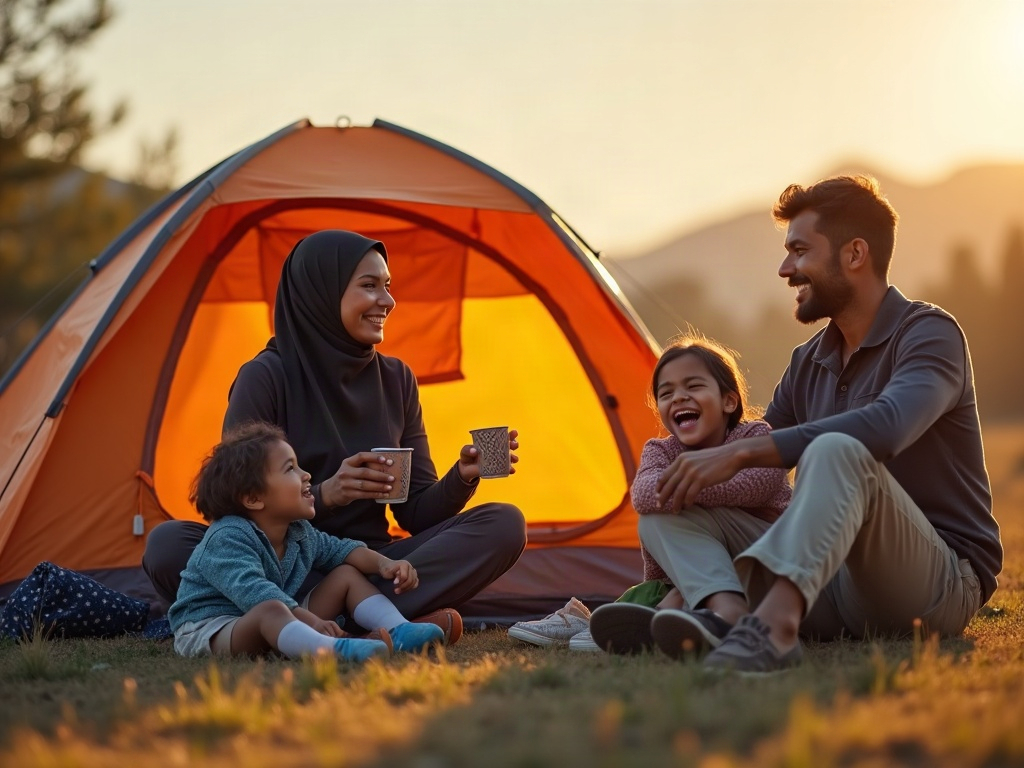
Figure 1: Proper Gear Ensures Safety and Comfort
What core equipment categories are essential for every family camping trip?
The core equipment categories essential for every family camping vacation are Shelter, Sleeping Systems, Cooking Systems, Safety and First-Aid, and Campsite Essentials.
These five categories form the foundation of a successful family vacation. Shelter includes the tent; Sleeping Systems cover bags and pads; Cooking involves stoves and coolers; Safety is first-aid and navigation; and Campsite Essentials include lighting, seating, and tools.
Frame these categories not as a shopping list, but as “Five Systems for Family Survival and Fun.” This mental model helps parents organize their planning and packing, ensuring no critical system is overlooked.
A popular “Family Camping Essentials” video has garnered over 82,000 views, showing a high public interest in understanding the core gear needed for a family vacation: Family Camping Essentials video.
- Shelter: Tent, tarp, footprint.
- Sleeping Systems: Sleeping bags, sleeping pads, camp pillows.
- Cooking Systems: Camp stove, cooler, cookware.
- Safety and First-Aid: First-aid kit, navigation tools, communication devices.
- Campsite Essentials: Lanterns, camp chairs, camp table.
This section acts as a table of contents for the detailed sections that follow.
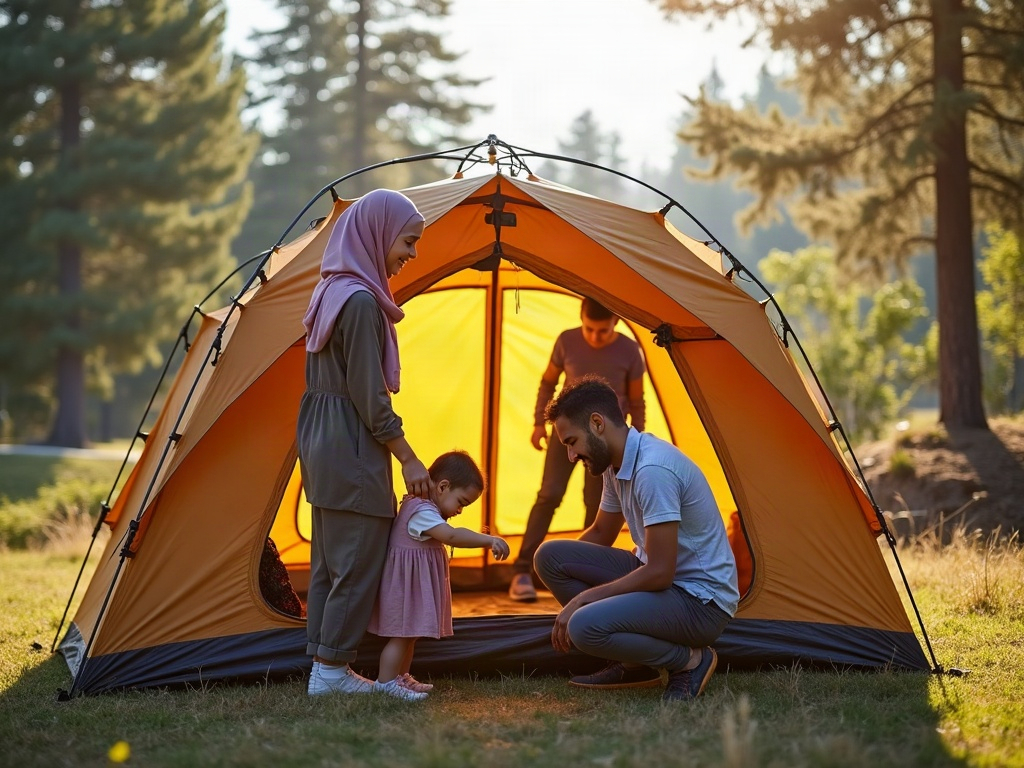
Figure 2: The Core Equipment Categories
2. How to Choose the Right Shelter for Family Camping Adventures?
Choosing the right shelter for family camping vacations requires checking tent size against your family’s size, picking a tent type that matches your destination’s weather, and looking for features that make it easy to live in.
The best shelter provides more than just rain protection; it acts as a temporary home for your family vacation. Your choice directly impacts comfort, organization, and the overall mood of the family vacation, making it the most important gear decision.
The “car camping” setup is key. Since weight is not a primary concern, families should focus on space and features like near-vertical walls and room dividers, which are often found in “cabin” style tents and greatly improve living in them for many days. Hydrostatic Head (HH) Rating is a number measurement of a tent’s waterproof coating, measured in millimeters (e.g., 3000mm). A higher number means better protection against water pressure during heavy rain on a family vacation.
Choose a cabin-style tent if your family values interior space and plans multi-day family vacations to established campsites; pick a dome tent if you expect to camp in windy, open locations. With a basic understanding of how to pick a shelter, let’s look at the details of tent sizes and important features for families.
For families exploring different levels of outdoor comfort, you might also look into Family Glamping: Is It the Perfect Bridge Between Camping and Hotels?, which offers a unique mix of nature and luxury for a family vacation.
Which tent sizes and types best suit different family compositions?
The tent sizes and types that best suit different family setups follow the “N+1” or “N+2” rule, where “N” is the number of people, with cabin tents serving families who need living space and dome tents fitting those needing weather protection on a family vacation.
For a family of four, pick a 6-person tent to hold sleeping pads and gear. A cabin-style tent is ideal for families with young children who need indoor play space, while a large dome tent offers a good balance of space and stability.
Explain the concept of a tent “vestibule.” For families, a large vestibule is not a luxury but a necessity, creating a “mudroom” to store dirty shoes and wet gear, thus keeping the main sleeping area clean and dry.
As a normal rule of thumb, it is recommended to size your tent one capacity level above your family size, such as choosing a 6-person tent for a family of 4 to make room for gear.
| Family Size | Recommended Tent Capacity | Recommended Type |
|---|---|---|
| 2-3 people | 4-Person | Dome |
| 4-5 people | 6-Person | Cabin (for space), Dome (for stability) |
| 6+ people | 8+ Person | Cabin (multi-room) |
If you have a teenager, a multi-room tent provides necessary privacy on a family vacation. Built-in features make it easier to choose the right family tent sizing.
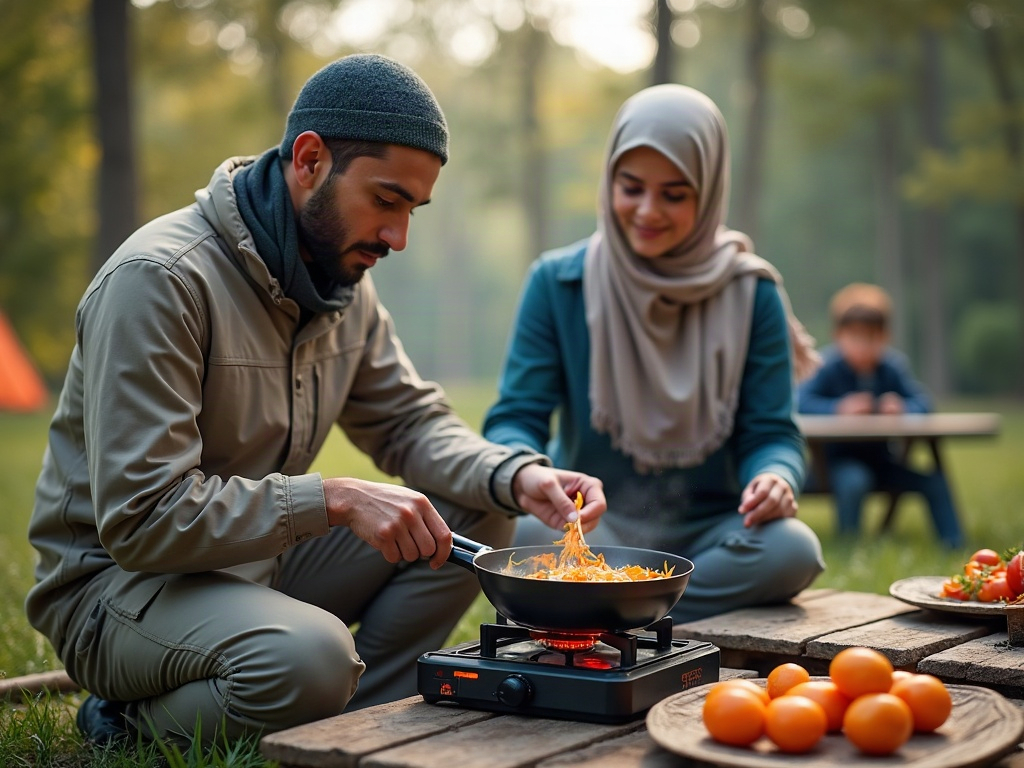
Figure 3: Finding the Right Size Family Tent
What tent features offer optimal comfort and convenience for families?
The tent features that offer optimal comfort and convenience for families include multiple doors, a tall peak height, internal storage pockets, and a full-coverage rainfly with a large vestibule.
A tall peak height (over 6 feet) allows adults to stand up, making changing clothes easier. Multiple doors prevent family members from climbing over each other for late-night bathroom trips, a critical convenience with children on a family vacation.
Introduce the “E-port” as a modern, family-friendly feature. An E-port is a small, zippered opening designed to safely run an extension cord into the tent, allowing for the use of a fan, small heater, or device charger from a campsite’s power hookup.
A family tent with an 89-square-foot footprint is large enough to accommodate a double air mattress and two single mattresses with room for bags.
- Multiple Doors: Prevent traffic jams, especially with young children and late-night bathroom trips.
- Tall Peak Height: Allows adults to stand up, making changing clothes and moving around easier.
- Internal Storage Pockets: Keep essentials like headlamps and smartphones off the floor and within easy reach.
- Full-Coverage Rainfly with Large Vestibule: Provides additional sheltered space for wet gear, shoes, and cooking during inclement weather.
- E-port: A zippered opening for safely running an extension cord into the tent.
These features collectively enhance the “livability” of the tent, making the family vacation much more enjoyable. For more options, explore essential family tent accessories.
Author’s Experience
“As a family vacation planner, I’ve seen firsthand how proper gear makes or breaks a family camping vacation. My own adventures, from the humid forests of the Pacific Northwest to the arid deserts of Arizona, taught me that careful planning and reliable equipment are key to turning potential chaos into cherished memories for everyone.”
3. What Sleeping Gear Ensures Restful Nights for Family Campers?
Sleeping gear that ensures restful nights for family campers consists of a matched system of sleeping bags with appropriate temperature ratings and sleeping pads with sufficient R-value for insulation.
A restful night is achieved by preventing heat loss to the ground (the job of the sleeping pad) and to the air (the job of the sleeping bag). For a family vacation, comfort often outweighs portability, making thicker, more insulated options the superior choice.
The most common mistake is focusing only on the sleeping bag’s temperature rating while ignoring the sleeping pad’s R-value. The ground acts as a massive heat sink; an uninsulated pad renders even a zero-degree bag ineffective. This system-based approach is critical for keeping children warm. R-Value is the measure of a sleeping pad’s resistance to heat flow. A higher R-value (e.g., 5+) provides more insulation and is essential for sleeping on cold ground during a family vacation, regardless of the air temperature.
Choose self-inflating or foam pads for durability and ease of use with kids; opt for rectangular sleeping bags for comfort unless camping in temperatures approaching freezing, where mummy bags are more efficient. Selecting the core bag and pad is the first step; now we’ll explore how to choose the right specifications and accessories for each family member on the family vacation.
How do you select sleeping bags and pads for diverse family needs and climates?
You select sleeping bags and pads for diverse family needs and climates by matching the bag’s temperature rating to the expected lowest nighttime temperature and the pad’s R-value to the ground conditions.
For sleeping bags, choose a rating 10-15 degrees F lower than the coldest anticipated temperature on the family vacation. For pads, an R-value of 2-4 is sufficient for summer, while 4+ is needed for three-season camping, especially for children and side sleepers who require more cushioning and insulation.
Sleeping bag temperature ratings are “survival” ratings, not “comfort” ratings, and are typically standardized for men. Women and children often sleep colder and should opt for a bag rated for lower temperatures or use a bag liner to add warmth.
A wearable sleeping bag like the Morrison Outdoors model has been tested to keep children plenty warm during a 40-degree night on a family vacation.
| Temperature Range | Recommended R-Value |
|---|---|
| Above 50°F | 1-3 |
| 30-50°F | 3-5 |
| Below 30°F | 5+ |
Advise parents to choose youth-specific bags for children, as adult-sized bags have too much empty space for a small body to heat efficiently. This ensures a comfortable kids sleeping bag temperature rating for all. For more information, choose the right sleeping bag temperature rating.
Which sleeping accessories maximize comfort for children and adults?
The sleeping accessories that maximize comfort for children and adults include camp pillows, sleeping bag liners, and portable white noise machines.
Camp pillows provide proper neck support, a significant upgrade from using a balled-up jacket. Sleeping bag liners add warmth, improve hygiene by being easily washable, and make the sleeping bag feel cozier.
For families with young children, a portable, battery-powered white noise machine is a game-changer. It masks unfamiliar campsite sounds (rustling animals, neighboring campers) that can frighten or wake a child, helping them feel secure and sleep through the night on a family vacation.
For maximum family comfort, a high-quality double mattress like the Exped Megamat Duo offers a sleeping surface that is four inches thick and nearly 60 inches wide.
- Camp Pillows: Provide proper neck support.
- Sleeping Bag Liners: Add warmth, improve hygiene, and enhance coziness.
- Portable White Noise Machine: Masks campsite sounds for uninterrupted sleep.
- Eye Masks and Earplugs: Simple but effective for light-sensitive or noise-sensitive adults on a family vacation.
These accessories are high-impact, low-cost upgrades to the core sleep system, solving the “last 10%” of sleep problems. For more advanced tips, read advanced tips for comfortable family camping.
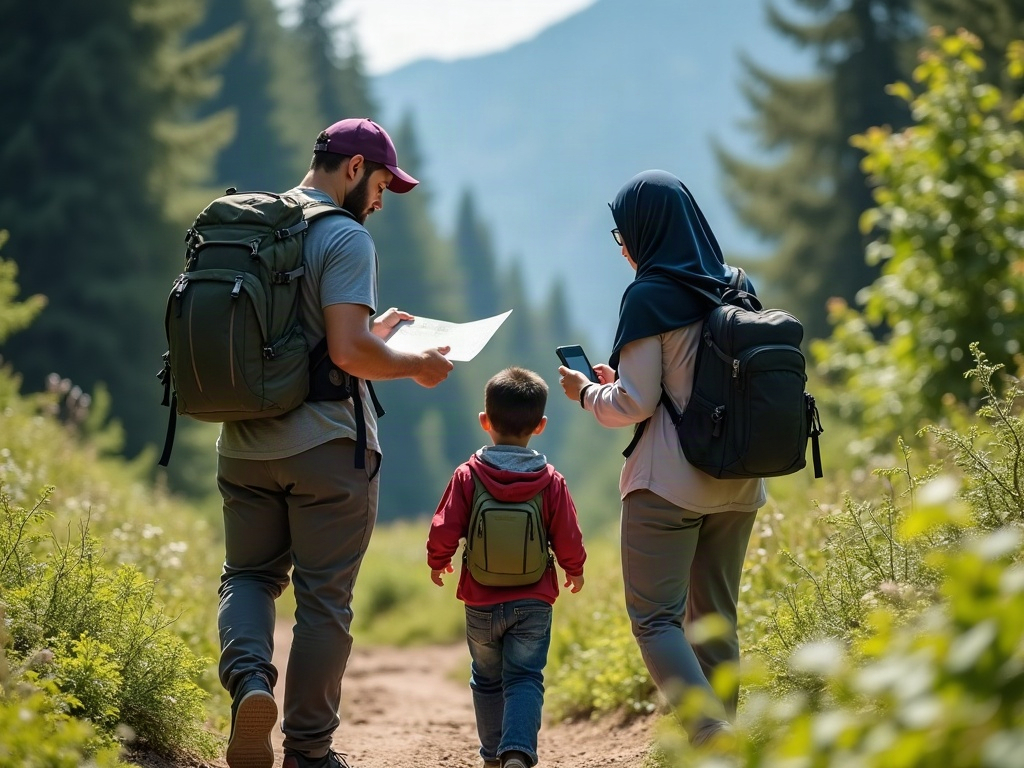
Figure 4: Setting Up a Warm Sleep System
4. How to Select Efficient Cooking and Meal Prep Equipment for Family Camping?
Selecting efficient cooking and meal prep equipment for a family vacation involves choosing a stable, multi-burner stove, a durable cookware set, and a high-performance cooler system.
The goal of a family camp kitchen is to replicate the workflow of a home kitchen in a simplified, portable format. Efficiency is key; you need gear that minimizes prep time, cooking time, and cleanup time so you can spend more time enjoying the family vacation.
The “kitchen” is a system, not just a stove. A highly effective family camp kitchen includes three zones: 1) The “cold zone” (cooler), 2) The “hot zone” (stove), and 3) The “prep/wash zone” (a small folding table and collapsible sink). Thinking in zones helps parents plan for a smooth, sanitary workflow. Roto-molded Cooler (short for rotationally molded) is a type of high-end cooler constructed from a single piece of seamless plastic. This construction method eliminates stress points and provides superior durability and ice retention compared to standard coolers.
Choose a freestanding, two-burner propane stove if you are cooking for three or more people, as it offers the best stability and power. A smaller, single-burner butane stove is only sufficient for one or two people or for boiling water. With the overall kitchen system in mind, let’s focus on the two most critical components: the stove and the food storage.
What portable stoves and cookware are ideal for preparing family meals outdoors?
The portable stoves and cookware ideal for preparing family meals outdoors are freestanding two-burner propane stoves and nested sets of stainless steel or cast iron cookware.
A two-burner propane stove provides the stability and heat control needed to cook for a group on a family vacation. Cast iron skillets excel at even heat distribution on a camp stove, while nested stainless steel pot sets are durable and save critical packing space.
While nested aluminum sets are lighter, cast iron is the superior choice for family car camping. A single, well-seasoned 12-inch cast iron skillet can cook nearly any family meal—from pancakes and eggs to burgers and stir-fry—and its heat retention properties are invaluable in windy or cool conditions.
Some all-in-one camp kitchen units, which include a stove, sink, and storage, weigh around 43 pounds before being loaded with cookware.
- Portable Stove: Two-burner propane stove for stability and heat control.
- Cookware: Nested stainless steel pot sets for durability and space-saving.
- Cast Iron Skillet: A single 12-inch skillet for versatile cooking and heat retention.
- Essential Utensils: Spatula, tongs, large spoon, sharp knife, cutting board.
Focus on durable, multi-year investment pieces for your best easy camping meals for families and a functional “portable camp kitchen setup.”
Which coolers and food storage solutions keep family provisions safe and fresh?
The coolers and food storage solutions that keep family provisions safe and fresh are high-performance roto-molded coolers for perishables and sealed, rodent-proof containers for dry goods.
A quality cooler is essential for keeping food out of the temperature “danger zone” (40°F to 140°F) where bacteria multiply rapidly. For multi-day family vacations, using a two-cooler system—one for drinks (opened frequently) and one for food (opened rarely)—dramatically extends ice life.
The most critical factor for cooler performance is pre-chilling. A cooler’s primary job is to *keep things cold*, not *make them cold*. Bring the cooler indoors the night before the family vacation and fill it with sacrificial ice or frozen water bottles to chill the insulation itself. This single step can double ice retention.
A 50-quart cooler is typically large enough to handle all the food and drinks for a family of four on a weekend family vacation.
- Pre-chilling: Fill cooler with sacrificial ice or frozen water bottles the night before.
- Frozen Water Bottles: Use as ice packs that double as drinking water.
- Layering: Layer ice and food to maximize cold retention.
- Shade: Keep coolers out of direct sunlight.
- Two-Cooler System: One for drinks, one for food.
Explain the importance of “bear-proof” or “IGBC-certified” coolers and canisters when camping in bear country, framing it as a non-negotiable safety rule. These “cooler packing hacks for camping” are crucial for your camping food list for 3 days.
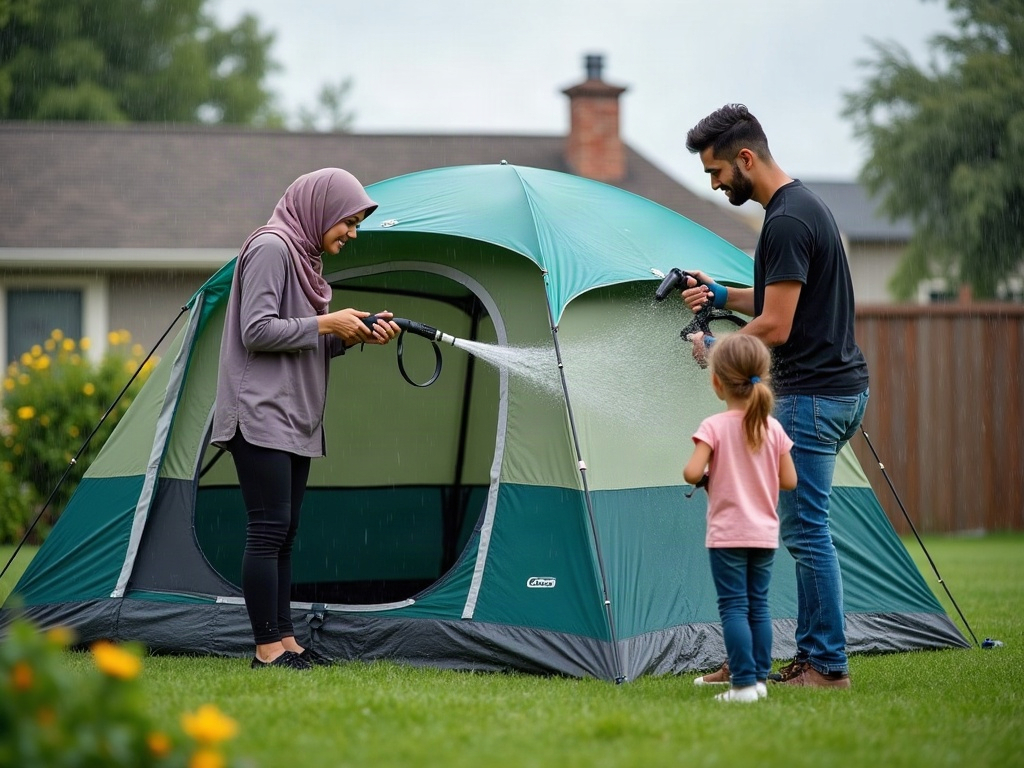
Figure 5: The Two-Burner Family Camp Kitchen
5. What Safety and First-Aid Equipment Should Families Prioritize for Camping?
The safety and first-aid equipment families should prioritize for a family vacation includes a well-stocked first-aid kit tailored to outdoor injuries, reliable navigation tools, and a multi-method communication plan.
Campsite safety equipment is not an optional extra; it is a core system as vital as your tent or sleeping bags. Your priority is to be prepared for the most common issues: cuts, scrapes, burns, insect bites, and the possibility of getting lost or needing to call for help without cell service on a family vacation.
Standard home first-aid kits are inadequate for camping. A proper outdoor kit must be proactively customized for your family and destination, including items like tweezers for splinters/ticks, antihistamines for allergic reactions (common with new plant/insect exposure), and a more robust supply of bandages and blister treatment. Satellite Messenger is a portable, battery-powered device that allows for two-way text messaging, location tracking, and SOS emergency functions using satellite networks instead of cellular towers, making it a critical safety tool in remote areas.
Invest in a pre-made, outdoor-specific first-aid kit as a starting point, then immediately customize it with child-specific medications (e.g., children’s Benadryl, infant Tylenol) and any personal prescription medications your family requires. Building a comprehensive safety system starts with the first-aid kit, but it extends to the tools you need to navigate your environment and call for help.
Beyond physical safety equipment, a crucial planning aspect involves understanding what age is safe for kids to go camping to ensure everyone enjoys the family vacation.
How do you assemble a comprehensive first-aid kit for family outdoor emergencies?
You assemble a comprehensive first-aid kit for family outdoor emergencies by starting with a pre-packaged kit and augmenting it with items for wound care, blister treatment, allergic reactions, and child-specific needs.
A comprehensive kit is organized into modules: wound management (bandages, gauze, tape), tools (tweezers, scissors), and medications (pain relievers, antihistamines). For family use, ensure you have both adult and child dosages and applicators.
The single most valuable addition to a family first-aid kit is a “wilderness first aid” quick reference guide or app. During a stressful situation, a simple, waterproof guide provides step-by-step instructions that are easy to forget under pressure, empowering a parent to act correctly and calmly.
A key rule for packing is to bring a minimum of three changes of clothes per child, as they get dirty and wet frequently on a family vacation.
- Wound Care: Assorted bandages (20+), sterile gauze pads, medical tape, antiseptic wipes, antibiotic ointment.
- Medications: Pain relievers (adult & child), antihistamines, antacids, anti-diarrhea medicine.
- Child-Specific Needs: Infant Tylenol, children’s Benadryl, vapor rub.
- Tools: Tweezers (for splinters/ticks), small scissors, safety pins, thermometer.
- Other: Moleskin/blister treatment, hydrocortisone cream, insect repellent, sunscreen, hand sanitizer, CPR face shield.
This comprehensive first aid kit checklist ensures you have a robust “first aid kit for family camping” that addresses common kid injuries like scrapes and splinters.
Which communication and navigation tools are vital for family safety in remote areas?
The communication and navigation tools vital for family safety in remote areas are a dedicated GPS device or mapping app with pre-downloaded maps, a compass, and a satellite messenger for emergencies.
Relying on a smartphone’s cell service for navigation and communication is a critical mistake in many family vacations. A robust safety system includes redundant tools: a primary electronic navigation device and a backup analog compass, plus a satellite-based device for calling for help.
The combination of a paper map and a compass is not just a “backup”; it is an essential skill. Batteries die, but a compass always works. Teaching children basic map-reading and how to use a compass is a valuable life skill and a fun family activity that also serves as a critical safety function.
A portable power bank like the Zippo Heatbank 9s has enough capacity to fully charge two phones from 0% and offers 6 hours of battery life.
- Dedicated GPS Device or App: With pre-downloaded maps for reliable navigation.
- Physical Compass: A backup analog tool, always reliable.
- Paper Maps: Essential for skill-building and a non-electronic backup.
- Satellite Messenger: For two-way text, tracking, and SOS in remote areas.
- Portable Power Bank: To keep essential electronics charged.
Explain the difference between a GPS device and a satellite messenger clearly. You must have a plan for communication beyond a cell phone. Frame the use of these tools within the context of a family hike away from the main campsite for remote area safety for families.
6. How to Prepare and Organize Family Camping Equipment for Smooth Family Vacations?
You prepare and organize family camping equipment for smooth family vacations by using a checklist-based system, performing pre-trip gear checks, and packing items in modular, clearly labeled bins.
The key to a smooth family vacation is doing the work at home. A chaotic departure leads to a stressful arrival. A systematic approach to checking, organizing, and packing your gear eliminates forgotten items and ensures a fast, easy campsite setup.
Implement the “bin system.” Dedicate specific, labeled plastic bins to different gear categories (e.g., “Kitchen Bin,” “Tent & Sleep Bin,” “Lighting & Tools Bin”). This makes packing the car like a game of Tetris, protects gear, and, most importantly, allows you to find what you need at the campsite without unpacking the entire car. Shakedown Trip is a short, low-stakes practice trip, often in a backyard or a nearby campground. Its purpose is to test new gear, practice setting up, and refine your checklist and systems before embarking on a longer, more remote family vacation.
Use clear or color-coded bins to quickly identify contents. Prioritize the “Kitchen Bin” and “Tent Bin” for easy access, as they are the first things you’ll need upon arrival at the campsite. This system relies on one crucial prerequisite: ensuring all your gear is actually functional. Let’s cover how to perform essential pre-trip checks.
As you organize your physical gear, don’t forget to prepare for mental and digital well-being by considering how to disconnect your family safely while camping for a truly immersive experience.
What essential checks ensure all family gear is functional before departure?
The essential checks that ensure all family gear is functional before departure includes setting up the tent, testing all electronic devices, and checking fuel levels for stoves and lanterns.
A week before your family vacation, you must physically inspect and test your most critical gear. This includes pitching the tent in your yard to check for tears or missing poles and turning on headlamps and lanterns to check batteries.
The “tent check” must go beyond just seeing if it’s there. Set it up completely, including the rainfly, and use a garden hose to simulate rain. This is the only way to discover hidden leaks in seams or the fabric, a discovery you want to make at home, not at midnight in a downpour with your family.
A simple tent design with only two poles can allow one person to complete a full test setup in under 10 minutes.
This information acts as a non-negotiable “Pre-Launch Checklist.” Include checks for the first-aid kit (restock used items) and sleeping pads (inflate and leave for an hour to check for slow leaks). Reinforce that this 30-minute check at home can save an entire family vacation. Ensure you refer to a pre-trip gear checklist for family camping.
How do you pack camping equipment for easy access and efficient transport with a family?
You pack camping equipment for easy access and efficient transport with a family by loading the car with a “last in, first out” strategy for essential campsite setup gear.
Gear needed last (like sleeping bags) goes in the car first, deep in the back. Gear needed immediately upon arrival (tent, tarp, cooler) goes in last so it can be pulled out first. Keep a separate “day bag” in the passenger area with snacks, water, and activities for the kids on the family vacation.
Create a “Go-Bag” for arrival. This is a single, small duffel or bin that contains the absolute essentials for the first 30 minutes at camp: tent, tent footprint, a mallet, headlamps (if arriving late), and a water bottle. This single bag allows one parent to begin setup immediately while the other manages the kids.
Some families have successfully used the same two storage crates for all their cooking equipment on every family vacation for as long as three or four years.
- Sleeping Bags/Pads: Load first, deep in the back.
- Extra Clothes/Chairs: Load next.
- Kitchen Bin: Keep accessible but not last.
- Tent/Go-Bag: Load last for immediate access.
- Cooler: Load last, or in an easily accessible spot.
This system reduces arrival stress and prevents the classic “car explosion” where everything is pulled out to find one item, improving your car camping essentials for family and how to organize camping gear.
7. How to Maintain and Store Family Camping Equipment for Long-Term Use?
You maintain and store family camping equipment for long-term use by thoroughly cleaning and drying every item after each family vacation and storing it in a cool, dry, and dark environment.
Proper maintenance is the most overlooked aspect of owning camping gear. The 24 hours after you return are critical; immediate cleaning and drying prevent mold, mildew, and corrosion that will permanently ruin expensive equipment.
The enemy of stored gear is not use, but neglect. Specifically, storing a tent while even slightly damp will cause its waterproof polyurethane (PU) coatings to hydrolyze and break down, becoming sticky and smelly and leading to delamination. This damage is irreversible and destroys the tent. Delamination in the context of gear is the process where a laminated layer, such as a tent’s waterproof coating or the fabric layers of a rain jacket, separates and peels away, destroying the item’s waterproof and structural integrity.
If you cannot clean your gear immediately upon returning from a family vacation, at the very minimum, unpack the tent and sleeping bags and drape them over chairs or a railing indoors. This immediate airing-out is the single most important step to prevent mildew. This commitment to post-trip care is a discipline. Let’s break down the specific best practices for cleaning and storing your family’s gear.
What are the best practices for cleaning family gear after each camping adventure?
The best practices for cleaning family gear after each family vacation involve airing out tents, spot-cleaning sleeping bags, and sanitizing coolers and cookware.
For tents, sweep out debris and wipe down with a non-detergent soap and water, then air dry completely. For sleeping bags, spot-clean is preferred, as machine washing degrades insulation; only wash when absolutely necessary in a front-loading machine. Coolers and cookware must be washed and sanitized to prevent mold and foodborne illness.
Never use a standard washing machine with an agitator for sleeping bags or tents. The agitator can rip delicate baffles and seams. If a full wash is required, use a large, front-loading commercial laundromat machine on a gentle cycle with a technical gear-specific wash.
One camper reported their tent lasted for a decade before it was ruined by a single instance of being put away wet, which allowed mildew to grow.
| Gear Item | Cleaning Protocol |
|---|---|
| Tent | Sweep out debris, wipe with non-detergent soap & water, air dry completely. |
| Sleeping Bag | Spot-clean preferred; if washing, use large front-loader with technical wash on gentle cycle. |
| Cooler | Wash and sanitize thoroughly to prevent mold and illness. |
| Cast Iron Skillet | Scrub with hot water and stiff brush (no soap), dry immediately on stove, apply thin oil layer. |
This detailed guide to cleaning camping gear provides specific steps for cleaning camping gear.
How should families store equipment to preserve its condition and extend its lifespan?
Families should store equipment in a cool, dry, and dark climate-controlled area, rather than hot attics or damp garages, to preserve its condition for the next family vacation.
The ideal storage location is a climate-controlled area like a closet or basement, not a hot attic or damp garage. Tents and sleeping bags should be stored loosely in large, breathable cotton or mesh sacks, not tightly compressed in their original stuff sacks.
Storing a sleeping bag in its compression sack is the fastest way to ruin it. The prolonged compression permanently damages the insulation (down or synthetic), reducing its ability to loft and trap air, which is how it provides warmth. This will significantly lower its effective temperature rating.
A quality storage solution like the Gregory Alpaca Camp Box features a gasket seal to keep out water and dust, and is durable enough that it won’t give when kids stand on it.
- DO: Store equipment in a cool, dry, dark, climate-controlled area.
- DO: Store tents and sleeping bags loosely in breathable bags.
- DO: Remove batteries from all electronic devices.
- DON’T: Store gear in hot attics or damp garages.
- DON’T: Store sleeping bags in their original compression sacks.
- DON’T: Store anything damp or dirty.
Do not store your sleeping bag in its stuff sack. For more “family camping gear storage ideas,” refer to family camping gear storage ideas.
8. What Common Equipment Mistakes Should Family Campers Actively Avoid?
The common equipment mistakes family campers should actively avoid on a family vacation include underestimating weather, neglecting to test gear before leaving, and choosing fashion over function in clothing.
The most critical mistakes stem from a failure to plan and prepare. Assuming the weather will be perfect, that brand-new gear will work flawlessly out of the box, or that cotton clothes are suitable for the outdoors are classic errors that can lead to discomfort and danger.
The “cotton kills” mantra is not an exaggeration in an outdoor context. Cotton absorbs moisture and loses all its insulative properties when wet, actively pulling heat from the body. For children especially, a wet cotton t-shirt on a cool, windy day is a direct path to hypothermia. This is the single most important clothing mistake to avoid on a family vacation. Layering System is a versatile approach to outdoor clothing consisting of three layers: a base layer (to wick moisture), a mid layer (to insulate), and a shell layer (to block wind and rain). This system allows a person to adapt to changing conditions by adding or removing layers.
Always pack a complete rain suit (jacket and pants) for every family member, regardless of the forecast. This is your most important piece of insurance against bad weather. These high-level errors are critical to avoid. Let’s examine the two most common tactical mistakes: packing the wrong amount of gear and overlooking critical items.
How to prevent overpacking or underpacking essential gear for family vacations?
You prevent overpacking or underpacking essential gear for family vacations by using a comprehensive, categorized checklist and adhering to it ruthlessly.
Underpacking is prevented by using a proven checklist (like the one built from this guide). Overpacking is prevented by reviewing that checklist and asking for each non-essential item: “Is the function of this item worth its weight and space?”
The solution is a “Master Family Camping Checklist” stored digitally (e.g., Google Keep, Evernote) and refined after every family vacation. After returning, immediately update the list: add items you wished you had, and cross off items you brought but never used. Over 2-3 trips, this creates a personalized, perfected packing list for your family.
To avoid underpacking critical supplies for infants, it is recommended to pack double the amount of diapers you think you will need for the family vacation.
For clothing, pack in outfits using packing cubes to prevent bringing a pile of mismatched items. Refer to a beginner camping gear for family checklist.
What critical equipment oversights can lead to discomfort or safety issues for families?
The critical equipment oversights that can lead to discomfort or safety issues for families are insufficient lighting, inadequate footwear, and a lack of sun and insect protection.
Forgetting lighting means fumbling in the dark, a recipe for trips, falls, and stress. Improper footwear leads to blisters and foot pain that can end a trip early. Neglecting sun and insect protection can result in sunburn, dehydration, and miserable, itchy children.
The lighting oversight is often not forgetting a light, but not having *enough* or the right *kind*. Every person, including each child old enough to walk, needs their own headlamp. This provides hands-free light, promotes independence, and is a critical safety item that prevents kids from getting lost in the dark at the campsite on a family vacation.
A common mistake is underpacking chairs; on one family vacation with three people and only two chairs, the parent reported they “never got to sit in a chair.”
- Insufficient Lighting: Every family member needs a personal headlamp.
- Inadequate Footwear: Mandate closed-toe shoes with good traction.
- Lack of Sun Protection: Pack sunscreen, wide-brimmed hats, and sunglasses for everyone.
- Lack of Insect Protection: Bring insect repellent and consider head nets in buggy areas.
- No Rain Gear: Always pack a complete rain suit (jacket and pants) for each person.
Frame these oversights as “vacation enders.” Use strong, declarative sentences to leave no room for ambiguity. See our campsite safety rules for family.
9. Frequently Asked Questions
Is expensive camping gear really necessary for a family vacation?
Specific equipment is important for a fun family vacation because it fixes problems before they start, keeps everyone safe, and makes you comfortable. This helps your family focus on spending time together instead of fixing broken things.
What is a good R-value for a family camping sleeping pad?
For sleeping pads, a rating of 2 to 4 is fine for summer. If you go on a family vacation in cooler weather, you need a rating of 4 or higher to keep kids and side sleepers warm against the cold ground.
What is the most important safety item for a family camping vacation?
A great first-aid kit made just for your family, tools to help you find your way like a map and compass, and a way to send messages even if your cell phone stops working are the top safety items for your family vacation.
Why should you avoid cotton clothes on a family camping vacation?
Cotton acts like a sponge for water and sweat, and it stops keeping you warm the second it gets wet. For kids, wearing a wet cotton shirt on a windy day is a quick way to get way too cold. It is the biggest clothing mistake to avoid on a family vacation.
Resolution
Ensuring a well-equipped and enjoyable family camping vacation is not about buying the most expensive gear, but about a thoughtful system of preparation. A successful family vacation is the result of choosing the right shelter and sleep systems for comfort, a functional kitchen for happy meals, and a robust safety plan for peace of mind. Your preparation at home directly determines the quality of your family’s memories in nature. The equipment is not the goal; it is the tool. The purpose of all this gear and planning is to remove friction and anxiety, allowing your family to be present with each other and with the natural world. A well-equipped family vacation is one where you stop thinking about the gear and start experiencing the adventure.
One Response