Family Beach Vacations: What Makes Them Ideal for Families?
Table of Contents
Family beach vacations are ideal because they effortlessly combine free, sensory-rich natural environments for child play with a restorative, low-stress atmosphere that adults deeply need to relax and recharge.
Planning a getaway that simultaneously balances the high energy of toddlers, the independence sought by teens, and the relaxation needs of adults can often feel like an impossible puzzle. Every family dynamic presents conflicting priorities. However, coastal escapes—whether it’s the gentle gulf waters of Destin, Florida or the dramatic cliffs of the Amalfi Coast—offer an inherent remedy to this common travel friction, providing vast open spaces and soothing environments naturally suited to multigenerational group dynamics.
Unlike highly structured vacations that operate on strict timelines, a family beach vacation provides a unique blend of unstructured play and restorative downtime. The environment dictates the pace, making it infinitely easier to satisfy everyone simultaneously without feeling rushed. While you might consider checking how families can maximize fun at a theme park, a well-planned beach trip remains unparalleled for fostering organic, stress-free connection.
1. Why are Family Beach Vacations the Perfect Choice?
Family beach vacations are the perfect choice for families because they combine sensory-rich natural environments with a diverse range of physical activities that naturally foster relaxation. Before exploring more niche itineraries, you can always learn about what other types of family vacations are available to see why beaches consistently rank on top across travel surveys.
What unique psychological benefits do beach settings offer families?
Beach settings provide unique benefits to families through free-form sensory play, offering children vast, natural spaces for unstructured development and exploration. Furthermore, they expose families to coastal ecosystems and offer a restorative atmosphere scientifically known to improve overall mood and sleep quality.
Marine biologist Wallace J. Nichols coined the term “Blue Mind,” which refers to the mildly meditative state we fall into when we are near, in, on, or under water. For stressed-out parents and over-stimulated children, this environment acts as a natural neurological reset button. With over 95,000 miles of shoreline across the country, there is a beach for every type of family taste and budget, according to CabinZero Travel Tips.
Exposure to the negative ions abundant in crashing sea waves is directly linked to increased serotonin levels, which can elevate mood, reduce stress, and improve energy levels, providing a biological basis for the profound feeling of well-being experienced by the ocean.

Beaches naturally bridge the gap between high-energy child play and the desperate need for adult relaxation, requiring zero compromise.
© WovenVoyages.com
How do beach vacations promote deeper family bonding?
Family beach vacations significantly promote bonding by stripping away daily household routines, chore lists, and digital distractions, fostering shared experiences in a naturally calming environment. This “unplugged” time, combined with simple collaborative activities like building a sandcastle or navigating tidal pools, allows families to reconnect on a primal level. There is no Wi-Fi in the ocean, forcing families to be completely present with one another.
Author’s Experience: Abdullahi Azaam Adan
“In my years of analyzing family travel data and taking my own kids to numerous coastal towns, I’ve found a consistent truth: the simple act of digging an arbitrary hole in the sand or chasing gentle waves offers far more profound, lasting, and conflict-free memories than rushing to make a scheduled theme park ride. Nature does the heavy lifting of entertaining your children.”
2. What Defining Characteristics Make a Beach Ideal for Families?
Not all beaches are created equal when it comes to traveling with children. The defining characteristics that make a beach vacation ideal for families center around a safe, child-friendly physical environment (like shallow shelf drop-offs), accessible infrastructure, and a wide variety of age-appropriate activities. To ensure you make the right pick for your specific age group, you can check our guide on choosing the perfect coastline before booking.
What makes coastal environments inherently child-friendly?
Beach environments are inherently child-friendly primarily due to their soft, forgiving sandy surfaces that cushion falls for toddlers learning to walk, and offer vast open spaces for uninhibited gross motor play. Natural elements like shallow tidal pools create safe, engaging micro-habitats where young children can safely observe crabs, small fish, and shells without facing the intimidation of crashing waves.
Destinations like San Diego boast 70 miles of diverse coastline, with protected coves like La Jolla Shores offering exceptionally calm waters perfect for beginner boogie boarders and wading toddlers, according to Condé Nast Traveler.
Educational Context: Sand and water act as an exceptional medium for “loose parts play.” This is an early childhood education concept where open-ended materials (shells, sticks, water, sand) are used to problem-solve, build, and create without a predetermined set of instructions. This is vastly superior for cognitive development compared to highly structured digital toys.
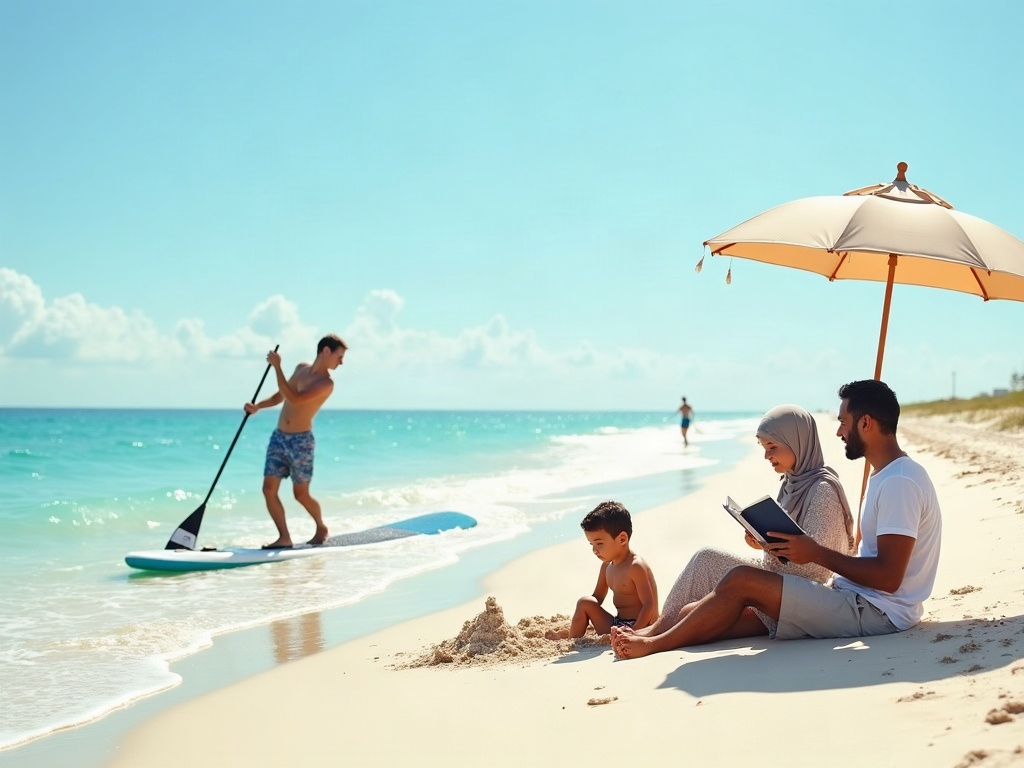
Soft sand and shallow water act as natural, open-ended tools, driving critical cognitive and fine motor skill development without the need for expensive toys.
© WovenVoyages.com
Essential Amenities to Look For
- Lifeguard Presence: Crucial for peace of mind, especially with energetic pre-teens.
- Restroom Accessibility: A beach is only family-friendly if you don’t have to walk 20 minutes to find a bathroom for a toddler emergency.
- Boardwalks or Paved Paths: Necessary for strollers and carrying heavy gear via wagons.
3. Which Types of Beach Settings Best Suit Family Needs?
Matching the right beach setting to your family’s specific life stage is the most critical decision in trip planning. The types of beach settings that best suit specific family needs are determined by factors like water calmness for toddlers, activity access for teens, and the great debate between booking all-inclusive resorts versus self-catering private rentals.
What do “Adventure Beaches” offer families with older kids?
While calm gulf waters are great for babies, families with teenagers will quickly find themselves dealing with boredom if there aren’t enough activities. Adventure beaches (often found in places like Costa Rica, Hawaii, or the Outer Banks) provide dynamic opportunities for physical challenges and skill development. These include surfing lessons, paddleboarding, kite-surfing, and sea kayaking, transforming the beach into an exciting, high-energy hub for exploration.
The key factor for keeping teens happy is readily available rental infrastructure. The best adventure beaches have on-site surf schools or snorkel tour operators right on the sand. This gives teens a safe, structured way to assert independence away from their parents, while still remaining within visual range.

Adventure-focused coastlines provide built-in, physical infrastructure to keep older children active, engaged, and safely independent.
© WovenVoyages.com
Decision Matrix: All-Inclusive Resorts vs. Self-Catering Rentals
Families should choose all-inclusive resorts for ultimate convenience, predictable budgeting, and on-site kids’ clubs that allow parents to actually get a break. Conversely, self-catering beach rentals (like Airbnbs or Vrbos) are best for larger families or those with specific dietary needs, offering more space, separate bedrooms for better sleep, and greater budget control.
| Feature | All-Inclusive Resort | Self-Catering Rental (House/Condo) |
|---|---|---|
| Best Age Group | School-age kids & pre-teens (Kids’ Clubs) | Toddlers & Babies (Nap schedules, space) |
| Dining Dynamics | Zero prep/cleanup; fixed dining times/buffets | Full kitchen; huge cost savings; requires cooking/cleanup |
| Space & Sleep | Usually single hotel rooms (everyone sleeps at once) | Multiple bedrooms; parents can stay up after kids sleep |
| Hidden Costs | Off-property excursions, premium alcohol | Cleaning fees, groceries, renting beach gear |
4. How Can Families Maximize Fun and Safety?
A successful beach vacation operates on a delicate axis of high enjoyment and rigorous safety. Families can maximize fun and safety during beach activities by strictly adhering to modern water safety protocols, planning a mix of age-appropriate games, and deliberately maintaining a healthy psychological balance between activity and downtime.
How can families balance relaxation with adventure to prevent burnout?
Vacation burnout is real, especially for young children who become overstimulated. Families can balance relaxation and adventure by adopting a “pulse and pause” scheduling method. This simply means alternating high-energy activity days (or half-days) with low-key, expectation-free rest periods.
The “One-Out, All-Out” Rule: Implementing this rule helps institutionalize relaxation. If you spend the morning doing a heavy excursion (like a boat tour or surf lesson), the afternoon must be spent firmly stationed near your resort pool or under a beach umbrella with zero mandatory activities.
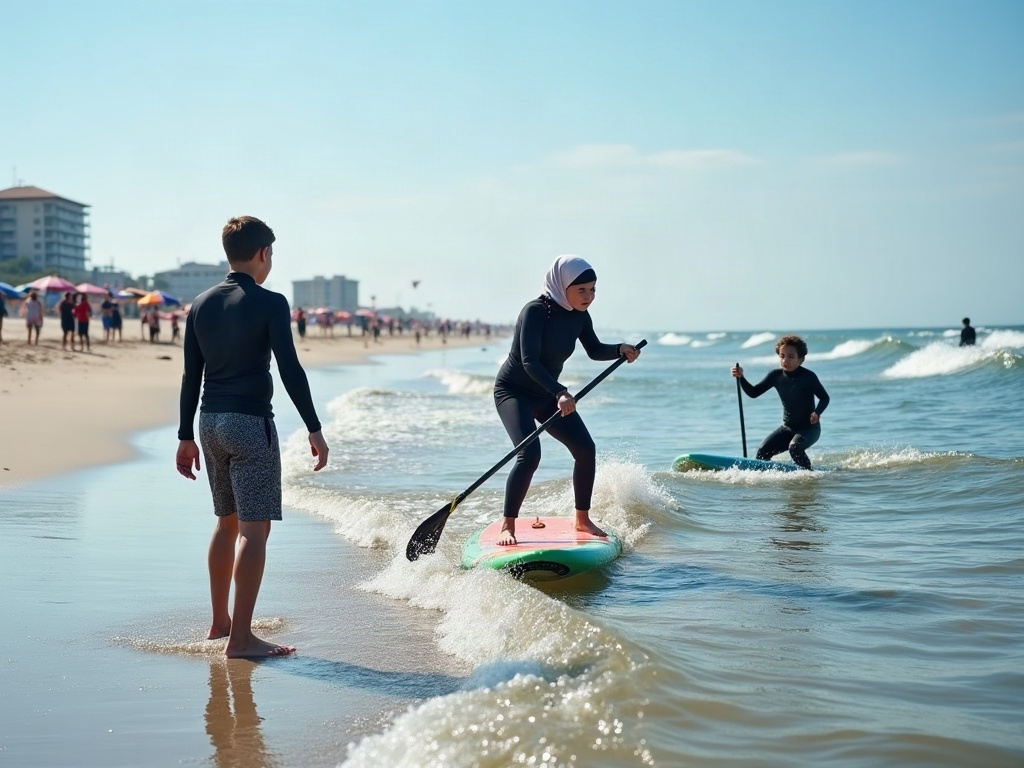
Deliberately alternating high-energy excursions with dedicated, low-expectation relaxation prevents the dreaded mid-vacation family meltdown.
© WovenVoyages.com
Non-Negotiable Safety Protocols
- Rip Current Education: Teach every family member (who is old enough to understand) that if caught in a rip current, they must swim parallel to the shore, never directly against the pulling current.
- Bright Swimwear: Avoid blue, green, or grey swimsuits for children as they blend into the water. Opt for neon orange, bright pink, or high-visibility yellow for instant visual tracking.
- Hydration Timers: Set alarms on your phone every 45 minutes. The ocean breeze masks how much families sweat, leading to rapid, unnoticed dehydration.
5. What are Effective Strategies for Family Travel Budgeting?
Beach vacations have a reputation for being expensive, but they don’t have to be. Effective strategies for budgeting include manipulating the calendar by traveling during the “shoulder season,” choosing self-catering accommodations to control steep food costs, and pivoting your itinerary toward free, nature-based activities rather than paid tourist traps.
When is the most cost-effective time to plan a beach trip?
The most cost-effective times to travel are during the “shoulder seasons.” This is the travel industry term for the period between peak season (expensive, crowded) and off-season (bad weather, closed businesses). For North American beaches, this specifically means early fall (September after Labor Day to October) and late spring (April to May, avoiding Easter/Spring Break weeks).
These periods offer significantly lower prices for flights and lodging due to decreased demand when children return to school, while still providing excellent, swimmable weather and warm water temperatures.
The “Dead Week” Hack: Look for specific “dead weeks” where prices absolutely plummet. The first two weeks of December (right before the holiday rush) and the last week of August are often the absolute cheapest times of the year to travel to warm-weather coastal destinations.
Food & Gear Budget Tactics
Eating out three times a day for a family of four can quickly exceed the cost of your flights. Instead, utilize grocery delivery apps to have staples delivered to your rental the day you arrive. Commit to eating breakfast and lunch at the beach/rental, and only dine out for dinner.
Additionally, instead of renting expensive gear (umbrellas, chairs) daily from beach vendors—which can cost upwards of $50/day—stop at a local big-box store upon arrival and purchase a cheap umbrella and chairs for $40 total. Leave them behind for the next renter when you fly home; you still save significant money.
6. How Can Families Prevent Common Coastal Challenges?
A day at the beach can quickly turn sour without proper foresight. Families can prevent common logistical challenges by strategically planning their beach time to avoid crowds and UV spikes, rigorously applying protective measures, and anticipating minor inconveniences. Before you travel, making sure you know exactly what to pack for a beach trip is your first line of defense.
How should you handle unexpected weather and disruptions?
Coastal weather is notoriously fickle. Handling unexpected thunderstorms or extreme heat requires proactive “Plan B” preparation before you even leave home. Families should pre-research nearby indoor activities (aquariums, local museums, bowling alleys) so they aren’t scrambling on Google when it starts pouring.
Packing a “Rainy Day Box” is a game-changer. Include novel, screen-free entertainment—like a new card game, puzzle, or travel craft kit that the kids haven’t seen yet. This allows you to easily pivot the day’s expectations without stress or complaints of boredom.
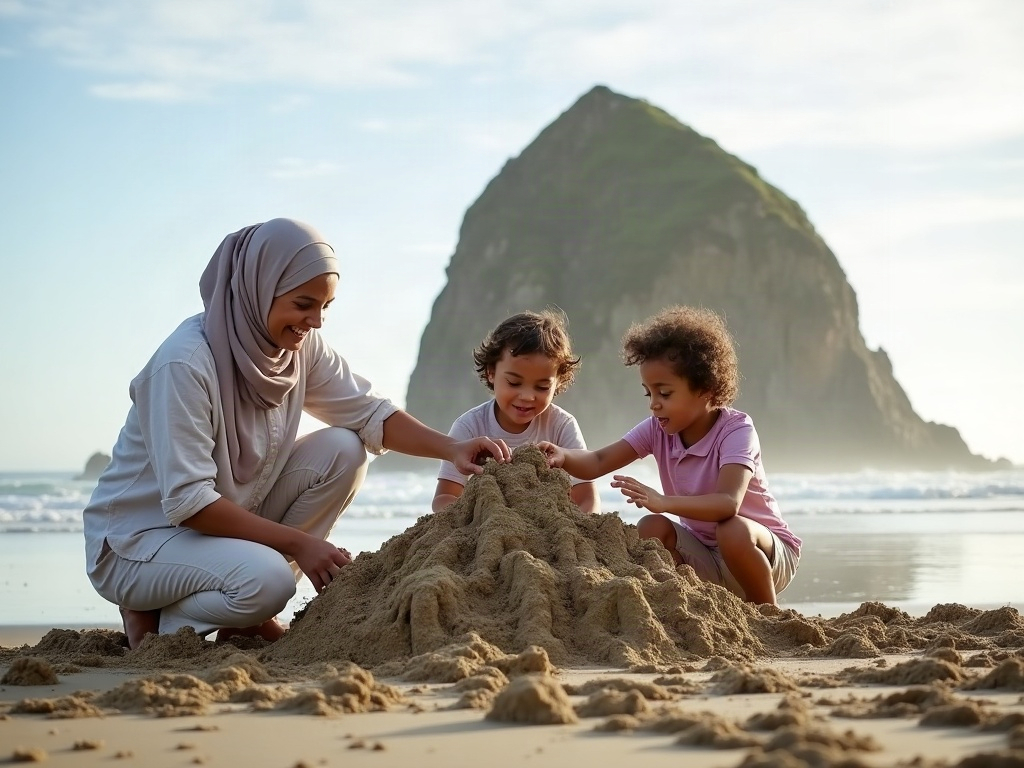
Having a solid, pre-planned indoor backup plan turns unexpected coastal weather from a massive disruption into a memorable family bonding moment.
© WovenVoyages.com
Tactical Solutions to Common Irritations
- The Sand Problem: Keep a bottle of cornstarch or baby powder in your beach bag. Rubbing it on wet, sandy skin instantly absorbs the moisture, allowing the sand to brush off cleanly before getting in the car.
- The Sunburn Argument: For toddlers who hate having sunscreen rubbed on them, switch to full-sleeve UPF 50+ rash guards. You only have to sunscreen their face and legs, cutting application time by 70%.
- The Snack Sand-Storm: Pre-portion snacks into individual, sealable containers rather than bringing large bags of chips. This prevents a single sandy hand from ruining the entire family’s food supply.
7. Logistics: Comprehensive Beach Safety & Planning Checklist
Use this interactive checklist to ensure you’ve covered all the critical logistical bases for a safe, stress-free family coastal trip. Click the squares to check them off as you plan.
| Checklist Item / Tactic | Status |
|---|---|
| Pre-Trip Preparation | |
| Accommodations: Verified proximity to the beach (is it actually beachfront, or a 15-minute walk across a highway?). | ⬜ |
| Medical Proximity: Located the nearest urgent care or pharmacy to your rental/resort. | ⬜ |
| Water & Sun Safety | |
| Water Watcher: Established a rotating “Water Watcher” system (15-min shifts) for undistracted supervision. | ⬜ |
| Coast Guard Approval: Packed U.S. Coast Guard-approved life vests (puddle jumpers) for non-swimming toddlers. | ⬜ |
| Sun Protection: Acquired broad-spectrum SPF 30+ sunscreen and set alarms to reapply every 80 minutes. | ⬜ |
| Shade Management: Secured physical shade (umbrellas, UV beach tents) for peak UV hours (10 a.m. to 4 p.m.). | ⬜ |
| Logistics & Comfort | |
| Hydration Plan: Packed insulated water bottles and electrolyte packets to prevent heat exhaustion. | ⬜ |
| The Sand Hack: Packed baby powder or cornstarch for easy, tear-free sand removal from wet skin. | ⬜ |
8. Frequently Asked Questions (People Also Ask)
What is the best time of year to plan a family beach vacation?
The most cost-effective and pleasant times to plan a family beach trip are during the shoulder seasons, specifically early fall (September/October) and late spring (April/May). These periods offer lower prices, significantly fewer crowds, and highly swimmable weather compared to the expensive, crowded peak summer months.
Are all-inclusive resorts better for families than beach rentals?
It entirely depends on your family’s dynamic and age of children. All-inclusive resorts offer ultimate convenience, zero cooking, and built-in kids’ clubs, making them ideal for a plug-and-play experience for parents who want a true break. However, self-catering home rentals provide multiple bedrooms for better sleep schedules, kitchen access for picky eaters, and vital budget control over daily meals.
What essential water safety tips should families follow at the beach?
Families should always set up near lifeguard-monitored zones, enforce a strict buddy system for older kids, and explicitly teach children how to identify and escape rip currents (swim parallel to the shore). Crucially, ensure toddlers and weak swimmers wear U.S. Coast Guard-approved life vests (not inflatable water wings) whenever they are near the water.
What age is best to take a baby to the beach?
Pediatricians generally recommend waiting until a baby is at least 6 months old before taking them for a prolonged beach day. Before 6 months, babies cannot regulate their body temperature well and cannot wear sunscreen. After 6 months, they can use baby-safe mineral sunscreens, sit up to play in the sand, and wear protective UPF clothing.
Resolution
Family beach vacations consistently stand out as an optimal choice in travel, offering a unique blend of free natural entertainment, restorative relaxation for parents, and unparalleled opportunities for multigenerational bonding. By understanding the inherent psychological benefits of the ocean, strictly mapping out safety and sun protocols, and utilizing smart, tactical budgeting techniques like shoulder-season travel, you can execute a memorable trip that effortlessly caters to every family member’s needs.