What belongs in family vacation carry-on bags?
Table of Contents
In a family vacation carry-on bag, you must pack critical documents, all prescription medications, essential baby items like formula, a basic first-aid kit, and enough snacks and entertainment to manage potential delays.
A dedicated carry-on bag for family vacations acts as your mobile command center, ensuring all these essential items are accessible at all times. This mitigates the stress of disruptions like flight delays or lost checked luggage. To master traveling with your loved ones, a well-organized carry-on is an integral step in any comprehensive family vacation planning process.
1. Why are dedicated carry-on bags essential for family vacations?
Dedicated carry-on bags are essential for family vacations because they act as your mobile command center and insurance policy, ensuring all vital items for health, comfort, and entertainment remain accessible during unexpected delays.
The primary function of a family carry-on is not just convenience, but risk mitigation. It’s a strategic asset that insulates the family vacation experience from common travel-day stressors, which are amplified when traveling with children to a new destination.
Travel Disruption Insurance: This term refers not to a formal insurance policy, but to the practical buffer a well-stocked carry-on provides against unexpected events like lost luggage, long tarmac delays, or sudden illness, ensuring the vacation can proceed with minimal interruption.
How do carry-on bags provide peace of mind during family travel?
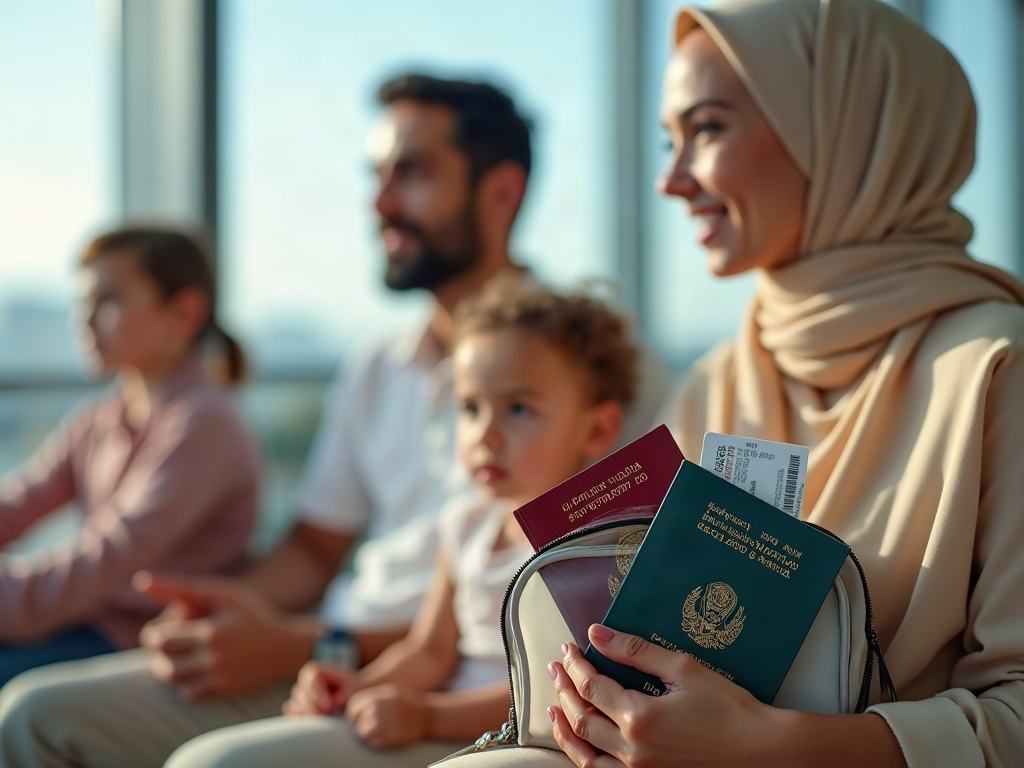
Knowing that passports, medications, and a child’s essential comfort item are secure and accessible reduces parental anxiety significantly. This peace of mind is crucial for enjoying the journey to the family vacation destination, not just the arrival.
Many countries require your passport to be valid for at least six months *beyond* your planned departure date. Ensuring this vital document is always within reach provides significant peace of mind.
The “control factor” is the key psychological benefit. By keeping irreplaceable items in a carry-on, parents maintain control over the most critical variables of their travel day, which directly correlates to lower stress levels.
© WovenVoyages.com
Author’s Experience
“As a parent of two energetic toddlers, I’ve learned that a well-packed carry-on is less about what you *might* need and more about what you *cannot* do without. It’s my personal travel survival kit, preventing countless meltdowns and ensuring smooth transitions, even through unexpected delays.”
What immediate needs can carry-on bags address for families?
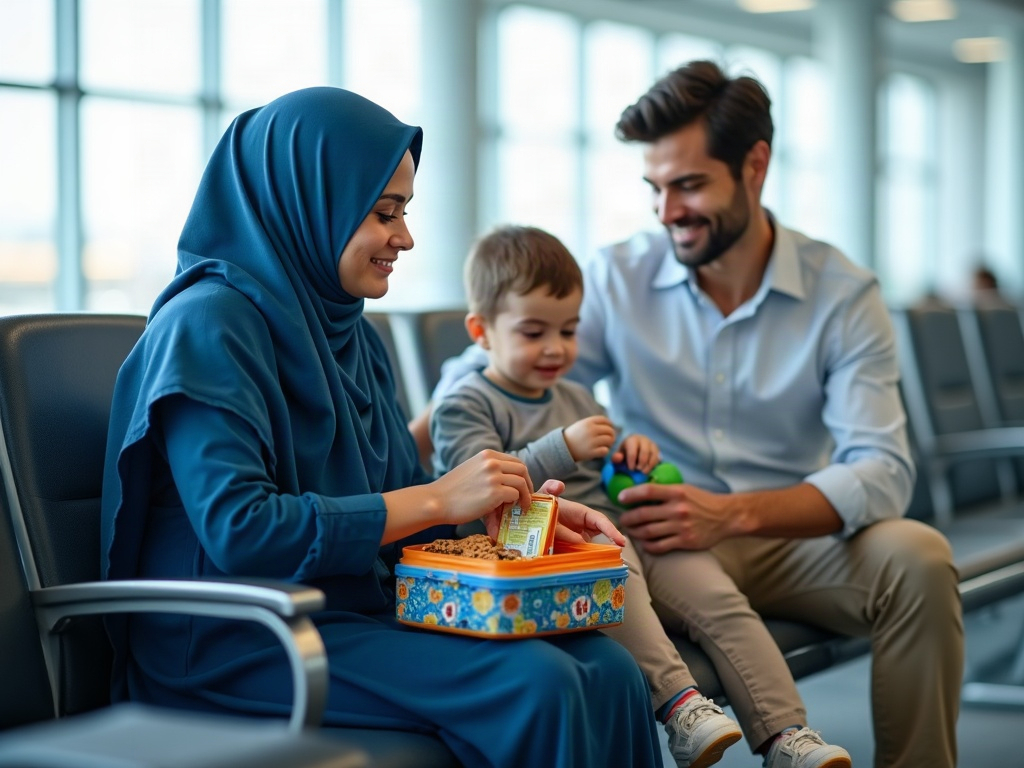
A well-packed carry-on immediately solves in-transit problems like a toddler’s hunger with accessible snacks, a child’s restlessness with ready-to-use entertainment, or a sudden headache with a small first-aid kit. This turns potential travel meltdowns into manageable situations.
A parent traveler recommends packing food from four categories for themselves: Hydrating (fruit/veggies), Stomach Settling (crackers), Salty & Filling (nuts), and a Boost of Energy (chocolate), according to advice on type-a-mom.com.
Distinguish between “wants” and “needs.” An immediate need is something that, if unaddressed, can derail the travel experience (e.g., a low blood sugar snack, a motion sickness remedy). The carry-on is the primary tool for addressing these time-sensitive needs.
2. What general categories of items should you pack in family carry-on bags?
You should organize your family carry-on packing into five main groups. These are non-negotiable documents, items for well-being and first-aid, things to make the journey comfortable, activities for children, and a backup outfit for each family member.
Thinking in categories rather than individual items prevents “panic packing.” This method ensures all foundational needs are met before adding optional items, which is crucial for optimizing limited carry-on space for a family vacation to a packed-itinerary destination like a theme park.
Modular Packing: This is the strategy of grouping related items into smaller bags or packing cubes within a larger carry-on (e.g., a “first-aid module,” an “electronics module”). This allows for quick retrieval of a specific category of items without unpacking the entire bag.
Which essential documents must always be in your family’s carry-on?
Always keep all government-issued identification (passports, IDs), travel permissions (visas, boarding passes), and proof of parentage (birth certificates) in your carry-on bag. Additionally, carry physical or digital copies of hotel and car rental confirmations.
A multiple-person passport holder is highly recommended for international travel to keep the whole family’s passports, boarding passes, and travel documents together in one secure spot.
For international family vacations, include a notarized letter of consent if only one parent is traveling with a minor. This is a frequently overlooked document that can prevent significant delays or denial of entry at foreign immigration.
Before any international trip, it’s vital to fully understand what are the passport validity rules for family travel to avoid last-minute issues.
What comfort and personal care items improve family travel?
To improve family comfort, pack items that help with sleep, hygiene, and sensory overload. Key items are neck pillows and blankets for rest, plus headphones to create a calm space for children in a loud airport or airplane cabin.
Sanitizing wipes are excellent for removing allergens on surfaces, making them ideal for quickly cleaning tray tables and armrests, as noted by danielle-moss.com.
The most valuable comfort item for family harmony is often a headphone splitter. This allows two children to watch a single tablet, preventing arguments over screen time and content choices during the journey to your vacation destination.
© WovenVoyages.com
3. How can you choose the right carry-on bag for each family member’s needs?
For adults, a rolling suitcase or large travel backpack works best. For school-aged children, a small, character-themed backpack empowers them to carry their own entertainment, while parents manage the consolidated essentials in a larger diaper bag or tote.
The “two-bag” strategy is optimal for the parent of a baby or toddler: one dedicated, highly organized diaper bag for immediate needs (which often doesn’t count against airline carry-on limits) and a separate personal item or roller bag for their own essentials and backup supplies. This separation prevents critical baby items from getting lost in a larger bag.
Personal Item: This is a second, smaller bag (like a purse, laptop bag, or small backpack) that airlines permit in addition to a standard carry-on suitcase. It must fit under the seat in front of you and is ideal for keeping the most critical items (documents, medications, phone) accessible during the flight.
Which carry-on size and type suit different family travel scenarios?
For short domestic flights to a single destination, a standard hard-shell rolling carry-on is sufficient. For adventurous or multi-destination family vacations, a soft-sided travel backpack offers more flexibility for fitting into tight overhead bins and carrying over uneven terrain.
Travel surveys show that a family of four can often comfortably manage with three full-size carry-ons if children share one, highlighting that not every person needs a full-size bag for optimal space (familiesgotravel.com).
For family beach vacations, a carry-on with a separate, water-resistant compartment is a high-value feature. It allows you to quarantine wet swimsuits or sandy toys on the return trip, protecting clean clothes and electronics.
© WovenVoyages.com
What features make a carry-on bag ideal for family travel?
An ideal family carry-on has multiple organizational pockets to separate items like snacks and electronics. Features like an external USB port for charging devices and easily accessible pockets for passports and boarding passes are critical for reducing stress in the airport.
Durability is key; textured carry-on suitcases often perform best, showing fewer visible marks after the rigors of travel (thetwordtravel.com).
A “pass-through” strap on the back of the bag is an essential but often overlooked feature. This strap allows you to slide the carry-on over the handle of a larger rolling suitcase, enabling a parent to maneuver two bags with one hand, freeing the other for holding a child’s hand.
For further specific guidance on tailoring your luggage to each child, you might consider learning more about how to pack for different ages on vacation.
4. Which essential items should you prioritize for family carry-on bags?
When packing a family carry-on, give first priority to prescription medications, a first-aid kit, all passports and travel documents, and one emergency outfit per family member. Entertainment and excess comfort items are a lower priority and should only be packed if space permits.
The “Hierarchy of Packing” is a useful mental model: Level 1 (Must-Have) includes medications and passports. Level 2 (Should-Have) includes chargers and one change of clothes. Level 3 (Nice-to-Have) includes extra toys and books. Always pack Level 1 first. This is especially vital when packing for a destination where replacing these items would be difficult or impossible.
Redundancy Packing: This is the practice of packing a critical item in more than one place. For example, packing a day’s worth of a vital medication in a personal item (purse) and the main supply in the carry-on bag, ensuring access even if the bags are temporarily separated.
What non-negotiable items ensure family health and safety during travel?
For family health and safety, your carry-on must contain all prescription medications with a copy of the prescription, a first-aid kit with child-specific dosages, and any life-sustaining items like asthma inhalers or allergy auto-injectors. These items should never be in checked luggage.
A digital thermometer is widely considered a non-negotiable item for a family travel bag, as kids often get sick unexpectedly while away from home (travelandleisure.com).
Include a “fever kit” sub-module within your first-aid kit: a digital thermometer and single-dose sachets of children’s acetaminophen or ibuprofen. A sudden fever is a common childhood travel ailment, and having a pre-measured, TSA-compliant dose ready is invaluable.
For a comprehensive approach to managing minor ailments, you’ll find more detailed advice on what to include in a family vacation first-aid kit.
How do you decide on entertainment options for children in carry-ons?
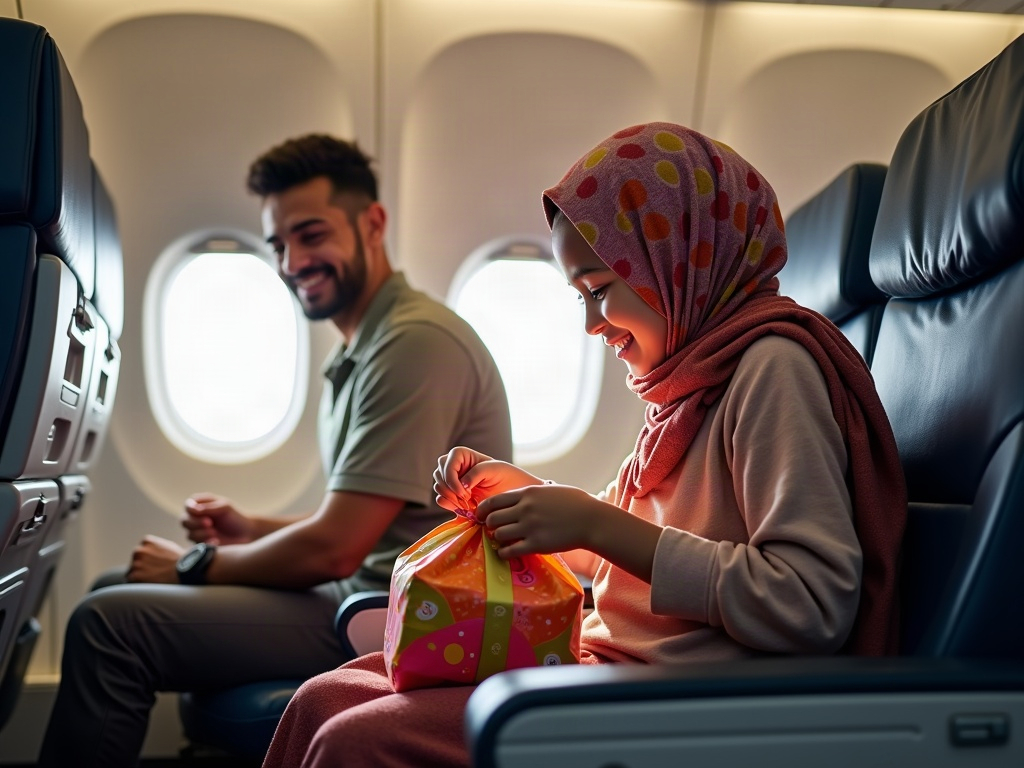
Choose a variety of entertainment options, balancing one electronic device (like a tablet with pre-downloaded content) with several non-electronic items like coloring books, sticker pads, or a new small toy. The key is variety and surprise to hold their attention.
Puffy sticker activity sets are consistently cited as a successful, mess-free entertainment option for toddlers and preschoolers on long flights.
The “reveal” strategy is highly effective: pack 2-3 new, small, inexpensive toys or activity books that the child has never seen before. Reveal one every hour or two during the flight. This novelty is far more engaging than a bag full of old, familiar toys.
Beyond in-flight entertainment, exploring which activities are suitable for different age groups on a family vacation can help you plan for broader travel fun.
5. How do you efficiently pack family carry-on bags for maximum space and accessibility?
To pack efficiently, use packing cubes to compress clothing and group similar items together, creating more space. Place items you’ll need during the flight, like snacks and wipes, in an easily accessible front pocket or a separate under-seat bag.
Employ the “Tetris” method of packing. Start by placing hard, rectangular items like packing cubes and electronic devices at the bottom and along the sides to create a stable structure. Then, fill the gaps and open spaces with softer, malleable items like blankets or jackets. This maximizes every square inch of the bag.
Packing Cubes: These are zippered fabric containers, typically sold in sets of various sizes, used to organize and compress clothing and other items within a suitcase. They are the single most effective tool for carry-on organization and space maximization.
What are the best strategies for organizing liquids and toiletries in carry-ons?
All your liquids, gels, and aerosols must be in containers of 3.4 ounces or less and fit into one single quart-sized, clear, zip-top bag. Keep this bag at the very top of your carry-on for easy removal during the security screening process.
The TSA’s 3-1-1 rule strictly limits liquids, but strategically using leak-proof, TSA-friendly silicone travel bottles maximizes space within this limit.
Switch to solid toiletries whenever possible. Solid shampoo bars, conditioner bars, sunscreen sticks, and solid perfume eliminate items from your 3-1-1 bag, freeing up valuable space for essential liquids like children’s medicine or hand sanitizer. This is the single most effective “hack” for the liquids rule.
How can you pack clothes compactly for emergency outfits in carry-ons?
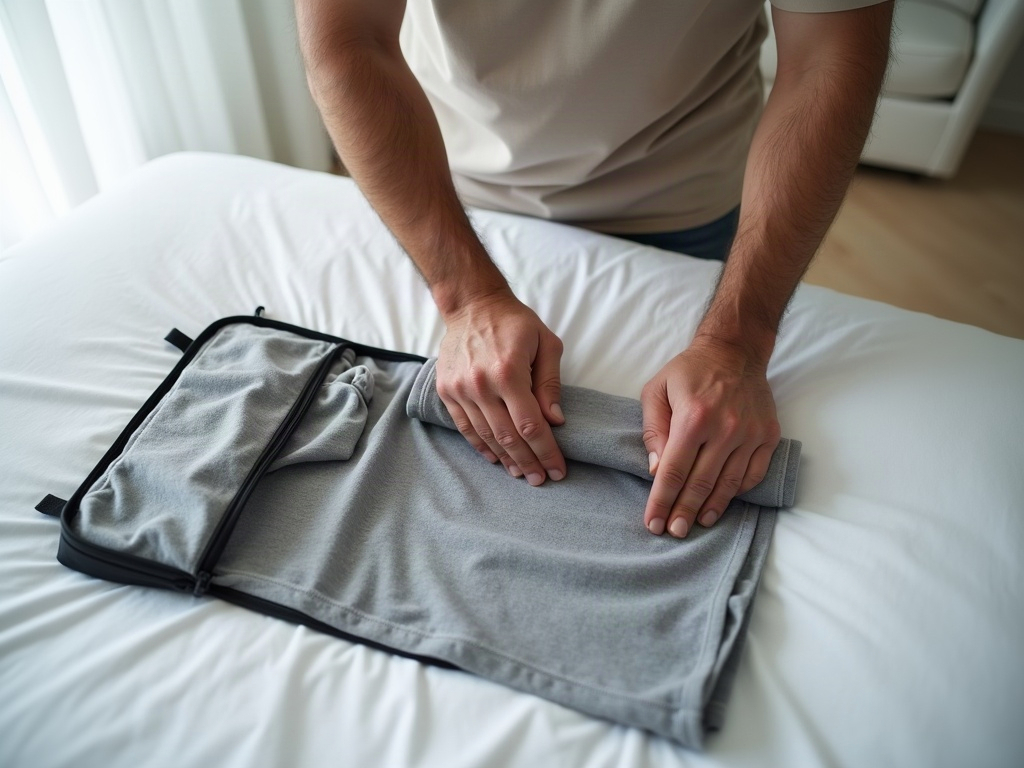
The most compact way to pack an emergency outfit is to tightly roll, not fold, each piece of clothing (a top, bottom, underwear, and socks). Then, place the entire rolled bundle into a small compression-style packing cube to squeeze out excess air.
Many travel families report that packing just a few days’ worth of versatile outfits in a carry-on is sufficient for a long vacation if laundry facilities are available at the destination.
Choose an emergency outfit made from thin, wrinkle-resistant fabrics like merino wool or a polyester blend. A bulky cotton hoodie and jeans take up three times the space of a merino wool base layer and lightweight travel pants, yet both serve the same purpose.
© WovenVoyages.com
6. How can you handle essential items for babies and young children in carry-on bags?
Pack baby necessities like formula, milk, and pureed food in a separate, easily accessible bag (like a diaper bag). Declare these items to the TSA agent at the security checkpoint, as they are medically necessary liquids and are allowed in quantities greater than 3.4 ounces.
While you can bring water for mixing formula, it is subject to additional screening. To save time, bring factory-sealed, single-serving, ready-to-feed formula bottles. They are faster to screen and eliminate the need for mixing with water in-flight.
Medically Necessary Liquids: This is the official TSA classification for items like breast milk, baby formula, prescription and over-the-counter medications, and other items required to treat a medical condition. They are not subject to the 3-1-1 size limit but must be declared and may undergo separate screening.
What baby essentials must be readily available in a carry-on?
In the most accessible part of your diaper bag, you must have enough diapers and wipes for the travel day plus a 24-hour buffer for delays. Also include a portable changing pad, multiple changes of clothes, and more formula or snacks than you think you will need.
Travel experts recommend high-quality, water-based baby wipes as they are unscented and hypoallergenic, making them versatile for sensitive skin and cleaning surfaces.
Pack a few disposable diaper sacks. These small, scented plastic bags are invaluable for containing the odor of a dirty diaper when you have to perform a change in a non-traditional location, like at your airplane seat, and cannot immediately dispose of it.
How do you manage snacks and feeding supplies for toddlers in carry-ons?
For toddlers, pack a variety of mess-free snacks like crackers, pretzels, and fruit pouches in a bento-style snack box to prevent crushing. Always bring their favorite empty sippy cup or water bottle and fill it up at a water fountain past the security checkpoint.
A proven strategy for preventing major spills with toddlers on a plane is to use a spill-proof cup that automatically seals when the child stops drinking.
The “Snackle Box” is a highly effective strategy: use a clean fishing tackle box or a craft organizer with many small compartments. Fill each compartment with a different snack (goldfish, raisins, cereal, small cookies). The novelty of opening the different compartments provides entertainment in addition to sustenance.
7. How do you prepare carry-on bags to meet airline security regulations for families?
To prepare for security, place your 3-1-1 liquids bag and all large electronics (laptops, tablets) in the top layer of your carry-on for quick access. Inform the TSA officer about any medically necessary liquids like baby formula before your bags go through the X-ray scanner.
Families with young children can often use the “Family and Medical Liquids” lane at security checkpoints, which is typically shorter and staffed by officers more experienced with screening child-related items. Look for airport signage or ask an agent if this lane is available. This can significantly reduce wait times and stress.
TSA PreCheck: This is a U.S. government program that allows low-risk, pre-approved travelers to experience expedited security screening. Members do not need to remove shoes, laptops, liquids, belts, or light jackets. Investing in PreCheck for the adults in the family can dramatically streamline the airport security process.
What are the TSA rules for liquids, gels, and aerosols in family carry-ons?
For most toiletries, follow the 3-1-1 rule: containers under 3.4oz, in 1 quart-sized bag, 1 bag per person. Crucially for families, baby formula, breast milk, and liquid medications are exempt from this size limit but must be declared to an officer for separate screening.
According to official guidelines, baby formula, breast milk, toddler drinks, and baby food (like puree pouches) are considered medically necessary and are allowed in carry-on bags in quantities greater than 3.4 ounces.
The “quart-sized bag” dimension is not strictly enforced, but the bag must be able to close fully. A common mistake is over-stuffing the bag. If it won’t zip, you will be forced to discard items at the checkpoint, causing delays.
How should you pack electronics and charging cables for quick screening?
To ensure quick screening, pack large electronics like laptops and tablets in an empty, dedicated compartment or at the very top of your bag so they can be removed without dislodging other items. Keep all chargers, cables, and power banks organized in a separate small bag or electronics organizer.
Even on short flights, having charging cables and power banks ready is advised, as airplane power outlets are often sparse or non-functional.
Packing a tangled mess of cables is a common error that can trigger a manual bag search, as the jumble can obscure other items on the X-ray. Using simple Velcro cable ties or a dedicated electronics organizer not only keeps you organized but can prevent a time-consuming secondary screening.
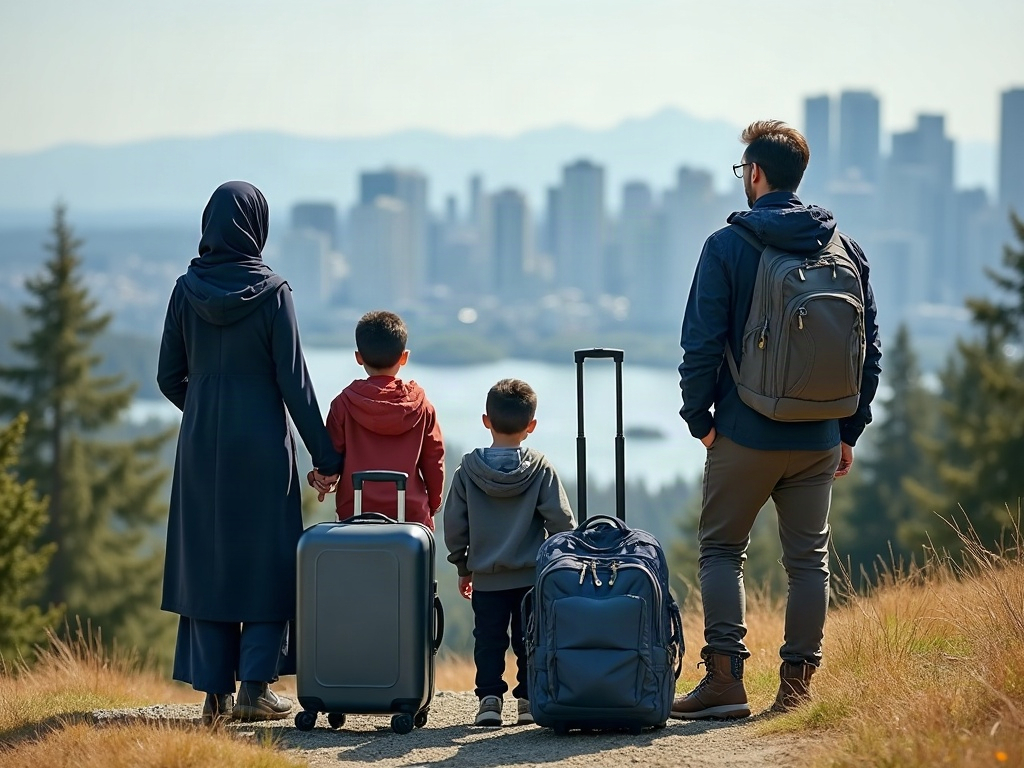
© WovenVoyages.com
8. What common packing mistakes should families avoid with carry-on bags?
Families commonly make the mistake of overpacking the carry-on, making it heavy and difficult to manage. Other critical errors include packing essential medications in checked luggage and assuming all airlines have the same carry-on size limits, which can lead to forced gate-checking.
A frequent but subtle mistake is ‘responsibility mismatch’—giving a young child a carry-on with an essential item (like a house key or car key) inside. The child may leave the bag behind, creating a major problem upon returning home from the vacation destination. All irreplaceable items must be in an adult’s possession.
Gate-Checking: This is when an airline requires you to check your carry-on bag at the departure gate, usually because it is oversized or the overhead bins are full. If this happens, you will not have access to its contents during the flight, which is why essential items must not be in a bag at risk of being gate-checked.
How can overpacking a carry-on lead to family travel delays?
An overpacked bag is often oversized or overweight, forcing a last-minute gate-check which delays your boarding process. Additionally, a heavy, bulky bag physically slows you down when navigating the airport with children, increasing the risk of missing a tight connection.
Because modern aircraft are often not designed to accommodate the sheer volume of carry-on luggage passengers bring, overpacking frequently causes insufficient storage issues and flight delays while cabin crew try to find space.
An overstuffed carry-on that is difficult to close can also cause delays at security. If a TSA agent needs to conduct a manual search, repacking a disorganized, overfilled bag at the checkpoint is a stressful and time-consuming process that holds up the entire family.
What risks do overlooked medication or document issues pose in carry-on bags?
Forgetting to pack a required prescription medication in your carry-on creates the risk of a health crisis mid-flight or at your destination. An overlooked document issue, like an expiring passport, can result in being denied travel entirely at the airline check-in counter.
Many travel authorities warn that a traveler’s passport must be valid for several months beyond the planned departure date from a foreign country to avoid serious travel disruptions.
The “six-month validity rule” is a commonly overlooked document issue. Many countries require your passport to be valid for at least six months *beyond* your planned departure date from that country. A passport that expires in five months could get you denied entry, even for a one-week trip.
9. How can you adapt your carry-on contents for unexpected family travel changes?
To adapt to changes, ensure every family member’s carry-on contains a full change of clothes, basic toiletries, and a phone charger. This core set of items allows your family to function comfortably for at least 24 hours in the event of lost checked luggage or an unexpected overnight stay.
Pack one of your child’s swimsuits in your carry-on for any warm-weather destination. If your luggage is delayed upon arrival at a resort, this single item allows your child to immediately enjoy the pool, preventing a vacation-starting meltdown while you wait for the rest of your bags.
Contingency Kit: A pre-packed module or packing cube within your carry-on containing items specifically for disruption scenarios. This typically includes a change of clothes, toiletries, medication, and chargers, distinct from the items needed for the flight itself.
What backup items should you consider for delayed luggage situations?
For a delayed luggage scenario, your carry-on must function as a mini-suitcase. Pack one full outfit (including underwear and socks), a toothbrush, contact lens solution, phone chargers, and your child’s favorite sleep toy or blanket.
Experienced family travelers consistently recommend bringing at least one extra outfit, a swimsuit, and a pair of pajamas in the carry-on just in case checked bags go missing.
Pack a universal sink plug. In the event of an extended luggage delay, you will likely need to wash underwear or socks in a hotel sink. Many hotel sinks have poor stoppers, and this tiny, inexpensive item makes hand-washing clothes significantly easier.
How can you adjust carry-on essentials for changing weather or destination activities?
To adjust for variable destinations, pack a lightweight, packable jacket (rain shell or puffer) in each carry-on. If your trip involves hiking right after arrival, wear your hiking boots on the plane to save carry-on space and ensure you have them even if luggage is lost.
For vacations to colder climates, a hat, scarf, and gloves should always be considered essential carry-on items.
For a family vacation to a destination with both city and nature elements (e.g., Vancouver), the most versatile item is a pair of comfortable, dark-colored athletic shoes for each family member. They are suitable for light trails, comfortable enough for long city walks, and less conspicuous than brightly colored running shoes.
Frequently Asked Questions
What are the absolute essentials for a family carry-on bag?
How much liquid can I pack in my family carry-on?
Can I bring baby formula and food through airport security?
What is the best way to pack electronics in a carry-on?
Conclusion: Final Thoughts on What Belongs in Family Vacation Carry-On Bags
The contents of your family carry-on should be a curated toolkit that ensures health, safety, and entertainment are always within reach. By prioritizing documents and medications, planning for delays, and packing with intention, you transform the carry-on from a simple bag into your family’s most valuable travel asset.
The best-packed carry-on is the one you barely have to open during a smooth travel day, but that contains everything you need when the day becomes challenging. Its value is in the peace of mind it provides, whether its contingency items are used or not.