How to Get Around Your Family Vacation Destination
Table of Contents
The best local transportation options for your family vacation destination are determined by a strategic mix of five primary modes: public transit, ride-sharing/taxis, rental cars, walking/cycling, and dedicated shuttles.
Understanding the different local transport options is just one piece of the puzzle; for a truly seamless journey, it’s essential to grasp the broader strategies for how to plan transportation for a family vacation effectively.
1. What Local Transportation Options Are Best for Your Family Vacation Destination?
The best local transportation options for your family vacation destination are determined by a strategic mix of five primary modes: public transit, ride-sharing/taxis, rental cars, walking/cycling, and dedicated shuttles.
For any family vacation destination, your transportation choices include public systems (buses, metros), private hire (taxis, ride-shares), self-driven vehicles (rental cars), active transport (walking, cycling), and pre-arranged services (shuttles, tours). The optimal choice balances your budget, itinerary, and family size.
The “best” option is rarely a single mode but an intermodal strategy; for example, using a rental car for long excursions from a city center but relying on public transit and walking for daily in-city exploration to avoid parking costs and traffic congestion.
**Intermodal Travel:** The practice of using two or more modes of transportation in a single journey. For families, this could mean taking a metro to a specific neighborhood and then walking to the final attraction.
Review these core options to create a shortlist based on your destination type (urban vs. rural) and family size before analyzing cost and convenience.
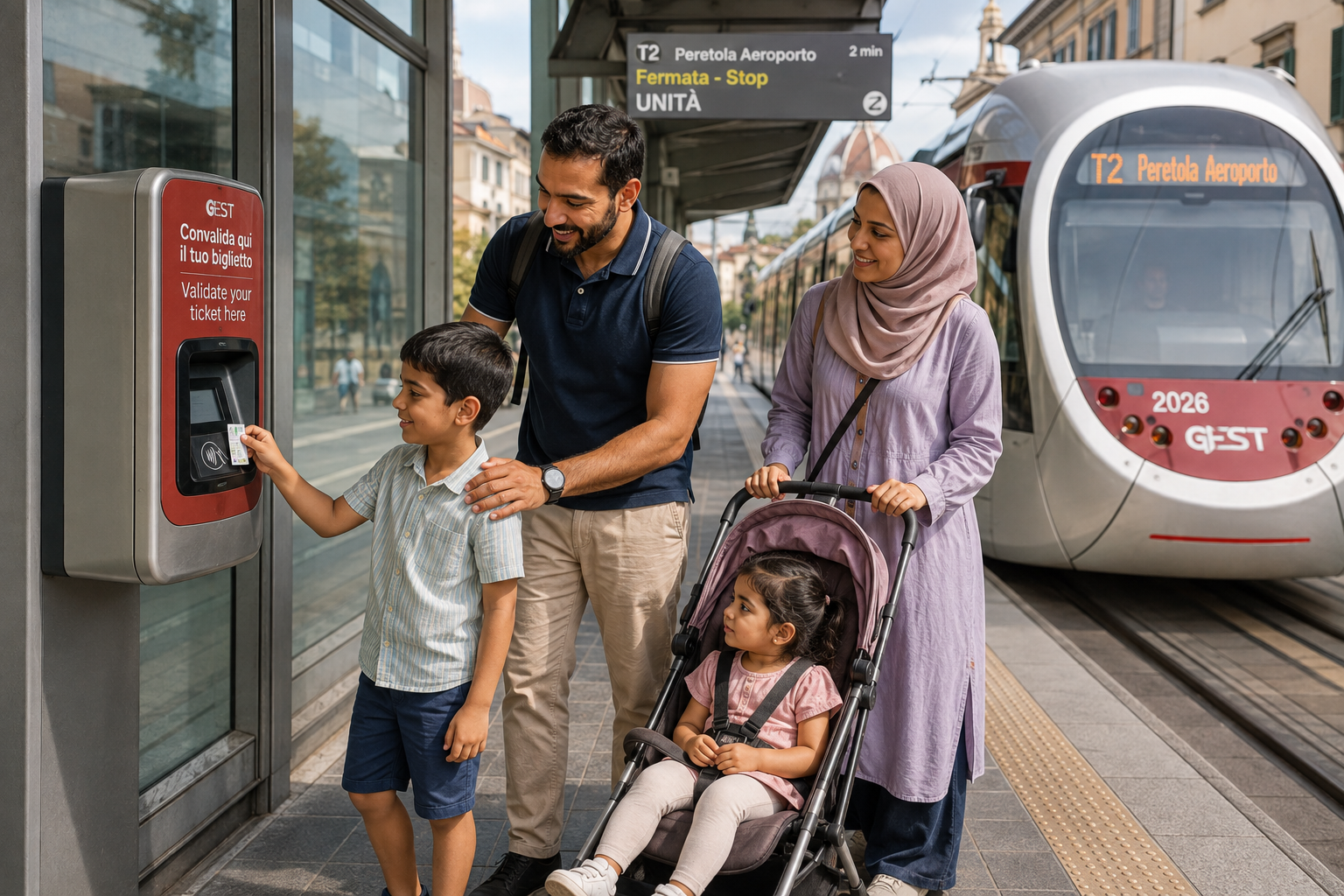
Figure 1: Local Transportation Options Comparison
How Do Public Transportation Systems Work for Families Abroad?
Public transportation systems work for families abroad by offering a highly cost-effective method for navigating urban centers, contingent on pre-trip research into ticketing, accessibility for strollers, and local rules for children’s fares.
To make public transportation work for your family, identify available transit types (bus, metro), research family-specific ticketing (group passes, ‘kids travel free’), and verify accessibility for strollers or mobility needs. Pre-trip research ensures cost-effectiveness and seamless navigation.
Many European transit systems operate on a “proof of payment” or “honor system” where tickets must be validated in a separate machine before boarding; failure to validate results in significant on-the-spot fines, a common and costly mistake for tourist families.
**Intermodal Travel:** The practice of using two or more modes of transportation in a single journey. For families, this could mean taking a metro to a specific neighborhood and then walking to the final attraction.
In Florence, Italy, failing to validate a bus ticket before the journey commences can result in a fine ranging from €40 to €240, as detailed by Emily M Krause.
This highlights the critical need for pre-trip research into local public transit rules to avoid unexpected penalties.
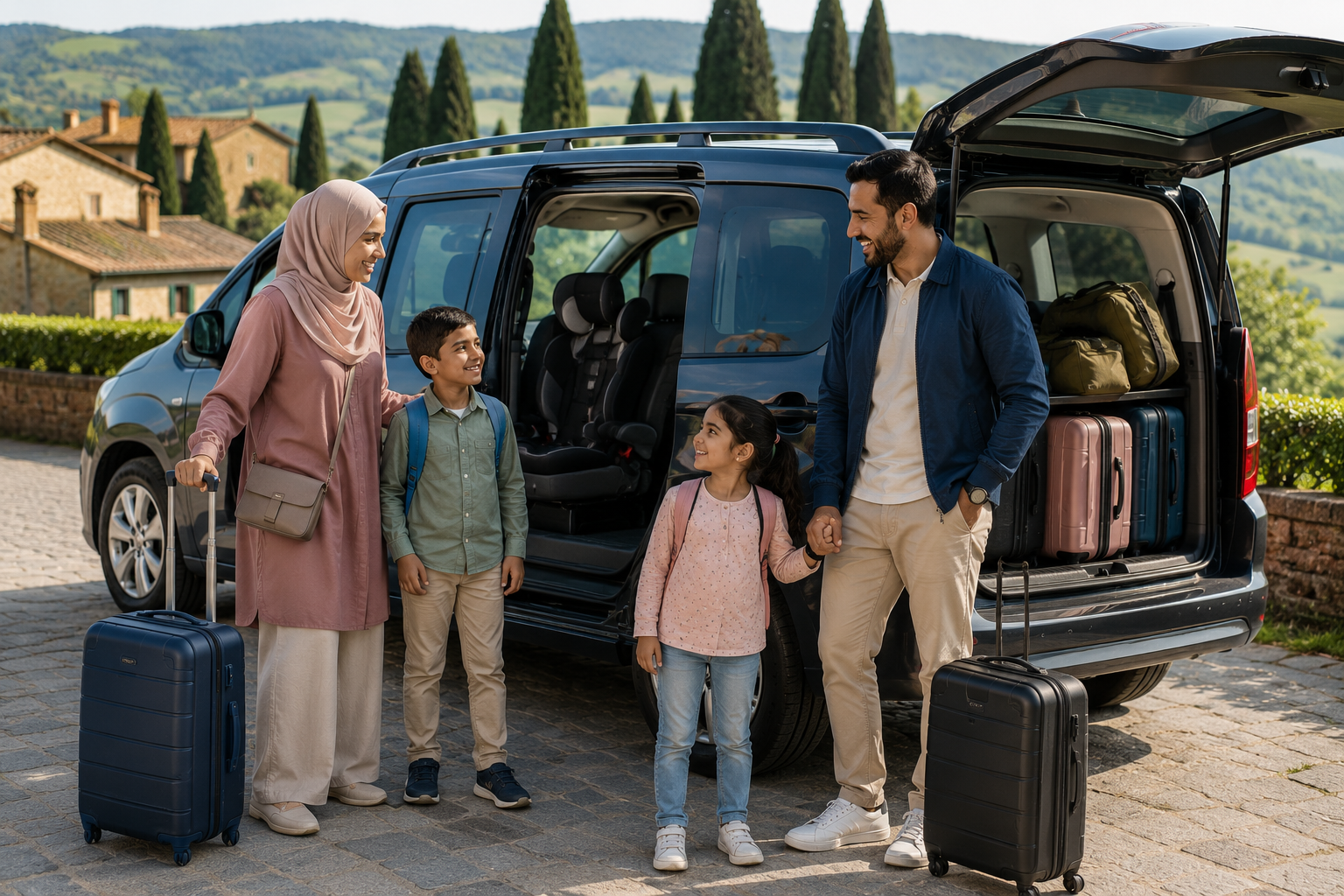
Figure 2: Public Transportation Systems for Families
When Should Your Family Consider Ride-Sharing or Taxis for Local Travel?
Your family should consider ride-sharing or taxis for local travel when prioritizing direct, on-demand convenience for short-to-medium distances, airport transfers, or travel during late hours when public transit is limited.
Consider ride-sharing or taxis for direct, on-demand point-to-point travel when public transit is inefficient or time-consuming. They are ideal for immediate needs, late-night returns, airport transfers, or when children are tired, prioritizing convenience over cost-effectiveness.
The availability of “Uber Family” or vehicles with pre-installed car seats is highly city-dependent and often limited; families should not assume this service is available and must have a backup plan, such as traveling with a lightweight, portable car seat.
**Intermodal Travel:** The practice of using two or more modes of transportation in a single journey. For families, this could mean taking a metro to a specific neighborhood and then walking to the final attraction.
In New York City, Uber’s car seat service is only available for children who are at least 12 months old, weigh 22 pounds, and are 31 inches tall.
This underscores the need for parents to proactively research service specifics or bring their own child restraint system.
Best Use Cases for Taxis/Ride-Shares
- Airport transfers with heavy luggage.
- Late-night returns when children are tired or public transit is limited.
- Direct point-to-point travel when public transit routes are inefficient.
- Immediate needs when time is critical.

Figure 3: Ride-Sharing and Taxi Considerations
Why Is a Rental Car Often a Top Choice for Family Vacation Transportation?
A rental car is often a top choice for family vacation transportation because it provides unmatched flexibility, ample space for luggage and gear, and the freedom to explore destinations that are inaccessible by public transit.
A rental car is a top choice for family vacations due to unmatched flexibility, ample space, and freedom from public transit schedules. It’s crucial for rural explorations, carrying extensive gear, or accommodating children’s variable nap times, offering autonomy and convenience.
Beyond just flexibility, a rental car serves as a secure, private “home base” on the go. This allows families to store snacks, jackets, a stroller, and other essentials, reducing the burden of carrying everything while exploring an attraction.
**Intermodal Travel:** The practice of using two or more modes of transportation in a single journey. For families, this could mean taking a metro to a specific neighborhood and then walking to the final attraction.
For summer 2023, 57% of families planning to travel intended to take a road trip, making driving the most popular vacation choice, according to El Paso Mom.
The high preference for road trips underscores the perceived benefits of autonomy and control that a rental car offers for family travel.

Figure 4: Rental Car Flexibility for Family Vacations
Are Walking and Cycling Viable Ways to Explore Your Family Vacation Destination?
Walking and cycling are highly viable ways to explore a family vacation destination, provided the location is a designated pedestrian zone or has a high “Walk Score” and safe, accessible paths suitable for children and strollers.
Yes, walking and cycling are excellent options if your accommodations are centrally located within a compact, pedestrian-friendly area. Their viability sharply decreases in sprawling, car-dependent destinations or with very young children. Always assess terrain and safety for strollers and small feet.
A destination’s “walkability” is not just about distance but also about terrain and infrastructure. Cobblestone streets, common in historic towns, are extremely difficult to navigate with a stroller, a critical factor that is often overlooked in travel planning.
**Intermodal Travel:** The practice of using two or more modes of transportation in a single journey. For families, this could mean taking a metro to a specific neighborhood and then walking to the final attraction.
A survey of 2,000 travelers found that 79% believe walking is the best way to explore a new city.
This data reinforces the desire for authentic exploration, which walking and cycling facilitate, but careful planning is still needed for family-specific needs.
Now that we have identified the primary modes of transport, it is critical to understand why rigorously planning your family’s local transportation is not just a suggestion, but a requirement for a stress-free vacation.
2. Why Is Planning Local Transportation Crucial for a Smooth Family Vacation?
Planning local transportation is crucial for a smooth family vacation because it directly controls three critical trip variables: budgetary stability, on-the-ground safety, and the efficient use of your limited vacation time.
Proactive transportation planning is crucial because it prevents catastrophic budget overruns from expensive last-minute choices and minimizes time wasted waiting for transport. This foresight ensures your family spends more time enjoying activities and less time dealing with logistical stress, directly impacting overall vacation smoothness.
The cumulative “transition time”—the time spent walking to stations, waiting for buses, or finding parking—is a hidden vacation-killer, especially with children. Effective planning systematically reduces this unproductive time, directly increasing the time available for actual enjoyment.
**Transition Time:** The total unproductive time spent traveling between two points of interest, including waiting, walking to a station/stop, and navigating interchanges. Minimizing this is a key goal of family travel logistics.
Prioritize pre-planning if your vacation involves a complex itinerary with multiple daily activities or if you are traveling with young children whose patience and energy are limited resources.
How Does Pre-Planning Local Transit Impact Your Family’s Vacation Budget?
Pre-planning local transit impacts your family’s vacation budget by enabling you to identify and secure the most economical options, such as multi-day passes or early-bird rental car bookings, thereby preventing reliance on costly last-minute fares.
Pre-planning saves money by allowing you to compare the total cost of different transport strategies and identify family discounts or group tickets. It avoids impulsive, expensive choices and prevents underestimating the compounding cost of small trips, securing the cheapest options upfront.
To truly optimize your expenses, a deeper dive into how to budget for family vacation transportation can help you uncover even more savings.
A common budget error is underestimating the compounding cost of many “small” taxi or ride-share trips. Pre-planning forces a realistic calculation, often revealing that a weekly transit pass costing $50-$70 is dramatically cheaper than the projected cost of 10-15 individual trips.
**Transition Time:** The total unproductive time spent traveling between two points of interest, including waiting, walking to a station/stop, and navigating interchanges. Minimizing this is a key goal of family travel logistics.
Transportation costs can account for as much as 20% of a family’s total vacation budget, a figure that can be significantly reduced with advance planning.
Proactive budget analysis is essential to avoid unexpected expenses that can derail a vacation.
What Are the Key Safety Considerations for Family Transportation at Your Destination?
The key safety considerations for family transportation at your destination revolve around verifiable child seat compliance, the use of vetted and official transport providers, and maintaining situational awareness in crowded transit environments.
The top safety priority is ensuring children are secured in age- and weight-appropriate child safety seats that comply with local laws. A second critical factor is choosing licensed taxis or reputable ride-share services over unofficial transport to ensure driver accountability and verified child seat availability if applicable.
These transportation-specific safety measures are part of a larger strategy to plan for family vacation safety, which encompasses all aspects of your trip.
Child safety seat laws vary dramatically by country. In many parts of Europe, for example, taxis are legally exempt from requiring car seats, forcing parents into a difficult safety decision. Knowing this in advance allows families to pre-book a car service that guarantees a seat.
**Transition Time:** The total unproductive time spent traveling between two points of interest, including waiting, walking to a station/stop, and navigating interchanges. Minimizing this is a key goal of family travel logistics.
Using a car seat reduces the risk of injury for children in a crash by 71-82% for infants and by 45% for children aged 4-8.
This evidence strongly supports prioritizing proper child restraint systems, regardless of local regulations.
Safety Checks for Family Transport
- Verify driver/vehicle info in-app for ride-shares.
- Use official taxi ranks at airports and major attractions.
- Confirm car seat installation is correct and secure.
- Always maintain situational awareness in crowded areas.
Author’s Experience
“Having navigated numerous family trips, I’ve learned that overlooking small details like local car seat laws or public transit etiquette can quickly escalate into major headaches. A little pre-trip research saves significant stress and preserves the joy of exploration.”
How Can Efficient Local Travel Maximize Your Family’s Vacation Enjoyment?
Efficient local travel maximizes your family’s vacation enjoyment by minimizing exhausting “down time” spent in transit, which preserves children’s energy and patience for the actual attractions and experiences.
Efficient travel creates more enjoyment by directly converting saved travel time into more activity time. Spending 30 minutes on a direct metro ride instead of 90 minutes in traffic means more museum or park time, reducing child boredom and parental stress.
Ultimately, understanding how to efficiently get around will significantly inform how to plan a family vacation schedule that minimizes stress and maximizes fun.
The concept of a “patience budget” is critical for family travel. Every minute spent in a stressful transit situation (a crowded bus, a traffic jam) depletes this finite resource. Efficient travel is the best strategy to conserve this budget for the parts of the vacation that matter.
**Transition Time:** The total unproductive time spent traveling between two points of interest, including waiting, walking to a station/stop, and navigating interchanges. Minimizing this is a key goal of family travel logistics.
According to a 2023 survey by the Family Travel Association, 63% of parents state that minimizing stress and keeping their children happy are their top priorities during vacation.
This emphasizes that efficient travel directly contributes to the core desires of family vacationers: less frustration and more quality time.
Having established the critical importance of planning, the next step is to choose the right transportation mode by systematically comparing the options against your family’s specific needs.
3. Which Local Transportation Option Best Suits Your Family’s Vacation Needs?
The local transportation option that best suits your family’s vacation needs is identified by evaluating each mode against six critical factors: cost, convenience, safety, flexibility, accessibility, and family size fit.
To choose the best option, utilize a decision matrix to score public transit, rental cars, and ride-sharing against your family’s top priorities. For example, a family prioritizing budget in an urban setting will choose public transit, while a family valuing flexibility in a rural setting will choose a rental car.
The “best” choice is often a hybrid model dictated by your itinerary. For example, a family might rent a large minivan for airport transfers and a single long-distance day trip, but rely exclusively on walking and public transit for the 3-4 days spent within the city center.
**Single-Mode Fallacy:** The incorrect assumption that one form of transportation must be used for the entire duration of a trip. Effective family travel planning embraces a flexible, multi-modal approach tailored to each day’s specific activities.
Use the “Decision Matrix” provided in the outline as the primary tool to compare your top 2-3 options. Circle the attributes that are most important to your family to reveal the best choice.
How Do You Compare Public Transit vs. Rental Cars for Family Travel?
You compare public transit versus rental cars for family travel by weighing the clear cost-effectiveness and urban immersion of public transit against the supreme flexibility and storage capacity of a rental car.
The comparison is a trade-off: public transit offers low cost and no parking hassles, ideal for budget-conscious urban travel. A rental car provides high flexibility and space, superior for rural exploration or extensive luggage. Consider the break-even point for large families in cities.
The break-even point is a key factor. For a family of four or more, the cumulative cost of individual public transit tickets for multiple days can sometimes approach or exceed the cost of a small rental car, especially when factoring in the convenience value.
**Single-Mode Fallacy:** The incorrect assumption that one form of transportation must be used for the entire duration of a trip. Effective family travel planning embraces a flexible, multi-modal approach tailored to each day’s specific activities.
In a city like London, a 7-day transit pass for an adult can cost over £70, meaning a family of four could spend over £280 ($350) on public transport alone, a cost comparable to a small car rental for the same period, according to Afar magazine.
This comparison demonstrates that for larger families, a rental car can become a more economical and convenient option than perceived.
What Factors Should Your Family Consider When Choosing Between Taxis and Ride-Sharing Apps?
When choosing between taxis and ride-sharing apps, your family should consider four key factors: price transparency, vehicle availability, driver vetting processes, and the specific options for securing a child car seat.
Choose ride-sharing apps for upfront price estimates and in-app payments, noting inconsistent car seat availability. Opt for official taxis for regulated status and designated ranks, accepting metered pricing. Factors like surge pricing and access to bus lanes for taxis influence the best choice for families.
In many countries, official taxis are the only vehicles legally permitted to use faster bus lanes or pick up directly at airport terminal curbs. This can result in a significantly faster journey compared to a ride-share vehicle that may be stuck in general traffic or restricted to a remote pickup area.
**Single-Mode Fallacy:** The incorrect assumption that one form of transportation must be used for the entire duration of a trip. Effective family travel planning embraces a flexible, multi-modal approach tailored to each day’s specific activities.
Ride-sharing prices can surge by 200% or more during periods of high demand, such as holidays or after major events.
Understanding surge pricing is crucial for budgeting, as it can make ride-sharing significantly more expensive than a standard taxi in peak times.
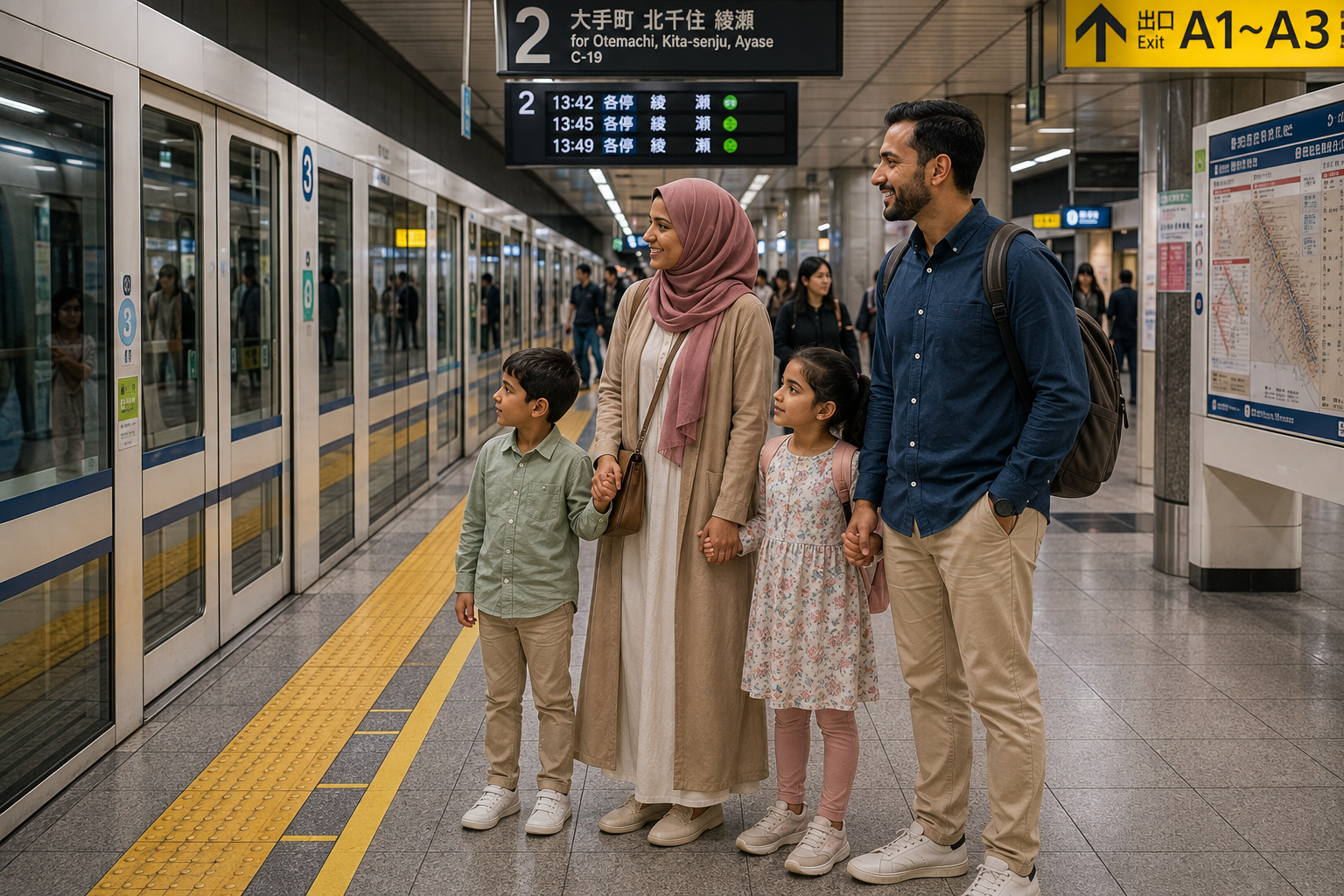
Figure 5: Ride-Sharing App Safety Features
When Is a Dedicated Shuttle or Tour Bus the Right Choice for Your Family’s Itinerary?
A dedicated shuttle or tour bus is the right choice for your family’s itinerary when you require transportation for a specific, singular purpose, such as an airport transfer, travel between a resort and a theme park, or a fully guided day trip.
Choose dedicated shuttles for reliable, pre-booked airport or cruise port transfers, especially with large families and luggage. Opt for tour buses (like Hop-On Hop-Off) for structured city overviews with built-in transport and commentary, trading flexibility for reduced cognitive load and stress-free logistics.
The primary benefit of these services is the reduction of cognitive load. For a tired family arriving after a long flight, a pre-booked private shuttle eliminates all on-the-spot decision-making about navigation, payment, and car seats, providing a seamless and stress-free start to the vacation.
**Single-Mode Fallacy:** The incorrect assumption that one form of transportation must be used for the entire duration of a trip. Effective family travel planning embraces a flexible, multi-modal approach tailored to each day’s specific activities.
A 2022 survey showed that 81% of family travelers are willing to pay for travel services that reduce stress, as reported by Afar magazine.
This willingness to pay for stress reduction makes dedicated shuttles and tour buses a valuable option for families prioritizing ease.
This decision framework provides a clear comparison, but the final choice is also heavily influenced by the physical layout and infrastructure of your specific destination.
4. How to Evaluate Your Family Vacation Destination’s Layout for Transportation Choices?
You evaluate your family vacation destination’s layout for transportation choices by categorizing it as one of five primary types—bustling urban city, relaxed beach resort, sprawling theme park, scenic rural area, or historic town—each with a distinct, recommended transport strategy.
To evaluate your destination, first classify its primary layout (e.g., dense city, rural area). This classification dictates the default best transport mode; for instance, a dense city implies public transit, while a rural area demands a rental car. Consider “hybrid” layouts that require multi-modal strategies.
The most challenging destinations are “hybrid” layouts, like Los Angeles, which is a sprawling collection of urban nodes. These destinations trick families into thinking public transit is viable, when in reality a rental car is almost always necessary to efficiently connect the disparate points of interest.
**Destination Topology:** The study of a destination’s physical layout, including its density, road network, and distribution of attractions. A correct analysis of a destination’s topology is the first step in creating a viable transportation plan.
Use the “Destination Types vs. Recommended Family Transport” table to immediately identify the most logical primary and secondary transport modes for your planned vacation spot.
What Are the Best Transport Modes for Urban Family Vacations?
The best transport modes for urban family vacations are a combination of the local public transit system (metro and bus) for covering medium-to-long distances and walking for exploring individual neighborhoods.
In bustling cities, the metro or subway system is the primary transport mode due to its efficiency and traffic avoidance. Supplement this with walking for short trips. Strategic hotel location near metro stations is crucial for mobility success, making public transit far superior to rental cars.
The key to urban success is accommodation location. Choosing a hotel or rental that is within a 5-10 minute walk of a major metro station with multiple lines is the single most important decision for ensuring easy family mobility.
**Destination Topology:** The study of a destination’s physical layout, including its density, road network, and distribution of attractions. A correct analysis of a destination’s topology is the first step in creating a viable transportation plan.
Research indicates that 78% of travelers consider proximity to public transport a key factor when booking accommodations.
This statistic confirms the strategic advantage of choosing accommodation near major transit hubs for urban exploration.
How Do Rural Destinations Influence Family Transportation Decisions?
Rural destinations influence family transportation decisions by making a rental car a near-absolute necessity due to the lack of comprehensive public transit and the great distances between attractions, accommodations, and amenities.
Rural destinations fundamentally mandate having your own vehicle due to sparse, infrequent, or nonexistent public transportation and impractical taxi services for long distances. Vehicle choice is paramount; opting for an SUV with higher ground clearance or four-wheel drive is often essential for remote or unpaved roads.
When renting for a rural trip, vehicle choice is paramount. Opting for a vehicle with higher ground clearance (an SUV) or four-wheel drive can be essential for navigating unpaved roads or unpredictable weather conditions common in scenic but remote areas.
**Destination Topology:** The study of a destination’s physical layout, including its density, road network, and distribution of attractions. A correct analysis of a destination’s topology is the first step in creating a viable transportation plan.
In countries like the UK, over 60% of rural households own a car, reflecting the necessity of personal vehicles in areas with limited public transport.
This statistic highlights the inherent reliance on private vehicles in rural areas, making a rental car an almost non-negotiable for family exploration.
Which Transportation is Most Convenient for Beach or Resort-Based Family Trips?
The most convenient transportation for beach or resort-based family trips is typically a combination of walking, complimentary resort shuttles, and occasionally renting a golf cart or bicycles.
For beach or resort-based family trips, walking is often the most convenient primary transport, as amenities are typically within easy reach. Supplement this with complimentary resort shuttles for longer distances between the hotel, beach, and local attractions, maximizing relaxation.
Many families make the mistake of renting a car for the full week of a resort stay, only for it to sit unused in the parking lot, incurring costs. A more financially savvy strategy is to rely on resort transit for the majority of the stay and book a single-day car rental or a guided tour for any desired off-property excursions.
**Destination Topology:** The study of a destination’s physical layout, including its density, road network, and distribution of attractions. A correct analysis of a destination’s topology is the first step in creating a viable transportation plan.
A 2021 survey revealed that 42% of family travelers prefer all-inclusive resorts where transportation needs are minimal and often included.
This preference for all-inclusive resorts underscores the desire for minimal transportation planning and maximum convenience.
By matching your transportation strategy to the destination’s layout, you have a high-level plan. The next step is to execute the booking and planning process.
5. How to Successfully Plan and Book Local Transportation for Your Family Vacation?
| Checklist Item / Tactic | Status |
|---|---|
| Step 1: Research your destination’s transit infrastructure online. | ⬜ |
| Step 2: Estimate daily transportation needs based on your itinerary. | ⬜ |
| Step 3: Pre-book any required rentals or transfers. | ⬜ |
| Step 4: Download essential navigation and ride-sharing apps. | ⬜ |
| Step 5: Download offline maps for your destination. | ⬜ |
| Step 6: Research local payment methods for public transit. | ⬜ |
| Step 7: Plan backup transportation options. | ⬜ |
| Step 8: Finalize your transportation budget. | ⬜ |
What Steps Should Your Family Take to Book a Rental Car Abroad?
The steps your family should take to book a rental car abroad include confirming driver’s license requirements, choosing the right vehicle size, understanding insurance coverage, and securing the necessary child safety seats.
To book a rental car abroad, first verify International Driving Permit (IDP) requirements. Then, book a suitable vehicle (minivan/SUV) and the correct number of child safety seats directly with a reputable company, ensuring adequate space and local compliance. Always verify international insurance coverage explicitly.
Beyond car seats, thoughtfully considering how to plan what to pack for a family vacation, including essential items for travel, is key for a smooth experience.
Do not assume your home country’s car insurance or credit card insurance will cover you abroad. You must explicitly verify international coverage with your provider; otherwise, purchasing the rental company’s Collision Damage Waiver (CDW) is the safest, albeit more expensive, option.
**Transport Infrastructure:** The complete network of systems, vehicles, routes, and facilities that enable movement within a location, including roads, rail lines, bus routes, stations, and airports.
An International Driving Permit (IDP) is recommended or required in over 150 countries and can be obtained through organizations like the American Automobile Association (AAA) for a fee of about $20, according to Emily M Krause.
Proactive acquisition of an IDP is a small step that prevents significant legal and logistical hurdles abroad.
Steps to Book a Rental Car Abroad
- Check International Driving Permit (IDP) rules for your destination.
- Compare prices and book with reputable vendors like Hertz or Avis.
- Clarify international insurance coverage thoroughly.
- Reserve the correct number and type of child safety seats.
How to Navigate Public Transportation with Children at Your Destination?
You navigate public transportation with children at your destination by planning your routes during off-peak hours, using a lightweight stroller, and establishing clear safety rules before entering any station or vehicle.
Successfully navigating public transportation with children involves avoiding rush hour crowds to minimize stress and safety risks. Ensure tickets are ready for smooth entry, and always maintain physical contact, such as holding hands, on platforms and escalators to ensure children’s safety.
Practice a “mock trip” with your children. Before your first real journey, walk them through the process in a calm moment: explain how the ticket works, how to wait for the train behind the line, and the importance of holding on. This preparation dramatically reduces anxiety and confusion during the real thing.
**Transport Infrastructure:** The complete network of systems, vehicles, routes, and facilities that enable movement within a location, including roads, rail lines, bus routes, stations, and airports.
In a survey of traveling parents, over 60% cited navigating public transportation as a significant source of stress.
This statistic underscores the need for practical, actionable advice to alleviate parental stress during transit.
Public Transport Safety Tips for Families
- Locate elevators or ramps for strollers before you arrive.
- Fold your stroller before boarding a crowded bus or tram.
- Designate a family meeting spot in case of separation.
- Maintain close physical contact with children on platforms and escalators.
What Are the Best Practices for Using Ride-Sharing Services with a Family?
The best practices for using ride-sharing services with a family include ordering a larger vehicle (like an XL), confirming the license plate and driver before entry, and having your own travel-safe car seat, as in-app options are unreliable.
For family ride-sharing, book an UberXL or Lyft XL for adequate space. Always match the vehicle’s license plate and driver’s photo with app details before entry. Utilize in-app safety features, as child seat availability is often inconsistent, requiring your own provision.
The “Share my trip” feature within ride-sharing apps is a critical, underutilized safety tool for families. Before the trip begins, share the live journey status with a partner or family member not in the vehicle. This provides a real-time GPS track of your location for added security.
**Transport Infrastructure:** The complete network of systems, vehicles, routes, and facilities that enable movement within a location, including roads, rail lines, bus routes, stations, and airports.
According to Uber, a trip is 5 times more likely to be shared if the user is prompted by the app, indicating many users forget to use this key safety feature.
This data highlights the importance of leveraging built-in safety features that are often overlooked.
Family Ride-Sharing Do’s and Don’ts
- DO order an UberXL or Lyft XL for sufficient space.
- DO confirm the child lock is on in the back doors.
- DO bring your own FAA-approved, lightweight child restraint system (like ISOFIX / LATCH System compatible).
- DON’T assume the driver will have a car seat available.
With your transportation booked and your plan in place, the focus shifts to the on-the-ground tactics that ensure your family gets around safely and efficiently during the vacation itself.
6. What Essential Tips Will Help Your Family Get Around Safely and Efficiently?
The essential tips that will help your family get around safely and efficiently involve a combination of digital preparedness, situational awareness, and proactive safety measures for children.
To get around safely and efficiently, ensure offline maps and emergency contacts are saved. Teach children basic transport safety rules, emphasizing staying together. Always verify child seat installations before any car journey to secure your family’s well-being on the move.
Create a “transportation go-bag.” This small backpack should always contain the essentials for any journey: a portable battery charger, a small first-aid kit, snacks and water, wipes, and pre-paid transit cards or local currency. This ensures you are prepared for unexpected delays or changes of plan.
**Situational Awareness:** The practice of being constantly aware of your surroundings and identifying potential hazards or threats, particularly important in crowded tourist areas and on public transport.
Implement the “On-the-Ground Family Transportation Tips” checklist as your daily operational guide during your vacation.
How to Handle Unexpected Delays or Changes in Your Family’s Travel Plans?
You handle unexpected delays or changes in your family’s travel plans by building a time buffer into your itinerary, having a pre-researched backup transportation option, and maintaining a flexible, positive mindset.
When a delay occurs, calmly assess your backup options, such as having a ride-share app ready if a bus is late. The key is planning for possibilities and communicating reassuringly with children. A “distraction kit” can transform frustrating waits into manageable rest periods for your family.
The best tool for handling delays is a “distraction kit” for your children. A small bag with a new coloring book, a favorite snack, or a downloaded movie on a phone can turn a frustrating 30-minute delay at a train station into a manageable and even pleasant rest period.
**Situational Awareness:** The practice of being constantly aware of your surroundings and identifying potential hazards or threats, particularly important in crowded tourist areas and on public transport.
In recent years, some major European rail networks have reported on-time performance rates hovering around 80-90%, meaning 1 to 2 out of every 10 trains experience a delay.
This data confirms that delays are a common reality, making a proactive strategy essential for family peace of mind.
What Safety Measures Should Your Family Prioritize When Using Local Transport?
The safety measures your family must prioritize when using local transport are, first and foremost, the correct use of child restraint systems in cars, and secondly, establishing and enforcing strict rules about staying together as a group in any public space.
The absolute top safety priority is ensuring any child needing a car seat is correctly secured and installed. Secondly, maintain physical proximity in public spaces through hand-holding, wrist links, or a “hand on the stroller” rule. Taking a daily photo of children is a critical emergency measure.
Before the trip, take a photo of each of your children each morning. In the unlikely event of a separation in a crowded place, having a current photo that shows exactly what they are wearing is invaluable for security personnel or police.
**Situational Awareness:** The practice of being constantly aware of your surroundings and identifying potential hazards or threats, particularly important in crowded tourist areas and on public transport.
A 2019 survey revealed that 10% of families have temporarily lost a child in a crowded place while on vacation.
This underscores the critical need for explicit safety protocols and preventative measures against child separation.
Non-Negotiable Family Transport Safety Rules
- Always use appropriate Child Restraint Systems (like ISOFIX) in cars.
- Establish and enforce a “stay together” rule in public spaces.
- Designate clear family meeting points if separated.
- Take a daily photo of each child for identification purposes.
How Can You Integrate Walking and Active Travel into Your Family’s Itinerary?
You can integrate walking and active travel into your family’s itinerary by intentionally planning short, engaging walking routes between attractions and framing the walks themselves as a “scavenger hunt” or discovery activity.
Integrate walking by planning short, engaging routes between attractions within neighborhood-specific blocks. Motivate children by transforming walks into games like “I Spy” or a scavenger hunt, building in planned stops at playgrounds or cafes. Utilize point-of-interest routes to enhance exploration.
Use a “point-of-interest” walking route instead of the most direct one. Apps like Google Maps allow you to add multiple stops; by adding a bakery, a unique statue, or a small park as a waypoint, you can create a far more engaging journey than a simple straight line.
**Situational Awareness:** The practice of being constantly aware of your surroundings and identifying potential hazards or threats, particularly important in crowded tourist areas and on public transport.
Studies have shown that travelers who walk more report a 30% higher satisfaction rate with their trip’s authenticity and local connection.
This research supports incorporating walking not just as transport, but as a way to deepen the family’s travel experience.
While these tips help ensure smooth daily operations, it’s equally important to know how to avoid and troubleshoot the common transportation mistakes that can derail a family vacation.
7. How to Avoid Common Local Transportation Mistakes on a Family Vacation?
You avoid common local transportation mistakes on a family vacation by diligently researching local laws and norms beforehand, building realistic time buffers into your schedule, and creating a detailed transportation budget.
Avoid common transport mistakes by proactively researching local car seat laws and destination-specific transit systems. Mitigate overspending by comparing pass options against pay-per-ride costs, and combat underestimating travel times with children by adding a 25% time buffer to all journeys.
A frequent mistake is “destination assumption”—assuming the transport system that works in one city (e.g., London‘s Tube) will work the same way in another (e.g., Rome‘s limited metro). Every single destination must be researched as a unique and distinct system.
**Destination Assumption:** The planning fallacy of applying transportation strategies and expectations from a familiar destination to a new, unresearched one, often leading to logistical failures.
Review the common mistakes listed in this section and cross-reference them with your current travel plan to identify and fix any potential weak spots.
What Are the Pitfalls of Underestimating Travel Times with Kids?
The primary pitfall of underestimating travel times with kids is a cascade of negative effects, including missed reservations, heightened parental stress, and child exhaustion that ruins the enjoyment of the intended activity.
Underestimating travel time with kids creates stress and rushing, negatively impacting children’s experience and leading to missed pre-booked activities. This results in financial loss and profound disappointment, highlighting the need for realistic time budgeting that accounts for family-specific micro-delays like bathroom breaks.
Underestimating time isn’t just about the A-to-B journey. The real time-sinks are the transitions: getting everyone out the door, bathroom stops, navigating a stroller through a turnstile, and unexpected snack breaks. The “25% Buffer Rule” is designed specifically to account for these micro-delays.
**Destination Assumption:** The planning fallacy of applying transportation strategies and expectations from a familiar destination to a new, unresearched one, often leading to logistical failures.
A 2023 survey found that 45% of parents admitted to under-planning travel time on vacation, leading to arguments and missed activities.
This common oversight can be easily avoided by applying a simple time buffer to all travel segments.
How to Prevent Overspending on Local Transport During Your Family Trip?
You prevent overspending on local transport during your family trip by conducting a pre-trip cost analysis that compares pay-per-ride fares against the price of daily, weekly, or family-specific transit passes.
Prevent overspending by committing to a clear transport strategy: utilize multi-day passes for public transit or set strict daily budgets for ride-shares. Avoid mixing impulsive strategies, which leads to redundant costs, and always conduct a pre-trip cost analysis, especially for “all-inclusive” city passes.
Many tourist-oriented “City Pass” bundles include “free” transportation, but the pass’s high upfront cost may be more than you would have spent on attractions and transport separately. Always price out your planned itinerary’s transport and entry fees individually before buying an all-inclusive pass.
**Destination Assumption:** The planning fallacy of applying transportation strategies and expectations from a familiar destination to a new, unresearched one, often leading to logistical failures.
Analysis shows that travelers often need to visit at least 3 to 4 included attractions for a city pass to become cost-effective.
This insight is vital for making financially sound decisions regarding bundled passes.
What to Do If Your Family’s Pre-Booked Transport Fails to Arrive?
If your family’s pre-booked transport fails to arrive, you must immediately execute a pre-planned backup strategy, which involves having the contact information for a local taxi company and a functional ride-sharing app already on your phone.
If pre-booked transport fails to arrive, wait 10-15 minutes while attempting company contact. If no resolution, immediately activate your pre-planned backup: use a ride-sharing app or call a local taxi number saved before your trip, ensuring a quick, stress-free alternative.
This is where having a small amount of local currency becomes a trip-saver. In the event of a no-show at an airport where app-based services might be restricted or have poor signal, being able to walk to the official taxi rank and pay in cash is the ultimate, foolproof backup.
**Destination Assumption:** The planning fallacy of applying transportation strategies and expectations from a familiar destination to a new, unresearched one, often leading to logistical failures.
Even in a digitally advanced travel landscape, a 2023 survey showed that over 70% of experienced family travelers still carry at least $100 worth of local currency for emergencies, as seen in Gogo Charters information.
This proves that cash remains a critical safety net, especially when digital solutions fail.
Emergency Transport Backup Plan
- Step 1: Wait 10-15 minutes and attempt to contact the pre-booked company.
- Step 2: Execute Backup A (e.g., open a ride-sharing app like Uber or Lyft to find an alternative).
- Step 3: Execute Backup B (e.g., locate an official Taxi stand or call a pre-saved local taxi number).
By avoiding these common pitfalls, you are well on your way to mastering family travel logistics. The final step is to consolidate this knowledge into a cohesive travel philosophy.
Resolution
Ultimately, the strategy for how to get around your family vacation destination is a discipline of proactive planning, where matching the right transportation modes to your specific itinerary and destination is the key to a safe, efficient, and memorable trip.
This meticulous approach to local travel forms a crucial component of how to plan a family vacation step by step, ensuring every detail contributes to a successful and enjoyable experience.
Your final action is to synthesize this knowledge into a simple transportation plan, documenting chosen modes, pre-booking confirmations, and backup options. This logistical guide, born from proactive planning, transforms potential stress into a cornerstone of a safe, efficient, and memorable family vacation.
The most successful family travel planners operate like a logistics manager, not a tourist. They embrace the planning phase, understanding that every hour spent on research and booking before the trip buys them several hours of stress-free enjoyment during the trip.
**Logistical Excellence:** The state of having planned and prepared for the practical and organizational details of a journey so thoroughly that the on-the-ground experience feels seamless and effortless.
Finalize your transportation plan now by committing your decisions to a shareable document (like a Google Doc) that you and your travel partners can access during the trip.
By architecting your transportation plan with this level of detail, you have transformed a potential source of stress into a cornerstone of your family’s perfect vacation.