How to Define a “Family-Friendly” Vacation Destination
Table of Contents
The strict definition of a “family-friendly” vacation destination rests on three non-negotiable pillars: comprehensive structural safety, multi-generational engagement, and absolute logistical simplicity.
A truly “family-friendly” vacation destination does far more than just offer a kids’ menu; it actively minimizes parental stress and maximizes shared enjoyment across all age brackets. It achieves this through a robust combination of safety infrastructure, accessible and diverse activities, and convenient amenities. Before diving into the deep specifics of what makes a location ideal, understanding the broader process of planning your overall family vacation destination provides valuable context.
To effectively orchestrate a low-stress family vacation, parents must apply a rigorous “Family-Friendly Litmus Test” to all potential options. This test demands careful consideration of medical infrastructure, “tiered” activities for varying attention spans, and the reduction of travel friction, ensuring that no member of the family is overwhelmed or bored.
1. What Defines a “Family-Friendly” Vacation Destination?
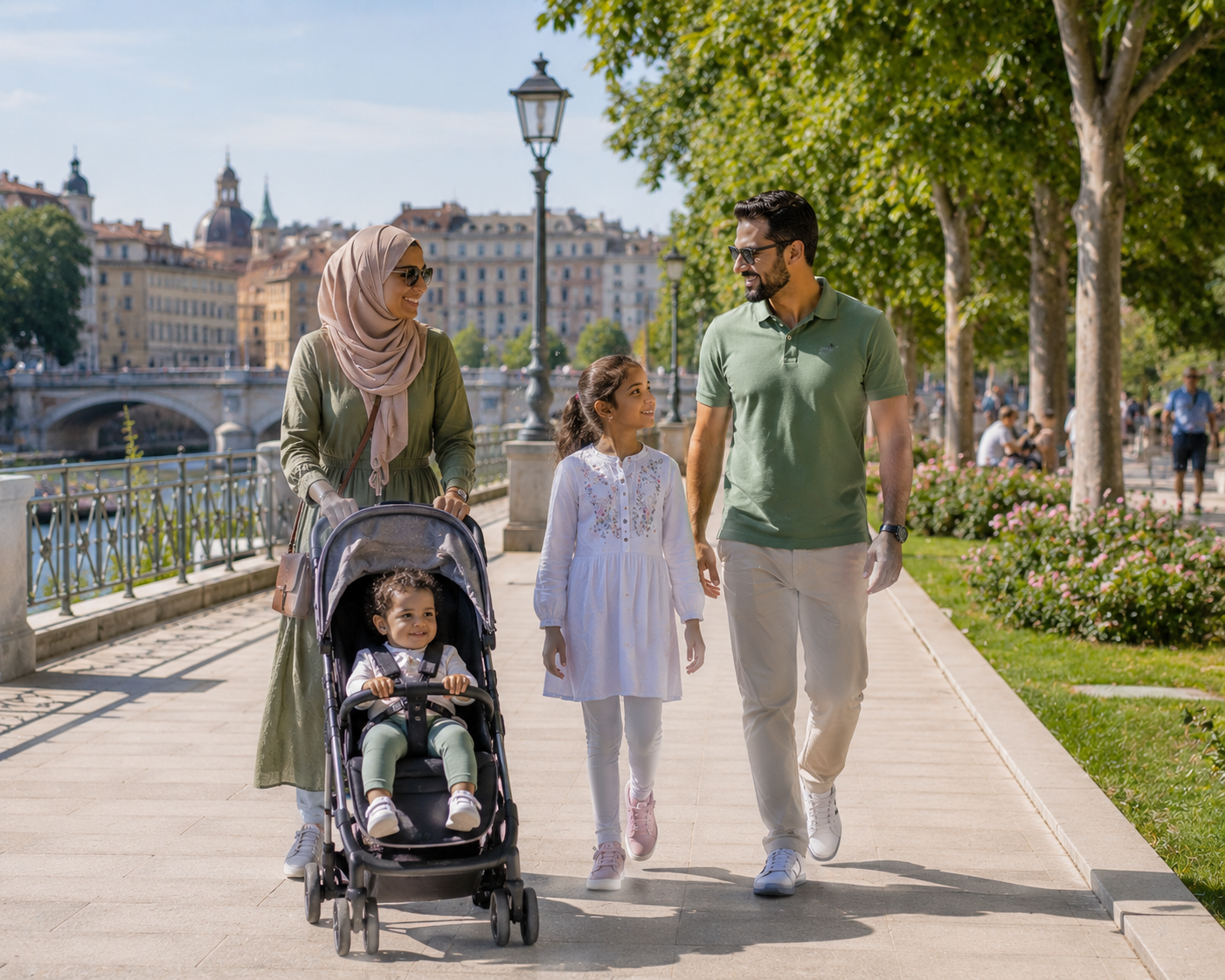
Figure 1: The Three Pillars of a Family-Friendly Destination
The defining characteristic of a superior family vacation spot is not the sheer volume of child-focused amenities, but rather the measurable reduction of parental cognitive load. A top-tier destination actively anticipates family needs, simplifying decision-making around food, transit, and safety.
This allows parents to actually participate in the family vacation, rather than simply project-managing it from the sidelines while the children play.
Why Does Age-Appropriateness Matter for a Family Vacation Destination’s Appeal?
Age-appropriateness is the critical factor that dictates appeal because it directly prevents the primary family vacation-killers: severe boredom in older children and dangerous overstimulation in younger toddlers. A destination lacking varied age-specific activities forces parents into a constant state of negotiation and compromise.
According to academic studies on tourism, the proportion of decisions made jointly by parents and their children was demonstrably higher in families with 7- to 12-year-olds than in those with 3- to 6-year-olds, highlighting how influence and necessary engagement shift radically with age. Source
Look for destinations offering “tiered engagement.” For example, a historic ruin in Rome that features a physical scavenger hunt for the 6-year-old, detailed audio-visual guides for the teenager, and shaded, easily accessible cafes nearby for the grandparents to rest.
Activities Must Cater to a Wide Age Range
This ensures no family member feels left out or bored. For instance, a destination might offer excellent playgrounds for young kids, while providing historical tours or complex hiking trails for older teenagers, ensuring dynamic engagement for all.
Contrast High vs. Low Age-Appropriateness
A destination with high age-appropriateness, such as a major theme park with designated zones for toddlers, teens, and adults, contrasts sharply with a remote wine-tasting region where activities are exclusively tailored for adults, leading to immediate family friction.
How Do Safety and Security Shape a Family Vacation Destination’s Appeal?
Safety and security form the foundational baseline; without a high degree of both perceived and actual structural safety, all other features (like great pools or food) become entirely irrelevant to parents. These factors directly influence a family’s ability to let their guard down and explore freely.
In travel industry research regarding family travel, parents consistently emphasized child safety above all other considerations, with parents of children aged 0-2 being significantly more concerned about structural hygiene and hazard prevention than parents of older children. Source
You must differentiate between “perceived safety” (e.g., well-lit tourist streets) and “structural safety” (e.g., local food safety standards, proximity to a pediatric trauma center, water potability). A premier destination like Tokyo or Singapore excels in both.
Safety Directives
If high crime rates or unsafe environments exist, families will avoid the destination entirely, resulting in reduced appeal regardless of other features. Unsafe environments negate all other positive attributes. Key signals include consulting government travel advisories, understanding local emergency medical services, and ensuring the destination has modern, enforceable health codes.
What Role Does Accessibility Play in Defining a Truly Family-Friendly Vacation?
Accessibility determines the physical ease with which a family can navigate. A truly family-friendly destination removes “logistical friction”—such as cobblestone streets that destroy strollers or train stations lacking elevators. This extends beyond wheelchair ramps to include widespread family restrooms, changing facilities, and public transport that accommodates groups with heavy gear.
A comprehensive study of family travel considerations revealed that parents with infants and toddlers specifically stressed the paramount importance of how accessible an activity or public transport system is for strollers. Source
Frame accessibility as a “friction reducer.” Every missing ramp, flight of stairs without an elevator, or narrow doorway adds logistical friction that wears down a family’s energy and patience over the course of a family vacation.
Accessibility Features
Facilities and attractions should be universally accessible. This accommodates strollers, wheelchairs, and varying mobility needs. Examples include robust ramp systems, family restrooms, and accessible transit. For multi-generational family vacations, it’s vital to consider both physical accessibility and the availability of shaded rest areas.
2. Which Types of Vacation Destinations Best Suit Diverse Family Needs?
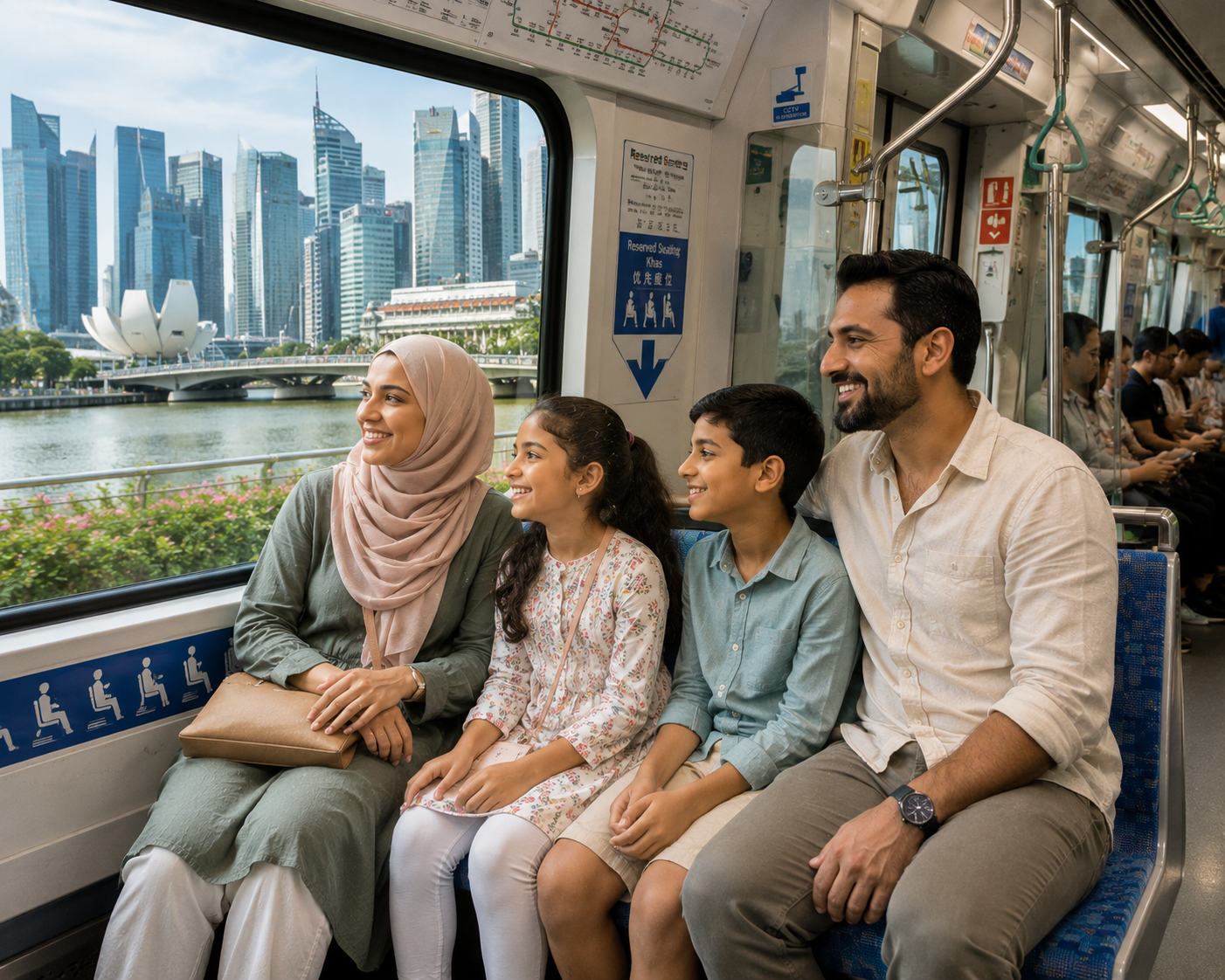
Figure 2: Diverse Vacation Types for Families
The destination type that best suits your family is directly correlated to your primary goal: relaxation, high-stimulation, adventure, or cultural enrichment. There is no one-size-fits-all answer; an all-inclusive resort solves different problems than a remote cabin.
To choose correctly, a family must first identify their travel style. Resorts excel at low-stress relaxation, cities offer cultural stimulation, and natural retreats deliver adventure and disconnection. Once you’ve considered the general type of destination, the next step involves deciding between domestic and international family vacations.
How Do Urban Centers Compare to Natural Retreats for Family Vacations?
Urban centers and natural retreats compare on the axes of stimulation, cost, and logistics, offering fundamentally different experiences. Urban centers like London provide high accessibility and dense cultural options but come with higher costs and crowd-induced stress. Natural retreats offer space and decompression but require more self-sufficiency and planning.
The ideal travel time for a natural retreat like Costa Rica is its dry season from December to April, whereas a dense urban center is often best visited in the shoulder seasons to avoid crushing summer crowds and premium pricing. Source
The key differentiator is “pace.” Cities impose a fast, structured, event-driven pace (museums open at 10, shows start at 8). Nature retreats allow the family to dictate a slower, organic rhythm (dictated by sunrise or tides). Mismatching your family’s natural energy levels with the destination’s inherent pace guarantees friction.
Urban Centers vs. Natural Retreats
- Urban Centers: Excel in convenience, with a dense concentration of museums, varied dining, and public transportation options, ideal for active families.
- Natural Retreats: Demand self-reliance, offering opportunities for hiking, wildlife viewing, and unstructured play, ideal for families seeking decompression.
When Should Resort-Based Vacations Be Considered for Ultimate Convenience?
Resort-based family vacations should be the primary choice when the paramount goal is minimizing logistical planning and maximizing relaxation. This “turnkey” travel is ideal for parents of infants, multi-generational groups where mobility varies wildly, or any family seeking a low-stress experience without the burden of daily decision-making.
Many premium resort vacations operate on an all-inclusive model, such as Beaches Turks & Caicos, which are renowned for consolidating gourmet dining, water sports, and certified childcare into a single, predictable upfront price. Source
Resorts are a strategic choice for a family’s *first* international vacation or first vacation with a new baby, as they provide a controlled, safe environment that drastically reduces the variables and anxieties of navigating a new country.
Optimal Resort Scenarios
- Traveling with toddlers/infants, leveraging kids’ clubs and built-in childcare services.
- Multi-generational family vacations with varying levels of physical mobility.
- When the primary goal is pure relaxation rather than intense cultural exploration.
3. What Essential Features Contribute to a Destination Being Family-Friendly?

Figure 3: Key Features of a Family-Friendly Destination
The essential features are the tangible amenities, services, and architectural standards that act as an interconnected support system for the family.
Exceptional childcare is useless if dining options are entirely inflexible. A great family vacation destination understands that these features must work together flawlessly to create a frictionless experience.
How Do Varied Activity Options Cater to Different Family Members?
Varied activities provide “parallel tracks” for enjoyment, preventing any single family member’s preferences from dominating the vacation. A rich activity portfolio allows teenagers to seek thrill-seeking autonomy, toddlers to engage in safe supervised play, and adults to relax—all simultaneously within the same physical destination. For deeper strategies on this, explore how to plan family vacation activities based on age and safety.
Activity Categories
- Toddler & Kid Focused: Playgrounds, splash pads, shallow entry pools.
- Teen & Adult Focused: Water sports, complex historical tours, independent exploration zones.
- All-Ages Bonding: Beach time, easy nature walks, family cooking classes.
Why Are Flexible Accommodation and Dining Crucial?
Flexibility provides the control necessary to manage unpredictable schedules, dietary needs, and children’s energy crashes during a family vacation. Accommodations with kitchens or multiple rooms (like an Aparthotel) allow for mid-day naps and decompression. Restaurants with flexible hours prevent the stress of rigid reservation times.
The ultimate flexible accommodation is the vacation rental. It is a “stress-saver,” eliminating the crushing pressure to have three meals a day in a formal restaurant setting with an exhausted toddler. Understanding which family-friendly hotel amenities actually matter can save you thousands.
Accommodation & Dining Flexibility
Contrast the stressful experience of a family in a standard, single-room hotel with fixed-dinner-seating versus a family in a two-bedroom apartment hotel. Look for family suites, and amenities like high chairs or cribs, along with accommodations featuring full kitchens to ensure maximum flexibility.
What Support Services Enhance the Family Vacation Experience?
Support services like vetted professional childcare, bulky equipment rental (cribs, strollers), and dedicated concierge assistance offload heavy logistical burdens, directly creating opportunities for parental relaxation and much-needed adult-only time during the family vacation.
Key Support Services
- On-site Childcare/Kids’ Clubs: Solves the problem of parents needing adult-only time to recharge.
- Gear Rental: Reduces the massive burden and cost of checking bulky items like strollers on flights.
- Family-focused Concierge: Offers personalized, age-appropriate local recommendations, avoiding tourist traps.
4. How Do Destination Characteristics Impact a Family-Friendly Vacation?

Figure 4: Travel Friction and Logistical Challenges
A destination’s macro characteristics—its overarching culture, climate, pace, and public infrastructure—dictate the baseline level of stress your family will experience before you even book a hotel.
“Travel Fatigue” is the cumulative physical and mental exhaustion of navigating new environments, schedule disruptions, and language barriers, which disproportionately affects young children. If your family has a low tolerance for this, prioritize destinations with massive, modern family infrastructure over remote locales.
Families should perform a “friction audit” of a potential destination. For each characteristic (e.g., language barrier, crowd levels), ask: “How much daily friction will this add to our family vacation, and is the cultural reward worth that added stress?”
How Can a Family-Friendly Destination’s Pace Influence Family Enjoyment?
A family-friendly destination’s inherent pace profoundly influences enjoyment by either aligning with or clashing against a family’s natural rhythm. A fast-paced city with a packed itinerary can be exhilarating for teenagers but exhausting for toddlers. Matching the destination’s pace to the children’s ages and the parents’ relaxation goals is essential.
Pace Comparison
Contrast the “event-driven” pace of a city (museums open at 10, shows start at 8) with the “nature-driven” pace of a coastal town (dictated by sunrise, tides). A mismatched pace is a primary cause of travel fatigue in children. Parents must audit their own family’s “at-home” pace to predict what will work on a family vacation.
What is the Significance of Local Culture for Family Engagement?
The significance of local culture in a family-friendly destination lies in its ability to transform a simple family vacation into a memorable, world-expanding educational experience. Engaging with a new culture through food, language, and traditions provides a powerful form of “stealth learning” for kids.
Cultural Touchpoints
Frame cultural opportunities not as a “chore” but as interactive entertainment. Examples include exploring local cuisine markets rather than just standard restaurants, or learning a few phrases in the local language together as a family challenge.
How Does Overall Infrastructure Support Family Vacation Logistics?
A family-friendly destination’s overall infrastructure is the invisible framework that supports all family vacation logistics; strong infrastructure (reliable transit, fast internet, safe water) reduces friction, while weak infrastructure creates constant, energy-draining challenges that eat into family fun time.
Key Infrastructure Components
- Transportation Network: Reliable public transportation versus requiring a rental car.
- Telecommunications: Widespread mobile connectivity for navigation and translation.
- Healthcare Facilities: Accessible, high-quality medical services nearby.
5. What Common Challenges Should Families Avoid When Choosing a Destination?

Figure 5: Relaxed Family Vacation Moment
The most damaging challenges families face stem from three predictable failures: severe under-budgeting for hidden costs, unrealistic expectations of child stamina, and inadequate emergency preparation.
Families must rigorously account for these areas, as ignoring them is the primary cause of travel-related disappointment. To effectively navigate these issues, it’s beneficial to explore specific strategies on how to solve common family vacation planning challenges.
Why Can Overlooking Budget and Hidden Costs Derail a Family Vacation?
Overlooking the total budget introduces crushing financial stress that overshadows every activity on a family vacation. The “total cost” extends far beyond flights to include food, resort fees, local transport, tips, and the “convenience tax” of buying overpriced items you forgot. To avoid these traps, learn how to identify all potential hidden family vacation costs.
Common Hidden Costs
- Baggage fees and airline seat selection.
- Mandatory resort fees or urban destination fees.
- Foreign transaction fees on credit cards.
- Local tourist taxes applied per night, per person.
How Do Unrealistic Expectations Lead to Disappointment?
Expecting an empty beach in Iceland in July, or expecting a toddler to happily sit through a three-hour museum tour in Paris, guarantees frustration. A successful family vacation requires setting expectations based on the destination’s peak-season reality and the children’s genuine physical capacity for engagement.
Managing Expectations
Contrast an “Instagram expectation” with a “reality scenario” for popular landmarks. Parents must have an honest conversation with older kids about wait times and crowds before the family vacation to prevent in-the-moment meltdowns.
What Are the Risks of Ignoring Emergency Preparedness?
The risks of ignoring health and emergency preparedness are severe, potentially transforming a minor issue (like a scraped knee or a delayed flight) into a major vacation-ending crisis. Proper preparedness involves pre-trip planning, comprehensive insurance, and a documented plan.
Essential Preparedness Steps
- Consult a doctor regarding travel health and required vaccinations.
- Purchase comprehensive family travel insurance.
- Research local emergency numbers (e.g., 911 vs. 112).
- Pack a customized family first-aid kit.
6. Logistics: Family-Friendly Destination Evaluation Checklist
| Checklist Item / Tactic | Status |
|---|---|
| Evaluate Safety: Assess crime rates, hospital proximity, and public health standards. | ⬜ |
| Check Age-Appropriateness: Ensure diverse, tiered activities exist for all family members’ ages. | ⬜ |
| Verify Accessibility: Confirm stroller-friendly infrastructure and accessible transport. | ⬜ |
| Review Lodging & Dining: Look for options with kitchens, multiple rooms, and flexible dining hours. | ⬜ |
| Research Services: Identify available childcare, gear rentals, and concierge assistance. | ⬜ |
| Perform Friction Audit: Assess language barriers, crowd levels, and local pace. | ⬜ |
| Create Comprehensive Budget: Account for all direct and hidden costs, plus a contingency buffer. | ⬜ |
| Set Realistic Expectations: Align activity plans with children’s actual stamina. | ⬜ |
| Develop Emergency Plan: Prepare health, safety, and travel document backups. | ⬜ |
Resolution
Ultimately, defining a “family-friendly” vacation destination is a highly personalized process of matching a location’s proven attributes of structural safety, tiered engagement, and logistical simplicity against your own family’s unique developmental needs and travel style. There is no single “best” family vacation universally, only the destination that is best for *your* family at this exact moment in time. By utilizing friction audits and demanding more than just a kids’ menu from a location, you shift from simply hoping for a great family vacation to deliberately engineering one.