How to Define a “Family-Friendly” Vacation Destination
Table of Contents
The definition of a “family-friendly” vacation destination rests on three non-negotiable pillars: comprehensive safety, multi-generational engagement, and logistical simplicity.
A “family-friendly” vacation destination minimizes parental stress and maximizes shared enjoyment for all ages. It achieves this through a robust combination of safety infrastructure, accessible and diverse activities, and convenient amenities, ensuring logistical simplicity and multi-generational engagement. Before diving into the specifics of what makes a destination ideal, understanding the broader process of planning your family vacation destination can provide valuable context.
1. VISION: What defines a “family-friendly” vacation destination?
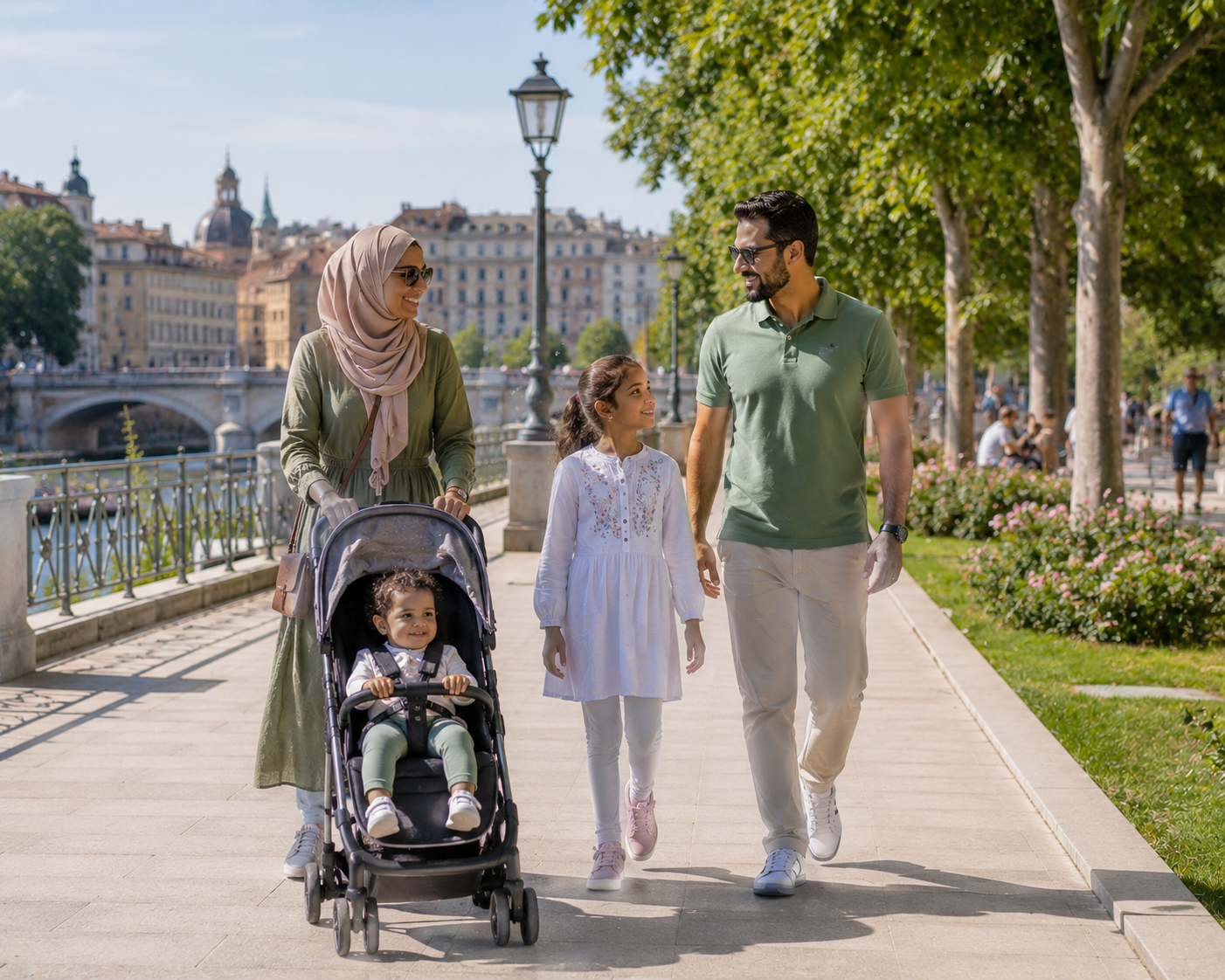
Figure 1: Three Pillars of a Family-Friendly Destination
The definition of a “family-friendly” vacation destination rests on three non-negotiable pillars: comprehensive safety, multi-generational engagement, and logistical simplicity.
The defining characteristic is not just the presence of family amenities, but the reduction of parental cognitive load. A top-tier destination anticipates family needs, simplifying decision-making around food, transport, and safety, thereby allowing parents to participate in the vacation rather than just manage it. “Shoulder Season” – is the travel period between peak and off-peak seasons, which provides a strategic advantage for families through lower costs, reduced crowds, and pleasant weather, optimizing the vacation experience. To effectively plan a low-stress family vacation, parents must apply a “Family-Friendly Litmus Test” to potential destinations. This test demands careful consideration of comprehensive safety measures, diverse activities for different age groups, and logistical simplicity. Prioritize destinations that explicitly market and provide evidence for their safety protocols, accessibility features, and diverse activity schedules over those with generic “family-friendly” labels. Understanding these three core pillars is the first step, and the next is to examine how each pillar functions in detail, starting with age-appropriateness.
Why does age-appropriateness matter for a family-friendly vacation destination’s appeal?
Age-appropriateness is the critical factor that dictates the appeal of a family-friendly vacation destination because it directly prevents the primary vacation-killers: boredom in older children and overstimulation or risk for younger children. This attribute ensures that no family member feels excluded or disengaged, which is essential for group harmony and creating shared positive memories. A destination lacking varied age-specific activities forces parents into a constant state of negotiation and compromise.
According to one study, the proportion of decisions made jointly by parents and their children was higher in families with 7- to 12-year-olds than in those with 3- to 6-year-olds, showing how influence shifts with age. Source
Explain the concept of “tiered engagement,” where a single location offers parallel enjoyment. Example: A historic site with a scavenger hunt for kids, detailed audio guides for adults, and shaded, accessible benches for grandparents.
Author’s Experience
“As a parent who’s navigated countless family trips, I’ve learned that a vacation’s success hinges on details like stroller-friendly paths and quiet corners. My own children taught me the hard way that a destination must flex to their moods, not the other way around.”
Activities must cater to a wide age range
This ensures no family member feels left out or bored. For instance, a destination might offer Playgrounds for kids, while providing historical tours or a Museum visit for adults, making it suitable for a vacation with toddlers and teenagers.
Contrast High vs. Low Age-Appropriateness
A destination with high age-appropriateness, such as a resort with teen clubs and toddler pools, significantly contrasts with a remote art retreat where activities are primarily tailored for adults.
How do safety and security shape a family-friendly vacation destination’s appeal?
Safety and security are the foundational baseline that shapes a family-friendly vacation destination’s appeal; without a high degree of perceived and actual safety, all other features become irrelevant. These factors directly influence a family’s ability to relax and explore freely. Key indicators include low crime rates, reliable emergency services, clear public health standards, and safe transportation options.
In a study on family travel, research found that parents emphasized child safety above all other considerations, with parents of children aged 0-2 being significantly more concerned about safety and hygiene than parents of 7- to 12-year-olds. Source
Differentiate between “perceived safety” (well-lit streets, tourist police presence) and “structural safety” (food safety standards, hospital quality, water potability). A premier family destination excels in both.
Safety Directives
If high crime rates or unsafe environments exist, families will avoid the destination entirely, resulting in reduced appeal regardless of other features. Unsafe environments negate all other positive attributes. Key E-E-A-T signals include consulting the U.S. Department of State for travel advisories, understanding local Emergency medical services, and securing comprehensive Travel insurance.
What role does accessibility play in defining a truly family-friendly vacation destination?
Accessibility plays a definitive role in defining a truly family-friendly vacation destination by determining the physical ease with which a family can navigate and experience the destination. This extends beyond wheelchair ramps to include stroller-friendly pathways, widespread family restrooms with changing facilities, and public transport that accommodates groups with gear. Poor accessibility creates constant logistical hurdles and physical barriers to enjoyment.
A study of family travel considerations revealed that parents with 0- to 2-year-olds specifically stressed the importance of how accessible an activity or attraction is for strollers. Source
Frame accessibility as a “friction reducer.” Every missing ramp, flight of stairs without an elevator, or narrow doorway adds “logistical friction” that wears down a family’s energy and patience over the course of a trip.
Accessibility Features
Facilities and attractions should be universally accessible. This accommodates strollers, wheelchairs, and varying mobility needs. Examples include ramps, family restrooms, and accessible transport. For multi-generational travel planning, it’s vital to consider not only physical accessibility but also digital accessibility, such as easy-to-use booking websites and mobile ticketing.
2. CHOOSE: Which types of vacation destinations best suit diverse family needs for a family-friendly experience?
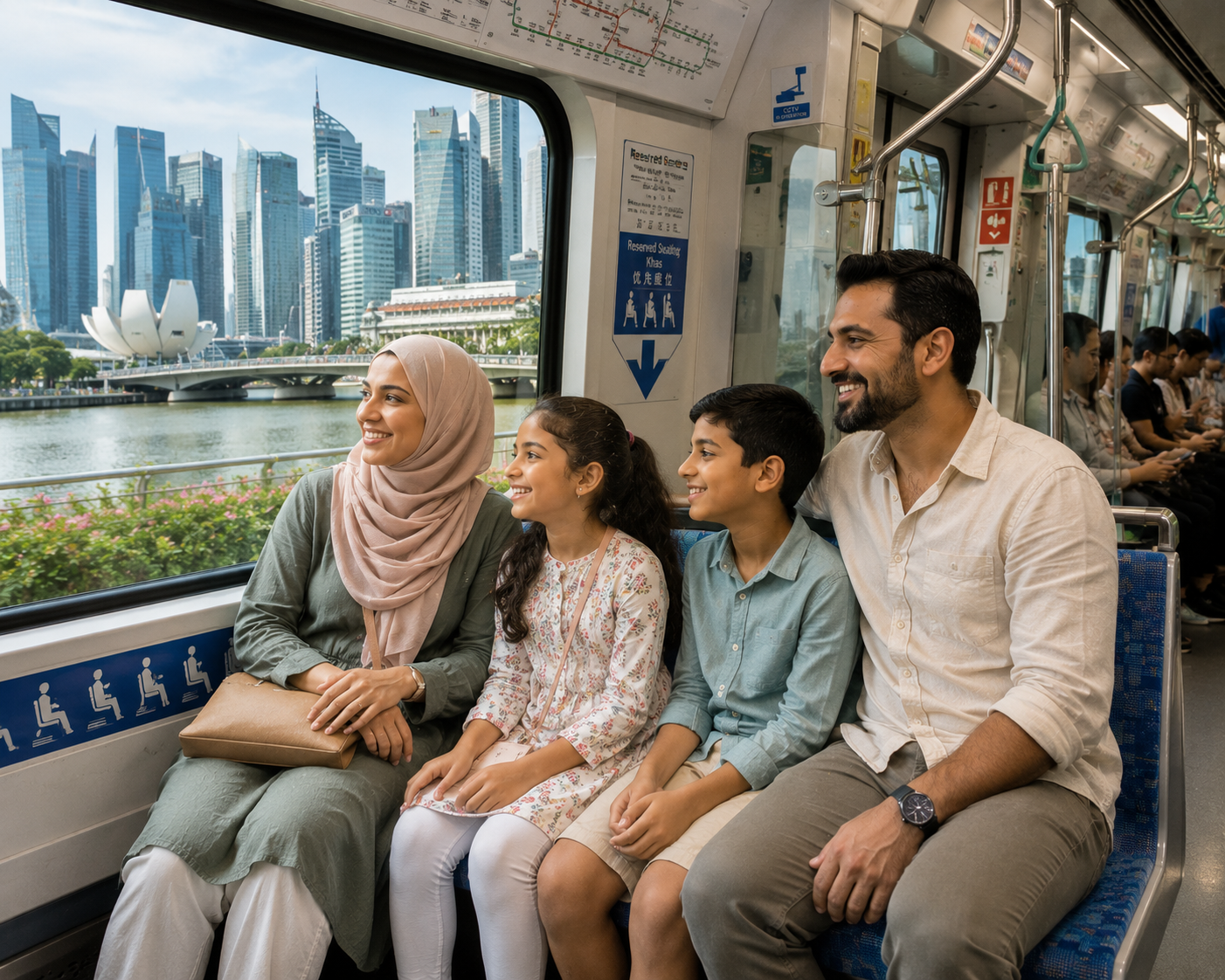
Figure 2: Diverse Vacation Types for Families
The types of vacation destinations that best suit diverse family needs for a family-friendly experience are directly correlated with the family’s primary goal, whether it is relaxation, stimulation, adventure, or cultural enrichment.
To choose correctly, a family must first identify their travel style and age composition. All-inclusive resorts excel at low-stress relaxation, cities offer cultural stimulation, theme parks provide high-energy entertainment, and natural retreats deliver adventure and disconnection. Once you’ve considered the general type of destination, the next step in narrowing down your options often involves deciding between domestic and international vacations for families.
The “ideal” destination type often shifts as a family’s children age. A family that loved beach resorts with toddlers may find a cultural city trip more engaging with teenagers, making this a dynamic, not static, choice.
“Hub-and-Spoke Model” is a travel strategy where a family establishes a single accommodation base (the hub) and takes day trips to nearby attractions (the spokes), ideal for balancing exploration with a stable home environment. Choose an all-inclusive resort if your primary goal is to minimize planning and maximize relaxation with young children. Choose a city destination if your family thrives on exploration and has older, more independent children. After choosing a destination type, the next critical step is to evaluate the specific features that make any location within that type truly family-friendly.
| Destination Type | Best Suited Age Range | Primary Benefit | Common Activities |
|---|---|---|---|
| All-Inclusive Resort | Primarily caters to toddlers through pre-teens | Minimizes planning and maximizes relaxation | Supervised kids’ clubs, swimming, organized entertainment |
| City Destination | Best for families with older, more independent children (teenagers) | Cultural stimulation and diverse exploration | Museum visits, historical tours, culinary experiences |
| Theme Park | Ideal for school-aged children and teenagers | High-energy entertainment and shared thrills | Rides, shows, character meet-and-greets |
| Natural Retreat (National Park, Beach) | Suitable for all ages, depending on activity level | Adventure, disconnection, and outdoor activities | Hiking, swimming, wildlife observation, camping |
The table above helps in deciding between a theme park vs nature vacation by outlining their primary benefits and suitable age ranges. Similarly, all-inclusive family resorts are excellent for low-stress relaxation.
How do urban centers compare to natural retreats for family-friendly vacations?
Urban centers and natural retreats compare directly on the axes of stimulation, cost, and logistics, offering fundamentally different experiences for family-friendly vacations. Urban centers provide high accessibility and a dense concentration of cultural and dining options but often come with higher costs and crowd-related stress. Natural retreats offer space and decompression at a slower pace but may require more self-sufficiency and present greater logistical challenges.
The ideal travel time for a natural retreat like Costa Rica is its dry season from December to April, whereas an urban center like Rome is best visited in the shoulder seasons of April to June or September to October. Source
The key differentiator is the “pace” of the vacation. Cities impose a faster, more structured pace, while nature retreats allow the family to set their own, often slower, rhythm. Mismatching a family’s desired pace with the destination type is a common planning error.
Urban Centers vs. Natural Retreats
- Urban Centers: Excel in convenience, with a dense concentration of museums and Public transportation options.
- Natural Retreats: Demand self-reliance, offering opportunities for Hiking in a National Park or relaxing on a Beach.
When should resort-based vacations be considered for ultimate family-friendly convenience?
Resort-based vacations should be considered the primary option when the family’s paramount goal for a family-friendly experience is to maximize convenience and minimize logistical planning. This vacation type is ideal for multi-generational groups with diverse needs, families with very young children, or any family seeking a low-stress, “turnkey” experience. The value proposition is the consolidation of accommodation, dining, activities, and childcare in one location.
Many resort-based vacations operate on an all-inclusive model, such as Beaches Turks & Caicos, which is renowned for including gourmet dining, water sports, and supervised kids’ programs. Source
Resorts are a strategic choice for a family’s *first* international trip or first trip with a new baby, as they provide a controlled, safe environment that reduces the variables and anxieties of navigating a new country.
Optimal Resort Scenarios
- Traveling with toddlers/infants, leveraging Kids’ club and Childcare services.
- Multi-generational trips with varying mobility.
- The primary goal is relaxation, not exploration, offering a complete All-inclusive resort experience.
The primary trade-off of resort vacations is convenience in exchange for reduced cultural immersion and spontaneity.
3. DO: What essential features contribute to a destination being family-friendly?

Figure 3: Key Features of a Family-Friendly Destination
The essential features that contribute to a destination being family-friendly are the tangible amenities, services, and standards that ensure safety, comfort, and engagement for all ages.
These critical features include varied activity options, robust safety measures, accessible facilities, flexible dining, and available support services like childcare. The absence of even one of these features can significantly detract from the vacation experience.
These features are not just “nice to have”; they are a system. Good childcare is useless without flexible dining hours, and varied activities are worthless without the accessibility to reach them. A great destination understands this interconnectedness.
“Apartment hotel (Aparthotel)” is a type of accommodation that combines the amenities of a hotel (like a front desk and cleaning service) with the space and facilities of an apartment (like a kitchen), offering a valuable hybrid for families. Use the following checklist as a non-negotiable scorecard when researching and comparing your final two or three destination options. Having a list of features is the first step, and the next section will break down exactly how to evaluate the quality and impact of these key features.
| Checklist Item | Status |
|---|---|
| ☐ The destination offers varied activity options suitable for all ages. | ⬜ |
| ☐ Robust safety and security measures are clearly in place. | ⬜ |
| ☐ Facilities are accessible (stroller-friendly paths, changing facilities). | ⬜ |
| ☐ The destination offers varied dining options, including menus for picky eaters and allergy accommodations. | ⬜ |
| ☐ Support services like childcare or equipment rental are available. | ⬜ |
How do varied activity options cater to different family members within a family-friendly destination?
Varied activity options cater to different family members within a family-friendly destination by providing parallel tracks for enjoyment, which prevents any single member’s preferences from dominating the trip. A rich activity portfolio allows teenagers to seek adventure, young children to engage in supervised play, and adults to relax or explore, all within the same destination. This variety is the key to preventing friction and ensuring everyone feels their vacation needs are met. For a deeper dive into ensuring every family member is engaged and happy, explore how to plan family vacation activities based on age, safety, and flexibility.
Research shows that families with children aged 3 to 12 prefer to participate in dynamic activities, leading parents to include amusement parks, water parks, and cycling in their itineraries.
The best destinations offer not just varied activities, but also activities that promote family bonding. Look for options like group cooking classes, family bike rentals, or private guided tours that encourage interaction, not just separate entertainment.
Activity Categories
- Toddler & Kid Focused: Playgrounds, splash pads.
- Teen & Adult Focused: Water sports, historical tours, catering to activities for different age groups.
- All-Ages Bonding: Beach time, easy nature walks, fostering educational travel for kids through shared experiences.
Destinations with limited activities force compromise and lead to dissatisfaction.
Why are flexible accommodation and dining crucial for a family-friendly vacation destination?
Flexible accommodation and dining are crucial for a family-friendly vacation destination because they provide the control and adaptability necessary to manage the unpredictable schedules, dietary needs, and energy levels of children. Accommodations with kitchens or multiple rooms allow for naps and downtime, while restaurants with flexible hours and kid-friendly menus prevent mealtime stress. Inflexible options force families into a rigid structure that clashes with the reality of traveling with children.
A 2023 study found that while most families enjoy local delicacies, those with children aged 0-6 prefer family-friendly restaurants more than families with older children (7-12).
The ultimate flexible accommodation is the “vacation rental” or “aparthotel,” as it provides a kitchen. This is not just a budget-saver; it is a “stress-saver,” eliminating the pressure to have every meal in a restaurant setting. Beyond flexible options, understanding which family-friendly hotel amenities matter most during planning your vacation can further refine your accommodation choices.
Accommodation & Dining Flexibility
Contrast the experience of a family in a standard hotel room with a fixed-dinner-seating restaurant versus a family in a two-bedroom Apartment hotel (Aparthotel). This is a core component of a successful, low-stress family trip. Look for Family suites, and amenities like a High chair or Crib, along with accommodations with kitchens.
What support services enhance a family-friendly vacation destination’s experience?
Support services like professional childcare, equipment rental, and concierge assistance enhance a family-friendly vacation destination’s experience by offloading logistical burdens and creating opportunities for parental relaxation. These services act as a safety net and a convenience layer. Access to a Kids’ club or a trusted babysitter allows parents to have a dinner alone, while stroller or crib rentals reduce packing stress.
A study on family tourism recommends that hotel operators provide complimentary cribs and baby bathtubs for families with children and also designate play areas or child-friendly spaces.
The most underrated support service is a knowledgeable hotel concierge. They provide curated, locally-informed advice that is far superior to generic online research, helping families discover hidden gems and avoid tourist traps.
Key Support Services
- On-site Childcare/Kids’ Clubs: Solves the problem of parents needing adult-only time.
- Babysitting Services: Provides flexibility for evening activities.
- Gear Rental (strollers, cribs): Reduces the burden of packing bulky items.
- Family-focused Concierge: Offers personalized, age-appropriate recommendations.
- Laundry Facilities: Solves the problem of overpacking and allows for longer stays.
4. DO: How do destination characteristics impact a family-friendly vacation experience?

Figure 4: Travel Friction and Logistical Challenges
A family-friendly destination’s core characteristics, such as its pace, culture, and infrastructure, directly impact a family’s vacation experience by dictating the trip’s overall rhythm, stress level, and potential for enrichment.
Factors like long travel times and significant time zone changes can induce fatigue that undermines enjoyment, while strong local infrastructure simplifies logistics. Evaluating these impacts before booking is critical for aligning the destination with the family’s tolerance for challenge and desire for ease.
Families should perform a “friction audit” of a potential destination. For each characteristic (e.g., language barrier, crowd levels), they should ask: “How much daily friction will this add to our trip, and is the reward worth it?” This transforms abstract characteristics into a practical risk assessment.
“Travel Fatigue” is the cumulative physical and mental exhaustion resulting from navigating new environments, schedule disruptions (like jet lag), and the cognitive load of travel logistics, which disproportionately affects children. If your family has a low tolerance for logistical challenges, prioritize destinations with modern infrastructure, low language barriers, and shorter travel times, even if they seem less “adventurous.” To help families make these critical judgments, the next section will analyze the most common pitfalls and how to avoid them.
| Characteristic | Positive Impact | Negative Impact |
|---|---|---|
| Pace | Relaxed, matches family rhythm | Rushed, causes stress and fatigue |
| Culture | Enriching, fosters learning | Alienating, causes discomfort |
| Infrastructure | Smooth logistics, easy navigation | Hurdles, wasted time and energy |
| Crowd Levels | High energy and buzz | Overstimulation for young children, long wait times |
| Language Barrier | Opportunity for cultural exchange | Communication difficulties, frustration |
This matrix provides a strategic framework for anticipating the real-world feel of a vacation.
How can a family-friendly destination’s pace influence family enjoyment and relaxation?
A family-friendly destination’s inherent pace profoundly influences family enjoyment by either aligning with or clashing against a family’s natural rhythm and energy levels. A fast-paced city with a packed itinerary can be exhilarating for a family with teenagers but exhausting and overstimulating for a family with toddlers. Matching the destination’s pace to the children’s ages and the parents’ relaxation goals is essential for success.
A 2019 survey of Taiwanese citizens found that with regard to travel length, most families preferred day trips, followed by two-day trips, while trips lasting four days or longer were the least preferred.
The critical error is trying to impose a fast pace on a slow-paced destination (e.g., rushing between beaches on a laid-back island) or vice-versa. The goal is to “sync” with the local pace, not fight it.
Pace Comparison
Contrast the “event-driven” pace of a city (museums open at 10, shows start at 8) with the “nature-driven” pace of a coastal or mountain town (dictated by sunrise, tides, weather). A mismatched pace is a primary cause of travel fatigue in children. Parents should audit their own family’s “at-home” pace to better predict what will work on vacation.
What is the significance of local culture and educational opportunities for family engagement in a family-friendly destination?
The significance of local culture and educational opportunities in a family-friendly destination lies in their ability to transform a simple family trip into a memorable, world-expanding experience for both children and adults. Engaging with a new culture through food, language, and traditions provides a powerful form of “stealth learning” for kids and fosters a deeper family connection than passive entertainment. These opportunities elevate a vacation from a simple break to a formative life event.
Research reveals that families with 7- to 12-year-olds attach greater importance to learning and experiences than families with younger children, indicating a demand for educational tourism.
True cultural engagement is interactive, not passive. Prioritize destinations that offer hands-on experiences (e.g., a local cooking class, a craft workshop) over those that merely offer sights to be viewed from a distance.
Cultural Touchpoints
Frame cultural opportunities not as a “chore” but as a powerful form of entertainment. Examples include visiting a UNESCO World Heritage Site, exploring Local cuisine, or experiencing a Museum. Practical ways to engage include learning five words in the local language or visiting a local market.
How does the overall infrastructure support family travel logistics for a family-friendly destination?
A family-friendly destination’s overall infrastructure is the invisible framework that supports all family travel logistics; strong infrastructure reduces friction, while weak infrastructure creates constant, energy-draining challenges. This includes reliable Public transportation, well-maintained roads, widespread internet access, and safe water/sanitation systems. A destination with poor infrastructure forces families to expend significant time and energy on basic needs like getting around and staying connected.
Demonstrating robust infrastructure, Ocean City, New Jersey, is promoted as being easily accessible, located just one hour from Philadelphia and two hours from New York City.
A key infrastructure indicator for families is mobile connectivity. Reliable cell service and 4G/5G data are no longer a luxury; they are essential for navigation (Google Maps), translation, on-the-fly research, and emergency contact.
Key Infrastructure Components
- Transportation Network: Reliable Public transportation and Ride-sharing service availability.
- Telecommunications: Widespread mobile connectivity and internet access.
- Healthcare Facilities: Accessible and quality medical services.
- Public Sanitation: Safe water and waste management systems.
A destination with high infrastructure, such as Singapore, offers significantly different practical experiences for a traveling family compared to one with developing infrastructure.
5. FIX: What common challenges should families avoid when choosing a family-friendly destination?

Figure 5: Relaxed Family Vacation Moment
The most common and damaging challenges families must avoid when choosing a family-friendly destination stem from three key areas: under-budgeting, unrealistic expectations, and inadequate safety planning.
Families can prevent the most common vacation problems by rigorously accounting for hidden costs, aligning activity plans with their children’s actual stamina and interests, and creating a robust health and safety plan before departure. Ignoring these areas is the primary cause of travel-related stress and disappointment. To effectively navigate and overcome potential issues, it’s beneficial to explore specific strategies on how to solve common family vacation planning challenges.
The most common challenge is “Itinerary Overscheduling.” Parents, wanting to maximize value, pack schedules too tightly, ignoring the need for downtime and spontaneous fun. This transforms the vacation into a stressful logistical exercise.
“Trip Stacking” is the practice of booking a fully refundable backup trip in parallel with a primary trip. To avoid these challenges, implement a “one-third” rule: plan your budget with a one-third buffer for unexpected costs, and plan your daily itinerary with at least one-third of the day free of scheduled activities. Defining a family-friendly destination is a process of balancing these ideals with a realistic assessment of these potential challenges.
Why can overlooking budget and hidden costs derail a family-friendly trip?
Overlooking the total budget and its hidden costs of family travel can completely derail a family-friendly trip by introducing financial stress that overshadows every activity and decision. The “total cost of vacation” extends far beyond flights and hotels to include food, local transport, activity fees, tips, and souvenirs. Failing to budget for this full amount leads to painful on-trip compromises or post-trip debt. To avoid these pitfalls and ensure financial stability during your travels, learning how to plan the budget for a family vacation comprehensively is key.
For families looking for value, destinations such as Costa Rica, Portugal, and Bali are known to offer amazing experiences without overspending.
A major hidden cost is “convenience charging.” In unfamiliar places, families often overpay for convenience (e.g., the closest restaurant, the hotel’s tour desk, airport taxis) instead of seeking out more affordable local options.
Common Hidden Costs
- Baggage fees
- Resort fees
- Foreign transaction fees
- Gratuities
- Local tourist taxes
Advise creating a detailed spreadsheet budget *before* booking anything.
How do unrealistic expectations about activities or crowds lead to disappointment in a family-friendly destination?
Unrealistic expectations about activity capacity and crowd levels lead directly to disappointment in a family-friendly destination by creating a gap between the envisioned vacation and the on-the-ground reality. Envisioning an empty beach or a toddler happily sitting through a three-hour museum tour is a recipe for frustration. A successful trip requires setting expectations based on the destination’s popularity and the children’s genuine capacity for engagement.
A key factor in managing expectations is understanding local conditions, such as the fact that Iceland enjoys 24-hour daylight during the summer, which can impact sleep schedules and activity planning.
This issue is amplified by social media, which often portrays destinations as serene and empty. A critical planning skill is to actively seek out realistic portrayals of destinations during peak season, such as through recent, unedited YouTube vlogs or detailed travel forum discussions.
Managing Expectations
Contrast an “Instagram” expectation with a “reality” scenario for a popular landmark like the Eiffel Tower or a major theme park. Advise parents to have an honest conversation with older kids about wait times and crowds before the trip. Ignoring realistic expectations about activity levels directly causes travel fatigue in children.
What are the risks of ignoring health, safety, and emergency preparedness for a family-friendly destination?
The risks of ignoring health, safety, and emergency preparedness for a family-friendly destination are severe, transforming a minor issue like a scraped knee or a lost wallet into a major vacation-ending crisis. These risks include being unable to access appropriate medical care, facing significant out-of-pocket expenses, or being unprepared for a local hazard. Proper preparedness involves pre-trip vaccinations, comprehensive travel insurance, and a documented emergency plan.
Trusted resources for health and safety planning include the U.S. Department of State for travel advisories and the Centers for Disease Control and Prevention (CDC) for specific traveler health notices.
The most overlooked aspect of preparedness is documentation. Create a “digital emergency packet” in a secure cloud folder (e.g., Google Drive, Dropbox) with copies of passports, birth certificates, insurance details, and emergency contacts. This is invaluable if physical documents are lost or stolen.
Essential Preparedness Steps
- 1) Consult a doctor (e.g., Pediatrician) about travel health.
- 2) Purchase comprehensive Travel insurance.
- 3) Research local emergency numbers (e.g., 911 vs. 112).
- 4) Pack a customized first-aid kit.
Preparedness is not about expecting the worst, but about ensuring the freedom to relax, knowing you have a plan.
6. Logistics: Family-Friendly Destination Evaluation Checklist
| Checklist Item / Tactic | Status |
|---|---|
| STEP 1: Evaluate Safety and Security Infrastructure | ⬜ |
| STEP 2: Assess Age-Appropriateness of Activities & Facilities | ⬜ |
| STEP 3: Verify Accessibility for Strollers & Mobility Needs | ⬜ |
| STEP 4: Confirm Flexible Accommodation & Dining Options | ⬜ |
| STEP 5: Research Available Support Services (Childcare, Gear Rental) | ⬜ |
| STEP 6: Perform a “Friction Audit” for Destination Characteristics (Pace, Culture, Infrastructure) | ⬜ |
| STEP 7: Create a Comprehensive Budget Including Hidden Costs | ⬜ |
| STEP 8: Set Realistic Expectations for Activities, Crowds, and Downtime | ⬜ |
| STEP 9: Develop a Robust Health, Safety, and Emergency Preparedness Plan | ⬜ |
Resolution
Ultimately, defining a “family-friendly” vacation destination is a personalized process of matching a location’s proven attributes of safety, engagement, and simplicity against your own family’s unique needs, budget, and travel style. There is no single “best” family destination, only the destination that is best for *your* family at this specific stage of your life. The framework provided here is a tool for finding that perfect match by moving beyond marketing labels to an evidence-based evaluation. The definition of “family-friendly” evolves with your family. The perfect destination for a toddler will not be the perfect one for a teenager. The key is to re-evaluate these criteria before every major trip, not to rely on old assumptions. By using this architectural approach, you shift from hoping for a great vacation to engineering one.