How to Pack for Different Ages on a Family Vacation?
Table of Contents
To pack for different ages on a family vacation, you must customize your packing list to include infant sleep and feeding gear, toddler entertainment and mobility aids, teen electronics and independence, and senior medication management. Packing appropriately for every age group prevents travel stress, avoids costly emergency purchases, and ensures everyone’s comfort and safety from departure to destination.
Understanding the nuances of age-specific packing is a vital component of your broader strategy. To make organizing your lists even easier, try using PackPal to generate age-specific, customized packing checklists, or consult the SmartGuide for expert destination planning.
1. Why does age-specific packing matter for family vacations?
Age-specific packing matters for family vacations because the needs of an infant, a teenager, and a senior are fundamentally different; failing to account for these specific differences leads to preventable stress, on-trip emergencies, and unexpected expenses at your destination.
Beyond comfort, age-specific packing is a financial strategy. Packing the correct children’s pain reliever from home prevents an expensive emergency purchase at a resort gift shop. This reframes the task from a chore to a cost-saving measure.
For a more comprehensive look at all the elements involved in preparing luggage for your trip, delve into the overarching guide on how to plan what to pack for a family vacation.
How does tailored packing boost comfort for all ages on vacation?
Tailored packing on vacation boosts comfort for all ages by ensuring that critical items for sleep, routine, and personal entertainment are readily available in an unfamiliar environment.
For an infant, comfort is a familiar sleep sack and white noise machine. For a teen, it is their noise-canceling headphones and a reliable power bank, demonstrating how “comfort” varies drastically by age. Family travel experts note that temperatures can range significantly depending on your destination—from the 90s in places like Turkey to the 50s at night in Austria—making comfort-focused layers essential.
Comfort is not just physical; it’s psychological. Packing a toddler’s favorite small toy or a pre-teen’s journal helps them manage the sensory overload and downtime of travel, reducing meltdowns and boredom.
Author’s Experience
“I vividly recall a trip to Italy with my then-toddler. His favorite blanket and a portable sound machine were lifesavers, turning unfamiliar hotel rooms into safe havens. It allowed us all to sleep, which made every day more enjoyable and stress-free.”
© WovenVoyages.com
What role does specific packing play in ensuring vacation safety for various age groups?
Specific packing plays a non-negotiable role in ensuring vacation safety by equipping the family with the necessary first-aid, medication, and preventative gear for each age group.
It ensures you have the correct dosage of children’s fever reducer, not just an adult version, and that a senior’s prescription medications are managed correctly across time zones. Safety through packing is about having the right tool before the emergency happens. The TSA advises that for questions about specific items, travelers can call TSA Cares well before travel.
Vacation safety extends to documentation. For a child traveling with only one parent, a notarized travel consent form is a safety item that prevents legal and logistical nightmares at border crossings—a detail many families overlook.
- Child-safe insect repellent
- Allergy medication
- Copies of passports
- Medical release form (for minors without both legal guardians)
- All prescription medication in carry-on luggage
Beyond packing safety items, proactive awareness is key. Discover more about comprehensive strategies for how to plan for family vacation safety to protect your loved ones throughout your journey.
2. What initial considerations guide age-specific packing for family trips?
The initial considerations that guide all age-specific packing for family trips are the destination’s climate, the planned activities, and the duration of the stay.
Before choosing a single item, you must analyze your destination and itinerary. Packing for a week-long Costa Rican jungle adventure requires a completely different set of gear for all ages than a weekend city break in Paris.
A critical but often missed consideration is local infrastructure. Will your destination have readily available diapers, formula, or pharmacies? Researching this determines whether you need to pack a full supply or just enough for the first 24-48 hours.
To make the best packing decisions, it’s crucial to first understand your overall trip vision. Find guidance on how to plan a family vacation destination, as your choice will profoundly influence what goes into your luggage.
How do destination and climate affect packing needs for different age groups on vacation?
Destination and climate fundamentally alter packing needs for different age groups on vacation, dictating everything from clothing layers for a toddler to sun protection requirements for a baby.
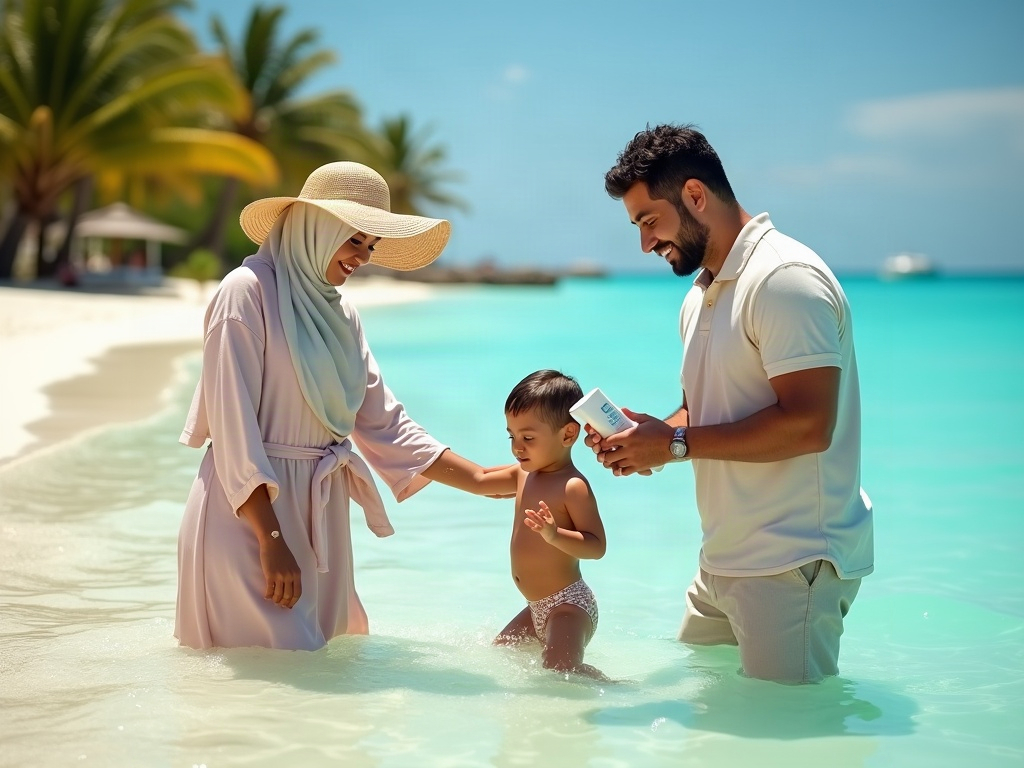
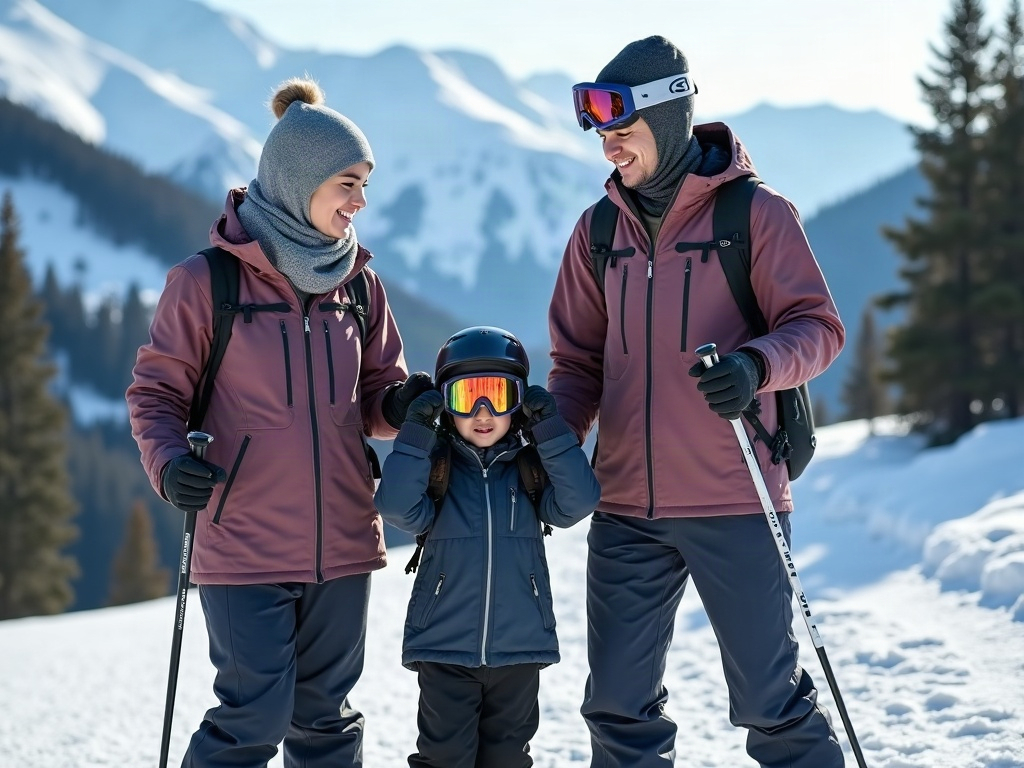
A beach destination like the Maldives demands high-SPF sunscreen, UV-protective swimwear, and hats for all ages. In contrast, a ski trip to Aspen requires thermal base layers, waterproof outerwear, and goggles, with specific sizes and types for each family member. Destinations like Hawaii, Mexico, and several Caribbean locations now legally require reef-safe sunscreens.
The impact of climate is most acute for the youngest and oldest travelers. Infants cannot regulate body temperature effectively, making a “layering system” essential in variable climates. Seniors may have conditions like Raynaud’s syndrome, requiring specialized cold-weather gear even in mildly cool weather.
© WovenVoyages.com
What general health and hygiene essentials should families consider for all ages on vacation?
Families on vacation should consider a core set of general health and hygiene essentials for all ages, anchored by a well-stocked first-aid kit and individual toiletry bags.
Every family vacation packing list must include a first-aid kit with basics like bandages and antiseptic wipes, plus age-appropriate pain relievers. Additionally, pack travel-sized toiletries, hand sanitizer, and any required prescription medications in carry-on luggage. According to resources from The Children’s Hospital of Philadelphia, it is highly recommended to build a travel-specific first-aid kit rather than relying on finding pharmacies at the destination.
The most valuable hygiene essential is a “quick access” pouch in a carry-on, containing wet wipes, hand sanitizer, a few bandages, and one dose of pain reliever for each family member. This prevents having to dig through stowed luggage for a minor inflight or in-transit issue.
Once you’ve assembled your packing list for health and hygiene, consider further details by learning how to plan for family vacation health to address all potential medical needs on your trip.
3. How do packing essentials differ for infants and toddlers on family vacations?
Packing essentials for infants and toddlers on family vacations differ based on feeding methods, sleep needs, and mobility.
Infant packing prioritizes items for feeding (formula, bottles, or nursing gear) and safe sleep (portable crib, sleep sacks). Toddler packing shifts to include items for active mobility (appropriate shoes, carriers) and containing messes (extra clothes, wipes).
The key difference is the transition from passive to active. An infant is largely stationary, so packing is about creating a controlled “nest.” A toddler is an explorer, so packing is about safety, durability, and managing their interaction with the new environment (e.g., portable safety gates for rentals).
What essential items do families need for infants on vacation?
Families on vacation with an infant need essential items categorized under feeding, sleeping, diapering, and transportation.
The absolute essentials include a reliable supply of formula or nursing accessories, a safe sleep space like a portable crib, more diapers and wipes than you think you need, and an infant-appropriate car seat or stroller. Forgetting any of these creates an immediate crisis at your destination. A practical packing guideline suggests packing enough diapers per child per day for the entire transit time plus a buffer. For babies who are prone to spitting up, it is recommended to pack at least three outfits for each day.
A black-out cover designed for a travel crib is a game-changing essential. It helps maintain the baby’s sleep schedule even in a bright hotel room or across time zones, directly impacting the parents’ ability to enjoy the vacation.
© WovenVoyages.com
Feeding Essentials
- Formula or nursing accessories
- Bottles
Sleeping Essentials
- Portable crib
- Sleep sacks
Diapering Essentials
- Diapers (25% more than calculated)
- Wipes
Gear & Regulations
- Infant-appropriate car seat
- Stroller
- TSA rules for formula and breast milk should be noted (allowed in quantities greater than 3.4oz, must be declared and screened separately).
Which must-have items are crucial for toddlers on family trips?
The must-have items crucial for toddlers on family trips are those that support their mobility, provide engaging entertainment, and manage their unpredictable eating habits.
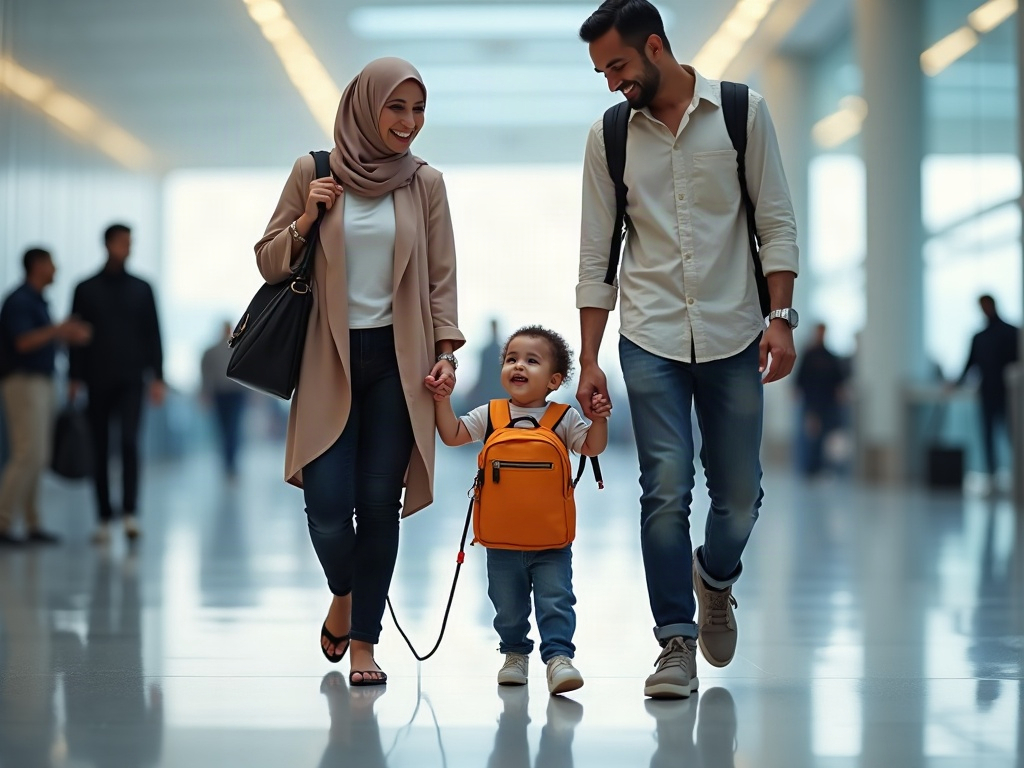
For toddlers, crucial items include comfortable, easy-on/off shoes for walking, a lightweight travel stroller for when they tire, and a tablet or activity book for downtime. A well-stocked snack bag with their preferred, low-sugar snacks is non-negotiable to prevent hunger-related meltdowns. A small toddler backpack equipped with a safety leash can also be helpful for navigating busy airport terminals.
The most crucial “must-have” is a toddler-specific backpack that they can carry themselves. Packing it with one or two favorite toys, a book, and a snack gives them a sense of control and responsibility, which can significantly improve their cooperation during travel.
Toddler Go-Bag Essentials
- Comfortable, easy-on/off shoes
- Lightweight travel stroller
- Tablet or activity book for downtime
- Well-stocked snack bag with preferred, low-sugar snacks
- Durable and washable clothing (pack by outfit method)
4. What key items should families pack for young children and pre-teens on vacation?
The key items families should pack for young children and pre-teens on vacation focus on balancing a need for practical clothing and gear with engaging, often electronic, entertainment.
For young children and pre-teens, key items include versatile clothing that can be layered, age-appropriate entertainment like books or a tablet with pre-loaded content, and items that give them a role on the trip, like a simple digital camera or a travel journal. This age group’s packing list is a bridge between parent-controlled and child-led choices.
The most effective packing strategy for this age group involves a “one bag” rule for their personal items/toys. This teaches them prioritization and accountability for their own belongings, a key travel skill, while preventing the car or hotel room from being overrun with toys.
What clothing and gear are essential for young children on family trips?
The essential clothing and gear for young children on family trips include durable, comfortable outfits that can be layered, along with activity-specific items for destinations like beaches or national parks.
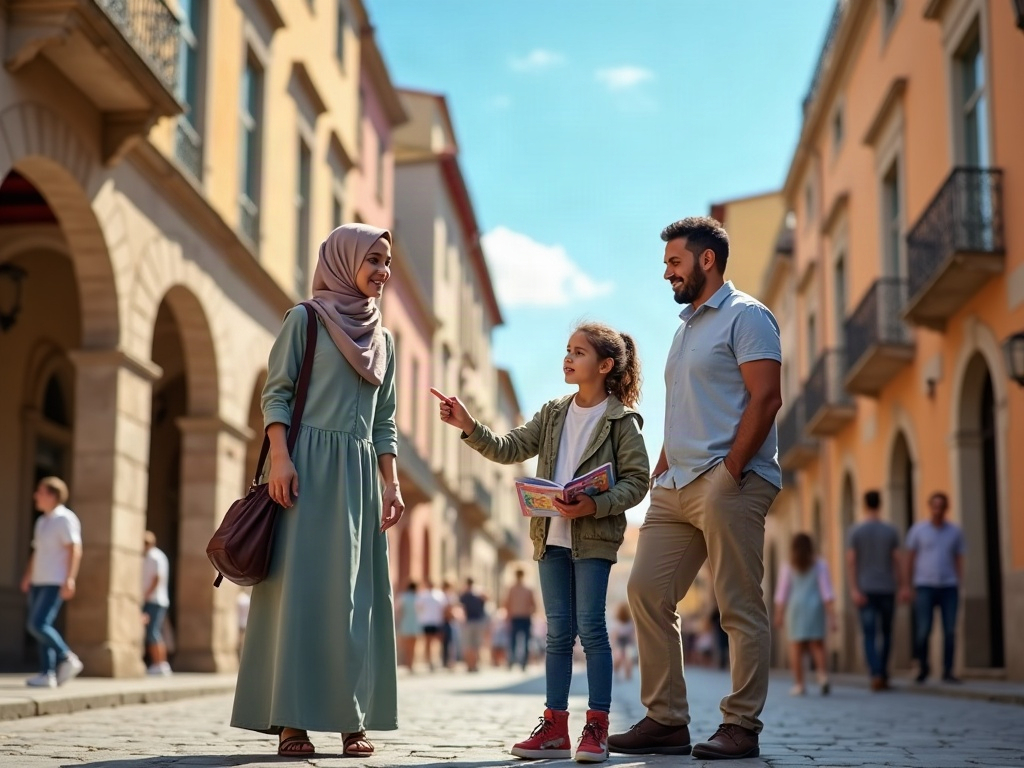
Essential clothing includes at least five versatile outfits, one “nice” outfit, swimwear, and appropriate footwear for planned activities (e.g., hiking sandals, sneakers). Essential gear is a small backpack for their own water bottle and treasures, plus sun protection like hats and sunglasses. Children can begin packing their own suitcase with a checklist as early as 6 or 7 years old.
For this age, the most essential gear is often a “surprise and delight” item. Packing a new, small, destination-themed toy or activity book to be revealed during a moment of travel friction (like a long flight delay) is an expert parenting hack that can save the day.
© WovenVoyages.com
Clothing Essentials
- 5 versatile outfits
- 1 “nice” outfit
- Swimwear
- Appropriate footwear (hiking sandals, sneakers)
- Small backpack for water bottle and treasures
- Sun protection (hats, sunglasses)
- Avoid all-white or easily stained clothing.
Which entertainment and learning items should families pack for pre-teens on vacation?
Families should pack entertainment and learning items for pre-teens on vacation that include a mix of electronics, creative outlets, and destination-relevant materials.
The best items are a tablet or e-reader loaded with books and games (with headphones), a journal and pens for creative expression, and a guidebook or app about the destination specifically for kids. This mix satisfies their need for digital engagement and encourages interaction with their new surroundings. A hardside rolling carry-on for a child aged 8-12 dramatically increases the likelihood they will confidently pack and pull their own bag.
The most impactful learning item is a pre-paid debit card or a small allowance of local cash with a set vacation budget. This transforms souvenir shopping from a point of conflict into a practical lesson in budgeting, decision-making, and currency conversion, providing real-world education.
Digital
- Tablet or e-reader (loaded with books and games)
- Noise-canceling headphones
Analog
- Journal and pens
Experiential
- Guidebook or app about the destination (for kids)
- Note: Set screen time rules before the vacation.
5. Which packing strategies suit teenagers and adults on family vacations?
The packing strategies that best suit teenagers and adults on family vacations are those that promote autonomy, efficiency, and multi-functionality.
For teenagers, the best strategy is to give them a checklist and full responsibility for their own suitcase. For adults, the strategy is to pack a versatile, minimal “capsule wardrobe” for themselves while also managing the packing of shared family items like the main first-aid kit.
The most advanced strategy for this group is “cross-packing.” Each family member places one full change of clothes in another’s suitcase. If one bag is lost or delayed by the airline, everyone still has at least one complete outfit, a professional traveler technique.
What are the best packing practices for independent teenagers on family trips?
The best packing practices for independent teenagers on family trips involve providing them with a clear checklist, a budget, and full ownership of their luggage.
Give the teenager a detailed packing list and a firm deadline, then have them show you the packed bag for a quick 5-minute review. This practice respects their independence while ensuring they haven’t forgotten critical items like a toothbrush, prescription medication, or appropriate clothes for a planned family dinner. For teens, entertainment essentials are their phone, charger, and earbuds, but they should also pack appropriate clothing for the destination, including one dressier set and two types of shoes.
The most effective practice is to make them responsible for packing their own “carry-on essentials,” including their phone charger, a power bank, headphones, any personal medication, and a book. This teaches them what is truly essential to have if their checked bag is delayed.
Step-by-Step Guide for Parents
- Step 1: Provide the List: Give the teenager a detailed packing list.
- Step 2: Set the Deadline: Establish a firm deadline for packing completion.
- Step 3: Conduct the Review: Have them show you the packed bag for a quick 5-minute review, respecting privacy and style choices while checking for practical needs (e.g., dress codes, weather).
How can adults pack efficiently while meeting diverse family needs on vacation?
Adults can pack efficiently while meeting diverse family needs on vacation by using a capsule wardrobe for themselves and designating one suitcase as the “family essentials” hub.
For your own items, pack a small, versatile capsule wardrobe in one or two packing cubes. Then, use a separate, designated bag or section of a suitcase for all shared items: the main first-aid kit, extra sunscreen, travel documents, and universal chargers. A recommended layering method for clothes is the 1-2-3 system, which includes one base outfit per day, plus two extra tops and three mix-and-match pieces.
The most efficient technique is to create a “master list” divided into “Personal” and “Shared” columns. Pack your personal items first. Then, systematically pack the shared items, checking them off the list. This compartmentalization prevents you from forgetting a shared essential while focused on your own clothes.
Example 5-Piece Adult Capsule Wardrobe
- 2 bottoms (e.g., versatile pants or shorts)
- 3 tops (mix-and-match colors)
- 1 jacket (versatile for layers)
6. How should families pack for seniors and those with special needs on vacation?
Families must pack for seniors and those with special needs on vacation with a primary focus on medication management, comfort, mobility aids, and medical documentation.
Packing for seniors requires careful organization of all prescription medications in a labeled pill organizer, along with copies of prescriptions. For travelers with special needs, this means packing all necessary medical equipment, comfort items, and having a detailed medical summary letter from their doctor.
The most critical item to pack is a “Medical Information Sheet” for each person with special requirements. This sheet should list all diagnoses, medications (and dosages), allergies, doctor’s contact information, and insurance details. A copy should be in their carry-on and another given to the trip leader.
Once you’ve considered all the specific items for comfort and medical support, ensuring all necessary paperwork is in order is the next logical step. Learn more about how to plan the travel documents for a family vacation to avoid any last-minute hurdles.
What specific health and comfort items do seniors require for family vacations?
Seniors require specific health and comfort items for family vacations, including meticulously organized medications, mobility supports, and items to improve circulation and rest.
Seniors require a clearly labeled daily pill organizer, copies of all prescriptions, and extra medication to cover potential travel delays. Essential comfort items include compression socks for flights, a supportive travel pillow, and comfortable, non-slip walking shoes. For any traveler, it is advised to limit footwear to a maximum of three pairs: one for walking, one for casual comfort, and one pair of dressy shoes for special events.
Beyond medications, a crucial health item is a list of generic names for their prescription drugs. Brand names can vary internationally, and having the generic name (e.g., “Atorvastatin” instead of “Lipitor“) ensures a foreign pharmacist or doctor can identify the correct medication in an emergency.
© WovenVoyages.com
Senior Health & Comfort Packing Essentials
- Clearly labeled daily pill organizer
- Copies of all prescriptions
- Extra medication for travel delays
- Compression socks
- Supportive travel pillow
- Comfortable, non-slip walking shoes
- List of generic names for prescription drugs
- Note: Pre-trip consultation with their doctor is advised.
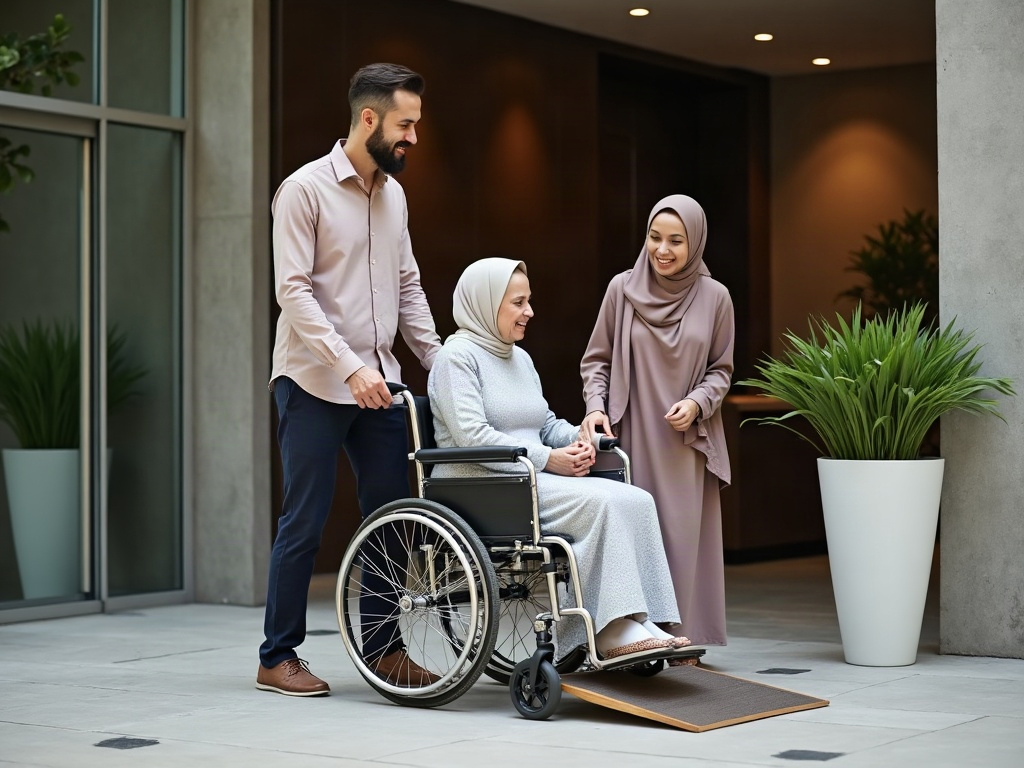
How can families pack for travelers with accessibility or specific health needs on vacation?
Families can pack for travelers with accessibility or specific health needs by conducting a pre-trip needs assessment and creating a dedicated packing list for all required medical equipment, sensory tools, and emergency supplies.
This involves packing all necessary durable medical equipment (e.g., portable ramps, shower chairs), a full supply of allergy medications like EpiPens with a doctor’s note, or sensory regulation items like weighted blankets and noise-canceling headphones for travelers on the autism spectrum. The key is to replicate the home support system as much as possible. According to the TSA, children 12 and under are not required to remove shoes, light jackets, or headwear during security screening.
Contact your airline and hotel well in advance. Packing is only one part of the equation. You must also confirm policies for transporting medical equipment (like oxygen concentrators) and verify that the “accessible room” you booked at your destination truly meets your specific needs (e.g., roll-in shower vs. grab bars only).
For a traveler with severe food allergies, pack:
- Full supply of allergy medications (e.g., EpiPens)
- Doctor’s note explaining the need for medications
For a traveler using a wheelchair, consider packing:
- Portable ramps
- Shower chairs
- Doctor’s letter explaining the need for specific medical equipment
For a traveler on the autism spectrum, pack:
- Weighted blankets
- Noise-canceling headphones
7. How can families efficiently organize age-specific packing for a vacation?
Families can efficiently organize age-specific packing for a vacation by using a master packing list and a packing cube system to segregate items by person or category.
The most efficient organization method involves creating one master digital checklist shared among the adults. Then, use different colored packing cubes for each family member, which allows for clear visual organization inside the luggage and faster unpacking at the destination.
The “hub and spoke” model of organization is highly efficient. One central carry-on bag (the “hub”) contains the absolute essentials for every family member for the first 24 hours (one change of clothes, medication, key toiletries). All other luggage are the “spokes.” This isolates critical items and makes them instantly accessible upon arrival.
What are effective methods for segregating items by age group in luggage?
The most effective method for segregating items by age group in luggage is to use a system of color-coded packing cubes for each family member.
Assign each family member a specific color of packing cubes. Pack all of one person’s clothing and personal items into their designated cubes. This makes it easy to find items without searching and allows you to quickly distribute cubes to the correct person upon arrival at your hotel. To stay organized, a family of five on a six-week trip might assign two packing cubes to each adult and one to each child, allowing them to pack enough clothes for four to five days at a time.
For families with very young children, a more advanced method is to segregate by day. Pack one large packing cube with a complete outfit for every family member for “Day 1,” another for “Day 2,” etc. This is highly effective for short trips or road trips, as you only need to open one cube per day.
Segregation Methods
- By Person (Color-Coded Cubes): Assign each family member a specific color of packing cubes for their clothing and personal items.
- By Day (Larger Cubes): For short trips, pack one large packing cube with a complete outfit for every family member for each specific day of the trip.
- Good -> Better -> Best Framework:
- Good: A jumbled suitcase.
- Better: Everyone has their own suitcase.
- Best: Shared suitcases organized with color-coded cubes.
How can families use a master packing list for all ages on vacation?
Families can use a master packing list for all ages on vacation by creating a digital, collaborative document categorized by person and by item type (e.g., clothing, toiletries, medical).
Create a master list in a shared app like Google Docs or a dedicated travel app. The list should have columns for “Item,” “Person Responsible,” and “Packed (Y/N).” This creates a single source of truth and prevents both forgetting items and packing duplicates. Specialized packing apps like Packr can be used to generate customized packing lists based on destination, type of travel, and planned activities.
The most effective master lists are templates that are refined over time. After each trip, review the list and add items you wished you had, and remove items you never used. This creates a continuously improving, customized asset for your family’s specific travel style.
Master Packing List Sample Structure
- Categories: Clothing, Toiletries, Medical, Documents, Entertainment, Gear
- Columns: Item, Person Responsible, Packed (Y/N)
Digital Tools
- Google Keep
- Trello
- Notes app
8. What smart packing hacks can families use for diverse age groups on vacation?
Smart packing hacks for families with diverse age groups focus on maximizing space, ensuring quick access to essentials, and using multi-purpose items.
The smartest packing hacks include rolling clothes instead of folding to save space, using a carabiner to clip a child’s water bottle to a backpack, and packing solid toiletries (shampoo bars, toothpaste tablets) to avoid liquid spills and TSA issues. These small changes yield significant gains in efficiency.
The “empty bag” hack: pack a lightweight, foldable duffel bag. It takes up almost no space on the way out, but it’s invaluable for carrying home souvenirs, separating dirty laundry, or handling unexpected luggage needs on the return trip.
Smart Packing Hacks
- Roll clothes tightly instead of folding to save space.
- Use a carabiner to clip a child’s water bottle to a backpack.
- Pack solid toiletries (shampoo bars, toothpaste tablets) to avoid liquid spills and TSA issues.
- Employ the “empty bag” hack with a lightweight, foldable duffel bag for souvenirs or dirty laundry.
Which space-saving techniques work best for age-diverse family luggage?
The space-saving techniques that work best for age-diverse family luggage are rolling clothes tightly and using compression packing cubes.
Rolling clothes instead of folding them can save up to 30% of luggage space. For even greater space savings, use compression packing cubes, which have an extra zipper that squeezes out excess air, which is especially effective for bulky items like children’s jackets or sweaters. Using compression packing cubes is a key space-saving technique; some brands offer sets made from eco-friendly recycled materials.
The “nesting” technique is a powerful space-saver. Pack smaller items inside larger ones. For example, fill shoes with socks, place small electronic chargers inside a hard-sided sunglass case, or nest smaller packing cubes within larger ones.
Rolling Clothes Effectively
- Fold clothes in thirds lengthwise.
- Roll tightly from the bottom up.
- Warning: While compression bags save space, they do not reduce weight, so travelers must still be mindful of airline weight limits.
How can families ensure quick access to essential items for all ages during travel?
Families can ensure quick access to essential items for all ages during travel by strategically organizing their carry-on luggage and personal items.
Designate one carry-on bag as the “quick-access bag.” This bag must contain passports, medications, a small hygiene kit (wipes, sanitizer), snacks for everyone, a power bank, and one key comfort item for the youngest child. Never stow this bag in the overhead bin until you are settled. Specialized diaper-bag backpacks designed for travel often feature multiple compartments and stroller-attachment clips.
Use a “backpack with a luggage sleeve.” This feature, a strap on the back of the backpack, allows you to slide it securely over the handle of a rolling suitcase. This keeps your most essential bag physically attached to your main carry-on, freeing up a hand and ensuring it’s always within reach.
The Non-Negotiable Quick-Access Bag Contents
- Passports
- Medications
- Small hygiene kit (wipes, sanitizer)
- Snacks for everyone
- Power bank
- One key comfort item for the youngest child
- Note: Every adult/teen should know where this bag is and what is inside it.
9. What common age-specific packing mistakes should families avoid on vacation?
The most common age-specific packing mistakes families should avoid on vacation are under-packing medical supplies, over-packing toys, and failing to pack for the return journey.
Families commonly make the mistake of not packing enough diapers for an infant, not bringing age-appropriate pain relief for a child, or allowing a teenager to only pack “fun” clothes with no practical options. Another frequent error is forgetting to leave space in the luggage for souvenirs acquired at the destination.
The most subtle but damaging mistake is “destination fantasy packing”—packing for the vacation you imagine, not the one you’re actually taking. This leads to packing high heels for a walking-heavy city break or five novels for a trip with a toddler, wasting space on items that will never be used.
Which oversights frequently affect infant and toddler packing for family trips?
The oversights that most frequently affect infant and toddler packing for family trips are underestimating the quantity of consumables needed and forgetting items that support the child’s established routine.
The most frequent oversight is not packing enough diapers, wipes, and formula to cover travel delays plus the first 24 hours at the destination. Another common mistake is forgetting a key sleep association item, like a specific sound machine or lovey, which can completely derail sleep in a new environment. TSA regulations permit formula, breast milk, and juice in quantities greater than 3.4 oz in carry-on luggage, but they must be declared to an officer at the beginning of the security screening.
A critical oversight is failing to check TSA regulations for baby food and liquids *before* getting to the airport. While they are allowed in quantities greater than 3.4oz, they must be declared and screened separately. Not knowing this process causes significant stress and delays at security.
Top 3 Toddler Packing Mistakes to Avoid
- Not packing enough diapers, wipes, and formula for travel delays plus the first 24 hours at the destination.
- Forgetting a key sleep association item (e.g., sound machine, lovey).
- Failing to check TSA regulations for baby food and liquids *before* getting to the airport (they must be declared and screened separately).
How can families prevent over-packing or under-packing for older children and adults?
Families can prevent over-packing or under-packing for older children and adults by committing to a master packing list and packing multi-purpose items.
To prevent over-packing, strictly adhere to the packing list and choose versatile clothing that can be worn in multiple combinations (a capsule wardrobe). To prevent under-packing, ensure the list includes at least one outfit for unexpected weather and all necessary medications and chargers. A common rule of thumb is that most families overpack clothes and underpack entertainment; clothes are replaceable at a destination, while specific comfort items, snacks, and chargers are not.
The best prevention tool is a post-trip audit. After returning home, lay out all the clothes that were not worn. This provides a tangible, visual record of your specific over-packing habits, which you can use to refine your packing list for the next family vacation.
Problem -> Solution
- Problem: Over-packing.
- Solution: Strictly adhere to the master packing list and utilize a capsule wardrobe with versatile, multi-purpose items.
- Problem: Under-packing.
- Solution: Ensure the master list includes provisions for unexpected weather and all essential medications/chargers.
- Solution: Conduct a post-trip audit to refine future lists based on what was actually used.
Frequently Asked Questions
How do you pack clothes for kids on a family vacation?
What are the best travel essentials for an infant or toddler?
How can teenagers help with packing for a trip?
How do you pack medications for seniors on a vacation?
Resolution
Ultimately, learning how to pack for different ages on vacation is less about finding the perfect list and more about adopting a strategic mindset. Successful family packing is a system, not a scramble. By using master lists, leveraging smart tools like packing cubes, and tailoring your choices to each family member’s specific needs, you transform packing from a source of stress into a foundation for a successful trip. The goal of great packing is not to bring everything you might need. The goal is to bring exactly what you will need, so you can stop thinking about your “stuff” and focus on the shared experiences that make a family vacation worthwhile.