Why Is Medical Coverage Important for a Family Vacation?
Table of Contents
Securing dedicated medical coverage is a critical safety net for any family vacation, ensuring you are protected from the exorbitant costs of international healthcare and emergency evacuations.
Relying solely on your domestic health plan while traveling abroad leaves your family vulnerable to significant out-of-pocket expenses for even minor incidents. Understanding this fundamental need is the first step in establishing a comprehensive safety plan for your trip. To explore all your options and make an informed decision, learn more about how to plan travel insurance for a family vacation.
1. Why does a family vacation require dedicated medical coverage?
A family vacation requires dedicated medical coverage because standard domestic health plans offer little to no protection beyond your home country’s borders, exposing you to catastrophic out-of-pocket expenses during an emergency.
The risk is amplified for families not just by the increased statistical likelihood of a child needing care, but by the logistical complexity of managing a pediatric emergency in a foreign system. Choose to invest in dedicated coverage if your family vacation involves crossing international borders, even for a short trip to Canada or Mexico, to completely eliminate the risk of financial devastation from a medical event.
What medical risks do families face when traveling internationally?
When traveling internationally, families face elevated risks of food and water-borne illnesses, injuries from unfamiliar activities or terrain, and exposure to location-specific pathogens that their immune systems aren’t prepared for.
Families abroad commonly deal with issues like severe sunburn, ear infections from swimming, and injuries from falls. These minor issues can become major problems without easy access to trusted medical care. According to sales data from WorldTrips, over 27% of all travel insurance claims stem from a medical emergency.
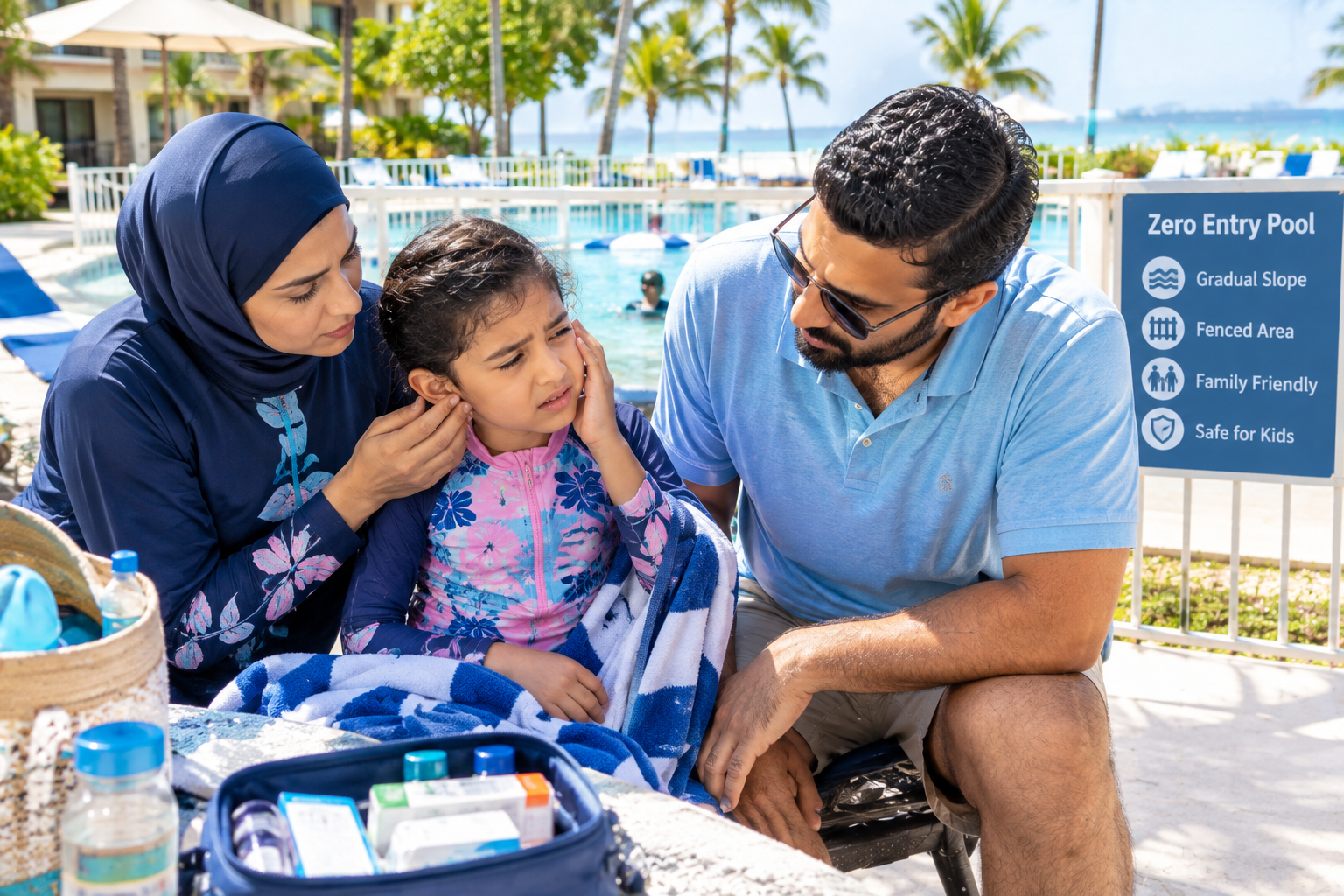
A key overlooked risk is the “vacation mindset” itself, which leads to lower guards and participation in activities (like scooter rentals or cliff jumping) that families would avoid at home, drastically increasing the chance of accidents requiring urgent care.
Author’s Experience
“I’ve personally witnessed how quickly a minor travel illness can escalate when you’re far from home. During a family trip to Thailand, my child developed a severe ear infection. The 24/7 assistance line was a lifesaver, guiding us to a vetted pediatric clinic and handling direct billing, allowing me to focus solely on my child’s recovery.”
How do domestic health insurance plans fall short for international family vacations?
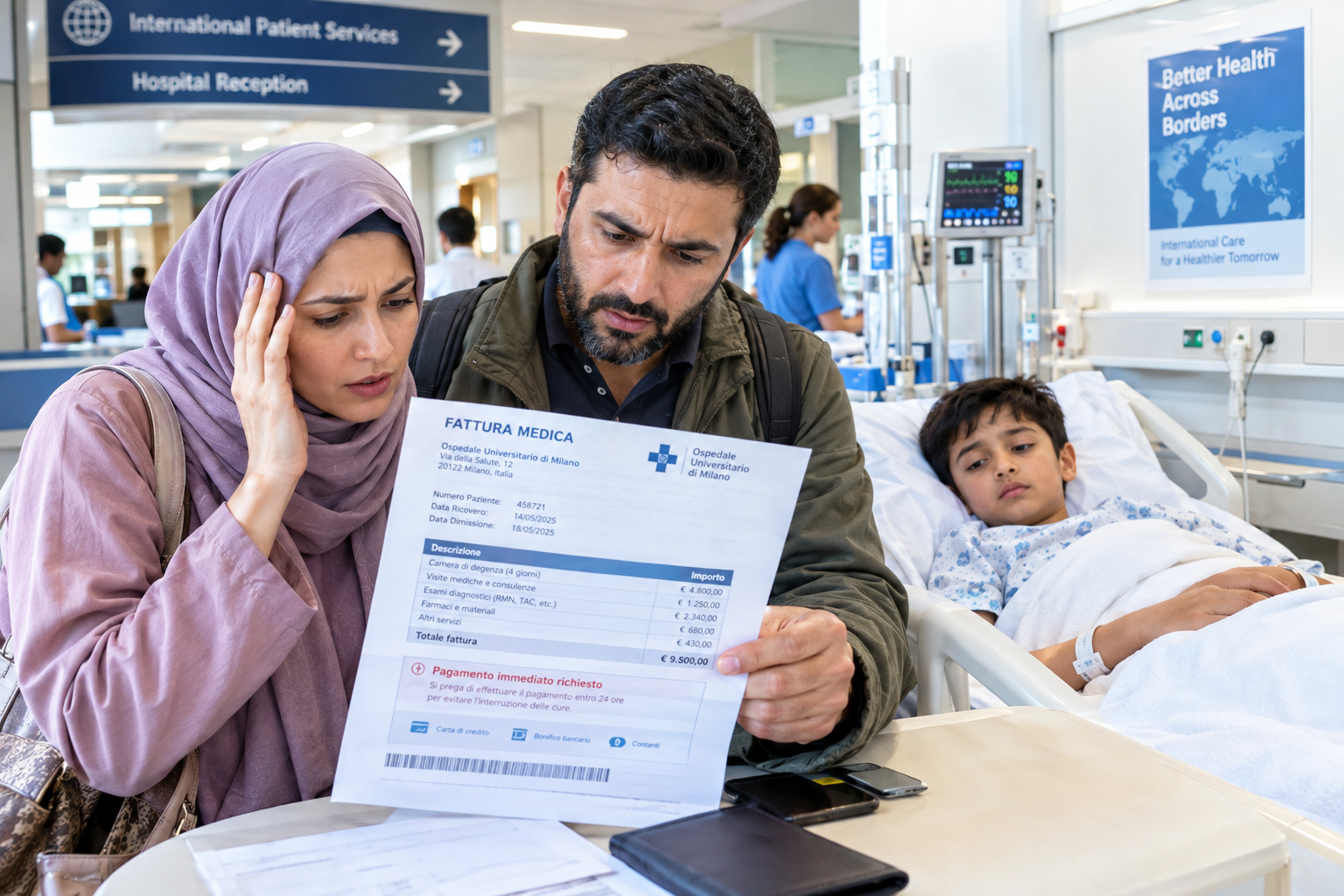
Domestic health insurance plans fall short because their provider networks do not extend internationally, meaning foreign hospitals will not accept them for direct billing and will require full cash payment upfront.
Your U.S. health plan forces you to pay the entire bill yourself. Reimbursement upon return is highly unlikely and, if approved, is typically at much lower “out-of-network” rates that don’t cover the full cost. Nearly 50% of Americans are unsure whether their domestic plan covers emergency medical care outside the country, according to NerdWallet.
Even plans that claim to offer “emergency international coverage” often have a very narrow definition of “emergency” and will not cover what they deem “urgent care,” which is what most travel incidents fall under. Furthermore, they never cover the multi-thousand-dollar cost of a medical evacuation.
2. What types of medical coverage are essential for a family vacation?
The types of medical coverage essential for a family vacation include high-limit emergency medical treatment, emergency medical evacuation, and repatriation, which together form the non-negotiable pillars of a robust travel policy.
Beyond the obvious, essential coverage for families should also include “Bedside Visit” benefits, which cover the cost for a family member to travel to the hospitalized person, and “Return of Minor Children” benefits, ensuring unsupervised kids are safely escorted home if parents are incapacitated.
What specific medical expenses does travel medical insurance typically cover?
Travel medical insurance covers the acute, necessary costs to treat an unforeseen injury or illness abroad, including hospital room and board, physician consultations, ambulance services, and prescription medications.
Internal data shows that travelers receive an average payout of $1,816 per medical claim, underscoring the financial reality of these events (IMG Global). You might also wonder, for instance, does insurance cover lost strollers on a family vacation, highlighting the broader scope of family protection available in bundled plans.
Many policies also cover less obvious but crucial expenses, such as emergency dental treatment for an injury to sound, natural teeth, or therapeutic services like physical therapy if deemed medically necessary during the trip.
Why is emergency medical evacuation crucial for family travel health plans?
Emergency medical evacuation is crucial because it guarantees transportation from an inadequate medical facility to one that can provide the necessary level of care, protecting your family when local resources fail.
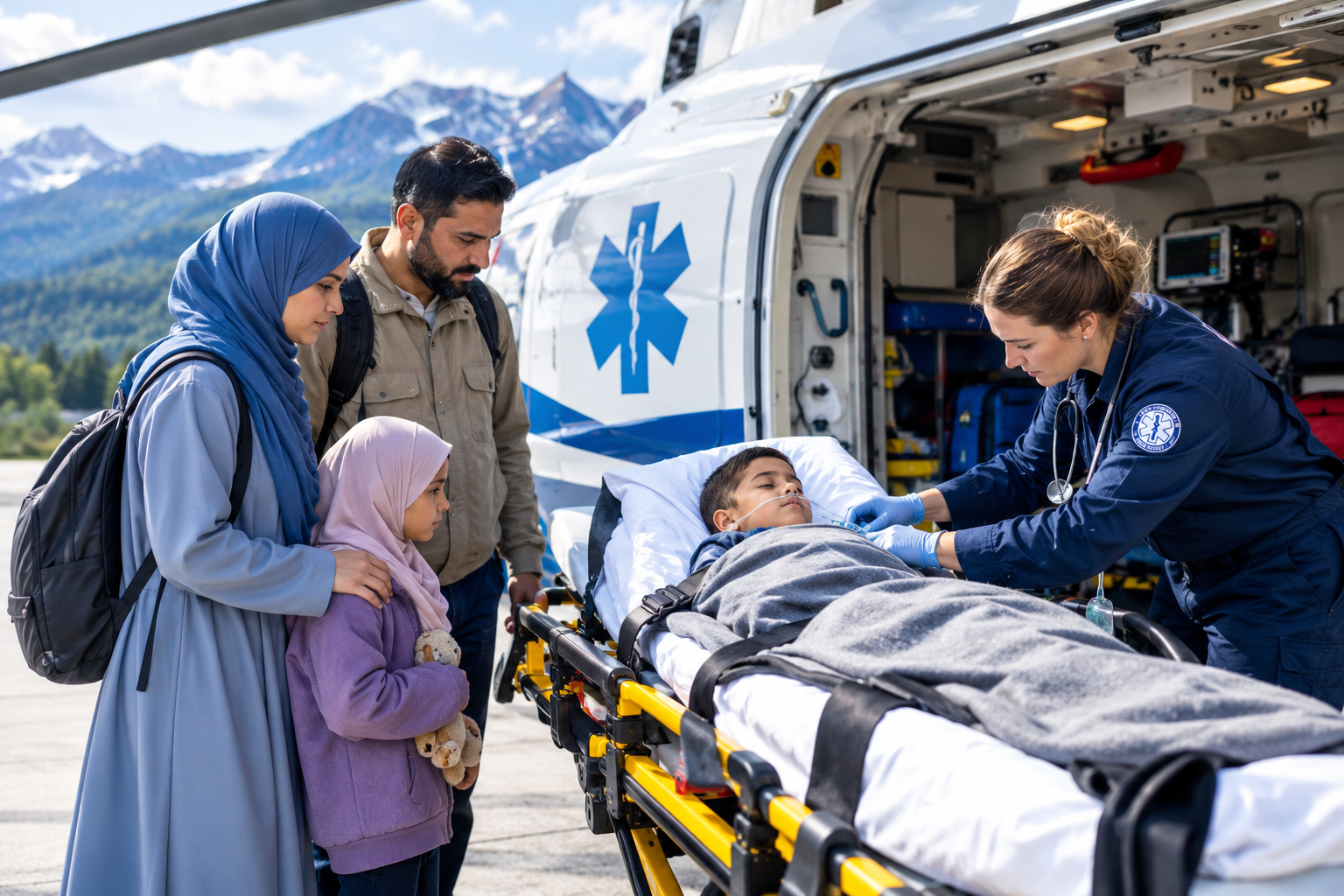
If your child suffers a serious injury while hiking in a remote national park, evacuation coverage pays for the helicopter or air ambulance. Without it, you are responsible for the cost, which can exceed $100,000. It’s vital to fully understand when you need emergency evacuation coverage on a vacation.

Evacuation is not just for remote locations. It is equally critical in urban areas of developing countries where the local “best” hospital may not meet Western standards for specialized pediatric or trauma care, making a transfer to a regional center of excellence a life-saving necessity.
3. How to choose the best medical coverage for your family’s travel needs?
Choosing the right medical coverage requires a careful comparison of policy limits against the specific destination’s healthcare costs, your family’s planned activities, and any pre-existing health conditions.
Which factors should families consider when comparing policies?
Families must compare coverage limits, deductible structures, specific exclusions for adventure sports, the terms surrounding pre-existing condition waivers, and the reputation of the insurer’s 24/7 assistance provider.
For international trips, experts on platforms like Squaremouth recommend policies with at least $100,000 in Emergency Medical coverage and $250,000-$500,000 in Medical Evacuation coverage.

How do policy maximums and deductibles impact travel medical insurance?
The policy maximum dictates the total protection available, while the deductible controls your upfront out-of-pocket requirement; balancing these two determines the premium cost and your financial exposure during an emergency.
For families, a “per policy” deductible is often more cost-effective than a “per person” deductible. If multiple family members get sick from the same food-borne illness, a “per policy” deductible means you only have to meet the amount once for the entire event.
4. When should families purchase medical travel insurance for their trip?
Families should purchase medical travel insurance immediately after making their first non-refundable trip payment—typically within 14 to 21 days—to secure critical time-sensitive waivers.
If anyone in your family has a pre-existing medical condition, you must purchase the policy within this window to ensure coverage. Waiting is not an option. Explore dedicated advice on how to manage pre-existing conditions while on a family vacation for more details.
Can early purchase offer additional benefits for family travel medical coverage?
Yes, buying early is the only way to obtain the waiver of the pre-existing condition exclusion, ensuring that sudden flare-ups of chronic health issues (like asthma or diabetes) are fully covered during your trip.
5. What steps should families take to utilize their medical coverage while traveling?
To successfully utilize medical coverage, families must make the 24/7 emergency assistance hotline their very first call before seeking non-life-threatening treatment, allowing the insurer to guide the logistical process.
How can families access emergency medical assistance with their travel insurance?
Access assistance by calling the toll-free international number provided on your policy card; the team can dispatch ambulances, coordinate with local doctors, and provide medical translation over the phone.
The most effective way to ensure access is to take a photo of your policy ID card and save it as a “favorite” on your phone and your partner’s phone. This ensures you have the policy number even if your wallet is lost or stolen.
What documentation is required for filing a medical claim after a family vacation?
You must collect and submit the completed claim form, all original itemized medical bills, pharmacy receipts, detailed medical reports from the treating physician, and proof of your travel dates.
To ensure you have all necessary paperwork readily available, discover best practices for how to store travel documents digitally for a family vacation.
6. How to avoid common mistakes with family travel medical coverage?
The most critical step to avoid mistakes is reading the policy exclusions document line-by-line to understand exactly which activities, pre-existing conditions, and geographical zones are not covered by the insurer.
What are typical exclusions in family travel medical policies?
Standard policies frequently exclude injuries from “adventure sports” (like scuba diving or skiing), incidents resulting from intoxication, elective procedures, and travel to regions under severe government warnings.
A subtle but critical exclusion is for travel to destinations with a “Level 4: Do Not Travel” advisory from the U.S. Department of State *before* the trip was booked.
How can families ensure their medical coverage aligns with specific destination risks?
Families must cross-reference official travel health advisories (like those from the CDC) with their policy limits, ensuring they purchase high evacuation coverage for remote areas like the Amazon or high medical maximums for expensive regions like North America.
7. Logistics: In Case of Emergency: Your 4-Step Action Plan
| Checklist Item / Tactic | Status |
|---|---|
| Step 1: Immediately call the 24/7 assistance number on your policy card. | ⬜ |
| Step 2: Keep all original, itemized receipts for any expenses you pay out-of-pocket. | ⬜ |
| Step 3: Document all communication with medical providers and the insurance company. | ⬜ |
| Step 4: Request direct-billing agreements between the hospital and insurer when possible. | ⬜ |
Resolution
Families simply cannot afford to skip medical coverage for a family vacation because the financial and logistical risks of facing a medical emergency abroad without support are entirely disproportionate to the cost of a policy. Forgoing insurance is an unnecessary gamble against your family’s health and financial stability.
The true value of medical coverage is not just the financial backstop; it is the absolute peace of mind and immediate access to a 24/7 logistical expert. This safety net empowers you to focus entirely on your family’s well-being during a crisis, ensuring your vacation memories aren’t overshadowed by medical debt.