Which medical paperwork is needed for a family vacation?
Table of Contents
Last Updated: September 5, 2026
For a family vacation, the essential medical paperwork you must pack includes health insurance cards, up-to-date immunization records (like the ICVP for international trips), a comprehensive list of current prescriptions accompanied by doctors’ notes, and notarized medical consent forms for minors.
Gathering these specific documents guarantees swift medical care, ensures compliance with international entry laws, and prevents catastrophic out-of-pocket expenses during an emergency. For a holistic approach to ensuring peace of mind, it’s highly recommended to also consider how to plan all the travel documents for your family vacation, covering legality, health, consent, and compliance.
1. Why is having essential medical paperwork critical for a family vacation?
Having essential medical paperwork is critical for a family vacation because it provides irrefutable proof of health status, insurance coverage, and consent for treatment, which are foundational for receiving swift and appropriate care in a medical emergency.
Beyond emergencies, proper medical paperwork acts as a financial safeguard. Many foreign clinics require upfront payment for services, and having proof of comprehensive travel medical insurance can facilitate direct billing arrangements, preventing families from incurring thousands in out-of-pocket expenses on a credit card. **Medical Repatriation:** This term refers to the process of transporting a patient to their home country to continue care, a service often covered by specialized travel insurance policies but which requires extensive medical documentation to execute. Prioritize gathering prescription letters and insurance details first, as these often require coordination with doctors and providers and have the longest lead time.

What potential medical risks does inadequate paperwork pose for your family abroad?
Inadequate medical paperwork for your family vacation abroad poses severe risks, including denial of entry by immigration, delays in critical medical treatment, and the inability to replace essential prescription medications.
In a study of international travelers cited by the CDC, insurance companies fully paid only two-thirds of claims, with the main reasons for coverage refusal being preexisting illness and poor documentation of expenses incurred.
A less-obvious risk is medical ‘kidnapping,’ where a foreign hospital may refuse to discharge a patient or release records until a bill is paid in full, a situation exacerbated by the lack of clear insurance documentation.
Author’s Experience
“Having once navigated a medical emergency in an unfamiliar country with my child, I deeply appreciate the value of meticulously organized documents. It turned a potentially chaotic situation into a manageable one, confirming that preparation truly pays off.”
How does proper medical documentation streamline medical care during family travel?
Proper medical documentation streamlines medical care during family travel by giving foreign healthcare providers a complete and accurate health history, which accelerates diagnosis and eliminates dangerous guesswork.
Given that over 27% of all travel insurance claims stem from a medical emergency, according to Squaremouth sales data, having organized documents ready for submission is critical for prompt reimbursement.
With proper paperwork, a non-verbal child or incapacitated adult can still “communicate” their entire medical history, turning a document into a vital communication tool that transcends language barriers.
2. What types of medical paperwork should families generally consider for a vacation?
The types of medical paperwork families should generally consider for a vacation fall into four main categories: personal identification, health history records, proof of insurance, and legal permissions. For any family vacation, prepare immunization records, health insurance cards (domestic and travel-specific), a list of current prescriptions with doctors’ letters, and medical consent forms for minors. These documents form the core of a family’s travel medical file, ensuring comprehensive preparedness.
Many parents forget a crucial “document”: a simple, typed summary of each family member’s health, including blood type, past surgeries, and known drug sensitivities. This one-page summary is often the first thing an emergency medic will read. **ICVP (International Certificate of Vaccination or Prophylaxis):** This is a specific, booklet-format document regulated by the WHO, commonly called the “yellow card,” required for entry into certain countries as proof of vaccination against diseases like Yellow Fever. Prioritize gathering prescription letters and insurance details first, as these often require coordination with doctors and providers and have the longest lead time.
Given that many documents require processing time, it is wise to plan the timelines for applying for all your family’s travel documents well in advance of your departure date.
Which personal health records are foundational for every family member’s travel file?
The personal health records foundational for every family member’s travel file include a copy of their health insurance card, a list of their blood type and known allergies, and a summary of any chronic conditions.
These foundational records are especially vital for planning a family vacation with special needs, where clear medical support and accessibility information are paramount.
Travel insurance rates go up dramatically for every decade over age 50, while coverage is generally inexpensive or even free for children under 18, making a comprehensive family policy a cost-effective baseline.
Include a “baseline wellness” photo of each child. In the event of an allergic reaction or injury, a recent photo showing their normal state can be an invaluable diagnostic tool for doctors assessing the severity of swelling or rashes.

What specific medical documents are essential for children traveling with their family?
The specific medical documents essential for children traveling with their family are a certified copy of their birth certificate, up-to-date immunization records, and a notarized medical consent form if traveling with only one parent.
For specific scenarios, particularly when only one parent is traveling with a child, it is crucial to understand when a permission letter for children is necessary to avoid border control issues.
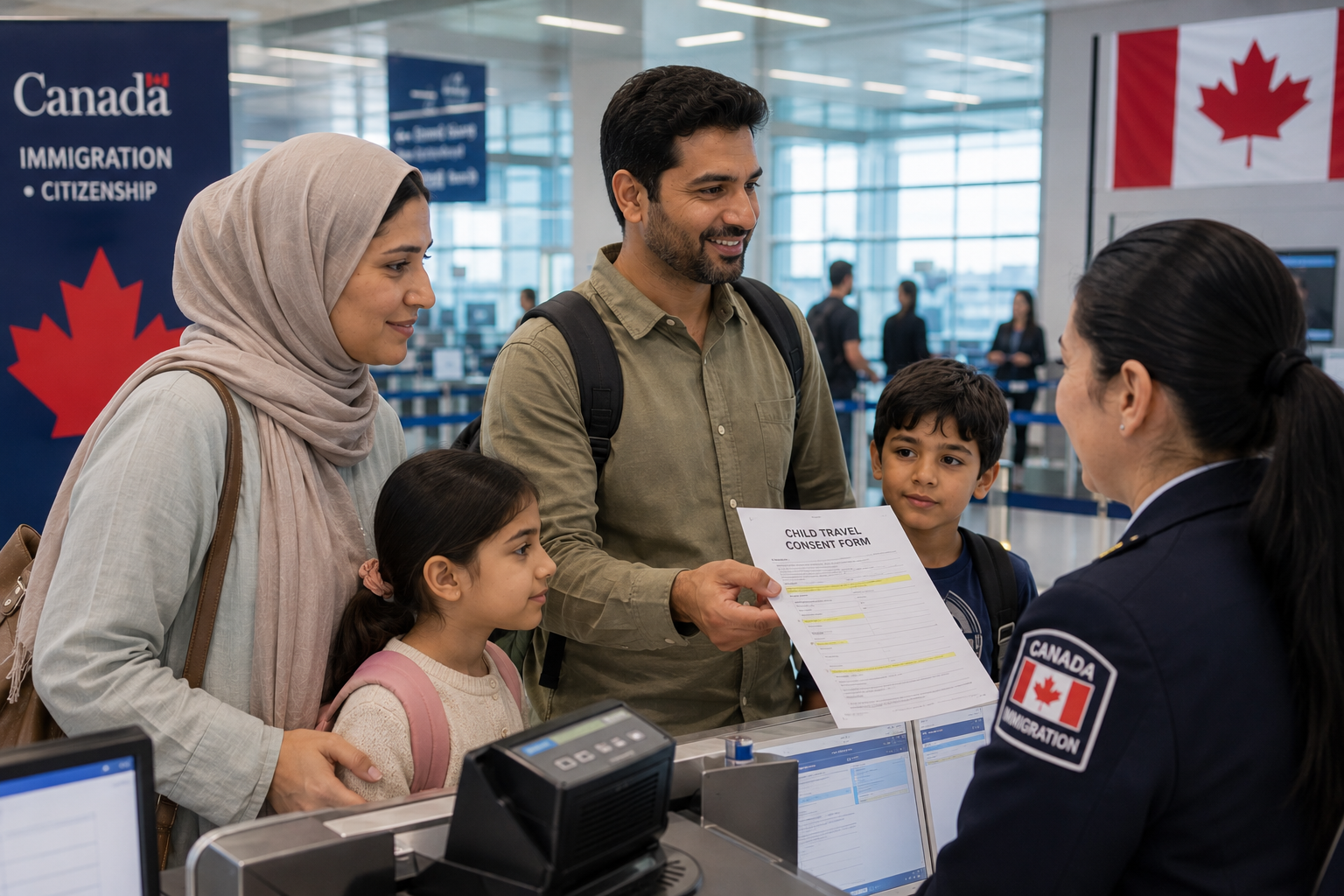
As an example of country-specific rules, Canada requires children who are not traveling with both parents to present a birth certificate and a consent letter signed by the legal guardians.
In addition to medical forms and consent letters, it’s equally important to be aware of the specific requirements for children’s passports when planning international travel.
The “Medical Consent Form” is not just for emergencies. It is also a legal document that can be required by immigration officials in certain countries (like Canada or Mexico) to prevent parental child abduction, making it a dual-purpose security document.

3. Which specific medical documents are required for international versus domestic family vacations?
The specific medical documents required for family vacations differ significantly between international and domestic travel, with international journeys demanding proof of vaccination, comprehensive travel insurance, and translated medical statements.
The key differentiator is sovereignty. Domestically, you operate under one set of laws (e.g., HIPAA). Internationally, you are subject to the destination country’s health and immigration laws, which do not recognize U.S. insurance or privacy standards, hence the need for explicit, universally understood documentation. **Apostille:** This is a specific type of certification issued by a state government that authenticates a document (like a birth certificate or notarized consent form), making it legally valid in foreign countries that are part of the Hague Convention. Choose to invest in a comprehensive travel medical insurance policy with evacuation coverage if your family vacation is international, especially to remote areas or developing countries.
What additional health forms are specifically necessary for international family travel?
The additional health forms specifically necessary for international family travel include an International Certificate of Vaccination or Prophylaxis (ICVP), translated copies of prescriptions, and proof of a dedicated travel medical insurance policy.
According to NerdWallet, the cost of medical evacuation can range from $25,000 within North America to over $250,000 for more distant and remote locations, highlighting the need for robust international insurance coverage.
With such high potential costs, understanding how to choose the right travel insurance for your family becomes a critical component of international travel preparation.
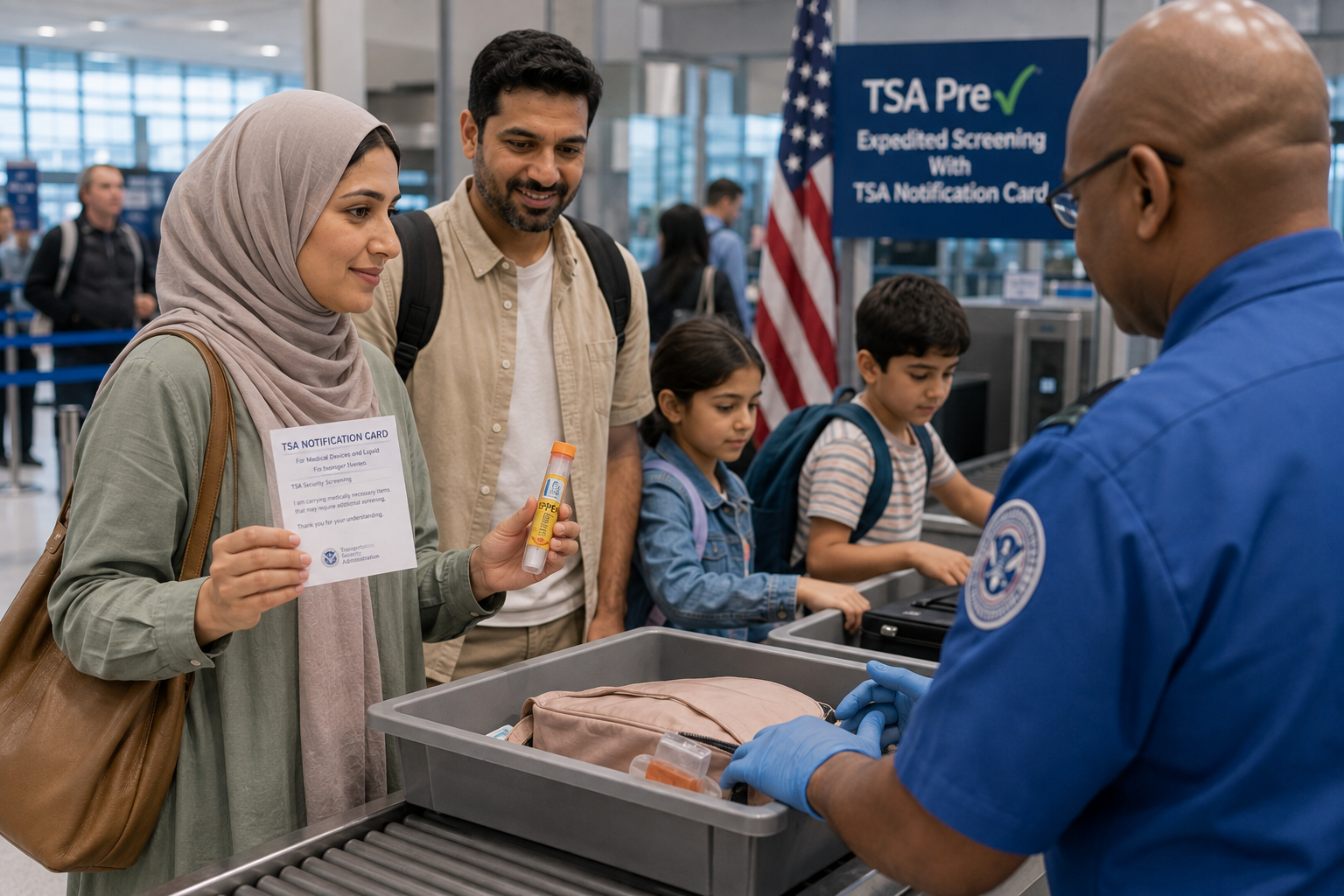
For liquid medications, insulin, or EpiPens, a TSA Notification Card is not required by law but can significantly expedite the security screening process by clearly communicating the medical nature of the items to TSA agents.
How do domestic family trips simplify the required medical paperwork compared to international journeys?
Domestic family trips simplify the required medical paperwork by eliminating the need for passports, vaccination proofs for entry, and specialized travel medical insurance, as your standard U.S. health plan is typically accepted nationwide.
The lower risk of domestic travel is reflected in insurance pricing; standalone travel medical insurance can cost as little as $5 per day on average, as it doesn’t need to cover high-cost international risks.
The main simplification is the power of the “in-network” system. Domestically, you can proactively find in-network urgent care centers or hospitals at your destination, ensuring costs are managed according to your plan’s co-pays and deductibles, a predictability that is absent in international travel.
Sources
Resolution
The comprehensive preparation of medical paperwork is not merely a suggestion but a critical strategic advantage for any family vacation. By meticulously organizing health records, securing appropriate insurance, and understanding destination-specific requirements, families can proactively mitigate risks, ensure continuity of care in unforeseen circumstances, and avoid significant financial burdens. This preparedness transforms potential anxieties into confidence, guaranteeing that the focus remains on creating unforgettable travel experiences, rather than navigating medical emergencies or logistical nightmares.