Which Activities Are Suitable for Different Age Groups on a Family Vacation?
Table of Contents
Age groups matter critically when planning family vacation activities because they directly dictate the safety, engagement, and enjoyment levels for each family member.
Ignoring the distinct developmental stages and interests of different age groups leads to a vacation marked by boredom, frustration, and missed opportunities for shared memories. Acknowledging these differences is the foundational step in architecting a trip that satisfies everyone from toddlers to grandparents. To understand the complete framework of activity planning, including age, safety, and flexibility, you can delve deeper into How Do You Plan Family Vacation Activities?
1. Why Do Age Groups Matter When Planning Family Vacation Activities?
Age groups matter critically when planning family vacation activities because they directly dictate the safety, engagement, and enjoyment levels for each family member.
Ignoring the distinct developmental stages and interests of different age groups leads to a vacation marked by boredom, frustration, and missed opportunities for shared memories. Acknowledging these differences is the foundational step in architecting a trip that satisfies everyone from toddlers to grandparents.
The financial impact is often overlooked. Choosing an activity unsuitable for one age group means you are paying for a non-participant, effectively lowering the per-person value of your vacation spending. Successful planning maximizes the “ROI of enjoyment” across all family members.
Understanding the financial aspects of activities is crucial, and you can learn more about How Much Should You Budget for Family Vacation Activities? to optimize your vacation spending.
What Challenges Do Diverse Age Groups Pose for Vacation Activities?
The primary challenges diverse age groups pose for vacation activities are conflicting physical capabilities, divergent interests, and incompatible daily schedules, such as nap times versus a desire for late-night events.
These challenges manifest as logistical friction, where a high-energy activity for a teen is unsafe for a toddler, or a quiet museum tour bores a school-aged child. Failure to anticipate these conflicts results in a disjointed and often stressful vacation experience.

The “attention span gap” is a key challenge. A toddler’s 15-minute focus contrasts sharply with an adult’s ability to engage in a multi-hour tour, requiring activities that offer multiple “exit points” or engagement levels.
According to data from Parents.com, a common challenge is having different agendas at a single location; for example, at a theme park, a youngest child may want to go to Slinky Dog Dash while the oldest wants to go to the Tower of Terror.
Considering potential risks for different ages is vital; exploring How to keep kids safe on a family vacation? can provide further guidance.
How Can Understanding Developmental Stages Guide Activity Selection?
Understanding developmental stages guides activity selection by providing a clear framework for matching an activity’s demands with a child’s cognitive, physical, and social abilities.
This approach ensures engagement and safety by selecting activities that align with a specific age’s milestones. For instance, it guides a planner to choose sensory-rich environments for toddlers and problem-solving challenges for teenagers.
This goes beyond simple “fun.” Matching activities to developmental stages can actually reinforce learning and development, turning a vacation activity into an enriching experience (e.g., a scavenger hunt developing problem-solving skills for a 10-year-old).
According to Adventure Smarter, the age of 5–10 is considered a sweet spot for big experiences like safaris or European city tours, as children are old enough to remember the trip and engaged enough to be genuinely curious.
Beyond individual activity selection, it’s also important to consider Why Is Balancing Structured Activities and Free Time Important on Family Vacations? to ensure a harmonious experience.
Author’s Experience
“Planning trips for my own diverse family has taught me that true success lies in micro-managing interests and expectations. I’ve learned to build flexibility into every itinerary, embracing both shared adventures and parallel play. The joy on everyone’s faces, from my toddler nephews to my adventurous grandmother, makes every intricate plan worth it.”
2. What Defines an Age-Appropriate Activity for a Family Vacation?
An age-appropriate activity for a family vacation is defined by its alignment with the specific safety requirements, engagement potential, and duration tolerance for each participating age group.
This definition requires evaluating an activity on multiple fronts: physical risk, cognitive complexity, potential for social interaction, and alignment with individual interests. A truly age-appropriate activity successfully meets the criteria for its target age group without excluding or endangering others.

The best “all-ages” activities are not one-size-fits-all, but rather “multi-layered.” A beach day, for example, allows toddlers to engage in sensory sand play, kids to swim, teens to try paddleboarding, and adults to relax, all within the same location.
When planning for diverse age groups, the choice of lodging is paramount; learn more about How to Plan Accommodation for a Family Vacation to support varied activity needs.
Which Characteristics Make Activities Suitable for Toddlers and Preschoolers?
The characteristics that make activities suitable for toddlers and preschoolers are a heavy focus on safety, opportunities for sensory engagement, short durations, and proximity to amenities like restrooms and snack areas.
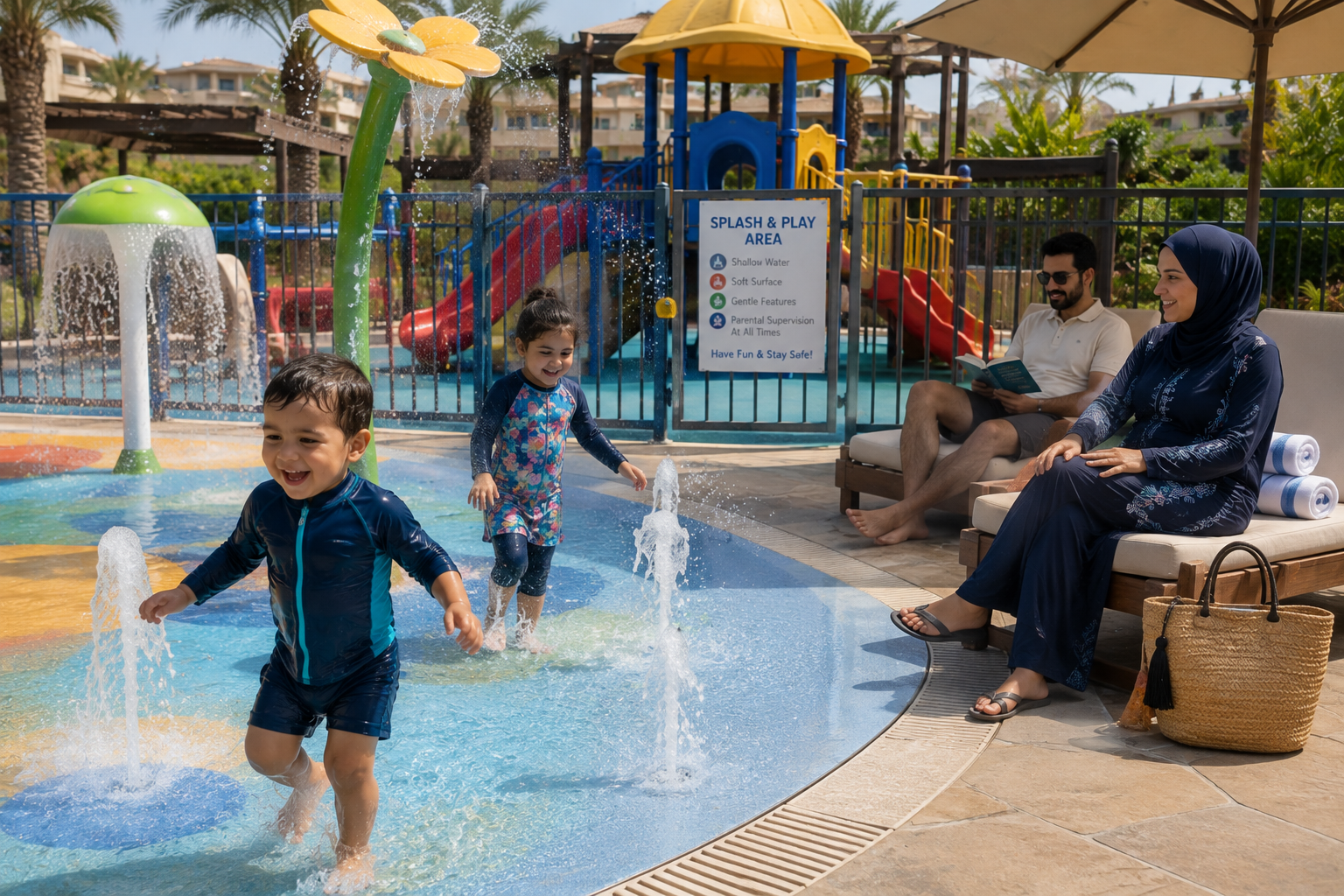
These activities must accommodate short attention spans and developing motor skills. Ideal options include enclosed playgrounds, shallow splash pads, and petting zoos, which provide controlled, stimulating environments that are not overwhelming.
The concept of “contained freedom” is crucial. The best toddler activities occur in a safe, enclosed space (like a fenced resort playground or a single-room children’s museum exhibit) that allows the child to explore independently without the parent fearing they will wander off.
At the National Children’s Museum in Washington D.C., a popular toddler-friendly exhibit is the Dream Machine, a large indoor play area with a climbing structure and a fast slide where some children spend over two hours.
In the discussion of safety, linking to a “fenced resort playground” would lead to further guidance on Resort Safety for Young Children.
What Features Engage School-Aged Children in Vacation Activities?
The features that most effectively engage school-aged children in vacation activities are interactivity, a component of discovery or learning, and a mild physical or mental challenge.
This age group thrives on active participation and a sense of accomplishment. Therefore, activities like museum scavenger hunts, guided nature walks with a goal (e.g., identifying five types of birds), or introductory sports lessons are highly effective.
Gamification is a powerful tool for this age group. Transforming an activity into a game with points, badges, or a clear “win” state (e.g., completing a junior ranger program at a National Park) dramatically increases engagement and creates a lasting memory of achievement.
By age 11, many children have studied Greek mythology in school, making a trip to see historical sites like the Parthenon in Greece a timely activity that makes their studies come alive.
In the discussion of gamification, linking the phrase “junior ranger program” leads to an internal page about Educational Travel for Kids.
How Can Activities Appeal to Teenagers on a Family Vacation?
Activities can appeal to teenagers on a family vacation by offering a degree of independence, a thrill or adventure component, social opportunities, and relevance to their digital lives (e.g., “Instagrammable” spots).
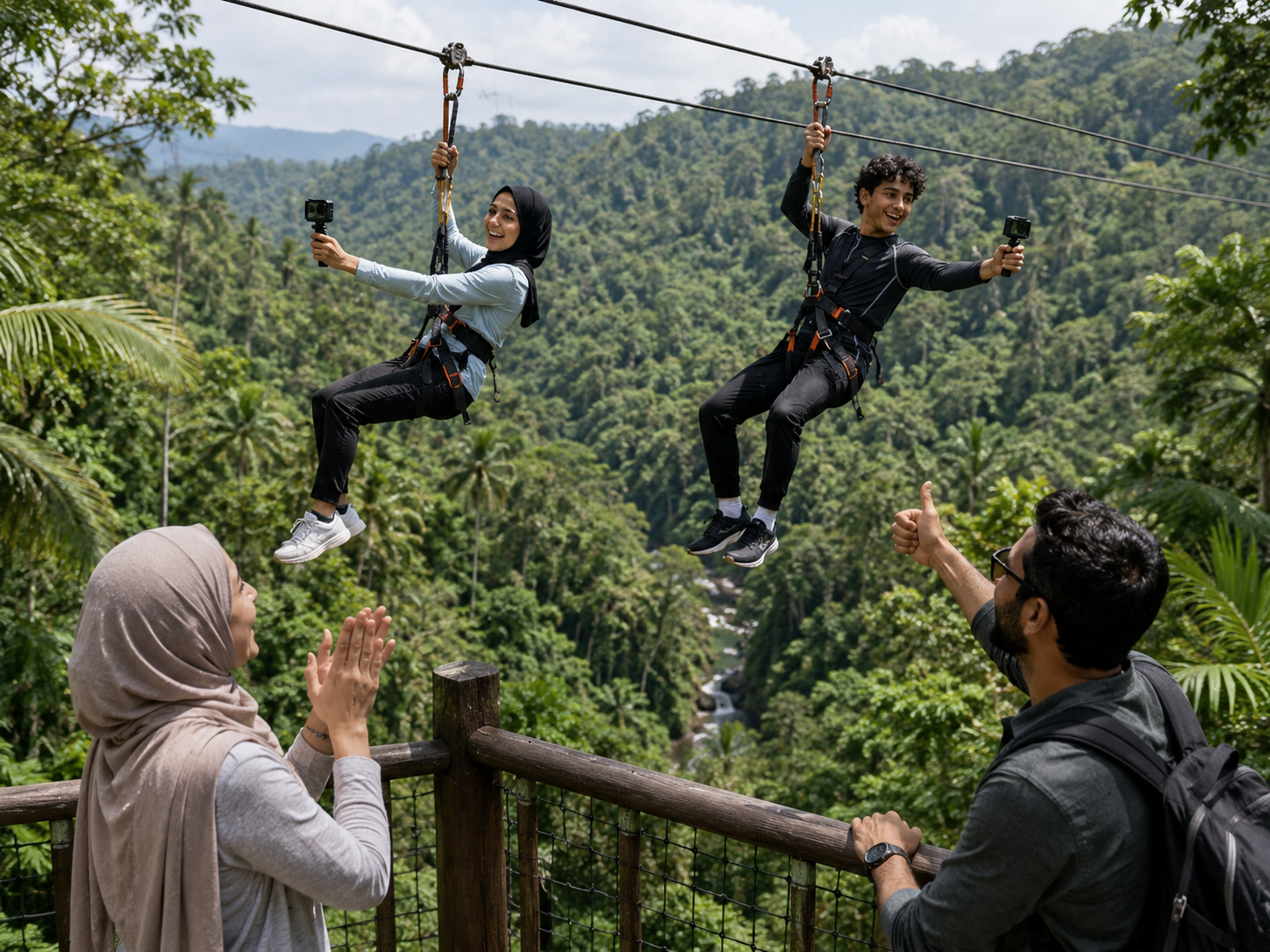
Granting them autonomy, such as allowing them to explore a specific area of a theme park on their own or choosing the restaurant for a night, is key. High-energy options like zip-lining, surfing lessons, or escape rooms also provide the unique experiences they crave.
The “Plus-One” strategy is highly effective: allow the teen to have a say in one major activity for the whole family. This buy-in dramatically increases their engagement for the entire trip, as they feel their preferences are valued and integrated, not just tolerated.
Adventure vacations are suggested as a great way to keep teens engaged and off their phones, with activities such as snowboarding, surfing, skiing, ziplining, rock climbing, hiking, and cycling.
In the discussion of adventure activities, linking “adventure vacations” points to an internal page on Adventure Travel for Families.
What Makes Activities Enjoyable for Adults and Seniors on a Family Vacation?
Activities become enjoyable for adults and seniors on a family vacation when they balance relaxation with opportunities for cultural immersion, comfortable exploration, and meaningful connection with family.
These activities prioritize comfort, intellectual enrichment, and shared experiences over high physical demands. Examples include scenic drives, wine or food tasting tours, attending a local cultural performance, or enjoying a leisurely meal with a view.
Accessibility is a non-negotiable attribute, not just a bonus. This includes not only wheelchair access but also the availability of seating, shade, and manageable walking distances. An activity is only enjoyable if it is physically comfortable to participate in.
For multi-generational trips, nature is described as “calming and soothing and easy on everybody,” with one travel writer for AFAR Magazine noting, “kids like elephants, older folks like elephants, everybody likes elephants,” making a visit to a place like an elephant orphanage a unifying activity.
In the discussion of accessibility, linking the phrase “wheelchair access” leads to an internal page on Accessible Travel Tips.
3. Which Types of Family Vacation Activities Best Suit Mixed Age Groups?
The types of family vacation activities that best suit mixed age groups are those with multiple layers of engagement, such as water-based fun, accessible nature exploration, and large-scale attractions like theme parks.
These activity categories work because they allow different family members to participate at their own pace and interest level within the same general location. A beach, a national park visitor center, or a multi-faceted resort provides a shared setting for diverse individual experiences.
The most successful mixed-age activities often have a “central hub” and “spokes.” The hub is the shared space (e.g., a picnic blanket at a park), and the spokes are the individual activities (e.g., toddler playing on the grass, kids throwing a frisbee, teens exploring a trail, adults reading), allowing for both togetherness and autonomy.
How Do Water-Based Activities Cater to Different Ages on Vacation?
Water-based activities cater to different ages on vacation by offering a spectrum of options from gentle, shallow-water play for toddlers to high-adrenaline water sports for teenagers and adults.
A single beach or lakefront destination can provide a zero-entry splash area for the youngest, sandcastle building for school-aged kids, kayaking or paddleboarding for teens, and a relaxing swim or sunbathing for adults. The key is the natural scalability of the environment.
The choice of water body is a critical planning decision. An ocean beach with strong surf is a high-thrill environment for teens but a high-risk one for toddlers, whereas a calm lake or a resort’s lazy river offers a safer, more controlled experience for a mixed-age group.
As highlighted by Beaches.com, some Caribbean resorts feature all-inclusive waterparks with attractions that appeal to a wide range of ages, including large waterslides, kid-friendly pools, swim-up soda bars, whirlpools, water cannons, a lazy river, and the only surf simulator in the Caribbean.
When discussing safety in water environments, linking the phrase “high-risk one for toddlers” leads to an internal page on Water Safety for Children on Vacation.
What Are the Best Nature and Outdoor Activities for Multi-Generational Families?
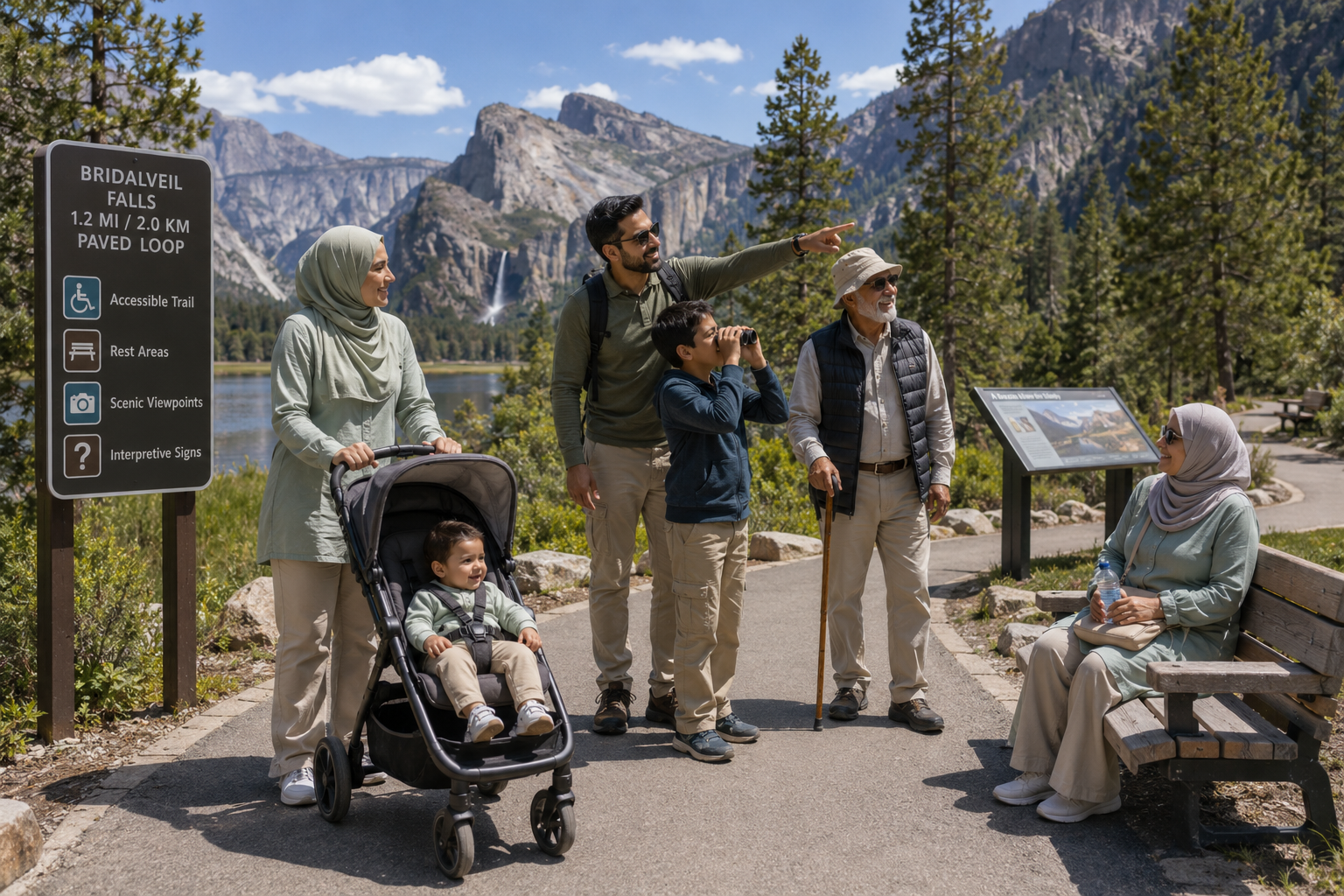
The best nature and outdoor activities for multi-generational families are those with accessible infrastructure, such as paved trails, comprehensive visitor centers, and options for both short and long exploration routes.
National parks with “scenic drive” options allow seniors and toddlers to enjoy the landscape from the comfort of a car, while other family members can opt for more strenuous hikes originating from the same viewpoints. Botanical gardens and well-maintained city parks also offer beautiful, low-impact walking paths suitable for all.
Look for destinations that offer “interpretive trails.” These are typically short, flat, and feature informational plaques or interactive exhibits along the way, making them a perfect compromise—engaging enough for kids and adults, and short enough for toddlers and seniors.
For multi-generational families, Travel Babbo suggests Jackson, Wyoming, is an amazing destination with year-round outdoor options, including sleigh rides, dogsledding, skiing, floating, hiking, fly fishing, and wildlife safaris.
In the discussion of national parks, linking the phrase “National parks” leads to an internal guide on Exploring US National Parks with Your Family.
Which Cultural and Educational Activities Engage Various Age Brackets?
Cultural and educational activities that successfully engage various age brackets are typically interactive, tell a compelling story, and offer different layers of information for different levels of understanding.
Living history museums (like Colonial Williamsburg) are highly effective because they offer something for everyone: characters in costume for kids, craft demonstrations for teens, and deep historical context for adults. Similarly, science centers with hands-on exhibits appeal to a broad spectrum of ages.
The key is to choose “active” over “passive” cultural experiences. A food tour or a cooking class engages all senses and is participatory, making it far more appealing to a mixed-age group than a traditional museum where one must stand quietly and observe artifacts.
A ranch visit can be an interactive experience for a toddler, offering pony and hayrides, opportunities to feed animals, and meeting cowboys for sing-alongs.
In the discussion of “active cultural experiences,” linking the phrase “food tour or a cooking class” leads to an internal page on Culinary Travel Experiences for Families.
How Can Theme Parks and Attractions Offer Fun for All Family Members?
Theme parks and attractions offer fun for all family members by strategically designing zones for different age groups and providing shows, parades, and dining experiences that serve as common ground for the entire family.
A successful theme park day involves using a “meet-up” strategy, where the family splits up to enjoy age-appropriate zones (e.g., Fantasyland for toddlers, rollercoasters for teens) and then reconvenes for shared experiences like a parade or a family-friendly show.
Utilizing the park’s app for features like “Rider Switch” (or “Child Swap”) is a pro-level tactic. This allows one parent to ride a thrill ride while the other waits with a young child, and then they can swap places without waiting in line a second time, maximizing efficiency and preventing one adult from missing out.
The “divide and conquer” strategy is recommended at theme parks for families with different age groups; this involves one parent taking the younger child to do activities that interest them while the other takes the older child on adventures of their own.
Effective strategies like these are key components of a well-structured trip. For further guidance on optimizing your entire trip, consider How Do You Plan a Family Vacation Schedule?
4. Logistics: Execution Checklist
| Checklist Item / Tactic | Status |
|---|---|
| Review Developmental Stages: Match activities to cognitive and physical abilities. | ⬜ |
| Assess Safety & Accessibility: Ensure all activities are safe and accessible for every age. | ⬜ |
| Plan for Tiered Engagement: Select options allowing varied participation levels within the same location. | ⬜ |
| Incorporate Parallel Play: Create opportunities for individual activities side-by-side. | ⬜ |
| Utilize “Rider Switch” at Parks: Maximize adult enjoyment of thrill rides while accommodating young children. | ⬜ |
Resolution
Successfully planning family vacation activities for diverse age groups requires a deliberate, strategic approach that acknowledges and addresses the unique needs of each generation. By prioritizing safety, understanding developmental stages, and opting for multi-layered activities with tiered engagement, families can overcome common logistical challenges. The goal is to craft an itinerary that fosters shared joy and individual satisfaction, transforming potential conflicts into opportunities for deeper connection and lasting memories. This intentional planning ensures that every family member, from toddlers to seniors, experiences the vacation not just as a trip, but as a memorable journey designed for them.