City Break Safety: How Can You Keep Your Family Vacation Secure in the City?
Table of Contents
To ensure a secure city break family vacation, you must proactively manage urban risks by maintaining active situational awareness, enforcing strict crowd separation protocols, selecting access-controlled accommodations, and utilizing anti-theft gear.
Family vacation safety is a unique concern on city breaks because dense crowds, unfamiliar public transport, and traffic magnify risks through a combination of child-specific vulnerabilities and the logistical complexities of group management.
Unlike a secluded resort stay, city break family vacations present parents with a severe cognitive load deficit. In a bustling city center, a parent’s attention is constantly split between external threat monitoring (pickpockets, busy intersections) and internal group management (child location, hydration needs, and behavior). This divided focus inherently makes the family unit more susceptible to opportunistic risks than a solo traveler during their family vacation.
1. Why is safety a unique concern on city break family vacations?
Safety is a highly unique concern on city break family vacations because the dense urban environment actively magnifies common risks through a combination of child-specific vulnerabilities and the heavy logistical complexities of group management.
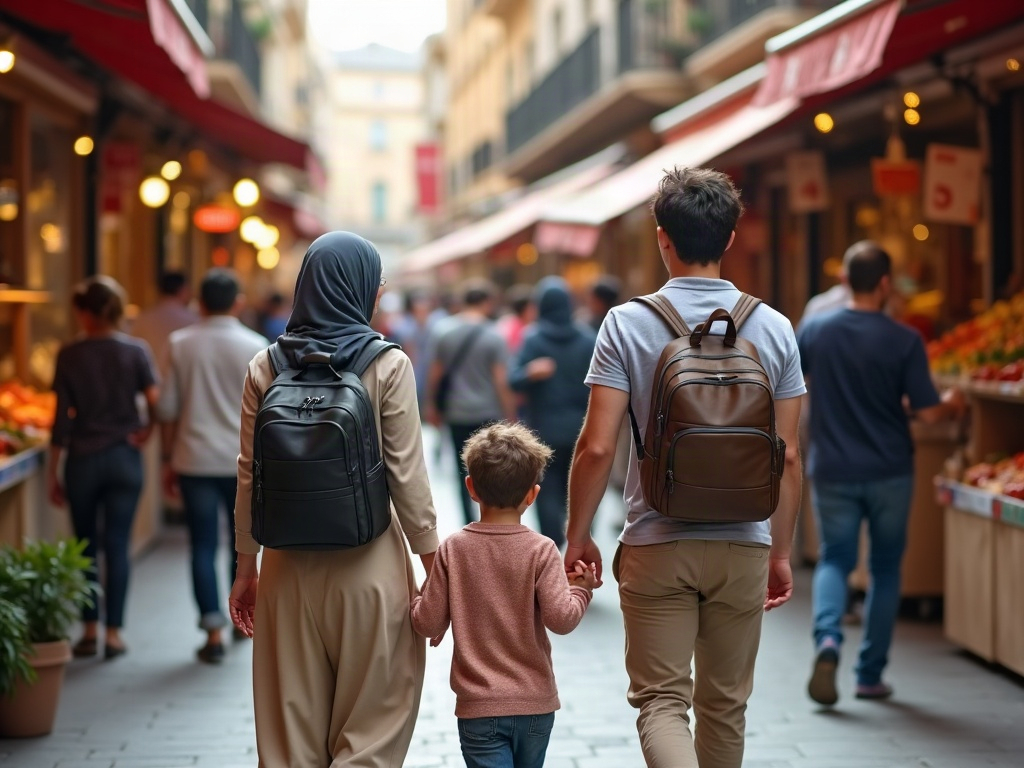
Figure 1: Navigating Urban Environments with Children
What specific risks do families face in urban environments during a family vacation?
The specific risks families face in urban environments during a family vacation include sudden child separation in dense crowds, heightened vulnerability to distraction-based theft, and severe navigation-related dangers like high-speed traffic and complex transit systems. Families in cities face a trifecta of risks: physical risks like separation and traffic accidents, property risks such as targeted pickpocketing and sophisticated tourist scams, and logistical risks like getting hopelessly lost on unfamiliar public transport. These risks are exponentially heightened by children’s natural tendencies to cause distractions.
The U.S. State Department estimates that more than 200 U.S. citizens die each year due to road accidents abroad. Distraction theft is not random; professional thieves specifically target tourists on a family vacation because a crying toddler, a dropped ice cream cone, or a stroller navigation issue provides a highly predictable moment of chaos and a perfect window of opportunity. This is a calculated tactic, not just bad luck. More information can be found on global.psu.edu.
Distraction theft intentionally targets parents managing children, making the family unit significantly more susceptible than a focused individual on a family vacation.
- ☐ High risk of child separation in crowded tourist locations.
- ☐ Increased vulnerability to distraction-based theft and pickpocketing.
- ☐ Serious navigation-related dangers like heavy traffic and complex transit hubs.
How do child age groups impact city break family vacation safety strategies?
Child age groups fundamentally dictate your city break family vacation safety strategies by defining the primary physical risks and the most effective mitigation tools required for each developmental stage. Your family vacation safety strategies must be rigorously tailored to age. Toddlers require constant, physical control, school-age children need crystal clear rules and established rendezvous points, while teenagers require agreed-upon boundaries and digital communication protocols to safely manage their desire for independence.
The safety strategy for teens is often counterintuitive; it’s less about physical control and more about negotiated freedom. Granting a teen a ‘safe independent task’ (e.g., a solo errand to a pre-approved bakery on the exact same block) with a strict check-in protocol builds their situational awareness far more effectively than constant parental supervision during a family vacation.
Teenager Safety Strategy requires negotiated independence, which actively builds their situational awareness more effectively than constant hovering supervision.
Toddlers
Risk: Sudden wandering. Solution: Harness or Stroller. For toddlers, you must maintain uninterrupted physical contact in any crowd setting.
School-Age Children
Risk: Getting lost. Solution: Crystal clear boundaries and rehearsed rendezvous points.
Teenagers
Risk: Testing physical boundaries. Solution: Negotiated boundaries and reliable digital communication protocols.
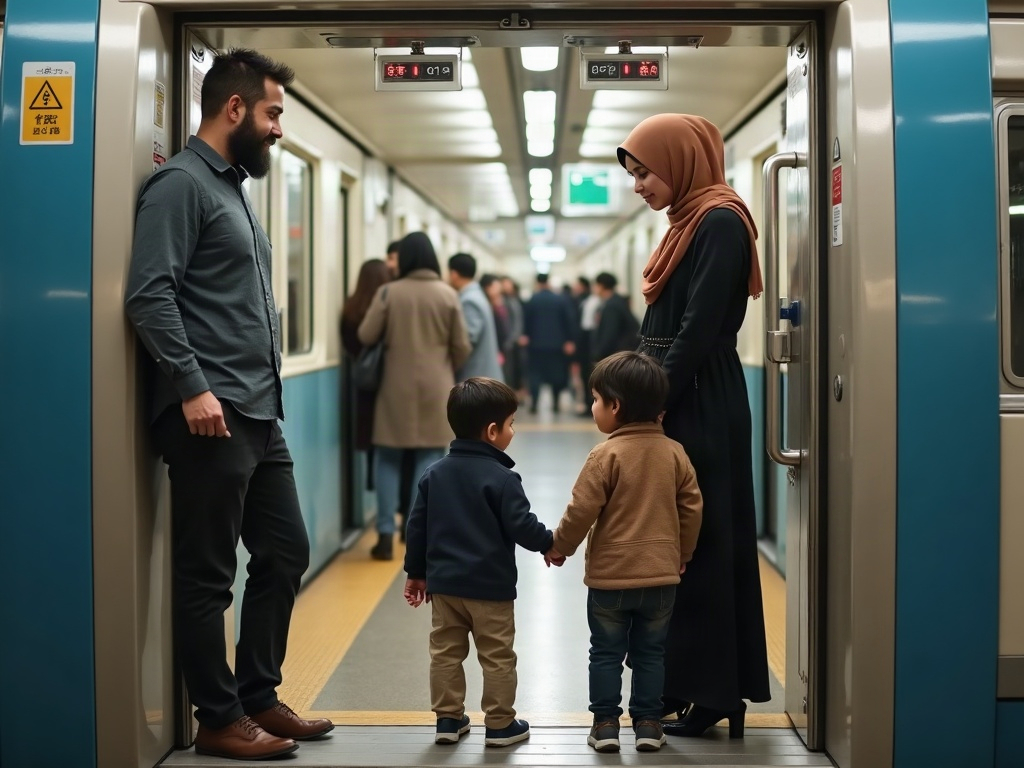
Figure 2: Age-Specific Safety Tools and Tech
2. What essential mindsets enhance security on a city break family vacation?
The essential mindsets that dramatically enhance safety on a city break family vacation are a relentless commitment to situational awareness and the highly consistent practice of “safety in numbers” during all urban movements.
Why is being situationally aware crucial for family vacation safety?
Being situationally aware is absolutely crucial for family vacation safety because it is the single most effective proactive defense against highly common urban risks like theft and accidents. Situational awareness is vital because it empowers parents to spot and completely avoid potential threats—like an overly interested observer or a brewing confrontation on a train—long before the family is directly involved. It instantly transforms a parent from a potential victim into a hard target.
For parents on a family vacation, Situational Awareness has two distinct layers: external (scanning the environment for threats) and internal (monitoring the family unit for signs of fatigue, hunger, or distress). Ignoring the internal layer is a massive, common mistake on a family vacation, as a tired, cranky child creates a devastating distraction that makes the entire family incredibly vulnerable to external threats. A parent’s primary defensive tool is observation, not reaction.
Situational Awareness involves meticulously monitoring both external and internal environments to effectively spot and avoid threats during your family vacation.
Practical Situational Awareness Habits
- ☐ Actively note the locations of all major exits in every new space you enter.
- ☐ Periodically scan your immediate surroundings for anything out of the ordinary.
- ☐ Be acutely aware of who is standing directly behind and beside you, especially in crowded tourist areas.
- ☐ Consistently keep an eye on your family members’ energy levels and emotional states to prevent meltdowns.
How does practicing “safety in numbers” benefit your family vacation?
Practicing “safety in numbers” immensely benefits your family vacation by distributing the heavy burden of vigilance and creating a formidable united front that actively deters opportunistic criminals. Even a small family can effectively practice “safety in numbers” by assigning simple, clear roles, like one parent aggressively watching the bags while the other parent focuses solely on watching the children when boarding a hectic train. This formally closes the attention gaps that criminals exploit, making the group significantly less appealing as a target.
The “plus-one” rule is an advanced, highly effective form of this mindset. In any security-critical moment (like withdrawing cash from an ATM), one family member’s sole job is to be the “plus-one”—a dedicated observer who does absolutely nothing but watch the surroundings for 30 seconds. This formalizes the practice and ensures it becomes a reliable habit on your family vacation.
The ‘Plus-One’ Rule strictly assigns a dedicated observer role, formalizing vigilance and making it a reliable habit, which greatly reduces parental cognitive load.
Actionable Tactics for Small Families
- Strictly assign one parent to manage tickets and navigation, and the other to manage children.
- When one parent is deeply engrossed in a task (e.g., using an ATM, ordering food), the other instantly becomes the dedicated observer.
- Establish a firm visual “buddy system” for all older children.
Author’s Experience
“Navigating bustling city streets with my kids during our family vacation, I learned that a split second of distraction can be all it takes for trouble. I always designate a ‘bag watcher’ and a ‘kid watcher’ when we’re in crowded spots; it drastically cuts down on the chaos and makes me feel much more secure.”
3. Which city areas should you choose or avoid for a secure city break family vacation?
For a much more secure family vacation, families should intentionally choose city areas with high foot traffic, excellent lighting, and a strong police or security presence, while strictly avoiding unlit alleyways, industrial zones, and areas with a known reputation for high crime rates after dark.
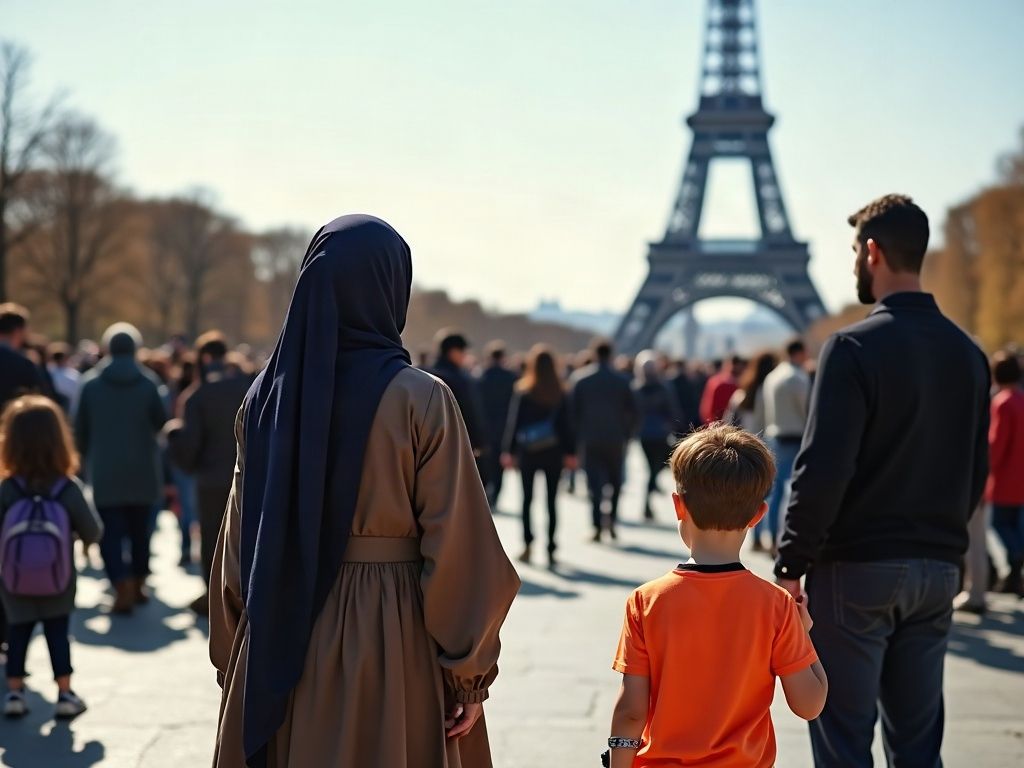
Figure 3: Safe, Well-Trafficked Urban Zones
How can you research neighborhood safety before your family vacation?
You can thoroughly research neighborhood safety before your family vacation by using a rigorous combination of online crime maps, official city tourism websites, and recent reviews from other families who have recently taken a family vacation there. To effectively research neighborhood safety, cross-reference multiple reliable sources. Start with official data like local police department crime maps, then gather qualitative context from family vacation forums and blogs that specifically mention the “feel” of a neighborhood at different times of day.
The “Google Street View Time Machine” feature is an underutilized but expert tool for family vacation planning. By looking at a street’s history, you can clearly see if the area is improving (new businesses, fresh renovations) or declining (shuttered shops, abundant graffiti). This provides a highly dynamic, long-term view of a neighborhood’s trajectory that a static photo simply cannot.
Google Street View Time Machine visually reveals a neighborhood’s long-term safety trajectory, offering crucial dynamic insights beyond static photos.
Pre-Trip Neighborhood Safety Research Checklist
- ☐ rigorously check official local police department crime maps to identify high-crime areas.
- ☐ Carefully read the 1-star and 2-star reviews for hotels in the area, specifically looking for mentions of ‘safety’.
- ☐ Browse family vacation forums and blogs for qualitative context on the neighborhood’s “feel”.
- ☐ Actively utilize Google Street View Time Machine to observe neighborhood changes over time.
- ☐ Consult official city tourism websites for highly recommended family-friendly zones.
What are the safety considerations for public spaces versus less-trafficked areas?
The primary safety considerations for public spaces during a family vacation revolve heavily around the risks of petty theft and child separation, while less-trafficked areas present a significantly higher risk of personal confrontation or robbery. In highly crowded public spaces, the primary threat is purely opportunistic, like pickpocketing or a distracted child getting lost. In quiet, less-trafficked areas, the threat dynamically shifts to premeditated and potentially more direct dangers, as the complete lack of witnesses emboldens criminals.
There is a well-known “safety paradox” in urban family vacation environments. While families are statistically far safer from violent crime in crowded public spaces, the *feeling* of being unsafe is often much higher in quiet, empty areas. The essential key is to precisely match your vigilance level to the actual statistical risk of your current environment, not just your emotional perception during your family vacation.
Crowded Public Spaces carry a high risk of petty theft, while less-trafficked areas pose a much higher risk of personal confrontation.
In Public Spaces (Crowded)
Risk: Anonymity, petty theft, child separation. The primary risk in crowds is anonymity. Focus heavily on “crowded places safety tips” to manage these effectively.
In Less-Trafficked Areas (Isolated)
Risk: Visibility, personal confrontation, robbery. The primary risk in isolation is visibility. Strictly avoid these areas after dark on a family vacation.
4. How can you select safe accommodations for a city break family vacation?
Families can confidently select safe accommodations for a family vacation by strictly prioritizing verifiable security features and ensuring a highly strategic location relative to their planned daily activities.
What security features should you prioritize when booking your family vacation?
When booking accommodations for your family vacation, the critical security features you must prioritize are a 24/7 staffed front desk, heavily controlled building and elevator access, and a robust in-room safe. Prioritize foundational security features that physically prevent unauthorized entry, such as a 24-hour staffed reception and mandatory key-card access to all guest floors. Secondary priorities absolutely include in-room features like a fully functional safe and a heavy-duty deadbolt on the main door.
When closely examining guest photos in online reviews, don’t just look at the room’s basic cleanliness. Intentionally look for photos of the hallways and the main lobby. Are the hallways exceptionally well-lit? Do you clearly see security cameras? Is the front desk area highly modern and professional? These visual cues provide fantastic, unfiltered evidence of the hotel’s true investment in security. The U.S. Department of State highly recommends asking for a room between the third and sixth floors, according to Safewise.
Guest-submitted photos provide vital, unfiltered evidence of security standards, allowing you to accurately assess a hotel’s true commitment to safety for your family vacation.
Family-Safe Accommodation Checklist
- ☐ 24/7 Front Desk: This serves as both a powerful deterrent and an immediate point of contact.
- ☐ Strictly controlled building and elevator access (key card required for operation).
- ☐ In-room safe (verified functional).
- ☐ Heavy-duty deadbolt on the door.
- ☐ Strictly avoid ground-floor rooms with any direct, unsecured access to the outside.
Does location relative to attractions affect accommodation safety?
Yes, the precise location of your accommodation relative to attractions directly and profoundly affects its safety profile on a family vacation by determining your daily exposure to tourist-focused crime and dictating your transportation needs after dark. Staying very near major attractions offers the distinct safety of high foot traffic but heavily increases exposure to petty crime. Staying much further out may reduce this specific risk but instantly introduces a new one: navigating public transport or walking through completely less-trafficked areas late at night.
The paramount safety factor is not absolute distance, but rather the actual “walkability score” of the physical path between your accommodation and your primary points of interest. A hotel 15 minutes away on a exceptionally well-lit, direct, main boulevard is significantly safer than one just 5 minutes away that physically requires cutting through a dark park or a series of empty back alleys on a family vacation.
The travel path’s actual ‘walkability score’ is vastly more important than the absolute distance to attractions for ensuring complete safety on your family vacation.
Pros and Cons of Staying Central
Pros: Extremely high foot traffic, massively reduced need for late-night transit with tired children. Cons: Greatly increased exposure to petty crime, potentially much higher cost.
Pros and Cons of Staying Remote
Pros: Highly reduced exposure to tourist-focused crime, often much quieter for sleeping. Cons: Introduces the brand new risk of navigating public transport or walking through less-trafficked areas late at night.
5. How can you create a comprehensive pre-vacation safety plan for a city break?
Families can effectively create a comprehensive pre-vacation safety plan by meticulously preparing essential documents, establishing crystal clear communication protocols, and thoroughly educating all family members on the plan before leaving home.
What essential documents should you prepare and secure for your family vacation?
The absolute essential documents you must prepare and rigorously secure are passports, birth certificates for minors, robust travel insurance details, and a highly accessible list of emergency contacts. You must carefully prepare both physical and highly secure digital copies of passports, visas, birth certificates (if legally required), and detailed travel insurance information for your family vacation. Additionally, you must create a master document with local embassy/consulate contact details, emergency credit card cancellation numbers, and all hotel information.
Beyond the standard documents, proactively prepare a “Parental Consent for Medical Treatment” form and a legally notarized “Parental Consent to Travel” letter if only one parent is traveling. While not always strictly checked, these specific documents can be absolutely critical in a sudden medical emergency or at a strict immigration checkpoint to completely prevent significant delays or massive legal issues during your family vacation.
A formally notarized ‘Parental Consent to Travel’ letter actively prevents immigration hurdles and medical emergencies, making your family vacation significantly smoother and safer.
Documents to Prepare and Secure
- ☐ Passports (both physical and secure digital copies).
- ☐ Visas (if required, both physical and secure digital copies).
- ☐ Birth certificates for minors (both physical and secure digital copies).
- ☐ Detailed Travel Insurance information (full policies and contact numbers).
- ☐ Master document with local embassy/consulate contact details.
- ☐ Emergency credit card cancellation numbers.
- ☐ Full hotel information.
- ☐ Photocopy of Passport: Always carry a physical copy totally separate from the original.
Securely store all digital copies in a robust password-protected cloud service.
How should families establish clear communication protocols?
Families should strictly establish clear communication protocols by setting up a reliable primary digital channel, explicitly defining a backup no-tech rendezvous point, and creating a very simple “if/then” plan for unexpected separation during the family vacation. A highly clear communication protocol has three vital parts: a digital component like a dedicated family group chat for mandatory check-ins, a physical component like a permanent, easily identifiable meeting spot, and a robust procedural component where children are formally taught to exclusively find a uniformed employee or another mother with children if lost.
The absolutely most effective rendezvous points are “L.I.M.E.” – Landmark, Immovable, Memorable, and Explicit. For example, vaguely saying “the fountain” is a terrible point; “the base of the large bronze lion statue to the *right* of the main museum entrance” is a perfect L.I.M.E. point that totally eliminates ambiguity for a highly stressed child or parent. Rigorously rehearsing the family communication plan before the family vacation begins is incredibly crucial.
An effective rendezvous point must be Landmark, Immovable, Memorable, and Explicit (L.I.M.E.), completely eliminating dangerous ambiguity for a stressed child or parent on a family vacation.
Components of a Clear Communication Protocol
- Digital Component: Dedicated family group chat for mandatory daily check-ins.
- Physical Component: Highly permanent, easily identifiable meeting spot (L.I.M.E. point).
- Procedural Component: Children strictly taught to find a uniformed employee or another mother with children if lost.
6. What practical steps keep your family vacation secure while exploring the city?
The absolute most practical steps to actively keep families secure while exploring on a family vacation are rigorously protecting valuables, using public transportation with extreme care, and highly managing movement through dense crowds effectively.
How can families protect valuables and deter petty theft?
Families can effectively protect valuables and fiercely deter petty theft by strictly using anti-theft bags, completely avoiding ostentatious displays of wealth, and rigorously practicing smart wallet and phone habits on their family vacation. The absolute best way to protect valuables is to make them incredibly difficult to access and totally unattractive to thieves. This involves heavily using specialized gear like RFID-blocking wallets and slash-proof anti-theft backpacks while also deeply modifying behavior, such as keeping phones strictly out of back pockets and never, ever leaving bags unattended.
Thieves ruthlessly profile targets based on their “attentional posture.” Someone deeply buried in their phone while walking is a prime, highly vulnerable target. The simple, powerful act of walking with your head up, making occasional firm eye contact with your surroundings, clearly signals you are highly aware and a “harder target,” which is often enough to make a thief move on to someone much easier.
An upright, highly alert ‘attentional posture’ clearly signals you are a very hard target, effectively deterring thieves who strongly prefer much easier marks during your family vacation.
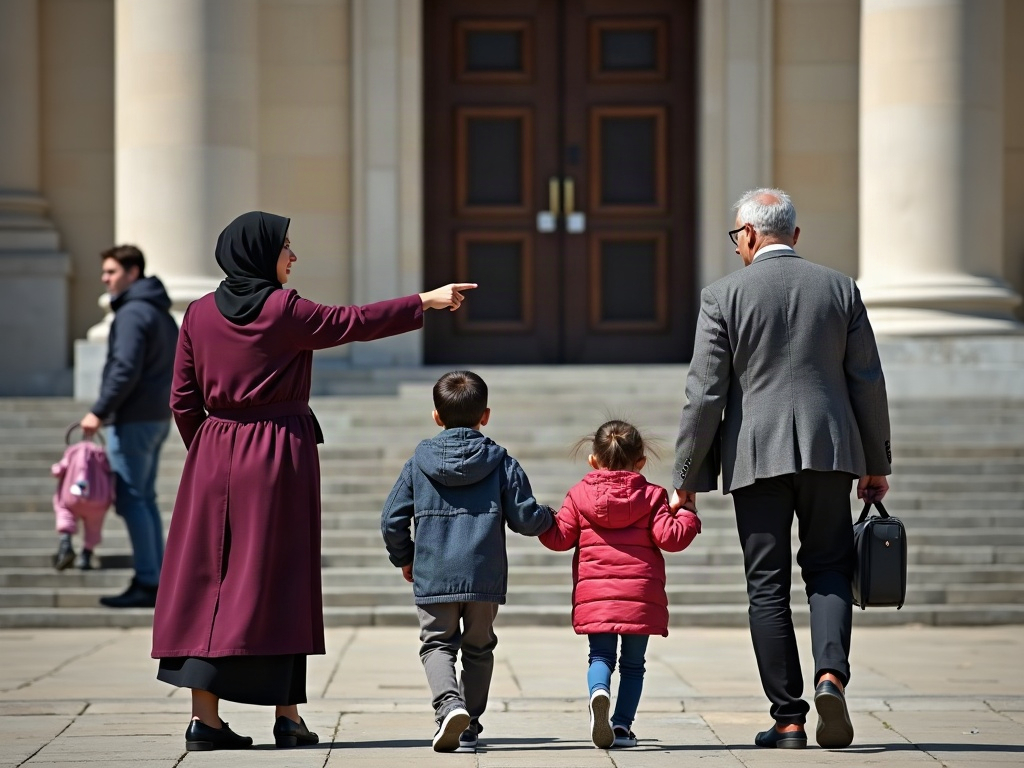
Figure 4: Anti-Theft Gear for Urban Exploration
Do’s and Don’ts for Protecting Valuables
- **Do:** Always use an Anti-theft backpack and a robust RFID-blocking wallet.
- **Do:** Strongly consider a concealed money belt for passports and large sums of cash.
- **Do:** Keep phones strictly out of back pockets at all times.
- **Don’t:** Ever leave bags completely unattended.
- **Don’t:** Ostentatiously display expensive jewelry or high-end electronics.
- **Don’t:** Count large sums of cash in public view.
What are best practices for safe public transportation with children?
The absolute best practices for safe public transportation with children include rigorously preparing tickets well in advance, establishing incredibly strict boarding and de-boarding rules, and keeping the family unit physically glued together on a family vacation. To use public transport safely, mandate that one parent exclusively handles tickets/navigation while the incredibly vital job of the other parent is to focus solely on children. Enforce a firm “hand on the wall” or “hand on the parent” rule while waiting on platforms, and always board and exit as a single, highly cohesive group.
The “Train Door Sandwich” is an incredibly key, highly effective technique. The first parent boards, instantly creating a “safe zone” inside the door. The children board next, rapidly moving into the safe zone. The second parent boards last, securely “closing” the sandwich. This absolutely prevents a child from being accidentally left behind or separated by quickly closing doors. Gare Du Nord is one of the most massively trafficked metro stops in Paris, heavily highlighting the absolute need for these strict strategies when using public transport with kids on a family vacation.
The ‘Train Door Sandwich’ technique totally prevents separation during boarding by actively creating a highly secure passage for children between parents.
Subway Safety Checklist
- ☐ Rigorously count your children as you get on AND exactly as you get off.
- ☐ Clearly explain the “Train Door Sandwich” technique to all older children.
- ☐ Firmly hold hands or keep strict physical contact in crowded platforms and trains.
- ☐ Prepare all tickets well in advance to completely avoid fumbling at turnstiles.
How do families manage safety around crowds and busy attractions?
Families effectively manage massive safety in crowds by establishing crystal clear rules, heavily using physical and technological aids, and having a highly rehearsed pre-planned separation protocol for their family vacation. To deeply manage crowd safety, always dress children in exceptionally bright, distinctive clothing and strongly consider using a reliable GPS tracker. Vigorously teach children the “tree and rock” rule: if ever separated, they instantly become a “tree” (stay put), while the parent becomes a “rock” (rapidly returns to the last spot).
A highly simple, incredibly powerful crowd tool is taking a clear family photo with your phone every single morning. In the terrifying event of a separation, you instantly have a crystal clear, time-stamped photo showing exactly what your child is wearing that very day, which you can immediately show to security personnel. This is far, far more effective than a panicked, highly inaccurate verbal description. Use these robust crowded places safety tips and GPS Tracker devices for ultimate peace of mind.
A mandatory daily morning photo provides a perfectly accurate description for security personnel, significantly aiding rapid reunification efforts on a family vacation.
Crowd Management Strategies
- Vigorously teach children the “tree and rock” rule clearly.
- Always dress children in exceptionally bright, easily identifiable clothing.
- Strongly consider robust wearable GPS trackers for younger children.
- Take a mandatory daily family photo to accurately record outfits.
7. How can technology enhance safety on a city break family vacation?
Modern technology and smart tools can massively enhance safety on a family vacation by dramatically improving communication, enabling precise location tracking, and offering robust personal security alerts.
Which communication apps are most effective for family vacation check-ins?
The absolutely most effective communication apps for family check-ins are those that seamlessly combine group messaging with highly reliable, real-time, persistent location sharing. Apps like WhatsApp are excellent for active group messaging, but for vital check-ins, the heavily integrated location-sharing features in native phone OSs (like Find My on iOS or Google’s Family Link) are vastly superior. These allow a parent to accurately see a child’s location without the child ever needing to actively send it on a family vacation.
The absolute best practice is to strictly use a robust two-app system: a dedicated chat app for active communication (“I’m heading back now”) and a highly reliable background location-sharing app for passive monitoring. This powerful combination covers all scenarios and doesn’t require constant, often forgotten active participation from a child who might forget to check in. Fully encrypted messaging apps offer significant additional security.
A robust two-app system perfectly combines active chat and highly reliable passive location tracking, offering truly comprehensive coverage for family communication and monitoring.
Effective Communication Apps
- **For Active Group Chat:** Apps like WhatsApp for rapid active communication.
- **For Passive Location Sharing:** Native phone OS features like Find My (iOS) or Google Family Link for highly reliable passive monitoring.
- **For Vital Emergencies:** Pre-programmed quick-dial features or highly dedicated safety apps.
What personal safety devices can offer added protection for families?
Highly reliable personal safety devices that can offer immense added protection for families include robust wearable GPS trackers for children, incredibly loud personal safety alarms, and heavy-duty portable door locks. Three key devices add massive layers of protection: wearable GPS trackers give you a child’s highly accurate real-time location, personal safety alarms create a devastatingly loud diversion, and portable door locks provide a vital extra level of security for hotel rooms with flimsy locks on your family vacation.
The immense psychological impact of a high-decibel personal safety alarm is its absolute most powerful feature. The incredibly loud, piercing sound is heavily designed to instantly trigger the “startle reflex” in an assailant, totally breaking their concentration and creating a vital window of a few seconds for immediate escape. It’s a devastating pattern interrupt, not just a simple call for help. A highly reliable portable carbon monoxide detector is extremely helpful when staying in older rental homes or hotels.
A high-decibel personal safety alarm is intentionally designed to instantly trigger an assailant’s startle reflex, providing a highly critical window for immediate escape during a family vacation.
Personal Safety Devices
- **Wearable GPS Trackers:** Massively solves the ‘child wandering’ problem with highly accurate real-time location data.
- **Personal Safety Alarms:** Instantly creates a deafening 130-decibel alarm to fiercely deter attackers and draw massive attention.
- **Heavy-Duty Portable Door Locks:** Adds a vital extra layer of physical security to hotel room doors.
8. How should you respond to common safety incidents on a city break family vacation?
Families should rapidly respond to common safety incidents on a family vacation by instantly executing highly rehearsed, pre-planned emergency protocols for separation and reporting.
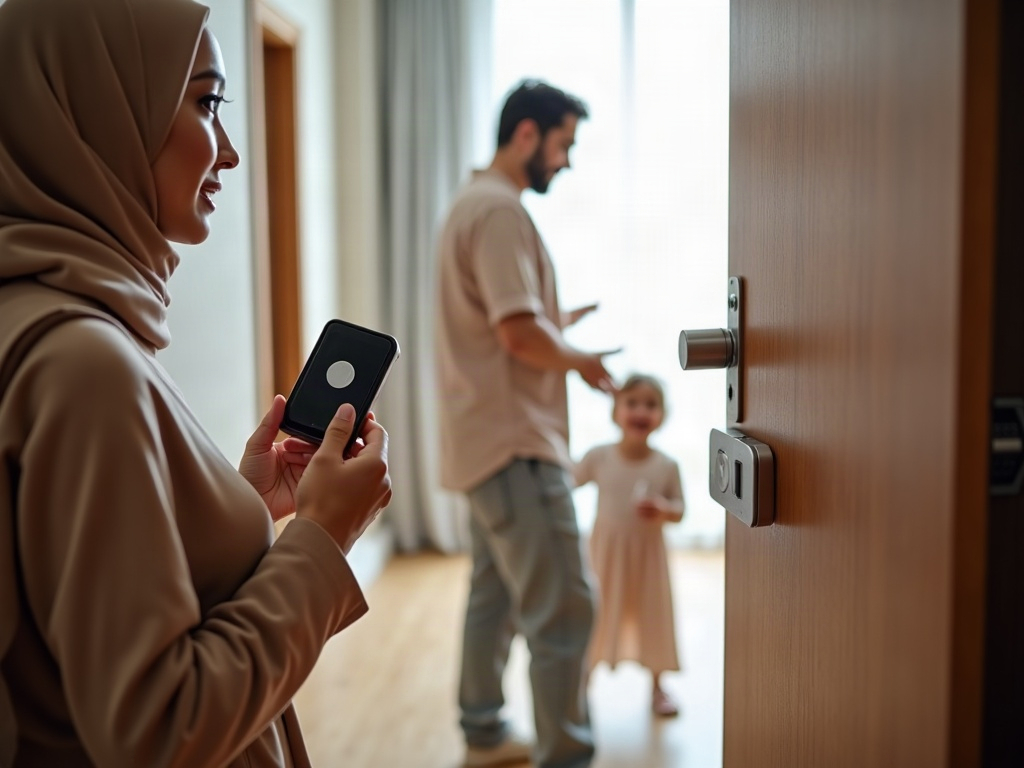
Figure 5: The STOP Principle for Crisis Response
What steps should families take if separated in a crowd?
If suddenly separated in a dense crowd, families should immediately and flawlessly execute the “tree and rock” rendezvous protocol they rigorously established in their pre-vacation safety plan. The exact moment you are separated, absolutely stop moving. The parent should immediately return to the exact last spot they were together (“rock”). The child should be heavily taught to stay exactly where they are (“tree”) and loudly yell for their parent, or exclusively find a uniformed official or another mother with children for immediate help.
Do not just vaguely shout your child’s name. Shout a highly detailed description: “I’M LOOKING FOR A 5-YEAR-OLD BOY IN A RED SHIRT NAMED LEO! RED SHIRT, BLUE SHORTS!” This instantly deputizes the entire surrounding crowd to actively help you look; they now know exactly who to search for. Shouting just a name is useless, context-free noise. This is a massively key part of effective child separation prevention on a family vacation.
Shouting a highly detailed description instantly deputizes the surrounding crowd to actively help search, providing crystal clear information for highly effective assistance.
Parent’s Action Plan
- Instantly stop moving and rapidly return to the exact last spot you were together (“rock”).
- Loudly shout a crystal clear description of your child (exact age, clothing, highly specific features).
- Immediately alert any nearby security personnel or officials.
Child’s Action Plan
- Stay exactly where you are (“tree”).
- Loudly yell for your parent.
- Exclusively find a uniformed official or another mother with children for immediate help.
How do you report an incident or emergency to local authorities?
You report an incident or major emergency by first rapidly dialing the correct local emergency number and then fully preparing to provide your highly exact location and a very concise description of the event. Long before your family vacation, identify and permanently save the exact local emergency number (like 112 in Europe or 911 in the US) to your phone. If you need to call, crystal clearly state your exact location first, then the exact nature of the emergency, and flawlessly follow all dispatcher instructions.
After contacting Local Emergency Services, your vital second call should be to your country’s Local Consulate or embassy. They cannot act as police, but they are a massively critical resource for rapidly replacing stolen passports, securing legal assistance, and safely contacting family back home. Their exact number should be permanently saved in your phone *before* your family vacation. If you are a unfortunate victim of any crime, theft or lose valuables, deeply know where to turn; the U.S. State Department website strictly provides the equivalent to 911 in any country, as clearly explained by BHTP.com.
The local consulate is your highly critical second call in any massive emergency, offering vital, high-level support far beyond simple police assistance.
Steps to Report an Incident
- Permanently save local emergency numbers (e.g., 112 in Europe, 911 in US) to your phone pre-trip.
- Crystal clearly state your exact location clearly first.
- Concisely describe the exact nature of the emergency.
- Flawlessly follow all dispatcher instructions and stay on the line.
- Immediately contact your country’s local consulate or embassy for vital further assistance.
9. What common city break family vacation safety mistakes should you avoid?
The absolutely most common family vacation safety mistakes families should ruthlessly avoid are dangerously oversharing their plans online, appearing obviously lost and heavily distracted, and completely ignoring their own powerful intuition.
Why is oversharing travel plans online a security risk for families?
Dangerously oversharing travel plans online is a massive security risk for families because it actively provides criminals with highly actionable real-time intelligence about your exact location, your complete absence from home, and the expensive valuables you deeply possess on your family vacation. Publicly posting “We’re having a blast in Paris!” with a clear photo of your brand new camera tells sophisticated criminals two highly dangerous things: you are currently totally not at your home (making it a prime target for burglary), and you are currently carrying highly expensive items. It is a massive, highly public announcement of your absolute vulnerability.
The severe risk massively extends beyond your empty home. Highly sophisticated local criminals can easily use social media geo-tags to pinpoint you in exact real-time. A careless post from a famous cafe tells a ruthless thief exactly where you are *right now* and that you are highly likely distracted, instantly making you an incredibly easy target for a rapid bag snatch or skilled pickpocketing as you leave. Sharing too much detailed information on social media may massively endanger your physical safety on a family vacation, according to the Rape, Abuse & Incest National Network.
Real-time social media posts actively provide highly actionable intelligence to ruthless local criminals, massively increasing your vulnerability.
Social Media Guidelines for Travel
- Strictly post your photos only after you safely get home, not during your family vacation.
- Completely disable all geo-tagging on your phone cameras and social media apps.
- Your social media feed is a highly detailed intelligence briefing for thieves—never update it in real-time.
How can families avoid becoming targets for scams or tourist traps?
Families can effectively avoid becoming targets for sophisticated scams by strictly adhering to a highly simple, unbreakable rule: fiercely refuse all unsolicited offers of help, goods, or services on the street during a family vacation. To completely avoid scams, be incredibly skeptical of absolutely anyone who approaches you unprompted with a “special deal,” a “free” gift, or a highly emotional story of distress requiring immediate money. A polite but incredibly firm “no, thank you” while continuously walking away is the absolute most effective response.
Scams are very often a highly coordinated two-person operation deeply designed to exploit human social pressure. One person heavily distracts or actively engages you (e.g., the highly common “friendship bracelet” scam), while their totally unseen partner rapidly assesses your valuables or viciously attempts to pick your pocket. Deeply recognizing that the highly visible actor is just a simple distraction is absolute key to completely defeating the tactic. There is totally no vacation spot in the world that is 100% safe from sophisticated criminal activities, as heavily highlighted by IndependenceMO.gov.
The highly visible scammer incredibly often serves as a massive distraction for a totally unseen accomplice, deeply aiming to ruthlessly exploit your heavily divided attention on a family vacation.
Common Tourist Traps and Scams
- **The Friendship Bracelet:** Someone forcefully ties a “free” bracelet on you then aggressively demands payment.
- **The Found Ring:** A scammer “finds” a heavy gold ring and asks if it’s yours, then heavily tries to sell it to you cheaply.
- **The Petition:** Massively distracts you while a highly skilled accomplice pickpockets you.
- **The Universal Rule:** If it feels remotely too good to be true, or if it deeply feels ‘off,’ it absolutely is. Walk away.
10. Logistics: Family Vacation Safety Checklist
| Checklist Item / Tactic | Status |
|---|---|
| PRE-TRIP PLANNING: Prepare essential documents (physical & digital copies). | ⬜ |
| COMMUNICATION: Establish clear family communication protocols (L.I.M.E. points, apps). | ⬜ |
| ACCOMMODATION: Prioritize hotels with 24/7 staff and controlled access. | ⬜ |
| VALUABLES: Utilize anti-theft gear and smart money/phone habits. | ⬜ |
| TRANSPORT: Implement “Train Door Sandwich” for public transport. | ⬜ |
| CROWDS: Teach “tree and rock” rule and take daily family photos. | ⬜ |
| EMERGENCIES: Know local emergency numbers and consulate contacts. | ⬜ |
| SOCIAL MEDIA: Avoid oversharing travel plans online in real-time. | ⬜ |
| SCAMS: Be skeptical of unsolicited offers; politely but firmly walk away. | ⬜ |
Resolution
Keeping your family highly secure on family vacations is completely achieved by deeply layering a highly proactive mindset, exceptionally careful planning, and incredibly robust in-the-moment best practices. The absolute key to family vacation safety is definitely not about impossibly eliminating all risk, but highly intelligently managing it. By deeply adopting a robust mindset of situational awareness, creating a highly robust pre-vacation plan, and heavily using proven tactics, you massively empower your family to totally enjoy the urban environment confidently and highly securely. The absolute ultimate goal of all these vital safety measures is to completely allow your family to be fully present and deeply enjoy your family vacation. Truly good security is practically invisible; it’s the exceptionally solid foundation of extreme preparation that completely allows for totally spontaneous joy because you have already completely managed the major risks.
One Response