What Are the Benefits of Theme Park Family Vacations?
Table of Contents
The primary benefits of a theme park family vacation are the unparalleled immersive entertainment, the unique environment for strengthening family bonds, and the streamlined, all-in-one logistics that drastically reduce parental stress.
Before diving deep into the specifics of theme park getaways, it’s beneficial to explore the broader landscape of what family vacations can offer to understand the full spectrum of options. Theme park environments act as perfectly engineered social catalysts, stripping away daily stressors and replacing them with a curated ecosystem where every family member, from toddlers to grandparents, can find joy simultaneously.
2. Why do theme park family vacations offer unparalleled immersive entertainment?
Theme park family vacations offer unparalleled immersive entertainment by combining architecturally detailed themed environments with a diverse array of multi-sensory attractions that fully engage guests in a cohesive narrative.
The primary reason theme park family vacations provide this level of entertainment is their dedication to “environmental storytelling,” where every element, from architecture to background music, contributes to a central narrative. This creates a “themed bubble” that allows families to escape the everyday and fully engage with the fantasy.
The key differentiator is the parks’ use of multi-sensory design. Unlike a movie or a book, a theme park engages sight, sound, smell (e.g., pumped-in scents of baked goods on a main street), and touch (e.g., textured rockwork), which exponentially deepens the psychological impact of the immersion for both children and adults.
Choose a destination with a strong reputation for immersive theming (like a Walt Disney World or Universal Orlando Resort park) if your family’s primary goal is total escapism rather than just experiencing standalone roller coasters.
How do themed environments create a sense of escape and wonder?
Themed environments create escape and wonder by meticulously controlling sensory input, using architectural techniques like “forced perspective” and physical barriers (berms) to build believable alternate realities that physically block out the real world.
These environments work by establishing a true “themed bubble” that removes all visual and auditory cues of the outside traffic or city. A key technique is the use of “forced perspective,” where buildings are constructed with gradually shrinking upper stories to appear taller and more grandiose than they actually are, artificially enhancing the fantasy scale. Sesame Place serves as the first theme park in the world to be designated as a certified autism center, showing a commitment to creating a controlled and welcoming environment for all sensory needs.
Forced perspective creates an illusion of greater architectural scale, making a castle or a sci-fi mountain look imposing and majestic, which deeply impacts a child’s sense of awe.
What variety of attractions caters to every family member’s interest?
Theme park family vacations offer a highly calculated variety of attractions—from gentle dark rides for toddlers to high-thrill roller coasters for teens and spectacular stage shows for all ages—ensuring absolute demographic coverage within the same destination.
Parks strategically design a portfolio of attractions to meet the needs of every age group. This includes “dark rides” for immersive storytelling, “thrill rides” for adrenaline, and large-capacity shows for shared group entertainment. The “rider switch” or “child swap” service is an essential operational design that allows parents with a child below the height requirement to ride a thrill attraction sequentially without having to wait in the standby line a second time. The scale of major theme parks allows for immense variety; for example, LEGOLAND Florida is situated on 150 acres, providing extensive space for a wide range of LEGO-themed attractions.
- Thrill rides: For those seeking high-speed adventures and drops.
- Family rides: Enjoyable for a wider age range, offering moderate thrills.
- Toddler attractions: Gentle and sensory-rich experiences.
- Live shows: Theatrical performances, parades, and fireworks displays.
- Character meet-and-greets: Opportunities to interact with beloved mascots.
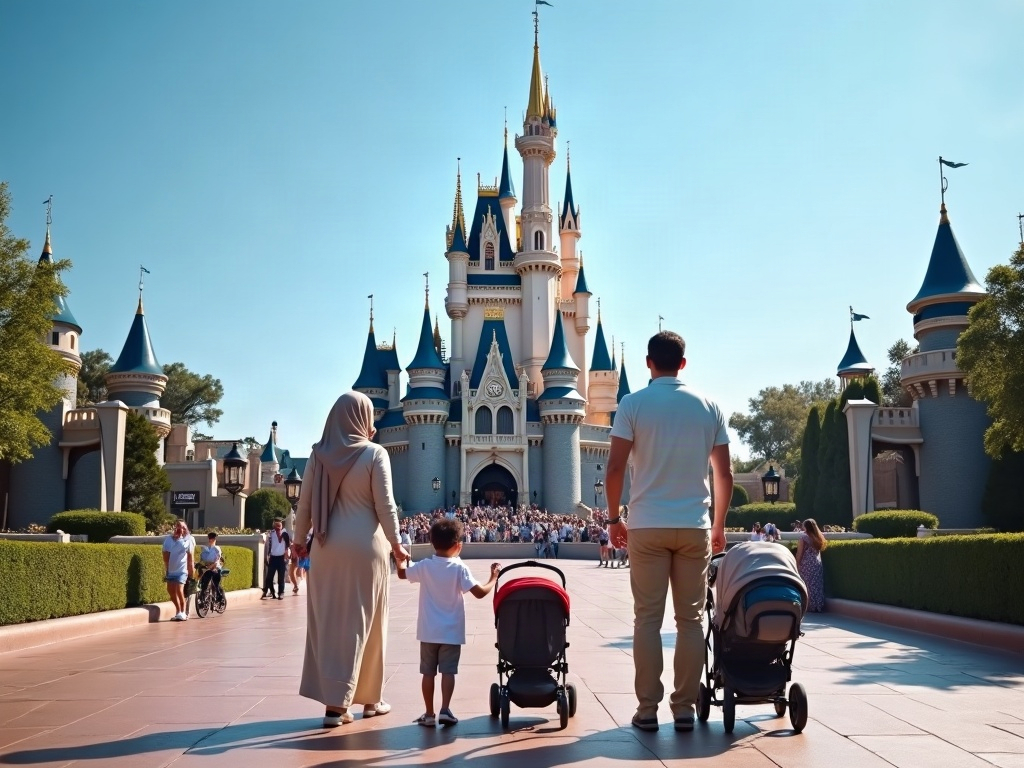
Demonstrating how Theme Parks utilize sophisticated architectural techniques like forced perspective to artificially inflate scale and maximize childhood wonder.
© WovenVoyages.com
3. How do theme park family vacations strengthen family bonds and create lasting memories?
Theme park family vacations strengthen family bonds and create lasting memories by providing a unique environment for shared, intense emotional experiences, which, through psychological principles like the “peak-end rule,” generates powerful, positive recollections that foster long-term family cohesion.
These vacations foster bonding by forcibly removing the family from their routine of work, school, and household chores, placing them in an environment optimized for shared activity. This uninterrupted quality time, combined with the emotional highs of the attractions, creates a powerful context for long-term memory formation.
The psychological principle of the “peak-end rule” explains why these vacations are so memorable. Families disproportionately remember the most intense emotional moments (the “peak,” like a first roller coaster drop) and the final moments (the “end,” like a spectacular fireworks show), solidifying the trip’s overwhelmingly positive association.
What shared thrills and laughter contribute to memorable experiences?
Shared thrills and laughter contribute to memorable experiences because intense, positive emotions release bonding hormones like adrenaline and endorphins, biochemically binding the family unit together through shared vulnerability and triumph.
Experiencing a thrilling ride together—the screams, the wind, the final laugh of relief—creates a unique shared victory. Similarly, collective laughter during a humorous show or a silly character interaction forges an immediate, positive connection. It has been scientifically proven that a thrilling roller-coaster ride contributes to the release of endorphins, chemicals which can make a person feel relaxed, confident, and deeply connected to those they shared the ride with (Source: blog.nordh.me).
Author’s Experience
“My family’s theme park adventures have always been filled with unexpected moments of pure joy. Watching my kids’ faces light up on their first roller coaster or during a character greeting creates core memories I cherish. These trips are an investment in unforgettable shared experiences.”
Can theme park family vacations encourage quality time and communication?
Yes, theme park family vacations actively encourage quality time and communication by providing extended, screen-free “in-between” moments—like waiting in interactive queues or sharing a themed meal—which naturally foster spontaneous conversations.
Unlike daily life, the “in-between” moments at a theme park are largely free from typical distractions like homework or chores. Many modern queue lines are now designed as “interactive queues,” featuring games or detailed props. This design is a deliberate strategy to turn waiting time into a shared, collaborative activity. To guarantee enough quality time without rushing, travel counselors recommend setting aside at least three days to fully explore any of the larger theme parks (Source: AAA Travel).
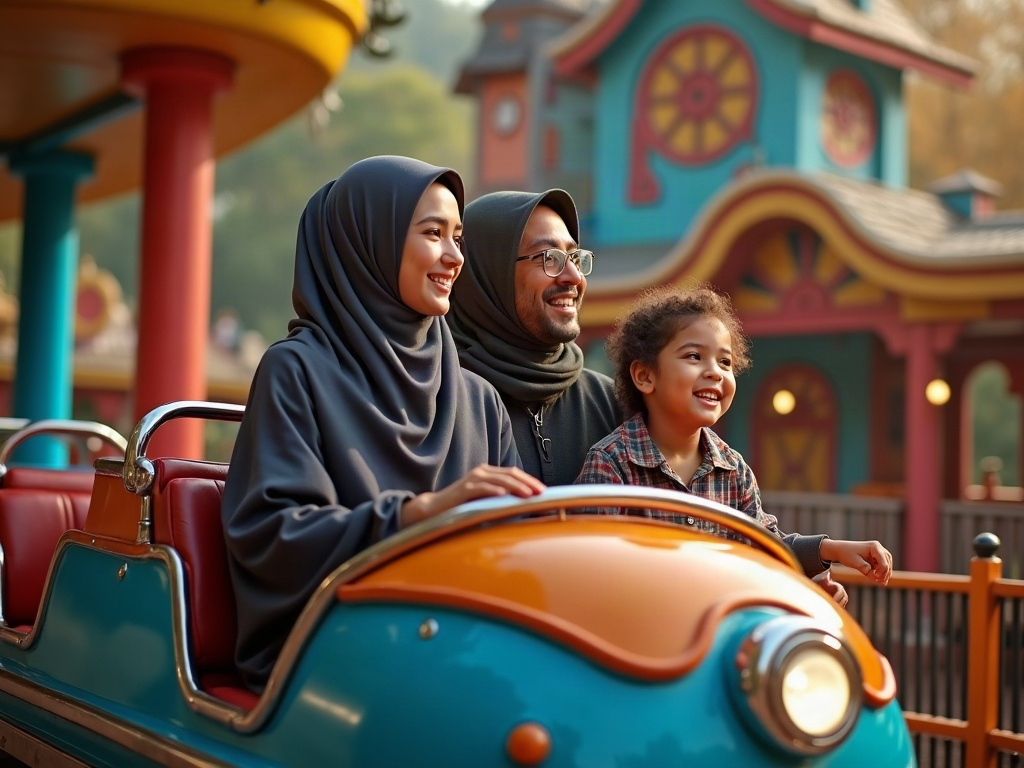
Showcasing how the shared adrenaline of a moderate thrill ride biochemically bonds families together through mutual excitement and laughter.
© WovenVoyages.com
4. What convenience advantages do theme park family vacations provide for busy parents?
Theme park family vacations provide significant convenience advantages for busy parents by consolidating entertainment, dining, and lodging into a single, walkable location, functioning as self-contained “vacation ecosystems” that dramatically simplify trip logistics.
The main advantage is that theme parks function as “All-In-One Resorts.” This completely eliminates the need for parents to research and travel between separate restaurants, activities, and hotels scattered across a city, saving immense planning and transit time.
The concept of a “frictionless experience” is a core design principle. This is achieved through integrated systems like a single mobile app for tickets, food orders, and ride reservations, removing daily logistical hurdles for parents.
How do all-in-one entertainment hubs simplify trip logistics?
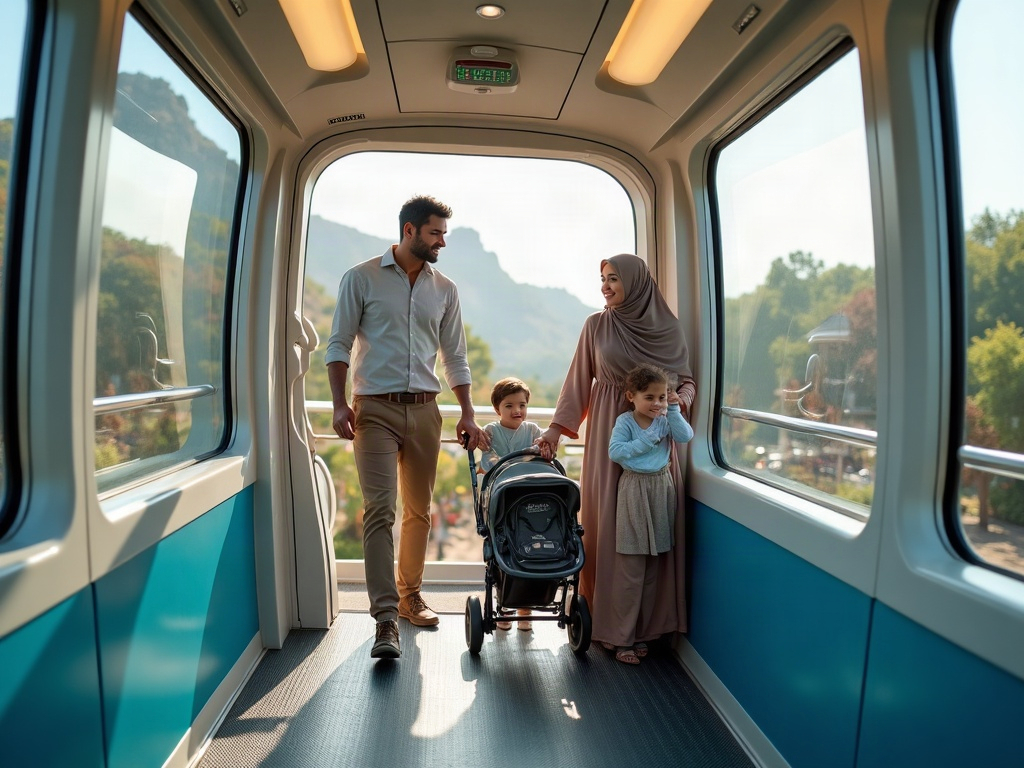
All-in-one entertainment hubs simplify logistics by completely eliminating the need for a rental car, providing dedicated internal transportation systems (monorails, buses), and allowing seamless, spontaneous transition between parks, pools, and dining venues.
The “park-to-room” package delivery service offered by premium resorts is a significant logistical benefit. This allows families to purchase merchandise in the parks and have it sent directly to their on-site hotel room, freeing them from carrying bags all day. Furthermore, staying on-site often grants early park entry, a massive strategic advantage. (Source: by-brothers.com).
What on-site amenities enhance the overall family comfort?
On-site amenities enhance comfort by anticipating biological needs, providing stroller and ECV rentals, highly equipped “Baby Care Centers” for nursing and changing, and dedicated First Aid stations staffed by registered nurses to handle minor medical issues instantly.
Amenities such as dedicated Baby Care Centers provide quiet, clean spaces that are a major comfort enhancer for parents of infants. Additionally, ubiquitous access to mobile ordering for food drastically reduces the friction of feeding a hungry family during peak lunch hours.

Demonstrating how major resorts utilize proprietary internal transit systems (like monorails or gondolas) to completely eradicate the stress of driving and parking for parents.
© WovenVoyages.com
5. Are theme park family vacations a valuable investment for diverse age groups?
Theme park family vacations are a highly valuable investment for diverse age groups because they are structurally engineered with distinct zones and attraction tiers that simultaneously cater to the physical capabilities and thrill thresholds of toddlers, teenagers, and grandparents.
The value comes from the park’s ability to provide parallel positive experiences. While a teen is on a high-thrill roller coaster, a grandparent can enjoy an air-conditioned theatrical show, and a toddler can meet a costumed character in the same geographic footprint.
Parks achieve this through “zoned design.” For example, Fantasyland in Magic Kingdom is engineered for young children with gentle rides, while Star Wars: Galaxy’s Edge at Disneyland Park uses complex storytelling and intense simulators to target an older, more fan-invested audience.
How do theme parks foster growth and learning in children and teens?
Theme parks foster growth by offering a tiered system of experiences—from sensory play areas that build toddler motor skills to autonomy-granting challenges that allow teenagers to safely explore independence and practice map navigation.
Many parks now include “unstructured play areas” or “splash pads” which are critical for early childhood development. These zones allow children to direct their own play, make choices, and interact with peers, which is a different but equally important form of development compared to passive ride experiences. A visit to a large amusement park can also be a form of fun exercise, as a family can end up walking several kilometers in a single day.
What opportunities arise for building confidence and social skills?
Confidence is built incrementally when a child hesitates before a slightly scary ride, conquers it, and feels a massive sense of accomplishment. Social skills are practiced in structured, low-stakes situations like ordering their own snack or asking a cast member for an autograph.
The act of collecting character autographs is a powerful tool. It gives a shy child a clear “mission” and a script for interaction: approach the character, ask for the autograph, and say thank you. This repetitive, positive social exchange can significantly build confidence.
Illustrating how completing in-park challenges or conquering a new ride tier provides children with a massive, tangible boost to their self-esteem and autonomy.
© WovenVoyages.com
6. How can families maximize the value of theme park vacations?
Families maximize the value of theme park vacations by ruthlessly optimizing their time and budget through off-season travel, proactive mobile food ordering, and aggressive utilization of digital line-skipping algorithms to minimize queue friction.
The “opportunity cost” of waiting in line is the single biggest value-detractor on a theme park vacation. A family that waits 4 hours in line per day on a 12-hour day has lost 33% of their ticket’s value. Therefore, any strategy or tool that reduces wait times directly increases the trip’s Return on Investment (ROI).
What strategies help manage costs without sacrificing fun?
To manage costs, families should enforce strict travel during off-peak “shoulder seasons,” utilize grocery delivery to the hotel to replace expensive in-park breakfasts, and purchase discounted brand gift cards prior to the trip to secure an automatic 5-10% discount on all internal spending.
Families can dramatically reduce costs by avoiding peak seasons like summer and holidays when ticket and hotel prices are at their highest. Furthermore, passes to smaller, regional theme parks (like Six Flags Magic Mountain) are frequently less than $50, making them a great value for families looking for an affordable, high-thrill outing.
How can families navigate crowds to enhance their theme park experience?
Families navigate crowds by executing a “Rope Drop” strategy (arriving 45 minutes before official opening), taking a mandatory mid-day pool break when heat and crowds peak at 2:00 PM, and returning in the evening when the demographic shifts and temperatures drop.
The most effective strategy is to zig when others zag: head to the extreme back of the park upon arrival while most guests bottleneck at the front entrances, and ride popular headliner attractions during the massive afternoon parades when lines briefly collapse.

Visually representing the critical importance of a mid-day pool break: removing the family from peak park crowds to reset biological stamina for the evening.
© WovenVoyages.com
7. Logistics: Theme Park Planning Checklist
| Checklist Item / Tactic | Status |
|---|---|
| Plan Off-Season Visit: Travel during non-peak times (e.g., September, late January) to radically suppress ticket and lodging costs. | ⬜ |
| Execute Mobile Ordering: Never stand in a physical food line; order all quick-service meals via the park app 90 minutes in advance. | ⬜ |
| Arrive Before Rope Drop: Be physically present at the security turnstiles 45 minutes before the published opening time to secure walk-on ride access. | ⬜ |
8. Frequently Asked Questions (People Also Ask)
Why do theme park family vacations offer unparalleled immersive entertainment?
How do theme park family vacations strengthen family bonds and create lasting memories?
What convenience advantages do theme park family vacations provide for busy parents?
Resolution
When planned correctly, a theme park family vacation is an unparalleled investment in family memories, convenience, and developmental fun. By leveraging immersive entertainment, fostering genuine connections, streamlining logistics, catering to diverse age groups, and implementing smart cost-management and crowd-navigation strategies, families can transform potential stressors into a uniquely joyous and valuable travel experience. The sheer density of operational infrastructure guarantees that, regardless of your family’s composition, there is an optimized path to magic waiting inside the gates.