How to handle foreign food with kids on vacation?
Table of Contents
Families should encourage kids to try foreign food on vacation because these experiences are critical for fostering developmental adaptability and creating unique, lasting travel memories.
Encouraging kids to eat foreign food on vacation builds their long-term palate, fosters cultural understanding, and creates memorable family connections, often leading to more authentic and cost-effective travel experiences. For a comprehensive guide to organizing your entire trip, explore our main pillar on How to Plan a Family Vacation Step by Step.
1. Why should families encourage kids to try foreign food on vacation?
Families should encourage kids to try foreign food on vacation because these experiences are critical for fostering developmental adaptability and creating unique, lasting travel memories.
Embarking on a family vacation involves numerous planning stages, and successfully integrating new culinary experiences is just one piece of the puzzle. For a comprehensive guide to organizing your entire trip, explore our main pillar on How to Plan a Family Vacation Step by Step.
Encouraging kids to eat foreign food on vacation builds their long-term palate and creates memorable cultural connections. This strategy also reduces reliance on expensive tourist-trap restaurants, making the vacation more authentic and cost-effective.
Frame culinary exploration not just as a cultural activity, but as a “family lore” generator. The story of “the time we tried crickets in Thailand” or “made pasta in Tuscany” becomes a cherished memory that provides more value than a theme park ticket.
Palate Expansion: The process of broadening an individual’s range of accepted foods, flavors, and textures, which is most effective during childhood and can reduce picky eating behaviors later in life.
What are the cultural and developmental benefits for kids eating foreign foods?
The primary cultural and developmental benefits for kids eating foreign foods include enhanced cognitive flexibility, a reduced likelihood of food neophobia, and a tangible connection to the destination’s culture.
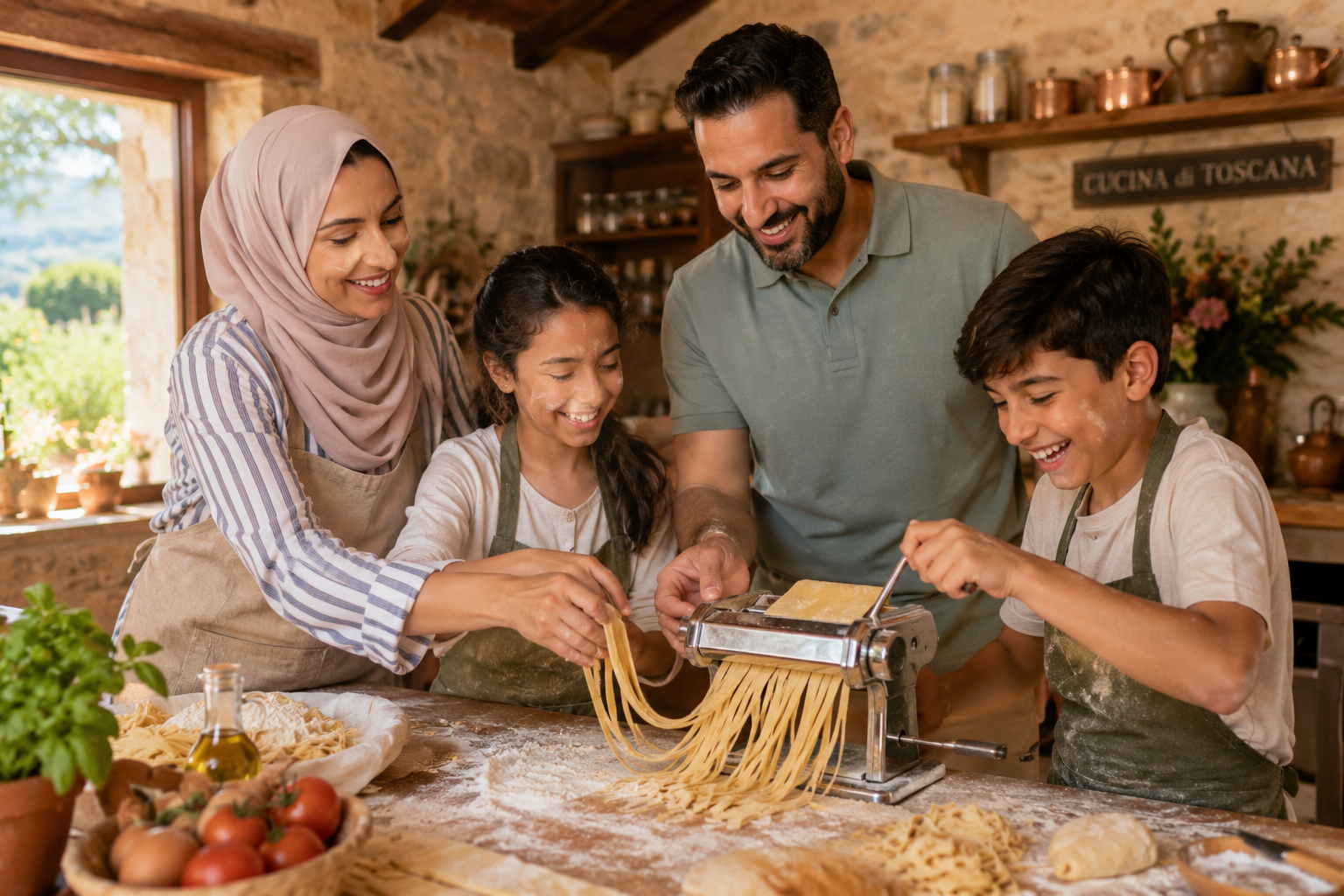
Developmentally, eating foreign foods expands a child’s palate and fosters adaptability. Culturally, it transforms abstract concepts like Italy or Mexico into concrete sensory experiences, making the travel lessons more impactful.
Connect the act of trying new food to problem-solving skills. Explain that navigating a new menu or flavor profile is a low-stakes exercise in cognitive flexibility, a key developmental skill.
Food Neophobia: An ingrained and powerful reluctance to eat or try new foods. It is a distinct trait that differs from typical picky eating and often peaks in toddlerhood.
According to a survey by the Family Travel Association, 71% of parents say that trying new foods is a top priority for their family vacations.
Author’s Experience
“My kids were once terrified of anything new. I remember our first trip to Rome, bribing them with gelato to try a tiny bite of pasta. Now, they excitedly seek out local street food, often surprising me with their adventurous choices. It’s truly a transformation!”
How do new food experiences enhance family vacation memories?
New food experiences enhance family vacation memories by creating powerful sensory anchors where a specific taste or smell becomes inextricably linked to a location and a shared moment.
Shared meals abroad become unique family stories and inside jokes that last a lifetime. These experiences, like a cooking class or discovering a favorite local snack, often become the most cherished moments of a trip.
Briefly explain the concept of olfactory memory—how the sense of smell is strongly tied to the memory centers of the brain. This provides a scientific basis for why food-related memories are so vivid and powerful.
A study published in the journal *Memory* found that food-related vacation memories were rated as 15% more emotionally intense and vivid than other types of travel memories.
2. What common challenges do parents face with kids and foreign food during travel?
The most common challenges parents face with kids and foreign food during travel are managing pre-existing picky eating habits, navigating unfamiliar food hygiene standards, and mitigating risks from food allergies.
Parents primarily struggle with children’s refusal to eat unfamiliar foods, which causes mealtime stress. They also worry about the safety of local food and water and the difficulty of communicating allergy needs in a foreign language.
Differentiate between “picky eating” (a behavioral preference for familiar foods) and “food neophobia” (a specific, often biological, fear of trying new foods). This distinction gives parents a more precise understanding of the challenge.
Food Neophobia: An ingrained and powerful reluctance to eat or try new foods. It is a distinct trait that differs from typical picky eating and often peaks in toddlerhood.
How does picky eating affect trying new dishes abroad?
Picky eating directly affects trying new dishes abroad by severely limiting a child’s accepted food options, often leading to mealtime meltdowns and a reliance on finding familiar, non-local foods.
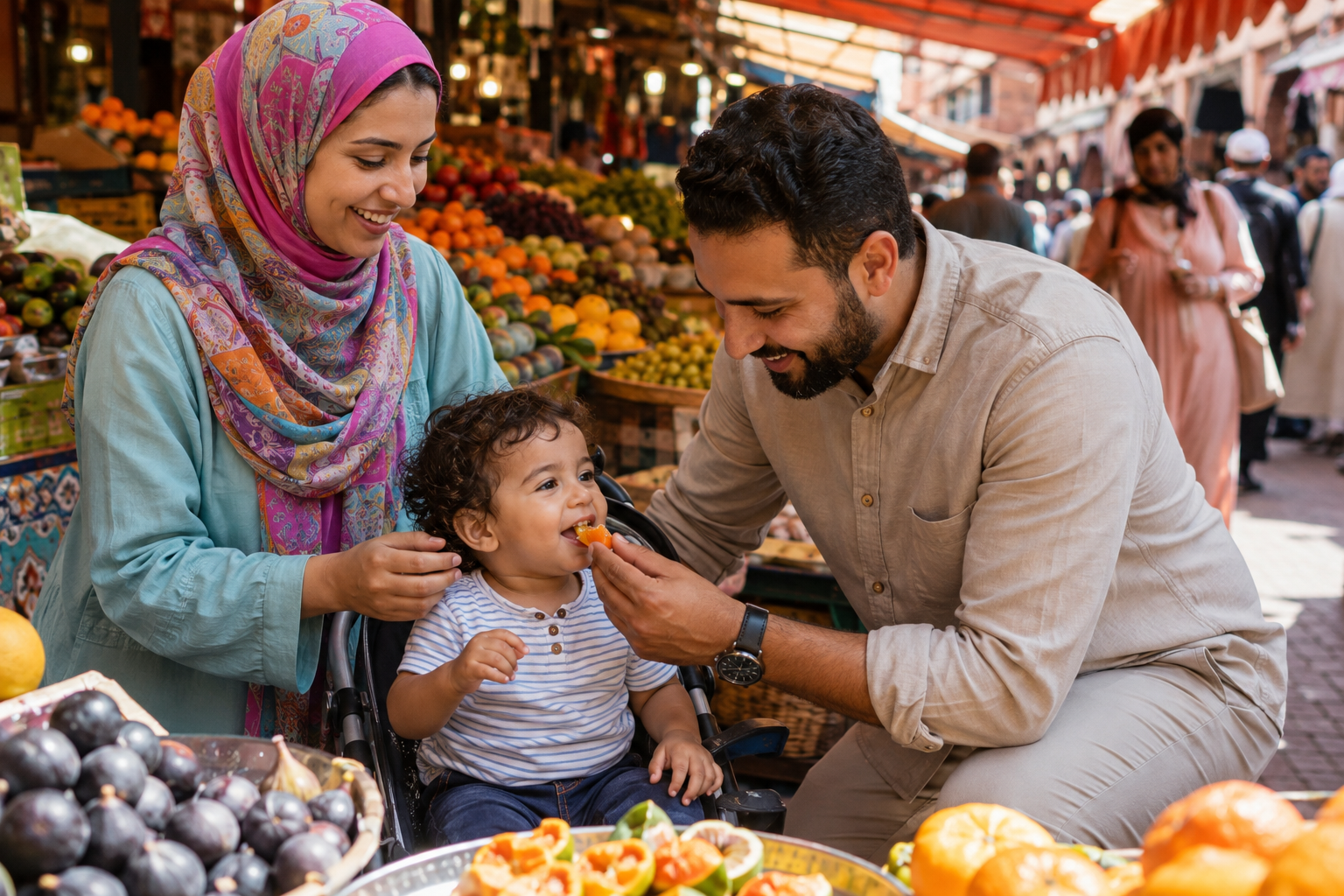
When facing the challenges of picky eating in a foreign setting, having dedicated strategies is key. For more in-depth advice tailored to these situations, explore our insights on How to Feed Picky Eaters on a Family Vacation.
A picky eater’s preference for specific textures, colors, and flavors means they will often refuse complex or mixed dishes common in foreign cuisines. This refusal creates stress for parents and can limit the family’s dining choices to less authentic, more expensive restaurants.
Explain that the core issue is often a “sensory mismatch.” A child used to plain, separate foods is overwhelmed by a dish where flavors and textures are combined, like a stew or curry. This gives parents a specific problem to solve (deconstruction).
Studies show that severe picky eating, found in about 15-20% of children, can lead to significant nutritional deficiencies and social stress during travel.
What food safety and allergy concerns arise with international cuisine?
The primary food safety and allergy concerns that arise with international cuisine involve variable hygiene standards, the risk of foodborne illnesses like traveler’s diarrhea, and the presence of hidden allergens in unfamiliar dishes.
Addressing food safety and allergy concerns is a critical component of ensuring overall well-being during your travels. To dive deeper into all aspects of keeping your family healthy while away from home, consider reviewing our guide on How Do You Plan for Family Vacation Health?.
Key concerns include contamination from unpurified water or ice, undercooked food, and cross-contamination in kitchens. For allergies, the danger lies in unlisted ingredients and the inability to communicate the severity of the allergy in the local language.
Move beyond the generic “be careful” advice. Specify that buffet-style restaurants pose a higher risk due to food being held at lukewarm temperatures, a breeding ground for bacteria, making à la carte, freshly cooked meals a safer choice.
Traveler’s Diarrhea: A common gastrointestinal infection experienced by travelers, characterized by loose stools, abdominal cramps, and sometimes fever, primarily caused by consuming contaminated food or water.
It is reported that traveler’s diarrhea affects a large percentage of travelers, with children being particularly susceptible to dehydration from the illness.
3. How do you choose vacation destinations friendly for kids’ foreign food exploration?
You choose vacation destinations friendly for kids’ foreign food exploration by evaluating the local cuisine based on three key factors: the prevalence of mild flavors, the availability of familiar base ingredients, and the ease of customizing dishes.
Understanding what truly makes a location suitable for your family’s travel style is essential, especially when food exploration is a goal. To help narrow down your options, read more about How to Define a “Family-Friendly” Vacation Destination.
Select destinations where the cuisine is naturally accessible to children, such as Italy (pasta, pizza) or Greece (grilled meats, pita). These locations offer simple, non-spicy options that serve as an easy entry point for young palates.
Introduce the concept of a “culinary buffer zone.” A good destination has both authentic local food for adults and adventurous kids, plus a wide availability of simple, “safe” options (like bread, rice, grilled chicken) that can serve as a buffer during mealtime negotiations.
Culinary Entry Point: A specific dish or food type within a foreign cuisine (e.g., Italian gelato, Japanese edamame) that is simple, appealing, and non-intimidating, serving as a successful first step for a child’s food exploration.
Which cuisines offer easy entry points for children new to international flavors?
Cuisines that offer the easiest entry points for children new to international flavors are those based on familiar components like noodles, bread, rice, and simple grilled proteins.
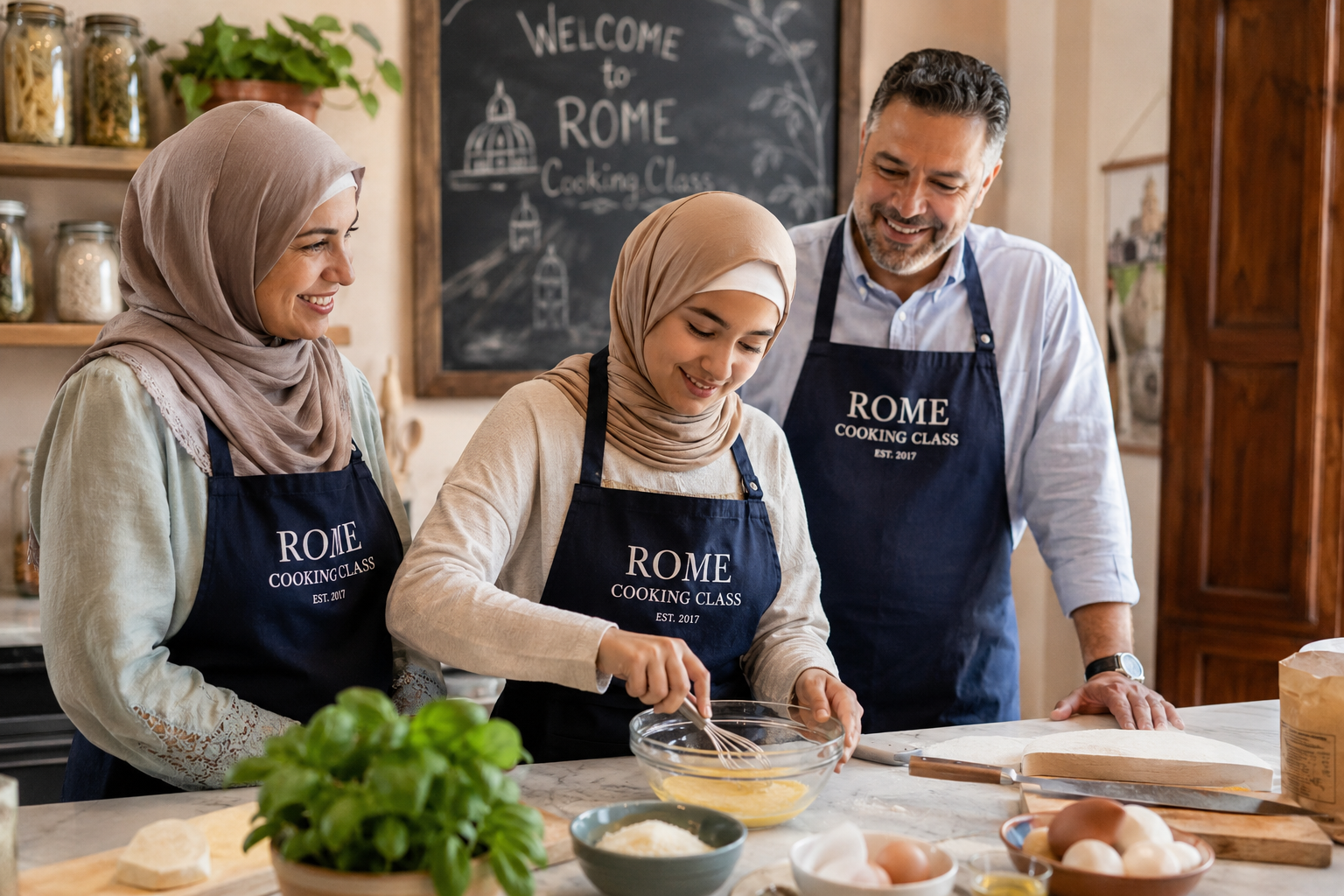
Italian, Greek, and Spanish cuisines are excellent starting points due to their focus on mild, fresh ingredients like pasta, cheese, olive oil, and grilled meats. Japanese cuisine also offers simple options like edamame, plain rice, and mild noodle soups.
Go beyond just listing cuisines. Explain *why* they work by highlighting the “deconstructable” nature of dishes. A Greek souvlaki platter or a Mexican taco bar allows a child to pick and choose components, giving them a sense of control.
In a global survey, Italian food was ranked as the most popular cuisine in the world, making it a reliable choice for families.
- Italian Cuisine: Focus on simple pasta with mild sauces, pizza, and gelato.
- Greek Cuisine: Souvlaki (grilled meat skewers), pita bread, and mild cheeses.
- Spanish Cuisine: Tapas such as patatas bravas (without spicy sauce), tortilla (omelet), and bread.
- Japanese Cuisine: Edamame, plain rice, and mild noodle soups like udon or ramen.
What cultural dining customs should families research before visiting?
Families should research cultural dining customs before visiting a destination to understand tipping etiquette, meal times, and appropriate public behavior for children in restaurants.
Before your trip, research key customs like whether tipping is expected (common in the USA, insulting in Japan), typical dinner times (often much later in Spain or Italy), and the local attitude towards children in dining establishments.
Highlight a non-obvious custom. For example, in many European countries like France, it is considered rude to ask for major modifications to a dish, as it implies disrespect to the chef’s creation. This is a critical insight for parents used to “holding the sauce.”
In the United States, restaurant tips average between 15% and 20%, whereas in Japan, tipping is not customary and can be considered rude.
4. Which foreign food strategies work best for different age groups of kids?
The best foreign food strategies are tailored to the specific developmental stage of each age group, focusing on texture and familiarity for toddlers, games and involvement for young kids, and autonomy for teens.
For toddlers (1-3), provide deconstructed meals with familiar bases. For young children (4-8), use the “one bite rule” and make it a game. For pre-teens and teens (9+), involve them in the decision-making process by letting them choose restaurants or try food tours.
Introduce the “Food Passport” concept for the 4-8 age group. Create a small booklet where kids get a “stamp” or sticker for each new food they try from a different country. This gamifies the experience and turns it from a battle into a quest.
Deconstructed Meal: The practice of serving the components of a complex dish separately (e.g., pasta, sauce, and cheese in separate piles) to allow a picky eater to control how they combine the elements, reducing sensory overload.
How can parents encourage toddlers to try new tastes abroad?
Parents can encourage toddlers to try new tastes abroad by focusing on familiar textures, offering deconstructed meals, and linking new foods to things they already enjoy.
The most effective strategies for toddlers involve serving new foods alongside a “safe” food they love. Offer simple, single-ingredient items like pieces of local fruit, plain bread, or mild cheese, and never pressure them to eat.
Advise parents to leverage dipping. Toddlers often love to dip. Offering a familiar breadstick or vegetable to dip into a tiny amount of a new, mild sauce (like a non-spicy tzatziki or hummus) can be a successful bridge to a new flavor.
Food neophobia, the fear of trying new foods, peaks between the ages of 2 and 6, making low-pressure strategies essential for toddlers.
What approaches motivate older kids to be adventurous eaters on vacation?
The most effective approaches to motivate older kids to be adventurous eaters on vacation grant them autonomy, connect food to their interests, and frame it as a cool, mature experience.
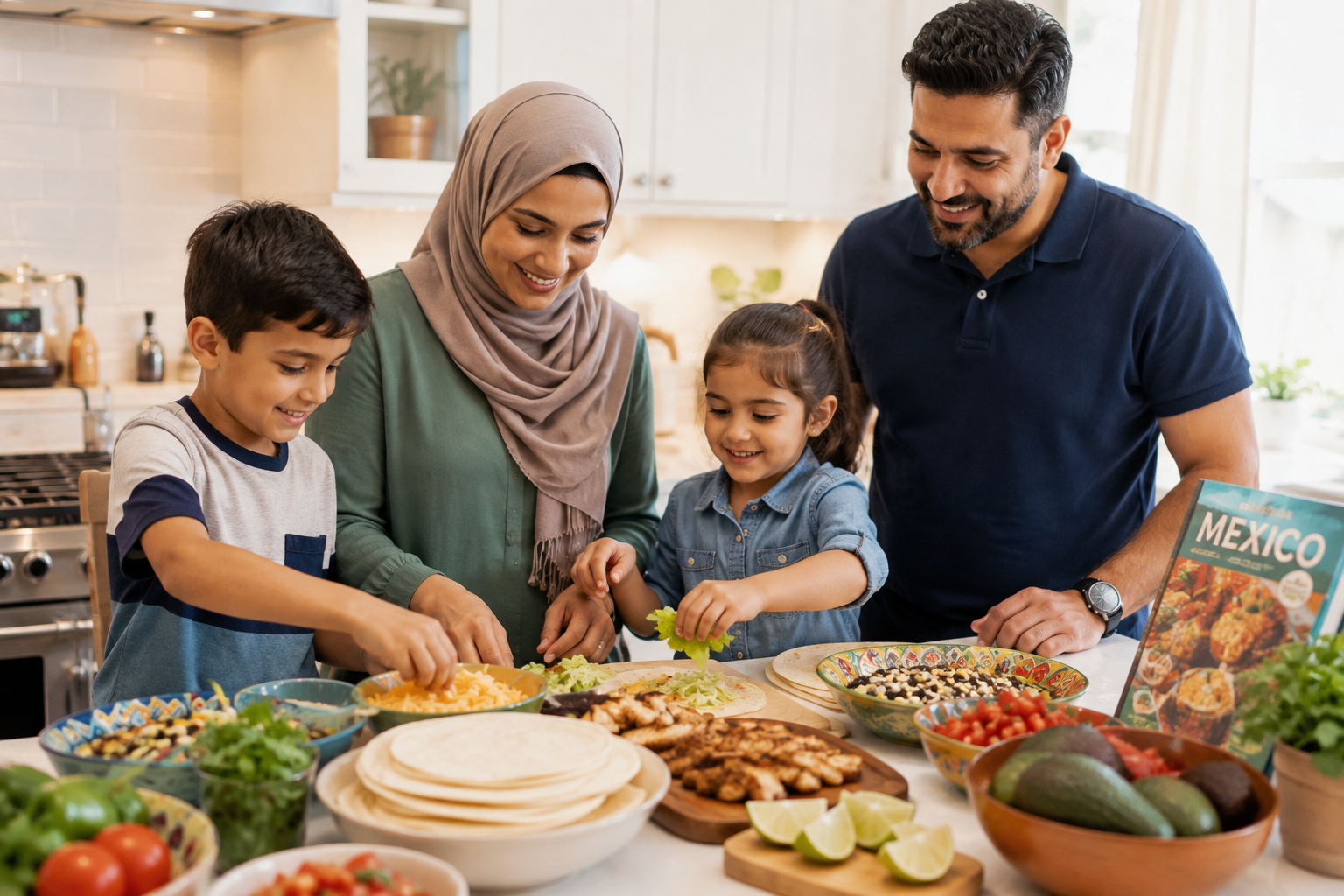
Give them control by letting them research and choose a restaurant for one night’s meal. Also, sign them up for engaging activities like a local cooking class or a guided street food tour, which transforms eating into an active adventure.
Suggest connecting food to social media. Frame trying a unique local dish (like octopus in Greece or takoyaki in Japan) as a “photo-worthy” or “TikTok-worthy” moment. This leverages their desire for unique content and peer validation as a motivator.
A survey showed that 82% of teenagers are more willing to try new experiences, including food, if they are involved in the planning stages of a family trip.
5. How do families prepare kids for new culinary experiences before vacation?
Families prepare kids for new culinary experiences before vacation by systematically introducing the destination’s flavors and culture at home, a process known as “priming the palate.”
Weeks before your trip, start by cooking simple dishes from the destination, visiting a local ethnic restaurant, and watching travel food shows together. This builds familiarity and excitement, reducing the shock of the new upon arrival.
Recommend a “themed dinner night” once a week leading up to the trip. If going to Mexico, have a taco night; if going to Japan, try making simple maki rolls. This turns preparation into a fun family activity.
Priming the Palate: A pre-travel strategy of gradually exposing a child to the anticipated flavors, ingredients, and names of a destination’s cuisine to build familiarity and reduce food-related anxiety during the actual trip.
What types of foreign foods should you introduce at home first?
The types of foreign foods you should introduce at home first are the simplest, most foundational dishes of the destination’s cuisine, focusing on staple ingredients like grains, mild sauces, and common proteins.
Start with the “building blocks” of the cuisine. For Italy, introduce a simple tomato sauce or pesto with pasta. For Mexico, start with plain tortillas, beans, and mild cheese before assembling them into a taco.
Advise parents to start with snacks and breads, as these are often the most accessible and least intimidating entry points. For example, introduce Greek pita bread and tzatziki or Japanese edamame at home before trying to introduce a complex moussaka or sashimi.
Research shows a child may need to be exposed to a new food between 10 to 15 times before they are willing to accept it.
How can you use storytelling or media to excite kids about new cuisines?
You can use storytelling and media to excite kids about new cuisines by watching travel food shows, reading children’s books set in the destination, and sharing fun facts about the food’s history.
Build a positive narrative around the food. Watch episodes of shows like “Somebody Feed Phil” or “Salt Fat Acid Heat” that feature your destination. Find children’s books that mention local dishes, effectively turning the food into a character in an exciting story.
Suggest creating a “food treasure map” of the destination. Mark spots on a map for specific things to try—gelato near the Colosseum, a croissant from a specific Parisian bakery. This gamifies the experience and turns it into a quest.
A study found that children who watched cooking shows were 2.7 times more likely to make healthy food choices.
6. What practical steps help kids try foreign foods during vacation meals?
The most practical steps to help kids try foreign foods during vacation meals involve a combination of strategic ordering, meal deconstruction, and maintaining a low-pressure, positive environment.
At the restaurant, always order at least one “safe,” familiar dish alongside one new dish for the family to share. Allow kids to help order from picture menus and deconstruct complex dishes into their individual components on the plate.
Introduce the “restaurant research” step. Before going to a restaurant, look up its menu online *with* your child. Help them identify one or two things that look interesting or “safe,” which reduces anxiety and gives them a sense of control before even arriving.
Safe Dish: A familiar and reliably accepted food item (e.g., a bowl of plain rice, bread, or french fries) ordered alongside more adventurous dishes to ensure a child has something to eat, thereby reducing the pressure on them to try the new food.
How can parents deconstruct complex foreign dishes for picky eaters?
Parents can deconstruct complex foreign dishes for picky eaters by physically separating the food into its core components on the plate, such as separating protein from sauce and vegetables.
When a mixed dish like a curry or stew arrives, use a separate plate or section of the current plate to isolate individual ingredients. For example, pull out the chicken, carrots, and potatoes from a stew and serve them separately from the sauce.
Explain the “Flavor Dilution” technique as part of deconstruction. For a flavorful sauce or soup, mix a very small amount of it into a larger portion of a plain base like rice or pasta. This introduces the flavor in a less overwhelming concentration.
According to food scientists, over 75% of taste is actually determined by smell, so allowing a child to experience the individual, less overwhelming scents of deconstructed ingredients can increase acceptance.
What positive reinforcement techniques encourage kids to taste new things?
The most effective positive reinforcement techniques to encourage kids to taste new things focus on praising the effort of trying, not the act of liking, and using non-food rewards.
Praise your child specifically for their bravery in trying a new bite, regardless of their reaction (e.g., “That was so adventurous of you to try that!”). Avoid bribing with dessert, which elevates sweets and devalues the meal; instead, offer a non-food reward like extra pool time or choosing the next activity.
Differentiate between “bribing” and “rewarding.” Bribing (“If you eat your fish, you get ice cream”) is a transactional negotiation that creates a negative association with the fish. Rewarding (“Everyone who tries something new tonight gets to pick a song in the car”) is a group-based positive incentive that celebrates adventurousness.
A university study found that pressuring children to eat foods they dislike can lead to a 30% increase in picky eating behaviors.
7. How can families ensure food safety and manage allergies while eating abroad?
Families ensure food safety and manage allergies while eating abroad by adhering to strict hygiene protocols, vetting food vendors, and using translated allergy cards for clear communication.
To ensure safety, always choose busy restaurants, eat freshly cooked hot food, and drink only bottled or purified water. To manage allergies, carry professionally translated allergy cards that clearly state the allergen and the severity of the reaction, and always have emergency medication accessible.
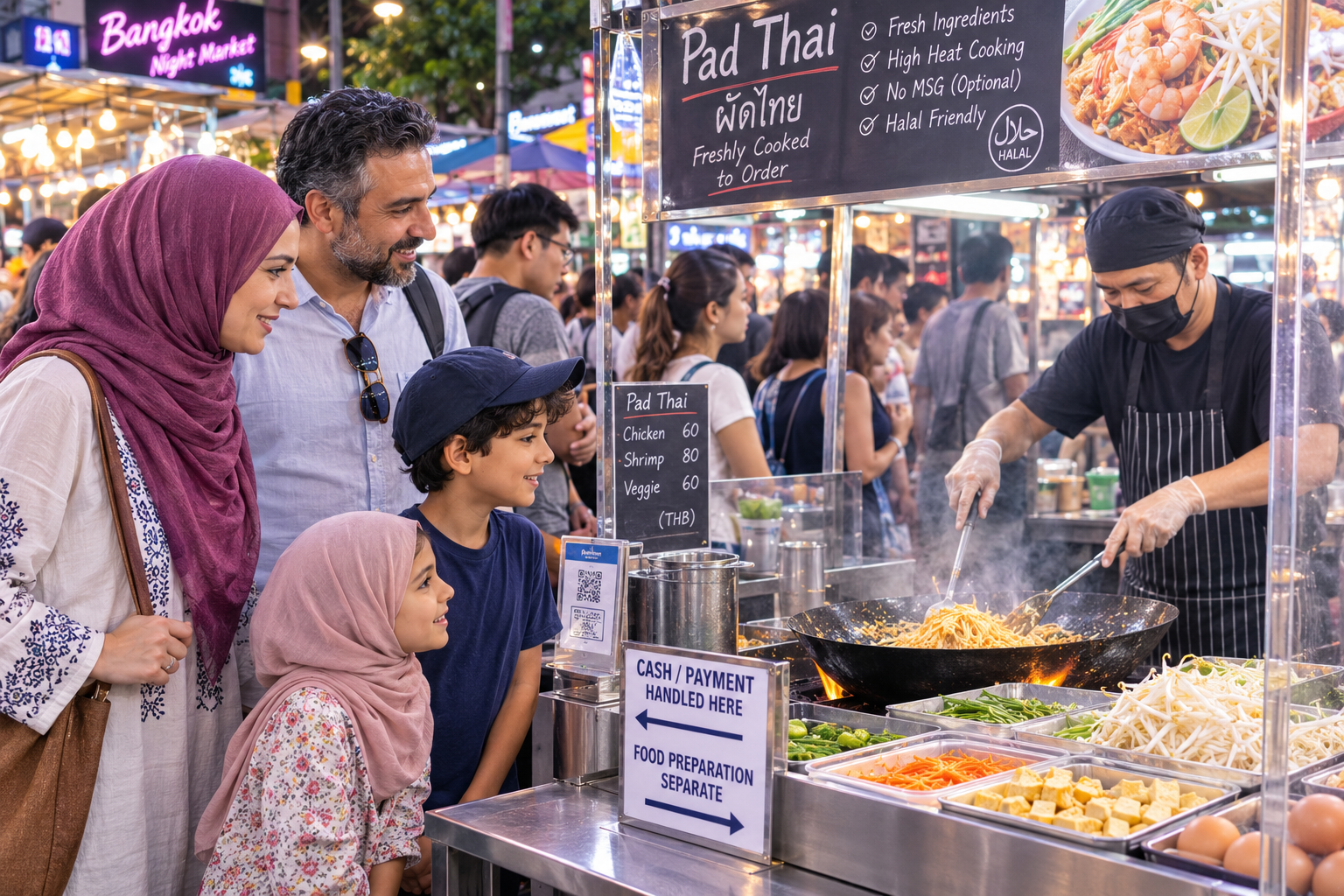
Introduce the “80/20 Rule” of street food safety. 80% of the risk can be mitigated by following two simple rules: 1) Only eat at stalls with a long line of locals, and 2) Watch them cook your food fresh in front of you. This is a simple, memorable heuristic for parents.
Allergy Card: A small, laminated card carried by a traveler that explains their specific food allergy, the need to avoid cross-contamination, and the nature of an allergic reaction, all translated into the local language of the destination.
What are essential phrases to learn for food allergies in the local language?
The most essential phrase to learn for food allergies in any local language is a clear, declarative statement that communicates the specific allergy and the serious consequence of exposure.
Focus on learning the structure: “My child is allergic to [allergen]. If they eat this, they will get very sick. Does this food contain [allergen]?” You must learn the words for your specific allergen (e.g., “peanuts,” “milk,” “shellfish“) and the phrase “allergic to.”
Advise parents not just to learn the phrase, but to have it printed on a translated allergy card and to also have a picture of the allergen (e.g., a photo of a peanut with a red “X” through it). This visual aid transcends language barriers when verbal communication fails.
In the United States, about 1 in 13 children, or roughly two in every classroom, have a food allergy.
How can parents identify safe street food vendors for their kids?
Parents can identify safe street food vendors for their kids by observing three key indicators: high customer turnover with a local clientele, a clean and organized preparation area, and watching the food being cooked to order at a high temperature.
Choose the vendor with the longest line, especially if it’s full of locals, as this signals quality and freshness. Avoid stalls where food is pre-cooked and sitting out; instead, pick one where you see them cook your meal from raw ingredients in front of you.
Introduce the “hand-washing check.” A key sign of a safe vendor is the presence of a separate station for handling money versus handling food, or observing the vendor frequently using hand sanitizer or washing their hands. This small detail is a major indicator of their hygiene practices.
The World Health Organization (WHO) states that while street food is a source of affordable meals for millions, up to 40% of foodborne disease outbreaks in some regions are linked to street food.
8. How do you handle kids who refuse to eat foreign food on vacation?
You handle kids who refuse to eat foreign food on vacation by immediately removing pressure, offering a pre-packed familiar backup food, and shifting the focus away from the meal itself.
When a child refuses to eat, do not turn it into a battle. Calmly state that it’s okay, offer them a small, boring but nutritious backup you’ve packed (like a granola bar or crackers), and end the mealtime discussion.
Introduce the “Hunger is the best sauce” principle, but with a modern parenting twist. It’s okay for a child to be a little hungry. Refusing to offer a tasty alternative to the refused meal (and instead offering a “boring” backup) means they will be hungrier and more likely to try something at the *next* meal, without creating a power struggle.
Backup Food: A small, non-perishable, and nutritionally adequate snack (e.g., protein bar, crackers, dried fruit) carried by parents during travel. Its purpose is to serve as a neutral, non-exciting fallback option if a child refuses a meal, ensuring they receive calories without rewarding the refusal.
What backup food options should families always carry for kids while traveling?
The backup food options families should always carry for kids while traveling are non-perishable, nutrient-dense, and mess-free items that do not require refrigeration.
Beyond just food, a comprehensive packing list ensures you’re prepared for all aspects of your family’s journey. For a full rundown of what to bring, consult our guide on How to create a family vacation packing list.
Your travel daypack should always contain items like granola or protein bars, individual packs of crackers, dried fruit, nut-free trail mix, and fruit/vegetable pouches. These provide a reliable source of calories and nutrients when no other acceptable food is available.
Advise parents to choose “boring” backups. The goal of the backup food is nutrition, not reward. Packing their absolute favorite snack might encourage them to refuse meals to get the snack. A plain cracker is a better choice than a chocolate-covered granola bar.
A survey of traveling families revealed that 92% of parents pack a dedicated “backup snack” bag for their children on every trip.
- Granola or protein bars
- Individual packs of crackers
- Dried fruit
- Nut-free trail mix
- Fruit/vegetable pouches
How can parents manage mealtime meltdowns over unfamiliar food in public?
Parents manage mealtime meltdowns over unfamiliar food in public by remaining calm, physically removing the child from the situation if necessary, and immediately ending the power struggle over food.
The moment a meltdown begins, one parent should calmly take the child outside the restaurant for a few minutes to cool down, away from the public audience. Do not negotiate; simply state that the behavior is not acceptable and the meal is over for now.
Introduce the “One-Sentence” technique. When the meltdown happens, use a single, calm, repeatable sentence like, “We don’t yell in restaurants.” Do not engage in a lengthy explanation or argument, as this feeds the drama. The goal is to de-escalate, not to win the argument.
In a survey on family travel stress, 68% of parents cited public meltdowns as their number one source of anxiety while on vacation.
9. What steps should families take if a child experiences food sickness or an allergic reaction abroad?
If a child experiences food sickness or an allergic reaction abroad, families must immediately assess the severity of the symptoms, administer any prescribed emergency medication, and seek appropriate medical attention without delay.
For mild food sickness (e.g., traveler’s diarrhea), focus on hydration with bottled water and rehydration salts. For any sign of a severe allergic reaction (anaphylaxis), such as difficulty breathing or swelling, administer an epinephrine auto-injector immediately and call local emergency services.
Advise parents to have their hotel’s front desk or a local guide make the call to emergency services. They can communicate the location and symptoms more effectively and quickly in the local language than a panicked tourist can. This is a critical, time-saving step.
Anaphylaxis: A severe, potentially life-threatening allergic reaction that can occur within seconds or minutes of exposure to an allergen. Symptoms include hives, swelling, and difficulty breathing, and it requires immediate treatment with epinephrine.
When should parents seek medical attention for food-related illness during a trip?
Parents should seek immediate medical attention for a food-related illness during a trip if the child shows signs of severe dehydration, has a high fever, passes bloody stool, or if symptoms persist for more than 24-48 hours.
Go to a doctor or clinic if your child has diarrhea or vomiting and cannot keep fluids down, has a sustained fever above 102°F (38.9°C), or seems unusually lethargic. For any symptoms of a severe allergic reaction, seek emergency care immediately.
Provide a specific, actionable test for dehydration: Check for crying without tears, a dry mouth, and infrequent urination (e.g., no wet diaper for three hours or more in an infant). These are concrete signs that require medical intervention.
Health organizations advise that children with traveler’s diarrhea should see a doctor if they have a fever of 102°F (38.9°C) or higher, or if they are unable to keep fluids down for more than 4-6 hours.
- Signs of severe dehydration (e.g., no wet diaper for 3+ hours, dry mouth, crying without tears).
- Sustained high fever (above 102°F / 38.9°C).
- Bloody stool.
- Persistent vomiting or diarrhea for more than 24-48 hours.
- Any symptoms of a severe allergic reaction.
What essential medical supplies for food emergencies should be in a travel kit?
The essential medical supplies for food emergencies that must be in a travel kit include medications for allergies, diarrhea, and dehydration, alongside basic hygiene items.
Beyond just food, a comprehensive packing list ensures you’re prepared for all aspects of your family’s journey. For a full rundown of what to bring, consult our guide on What to Include in a Family vacation First-Aid Kit.
Your kit must contain any prescribed epinephrine auto-injectors, liquid or chewable antihistamines for allergic reactions, anti-diarrheal medication (for older children, per doctor’s advice), and oral rehydration salt packets. Also include alcohol-based hand sanitizer and antiseptic wipes.
Advise parents to pack a small, digital thermometer. A fever is a key diagnostic sign, and having an accurate temperature reading is critical information to provide to a doctor, especially when dealing with a language barrier.
A study showed that up to 20% of food-related anaphylaxis cases in travelers occurred in individuals who had no previously known food allergy, highlighting the need for emergency preparedness.
- Prescribed epinephrine auto-injectors.
- Liquid or chewable antihistamines.
- Anti-diarrheal medication (if advised for older children).
- Oral rehydration salt packets.
- Alcohol-based hand sanitizer.
- Antiseptic wipes.
- Small, digital thermometer.
10. Logistics: Essential Preparations for Kid-Friendly Culinary Travel
| Checklist Item / Tactic | Status |
|---|---|
| PRE-TRIP: Research kid-friendly cuisines (e.g., Italy, Greece). | ⬜ |
| SAFETY: Translate allergy phrases and prepare allergy cards. | ⬜ |
| BACKUP: Pack non-perishable backup snacks for all kids. | ⬜ |
| PREPARATION: Introduce new flavors at home (priming the palate). | ⬜ |
| ON-SITE: Identify safe street food vendor indicators. | ⬜ |
Sources
Resolution
By researching cuisines, preparing kids at home, and equipping yourself with strategies for both encouragement and emergencies, you transform potential mealtime stress into an opportunity for bonding, learning, and creating the most vibrant vacation memories.